

Red Light Therapy and LED Face Masks
Red light therapy for the body, an LED face mask for the face: fine lines, collagen, muscle and joint pain, better sleep.
Red light therapy, LED face masks and red light panels
Main benefits of red light therapy and LED masks

Fine lines, collagen and firmness
Red light at 630 to 660 nm stimulates collagen and elastin: more firmness, better texture and smoother fine lines, with the LED face mask or the panel.

Muscle, knee and joint pain
Near-infrared light at 850 nm reaches muscle, tendon and joint: knees, shoulders and lower back. Less inflammation and more everyday comfort.

DOMS, muscle recovery and sleep
Photobiomodulation after training: less DOMS, faster muscle recovery and better sleep quality in the evening session.

KumoLux.
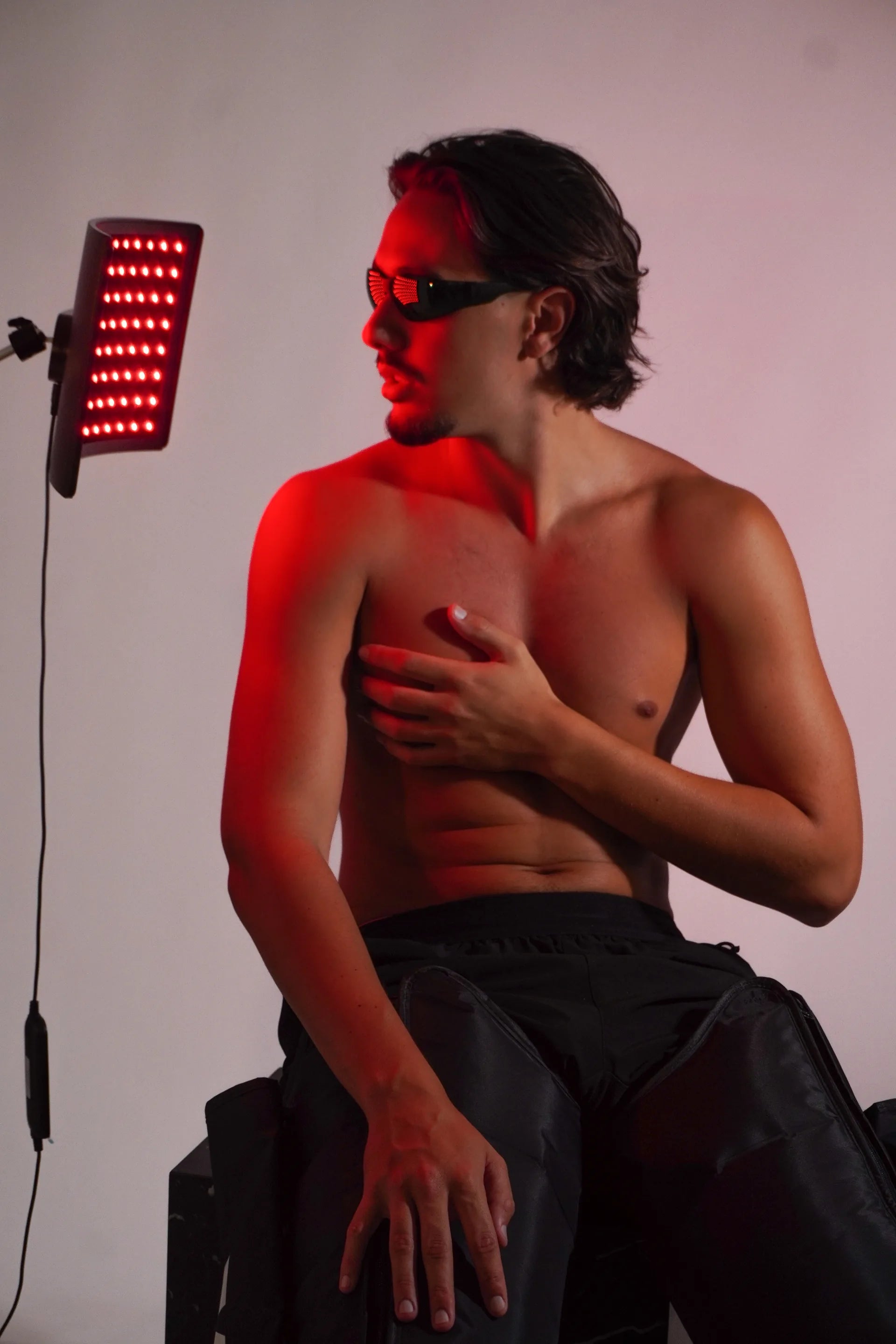
Red light therapy for the whole body.
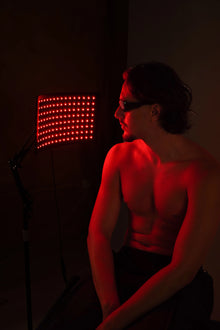
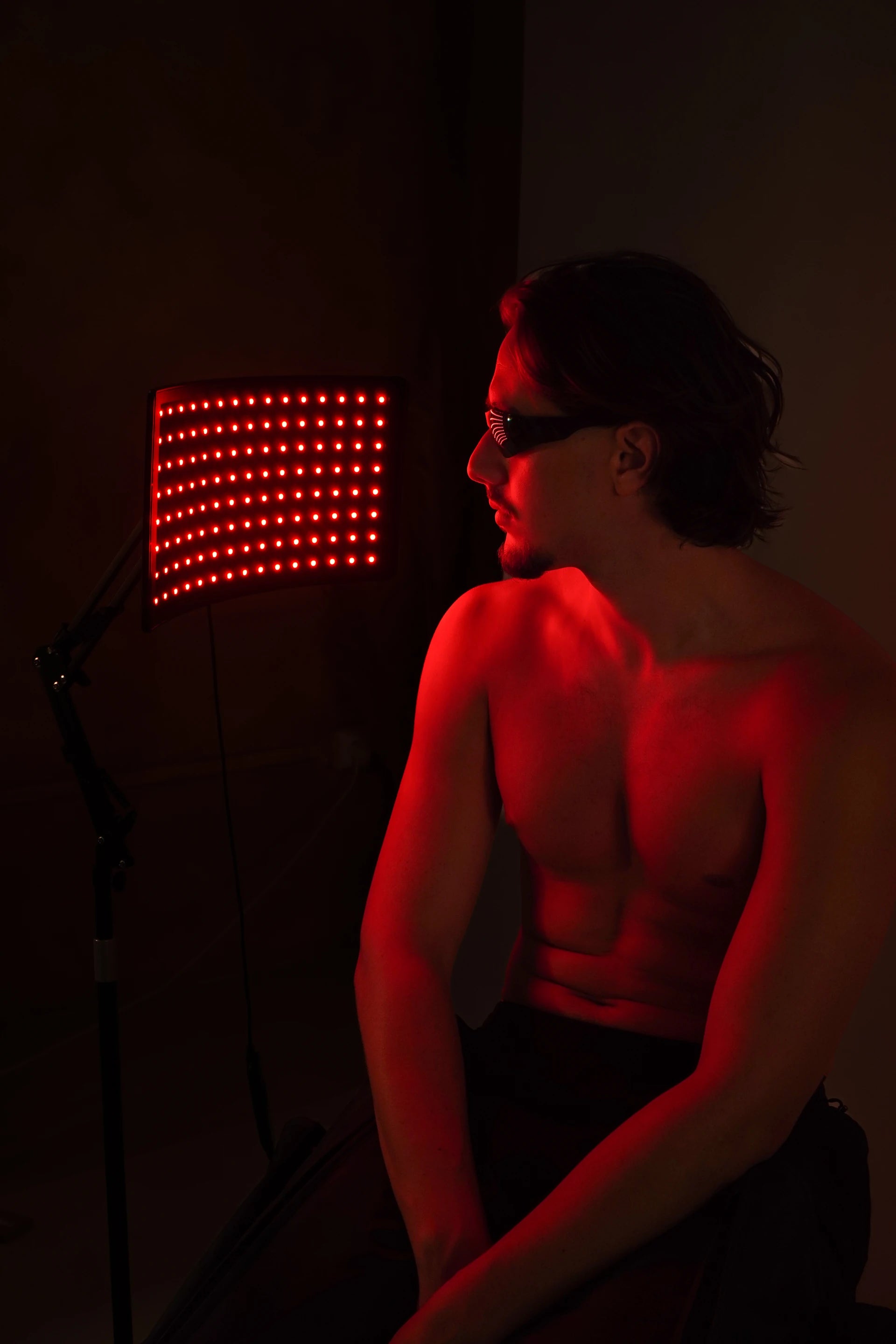
Clinical power to treat large areas of the body. In sessions of just 10 minutes.
- 660 and 850 nm · 122 mW/cm² at 15 cm
- Reduces muscle and joint inflammation
- Activates cellular energy from your first session

KumoSkin.
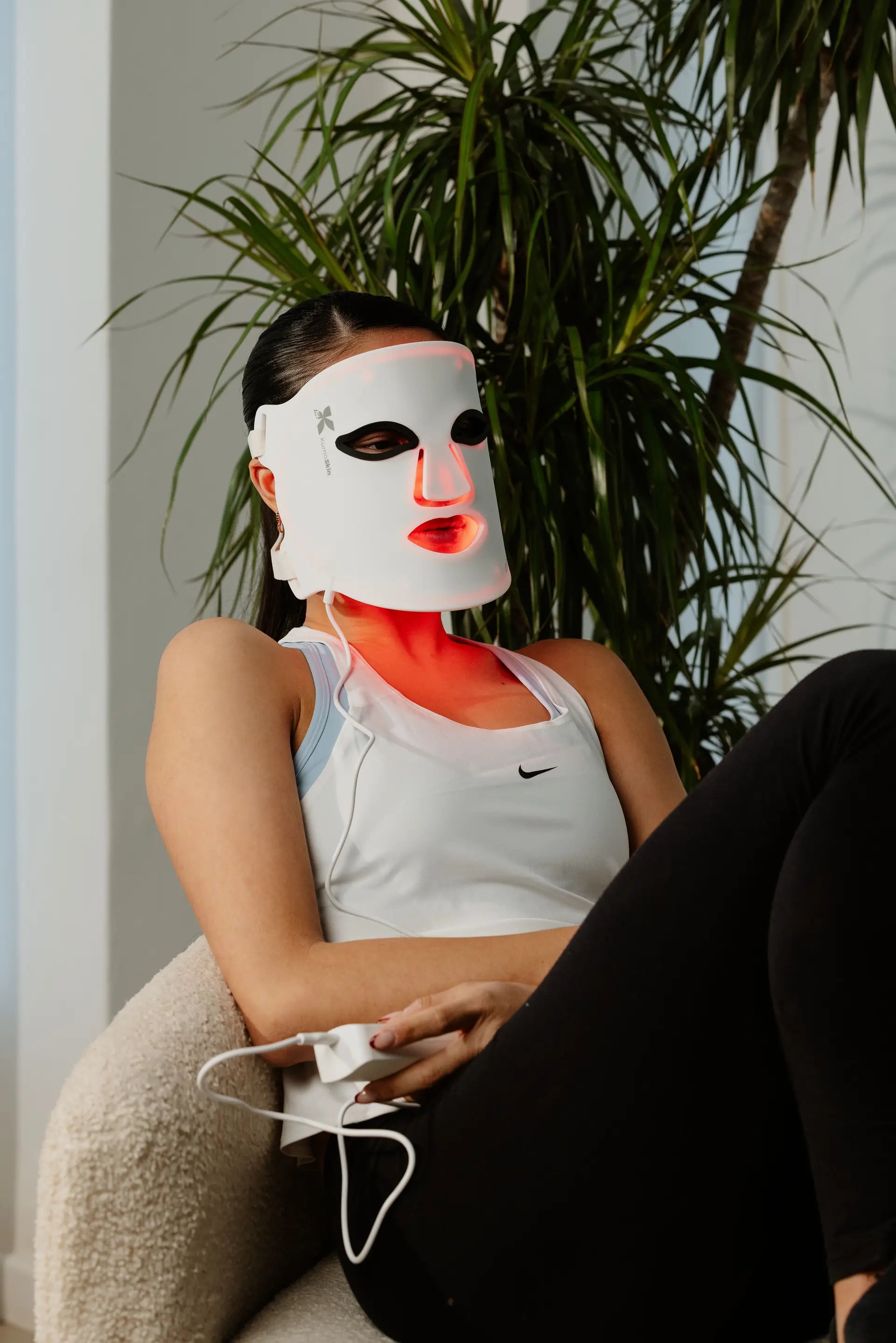
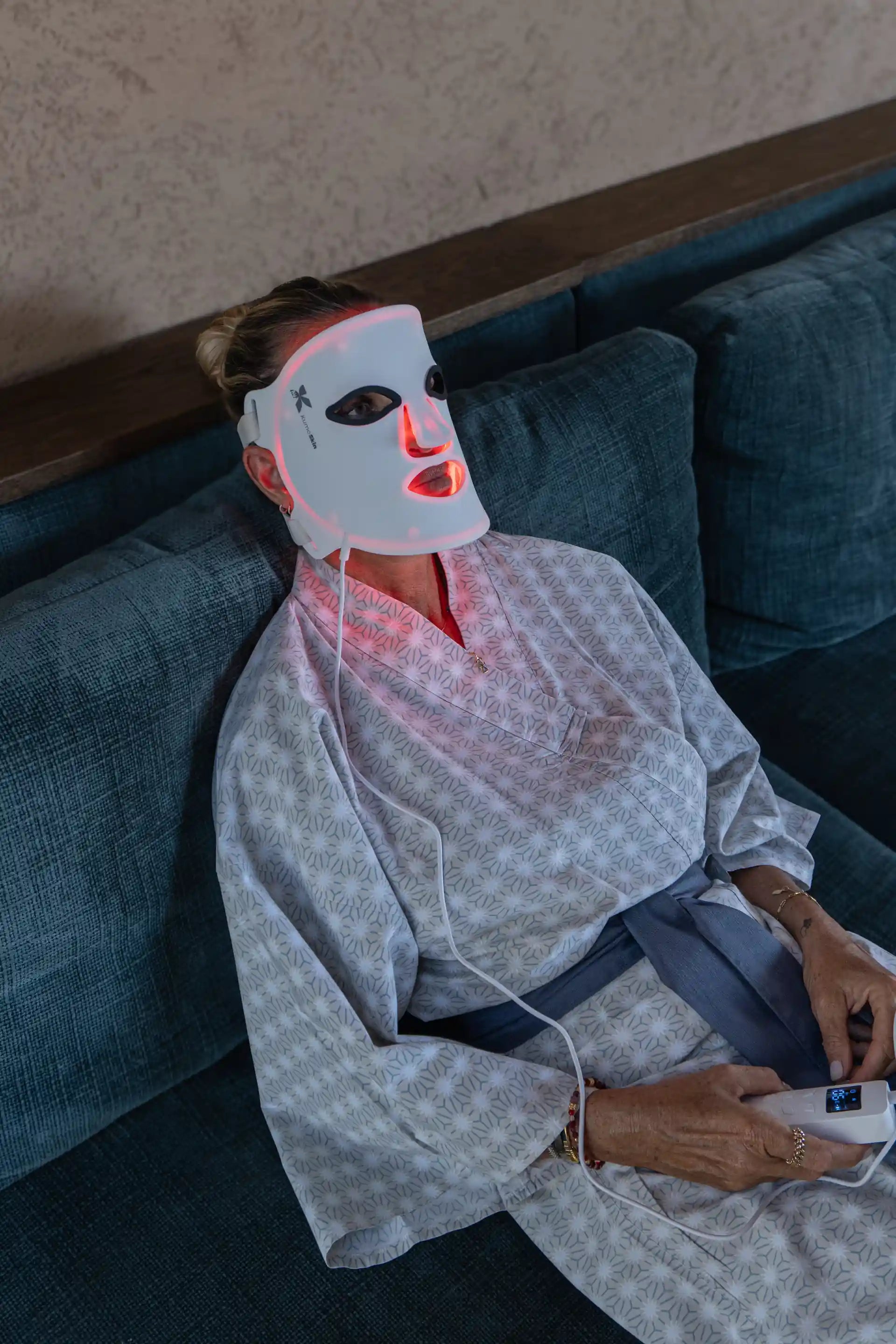
The LED face mask.
Red light designed for the most delicate skin. Visible results from the very first week.
- 250 diodes · red, near-infrared, blue and amber
- Reduces fine lines and redness
- Ergonomic — use it while you relax
Red light therapy, LED face masks and red light panels
Red light therapy at home: what to know
Red and near-infrared light for the body, an LED face mask for the face: skin, muscle and joint pain and recovery, with the consistency a clinic never allows.
What is red light therapy and what does it do?
Red light therapy, also called LED light therapy or photobiomodulation, shines red and near-infrared light on the skin to activate the mitochondria and raise cellular energy (ATP). Hence its most searched uses: collagen and firmness on the face, less inflammation and muscle and joint pain, faster recovery and better sleep. There is no ultraviolet radiation, so it does not tan or burn. The principle: what red light therapy is and how it works and what photobiomodulation is.
What are the benefits of an LED face mask or red light mask for skin?
On skin, red light at 630 to 660 nm stimulates collagen and elastin synthesis: better firmness, texture and glow, and smoother fine lines. A randomised controlled trial of 128 people, 30 sessions over 15 weeks, measured higher intradermal collagen density and lower roughness than the control group. The KumoSkin Mask is an LED face mask and red light mask in flexible medical silicone, working in direct contact with the face through 250 independent pure-spectrum diodes. More: red light for wrinkles and collagen and red light therapy benefits and uses.
Red light (660 nm) or near-infrared (850 nm): what is the difference?
Depth. Red light at 660 nm works on the skin: collagen, elastin, texture and redness. Near-infrared at 850 nm goes deeper, reaching muscle, tendon and joint, with an anti-inflammatory and regenerating effect. The KumoLux red light therapy panel emits both at once, with 122 mW/cm² of irradiance at 15 cm. In detail: the difference between 660 nm and 850 nm.
LED mask colours: which wavelength for which goal?
Each wavelength has a job: red at 630 to 660 nm for collagen and elasticity, near-infrared at 850 nm for inflammation and reactive skin, blue at 470 nm for sebum and the bacteria behind acne, amber at 590 nm for circulation, redness and fine lines. The KumoSkin Mask carries all four: a red light therapy mask and an LED light mask in one, in flexible medical silicone with openings for nose and mouth. More: what an LED face mask is.
Does an LED mask work for acne and redness?
Blue light at 470 nm acts on the surface layer: it regulates sebum and reduces the bacteria involved in acne, while amber at 590 nm calms redness and red light repairs. It is non-invasive, painless and has no downtime, and it suits sensitive skin too. Our guide: LED masks for acne.
Does red light therapy help muscle recovery and joint pain?
This is one of its best-documented uses. A systematic review of 39 trials and 861 participants found that, applied before exercise, it improved time to exhaustion, repetitions and peak isometric strength while lowering lactate. A meta-analysis of 10 trials and 542 people describes a moderate effect on joint pain at rest. The KumoLux panel is used at 25–30 cm for 15 minutes. More: red light and muscle recovery and how to choose an infrared panel.
How long is a red light therapy session and how often?
With the KumoLux panel: 10 minutes at 15–20 cm for skin and face, 15 minutes at 25–30 cm for muscles and joints, and 15 minutes at the end of the day for rest. With the KumoSkin mask: 10 to 20 minutes. In both cases, 3 to 5 sessions a week, on bare skin with no creams, and with the protective goggles on for the panel. More: steps and frequency at home and red light for better sleep.
Are there side effects or contraindications to red light therapy?
Photobiomodulation emits no ultraviolet radiation, so it does not tan or burn, and the KumoSkin Mask causes neither irritation nor photosensitivity. The usual precautions are drug-induced photosensitivity, pregnancy, photosensitive epilepsy and not looking straight into the diodes. Both devices are CE, ISO 13485 and RoHS certified. Detail: LED mask contraindications.
Is it the same as an infrared lamp or a heat lamp?
No. An infrared lamp or infrared heat lamp warms the skin with a broad spectrum and no controlled dose. The KumoLux panel is photobiomodulation: it emits only two measured wavelengths, 660 nm and 850 nm, with a known irradiance of 122 mW/cm² at 15 cm and 120 pure-spectrum diodes. It does not heat, emits no ultraviolet, and the session is measured in minutes and distance. The difference is heat versus light at a defined dose.