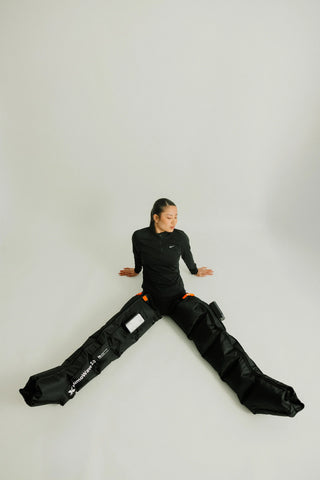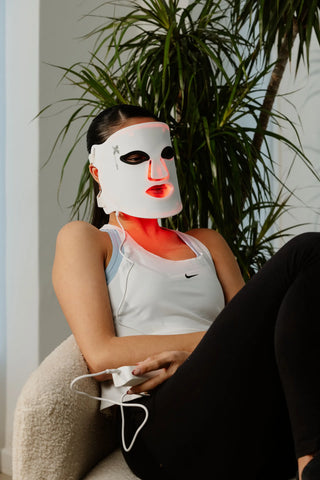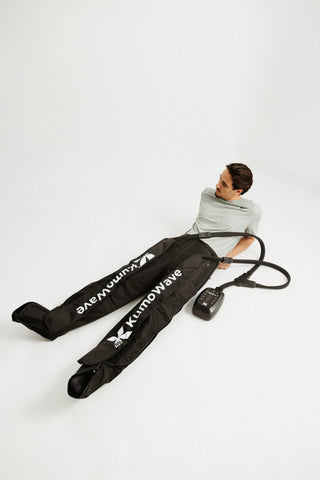

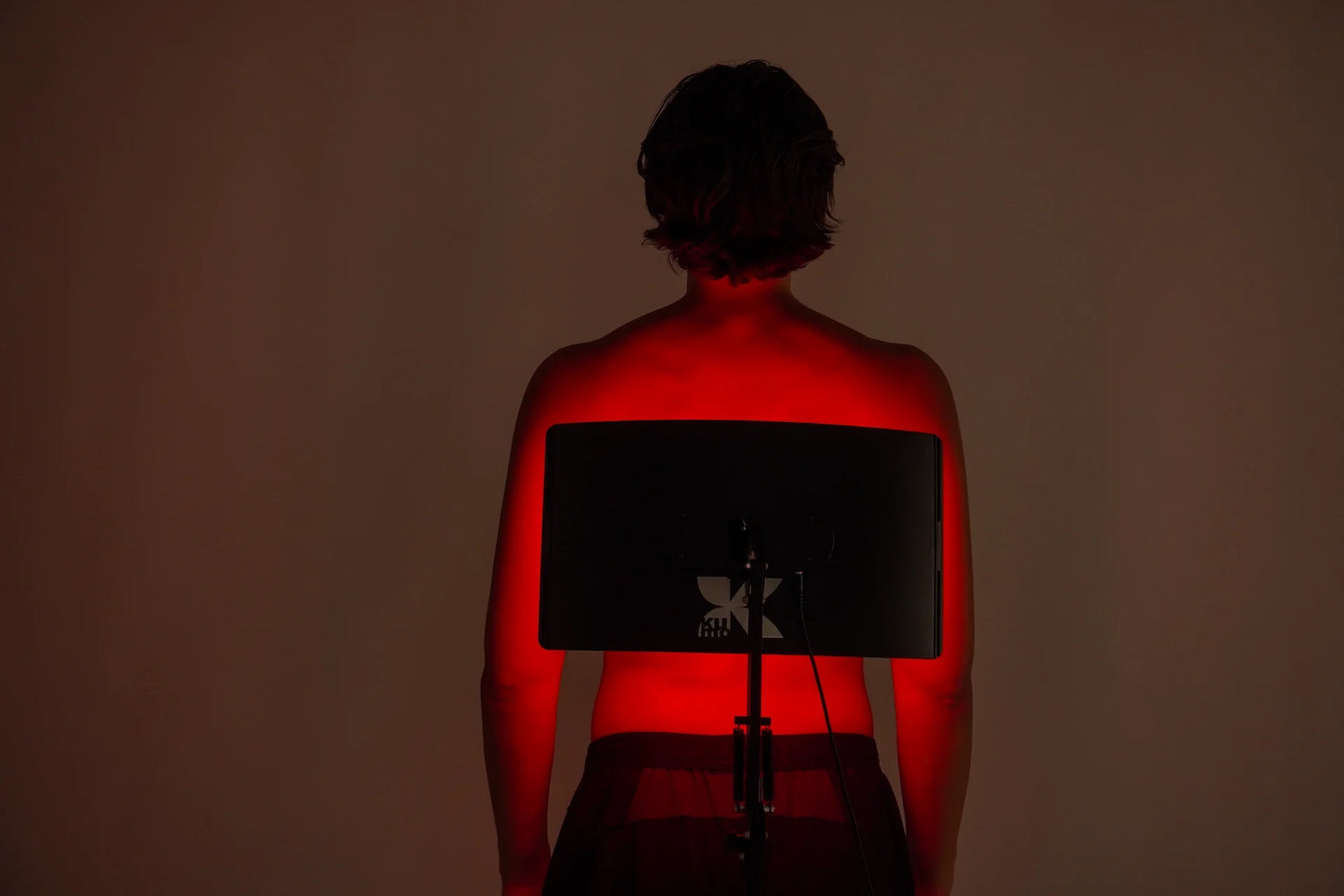
Infrared light can truly help you. A well-chosen panel can provide real support in muscle recovery, pain relief, and skin care, but its effects depend on wavelength, dosage, and consistency. If you're looking for a broader recovery approach, Kumo Balance's main site shows how this idea integrates into a non-invasive routine. (aad.org)
What is an infrared light panel and how does it work?
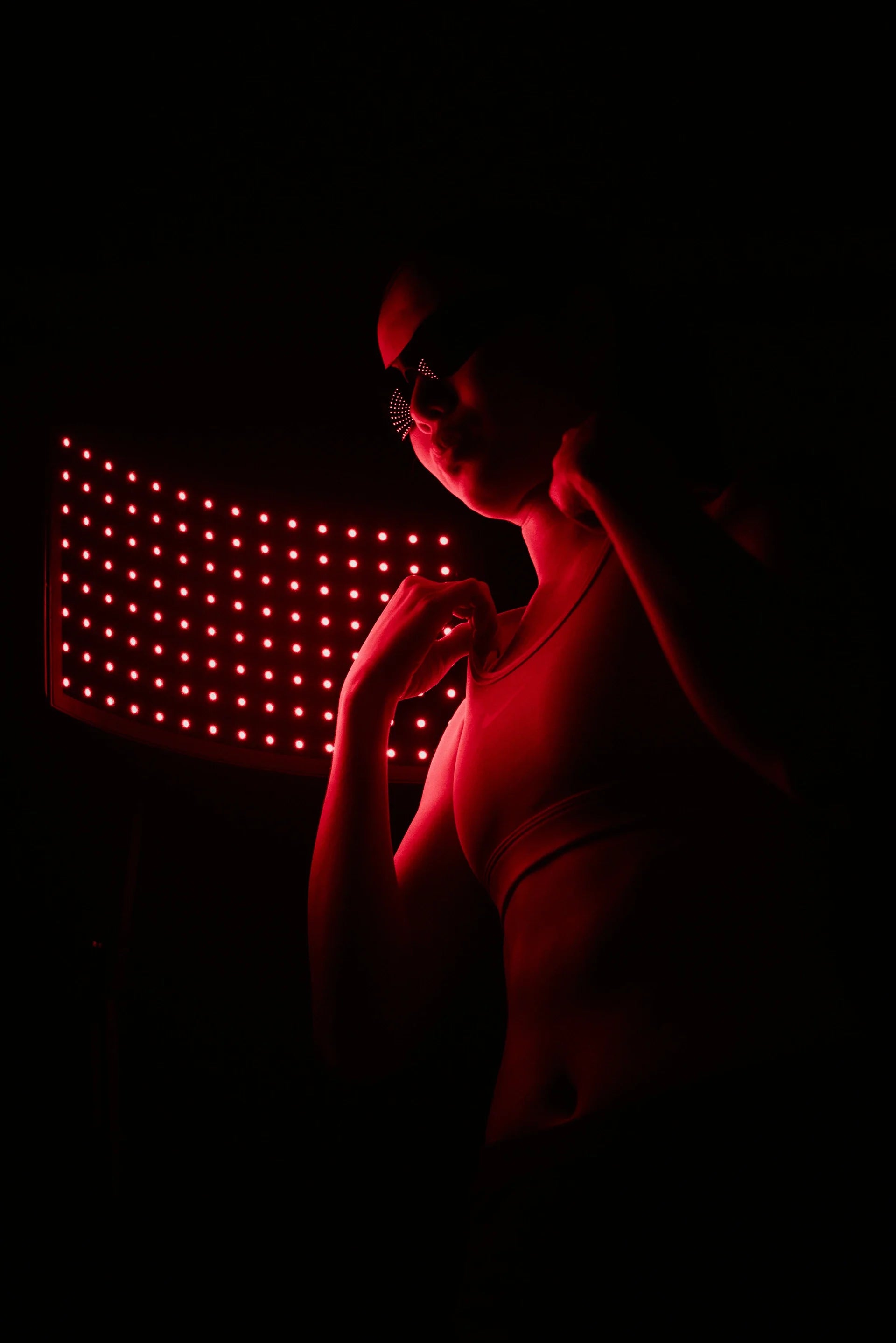
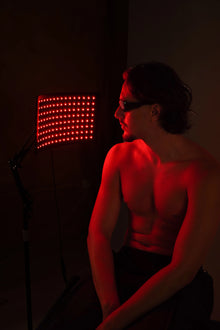
An infrared light panel is a photobiomodulation device that emits red and/or near-infrared light onto the skin. In the literature, red light is usually around 660 nm and near-infrared in bands like 810-850 nm; the most frequently repeated mechanistic hypothesis is that these wavelengths interact with cellular chromophores, especially cytochrome c oxidase, and promote signals related to cellular energy and tissue repair. (pmc.ncbi.nlm.nih.gov)
Red & infrared light
Recover faster, at home
★★★★★ 4,8/5 · rated by verified customers
The KumoLux panel supports muscle recovery with full-body red and infrared light.
- 660 nm red + 850 nm infrared light
- Full-body muscle recovery
- Clinically validated biohacking protocols
€399,00€499,00
−10% on your 1st order when you subscribe to the newsletter

If you want to understand why not all wavelengths behave the same, the practical comparison between 660 nm and 850 nm explains it simply.
Not all panels pursue the same goal: some are more focused on skin, others on recovery, and others on mixed routines. That's why it's better to talk about intended use rather than "best panel" in the abstract. (aad.org)
Personalized protocol · included with your purchase
Want us to tell you how to use it in your case?
With your purchase, our experts set up your red and infrared light sessions for your sport and goal.
Message us on WhatsAppOur experts reply · no obligation
Real benefits of infrared light panels
Muscle recovery and pain
The most useful evidence speaks not of miracles, but of support. In injured athletes, a 2024 systematic review and meta-analysis of 6 trials and 205 participants observed pain reduction, but did not confirm a faster return to play. A 2021 review on tendinopathy also noted that high-quality evidence remains limited. In practice, this makes the therapy more sensible as an adjunct to rehabilitation than as a substitute. (pubmed.ncbi.nlm.nih.gov)
If you're interested in the muscular aspect, how to reduce muscle inflammation with red and infrared light helps to place it within a real routine.
Skin and signs of aging
The American Academy of Dermatology's guide to red light therapy indicates that home devices can subtly or noticeably improve fine lines, blemishes, texture, redness, and sagging; it also summarizes a study with 90 people, 8 sessions over 4 weeks, and more than 90% of participants noticing some improvement. Even so, the AAD itself reminds us that comparable studies are still needed to establish ideal dosage, duration, and frequency. (aad.org)
on your first order when you join the newsletter
We send you the code instantly. No spam.
Tissues and healing
In healing, the signal is promising but not definitive. A 2025 meta-analysis on surgical wounds, available on PubMed, included 56 trials and 4,920 people: near-infrared therapy improved healing and reduced postoperative pain, although the overall certainty was very low and effects varied by protocol. (pubmed.ncbi.nlm.nih.gov)
Rest and general well-being
For whole-body protocols, the 2025 systematic review on PubMed on whole-body photobiomodulation found that two studies improved sleep quality, but none showed clear benefits for fatigue or performance. This suggests a potential interest in rest and recovery routines, but it does not yet allow it to be sold as a universal solution. (pubmed.ncbi.nlm.nih.gov)
In summary, the panel can help with recovery, skin, and rest, but its real value lies in the precision of the protocol and in using it as support, not as a shortcut. (aad.org)
How to choose without making a mistake
Choosing well is more about transparency than promises. The AAD recommends choosing the device according to the objective, always following instructions, and using eye protection when indicated by the manufacturer; it also reminds us that "FDA-cleared" means low risk, not guaranteed efficacy. If you prefer a more practical list, the 2026 buying guide for red light panels summarizes what to look for before deciding. (aad.org)
Practical table for comparing a panel
| Element | What to look for | Why it matters |
|---|---|---|
| Wavelength | It should specify 660 nm and/or 810-850 nm, not just "therapeutic light." (pubmed.ncbi.nlm.nih.gov) | Photobiomodulation literature frequently uses these bands, and without this data, it's difficult to compare what the equipment actually does. (pmc.ncbi.nlm.nih.gov) |
| Irradiance and dose | It should indicate mW/cm², J/cm² and time per session. (aad.org) | The response depends heavily on the protocol; more power does not guarantee better results. (pubmed.ncbi.nlm.nih.gov) |
| Coverage | The size should match the area you want to treat. (aad.org) | Localized use on the face or neck is not the same as a routine for the back, legs, or buttocks. (aad.org) |
| Safety | The manual should indicate eye protection, distance, and usage time. (aad.org) | Practical safety depends heavily on following instructions and not improvising sessions. (aad.org) |
| Regulatory transparency | It should clarify if it is FDA-cleared when applicable. (aad.org) | This seal indicates low regulatory risk, not guaranteed clinical efficacy. (aad.org) |
In a 2025 meta-analysis on surgical wound healing, the best signals appeared with short near-infrared wavelengths, especially between 700 and 850 nm, with 4 to 10 sessions and non-contact application; even so, the overall certainty was very low. (pubmed.ncbi.nlm.nih.gov)
- If you're treating your face or neck, prioritize a panel with clear instructions and comfortable coverage for that area. (aad.org)
- Ask the manufacturer to specify wavelength, irradiance, and session time, because without that data, comparison is poor. (aad.org)
- Use eye protection if the manual requires it and do not substitute technical glasses for sunglasses. (aad.org)
- Remember that the FDA-cleared seal refers to regulatory safety, not guaranteed efficacy. (aad.org)
How to use it wisely
Using it better means using it repeatably. The AAD recommends following the device's instructions, using eye protection if indicated, and not improvising times; additionally, it warns that darker skin types may have a higher risk of hyperpigmentation with visible light and that photosensitizing drugs can change the recommendation. (aad.org)
- Start with the minimum time recommended by the manufacturer and increase only if the protocol allows it.
- Maintain the indicated distance and respect the frequency of use instead of doing longer sessions by intuition.
- Discontinue use if you notice persistent irritation and seek professional advice if you have a light-sensitive condition.
In practice, consistency usually outweighs spectacularity: a simple, well-specified panel used regularly is often more useful than one full of promises but poor in data. (aad.org)
FAQ
What are the real benefits of near-infrared light therapy for health and what evidence supports its use?
The real benefits depend on the objective. The strongest evidence appears in pain, some tissues, and certain dermatological uses, while the effects on overall performance or universal recovery remain inconsistent. The AAD summarizes visible improvements in skin, and recent reviews in athletes and surgical wound healing show promising but not definitive signals. In short: it can help, especially as a complement, but it is not a one-size-fits-all solution. (aad.org)
How to choose an infrared light panel for home use?
Choose by objective, not by slogan. For home use, the panel should specify wavelengths, irradiance, and session time, and clarify whether it is intended for the face, localized areas, or large areas. The AAD recommends following the manual and using eye protection when indicated by the manufacturer. If the device is FDA-cleared, that provides regulatory reassurance, but it does not mean it works better than others. (aad.org)
Does infrared light help relieve pain and accelerate muscle or tissue recovery, and under what conditions could it work?
It can help especially with pain, but there is no guarantee that it will always accelerate the return to training or competition. In 2024, a systematic review of 205 injured athletes found a reduction in pain, although it did not support a faster return to play. In tendinopathy, another review showed that high-quality evidence remains limited. It usually works best as support for a well-planned rehabilitation program rather than as an isolated intervention. (pubmed.ncbi.nlm.nih.gov)
What are the differences between red and infrared light panels, and which one should be used for aesthetic or therapeutic purposes?
Red light is widely used for aesthetic purposes, especially skin and face, while near-infrared usually appears more in protocols oriented towards tissue, recovery, and pain. Many panels combine both because they do not pursue exactly the same goals. If your priority is aesthetics, the red part usually has more prominence; if you are looking for a routine more oriented towards recovery, the combination with near-infrared is usually interesting. The best option depends on the objective and the technical clarity of the device. (aad.org)
What features should an infrared panel include to be safe and effective?
It should include clear data on wavelength, irradiance, usage time, and coverage, as well as simple instructions and eye protection if required by the manufacturer. It is also advisable to check if it is FDA-cleared when applicable and if the intended use matches your real objective. If you have a light-sensitive condition, take photosensitizing medication, or notice hyperpigmentation easily, it's best to seek advice before starting. Efficacy improves when the protocol is clear; safety, when the manual is respected. (aad.org)
What now?
If you want to integrate this topic into a concrete routine, start by reviewing the red and infrared LED light panel for photobiomodulation and, to understand the basis, how red light therapy works. This way you can align your goal, frequency, and expectations from the beginning. (aad.org) To delve deeper, visit Kumo.

Red & infrared light
KumoLux Panel – Red and Infrared LED Panel
★★★★★ 4,8/5 · rated by verified customers
- 660 nm red + 850 nm infrared light
- Full-body muscle recovery
- Clinically validated biohacking protocols
€399,00€499,00· pay in installments with seQura or Klarna