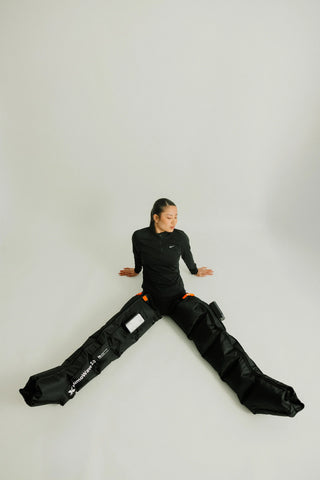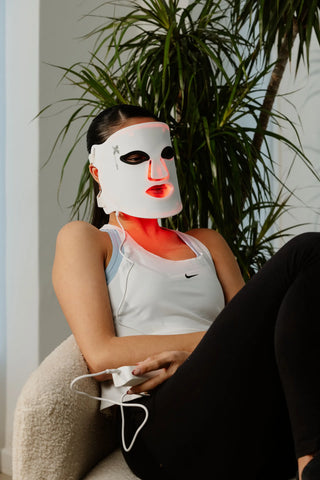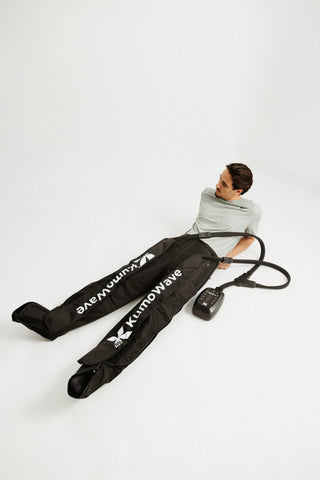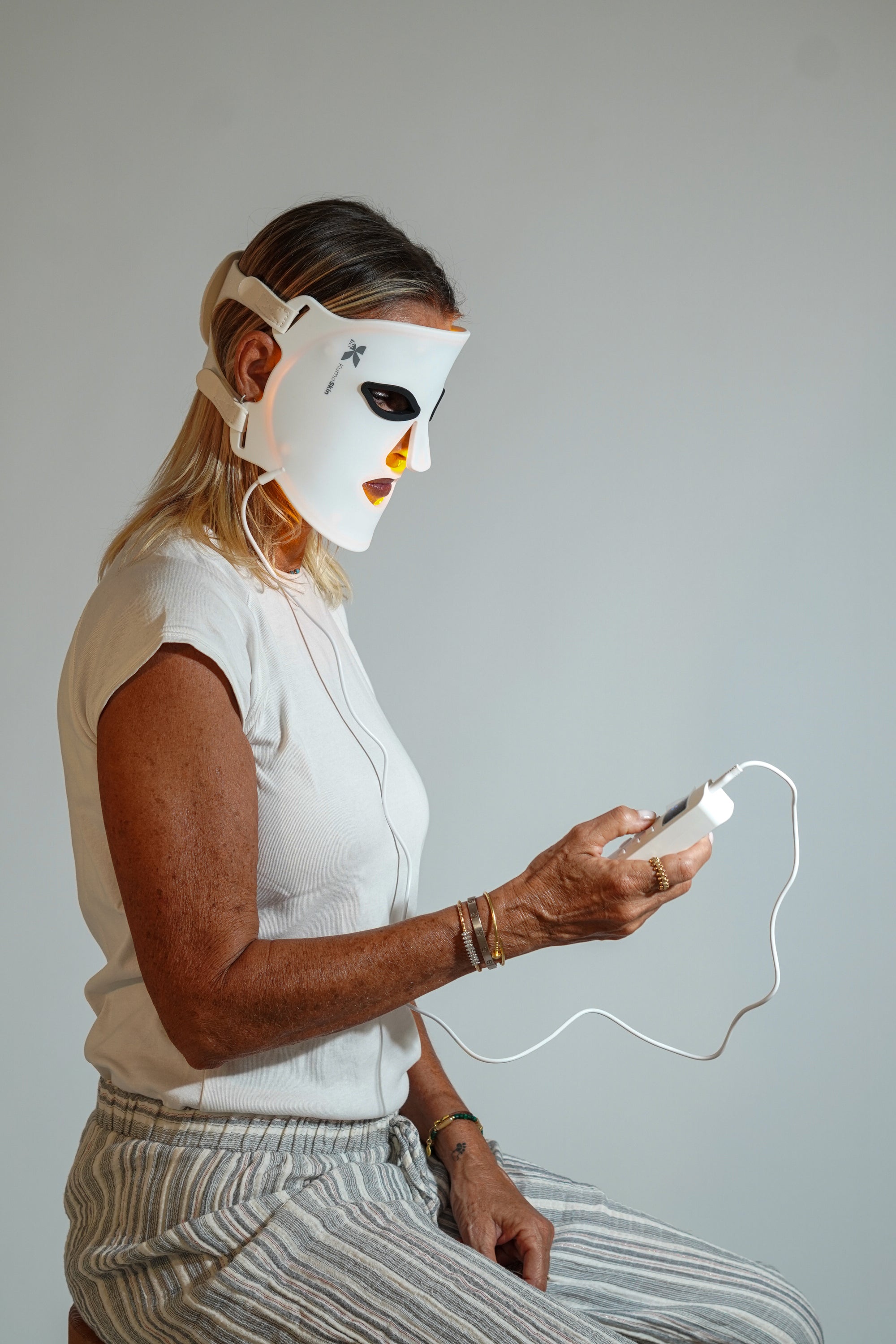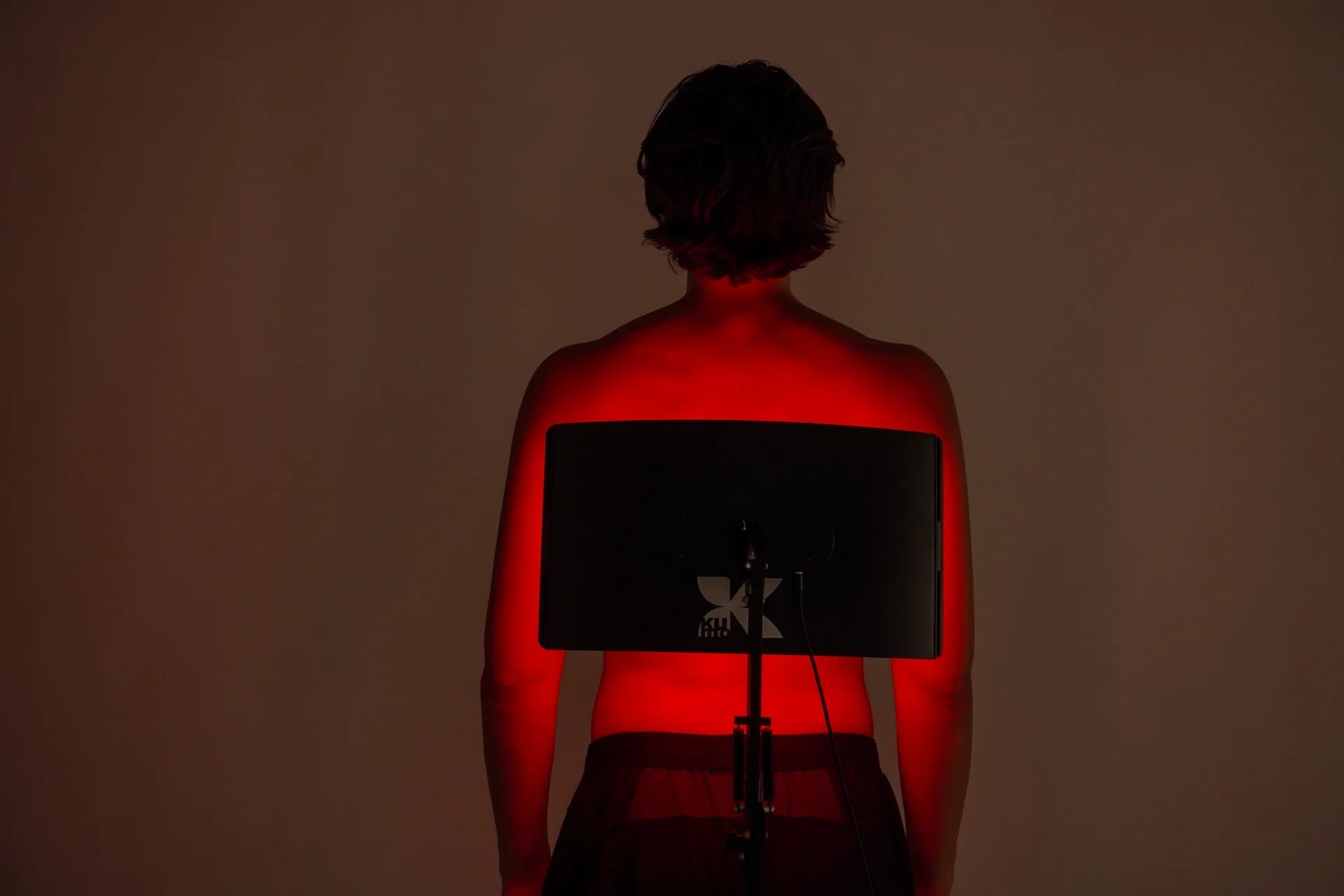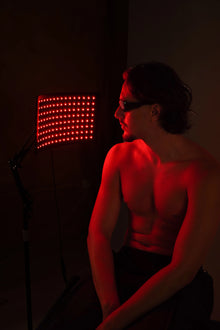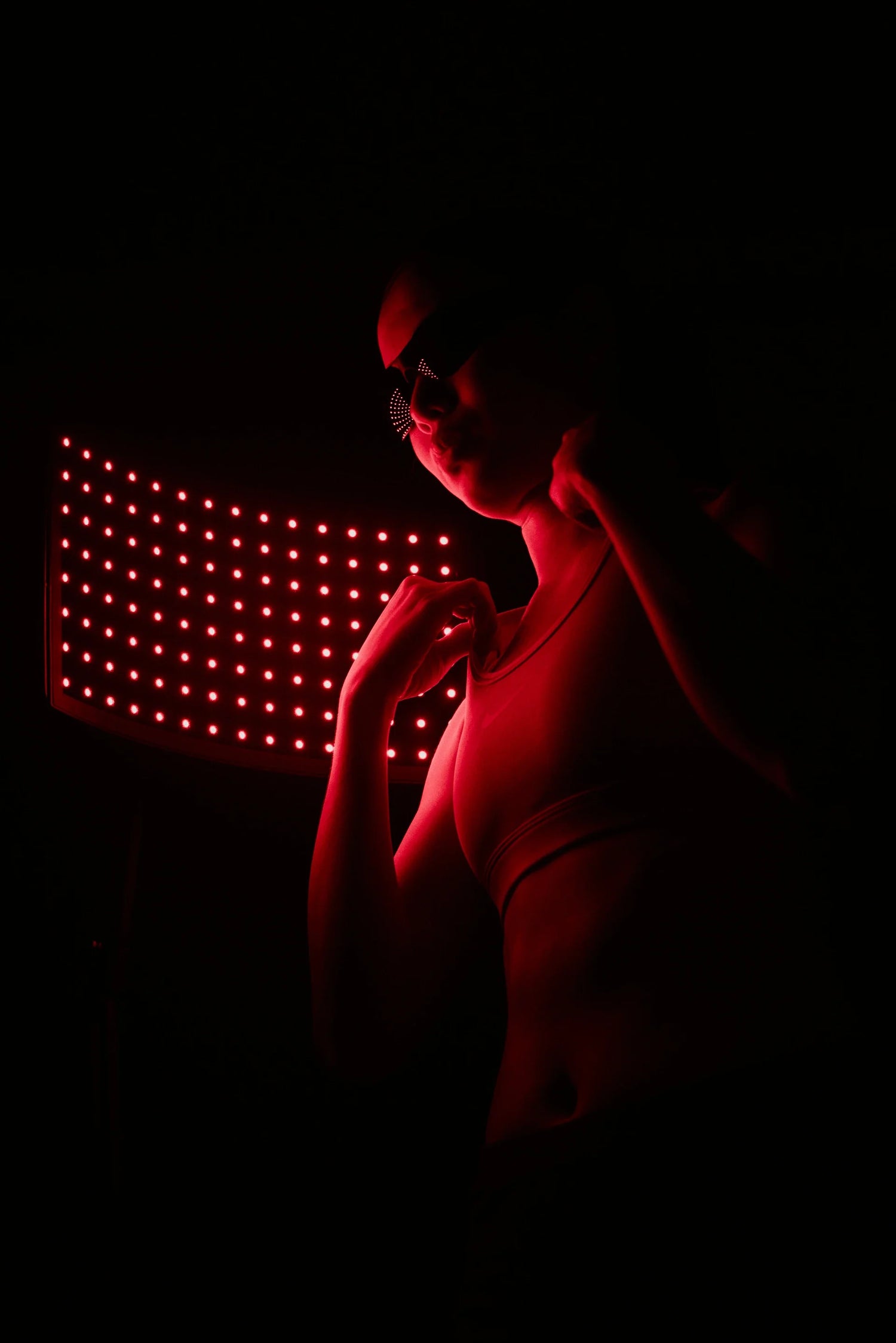
Red light can help modulate muscle inflammation. Photobiomodulation is being studied as a support to reduce pain, fatigue, and some markers of damage after exercise, although it does not replace rest, well-planned loading, or clinical evaluation when necessary. (pubmed.ncbi.nlm.nih.gov)
If you want to integrate this approach into a real recovery routine, start by exploring Kumo Balance's general recovery proposal and then move on to practical use.
Red & infrared light
Recover faster, at home
★★★★★ 4,8/5 · rated by verified customers
The KumoLux panel supports muscle recovery with full-body red and infrared light.
- 660 nm red + 850 nm infrared light
- Full-body muscle recovery
- Clinically validated biohacking protocols
€399,00€499,00
−10% on your 1st order when you subscribe to the newsletter

What is muscle inflammation and why does it occur?
Muscle inflammation usually occurs when the tissue has experienced high load or exercise-related damage. In the literature, it is associated with delayed onset muscle soreness, increased creatine kinase, oxidative stress, and an inflammatory response that is part of the repair process. (pmc.ncbi.nlm.nih.gov)
For athletes, the problem is not just pain, but the temporary loss of strength and mobility. Therefore, recovery aims to reduce excessive discomfort without triggering more fatigue or compromising training quality. (pmc.ncbi.nlm.nih.gov)
Personalized protocol · included with your purchase
Want us to tell you how to use it in your case?
With your purchase, our experts set up your red and infrared light sessions for your sport and goal.
Message us on WhatsAppOur experts reply · no obligation
How red and near-infrared light can help
Photobiomodulation uses low-intensity, non-invasive light to act on mitochondria, improve cellular efficiency, and modulate inflammation-related processes. Cleveland Clinic summarizes that the therapy is being researched for its possible effect on circulation, collagen production, and reduction of cellular inflammation. (my.clevelandclinic.org)
In laboratory studies, red and near-infrared light have shown effects on cellular energy. In muscle myotubes exposed to 630 and 850 nm, for example, an increase in mitochondrial potential and ATP synthesis was observed. (pubmed.ncbi.nlm.nih.gov)
Wavelength also matters because penetration depth changes depending on the type of light. This detail helps to understand why many protocols combine red and near-infrared when the goal is to work on muscle tissue. (my.clevelandclinic.org)
on your first order when you join the newsletter
We send you the code instantly. No spam.
If you want to see this logic applied to a specific device, you can review how photobiomodulation works and the specifications of the red and infrared LED panel.
What the scientific evidence says
The evidence is promising, but not uniform. The best results usually appear in pain, fatigue, and some markers of muscle damage; however, the effect on return-to-sport time is more uncertain. (pubmed.ncbi.nlm.nih.gov)
Summary of the most useful scientific evidence
| Study | Sample | What it suggested |
|---|---|---|
| 2024 meta-analysis in injured athletes | 6 trials, 205 athletes. | May help with pain, but evidence for shortening return to play remains limited. (pubmed.ncbi.nlm.nih.gov) |
| 2015 systematic review on delayed onset muscle soreness | 15 studies, 317 participants. | Creatine kinase only decreased in some protocols, especially when therapy was applied before exercise. (pubmed.ncbi.nlm.nih.gov) |
| Meta-analysis on muscle performance and recovery | Several trials with heterogeneous doses. | Showed less delayed pain and decreases in CK, IL-6, and TBARS, with a therapeutic window still to be refined. (pmc.ncbi.nlm.nih.gov) |
| Study in muscle myotubes with 630 and 850 nm | Cellular model. | Increased mitochondrial potential and ATP synthesis, supporting interest in red and near-infrared. (pubmed.ncbi.nlm.nih.gov) |
The practical takeaway is simple: red and near-infrared light can be a useful aid, especially if used with a clear objective, a reasonable dose, and consistency. It is not a magic solution nor does it replace load management, sleep, or nutrition. (my.clevelandclinic.org)
Think of this tool as cumulative support: the protocol matters as much as the light, and benefits are usually modest, not instantaneous. (my.clevelandclinic.org)
If you are interested in the sports approach, you can also expand your reading with this guide on muscle recovery with red light.
How to use it practically at home
At home, the most sensible approach is to follow three rules: use equipment designed for photobiomodulation, follow the manufacturer's protocol, and protect your eyes. Cleveland Clinic reminds us that home devices are usually less powerful than those in a professional setting and that misuse can irritate the skin or damage the eyes. (my.clevelandclinic.org)
If your goal is muscle recovery, light is usually more interesting in two scenarios: before effort, as a preventive support, or after training, when you seek to relieve pain and stiffness. The 2015 review found a reduction in CK especially when phototherapy was applied before exercise, while other reviews show mixed results depending on the dose and timing. (pubmed.ncbi.nlm.nih.gov)
To put it into practice, this general guideline usually helps:
- Define a specific goal, such as relieving post-workout discomfort or accompanying a high-load block. (pubmed.ncbi.nlm.nih.gov)
- Use the same logic for several days before judging results, because the response is usually not seen in a single session. (my.clevelandclinic.org)
- Protect your eyes and avoid looking directly at the light source. (my.clevelandclinic.org)
- Combine it with rest, hydration, gentle mobility, and well-adjusted training load. (pubmed.ncbi.nlm.nih.gov)
If you want a step-by-step explanation, you can consult how to use red light at home.
When to stop and seek an assessment
If the pain is very intense, there is noticeable inflammation, clear loss of function, or suspected injury, the priority is not to continue adding sessions, but to seek a professional assessment. Cleveland Clinic states that therapy should be used as support and that it is advisable to confirm the diagnosis and talk to a professional to decide if it fits your case. (my.clevelandclinic.org)
Caution is also advised if the discomfort worsens over the days or if you notice that recovery does not follow the usual pattern of simple overload. In such cases, light can be a complement, but it should not delay evaluation. (my.clevelandclinic.org)
To review this point in more detail, you can read the safety and contraindications guide.
FAQ
Does red light really reduce muscle inflammation?
It can help, but not identically for everyone or in every protocol. The evidence points to a more consistent improvement in pain, fatigue, and some markers of muscle damage than a universal and immediate effect on total recovery. In other words, it works better as support than as a sole solution. If your goal is performance, consistency and the training context matter as much as the light session. (pubmed.ncbi.nlm.nih.gov)
Is it better to use it before or after training?
It depends on the objective. Some studies found clearer results when phototherapy was applied before exercise, especially on creatine kinase and certain markers of damage. Other works have explored its use after effort or after an injury with benefits for pain. The most prudent approach is to follow a stable protocol, test it consistently, and not change too many variables at once. This way you will know if it really helps you. (pubmed.ncbi.nlm.nih.gov)
What is the difference between red light and near-infrared light?
Both are used in photobiomodulation, but they do not behave exactly the same. Red light tends to act more superficially, while near-infrared light usually penetrates a little deeper into the tissue. That is why many routines combine both wavelengths when seeking a broader effect. The key is not only the color, but also the dose, application time, and device quality. (my.clevelandclinic.org)
Is it safe to use at home?
In general, yes, if used briefly, correctly, and following the instructions. The therapy is non-invasive and, in the short term, is usually considered well-tolerated. Even so, it is advisable to protect your eyes, not look directly at the source, and avoid excessive use. Home equipment can also be less powerful than professional equipment, so results depend heavily on consistency and proper use. (my.clevelandclinic.org)
When should I not use it as my sole strategy?
When the pain is severe, there is loss of function, suspicion of structural injury, or the progression does not fit with a simple overload, it is not advisable to rely solely on light. In these cases, the best decision is to combine active recovery, rest, and professional assessment. Photobiomodulation can add value, but it does not replace diagnosis or training planning. Think of it as one tool within a well-designed recovery system. (my.clevelandclinic.org)
What next?
If you want to delve deeper, explore the key benefits and uses of red light therapy and return to the reading that best suits your routine to apply this approach with discernment and consistency. For more in-depth information, visit Kumo.

Red & infrared light
KumoLux Panel – Red and Infrared LED Panel
★★★★★ 4,8/5 · rated by verified customers
- 660 nm red + 850 nm infrared light
- Full-body muscle recovery
- Clinically validated biohacking protocols
€399,00€499,00· pay in installments with seQura or Klarna