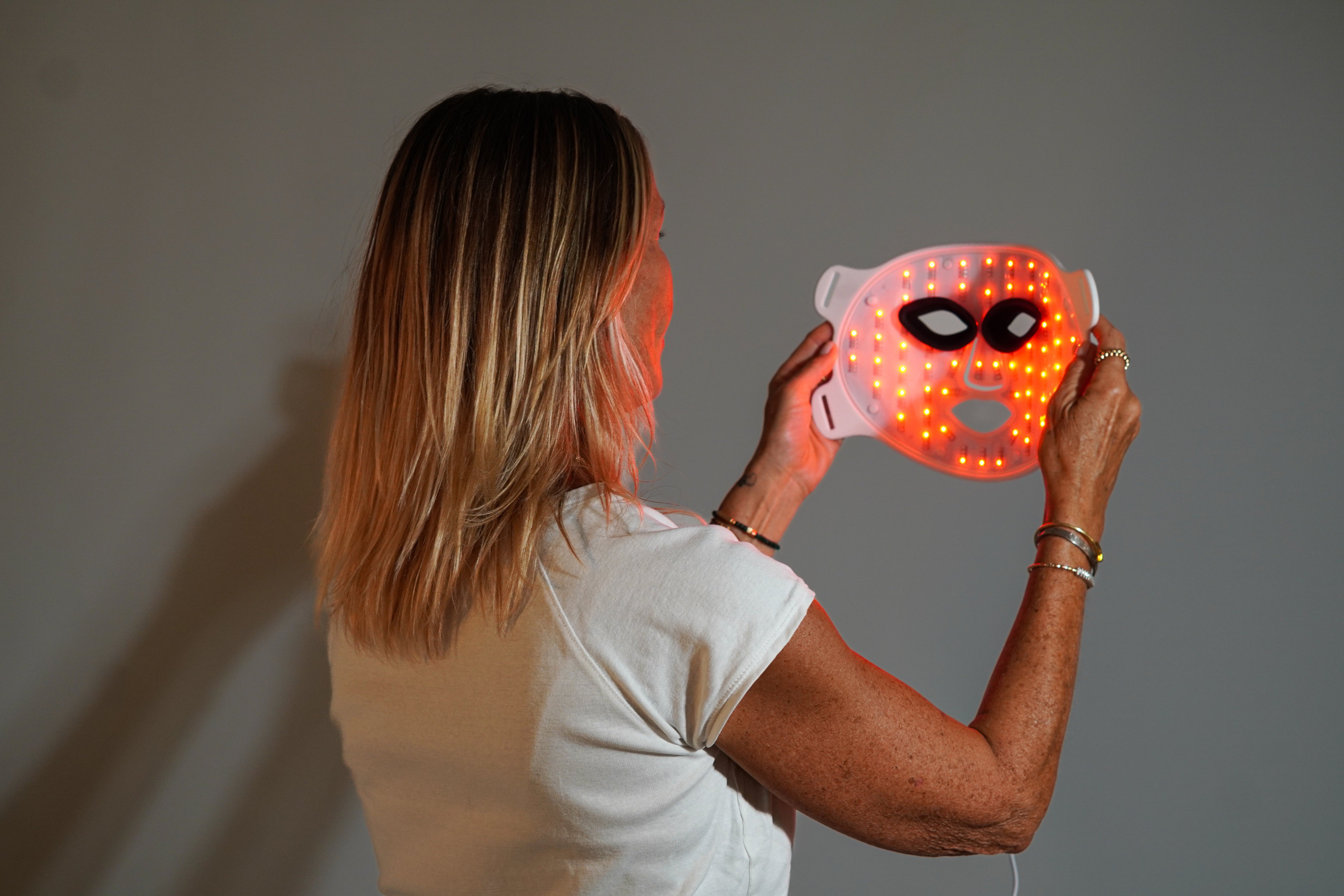
Yes, red light therapy can work. Real changes mostly appear when correct parameters are used and specific goals like skin, hair, or muscle pain are measured, not when an immediate and universal effect is expected. (pmc.ncbi.nlm.nih.gov)
At Kumo Balance, useful conversation starts with the goal, not the trend. If you need the technical background, an explanation of how red light works in the body helps to better interpret real opinions. (pmc.ncbi.nlm.nih.gov)
Red & infrared light
Recover faster, at home
★★★★★ 4,8/5 · rated by verified customers
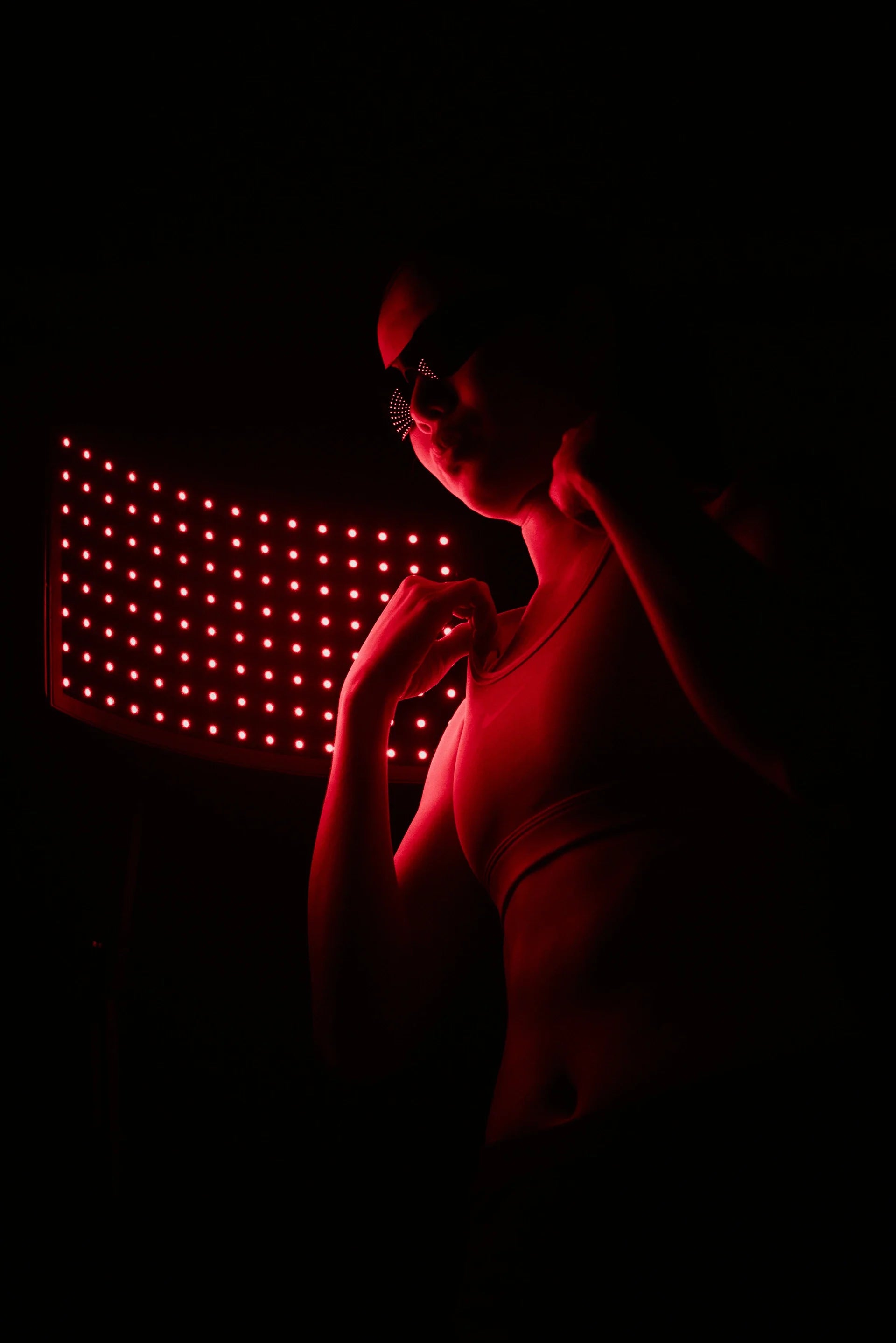
The KumoLux panel supports muscle recovery with full-body red and infrared light.
- 660 nm red + 850 nm infrared light
- Full-body muscle recovery
- Clinically validated biohacking protocols
€399,00€499,00
−10% on your 1st order when you subscribe to the newsletter

What real opinions say when results are measured
Red light therapy is not an abstract idea: it's photobiomodulation, a non-thermal form of light used to modulate cellular processes, especially in tissues where cellular energy, inflammation, and repair are important. This framework explains why the strongest evidence appears in skin, androgenetic alopecia, and some pain or recovery conditions, although the response may not be the same in all cases. (pmc.ncbi.nlm.nih.gov)
Real opinions are only truly useful when they can be translated into measurements: hair density, wrinkle scale, skin roughness, pain, pressure threshold, or recovery time. When trials show benefits, they almost always do so with well-defined protocols; when they don't, the cause is usually a combination of inconsistent dosage, frequency, and clinical objective. This is a reasonable inference from the heterogeneity of the literature. (pubmed.ncbi.nlm.nih.gov)
Personalized protocol · included with your purchase
Want us to tell you how to use it in your case?
With your purchase, our experts set up your red and infrared light sessions for your sport and goal.
Message us on WhatsAppOur experts reply · no obligation
What is usually noticed in practice
- Skin: many people describe more even, less rough skin or skin with a better “finish”, and controlled studies have measured improvements in wrinkles, skin feel, and intradermal collagen. (pmc.ncbi.nlm.nih.gov)
- Hair: the evidence is more convincing in androgenetic alopecia, where some trials show measurable increases in hair density compared to sham. (pubmed.ncbi.nlm.nih.gov)
- Pain and recovery: benefits exist in some muscle and tendon conditions, especially when light is used as a complement and not as a substitute for rehabilitation. (pubmed.ncbi.nlm.nih.gov)
Measurable results: what to look for
If you want to know if a device is delivering results, it's worth tracking objective variables and not just general sensations. Clinical studies often show changes in four categories: skin, hair, pain/function, and wound healing. (pmc.ncbi.nlm.nih.gov)
Practical summary by objective
| Objective | What is measured | What the evidence has shown | Practical interpretation |
|---|---|---|---|
| Skin and facial rejuvenation | Wrinkles, roughness, texture, skin feel and collagen intensity. | A controlled trial with 136 volunteers observed significant improvements in complexion, skin feel, collagen, roughness, and wrinkles. Another facial trial with 660 nm LEDs used 21 minutes per session, two or three times a week for 4 weeks. (pmc.ncbi.nlm.nih.gov) | This is one of the uses with the best aesthetic outcome when the protocol is consistent and well-dosed. |
| Hair | Hair density, number of terminal hairs, and average hair diameter. | In a multicenter, randomized, sham-controlled trial, terminal density increased more with the light device than with sham at 26 weeks. A 2025 meta-analysis also found greater density and diameter when LLLT was combined with minoxidil. (pubmed.ncbi.nlm.nih.gov) | The response is usually slow and clearer in androgenetic alopecia than in other causes of hair loss. |
| Pain and function | Pain scales, pressure pain threshold, mobility, and return to activity. | A systematic review and meta-analysis on tendinopathy found greater pain reduction and improved function when PBM was combined with exercise. In injured athletes, another review analyzed 6 trials with 205 people. (pubmed.ncbi.nlm.nih.gov) | Works better as support for rehabilitation than as an isolated solution. |
| Scars and wounds | Pliability, scar scale, texture, and healing parameters. | A randomized trial with red LED on postsurgical scars used 160, 320, or 480 J/cm² three times a week for 3 weeks, but found no significant differences in pliability compared to control. (pmc.ncbi.nlm.nih.gov) | This is a good reminder that not all tissue responds equally and that a good result is not guaranteed. |
The correct interpretation is simple: if the goal is precision, the protocol must be equally precise. Therefore, the same light can help in one indication and fall short in another. (pubmed.ncbi.nlm.nih.gov)
Which parameters have the most scientific backing?
Most serious studies agree that "using red light" is not enough. Wavelength, irradiance, fluence, distance to tissue, session duration, and number of sessions all matter; moreover, many studies report this data incompletely, which complicates comparing results. (pubmed.ncbi.nlm.nih.gov)
on your first order when you join the newsletter
We send you the code instantly. No spam.
For a home routine, the method of home application with steps and frequency is often as important as the lamp itself. In the literature, protocols of 660 nm for skin, 675 nm for hair, and ranges of 700-850 nm are frequently repeated when deeper penetration or tissue repair is sought. (pmc.ncbi.nlm.nih.gov)
- Define the objective. The settings for skin are not identical to those for hair or musculoskeletal pain. (pmc.ncbi.nlm.nih.gov)
- Prioritize consistency. Useful trials involve repeated sessions over weeks, not isolated uses. (pmc.ncbi.nlm.nih.gov)
- Request clear technical data. If the manufacturer does not publish wavelength, irradiance, and dose, you cannot properly assess the quality of the protocol. (pubmed.ncbi.nlm.nih.gov)
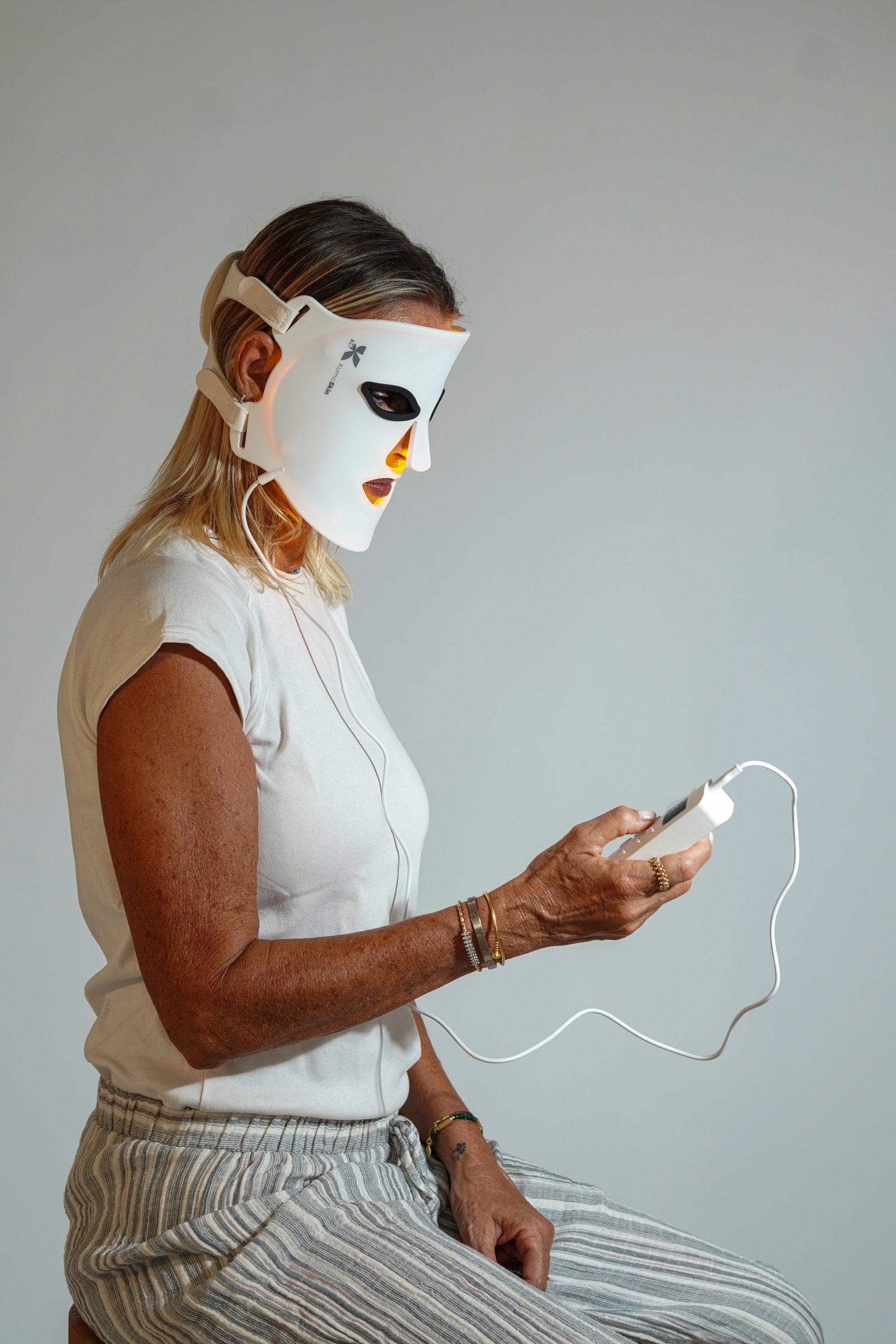
- Use eye protection when appropriate. The recommendation is more important the closer the source is to the face. (my.clevelandclinic.org)
If your main goal is skin, the complete guide for skin helps to understand which changes are worth tracking: less roughness, better texture, more even appearance, and signs consistent with improved collagen. A controlled trial with 136 volunteers observed significant improvements in complexion, skin feel, collagen intensity, roughness, and wrinkles; another facial trial with 660 nm LEDs used 21 minutes per session, two or three times a week for 4 weeks. (pmc.ncbi.nlm.nih.gov)
When the objective is muscle recovery, red light is best understood as a complement to rehabilitation. In a systematic review and meta-analysis on tendinopathy, PBM improved pain and function more when combined with exercise than when compared alone to other interventions; in injured athletes, another review of 6 trials and 205 people also evaluated pain and return to play. (pubmed.ncbi.nlm.nih.gov)
If that's your case, the muscle recovery page will better guide you not to confuse perceived relief with actual recovery. (pubmed.ncbi.nlm.nih.gov)
Safety, side effects, and when to be cautious
Red light therapy is generally considered safe in the short term, but that doesn't mean it's neutral for everyone. The American Academy of Dermatology notes that the most common adverse effects are mild and temporary, such as irritation or skin discomfort, and warns that people with darker skin tones may be more sensitive to visible light and develop hyperpigmentation. (aad.org)
The Cleveland Clinic adds that improper use can damage skin or eyes and that long-term safety is not yet fully established. Therefore, it's worth reviewing the safety and contraindications page first if you are taking photosensitizing medication, have very reactive skin, or plan to use the device very close to your eyes. (my.clevelandclinic.org)
- Common side effects: usually limited to mild discomfort, subjective local heat, or temporary irritation. (aad.org)
- Eye protection: it is advisable to use it when the device or context suggests it, especially in sessions close to the face. (my.clevelandclinic.org)
- Sensitive or more pigmented skin: greater caution is advised if you have a tendency to hyperpigmentation or marked sensitivity to visible light. (aad.org)
- Photosensitivity and medication: if this possibility exists, it is sensible to review the case before starting. (aad.org)
FAQ
Does red light therapy work for hair loss and how long does it take to see real results?
Yes, especially in androgenetic alopecia. The most cited trials measure results at 16 and 26 weeks and have seen measurable increases in density compared to sham; moreover, a 2025 meta-analysis found additional benefit when combined with minoxidil. Therefore, thinking in terms of 3 to 6 months is more realistic than expecting changes in a few weeks. For other causes of hair loss, the evidence is considerably weaker, so it is not advisable to promise the same result for all cases. (pubmed.ncbi.nlm.nih.gov)
What evidence is there on the efficacy of red light therapy for skin and what measurable improvements are reported?
For skin, the most consistent evidence points to improvements in texture, fine wrinkles, roughness, skin feel, and collagen markers. A controlled trial with 136 volunteers observed significant improvements, and another facial study with 660 nm used 21 minutes per session, two or three times a week for 4 weeks. However, these changes are gradual and depend on the dosage; they are not equivalent to a facelift or intensive dermatological treatment. (pmc.ncbi.nlm.nih.gov)
What are the possible side effects of red light therapy and is it safe for sensitive skin?
Side effects are usually mild: temporary irritation, skin discomfort, or eye sensitivity if used improperly. The AAD notes that there is no evidence that red light causes cancer, but also reminds that people with darker skin tones may be more prone to hyperpigmentation and that long-term data remains limited. If photosensitivity, photosensitizing medication, or very reactive skin is present, caution is key. (aad.org)
How long does it take to notice measurable improvements in pain or inflammation with red light therapy?
For pain and inflammation, the time depends on the tissue and the protocol. In the literature on tendinopathy and injured athletes, improvements are evaluated after several sessions, often between 2 and 8 weeks; when PBM is combined with exercise or rehabilitation, the effect is usually clearer than when used alone. This does not mean it works equally well for all injuries, because protocol heterogeneity and the quality of evidence remain an issue. (pubmed.ncbi.nlm.nih.gov)
What parameters (wavelength, irradiance, session duration) and what red light devices have the most scientific backing?
The parameters with the most backing are usually in the visible red and near-infrared, with frequent examples around 660 nm for skin and hair and 808-850 nm for deeper tissues. Irradiance, fluence, distance, and weekly frequency are also important; in a wound review, the best results were associated with 700-850 nm, 4-10 sessions, and non-contact application. If a device does not declare these data, it is difficult to judge its clinical quality. (pmc.ncbi.nlm.nih.gov)
What now?
If you want to move from theory to a practical routine, start with the technical explanation of how red light works, review how to apply it at home with steps and frequency, and if your goal is your face or skin, expand with the complete guide to red light therapy for the skin. The key is simple: clear objective, clear protocol, and consistency. To delve deeper, consult Kumo.

Red & infrared light
KumoLux Panel – Red and Infrared LED Panel
★★★★★ 4,8/5 · rated by verified customers
- 660 nm red + 850 nm infrared light
- Full-body muscle recovery
- Clinically validated biohacking protocols
€399,00€499,00· pay in installments with seQura or Klarna