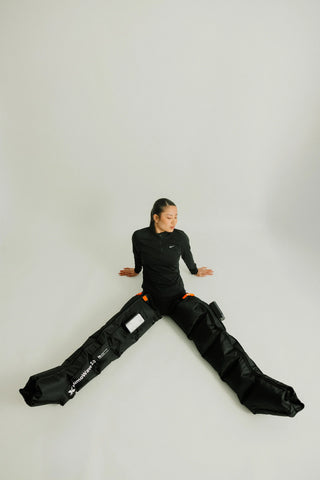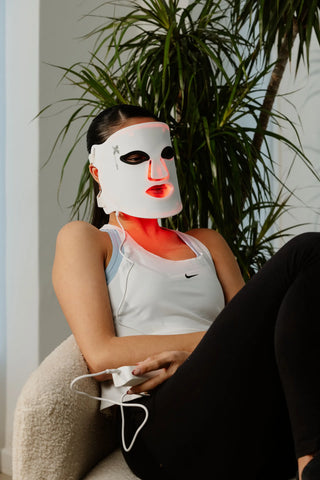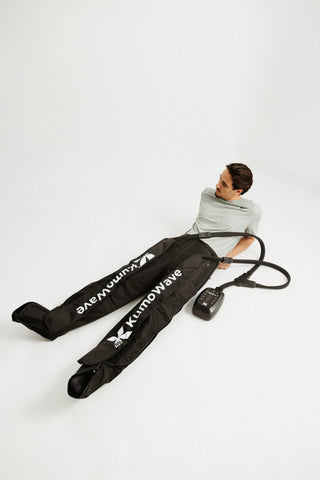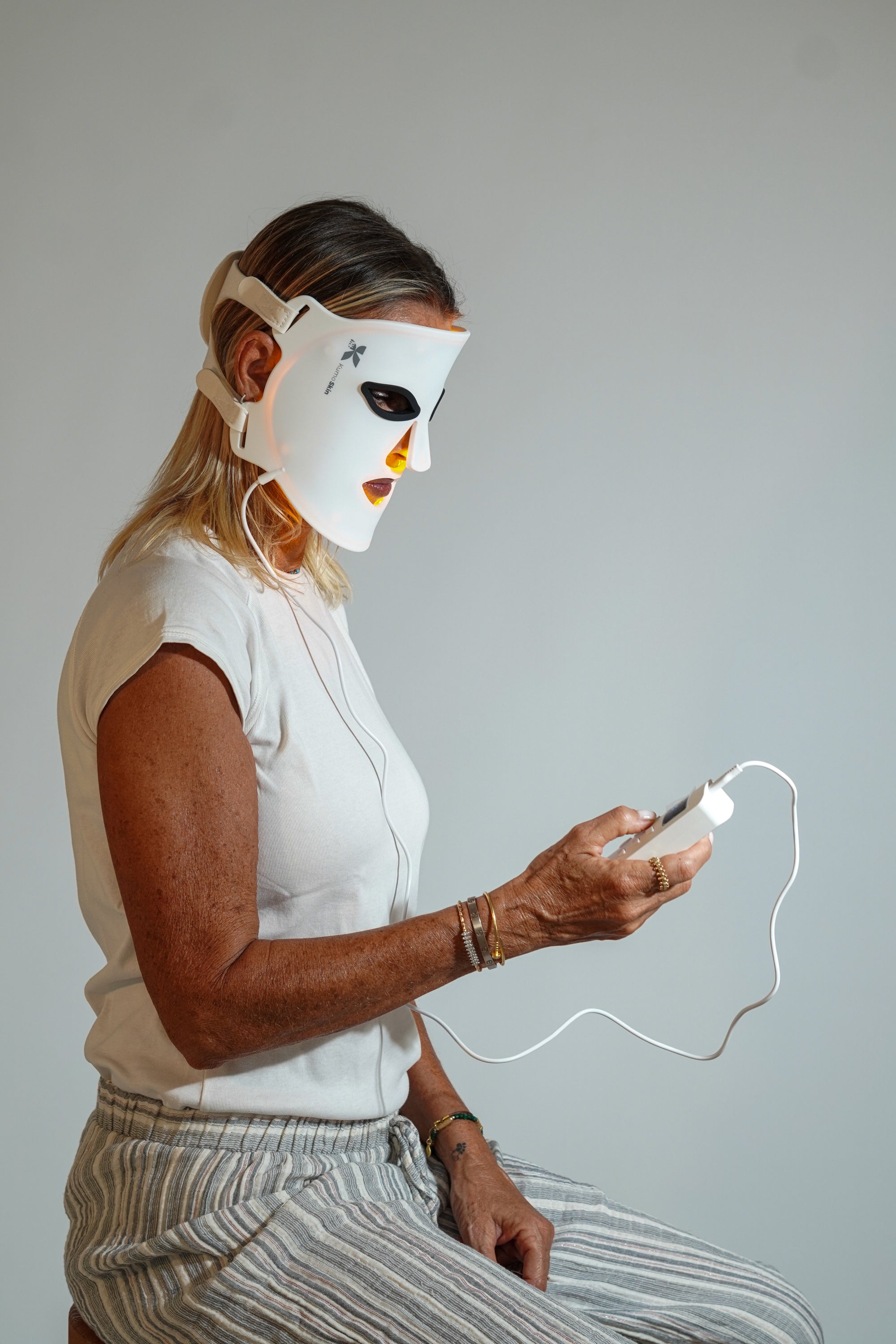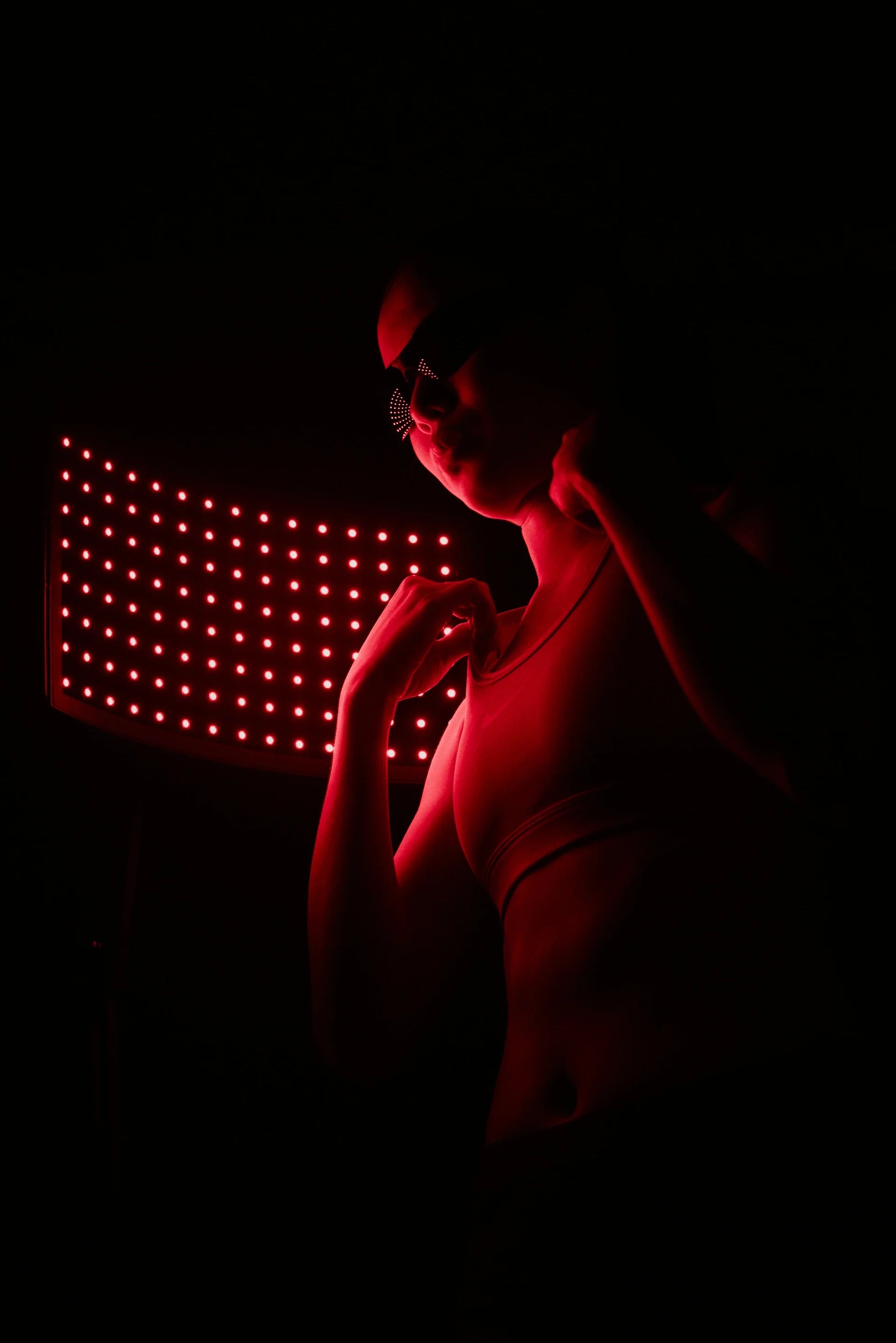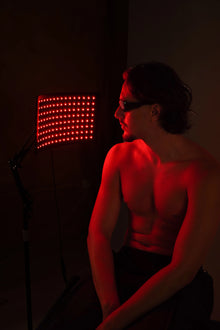

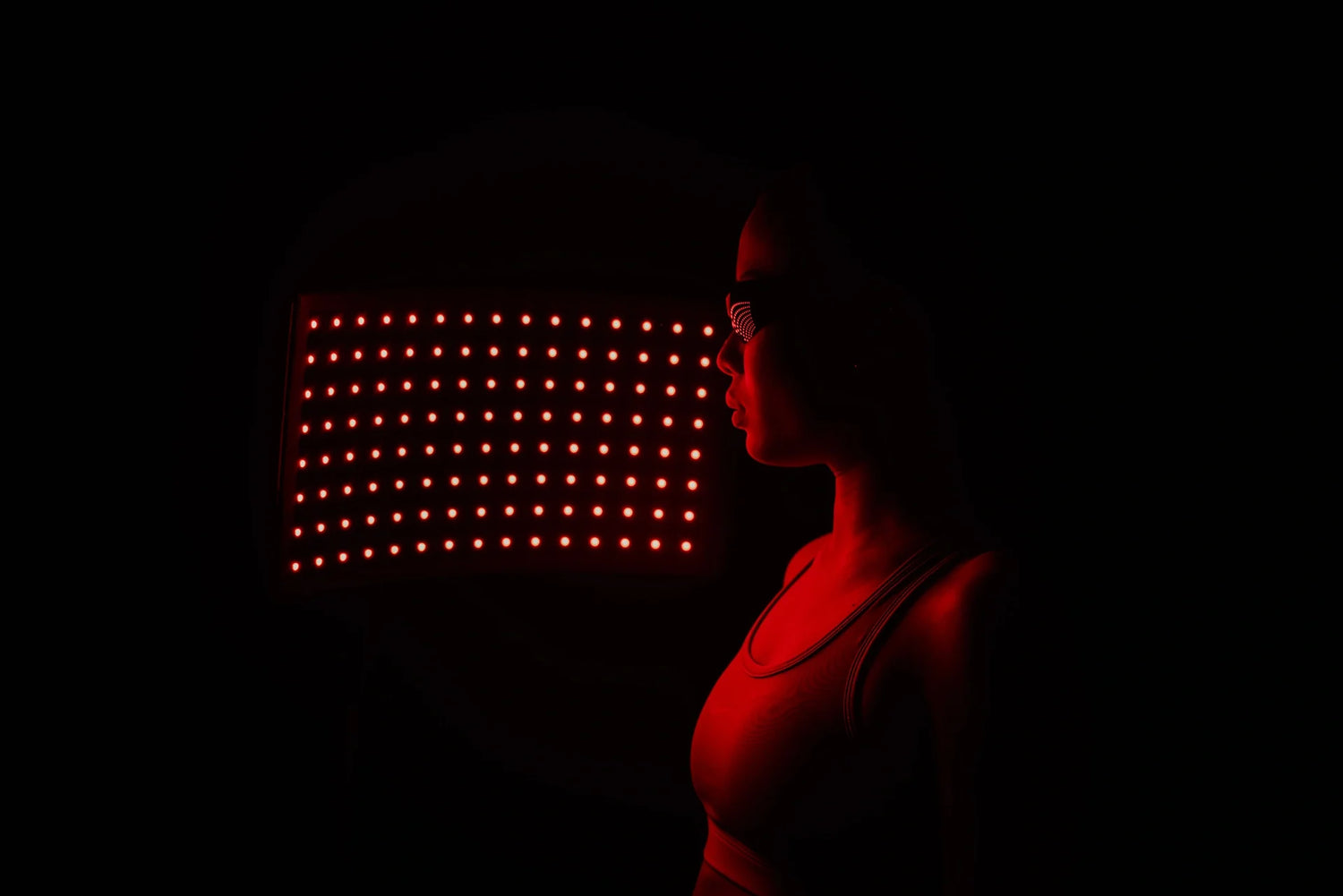
Photobiomodulation works with light. (pmc.ncbi.nlm.nih.gov)
It is a non-thermal therapy that uses red or near-infrared light to modulate cellular processes without heating the tissue as a conventional heat source would. Its usefulness depends on the dose, wavelength, and clinical target; for this reason, it should not be thought of as a "magical" solution, but rather as a tool with specific uses and clear limits. (fda.gov)
Red & infrared light
Recover faster, at home
★★★★★ 4,8/5 · rated by verified customers
The KumoLux panel supports muscle recovery with full-body red and infrared light.
- 660 nm red + 850 nm infrared light
- Full-body muscle recovery
- Clinically validated biohacking protocols
€399,00€499,00
−10% on your 1st order when you subscribe to the newsletter

What is photobiomodulation?
Photobiomodulation, also known as low-level light therapy or low-level laser therapy, describes the use of low-intensity light to trigger useful biological responses. In practice, it can be applied with lasers or LEDs, and what is important is not only the type of source, but also how the energy and dose reach the tissue. If you want an explanation from scratch, the essential guide for beginners summarizes the basics in a simple way.
This type of therapy falls within the field of photobiology: light acts as a signal, not as a heat source. This is why it is studied in contexts as diverse as skin care, muscle recovery, oral health, and complementary pain management.
Personalized protocol · included with your purchase
Want us to tell you how to use it in your case?
With your purchase, our experts set up your red and infrared light sessions for your sport and goal.
Message us on WhatsAppOur experts reply · no obligation
How does it work in the body?
The most accepted mechanism is mitochondrial. Red and near-infrared light is partly absorbed by cellular chromophores, especially cytochrome c oxidase, and this can influence ATP production, nitric oxide, and various signaling pathways linked to inflammation, repair, and oxidative stress. In other words: light does not "cure" on its own, but it can help cells work in better conditions. The review on lasers versus LEDs in photobiomodulation explains this physiological framework well. (pubmed.ncbi.nlm.nih.gov)
A key point is the biphasic response: in photobiomodulation, more intensity does not necessarily mean more benefit. There is a dose window where the effect can be favorable, and going outside that window can reduce the outcome. This is why wavelength, energy density, exposure time, and distance to the tissue are as important as the device itself. (pubmed.ncbi.nlm.nih.gov)
Wavelengths, device type, and dose
In scientific literature, the most common ranges are around visible red, approximately between 635 and 660 nm, and near-infrared, around 810 to 850 nm, although bands such as 915-980 nm or 1064 nm are also studied in specific contexts. As a guide, several reviews place the useful "optical window" at around 650-950 nm and handle frequent doses of 1 to 10 J/cm² depending on the objective. If you are interested in the practical nuance between both bands, the article on practical differences between 660 nm and 850 nm will help you locate each one. (pubmed.ncbi.nlm.nih.gov)
on your first order when you join the newsletter
We send you the code instantly. No spam.
Most commonly used indicative ranges
| Element | Range or characteristic | What it usually means in practice |
|---|---|---|
| Visible Red Light | 635-660 nm | Widely used in skin and superficial applications. |
| Near Infrared | 810-850 nm | Often used when a slightly deeper penetration is desired. |
| LED | Incoherent light | Common in home-use panels and masks. |
| Laser | Coherent and more focused light | Used in more specific protocols and usually requires more control. |
| Dose | Variable according to objective | The response depends on the therapeutic window, not on "more" or "less" light without criteria. |
The above ranges are indicative and depend on the tissue, the objective, and the equipment. The relevant point is that the device delivers a dose consistent with the intended use and that the protocol respects the dose-response principle.
What is photobiomodulation used for?
Skin, aging, and acne
In dermatology, photobiomodulation is used for signs of aging, acne, redness, blemishes, and, in some cases, hair loss. The American Academy of Dermatology explains that red light therapy can provide subtle or noticeable results in some patients, although it also notes that not all studies are comparable and that data on prolonged use is still lacking. In one of the series cited by the AAD, 90 people received 8 sessions over 4 weeks, and more than 90% reported some improvement. (aad.org)
To delve deeper into this facial approach, you can read the article on photobiomodulation for the skin: benefits and protocol.
Muscle recovery and sports performance
In sports, photobiomodulation is being studied as a support to reduce muscle pain, modulate fatigue, and promote a return to training. A 2024 systematic review and meta-analysis evaluated pain and return to play in injured athletes, and a subsequent meta-analysis indicated that PBMT applied before exercise can reduce muscle soreness and improve performance 24 hours after effort-induced damage. It is not a magic wand, but it is an interesting tool as a complement to physical work and physiotherapy. (pubmed.ncbi.nlm.nih.gov)
If you are interested in this use, the analysis of photobiomodulation and sports recovery: what science says expands the approach with practical context.
Wounds, oral mucositis, and tissue repair
For oral mucositis, a 2023 meta-analysis included 6 studies and 299 patients; the reduction in severity was greater in the photobiomodulation-treated group, and the authors concluded that it was effective for this objective. This is one of the uses with the best clinical support within supportive applications. (pubmed.ncbi.nlm.nih.gov)
Pain, inflammation, and other uses under study
Evidence also points to complementary applications in pain and tissue recovery. An umbrella review published in 2025 found significant effects in 12 outcomes and moderate certainty for variables such as pain in burning mouth syndrome, disability in knee osteoarthritis, fatigue in fibromyalgia, hair density in androgenetic alopecia, and cognitive function. Even so, the recurring problem remains the heterogeneity of protocols, which complicates comparing studies and standardizing recommendations. (pubmed.ncbi.nlm.nih.gov)
If you want a broader overview of the research status, the summary on scientific evidence and recovery with red light organizes well the uses with support and those still under observation.
Potential benefits and real limits
Photobiomodulation can offer concrete advantages, but always within a realistic framework. Its most cited potential benefits are:
- It is a non-invasive intervention and, in general, well-tolerated when used correctly.
- It does not depend on intense heat, so it can be integrated into skin care or recovery protocols with little to no downtime.
- It can function as a complement to physiotherapy, training, or standard dermatological care, rather than replacing them.
- The response is usually gradual and highly dependent on the protocol, requiring consistency and an appropriate device.
- Not all commercial claims are backed with the same solidity, so it is important to distinguish between clinical evidence and marketing.
How to use it safely
Safety matters as much as efficacy. The FDA describes photobiomodulation as a very low-energy technology and reminds that eye protection is important because light-based therapies can damage the eyes. It also indicates that it is not recommended for people with photosensitivity, pregnancy or planning pregnancy, active implants, cancer or a history of cancer in the treated area, photosensitizing medication, or an active infection/wound/lesion in the application area.
In practice, the most common side effects are mild: temporary irritation, slight discomfort, transient skin changes, and, rarely, burns or pigmentation changes. The AAD also insists that results depend on the device, frequency, and the type of problem to be treated; therefore, it recommends realistic expectations and, in case of doubt, professional guidance.
- First define the objective: skin, recovery, pain, or support for a specific treatment.
- Choose the light source and wavelength that best suit that objective.
- Always respect the duration and frequency indicated by the manufacturer or a professional.
- Wear eye protection when the protocol indicates it.
- If you have photosensitivity, use photosensitizing medication, or have an active medical condition, consult before starting.
Scientific evidence: what we know today
The most honest conclusion is that photobiomodulation is promising, but not universal. It works best when applied with a clear objective, a well-defined protocol, and realistic expectations. In other words: it can help a lot in some contexts and offer little in others. An AAD review on dermatology and the 2025 umbrella review agree that there are positive signs in several areas, but also great variability between studies, devices, and doses.
If you prefer a more applied research-oriented reading, the article on photobiomodulation and sports performance in 2025 connects science very well with real-world use in recovery. (pubmed.ncbi.nlm.nih.gov)
Frequently asked questions
What is photobiomodulation and what benefits does it have in muscle recovery?
Photobiomodulation is a therapy with red or near-infrared light that seeks to modulate cellular processes without generating significant heat. In muscle recovery, it is studied as a support to reduce pain, fatigue, and perceived damage after exercise. Some recent reviews found that, applied before exercise, it can help reduce muscle soreness and improve performance in the hours afterward. Even so, the effects are highly dependent on the protocol and do not replace training, rest, or physiotherapy.
How does photobiomodulation work on injuries and how long does it take to take effect?
It acts on cellular signaling and can favor processes related to energy, inflammation, and repair. The time to effect varies depending on the injury, tissue depth, and objective: for the skin, several sessions are usually required, and in dermatological studies, changes are observed gradually over weeks. In oral mucositis, for example, a 2023 meta-analysis found clinical benefit with 6 studies and 299 patients. The key is consistency and a well-adjusted dose.
What wavelengths are used in photobiomodulation and what is the difference between LED and laser?
The most commonly used wavelengths are typically around 635-660 nm for visible red light and 810-850 nm for near-infrared; in some protocols, other bands are also studied. The main difference between LED and laser is the emission method: laser is more coherent and focused, while LED is incoherent and usually distributes light better over larger surfaces. At home, LEDs are very common due to their convenience; laser appears more in specific applications.
Is photobiomodulation safe and what side effects can it have?
In general, it is considered a low-risk technology when used correctly. Side effects are usually mild and transient, such as irritation, local sensitivity, or slight discomfort. The FDA reminds that precautions must be taken with the eyes and that it is not recommended for people with photosensitivity, pregnancy or planning pregnancy, active implants, cancer in the treated area, photosensitizing medication, or active lesions in the area. If you have doubts, it is prudent to seek medical advice before using it.
For what medical conditions is photobiomodulation recommended and what evidence supports its use?
The evidence is stronger as a support for oral mucositis and quite promising in some scenarios of pain, sports recovery, and dermatology. There is also research in wounds, scars, alopecia, and other areas, although with variable results and protocols. A 2025 umbrella review found significant effects in 12 outcomes and moderate certainty in several of them, but heterogeneity remains a significant limitation. Therefore, it is recommended as a well-indicated complement, not as a substitute for established medical treatments.
What now?
If you want to delve deeper, start with the Kumo Balance home page and discover advanced LED light therapy at home to see which format best suits your skin, recovery, or wellness goals.

Red & infrared light
KumoLux Panel – Red and Infrared LED Panel
★★★★★ 4,8/5 · rated by verified customers
- 660 nm red + 850 nm infrared light
- Full-body muscle recovery
- Clinically validated biohacking protocols
€399,00€499,00· pay in installments with seQura or Klarna