
Cellulite on the buttocks can improve. With a consistent strength routine, daily movement, a low-salt diet, and well-chosen care, you can soften its appearance, although it usually doesn't disappear completely. If you want to see how this approach fits into Kumo Balance's at-home wellness and recovery proposal, the general idea is the same: sustainable habits and technological support. (my.clevelandclinic.org)
The realistic goal is to improve skin texture and firmness, not to promise instant elimination. (my.clevelandclinic.org)
Pressotherapy at home
End the day with light legs
★★★★★ 4,8/5 · rated by verified customers
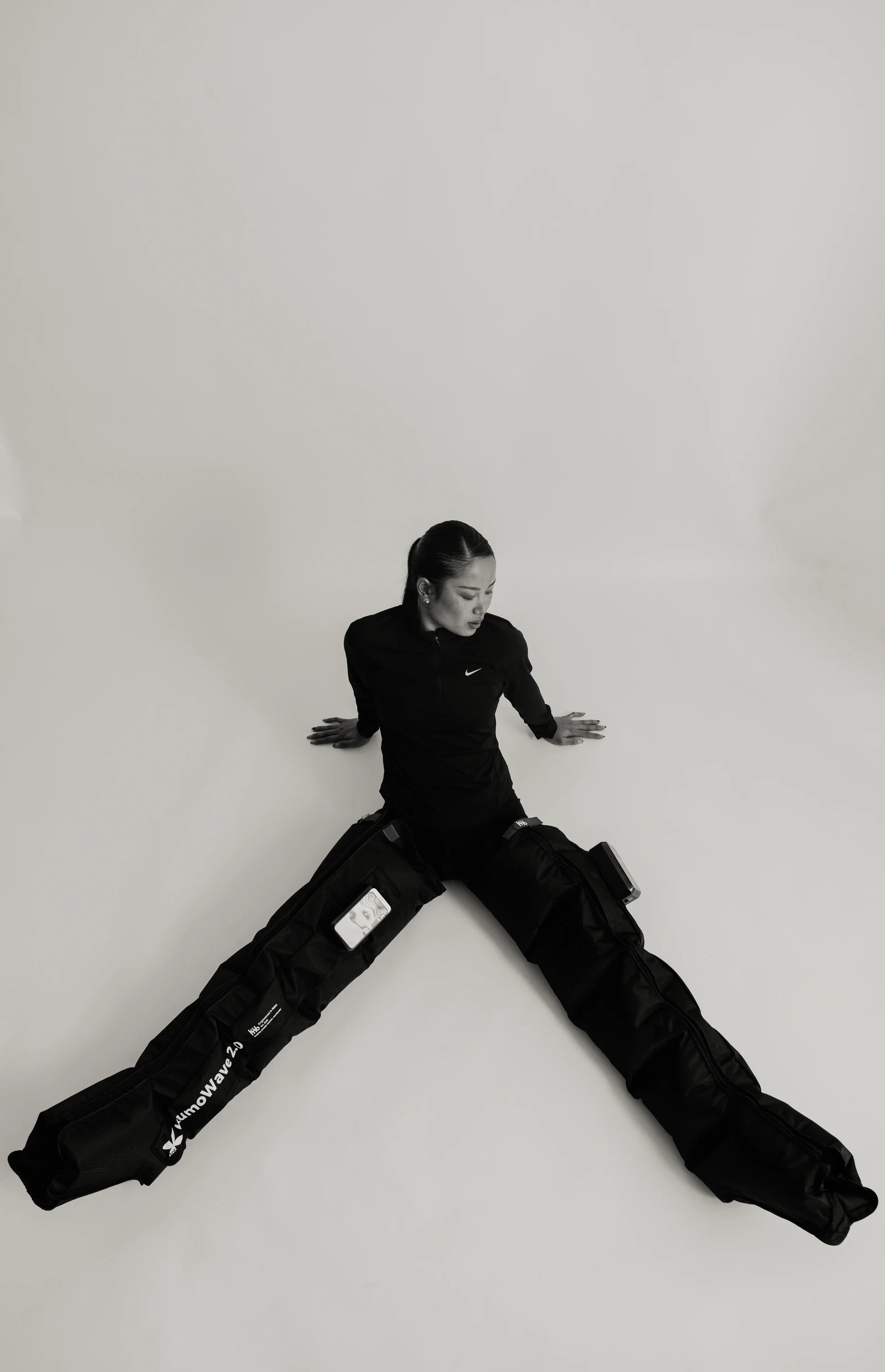
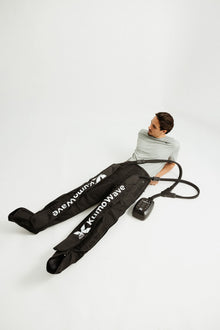
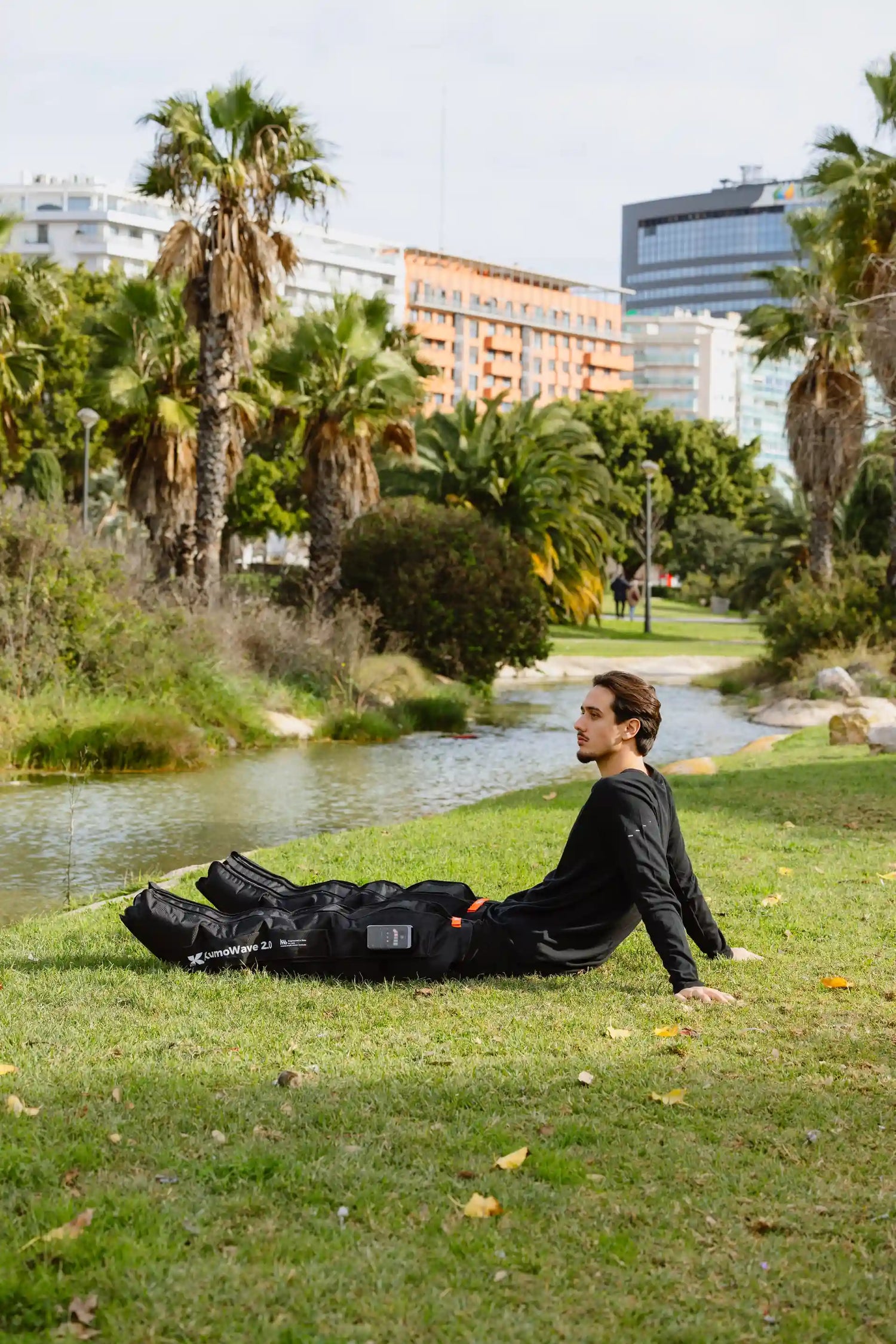
KumoWave pressotherapy boosts circulation and helps drain fluid with sequential compression, in 20-minute sessions at home.
- Boosts circulation and helps drain fluid
- Chamber-based compression, adjustable to you
- Sequential compression that mimics manual drainage
€799,00
€999,00Pay in installments seQura up to 12 months · Klarna up to 3 monthsAdd to cart →−10% on your 1st order when you subscribe to the newsletter
 Free shipping 24/48h 30-day risk-free trial 3-year warranty Decathlon trusts us

What is buttock cellulite and why is it more noticeable?
Aesthetic cellulite is very common, it is not dangerous, and it does not behave like common fat: losing volume can help make it less noticeable, but it doesn't always erase it. The Cleveland Clinic clinical guide on cellulite and the Mayo Clinic fact sheet agree that exercise, diet, and some treatments can temporarily reduce its appearance. (my.clevelandclinic.org)
If you're unsure which pattern predominates in your case, this guide on types of cellulite will help you, and if you notice pain, heaviness, or symmetrical swelling that doesn't fit with typical cellulite, the Cleveland Clinic page on lipedema offers helpful clues to differentiate it. (my.clevelandclinic.org)
Personalized protocol · included with your purchase
Want us to tell you how to use it in your case?
With your purchase, our experts prepare a personalized usage protocol for your case: sport, circulation, fluid retention, pregnancy or lipedema.
Message us on WhatsAppOur experts reply · no obligation
Complete routine to reduce it at home
To see changes, think in weeks, not days: Cleveland Clinic indicates that exercise may take at least two or three months, and the AAD notes that retinol may take six months or more. A complete routine doesn't depend on a single technique, but on combining strength, cardio, nutrition, and circulatory support. (my.clevelandclinic.org)
Reference week to start
| Block | What to do | Why it helps |
|---|---|---|
| 2 days per week | Strength training for glutes and legs. | More muscle can make skin visually smoother, and the CDC recommends 2 days of weekly strength training. (aad.org) |
| 3 to 5 days per week | Moderate cardio, such as brisk walking, cycling, or dancing. | Helps accumulate the recommended 150 minutes of moderate activity per week for adults. (cdc.gov) |
| Daily | Reduce salt, ultra-processed foods, and very salty meals. | Less sodium is associated with less water retention and less visible bloating. (heart.org) |
| 2 to 4 times per week | Massage, pressotherapy, or gentle drainage if you feel heaviness. | It can be a complementary support, but it does not replace muscle work or guarantee a lasting result. (aad.org) |
1. Strength training for glutes and legs
Prioritize two lower body strength sessions per week. The combination of squats, lunges, hip thrusts, glute bridges, and step-ups helps build muscle tone, which can soften the appearance of cellulite over time. Exercise alone is not miraculous, but it is one of the best-supported foundations. (aad.org)
- Squats. They are a solid base for working glutes, quads, and postural control. (aad.org)
- Lunges. They help strengthen the leg unilaterally and improve stability. (aad.org)
- Hip thrusts and glute bridges. They are useful for concentrating work on the posterior chain. (aad.org)
- Step-ups. They add stimulus to glutes and thighs without the need for complex equipment. (aad.org)
- Romanian deadlift. Complements glute and hamstring work and improves overall lower body firmness. (aad.org)
If you strength train with gentle progression and correct technique, it's usually better than training very hard one day and then going several days without moving. The goal is not to exhaust yourself, but to build a routine you can sustain. To better understand how physical activity fits into a broader plan, the CDC recommendations for adults are a practical and up-to-date reference. (cdc.gov)
on your first order when you join the newsletter
We send you the code instantly. No spam.
2. Cardio and daily movement
Cardio alone doesn't erase cellulite, but it does help meet the weekly minimum activity and improve overall condition. Brisk walking, cycling, swimming, or dancing work well if you do them regularly. The CDC recommends 150 minutes of moderate activity per week and 2 days of strength training; spreading these into 30-minute sessions over five days is a simple way to start. (cdc.gov)
The most important thing is to move every day. Taking the stairs, going for short walks, and avoiding sitting for hours without breaks promotes a better feeling in the legs and helps make the plan realistic. Consistency weighs more than perfection. (cdc.gov)
3. Diet and fluid retention
In terms of diet, the most beneficial approach is usually to reduce sodium and ultra-processed foods, because too much salt can promote water retention and visible bloating. The NHS reminds us that much of our salt comes from packaged and prepared foods, and the American Heart Association links excess sodium to increased retention and a feeling of "puffiness." (heart.org)
- Use less salt when cooking. Season with spices, garlic, lemon, or pepper to maintain flavor without overdoing the sodium. (nhs.uk)
- Read labels. Choose lower-salt versions when buying sauces, canned goods, or prepared meals. (nhs.uk)
- Reduce cured meats and fast foods. These often concentrate a lot of sodium and calories in small amounts. (nhs.uk)
- Maintain a healthy weight. The AAD notes that excess weight can make cellulite more visible, although losing weight too quickly can leave skin looser. (aad.org)
4. Skin, massage, and pressotherapy
Topical care can add to the effort, but it's important to have realistic expectations. The American Academy of Dermatology notes that a cream with 0.3% retinol can help skin appear thicker, although it takes six months or more to see changes. It also warns that dry brushing has no solid evidence and that manual rollers or massagers have not been shown to improve appearance long-term. (aad.org)
Massages and pressotherapy can accompany the plan, especially when the area feels heavy or swollen, but they should not be the sole strategy. If you're interested in comparing sensations, timings, and practical application, this comparison between anti-cellulite massage and pressotherapy helps you understand why results are often temporary when used alone. (aad.org)
Furthermore, if you observe significant swelling, review what edematous cellulite is and how to treat it effectively, because excess sodium can promote water retention and make the skin's texture more visible. (heart.org)
Non-invasive aesthetic treatments: what to really expect
When you want a visible improvement with professional help, there are non-invasive options that can work, but they almost always require several sessions, and the effect is usually partial or temporary. The American Academy of Dermatology guide and the Mayo Clinic treatment sheet agree that it's wise to moderate expectations. (aad.org)
- Radiofrequency. It may require several sessions, and changes are usually modest and of limited duration. (aad.org)
- Acoustic waves. Cleveland Clinic notes that it may require about six weeks of treatment and that results can last between two and six months. (my.clevelandclinic.org)
- Assisted massage or endermologie. It can provide a slight and temporary improvement, but the texture usually returns if treatment is suspended. (aad.org)
- Topical retinol. A formula with 0.3% can help skin appear thicker, although it requires six months or more. (aad.org)
If your idea is to decide between an in-clinic treatment or a home strategy, this comparison between in-clinic and at-home treatments will help you filter what level of intervention is worthwhile for you. (aad.org)
When to think about lipedema and not just cellulite
Not all skin irregularities are the same thing. Cleveland Clinic describes lipedema as an abnormal accumulation of fat that can cause pain, a tendency to bruise, and a symmetrical increase in volume in the lower body, which is different from typical cellulite. If you notice these signs, a professional evaluation is worthwhile. (my.clevelandclinic.org)
Common mistakes that hinder progress
- Only doing cardio. Without strength training, it's harder to gain the muscle tone that makes cellulite less visible. (aad.org)
- Expecting immediate results. Skin needs weeks or months to show real changes. (my.clevelandclinic.org)
- Relying on dry brushing as the main solution. Cleveland Clinic indicates there's no solid evidence that it durably reduces cellulite. (my.clevelandclinic.org)
- Ignoring salt and ultra-processed foods. High sodium can increase fluid retention and make texture more visible. (nhs.uk)
- Overlooking pain or symmetrical swelling. These signs can point to lipedema or another distinct condition. (my.clevelandclinic.org)
Frequently asked questions about cellulite on the buttocks
What are the most effective exercises to reduce cellulite on the buttocks and how many times a week should I do them?
The most useful combination is usually lower body strength and moderate cardio. The CDC recommends 150 minutes of moderate activity per week and 2 days of strengthening; for glutes, squats, lunges, hip thrusts, glute bridges, and step-ups are good foundations. Cleveland Clinic adds that exercise can take 2 to 3 months to show results on the skin, so consistency matters more than isolated intensity. (cdc.gov)
What diet changes and daily habits can help reduce the appearance of cellulite on the buttocks?
The most helpful approach is to reduce salt, minimize ultra-processed foods, and maintain a healthy weight. The NHS reminds us that much of our salt comes from packaged foods, and the AHA links excess sodium to water retention and visible bloating. It also helps to avoid drastic diets, because losing weight too quickly can lead to loose skin and make cellulite more noticeable. (nhs.uk)
Are there non-invasive aesthetic treatments that actually improve the appearance of cellulite on the buttocks, and how long do their results last?
Yes, some aesthetic treatments can improve the appearance, but they usually require several sessions, and the effect doesn't always last long. Mayo Clinic cites radiofrequency, acoustic waves, and assisted massage as options that can temporarily help, while the AAD indicates that 0.3% retinol may require 6 months or more. In general, these are tools to soften texture, not to erase cellulite. (mayoclinic.org)
Does fluid retention or salt consumption influence cellulite on the buttocks, and how can it be properly controlled?
Yes. Excess sodium can promote water retention, feelings of bloating, and a more "puffy" appearance, and the NHS recommends limiting salt to 6g per day for adults. This doesn't mean salt is the sole cause of cellulite, but it can make it more visible in some people, especially if they also spend many hours sitting or eat many processed foods. (heart.org)
How long does it take to see a noticeable reduction in cellulite on the buttocks when combining exercise, diet, and skin care?
It depends on the starting point and consistency. Cleveland Clinic says exercise may take at least 2 or 3 months, and the AAD notes that retinol may take 6 months or more. If you add diet changes, daily movement, and complementary treatment, some people notice slightly more uniform skin sooner, but the realistic goal is gradual improvement, not total disappearance. (my.clevelandclinic.org)
What now?
If you want to move from theory to a realistic routine, start with this complete anti-cellulite routine at home with pressotherapy and key habits, and focus on strength, consistency, and less salt. With a clear plan, cellulite on the buttocks can become much less visible without falling for unrealistic promises. (cdc.gov) To learn more, consult Kumo.
KumoWave pressotherapy
Choose your at-home pressotherapy
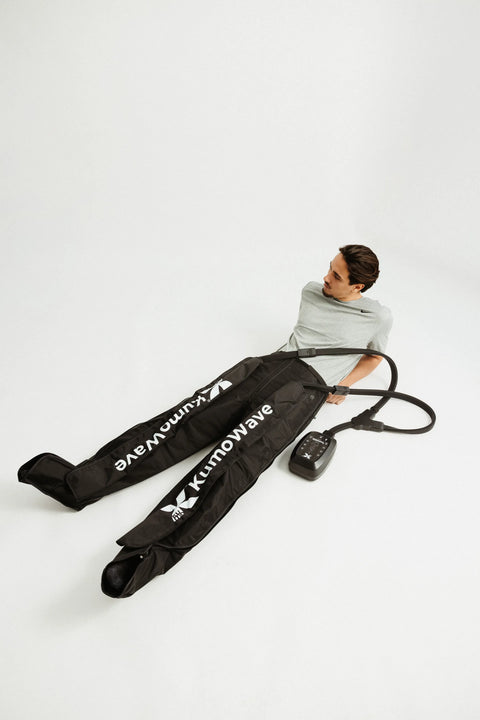
KumoWave Elite – Pressotherapy Pants
Full-coverage trousers. Ideal for lipedema, fluid retention and intensive use.
€799,00 €999,00
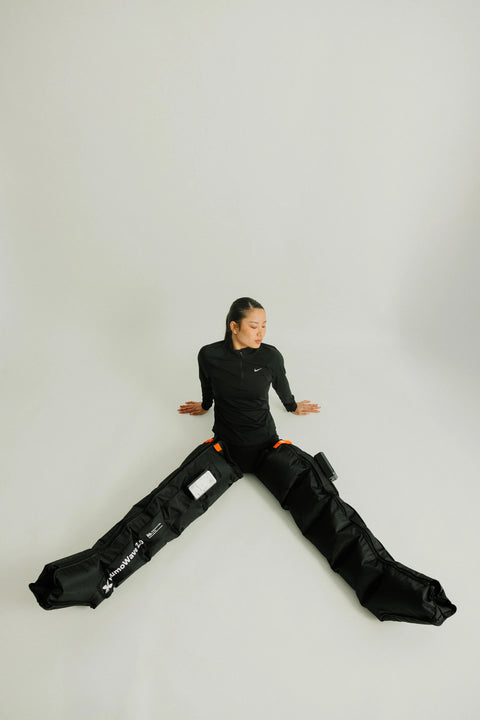
KumoWave 2.0 - Wireless Pressotherapy
Wireless, lightweight boots. Perfect for daily use and recovery.
€499,00 €599,00