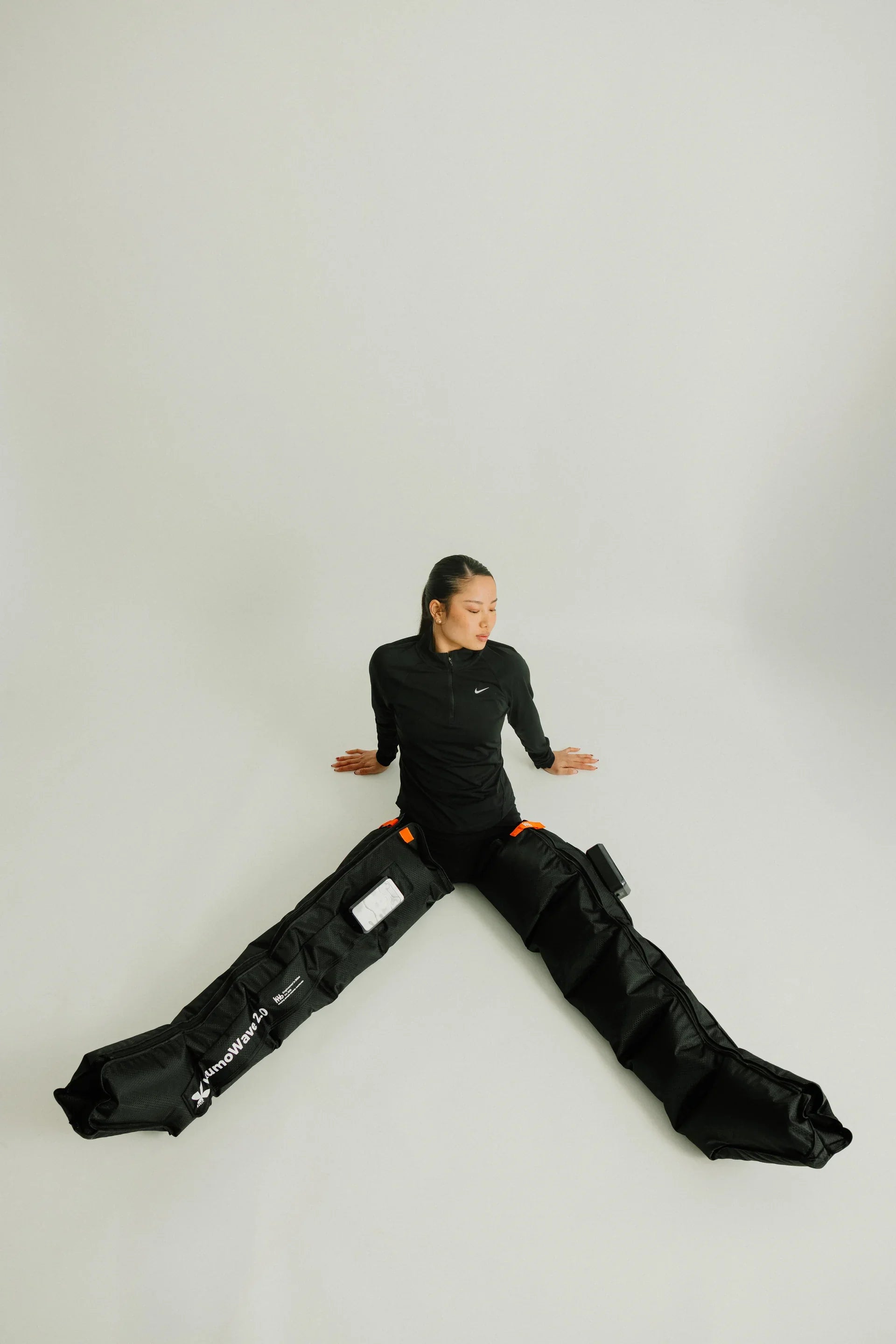
Pressotherapy helps move fluids and relieve heavy legs. It's not just any massage: it uses sequential air pressure to stimulate venous return and lymphatic drainage.
That's why it appears so often in protocols for edema, lymphedema, and recovery after periods of immobility. In medicine, it's known as intermittent pneumatic compression, and its use can range from thrombosis prevention in hospitals to supporting home treatment in selected cases.
Pressotherapy at home
End the day with light legs
★★★★★ 4,8/5 · rated by verified customers
KumoWave pressotherapy boosts circulation and helps drain fluid with sequential compression, in 20-minute sessions at home.
- Boosts circulation and helps drain fluid
- Chamber-based compression, adjustable to you
- Sequential compression that mimics manual drainage
€829,00€999,00
−10% on your 1st order when you subscribe to the newsletter

What is pressotherapy?
Pressotherapy involves boots, sleeves, or cuffs that inflate and deflate using air chambers. MedlinePlus's fact sheet on lymphedema reminds us that lymph can accumulate in soft tissues and that treatment can include compression devices and massage; in practice, this is the basis of how pressotherapy works.
Cleveland Clinic's explanation of intermittent pneumatic compression details that the sleeves inflate around the legs in short cycles and then deflate, which feels like a rhythmic massage.
Personalized protocol · included with your purchase
Want us to tell you how to use it in your case?
With your purchase, our experts prepare a personalized usage protocol for your case: sport, circulation, fluid retention, pregnancy or lipedema.
Message us on WhatsAppOur experts reply · no obligation
How exactly does it work?
The idea is simple: the device compresses the area in stages and then releases the pressure to repeat the cycle. This sequential compression logic is the same one we explain in the clinical technology behind the system, where pressure is organized in chambers that work in phases. (wsh.nhs.uk)
What happens during a session
| Phase | What the equipment does | What it aims for |
|---|---|---|
| Sequential inflation | Chambers fill with air from the most distal end upwards. | Promotes fluid return and simulates muscle action. |
| Decompression | Air is released before the next cycle. | Avoids continuous pressure and allows tissue to rest. |
| Controlled repetition | The pattern is maintained for several minutes. | Supports venous circulation and lymphatic drainage. |
Overall, inflation and deflation cycles are repeated to mimic the muscle pump of the legs. The duration, pressure, and number of chambers change depending on the indication and the equipment.
If you want a practical reference for organizing the pace, the recommended frequency and duration summarize common protocols. A clinical leaflet from the NHS describes, for example, courses of 6 sessions, twice a week for 3 weeks, with sessions lasting 45 to 60 minutes.
on your first order when you join the newsletter
We send you the code instantly. No spam.
Benefits of pressotherapy
The most commonly cited benefits are usually grouped into four ideas: reduced swelling, feeling of lighter legs, support for venous return, and comfortable use in recovery routines. Not all effects are the same for all people, but these are the areas where evidence and clinical practice are most consistent.
- Less swelling. By mobilizing fluid, it can help reduce the feeling of heavy legs or volume in limbs with edema.
- Support for venous return. Sequential compression promotes upward flow when there is little mobility or leg fatigue.
- Complement in lymphedema. MedlinePlus and clinical literature place it as part of management along with exercise, skin care, and massage.
- Non-invasive routine. For many people, it is a comfortable way to incorporate recovery without additional physical effort.
If you want to go a step further, the scientifically explained benefits of pressotherapy gather the most useful evidence for non-specialized readers. In recent studies, advanced pneumatic compression has also been evaluated in profiles such as lipedema, with promising results in volume, symptoms, and quality of life. (pubmed.ncbi.nlm.nih.gov)
Who might benefit from it?
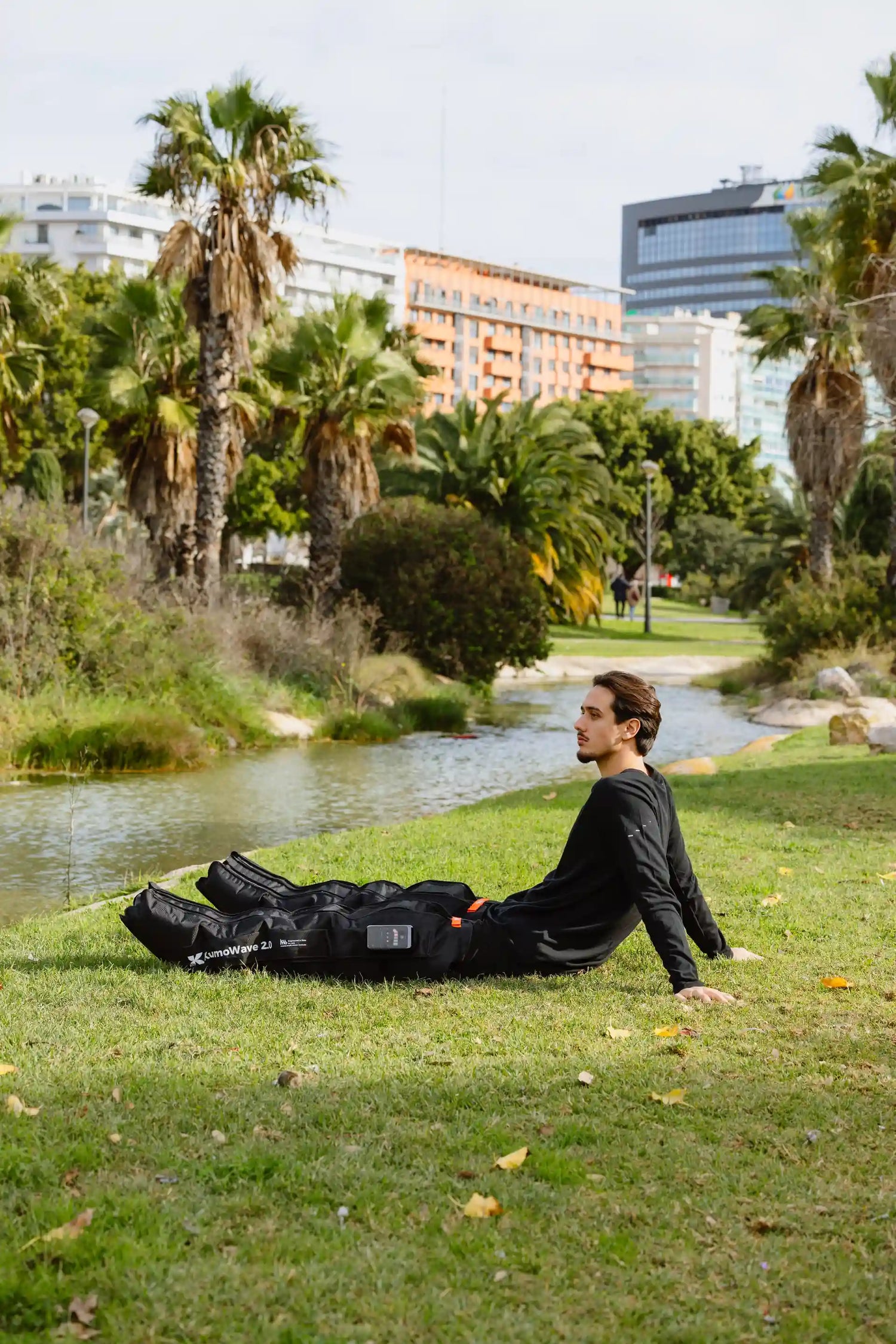
Pressotherapy is often of interest to people with heavy legs, mild edema, fluid retention, or lymphedema, always with professional judgment when there is an underlying disease. In lipedema, a 2025 study in women with lipedema suggests improvements in volume, adipose thickness, symptoms, and quality of life with advanced pneumatic compression. When seeking a home routine, a device like a wireless sequential compression model like KumoWave 2.0 translates this principle into a more comfortable practice, provided there are no contraindications.
Contraindications and precautions
Pressotherapy should not be used without assessment if there is untreated deep vein thrombosis, recent pulmonary embolism, acute skin inflammation, severe heart, kidney or liver failure, ischemic vascular disease, pulmonary edema, or severe neuropathy. To see the general clinical framework, the S1 guideline on intermittent pneumatic compression insists on reviewing contraindications and evaluating risk-benefit.
Caution is also advised if the skin is fragile, there are operated areas, pain on touch, or altered sensitivity. If you are thinking of using it at home, benefits and contraindications of home pressotherapy will help you review the key points before starting.
Frequently asked questions
What is pressotherapy and what is it used for?
Pressotherapy is an intermittent pneumatic compression technique applied with boots, sleeves, or cuffs that inflate using air chambers. It is used to promote venous and lymphatic return, relieve the feeling of heavy legs, and support the management of edema or lymphedema in selected contexts. It is also used in medical settings for thrombosis prevention when mobility is limited.
How does pressotherapy work and what are its benefits?
The device compresses and decompresses the area sequentially, mimicking the natural muscle pump of the legs. This alternation helps to move fluid and improve local circulation. Its most consistent benefits are observed in swelling, heaviness, recovery after immobility, and support for lymphedema or venous disease treatments. The exact improvement depends on the cause of the problem and the consistency of the protocol.
Is pressotherapy painful or safe?
When properly adjusted, it should not be painful; many people describe the sensation as a firm but tolerable massage. However, safety depends on correct patient selection and the pressure used. Clinical guidelines indicate that it is a safe technique when contraindications are respected, but it should not be continued if acute pain, numbness, shortness of breath, or chest pain appears.
How long does a pressotherapy session last and how many are required?
There is no universal figure. In an NHS clinical service, a course described for lymphedema was 6 sessions, twice a week for 3 weeks, with sessions lasting 45 to 60 minutes. At home, the time and frequency depend on the device, the objective, and individual tolerance, so it is advisable to start progressively.
Does pressotherapy help reduce fluid retention and cellulite?
It can help, especially when fluid retention contributes to swelling. By inference, if edema decreases, some people notice smoother skin; however, aesthetic cellulite is multifactorial and pressotherapy alone does not eliminate it. In practice, it should be seen as support for circulation and drainage, not as a miraculous solution.
What's next?
If you want to take the next step, start with Kumo Balance's proposal to start at home and explore the home pressotherapy collection to see which format best fits your routine.
KumoWave pressotherapy
Choose your at-home pressotherapy
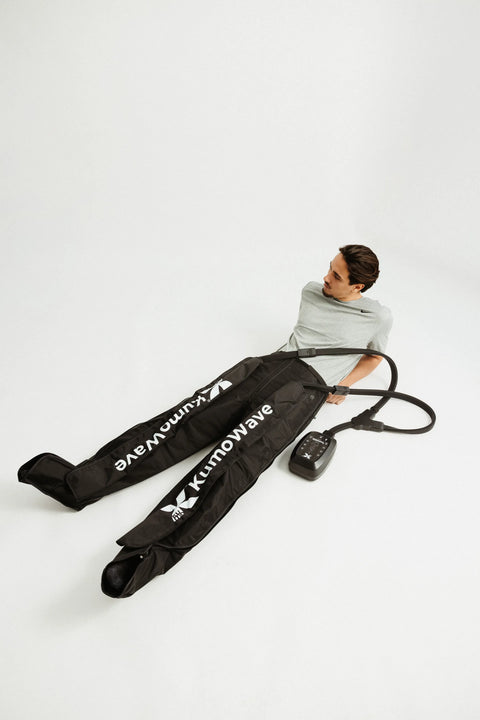
KumoWave Elite – Pressotherapy Pants
Full-coverage trousers. Ideal for lipedema, fluid retention and intensive use.
€829,00 €999,00
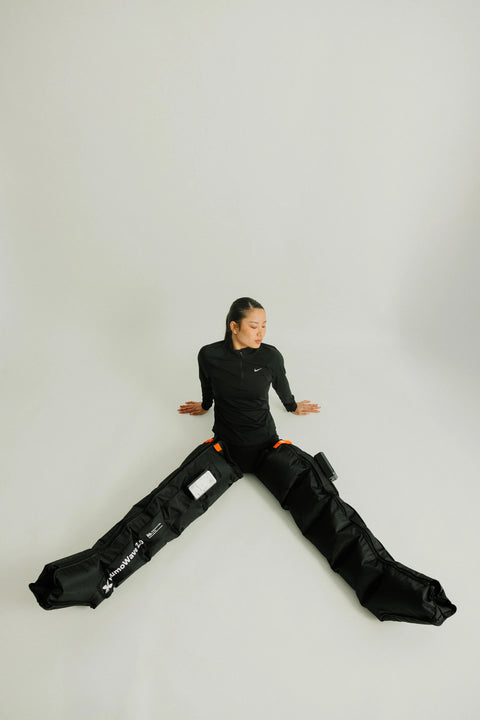
KumoWave 2.0 - Wireless Pressotherapy
Wireless, lightweight boots. Perfect for daily use and recovery.
€499,00 €599,00