
Pressotherapy does not remove cellulite. (aad.org)
What it can do, especially if there is fluid retention, is help the area look less swollen and make legs feel lighter; therefore, the most realistic result is usually an improvement in contour and comfort, not a total disappearance of dimples. Cellulite is very common, multifactorial, and still has no single, definitive solution.
Pressotherapy at home
End the day with light legs
★★★★★ 4,8/5 · rated by verified customers
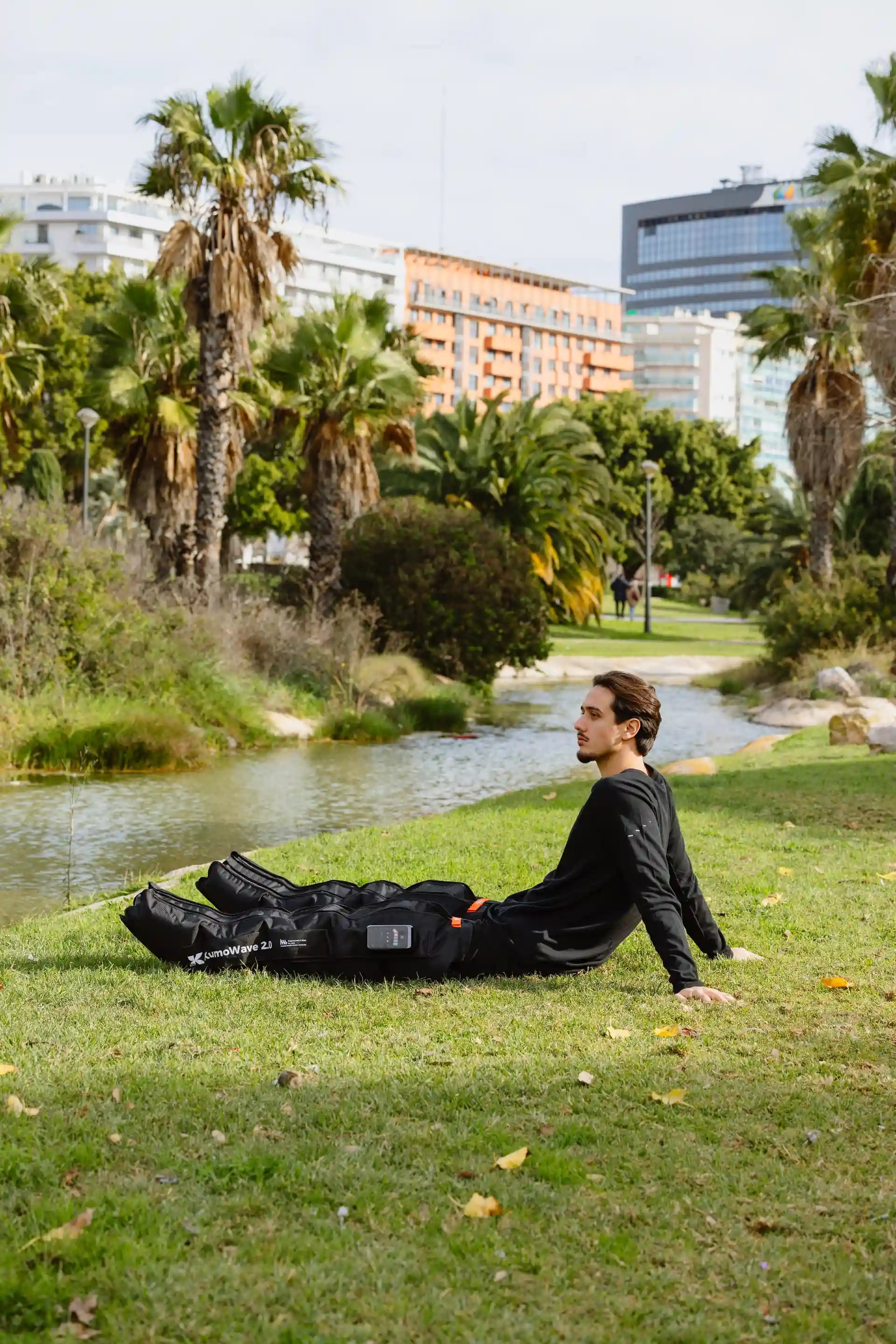
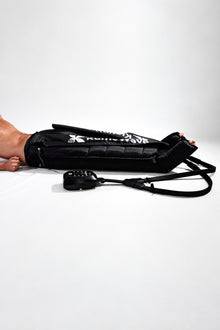
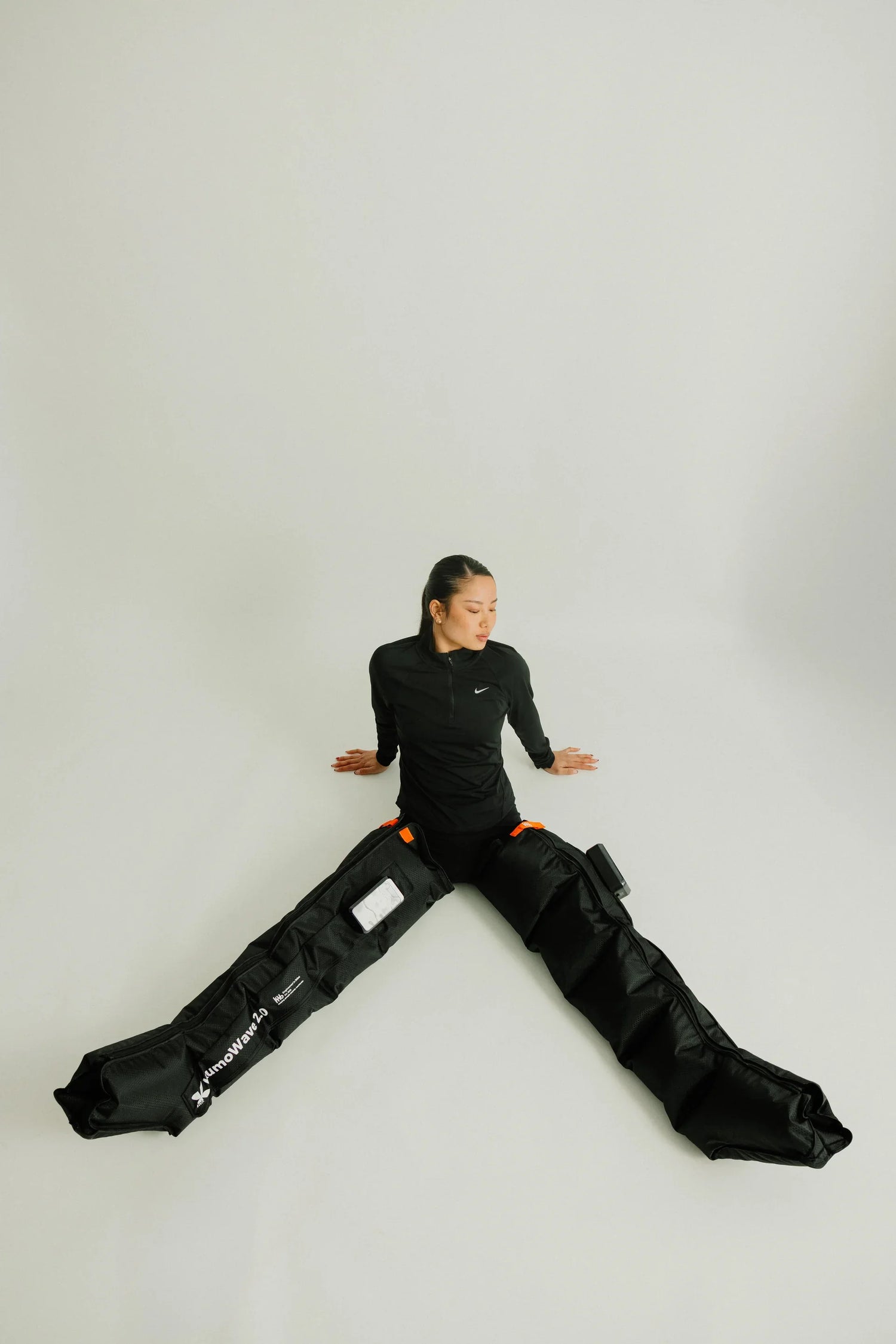
KumoWave pressotherapy boosts circulation and helps drain fluid with sequential compression, in 20-minute sessions at home.
- Boosts circulation and helps drain fluid
- Chamber-based compression, adjustable to you
- Sequential compression that mimics manual drainage
€799,00€999,00
−10% on your 1st order when you subscribe to the newsletter

Why it's important to adjust expectations
Cellulite is not just accumulated fat. Tissue structure, skin thickness, genetics, and hormonal factors are involved, so even thin people can have it. The AAD and Mayo Clinic agree that available therapies improve appearance more than the underlying cause, and in many cases, they do so temporarily.
The 2025 systematic review gathered 24 randomized trials with 2,084 patients and concluded that there are many options under study, but none has been established as a definitive treatment. If you want a broader overview of the landscape, the AAD guide to cellulite treatments, the Mayo Clinic page on diagnosis and treatment, and the systematic review published in 2025 help put the topic in context.
Personalized protocol · included with your purchase
Want us to tell you how to use it in your case?
With your purchase, our experts prepare a personalized usage protocol for your case: sport, circulation, fluid retention, pregnancy or lipedema.
Message us on WhatsAppOur experts reply · no obligation
The best expectation is a visible, but partial and non-permanent improvement.
How pressotherapy works
In practice, pressotherapy works as sequential pneumatic compression: a series of air chambers compresses the leg in an orderly fashion to promote venous return and fluid drainage. The CADTH/NCBI report on intermittent pneumatic compression positions it as an adjunct in lymphedema, especially when mobility is limited, and a 2024 review observed improvements when added to decongestive therapy for a few weeks.
That is the key to understanding its role in cellulite: solid evidence lies in edema management, while evidence for "eliminating" cellulite is much weaker. Simply put, it can help the tissue look less bulky when the fluid component is significant, but it does not by itself correct the architecture that forms orange peel skin.
on your first order when you join the newsletter
We send you the code instantly. No spam.
If you want to delve deeper into this physiological basis, you can read about the scientifically explained benefits of pressotherapy.
Realistic results you may notice
- Less feeling of heaviness and less swelling at the end of the day when there is fluid retention.
- Somewhat smoother or less "bulky" skin while the decongestive effect lasts.
- A discrete or almost null change if the cellulite is mostly fibrous and there is hardly any edema.
- Better sensations when use is combined with movement, strength, and habits that promote circulation.
If you are looking for a way to apply this at home, the guide to at-home pressotherapy for cellulite can help you organize expectations, consistency, and use.
How to combine it for a more consistent result
Cleveland Clinic's fact sheet on cellulite reminds us that exercise can make it less visible and that building muscle helps the skin look firmer; it also notes that a diet very high in calories, fats, salt, and ultra-processed foods can make it more evident. Therefore, a complete anti-cellulite routine at home usually provides more than an isolated session.
And if at the same time you notice pain, tenderness, easy bruising, or disproportionate swelling in your legs or arms, it's advisable not to label everything as cellulite. In that scenario, reading what lipedema is and how to recognize it early can help you distinguish an aesthetic problem from a condition that deserves another evaluation.
At-home pressotherapy: when it makes sense
The domestic version makes sense when you are looking for regularity, comfort, and non-invasive support for tired legs or mild swelling. However, if you expect a drastic reduction in cellulite, Mayo Clinic and AAD guidelines make it clear that improvements from massage and other devices are usually partial and temporary. Therefore, comparing approaches in anti-cellulite massage vs pressotherapy can help you choose more wisely.
The idea is not to look for a "stronger" method, but one that fits your real goal: improving comfort, reducing edema, and smoothing the appearance of the skin within reasonable limits. That difference in objective is what separates useful use from an exaggerated promise.
Realistic expectations vs. exaggerated promises
| What you usually expect | What can really happen | What to remember |
|---|---|---|
| Less swelling | This is often the most plausible effect when there is fluid retention. | Pneumatic compression is used as support for edema and venous return. |
| Smoother skin | A moderate improvement may be seen, but not always uniform. | The AAD and Mayo Clinic describe partial and often temporary improvements. |
| Lasting results | They are usually not permanent if the strategy is not maintained. | Reviews on cellulite talk about variable and often short-lived effects. (pmc.ncbi.nlm.nih.gov) |
| Total disappearance | This is not a realistic expectation with pressotherapy alone. | Cellulite is not completely eliminated with a single method. |
FAQ about pressotherapy and cellulite
Does pressotherapy completely eliminate cellulite or only improve its appearance in the short term?
The most realistic expectation is an improvement in appearance, not total elimination. Cellulite depends on tissue structure, skin, and hormonal and genetic factors, so a compression technique can reduce swelling or smooth the relief, but not rewrite that architecture. The AAD and Mayo Clinic agree that treatments are usually partial and temporary. If cellulite is closely linked to fluid retention, the visual change may be more evident than if the fibrous component predominates.
How many pressotherapy sessions are recommended to notice visible improvements in cellulite?
There is no universally supported number for cellulite. It is prudent to think of several sessions spread over time, not a single isolated session. In other body interventions, Mayo Clinic and the AAD indicate that improvement usually requires repetition; furthermore, in pneumatic compression for lymphedema, the evidence speaks of periods of several weeks. Therefore, if your goal is visible improvement, it is advisable to measure the response with patience and consistency, especially when cellulite coexists with swelling.
Is at-home pressotherapy effective for treating cellulite or is it necessary to go to an aesthetic center?
At home, it can be useful as support, especially if you are looking for regularity, lighter legs, and less feeling of volume. However, pneumatic compression is mainly used as an adjunct in edema problems, not as a cure for cellulite. If your case is simple and your goal is moderate, the home option may fit well; if there is pain, asymmetry, easy bruising, or suspicion of lipedema, a professional evaluation is better. The difference between "practical support" and "main treatment" matters a lot here.
What are the differences between pressotherapy and other cellulite treatments in terms of realistic results?
Pressotherapy acts on fluids, venous return, and the feeling of heaviness. In contrast, other cellulite treatments, such as subcision, laser, or radiofrequency, seek to act more directly on fibrous septa or on skin texture. Therefore, their objectives are not identical. The AAD explains that some procedures can give more lasting results, while Mayo Clinic insists that many improvements are temporary. In short, pressotherapy is usually gentler and more supportive.
How long does each pressotherapy session usually last and how much is needed to see realistic results in cellulite?
The exact duration depends on the equipment and the protocol, so it is not appropriate to set a single number as if it were universal. The important thing is regularity and the real goal: if you want to change cellulite, think in terms of weeks of constant use, not a single session. The most realistic changes are usually noticed sooner in swelling and the feeling of lightness than in the deep texture of the skin. If you want a practical reference, the best sign is progressive evolution, not a promise of instant effect.
What now?
If you want to work on cellulite with sensible expectations, the best route is to combine consistency, compression, and habits you can maintain. You can start with Kumo Balance and check out the at-home pressotherapy collection to see which option best fits your routine.
KumoWave pressotherapy
Choose your at-home pressotherapy
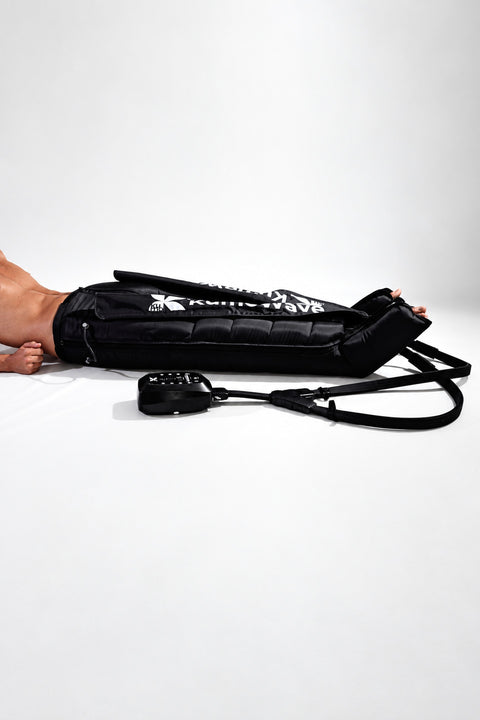
KumoWave Elite – Pressotherapy Pants
Full-coverage trousers. Ideal for lipedema, fluid retention and intensive use.
€799,00 €999,00
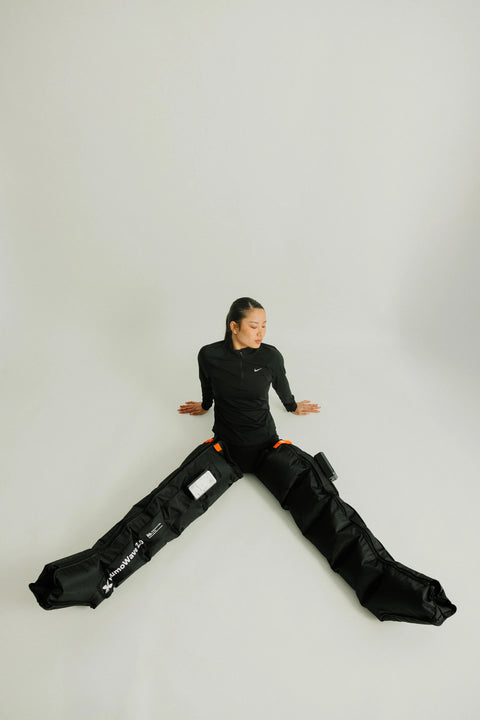
KumoWave 2.0 - Wireless Pressotherapy
Wireless, lightweight boots. Perfect for daily use and recovery.
€499,00 €599,00