Pressotherapy can help with lipedema. It doesn't solve everything, but it can alleviate pain, heaviness, and accompanying edema when integrated into a well-planned conservative strategy. Current guidelines position it as a supportive tool, not a standalone treatment. (register.awmf.org)
This is important because lipedema requires realistic expectations: less subjective inflammation, more comfort, and better treatment adherence, not a quick "cure." If the goal is to use it judiciously, one must first understand what it contributes, what it doesn't, and in which cases it should be avoided or adjusted.
Pressotherapy at home
End the day with light legs
★★★★★ 4,8/5 · rated by verified customers
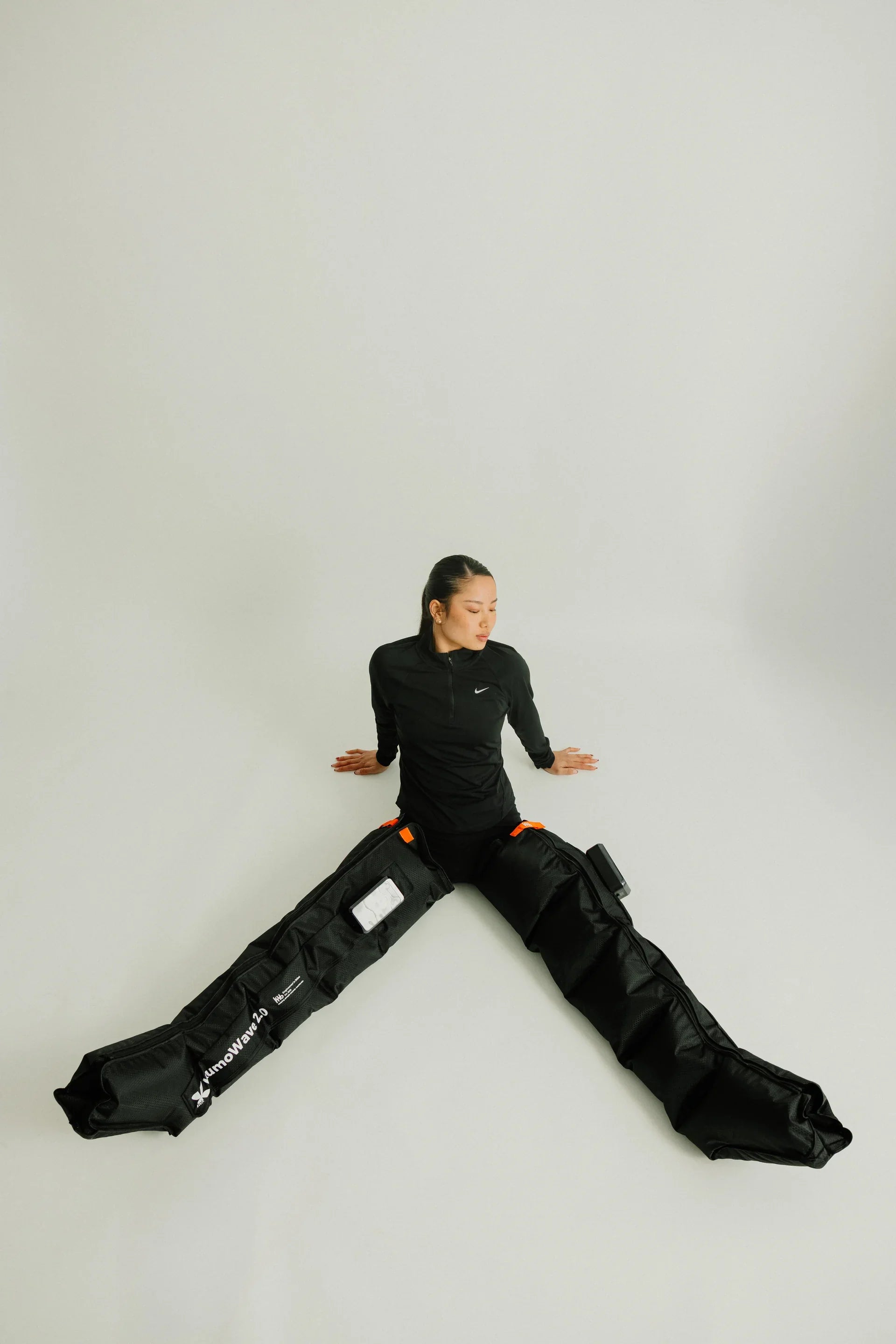
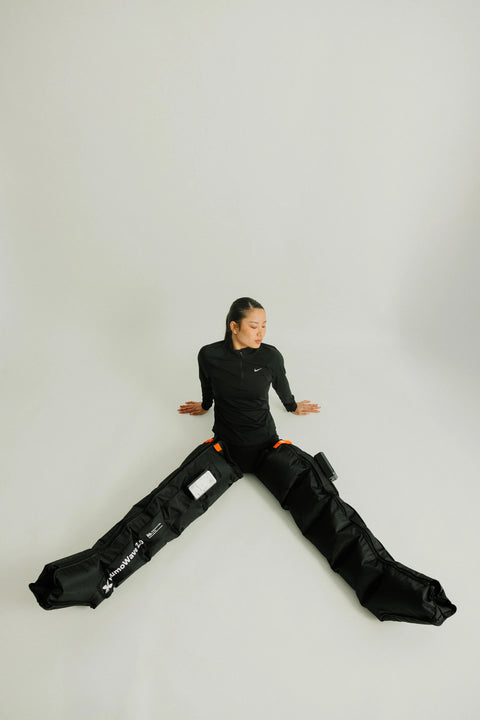
KumoWave pressotherapy boosts circulation and helps drain fluid with sequential compression, in 20-minute sessions at home.
- Boosts circulation and helps drain fluid
- Chamber-based compression, adjustable to you
- Sequential compression that mimics manual drainage
€799,00€999,00
−10% on your 1st order when you subscribe to the newsletter

If you're still unsure whether what you're experiencing fits this condition, reviewing how to recognize lipedema early can help you better guide clinical conversation and avoid confusing it with other causes of heavy legs.
The best way to understand pressotherapy in lipedema is to view it as support for symptoms and treatment adherence, not as a substitute for a comprehensive approach.
Personalized protocol · included with your purchase
Want us to tell you how to use it in your case?
With your purchase, our experts prepare a personalized usage protocol for your case: sport, circulation, fluid retention, pregnancy or lipedema.
Message us on WhatsAppOur experts reply · no obligation
What is the real usefulness of pressotherapy in lipedema?
The German S2k guideline from 2024 considers therapeutic compression part of the standard treatment for lipedema and indicates that intermittent pneumatic compression can be used as support. In parallel, the standard of care published in the US includes manual therapy, compression garments, a pneumatic compression device, and a home exercise plan within conservative management.
The key idea is this: pressotherapy alone doesn't change the biology of lipedema, but it can improve bothersome symptoms and make daily life more manageable. The 2024 guideline also emphasizes that there is very little data on IPC in lipedema and that, in practice, it is used as a supportive measure within decongestive physiotherapy, not as a replacement for manual lymphatic drainage or compression.
Practical summary: usefulness, limitations, and clinical context
| Situation | What it can provide | What to keep in mind |
|---|---|---|
| Pain, heaviness, and tired legs | Can relieve symptoms and subjectively improve comfort. | The primary goal remains symptomatic relief, not definitive correction of lipedema. |
| Accompanying edema | Can help reduce edema from other causes associated with the condition. | Does not replace medical compression or manual lymphatic drainage. |
| Home use | Can be used at home if indicated and the device is well-adjusted. | The guide insists on individualizing settings according to pain and tolerance. |
| What the evidence says | In a 2021 randomized trial with 33 women with severe lipedema, all programs improved outcomes, but complete decongestive therapy plus exercise was superior to IPC plus exercise or exercise alone. | Its usefulness exists, but the evidence remains limited and does not show that pressotherapy is the main pillar of treatment. |
If you want to see how this tool fits into a comprehensive approach, the article on real treatment options helps to understand which measures usually add up and which should be placed in clinical context.
on your first order when you join the newsletter
We send you the code instantly. No spam.
Precautions, contraindications, and adjustment
Before using it, it is advisable to rule out contraindications for medical compression in general. An international consensus on risks and contraindications highlights special caution in severe peripheral arterial disease, decompensated heart failure or NYHA IV, and also in active skin infections and suspected thrombosis.
- Use the minimum pressure that provides relief, because the German guideline recommends preferring the lowest compression class that improves symptoms and promotes adherence.
- Do not start pressotherapy if severe peripheral arterial disease, decompensated heart failure, or an active infection exists without prior medical evaluation. (pmc.ncbi.nlm.nih.gov)
- Remember that, in lipedema, IPC is a support within a broader plan; it should not replace compression or manual drainage when these are indicated.
In summary: if the session is uncomfortable, the settings are not well adapted. Its usefulness depends less on "pressing harder" and more on properly adjusting the pressure, size, and usage time to your specific case.
How to integrate it with compression and exercise
What best aligns with the evidence is a combined approach: compression garments, adapted movement, and, when indicated, pressotherapy as support. The S2k guideline states that IPC is used to relieve pain and reduce accompanying edema, but not as a substitute for manual lymphatic drainage or compression; the US standard also includes a home exercise plan within conservative treatment.
In practice, this means that pressotherapy makes sense when it accompanies habits that sustain the result: walking, gentle strengthening, using recommended compression, and reviewing the plan according to evolution, pain, and tolerance. If you want to delve into the technical fit, you can read how pressotherapy and lymphatic drainage complement each other.
And if you are considering home use, it's worth reviewing the guide for choosing and using it at home, because the settings must adapt to anatomy, pain, and therapeutic goals, not the other way around.
FAQ
How does pressotherapy help lipedema?
It can alleviate pain, heaviness, and accompanying edema, especially when legs feel tired at the end of the day. Guidelines position it as support within a conservative plan, not as a sole solution. In a 2021 randomized trial, the intermittent pneumatic compression group improved, but the complete decongestive therapy plus exercise group achieved better results in volume, pain, and physical function. This suggests usefulness, but also marks its limits.
Lipedema and pressotherapy: what is the real indication?
The real indication is already diagnosed lipedema with pain, heaviness, or accompanying edema, when pressotherapy is integrated into a broader conservative approach. The German 2024 guideline notes that IPC serves to relieve pain and reduce edema from other causes, and in practice, it is used as support in decongestive physiotherapy. If the problem is not yet well identified, the diagnosis must first be confirmed and other causes of swelling ruled out.
Can pressotherapy prevent lipo-lymphedema in lipedema?
There is no strong evidence to say it prevents it by itself. The German guideline acknowledges that there is very little data on IPC in lipedema, and its use is proposed as symptomatic support. My clinical interpretation is that it can help manage the edema burden, but that is an inference, not proof of direct prevention. To reduce the risk of worsening, the most reasonable approach is to control symptoms, use appropriate compression, stay active, and follow up with medical care.
Should pressotherapy in lipedema be combined with compression and exercise?
Yes, because that's precisely what the available guidelines and evidence reflect. Therapeutic compression is part of the standard treatment for lipedema, and IPC is considered an aid within that context, not a replacement. Additionally, the US standard of care includes a home exercise plan, and the 2021 randomized trial showed better results when complete decongestive therapy was combined with exercise. In lipedema, an isolated approach usually falls short.
What precautions and contraindications does pressotherapy have in patients with lipedema?
Particular attention should be paid to severe peripheral arterial disease, decompensated heart failure, active skin infection, suspected thrombosis, and any vascular or skin problem that the doctor considers relevant. The international consensus on medical compression insists on using these techniques with caution when there is heart or arterial disease, and the German guideline recommends individualizing intensity, using the lowest compression that provides relief. If a session significantly increases pain or is uncomfortable, the adjustment should be reviewed.
What now?
If you want to delve deeper, start with the Kumo Balance home page, review professional pressotherapy at home, and consult the guide for choosing and using it at home. This will allow you to assess whether this tool fits your case with realistic expectations and prudent use.
KumoWave pressotherapy
Choose your at-home pressotherapy
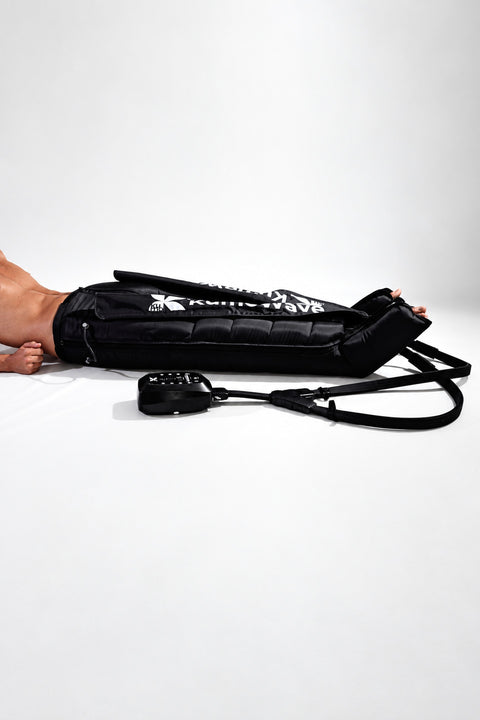
KumoWave Elite – Pressotherapy Pants
Full-coverage trousers. Ideal for lipedema, fluid retention and intensive use.
€799,00 €999,00
KumoWave 2.0 - Wireless Pressotherapy
Wireless, lightweight boots. Perfect for daily use and recovery.
€499,00 €599,00