
Bloating can be relieved by eating better.
When the problem is fluid retention, what usually helps most is a diet rich in water, potassium, and vegetables, and low in sodium; if bloating is persistent or appears without clear cause, it is advisable to assess whether there is edema and not just "heaviness." (health.harvard.edu)
Pressotherapy at home
End the day with light legs
★★★★★ 4,8/5 · rated by verified customers
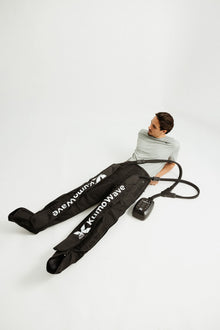
KumoWave pressotherapy boosts circulation and helps drain fluid with sequential compression, in 20-minute sessions at home.
- Boosts circulation and helps drain fluid
- Chamber-based compression, adjustable to you
- Sequential compression that mimics manual drainage
€799,00€999,00
−10% on your 1st order when you subscribe to the newsletter

What "natural diuretic" really means
In practice, a food does not have the same effect as a pharmacological diuretic. Its role is more subtle: it provides water, improves meal volume, and helps lower overall sodium. Harvard Health's guide on hydrating foods shows that several fruits and vegetables contain between 80% and 100% water, and the WHO on sodium reduction recommends less than 2,000 mg of sodium per day for adults.
Added to this is potassium: the NIH factsheet on potassium explains that it participates in the balance of body fluids and that many fruits and vegetables are good sources. If you want to better distinguish between retention, edema, and general heaviness, you might also find it useful to read about fluid retention: causes, symptoms, and real solutions.
Personalized protocol · included with your purchase
Want us to tell you how to use it in your case?
With your purchase, our experts prepare a personalized usage protocol for your case: sport, circulation, fluid retention, pregnancy or lipedema.
Message us on WhatsAppOur experts reply · no obligation
If bloating is unexplained or lasts several days, don't ignore it. (medlineplus.gov)
Top 15 natural diuretic foods to reduce bloating
The following selection brings together 15 options that are easy to use daily. It is based mainly on Harvard Health's list of highly hydrating foods and adds a potassium-rich option from the NIH.
Quick table: 15 options and how to take them
| Food | Why it fits | Easy way to consume it |
|---|---|---|
| Cucumber | Very fresh, light, and easy to use in cold dishes. | In sticks, salad, or cold cream. |
| Celery | Adds volume with very little bulk and pairs well with simple meals. | With hummus or in soup. |
| Romaine lettuce | Ideal for adding volume without feeling heavy. | As a salad base. |
| Watermelon | Very refreshing and useful when you're looking for a light snack. | In a cold serving. |
| Zucchini | Versatile and mild, fits into simple recipes. | Steamed, sautéed, or in a cream. |
| Strawberries | Fresh option to replace saltier or heavier desserts. | Alone or with plain yogurt. |
| Asparagus | Very useful for light dinners and spring dishes. | Baked or steamed. |
| Bell pepper | Provides freshness, color, and good texture raw. | Raw or roasted. |
| Orange | A practical fruit to eat whole, not as juice. | For dessert or as a snack. |
| Pear | Filling and convenient for mid-morning or afternoon. | As a snack. |
| Pineapple | Refreshing and easy to include in breakfasts or desserts. | Natural and without added sugar. |
| Peach | Light and very pleasant when in season. | Fresh or in a fruit salad. |
| Apple | Practical, portable, and easy to fit into daily life. | With skin, if you tolerate it well. |
| Green grapes | Refreshing and quick to serve, especially chilled. | In a moderate portion. |
| Boiled potato | Adds potassium if you don't add salt and can replace more processed options. | With olive oil and herbs. |
These 15 examples primarily rely on foods with a lot of water, and the last one adds potassium to better balance sodium. If your bloating is more digestive than fluid-related, remember that some fruits and drinks can increase gas in sensitive people.
on your first order when you join the newsletter
We send you the code instantly. No spam.
How to combine them to debloat without worsening gas
The key is simple: less sodium, more fresh foods, and more water. If the problem is gas, the NIDDK on gas and diet recommends eating more slowly, limiting carbonated drinks, and preferring small portions; if it's retention, the WHO insists on reducing salt.
- Reduce processed meats, prepared soups, salty snacks, and industrial sauces, as they concentrate sodium.
- Prioritize cucumber, watermelon, celery, romaine lettuce, and zucchini when you want a light dish.
- If you notice an inflated belly, limit carbonated drinks and eat more slowly.
- If a fruit makes you feel heavy, try another one that is better tolerated and adjust the amount.
- For a more complete routine, combine food with habits, foods, and exercises that really help.
When bloating isn't just about food
If bloating is concentrated in the legs, ankles, or feet, it's wise to consider edema. MedlinePlus on edema explains that excess salt, heat, and spending too much time standing or sitting can promote it, and that elevating the legs or wearing compression stockings can help.
Therefore, it may also be useful to review how to relieve it at home when it affects the legs and when fluid retention points to another cause.
If shortness of breath or unexplained swelling appears, consult a professional.
Frequently Asked Questions
What natural diuretic foods help reduce bloating and fluid retention?
The most useful are usually foods rich in water and low in sodium: cucumber, celery, watermelon, romaine lettuce, zucchini, strawberries, orange, and unsalted boiled potato. The potassium in fruits and vegetables helps balance sodium, and reducing salt remains one of the most effective measures to reduce retention. If bloating lasts several days or appears without explanation, do not attribute it solely to diet.
What are the most effective natural diuretics for deflating legs without side effects?
If we're talking about food, there is no "side-effect-free" option for everyone. The safest approach is usually to choose very hydrating and easy-to-digest foods, such as cucumber, watermelon, celery, and romaine lettuce, and reduce salty foods. If leg swelling is frequent, it could be edema, and it's advisable to check for heat, a sedentary lifestyle, or circulation problems.
How to incorporate cucumber, watermelon, and celery into a diet to reduce bloating?
Use them as a base for light meals: cucumber in salad or sticks, watermelon as a dessert portion, and celery in a cream or with hummus. It works better if you cut back on salty sauces and carbonated drinks. If you also notice an inflated belly, eating more slowly and in small portions can help; and if a fruit gives you gas, switch to another that is better tolerated.
What are the differences between natural and pharmacological diuretics for bloating?
Natural diuretics help indirectly: they provide water, potassium, and less sodium. Pharmacological diuretics are medications that cause the body to excrete more water and salt, and require medical supervision because they can lower potassium and necessitate monitoring of kidneys and electrolytes. Therefore, if bloating is significant or persistent, food helps, but does not replace evaluation.
What now?
Start today with a simple improvement: swap a salty snack for fresh fruit or cucumber, and use salt only as much as strictly necessary. If you notice that you feel worse with heat or heavy legs, come back to Kumo Balance and also read about fluid retention in summer: why it worsens with heat.
KumoWave pressotherapy
Choose your at-home pressotherapy
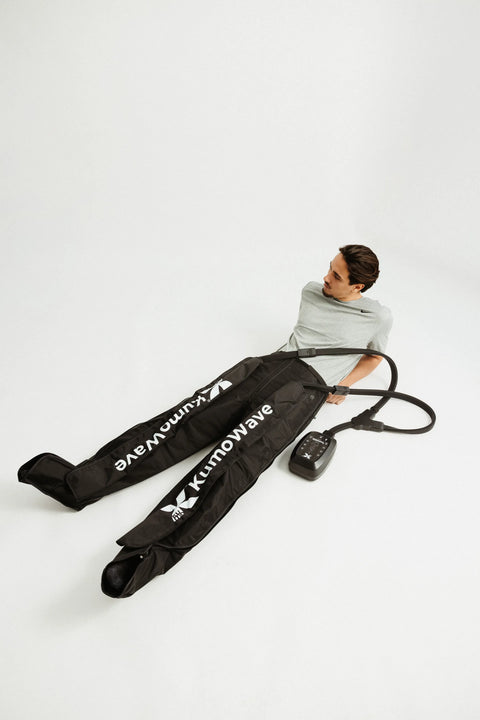
KumoWave Elite – Pressotherapy Pants
Full-coverage trousers. Ideal for lipedema, fluid retention and intensive use.
€799,00 €999,00
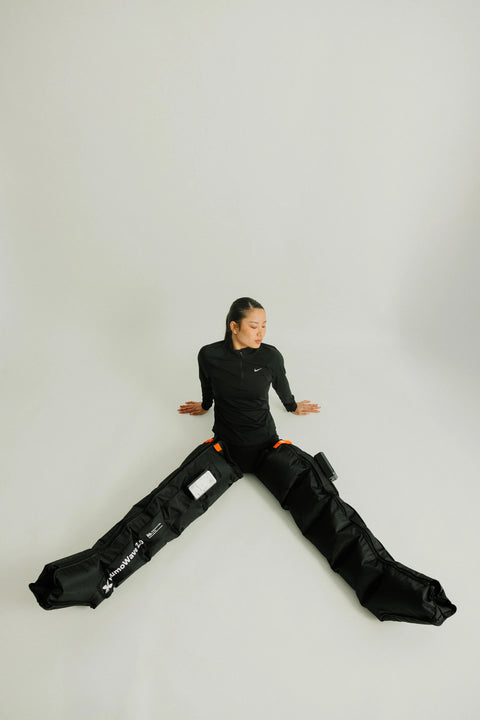
KumoWave 2.0 - Wireless Pressotherapy
Wireless, lightweight boots. Perfect for daily use and recovery.
€499,00 €599,00