
Fluid retention is not just an annoyance: it often causes swelling, heaviness, and marks on the skin. (mayoclinic.org)
It can appear in the ankles, legs, hands, or abdomen, and MedlinePlus's clinical definition of edema describes it as fluid accumulated in the tissues. (medlineplus.gov)
Pressotherapy at home
End the day with light legs
★★★★★ 4,8/5 · rated by verified customers
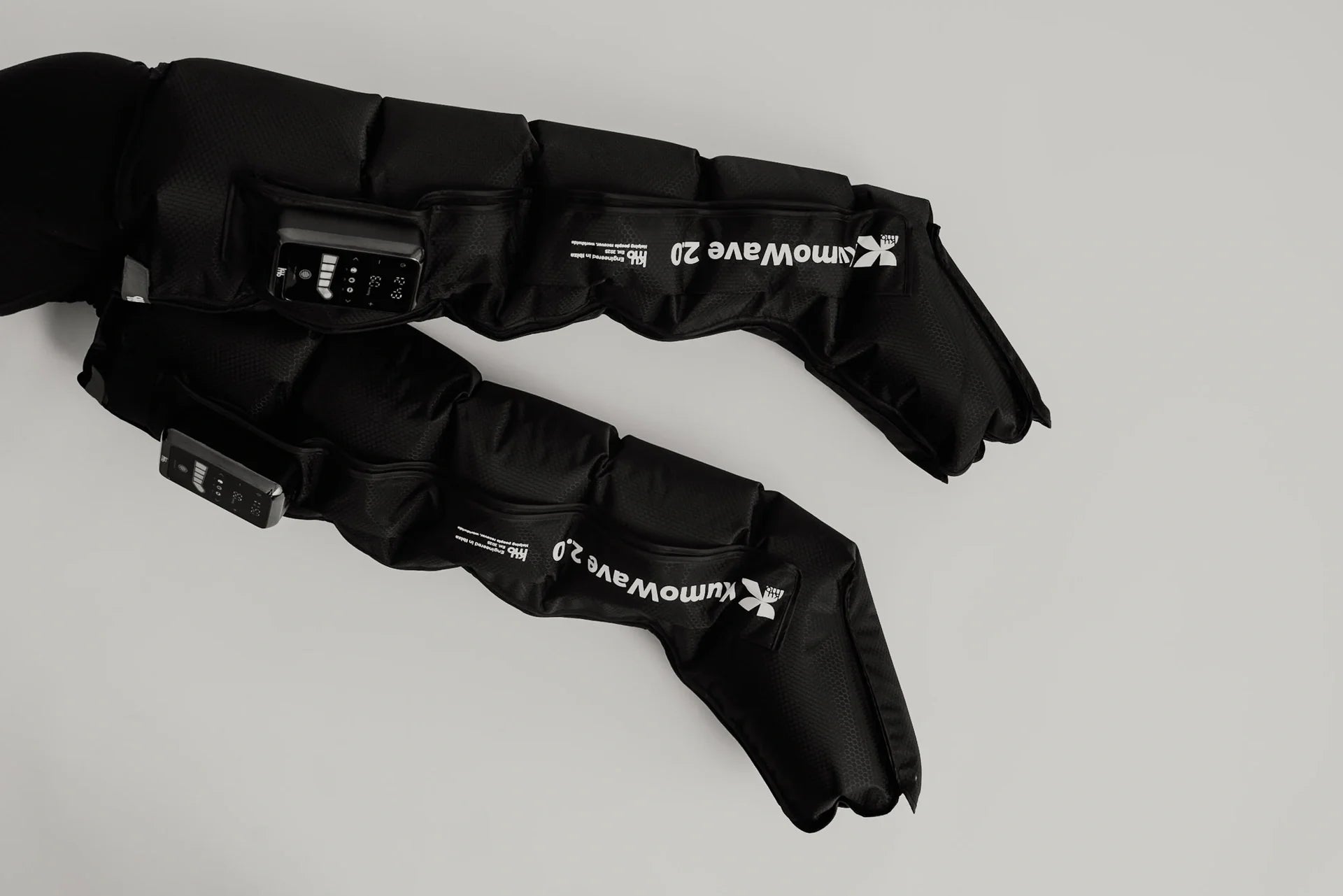
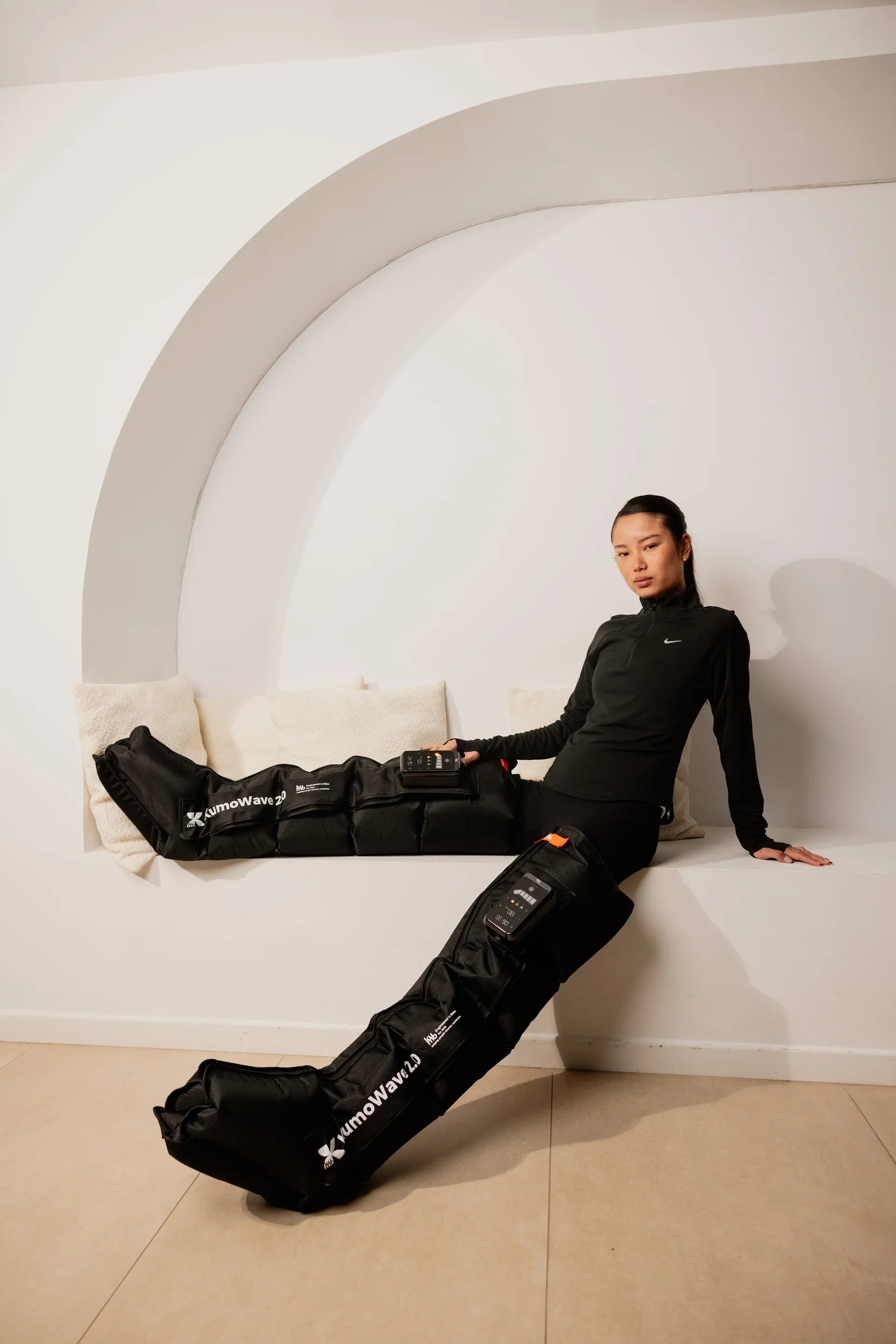
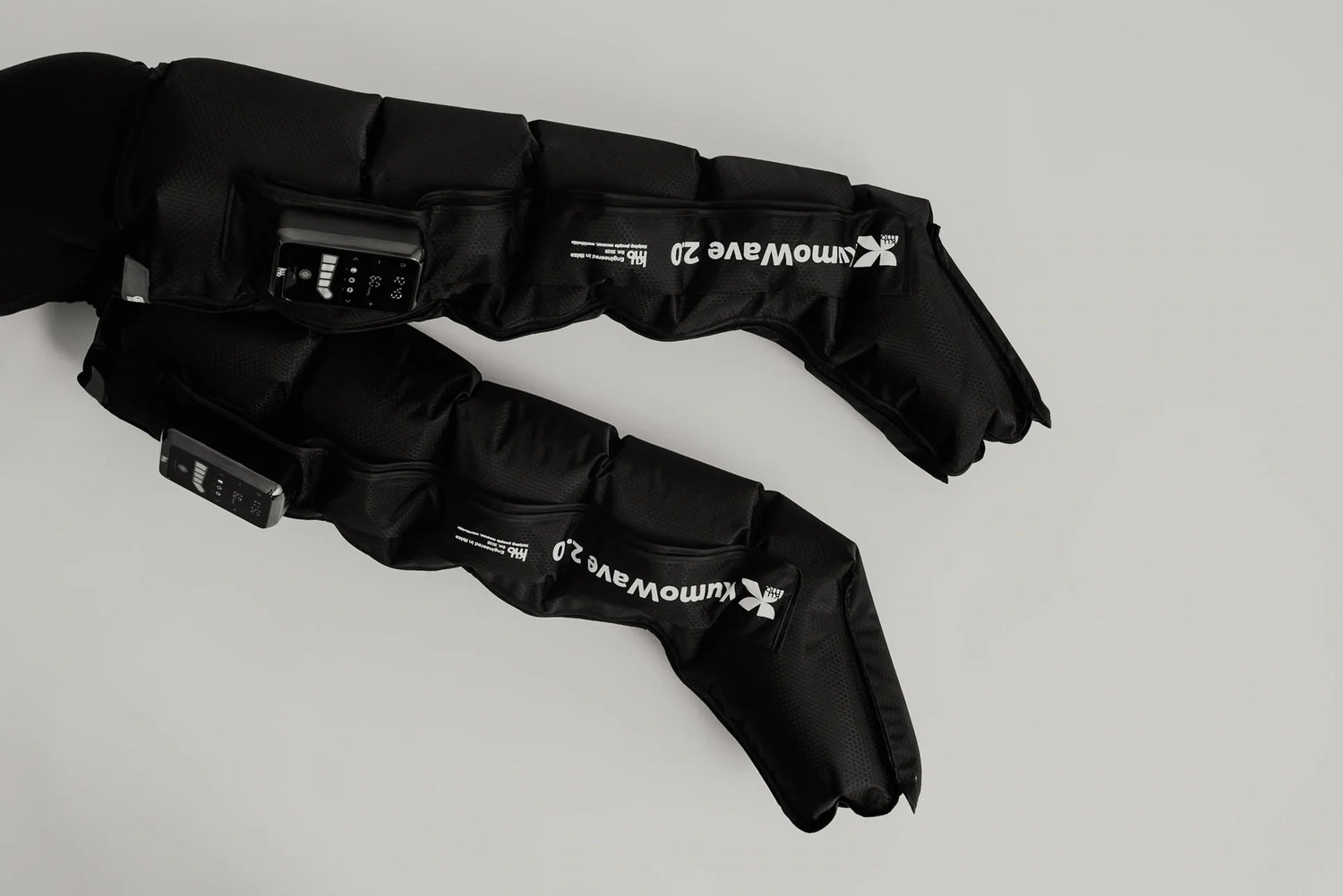
KumoWave pressotherapy boosts circulation and helps drain fluid with sequential compression, in 20-minute sessions at home.
- Boosts circulation and helps drain fluid
- Chamber-based compression, adjustable to you
- Sequential compression that mimics manual drainage
€799,00€999,00
−10% on your 1st order when you subscribe to the newsletter

If you want to broaden the practical approach, you can also read about how to eliminate fluid retention naturally or the article about why it often concentrates in the legs. And if you're interested in exploring the brand, the Kumo Balance homepage is a good starting point.
What is fluid retention and why does it occur?
Fluid retention, also called edema, occurs when fluid accumulates in the tissues instead of draining normally. MedlinePlus defines it as swelling caused by fluid in the tissues, and Mayo Clinic explains that it can be localized or generalized. (medlineplus.gov)
Personalized protocol · included with your purchase
Want us to tell you how to use it in your case?
With your purchase, our experts prepare a personalized usage protocol for your case: sport, circulation, fluid retention, pregnancy or lipedema.
Message us on WhatsAppOur experts reply · no obligation
When the problem is mild, it is usually related to habits or hormonal changes; when it is persistent or appears without a clear cause, it may point to a heart, kidney, or liver problem, or a side effect of medication. (mayoclinic.org)
Most common causes of fluid retention
Among the most common triggers are spending long periods sitting or standing, eating too much sodium, being in the premenstrual phase, pregnancy, and some medications such as anti-inflammatories, corticosteroids, estrogens, or certain drugs for hypertension and diabetes. The Mayo Clinic clinical guide on edema explicitly lists these causes. (mayoclinic.org)
- Prolonged immobility: spending many hours sitting or standing favors fluid accumulation, especially in the legs and ankles. (mayoclinic.org)
- Excess sodium: a very salty diet can temporarily increase retention and make edema more visible at the end of the day. (mayoclinic.org)
- Hormonal changes: the premenstrual phase and pregnancy are common contexts for swelling. (mayoclinic.org)
- Medications: some antihypertensives, anti-inflammatories, corticosteroids, estrogens, and diabetes drugs can promote fluid accumulation. (mayoclinic.org)
- Medical problems: the heart, kidneys, liver, or lymphatic system may be behind persistent retention. (mayoclinic.org)
It can also appear after long trips, on days with little mobility, or when several factors combine on the same day. In these cases, swelling usually improves with movement, leg elevation, and a lower salt intake. (nhs.uk)
on your first order when you join the newsletter
We send you the code instantly. No spam.
Symptoms that help you recognize it
Typical signs are swollen ankles or feet, tight or shiny skin, indentations when pressed, a feeling of heaviness, and sometimes increased volume in the hands or abdomen. Fluid retention doesn't always hurt, but it can make clothes or shoes feel tighter than usual. (mayoclinic.org)
If the swelling is accompanied by shortness of breath, chest pain, palpitations, fever, or appears mostly in only one leg, the situation changes and requires medical evaluation. The NHS also recommends seeking urgent help if the swelling has no clear explanation or affects only one limb. (mayoclinic.org)
Quick table to differentiate common patterns
The NHS guide on edema in ankles, feet, and legs emphasizes checking the cause when swelling is new, intense, or doesn't go away on its own. This table summarizes indicative patterns. (nhs.uk)
| Situation | What it usually indicates | What to do |
|---|---|---|
| Bilateral swelling at the end of the day | More typical of functional retention due to heat, salt, or immobility. | Walk, elevate your legs, and see if it improves in 24 to 72 hours. (nhs.uk) |
| Swelling in one leg with pain or warmth | May be consistent with a vascular problem such as deep vein thrombosis. | Seek medical evaluation without delay. (mayoclinic.org) |
| Swelling of face and hands in pregnancy | Can be a warning sign if the change is sudden. | Contact your midwife or doctor immediately. (nhs.uk) |
| Swelling with shortness of breath or chest pain | May suggest a serious cardiopulmonary problem, including pulmonary edema. | Seek urgent care. (mayoclinic.org) |
Real solutions to relieve it at home
There are three simple pillars that usually help: movement, elevation, and less salt. Walking, moving your ankles, and avoiding long periods without getting up promotes fluid return; elevating your legs when resting can also relieve the feeling of heaviness. (nhs.uk)
- Take active breaks every few hours. If you work sitting down or travel a lot, walking for a few minutes and moving your ankles can make a difference. (nhs.uk)
- Reduce sodium practically. Fewer ultra-processed foods, fewer salty snacks, and more whole foods help when the cause is functional. (mayoclinic.org)
- Elevate your legs when resting. In many cases, a couple of pillows or a comfortable position already reduces pressure in the ankles and calves. (nhs.uk)
- Avoid clothes that are too tight. Socks, shoes, or very tight clothing can worsen the feeling of congestion in the legs. (nhs.uk)
- Use compression or pressotherapy when appropriate. Compression and lymphatic drainage are used as support to promote fluid return and the feeling of less heavy legs, especially in contexts of lymphedema or heaviness, but they do not replace a medical evaluation. You can learn more with what lymphatic drainage is, its benefits, and when to do it and lymphatic drainage for legs and the feeling of heaviness. (nhs.uk)
When the problem is recurrent or not well understood, it is worth analyzing it calmly. Some medications can promote edema, so do not stop them on your own and discuss it with your healthcare professional. (mayoclinic.org)
If you are looking for a more specific approach for legs, you can also benefit from reading about edema in the legs and how to relieve it at home. And if you want a broader view, the updated guide on lymphatic drainage for fluid retention offers a more complete approach. (mayoclinic.org)
Fluid retention in legs, pregnancy, and menstrual cycle
The legs are an especially sensitive area because gravity makes venous and lymphatic return difficult. Therefore, when swelling concentrates there, it makes sense to delve into why it appears in the legs and how to relieve it. (mayoclinic.org)
During pregnancy, the NHS explains frequent swelling in pregnancy as common in the legs, ankles, feet, and fingers, especially at the end of the day or on hot days. But if the swelling increases suddenly in the face, hands, or feet, or appears with severe headache, blurred vision, or pain under the ribs, you should consult immediately for possible preeclampsia. (nhs.uk)
In the premenstrual phase, retention can also fluctuate due to hormonal changes. Mayo Clinic recommends observing over several cycles if the pattern coincides with menstruation; this makes it easier to differentiate a cyclical symptom from another cause. (mayoclinic.org)
Frequently asked questions
What is fluid retention and why does it occur?
It is an accumulation of fluid in the tissues, also called edema. It can be temporary, such as after sitting for a long time, eating more salt than usual, or going through hormonal changes. But if it recurs without a clear cause, it can also be related to heart, kidney, or liver diseases, or with some medications. Therefore, rather than "just swelling," it is important to observe the context and associated symptoms. (medlineplus.gov)
What are the most common causes of fluid retention in the legs?
Legs often swell due to gravity, especially if you spend many hours sitting or standing. Heat, excess salt, pregnancy, premenstrual syndrome, and certain medications also play a role. In some cases, the cause is venous or lymphatic, and swelling appears more at the end of the day. If retention is frequent, unilateral, or painful, it is advisable not to assume it is trivial and seek medical evaluation. (mayoclinic.org)
What symptoms indicate that I am retaining fluid and when should I consult a doctor?
The most common signs are visible swelling, tight or shiny skin, indentations when pressed, and a feeling of heaviness. You should consult quickly if shortness of breath, chest pain, irregular heartbeat, fever, redness, local warmth, or swelling in only one leg appears. In pregnancy, a sudden increase in swelling in the face, hands, or feet also requires immediate attention. (mayoclinic.org)
How to reduce fluid retention naturally without medication?
The basis is usually to move more, elevate your legs, reduce sodium, and avoid long hours without changing posture. Walking, moving your ankles, and taking active breaks promotes fluid return. If the problem is in the legs, compression or lymphatic drainage can be a useful support within a recovery routine, as long as they do not replace a medical evaluation when there is pain or warning signs. (nhs.uk)
Is fluid retention related to pregnancy or the menstrual cycle?
Yes. In pregnancy, it is common to notice more swelling in the legs, ankles, feet, and fingers, especially in the afternoon. In the menstrual cycle, hormonal changes can also promote the feeling of heaviness and retention in the days before menstruation. The key is to observe the pattern: if it appears cyclically and then subsides, it is usually functional; if it is sudden, intense, or accompanied by other symptoms, it needs to be checked. (nhs.uk)
What now?
If the swelling is mild, start by moving more, reducing salt, and elevating your legs for a few days. If it doesn't improve, recurs, or appears with pain, asymmetry, or shortness of breath, seek medical evaluation. And if you want to continue with a more complete recovery routine, explore the updated guide on lymphatic drainage for fluid retention and the article on lymphatic drainage in legs and the feeling of heaviness. (nhs.uk)
KumoWave pressotherapy
Choose your at-home pressotherapy
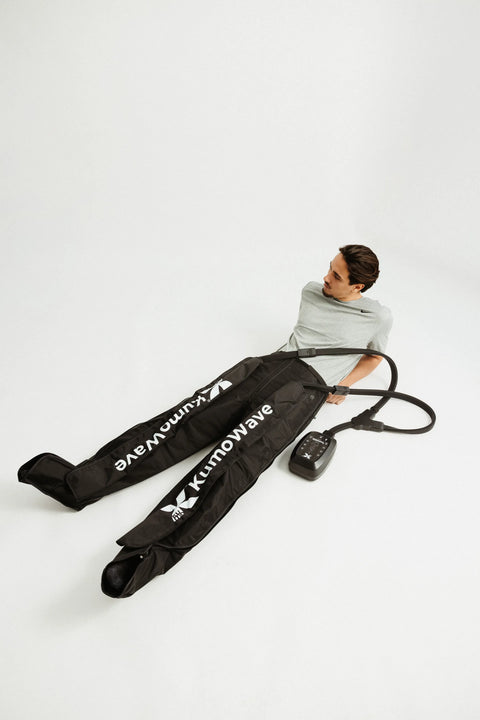
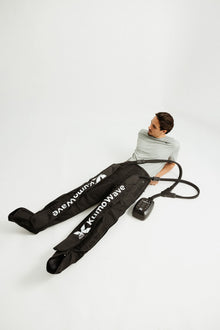
KumoWave Elite – Pressotherapy Pants
Full-coverage trousers. Ideal for lipedema, fluid retention and intensive use.
€799,00 €999,00
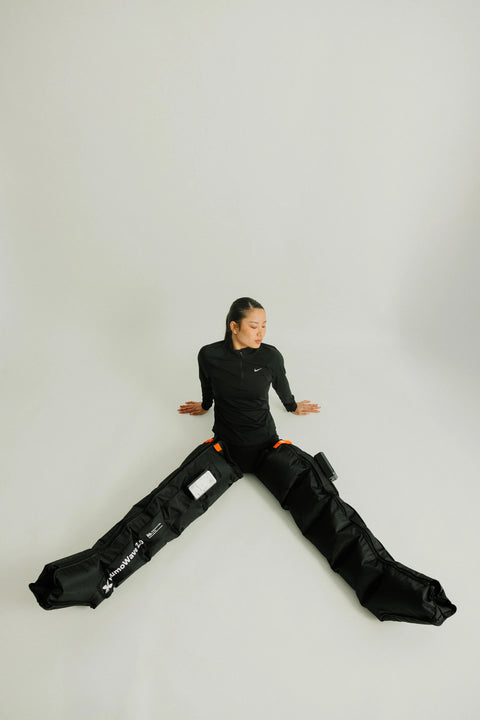
KumoWave 2.0 - Wireless Pressotherapy
Wireless, lightweight boots. Perfect for daily use and recovery.
€499,00 €599,00