
Fluid retention leaves clear signs. Edema is swelling caused by fluid accumulated in tissues and usually appears in the feet, ankles, and legs, although it can also extend to the hands, face, or abdomen. If you want a broader view of the problem, you can start with Kumo Balance's general recovery proposal and then use this guide to recognize when swelling deserves attention. (medlineplus.gov)
What is fluid retention?
In medicine, fluid retention usually equates to edema: an abnormal accumulation of fluid in the tissues. It can be localized, as after an injury, or generalized if it affects several areas of the body. The MedlinePlus fact sheet on edema and the NHS guide on swollen ankles and legs agree that salt, pregnancy, prolonged standing or sitting, varicose veins, and certain medications are common triggers. (medlineplus.gov)
Pressotherapy at home
End the day with light legs
★★★★★ 4,8/5 · rated by verified customers
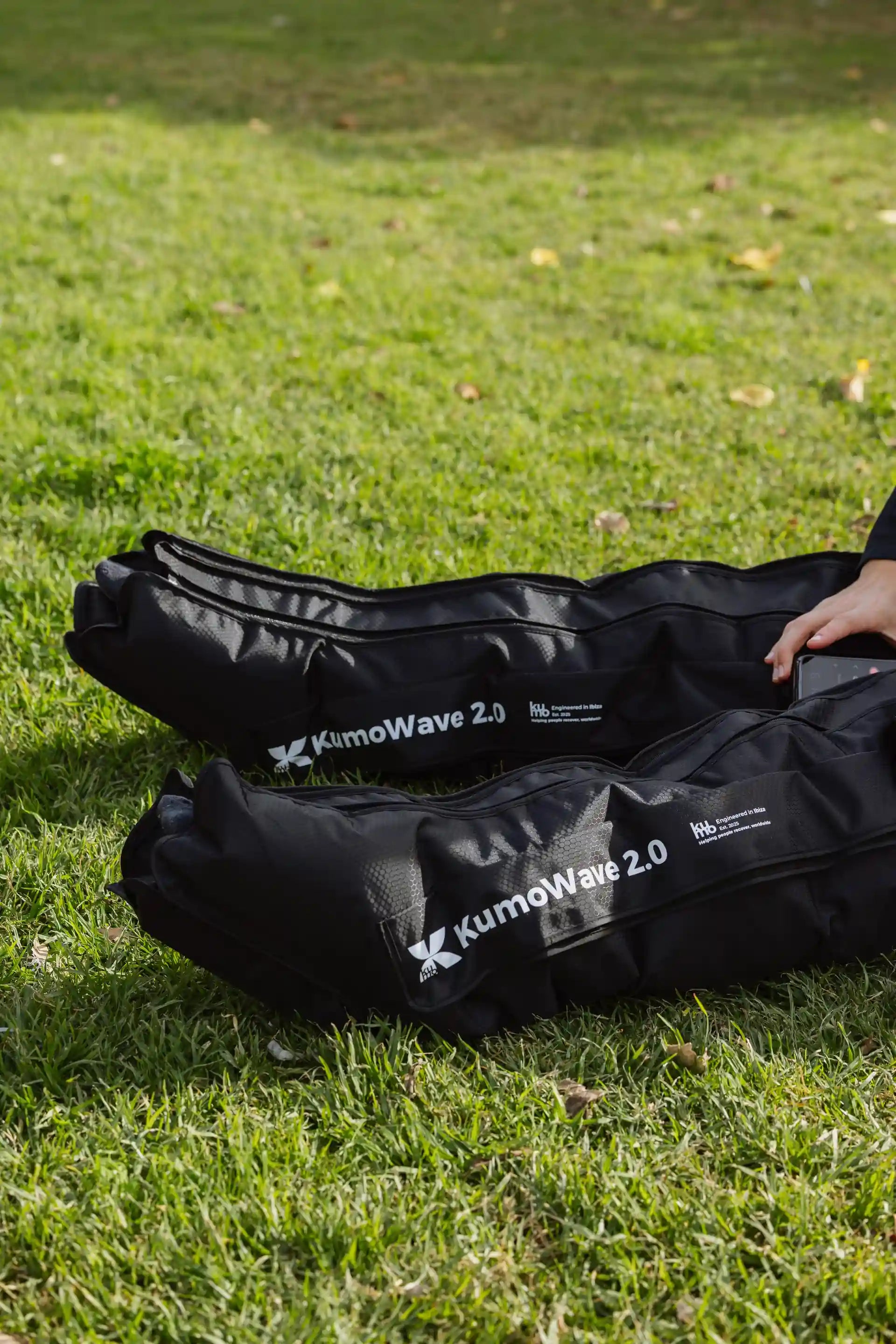
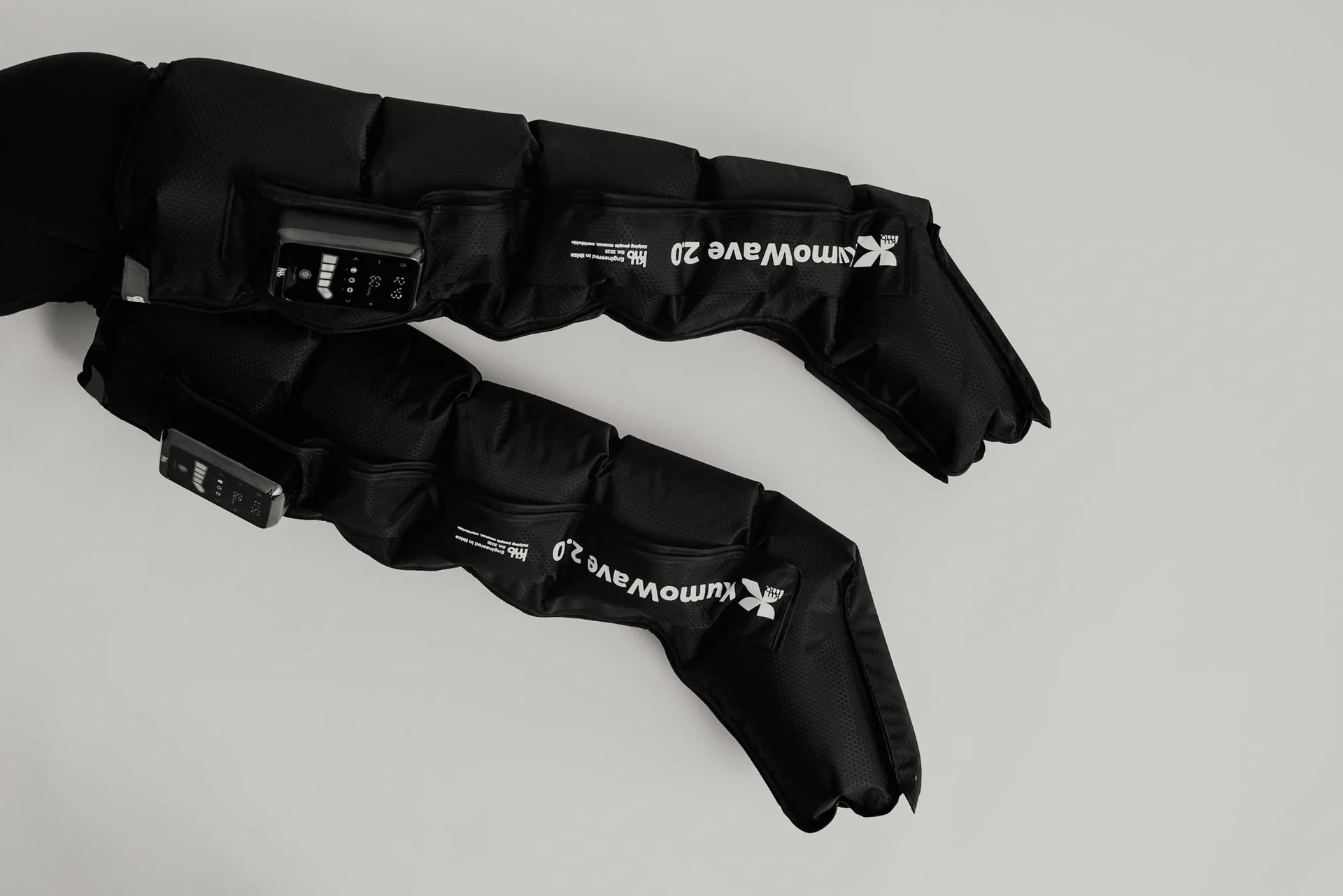
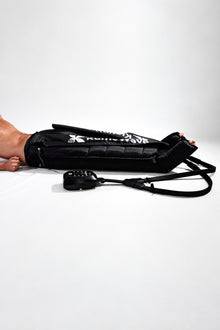
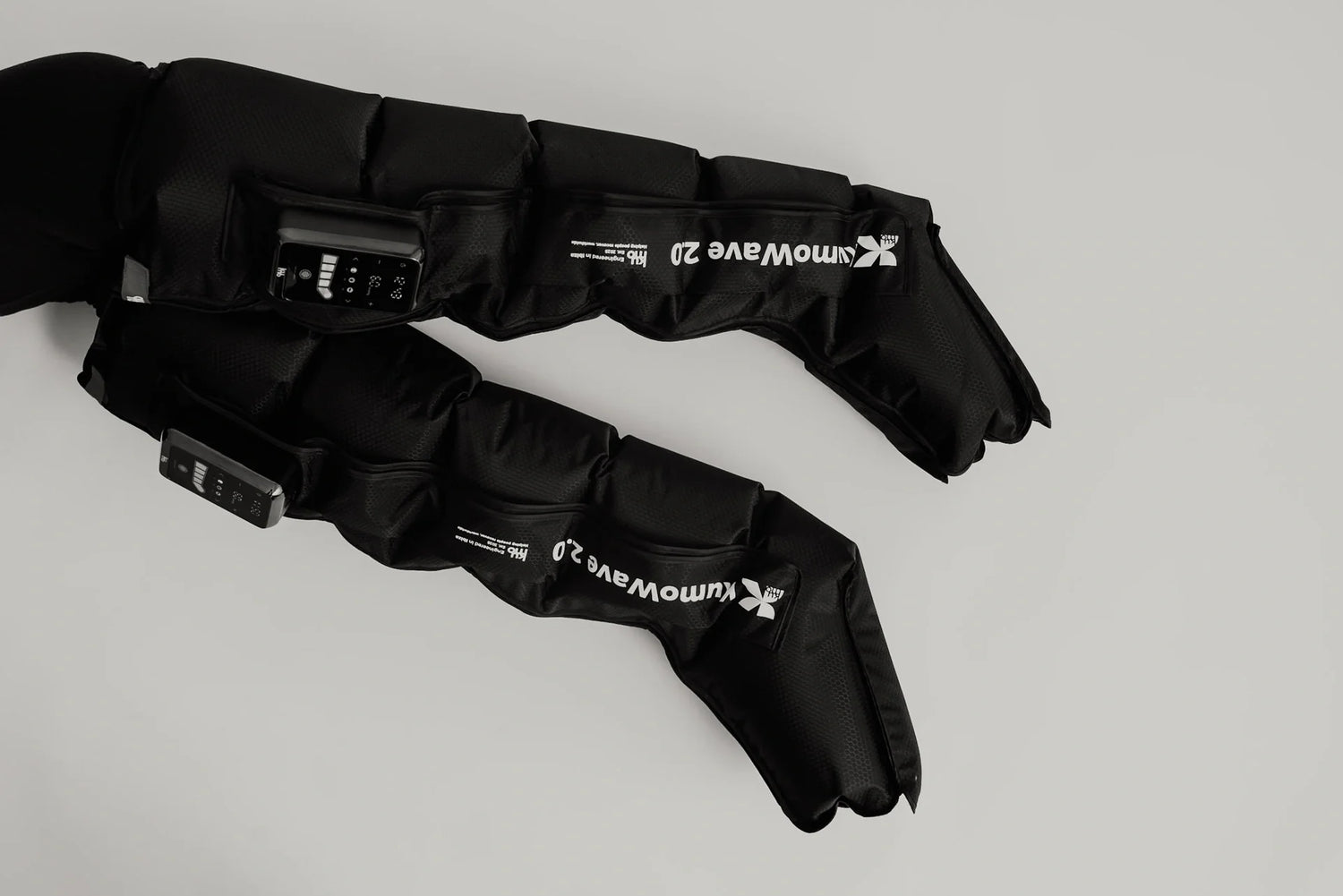
KumoWave pressotherapy boosts circulation and helps drain fluid with sequential compression, in 20-minute sessions at home.
- Boosts circulation and helps drain fluid
- Chamber-based compression, adjustable to you
- Sequential compression that mimics manual drainage
€799,00€999,00
−10% on your 1st order when you subscribe to the newsletter

Not all edema is serious, but it does warrant attention when it appears without a clear cause, worsens, or affects several parts of the body at once. In these cases, it's worth thinking beyond aesthetics and observing the full context. (my.clevelandclinic.org)
The 10 most common symptoms of fluid retention
These signs help differentiate temporary swelling from edema that should be monitored. They don't always indicate a serious problem but do offer useful clues about what's happening. (nhs.uk)
Personalized protocol · included with your purchase
Want us to tell you how to use it in your case?
With your purchase, our experts prepare a personalized usage protocol for your case: sport, circulation, fluid retention, pregnancy or lipedema.
Message us on WhatsAppOur experts reply · no obligation
Table of 10 common signs of edema
| Symptom | How it usually feels | What indicates it |
|---|---|---|
| Swollen ankles, feet, or legs | The area looks larger than usual, often at the end of the day or after prolonged standing or sitting. | This is the most typical pattern of lower limb edema. (nhs.uk) |
| Tight, shiny, or stretched skin | The surface loses its creases and appears smoother or taut. | This is a frequent sign of fluid accumulation. (nhs.uk) |
| Indentations when pressing the skin | When you press your finger for a few seconds, a temporary mark or indentation remains. | This “pitting edema” is highly indicative of retained fluid. (nhs.uk) |
| Shoes, socks, or rings feel tight | It's difficult to put on or take off footwear and accessories that previously fit normally. | Swelling changes the contour of hands and feet and can make clothing feel tight. (my.clevelandclinic.org) |
| Feeling of heaviness, stiffness, or discomfort | The area feels tired, uncomfortable, or less flexible. | The NHS also describes mild pain, stiffness, and color changes in the swollen area. (nhs.uk) |
| Skin color changes | It may appear redder, darker, or with an uneven tone. | If the color change is accompanied by warmth or pain, another cause beyond simple edema should be considered. (nhs.uk) |
| Swelling in hands, fingers, or face | Rings feel tight and the face may appear more “puffy.” | This is common in pregnancy, but can also appear in more serious conditions. (nhs.uk) |
| Abdominal swelling | The belly or torso feels more distended than usual. | Swelling in several body areas can indicate generalized edema. (nhs.uk) |
| Slow weight gain due to fluid | The scale goes up without a clear explanation and progressively. | This can happen when the body retains water instead of eliminating it normally. (my.clevelandclinic.org) |
| A single swollen, painful, or warm leg | Asymmetry is striking, and discomfort usually concentrates in one leg. | This pattern requires ruling out deep vein thrombosis. (nhs.uk) |
If you recognize several of these signs at once, especially if the swelling has no clear cause, we are no longer talking about a simple aesthetic discomfort but a symptom that deserves evaluation. (my.clevelandclinic.org)
Common causes and worsening factors
Causes range from very common habits to diseases that need monitoring. If you want to delve deeper into this approach, you can continue reading about fluid retention: causes, symptoms, and real solutions. Among the most common factors are salt, sedentary lifestyle, pregnancy, some medications, varicose veins, and heart, kidney, liver, or thyroid problems. (medlineplus.gov)
- Excess salt encourages the body to retain water. (medlineplus.gov)
- Spending many hours sitting or standing hinders the return of blood and fluid upwards. (nhs.uk)
- Pregnancy often produces gradual swelling in the legs, ankles, feet, and fingers. (nhs.uk)
- Some medications, such as certain antihypertensives, contraceptives, hormones, antidepressants, or steroids, can contribute. (nhs.uk)
- Varicose veins and venous insufficiency can favor fluid accumulation in the legs. (nhs.uk)
- Heart, kidney, liver, or thyroid diseases can also be behind persistent edema. (medlineplus.gov)
- Excessive alcohol and being overweight can worsen the tendency to retain fluid. (my.clevelandclinic.org)
When to consult without delay
Swelling is not always urgent, but there are patterns that should not be monitored at home. The NHS page on deep vein thrombosis reminds us that the combination of pain, swelling, and shortness of breath requires immediate attention, because a clot can travel to the lungs. (nhs.uk)
on your first order when you join the newsletter
We send you the code instantly. No spam.
If swelling appears suddenly, in only one leg, is accompanied by chest tightness or shortness of breath, or arises during pregnancy with severe headache, blurred vision, or pain under the ribs, seek prompt medical help. (nhs.uk)
The NHS also recommends consulting if the area is red or warm, if the swelling worsens, if you don't know what is causing it, or if it affects the face or abdomen. In pregnancy, a sudden increase in swelling can be a sign of preeclampsia. (nhs.uk)
Habits that can help relieve it
When the cause is not serious, several simple habits help reduce swelling: elevating the legs, walking, not spending too many hours still, wearing comfortable shoes, and reducing salt. If you prefer a daily routine approach, the guide on how to eliminate fluid retention naturally summarizes the basics of daily life. (nhs.uk)
- Elevate your legs or the swollen area when resting. (nhs.uk)
- Walk or do gentle exercise to stimulate blood flow. (nhs.uk)
- Avoid sitting or standing for very long periods. (nhs.uk)
- Wear loose clothing, socks, and shoes. (nhs.uk)
- Reduce excess salt in your diet and follow medical instructions if compression stockings or diuretics are recommended. (medlineplus.gov)
If your personal routine includes wellness tools, you can explore how to support venous return with pressotherapy and the complete guide to starting pressotherapy at home. (medlineplus.gov)
Frequently asked questions
What are the 10 most common symptoms of fluid retention and when should you be concerned?
The most common are swollen ankles, feet or legs; tight or shiny skin; marks when pressed; shoes or rings that feel tight; heaviness or stiffness; color changes; swelling in hands, face or abdomen; slow weight gain due to fluid; and, if it's only one side, pain or warmth. You should be concerned when it appears suddenly, has no clear cause, affects several areas of the body, or is accompanied by shortness of breath, chest pain, or symptoms of preeclampsia in pregnancy. (nhs.uk)
What foods and habits can cause fluid retention and how to reduce it effectively?
Salt, highly processed foods, alcohol, some medications, and spending many hours sitting or standing can promote swelling. To reduce it, it's usually most helpful to lower sodium, move more frequently, elevate your legs when resting, wear comfortable clothing, and follow medical instructions if compression stockings are recommended. If the swelling does not improve or appears without a clear cause, it's no longer just a habit: the origin should be investigated. (medlineplus.gov)
How to tell if fluid retention is related to a heart or kidney condition and what signs require medical evaluation?
When edema is generalized, appears without prior injury, or affects several areas of the body, the suspicion of an internal cause increases. Heart and kidney diseases are among the most recognized triggers, and the liver or thyroid can also be involved. You should seek medical evaluation if the swelling worsens, if there is shortness of breath, chest pain, abnormal coloring, local warmth, or if you notice swelling in the face or abdomen. (medlineplus.gov)
Is it normal to retain fluid during pregnancy and what symptoms should alert a medical consultation?
Yes, it is common for pregnancy to cause some swelling in the legs, ankles, feet, and fingers, and it usually worsens at the end of the day or in later stages. What should not be normalized is a sudden increase in swelling, especially in the face, hands, or feet. Also requiring immediate consultation are severe headache, blurred vision, pain under the ribs, significant discomfort, nausea, or difficulty breathing, as these can be signs of preeclampsia. (nhs.uk)
What lifestyle changes can help prevent fluid retention in people with varicose veins or venous problems?
The key is usually to improve venous return: walk regularly, avoid staying still for long periods, elevate your legs when resting, manage your weight, and wear comfortable shoes and clothing that don't constrict. In some cases, compression stockings are also part of the plan indicated by the professional. If the swelling is persistent, painful, or unilateral, changing habits is not enough: a more serious venous problem must be ruled out. (nhs.uk)
What now?
If you recognize several symptoms or the swelling does not improve, start with a medical evaluation and then go back to basics: move more, reduce salt, and take care of venous return. To explore a non-invasive recovery routine, check out the home pressotherapy collection and the guide to starting pressotherapy at home. (nhs.uk)
KumoWave pressotherapy
Choose your at-home pressotherapy
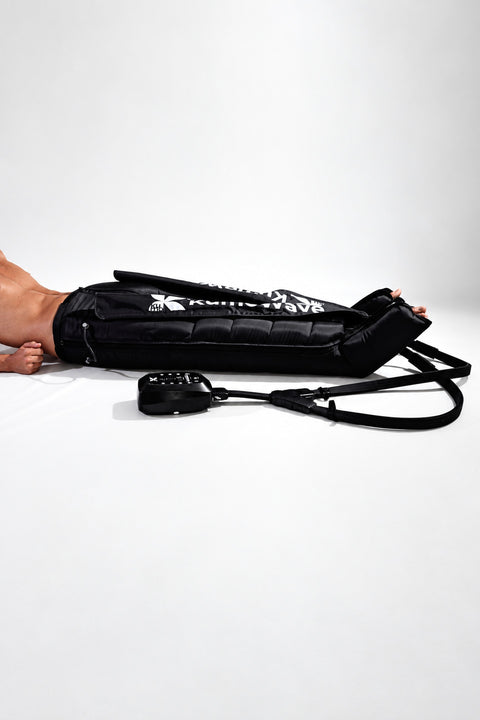
KumoWave Elite – Pressotherapy Pants
Full-coverage trousers. Ideal for lipedema, fluid retention and intensive use.
€799,00 €999,00
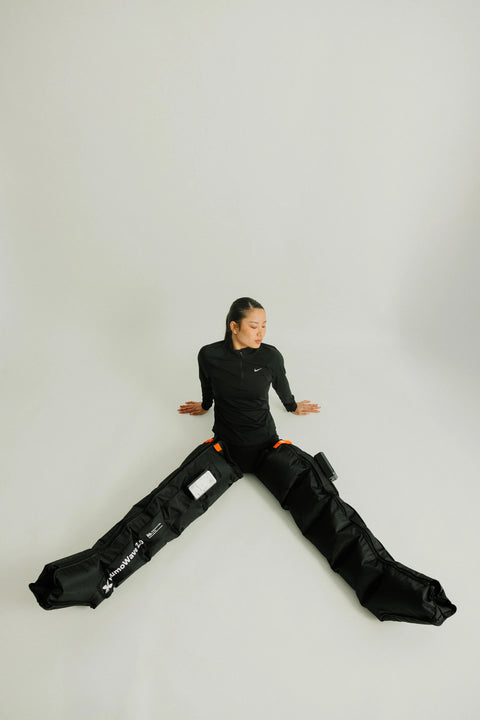
KumoWave 2.0 - Wireless Pressotherapy
Wireless, lightweight boots. Perfect for daily use and recovery.
€499,00 €599,00