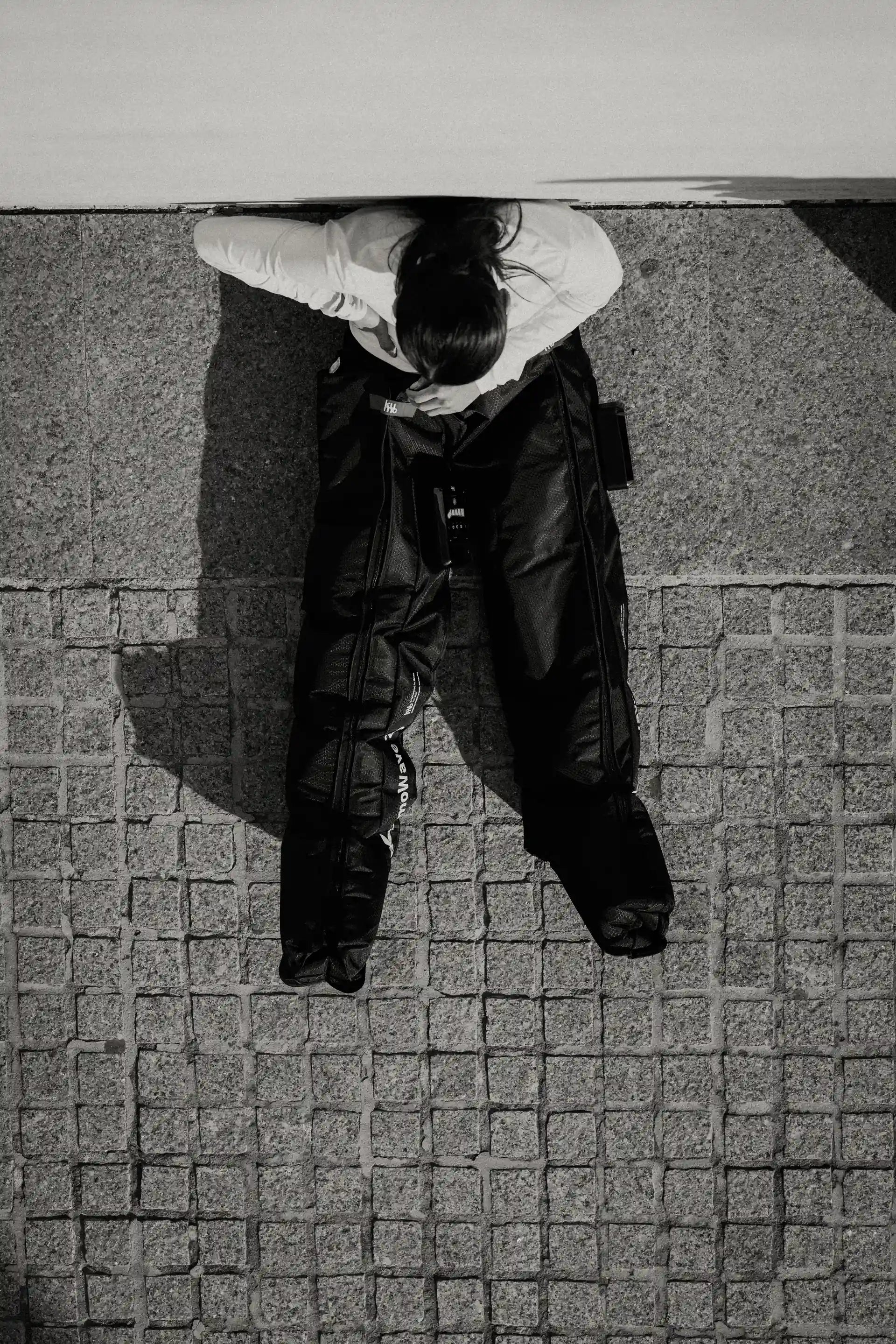
At-home pressotherapy can be very helpful for lipedema. It doesn't cure the condition, but it can be part of a conservative plan to relieve heaviness, pain, and edema, and improve daily comfort. The 2024 German S2k guideline, the American standard of care, and a recent randomized trial all include pneumatic compression and self-management as useful parts of the approach. (pubmed.ncbi.nlm.nih.gov)
If you're just starting, it's a good idea to first read the complete guide to lipedema in 2026 and then review the at-home pressotherapy collection to understand what type of equipment fits a home routine. From Kumo Balance's philosophy of recovery and well-being, the key is to add useful technology without losing sight of safety and consistency. (kumobalance.com)
Pressotherapy at home
End the day with light legs
★★★★★ 4,8/5 · rated by verified customers
KumoWave pressotherapy boosts circulation and helps drain fluid with sequential compression, in 20-minute sessions at home.
- Boosts circulation and helps drain fluid
- Chamber-based compression, adjustable to you
- Sequential compression that mimics manual drainage
€799,00€999,00
−10% on your 1st order when you subscribe to the newsletter

What is lipedema and why it shouldn't be confused with other conditions
Lipedema is a chronic condition that causes an abnormal accumulation of fat, especially in the lower body; it often affects the hips, thighs, and calves, although in some people it also appears in the upper arms. It is usually accompanied by pain, tenderness to the touch, and a tendency to bruise, and can progress to secondary lymphedema in advanced stages. Diagnosis is usually based on symptoms and physical examination, not on a single isolated test. (dev.mycc.clevelandclinic.org)
If the problem is concentrated mostly in the legs, the guide to leg lipedema, symptoms, stages, and relief can help you better recognize the typical pattern before deciding which home support suits you best.
Personalized protocol · included with your purchase
Want us to tell you how to use it in your case?
With your purchase, our experts prepare a personalized usage protocol for your case: sport, circulation, fluid retention, pregnancy or lipedema.
Message us on WhatsAppOur experts reply · no obligation
If you are still unsure between lipedema, cellulite, or common edema, the guide to differentiating lipedema from cellulite without errors is a good reference, because lipedema usually causes pain, bruising, and does not behave like a simple aesthetic issue. (dev.mycc.clevelandclinic.org)
How at-home pressotherapy helps
Intermittent pneumatic compression devices inflate and deflate chambers to promote venous return and fluid movement; Johns Hopkins explains that they may even be indicated for home use if a professional recommends it, and Cleveland Clinic describes them as a useful tool for circulation and lymphedema. (hopkinsmedicine.org)
In lipedema, this matters because the real goal is not to "break down" fat, but to relieve symptoms and reduce the feeling of congestion. In a 2023 randomized trial, conservative management with graduated compression, with or without a pneumatic device, showed improvements in leg circumference, bioimpedance, and pain in women with lipedema. (pubmed.ncbi.nlm.nih.gov)
on your first order when you join the newsletter
We send you the code instantly. No spam.
The best at-home pressotherapy for lipedema is not the most aggressive, but the one you can use consistently, comfortably, and safely. The conservative approach remains the most sensible when the goal is to manage symptoms and not promise a cure. (pmc.ncbi.nlm.nih.gov)
To better understand the role of this tool within a complete plan, also review what really works in the treatment of lipedema.
What a good home device should have
Evidence and guidelines agree on one essential thing: compression should be individualized. In lipedema, it's not just the maximum pressure figure that matters; progression, tolerance, leg shape, and comfort of use at home are also important. The American standard of care and the S2k guideline precisely emphasize the value of self-management adapted to each person. (pmc.ncbi.nlm.nih.gov)
Practical table for choosing at-home pressotherapy
| Criterion | Why it matters in lipedema | What to prioritize |
|---|---|---|
| Sequential compression | Helps mobilize fluid more orderly and avoid sudden sensations. | Upward and stable sequence, from foot to thigh. |
| Independent chambers | Improve fit and allow more uniform compression in legs with uneven volume. | More segmentation and well-calibrated progressive inflation. |
| Adjustable pressure | Not everyone tolerates the same intensity, especially when starting. | Adjustable range and ability to start gentle. |
| Clear timer | Facilitates short, repeatable sessions that are easy to integrate into the routine. | Simple programs and controllable duration. |
| Comfort and skin safety | Sensitive skin and bruising are common in lipedema. | Good fit, comfortable materials, and no pain. |
The practical rule is simple: a gentle and consistent session is better than excessive compression. Johns Hopkins and Cleveland Clinic point out discomfort, skin irritation, pressure injury, and rarely, nerve damage as possible risks of pneumatic compression; that's why correct size and pressure adjustment are as important as maximum power. (hopkinsmedicine.org)
That's why it makes sense to review the at-home pressotherapy collection thinking about your tolerance, not just the pressure figure.
How a premium solution like Kumo Balance fits in
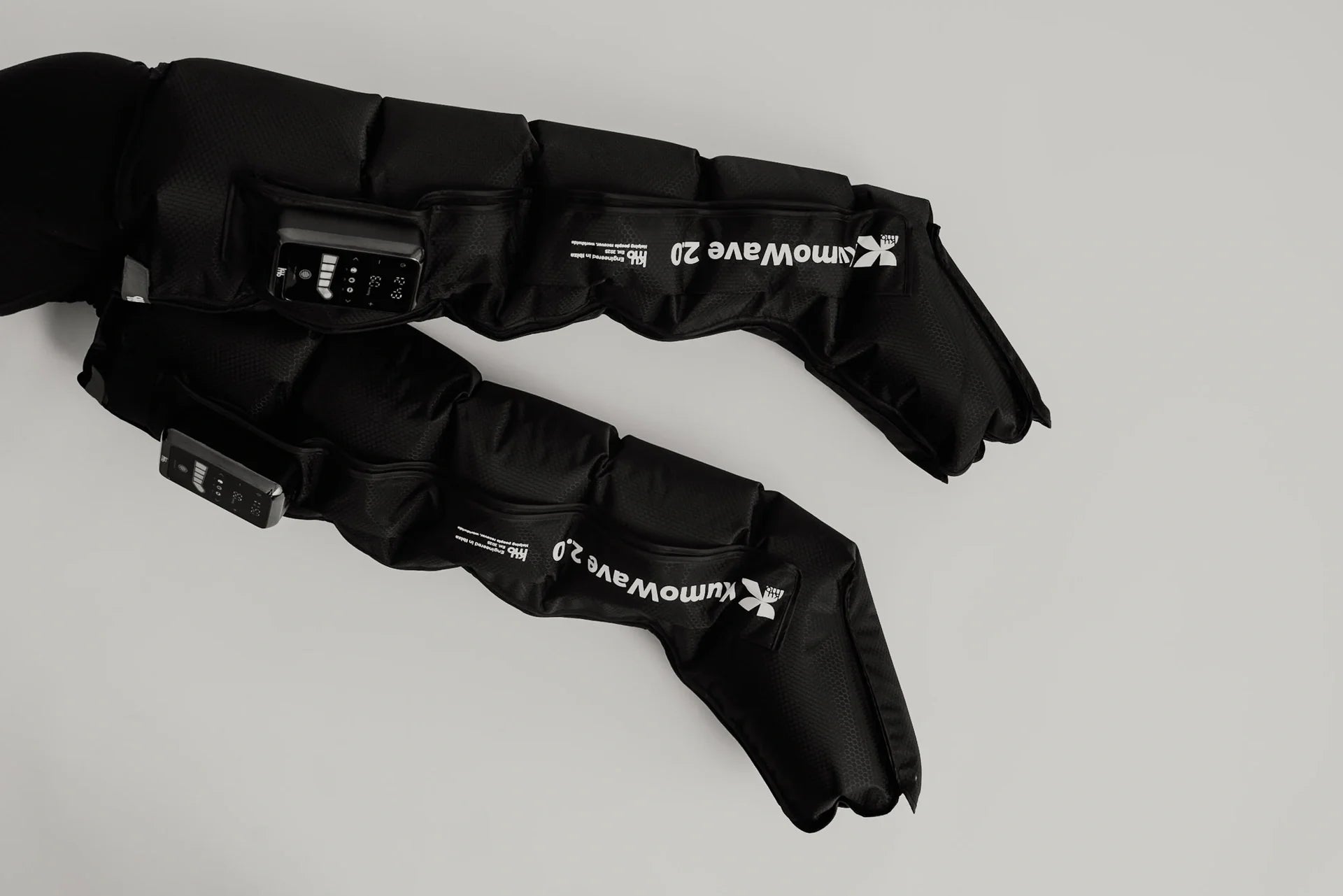
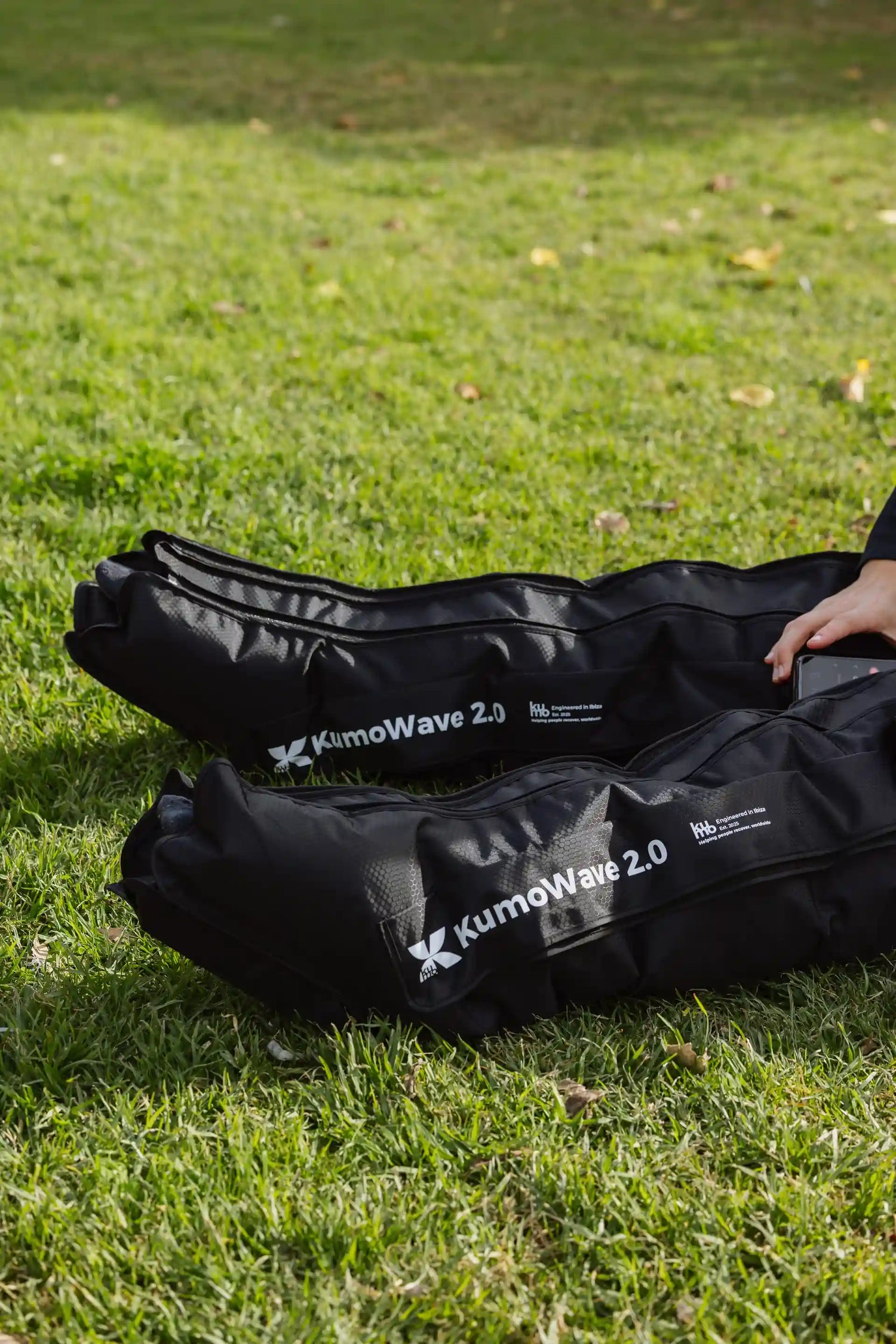
On its official page, Kumo Balance presents itself as non-invasive wellness technology focused on pressotherapy, LED therapy, and massage. KumoWave 2.0 is described with five independent chambers, 360° sequential compression, adjustable pressure from 95 to 195 mmHg, a timer from 5 to 30 minutes, and the possibility of unilateral sessions; KumoWave Elite expands coverage with eight chambers and a lumbar area. The brand also presents it as a silent and comfortable user experience. (kumobalance.com)
This fits well with a realistic home routine: brief sessions, controllable intensity, and an experience you can sustain for weeks, not just a couple of days. For many people, that consistency is what makes the difference between abandoning the equipment or making it a useful habit.
If you also want to order the rest of your habits, it's important not to forget that diet and movement help general health, although lipedema does not disappear simply by losing weight. UChicago notes that lipedema fat usually does not reduce with diet or exercise alone, although maintaining a healthy weight is still important for joints and overall health. (uchicagomedicine.org)
How to use it prudently if you have lipedema
Start with short sessions, low to moderate pressure, and observe your skin's response. The KumoWave 2.0 product sheet allows for 5 to 30-minute sessions and recommends gradually increasing if it's your first time; the standard of care for lipedema emphasizes home care as part of self-management, always adapted to each person. (kumobalance.com)
- If you don't yet have a clear diagnosis, prioritize a professional evaluation to distinguish lipedema, lymphedema, and other circulatory problems. (uchicagomedicine.org)
- Do not use pressotherapy if there is suspicion of deep vein thrombosis, active infection, cellulitis, open wounds, necrosis, significant peripheral arterial disease, or decompensated heart failure. (oklahoma.gov)
- Stop the session if you notice pain, tingling, marked coldness, color change, or deep marks on the skin. (hopkinsmedicine.org)
- Pay attention to size adjustment and skin care before and after the session, because well-placed compression is usually more useful and safer than intense but poorly tolerated compression. (hopkinsmedicine.org)
If you are looking for a broader approach without surgery, the useful reading is lipedema without surgery, protocols, and habits to control it.
What the medical evidence says
The 2024 German S2k guideline discusses diagnostic criteria, differential diagnoses, reasonable treatment measures, and self-management options; the American standard of care includes manual therapy, compression garments, recommendation of a pneumatic device, and an at-home exercise plan. In other words: pressotherapy has a place, but within a broader plan. (pubmed.ncbi.nlm.nih.gov)
Furthermore, the 2023 randomized trial suggests that the combination of graduated compression with or without a pneumatic device can improve pain, bioimpedance, and leg circumference. This does not make pressotherapy a cure, but it does make it a reasonable tool when the goal is to manage symptoms and maintain a routine. (pubmed.ncbi.nlm.nih.gov)
To complete the full map of options, continue with lipedema without surgery, protocols, and habits to control it and with diet for lipedema: what to eat and what to avoid.
FAQ about pressotherapy and lipedema
Can at-home pressotherapy be used for lipedema or lymphedema?
Yes, it can be part of a well-individualized conservative plan. In lipedema, the standard of care includes compression garments, a possible pneumatic device, and at-home exercise; in addition, UChicago integrates compression within complex decongestive therapy to control swelling. Johns Hopkins also notes that some devices can be taught for home use. The idea is to use it as support for symptoms and drainage, not as a sole solution or as a substitute for medical evaluation. (pmc.ncbi.nlm.nih.gov)
What are the contraindications for at-home pressotherapy?
You should not start without an evaluation if there is suspicion of deep vein thrombosis, active infection, cellulitis, open wounds, necrosis, significant peripheral arterial disease, or decompensated heart failure. Consensus documents on medical compression and hospital guidelines for pneumatic compression insist on reviewing circulation, skin, and general condition before use. If you notice severe pain, coldness, color change, or worsening edema, stop the session and consult a doctor. (oklahoma.gov)
How often can I use at-home pressotherapy?
There is no universal frequency for all cases of lipedema. The most sensible approach is to start with short, regular sessions, observe how the skin responds, and only increase if tolerance is good. The standard of care emphasizes that home care should be adapted to each person, and Kumo's home use guide suggests gradual progression after the first few sessions. If pain, tingling, or deep marks appear, it's advisable to reduce intensity or space out usage. (pmc.ncbi.nlm.nih.gov)
How long does an at-home pressotherapy session last?
As a practical starting point, many home routines begin with 15 to 20 minutes and then adjust according to comfort and goal. On KumoWave 2.0, the timer ranges from 5 to 30 minutes, allowing for short sessions when the body is sensitive. The idea is to prioritize consistency and tolerance, not to maximize minutes. If you experience numbness, pain, or persistent redness after the session, reduce the time and check the size and pressure. (kumobalance.com)
Is at-home pressotherapy noisy?
It depends on the equipment and the type of compressor. In the official product sheet, KumoWave 2.0 is presented as a "silent" massage experience, and Kumo's website describes its first portable pressotherapy as silent and rechargeable. If noise is a concern, always check that specification before buying and consider the environment where you will use it. A short session in a quiet room is usually easier to sustain than a long and bothersome routine. (kumobalance.com)
What now?
If you want to take the next step, combine reading about what really works in the treatment of lipedema with a review of diet for lipedema: what to eat and what to avoid. This will help you decide with more insight what best suits your body, your routine, and your recovery goals.
KumoWave pressotherapy
Choose your at-home pressotherapy
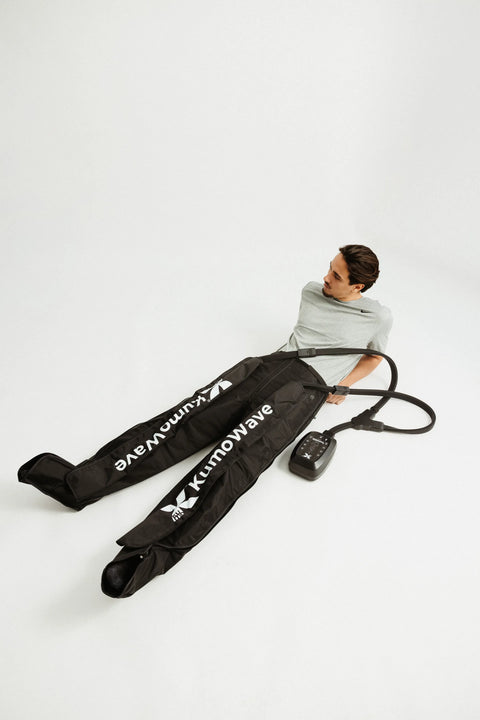
KumoWave Elite – Pressotherapy Pants
Full-coverage trousers. Ideal for lipedema, fluid retention and intensive use.
€799,00 €999,00

KumoWave 2.0 - Wireless Pressotherapy
Wireless, lightweight boots. Perfect for daily use and recovery.
€499,00 €599,00