
Fibrous cellulite is more noticeable to the touch than to the naked eye. Here we are talking about aesthetic cellulite, not the skin infection of the same name. The Cleveland Clinic's clinical view and the Mayo Clinic guide describe it as a very common aesthetic change, linked to fibrous bands that pull the skin and cause the underlying fat to push upwards. (my.clevelandclinic.org)
A 2023 review from Dermatologic Surgery adds that changes in the fibrous septa are at the core of the problem, and that is why cellulite can look more compact, with small nodules and worse texture even in thin or active people. (journals.lww.com)
Pressotherapy at home
End the day with light legs
★★★★★ 4,8/5 · rated by verified customers
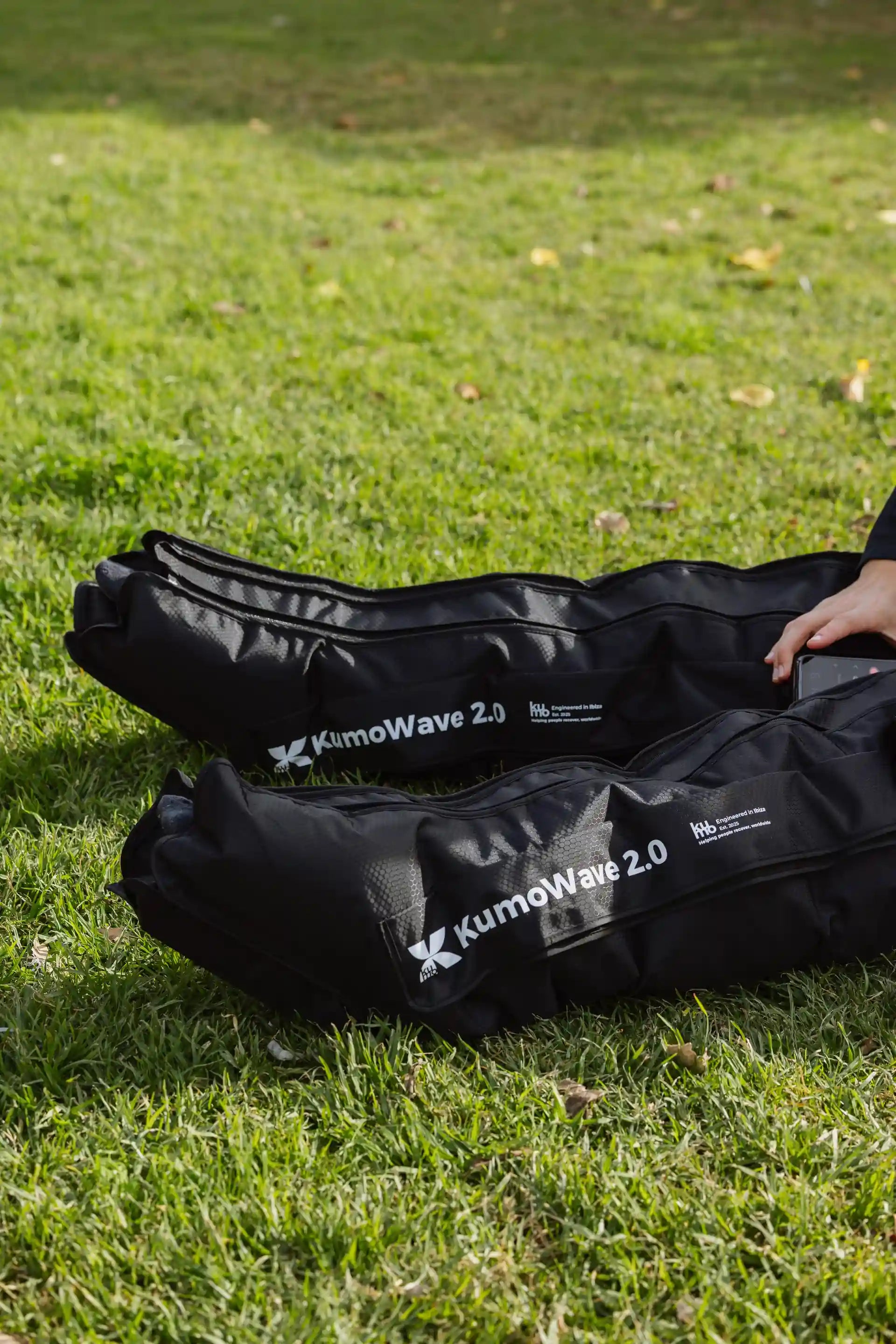
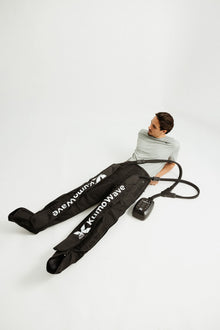
KumoWave pressotherapy boosts circulation and helps drain fluid with sequential compression, in 20-minute sessions at home.
- Boosts circulation and helps drain fluid
- Chamber-based compression, adjustable to you
- Sequential compression that mimics manual drainage
€799,00€999,00
−10% on your 1st order when you subscribe to the newsletter

If you want a practical foundation to start from home, Kumo Balance's wellness proposal fits well as a starting point for organizing your routine. (mayoclinic.org)
What is fibrous cellulite?
In practice, fibrous cellulite describes a more compact and visible presentation of aesthetic cellulite. The skin usually looks irregular, with dimples or small elevations, because the fibrous septa of the subcutaneous tissue weigh more in the visual result than the fat volume itself. The 2023 review emphasizes that the fibrous changes in these septa are key, and that the treatments with the best results are those that act precisely on that structure. (journals.lww.com)
Personalized protocol · included with your purchase
Want us to tell you how to use it in your case?
With your purchase, our experts prepare a personalized usage protocol for your case: sport, circulation, fluid retention, pregnancy or lipedema.
Message us on WhatsAppOur experts reply · no obligation
It is not a problem exclusive to overweight. Mayo Clinic and Cleveland Clinic explain that cellulite is very common after puberty, more frequent in women, and also influenced by genetics, age, hormones, skin thickness and muscle tone; even very thin people can have it. (mayoclinic.org)
Nor should it be thought of as a distinct disease. Aesthetic cellulite is, above all, an alteration of the skin surface and the tissues underneath, with a primarily visual impact. (journals.lww.com)
How to recognize it at home
Home observation guides, but does not diagnose. If the area feels firm when pinched, if the relief remains when standing or sitting, and if there are nodules or small sunken and elevated areas on the thighs, buttocks, abdomen or arms, it is compatible with more fibrous or advanced cellulite. Mayo Clinic describes that, in the most marked cases, undulations and reliefs appear even at rest. (mayoclinic.org)
on your first order when you join the newsletter
We send you the code instantly. No spam.
Most common signs
- The area feels more compact when pinched and does not move like a soft, uniform fat. (journals.lww.com)
- The relief appears with dimples, waves or small bumps, especially on the thighs, buttocks and abdomen. (my.clevelandclinic.org)
- In the most marked forms, irregularities are also seen at rest, not only when sitting or pinching the skin. (journals.lww.com)
- If there is also intense pain, local heat, redness or fever, it no longer fits with aesthetic cellulite. (mayoclinic.org)
Quick summary to distinguish it at home
| Condition | How it usually feels | What usually looks like | Helpful hint |
|---|---|---|---|
| Fibrous cellulite | More compact, with irregular relief. | Visible dimples and nodules, even at rest. | The main problem is in the fibrous septa. (journals.lww.com) |
| Edematous cellulite | Softer and with a feeling of swelling. | Less defined contour and worse at the end of the day. | It is usually more related to fluid retention and vascular congestion. (journals.lww.com) |
| Localized fat | More uniform to the touch. | Volume rather than dimples. | Fat responds better to weight and exercise than cellulite. (aad.org) |
| Lipedema | It can hurt, be cold or bruise easily. | Symmetric involvement of legs or arms, with feet and hands usually spared. | It is advisable to assess it if the pattern fits. (my.clevelandclinic.org) |
If you want to delve into the variant with more heaviness and swelling, edematous cellulite is usually more related to fluids than to firmness. (journals.lww.com)
How to treat it at home
There is no home method that eliminates it definitively, but you can soften its appearance by combining movement, diet, topical care and consistency. Mayo Clinic, Cleveland Clinic and the AAD agree that results are usually gradual and that many treatments only temporarily improve appearance. (mayoclinic.org)
Movement that adds up
Exercise is the most cost-effective when looking for visible results in the medium term. Mayo Clinic explains that activities that tone muscles improve the appearance of the skin and also support circulation and lymphatic drainage; Cleveland Clinic adds that more muscle and better blood flow can make cellulite less visible. Walking, cycling, squats, lunges, Pilates, swimming, climbing stairs or dancing are valid options if you maintain them. The complete anti-cellulite routine at home can serve as a roadmap. (mayoclinic.org)
Diet, hydration and stable weight
A diet focused on fruits, vegetables, lean proteins and whole grains, with fewer ultra-processed foods, salt and refined sugars, can help the skin look better. Cleveland Clinic also warns that extra weight can make cellulite more visible, but that even very thin people can have it. The idea is not an aggressive diet, but sustainable habits that reduce inflammation and maintain a good body composition. (health.clevelandclinic.org)
If you lose weight, do it progressively: in some people cellulite is attenuated, but in others the skin becomes looser and the relief becomes more marked. (aad.org)
Creams, massage and pressotherapy: what to expect
In terms of topicals, 0.3% retinol is the best-backed option for home, although Mayo Clinic clarifies that its effect takes six months or more. In contrast, creams with caffeine and other cellulite cosmetics have not shown a permanent reduction. (mayoclinic.org)
As for massage, dry brushing, cupping, massage gun or foam roller, Cleveland Clinic points out that there is no solid scientific evidence and that any improvement usually lasts a short time. If you are looking for support more oriented to the sensation of heavy legs, home pressotherapy can fit as a wellness complement, not as a substitute for habits. A pilot study with a compression garment saw subjective improvement and less localized water in some areas, suggesting a possible supporting role, but not a definitive solution. (health.clevelandclinic.org)
When is it worth considering professional treatment?
When cellulite is very marked, the options with the best evidence are no longer home-based. The American Academy of Dermatology summarizes that the most consistent results appear when acting on the fibrous septa, for example with subcision or some lasers; even so, the effects are usually temporary and not all procedures work for all types of cellulite. (aad.org)
When to consult
Seek medical evaluation if the area changes suddenly, becomes red and hot, hurts a lot, fever appears or one leg swells more than the other. These signs are more consistent with infectious cellulite than with aesthetic cellulite, and Mayo Clinic reminds that this infection may require antibiotics. (mayoclinic.org)
It is also advisable to rule out lipedema if the pattern is symmetrical, with pain to the touch, easy bruising, cold sensation and increased size in the legs or arms that does not affect the hands or feet. Cleveland Clinic emphasizes that lipedema can hurt and worsen gait, while aesthetic cellulite is usually not painful. (my.clevelandclinic.org)
Frequently asked questions about fibrous cellulite
What exactly is fibrous cellulite and how does it differ from other types of cellulite at home?
It is a more compact and fibrous form of aesthetic cellulite. At home, it usually feels like less flexible skin, with more marked dimples and small nodules to the touch. The main difference with softer or edematous cellulite is that here the texture feels firmer and the relief can be seen even without pinching. However, it cannot be confirmed with complete certainty without a professional evaluation. (journals.lww.com)
How do I know if my cellulite is fibrous and not just localized fat, without needing a medical consultation?
If you feel an irregular relief when pressing the area, with nodules or small valleys, and the skin does not simply look more voluminous but more wavy, it is more compatible with cellulite than with homogeneous fat. Localized fat is usually a more uniform increase in contour, while cellulite is associated with fibrous septa and visible changes in the surface. If you also have pain, swelling or easy bruising, it is advisable to rule out lipedema. (aad.org)
What home treatments can help fibrous cellulite without resorting to invasive treatments?
The most sensible ones are regular movement, a balanced diet, hydration, weight control and a 0.3% retinol cream if you tolerate it. Massages, dry brushing or foam rolling can make the skin look somewhat better for a few hours, but they do not change the underlying cause. If you use home pressotherapy, take it as a support for well-being and circulatory sensation, not as a substitute for habits. (mayoclinic.org)
What exercises and daily habits at home can help improve the appearance of fibrous cellulite?
The most useful thing is usually to combine strength and cardio: walking, cycling, squats, lunges, stairs, swimming, Pilates or dancing. Mayo Clinic points out that exercise improves circulation and lymphatic drainage, and Cleveland Clinic adds that increasing muscle mass makes the skin look firmer. On a daily basis, it also helps to maintain a less processed diet and a stable weight, because both factors influence how cellulite looks. (mayoclinic.org)
What are the warning signs that indicate that medical attention should be sought for fibrous cellulite?
The alarm is not the texture itself, but the sudden change: heat, redness, significant pain, fever, unilateral inflammation or rapid worsening. These signs point more to a skin infection such as infectious cellulite than to aesthetic cellulite. It is also advisable to consult if the area hurts a lot, bruises easily or the swelling is symmetrical and persistent, because it could be lipedema. (mayoclinic.org)
What now?
If you want to go from theory to practice, start by comparing anti-cellulite massage and pressotherapy and continue with the glute workout routine to turn care into a simple and consistent plan.
KumoWave pressotherapy
Choose your at-home pressotherapy
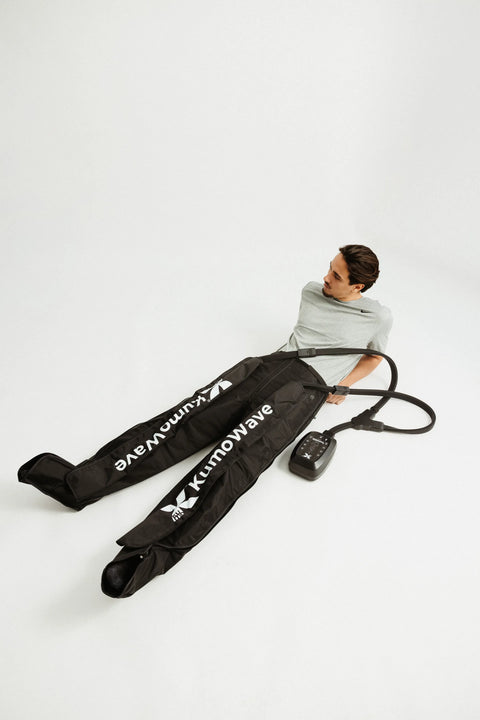
KumoWave Elite – Pressotherapy Pants
Full-coverage trousers. Ideal for lipedema, fluid retention and intensive use.
€799,00 €999,00
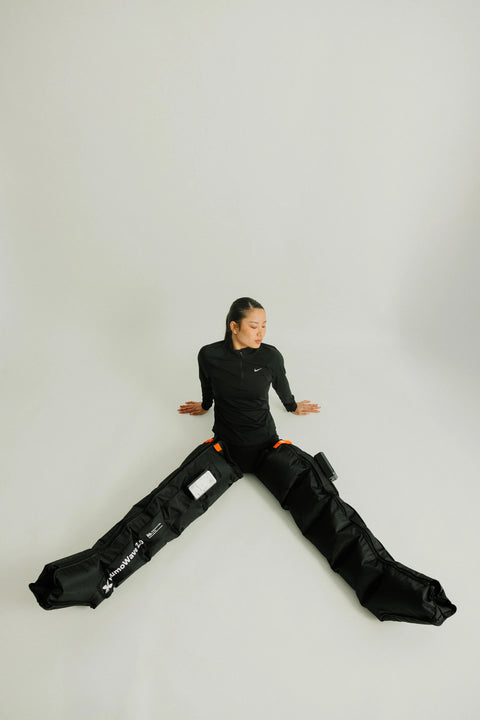
KumoWave 2.0 - Wireless Pressotherapy
Wireless, lightweight boots. Perfect for daily use and recovery.
€499,00 €599,00