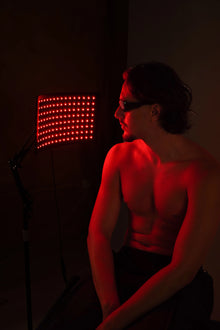


Yes, it can be better controlled. The non-surgical approach typically relies on compression, adapted exercise, manual therapy, nutrition, and sustainable habits; if you still have doubts about the diagnosis, start by understanding what lipedema is and how to recognize it early. (pmc.ncbi.nlm.nih.gov)
The realistic goal is not to promise a quick cure, but to reduce pain, heaviness, inflammation, and functional limitation with a consistent strategy well-adjusted to daily life. (pmc.ncbi.nlm.nih.gov)
Pressotherapy at home
End the day with light legs
★★★★★ 4,8/5 · rated by verified customers
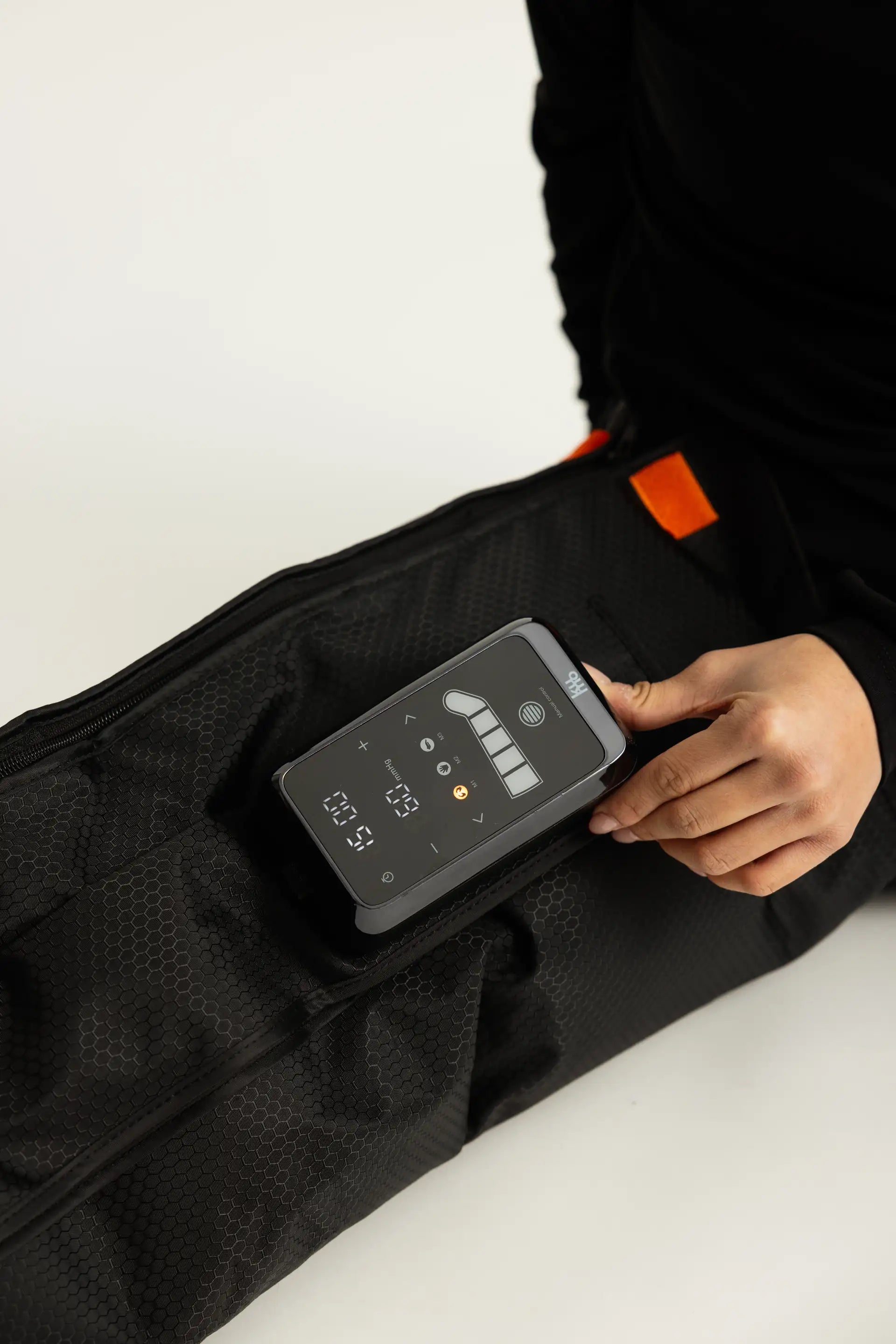
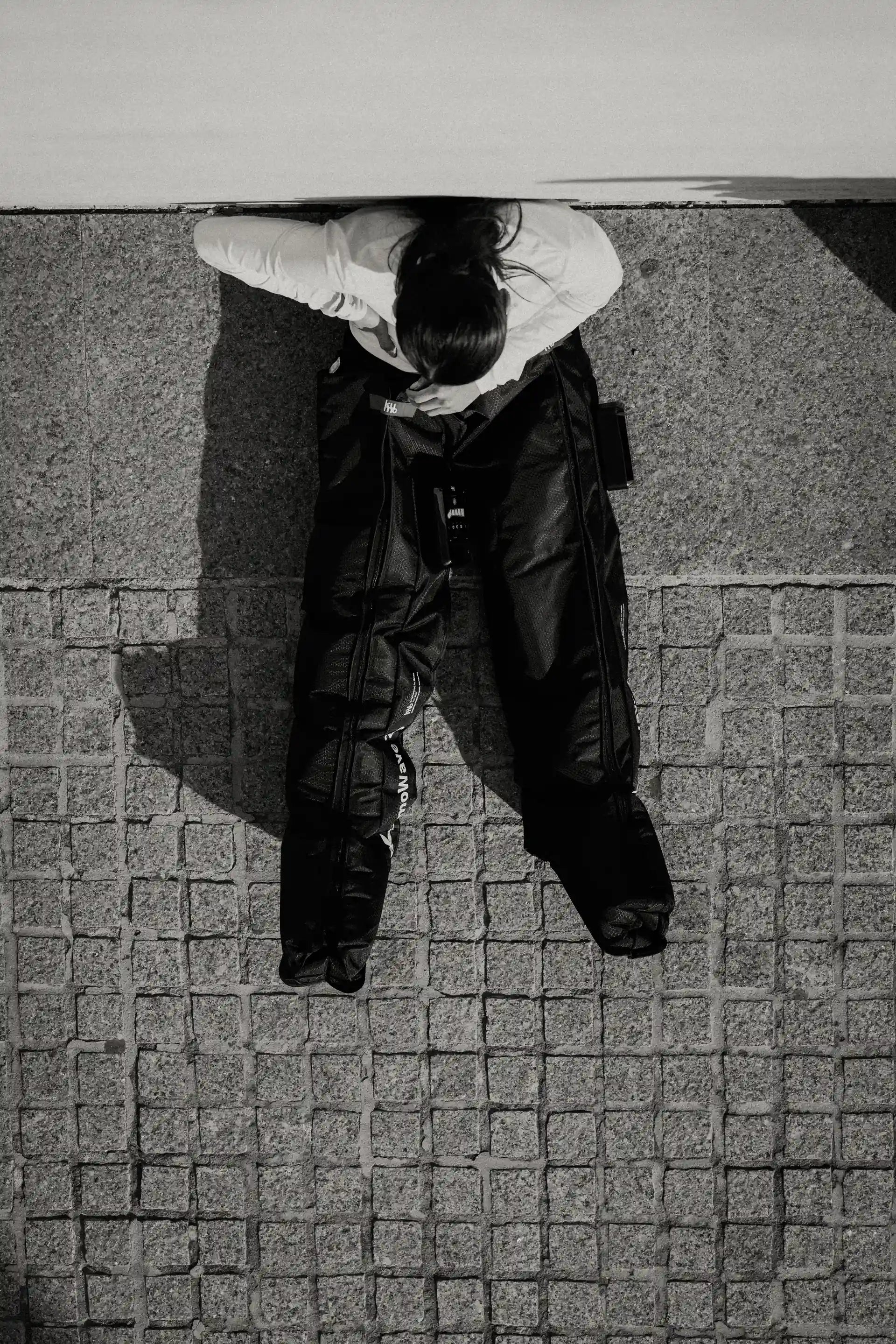
KumoWave pressotherapy boosts circulation and helps drain fluid with sequential compression, in 20-minute sessions at home.
- Boosts circulation and helps drain fluid
- Chamber-based compression, adjustable to you
- Sequential compression that mimics manual drainage
€799,00€999,00
−10% on your 1st order when you subscribe to the newsletter

What it means to control lipedema without surgery
The goal of conservative management is for it to hurt less, weigh less, and limit daily life less. (pmc.ncbi.nlm.nih.gov)
The 2024 German S2k guideline on lipedema outlines treatment measures and self-management options, while the US consensus on lipedema places conservative therapy as the foundation of management. (pubmed.ncbi.nlm.nih.gov)
Personalized protocol · included with your purchase
Want us to tell you how to use it in your case?
With your purchase, our experts prepare a personalized usage protocol for your case: sport, circulation, fluid retention, pregnancy or lipedema.
Message us on WhatsAppOur experts reply · no obligation
In practice, this means working on several fronts at once: compression, mobility, education, pain control, and lifestyle adjustments. When combined, the results are often more useful than when each measure is used separately. (pmc.ncbi.nlm.nih.gov)
Conservative protocols that make the most sense
Compression adapted to your tolerance
Compression is one of the most frequently mentioned pillars in the literature. In a 2024 trial on compression and exercise, four weeks of intervention were associated with improvements in spontaneous pain, sensation of swelling, heaviness, hypersensitivity, and bruising. (mdpi.com)
The important thing is not to "endure more," but to find a garment you can wear regularly. If compression becomes impossible to sustain, the plan fails, even if it looks perfect on paper. (pmc.ncbi.nlm.nih.gov)
on your first order when you join the newsletter
We send you the code instantly. No spam.
Manual therapy, drainage, and education
A study of multimodal physiotherapy in early stages used sessions with manual therapy, guided exercise, education, and compression needs, and supported the usefulness of a combined approach. (pmc.ncbi.nlm.nih.gov)
Manual therapy and manual lymphatic drainage are included in standard conservative therapy, especially when integrated with compression and a self-care plan. (pmc.ncbi.nlm.nih.gov)
Low-impact movement and progressive strength
Walking, cycling, and swimming often fit better than high impact, because they activate the muscle pump without punishing the legs as much. Recent evidence suggests that exercise is promising and its effect can be enhanced when accompanied by compression. (pmc.ncbi.nlm.nih.gov)
As a practical guideline, start with a load that does not clearly worsen symptoms and progress according to tolerance. In lipedema, consistency is often worth more than sporadic intensity. (pmc.ncbi.nlm.nih.gov)
Realistic nutrition, not miracle diets
Diet matters, but it does not operate as an isolated solution. In a 2022 study on a low-carbohydrate, high-fat diet, the dietary pattern was associated with possible improvements in weight, body fat, and pain, although the research itself acknowledges clear limitations, such as the absence of a control group. (pmc.ncbi.nlm.nih.gov)
Therefore, the most sensible approach is usually to individualize food, avoid extremes, and build a sustainable routine. To delve deeper into this approach, you can rely on lipedema nutrition, where the goal is to eat better without promising unrealistic shortcuts. (pmc.ncbi.nlm.nih.gov)
Skin, rest, and emotional support
Patient education, emotional support, and follow-up facilitate adherence. Guidelines and consensuses agree that understanding the disease and maintaining achievable habits improves functional prognosis and daily experience. (pubmed.ncbi.nlm.nih.gov)
When the emotional burden is high, it is advisable to simplify the plan and prioritize what can be repeated: gentle movement, compression, rest routine, and symptom monitoring. (pmc.ncbi.nlm.nih.gov)
Quick summary of the conservative protocol
| Pillar | How it integrates | What it aims to improve |
|---|---|---|
| Compression | Garment adapted to tolerance and time of day. | Helps control the feeling of heaviness and better support function. (pmc.ncbi.nlm.nih.gov) |
| Exercise | Low-impact movement with gradual progression. | Promotes the muscle pump and can enhance the effect of compression. (mdpi.com) |
| Manual therapy | Manual lymphatic drainage and other guided techniques. | Part of the multimodal approach and structured self-care. (pmc.ncbi.nlm.nih.gov) |
| Nutrition | Sustainable plan, without extreme solutions or magical promises. | Can help with comorbidities, energy, and overall adherence. (pmc.ncbi.nlm.nih.gov) |
| Pressotherapy | Complementary use within a recovery routine. | Can fit as support for the feeling of heavy legs when used judiciously. (pmc.ncbi.nlm.nih.gov) |
4-step basic protocol
- Confirm the diagnosis and define whether it predominates in legs, arms, or with mixed edema, because the plan changes depending on the distribution and differential diagnosis. (pubmed.ncbi.nlm.nih.gov)
- Establish the conservative base with compression, exercise, and, if indicated, manual therapy or pressotherapy as a complement. (pmc.ncbi.nlm.nih.gov)
- Organize your diet with a sustainable routine, not with extremes you cannot maintain. (pmc.ncbi.nlm.nih.gov)
- Re-evaluate symptoms, pain, and tolerance after a few weeks to adjust the plan. (pmc.ncbi.nlm.nih.gov)
Daily habits that sustain results
Habits matter because lipedema is better managed with consistency than with isolated efforts. The 2024 national survey among 707 women showed that most had tried diet and exercise, but also that many still needed complementary strategies to manage their symptoms. (journals.sagepub.com)
- Use compression at a stable time, because daily adherence often makes more difference than perfect but intermittent use. (pmc.ncbi.nlm.nih.gov)
- Take movement breaks throughout the day, as the leg muscle pump supports lymphatic return and the feeling of lightness. (pmc.ncbi.nlm.nih.gov)
- Prioritize gentle, repeatable exercise, such as walking, cycling, or swimming, instead of workouts that leave you inflamed the next day. (pmc.ncbi.nlm.nih.gov)
- Eat predictably and sustainably, because extreme diets usually break down before truly helping. (pmc.ncbi.nlm.nih.gov)
- Record what worsens or improves you, for example, heat, many hours standing, cycle changes, or certain workouts, to adjust the protocol with your own data. (journals.sagepub.com)
- Take care of rest and mental load, because education, support, and routine facilitate long-term adherence. (pubmed.ncbi.nlm.nih.gov)
How to adapt the plan if lipedema is more noticeable in the legs, arms, or raises doubts
In the national survey of 707 women with lipedema, pain, swelling, easy bruising, fatigue, and gait disturbance frequently appeared; additionally, arm involvement was common. If your case is concentrated in the legs, reading lipedema in legs, symptoms, stages, and relief will help you better adapt compression, footwear, exercise, and breaks. (journals.sagepub.com)
If you are still doubting between lipedema and other causes of voluminous legs, the difference between lipedema and cellulite without errors can help you understand why diagnosis matters before choosing the protocol. (pubmed.ncbi.nlm.nih.gov)
Pressotherapy as recovery support at home
Pneumatic pressotherapy appears within standard conservative management as a complementary tool, especially when integrated with compression, mobility, and manual therapy. If you want to see how it could fit into a home routine, you can review home pressotherapy as support for drainage and Kumo Balance's home recovery proposal. (pmc.ncbi.nlm.nih.gov)
The key is to use it as a complement, not as a substitute for the complete plan. In lipedema, the best results usually come from adding small, consistent supports and not from betting everything on a single tool. (pmc.ncbi.nlm.nih.gov)
Frequently asked questions
Can lipedema be controlled without surgery?
Yes, it can be better controlled, although a large visible reduction in tissue is not always achieved. Evidence and consensuses place compression, adapted exercise, manual therapy, education, and self-management as the basis. The realistic goal is to reduce pain, heaviness, swelling, and functional limitation. When the plan is consistent and adjusted to tolerance, many people find daily life more manageable. (pmc.ncbi.nlm.nih.gov)
What habits help most in daily life?
The most useful habits are usually those you can repeat without exhausting yourself: stable compression schedule, active breaks, low-impact movement, sustainable eating, and symptom monitoring. The 2024 national survey shows that most patients have already tried diet and exercise, but that a more comprehensive approach is often needed to obtain real relief. Consistency weighs more than drastic changes in a single week. (journals.sagepub.com)
Is a low-carb diet mandatory to control lipedema?
No, it is not mandatory. A 2022 study suggested possible improvements with a low-carbohydrate, high-fat diet, but the research was small and had methodological limitations, so it cannot be made a universal rule. The most prudent approach is to choose sustainable eating, adjusted to your energy, hunger, and comorbidities. If one guideline works better for you than another, the important thing is that you can maintain it consistently and without setbacks. (pmc.ncbi.nlm.nih.gov)
Can compression and pressotherapy be combined?
Yes, and it actually makes sense to do so within an organized plan. Compression appears as the basis of conservative management, and pneumatic pressotherapy is considered a complementary support, not a replacement. The combination usually fits best when there is also regular movement and, if necessary, manual therapy. If the garment or session leaves you feeling worse, it is advisable to review intensity, fit, and time of day. (pmc.ncbi.nlm.nlm.nih.gov)
What now?
Start with a simple, measurable plan. If you want to delve deeper, go back to the Kumo Balance homepage and complete the reading with real lipedema treatment options to decide which habits and supports best fit your case.
KumoWave pressotherapy
Choose your at-home pressotherapy
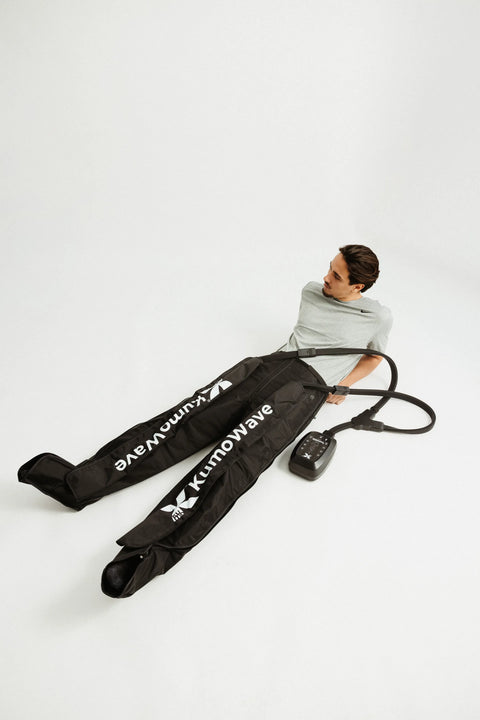
KumoWave Elite – Pressotherapy Pants
Full-coverage trousers. Ideal for lipedema, fluid retention and intensive use.
€799,00 €999,00
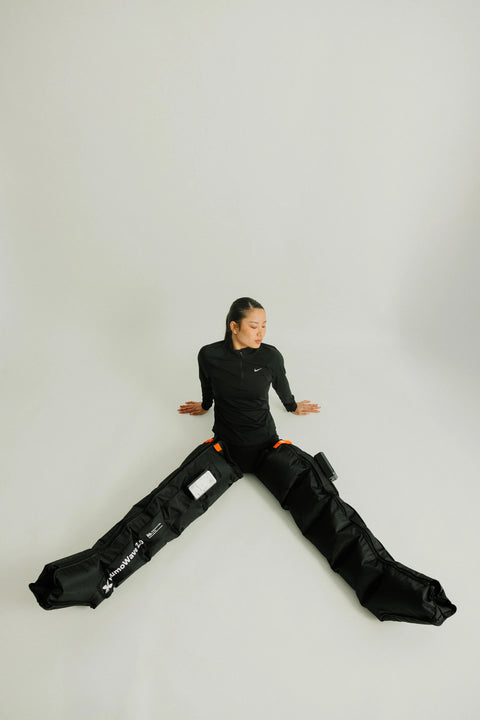
KumoWave 2.0 - Wireless Pressotherapy
Wireless, lightweight boots. Perfect for daily use and recovery.
€499,00 €599,00