
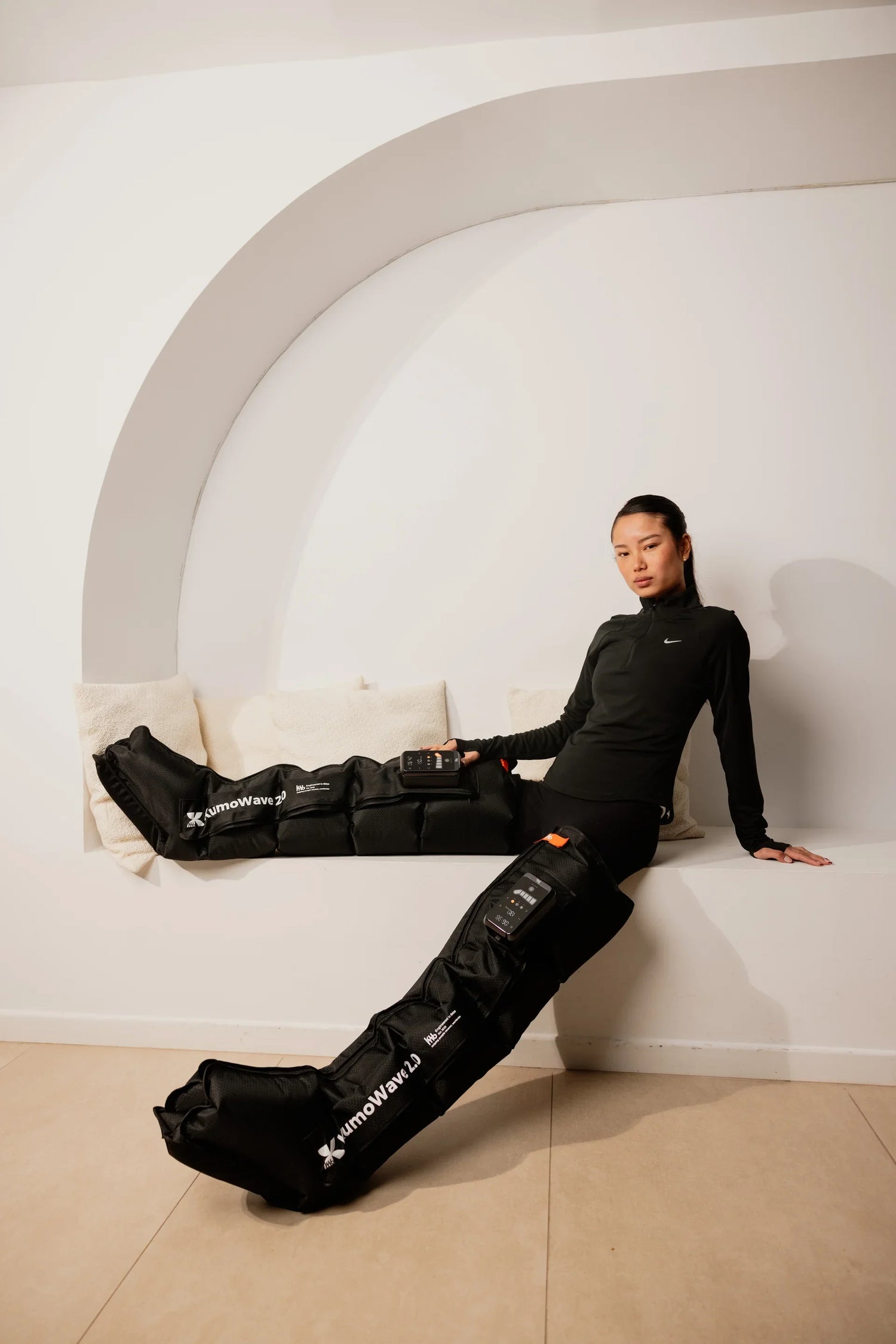
Yes, you can reduce fluid retention naturally.
For a practical reference, start by understanding the causes in this guide on fluid retention: causes, symptoms, and real solutions, and how the problem manifests in your legs, ankles, and feet. Edema is an accumulation of fluid in the tissues, often most noticeable in the lower extremities, and can be related to excess sodium, heat, pregnancy, long periods of standing or sitting, certain medications, and conditions like heart, kidney, or liver failure. (medlineplus.gov)
Pressotherapy at home
End the day with light legs
★★★★★ 4,8/5 · rated by verified customers
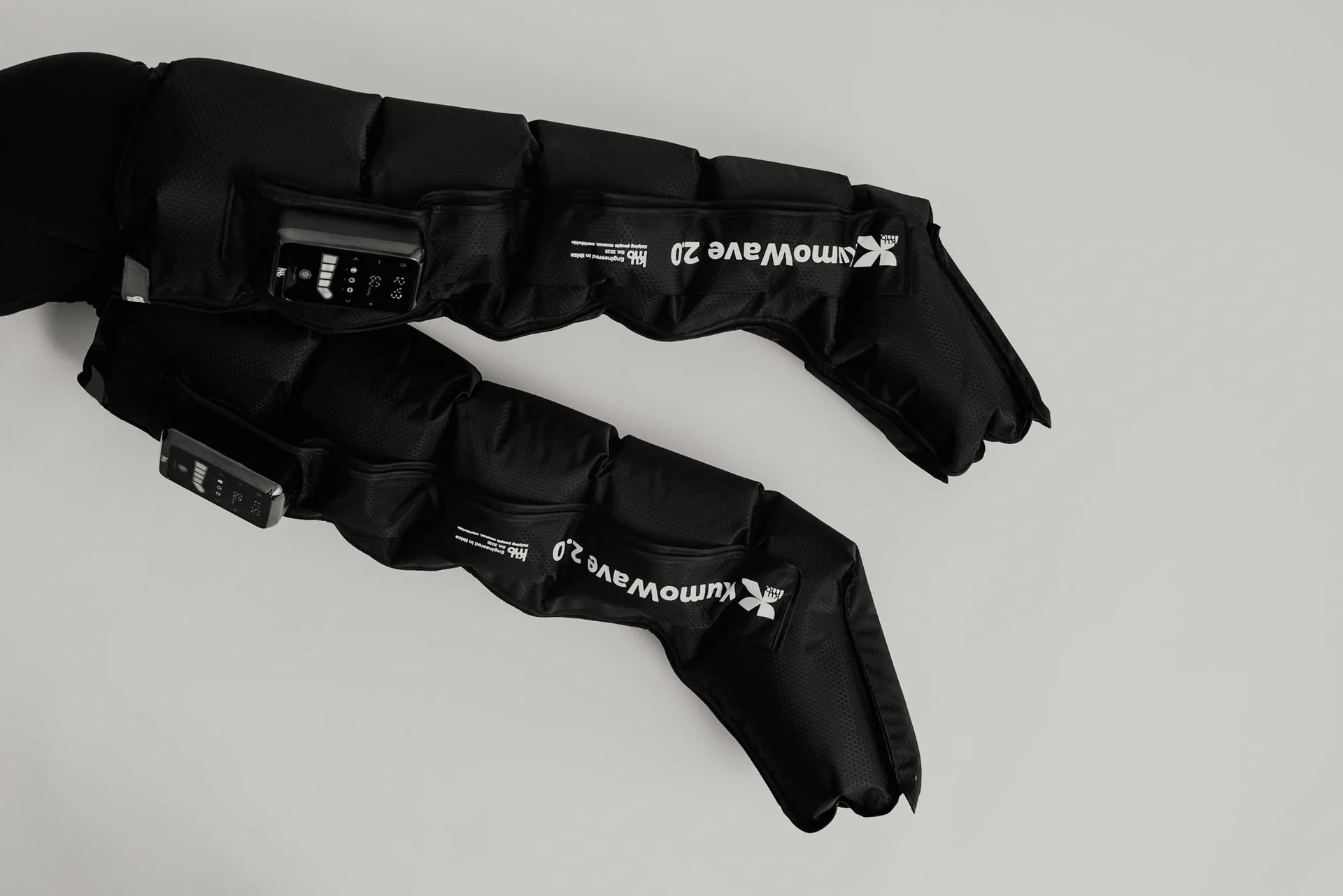
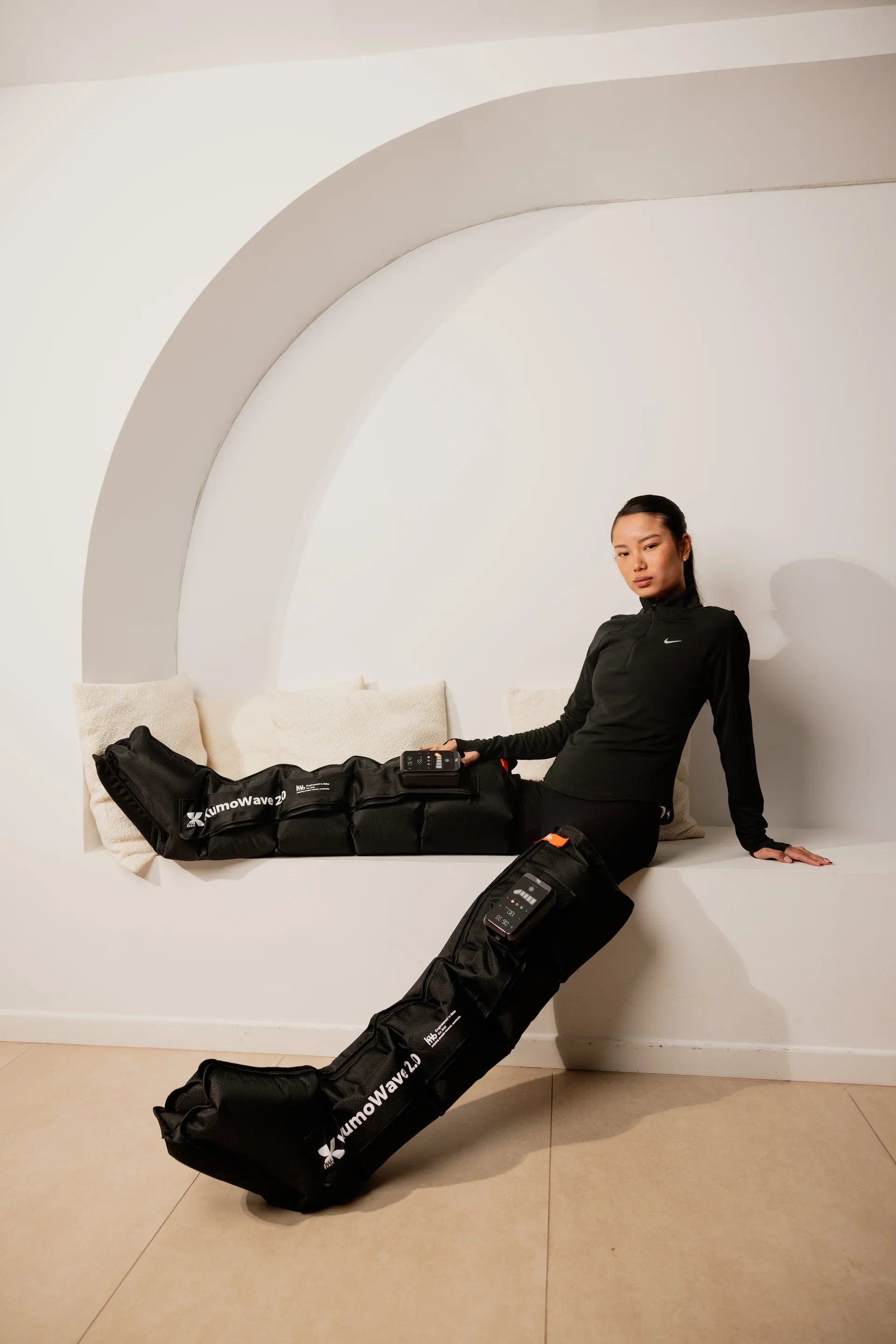
KumoWave pressotherapy boosts circulation and helps drain fluid with sequential compression, in 20-minute sessions at home.
- Boosts circulation and helps drain fluid
- Chamber-based compression, adjustable to you
- Sequential compression that mimics manual drainage
€799,00€999,00
−10% on your 1st order when you subscribe to the newsletter

If you also want to integrate at-home recovery into your daily routine, our at-home wellness and recovery approach fits well with habits such as moving more, lowering sodium intake, and elevating your legs when needed. (mayoclinic.org)
What is fluid retention and why does it occur?
When the body accumulates more fluid than it can normally redistribute or eliminate, swelling occurs. In many cases, it manifests as heavy legs, swollen ankles, or sock marks at the end of the day. According to Mayo Clinic, you might also experience tight or shiny skin, and even an "indentation" when pressing the area. (mayoclinic.org)
Personalized protocol · included with your purchase
Want us to tell you how to use it in your case?
With your purchase, our experts prepare a personalized usage protocol for your case: sport, circulation, fluid retention, pregnancy or lipedema.
Message us on WhatsAppOur experts reply · no obligation
The good news is that when the cause is mild or functional, small lifestyle changes often make a difference: less sodium, more movement, leg elevation, and, if appropriate, compression. If you want to delve deeper into the specific approach for lower limbs, this article on edema in the legs and how to relieve it at home can serve as an action plan. (mayoclinic.org)
How to eliminate fluid retention naturally
Quick table: habits that usually help the most
| Action | How to apply it | What it provides |
|---|---|---|
| Reduce sodium | Choose homemade food, avoid sauces and ultra-processed foods, and compare labels. | Less sodium helps limit fluid accumulation. (mayoclinic.org) |
| Activate your legs | Walk for a few minutes and move your ankles several times a day. | Muscle contraction promotes fluid return to the heart. (mayoclinic.org) |
| Elevate your legs | Support them above your heart when resting. | Elevation combats the effect of gravity on feet and ankles. (mayoclinic.org) |
| Use compression | Stockings or support garments if recommended. | They can slow down fluid accumulation and support local circulation. (mayoclinic.org) |
| Skin care | Wash, dry, and moisturize the area, especially between the toes. | Dry or cracked skin irritates and infects more easily. (mayoclinic.org) |
These measures usually work best when edema is mild, appears at the end of the day, or is highly influenced by posture, heat, or excess salt. If swelling is persistent, it is advisable to find the cause, because home care helps but does not replace treatment when there is an underlying condition. (medlineplus.gov)
Simple 10-15 minute daily routine
- Flex and extend your ankles several times, especially if you spend a lot of time sitting or standing. (nhs.uk)
- Walk for a few minutes or break immobility with short breaks throughout the day. (medlineplus.gov)
- When resting, elevate your legs to help fluid return. (mayoclinic.org)
- At your next meal, lower sodium intake and save highly processed foods for occasional treats. (cdc.gov)
If you want a version more focused on tired legs, you can expand on these ideas with this at-home lymphatic drainage routine. And before trying any pressure or massage techniques, review the contraindications and risks of lymphatic drainage.
on your first order when you join the newsletter
We send you the code instantly. No spam.
What to eat when you feel swollen
Most dietary sodium comes from packaged and restaurant foods, not from the salt shaker. Therefore, the most effective change is usually in what you buy and cook: the CDC recommends reading labels, choosing "low sodium" or "no salt added" options, and cooking with garlic, citrus, and spices. (cdc.gov)
- Prioritize fresh or minimally processed foods, as they make it easier to lower your total daily sodium. (cdc.gov)
- Choose frozen or canned vegetables without added salt when you want a quick option. (cdc.gov)
- Reduce cold cuts, instant soups, prepared sauces, and frequent restaurant meals. (cdc.gov)
- Check the nutrition label to compare sodium per serving and per package. (cdc.gov)
If you notice that swelling almost always appears after very salty meals, after long trips, or at the end of a workday on your feet, this points to a functional or circulatory component, although it does not rule out other causes. (medlineplus.gov)
When fluid retention is not normal
When swelling changes its pattern, we are no longer just talking about a temporary nuisance. The MedlinePlus guide to swollen feet, legs, and ankles recommends medical evaluation if edema appears in only one leg, if the area is red or warm, if there is a fever, if it worsens despite care, or if it is accompanied by shortness of breath or chest pain. (medlineplus.gov)
- Seek urgent help if shortness of breath or chest pain appears. (medlineplus.gov)
- Consult promptly if the swelling affects only one leg or is accompanied by calf pain. (medlineplus.gov)
- Request a review if the area is red, warm, or if there is a fever. (medlineplus.gov)
- If you are pregnant and notice a sudden increase in swelling, do not normalize it. (nhs.uk)
During pregnancy, some swelling can be common, but a sudden increase in hands, feet, or face warrants a quick consultation because it can be related to preeclampsia. The NHS guide on swelling in pregnancy emphasizes monitoring this sudden change. (nhs.uk)
If the edema is related to a medication, the professional can adjust the dose or seek an alternative; it is not advisable to stop it on your own. Mayo Clinic explains that treatment usually focuses on the cause and, when appropriate, on lifestyle measures or a change in medication. (mayoclinic.org)
When swelling persists or recurs frequently, it makes sense to seek an evaluation to rule out venous insufficiency, heart, kidney, or liver problems, or lymphatic system disorders. (mayoclinic.org)
FAQ
What can I do to reduce leg swelling at the end of the day?
The most useful approach is usually to combine several measures at once: walking for a few minutes, moving your ankles, elevating your legs, and having a lower-sodium dinner. Mayo Clinic and MedlinePlus agree that muscle activity, elevation, and salt reduction help to move accumulated fluid. If you spend many hours sitting or standing, try to take short breaks throughout the day. If the swelling does not decrease or worsens, it is advisable to check the cause instead of relying solely on home remedies. (mayoclinic.org)
Does salt really worsen fluid retention?
Yes. Excess sodium causes the body to retain more fluid, and therefore, a pattern of salty meals usually leads to more swelling. Mayo Clinic directly links it to edema, and the CDC reminds us that much of the sodium doesn't come from the salt shaker, but from packaged products and restaurant meals. Therefore, reducing ultra-processed foods, reading labels, and cooking more at home usually yields better results than trying to "compensate" later. (mayoclinic.org)
When can leg swelling be serious?
You should pay attention if the swelling appears suddenly, affects only one leg, is accompanied by calf pain, is warm or red, or comes with shortness of breath or chest pain. MedlinePlus and Mayo Clinic point out these signs as reasons for prompt consultation, as they can be related to clots, pulmonary edema, or other problems that are not resolved with home care. The practical rule is simple: if the pattern changes or is alarming in intensity, consult a doctor. (medlineplus.gov)
Can at-home pressotherapy help as support?
It can fit as complementary support within a routine of movement, elevation, and sodium control, especially if you notice heavy legs. That said, the useful idea is to think of it as practical aid, not as a solution for medical causes. By analogy with the compression and mobilization measures recommended by Mayo Clinic and an NHS hospital, its value lies in supporting the routine, not in replacing an evaluation if the swelling is unilateral, painful, or persistent. (mayoclinic.org)
Does drinking more water eliminate fluid retention?
Maintaining normal hydration is important, but it is not enough on its own if the problem lies in excess sodium, immobility, or a medical cause. The most effective approach is usually to correct the context: less salt, more movement, leg elevation, and a review of medications or illnesses if the swelling recurs. If your edema appears often, do not treat it as a simple matter of "drinking more"; look for the pattern and act on the cause. (mayoclinic.org)
What now?
If you want to move from theory to a simple routine, explore our at-home pressotherapy as support for your daily well-being and combine it with less sodium, more movement, and leg elevation. If the swelling changes form or is accompanied by warning signs, always prioritize a medical evaluation. (mayoclinic.org)
KumoWave pressotherapy
Choose your at-home pressotherapy
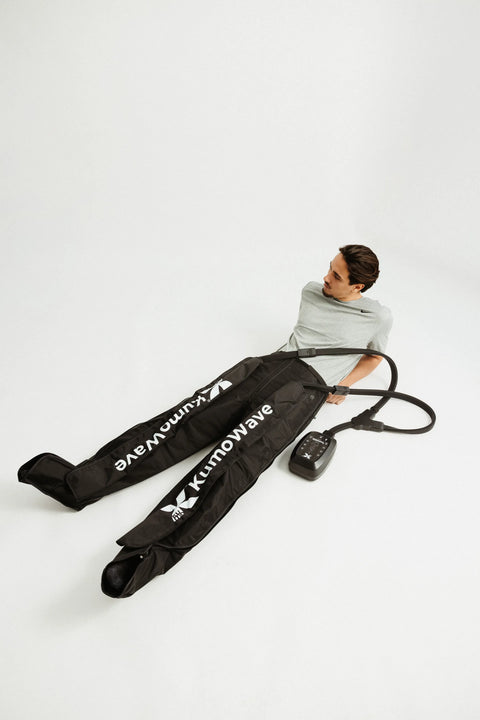
KumoWave Elite – Pressotherapy Pants
Full-coverage trousers. Ideal for lipedema, fluid retention and intensive use.
€799,00 €999,00
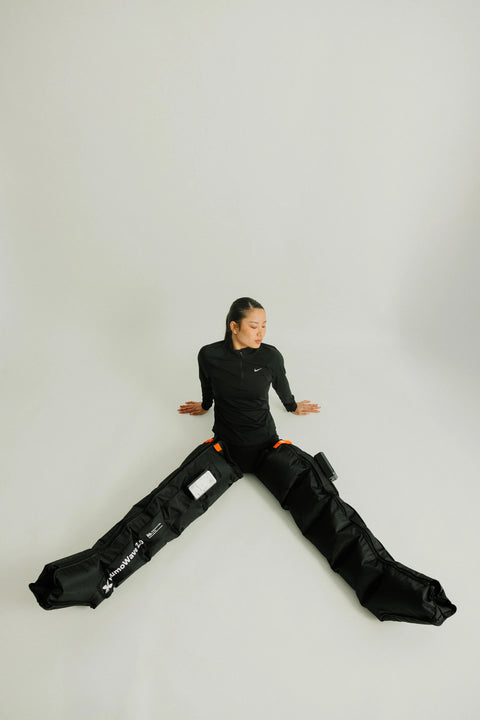
KumoWave 2.0 - Wireless Pressotherapy
Wireless, lightweight boots. Perfect for daily use and recovery.
€499,00 €599,00