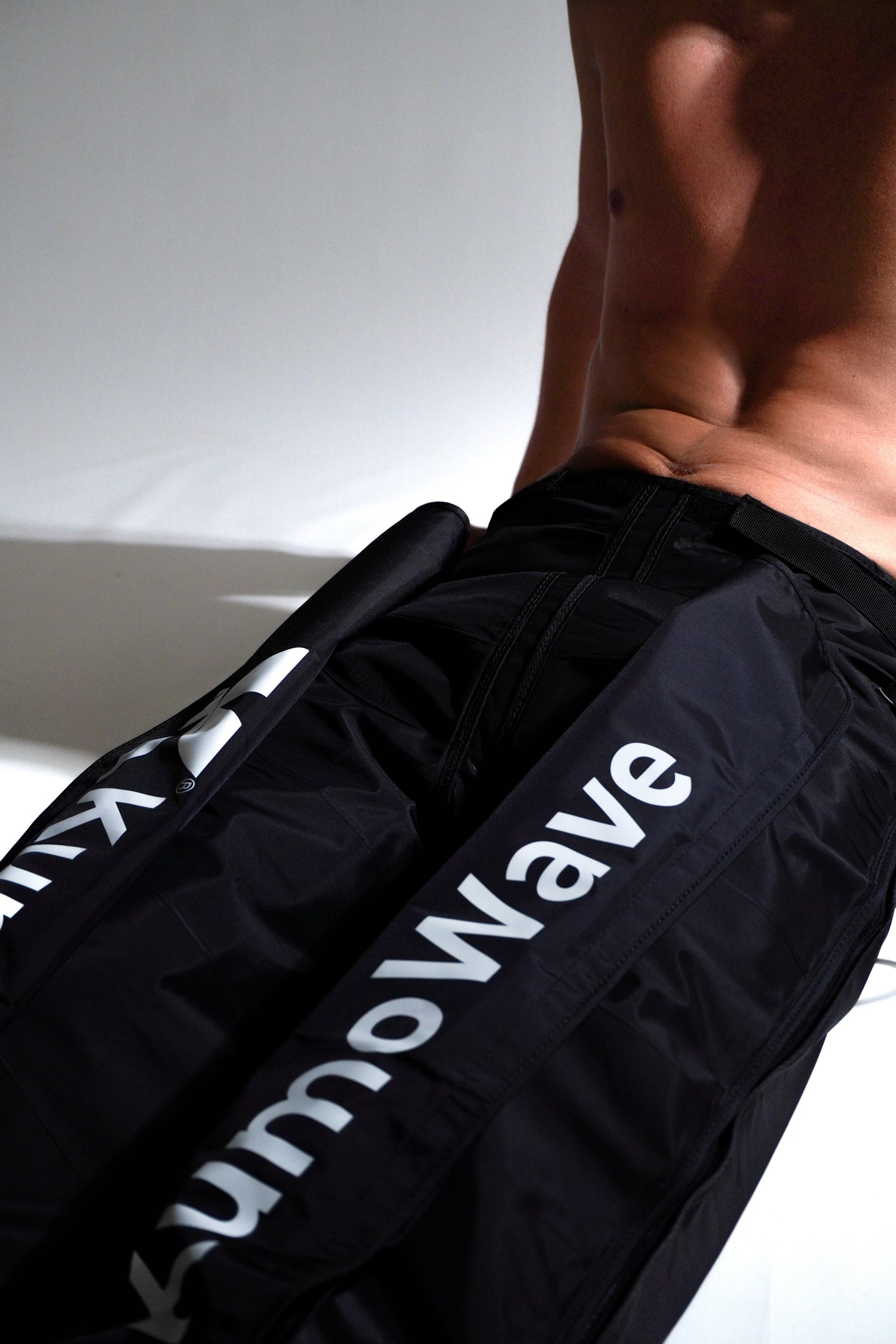
Swollen legs are not normal.
If you notice edema in your legs (swelling, heaviness, or marks when you take off your socks), your body is telling you that something is wrong with your circulation or fluid balance. In this guide, you'll learn exactly what edema is, its most common causes, when you should be concerned, and what you can do at home to relieve it without putting your health at risk.
Pressotherapy at home
End the day with light legs
★★★★★ 4,8/5 · rated by verified customers
KumoWave pressotherapy boosts circulation and helps drain fluid with sequential compression, in 20-minute sessions at home.
- Boosts circulation and helps drain fluid
- Chamber-based compression, adjustable to you
- Sequential compression that mimics manual drainage
€799,00€999,00
−10% on your 1st order when you subscribe to the newsletter

We'll also see how to integrate movement habits, elevation, compression, and recovery technologies to improve the feeling of tired and heavy legs.
What is edema in the legs?
Edema is swelling caused by fluid buildup in the body's tissues. It commonly occurs in the feet, ankles, and legs, where gravity makes it difficult for blood to return to the heart. ( mayoclinic.org )
Personalized protocol · included with your purchase
Want us to tell you how to use it in your case?
With your purchase, our experts prepare a personalized usage protocol for your case: sport, circulation, fluid retention, pregnancy or lipedema.
Message us on WhatsAppOur experts reply · no obligation
When this excess fluid is located in the lower extremities, we call it peripheral edema in the legs . It can be:
- Acute : appears rapidly (hours or a few days).
- Chronic : It remains or worsens over weeks or months.
- Pitting : when the skin is pressed for a few seconds, a small indentation remains. ( kidneyfund.org )
Leg swelling can range from mild and temporary (for example, after many hours of sitting or standing) to a sign of heart, kidney, or liver problems, or deep vein thrombosis. That's why it's crucial to know when it can be managed at home and when a doctor's visit is necessary.
Any new, severe edema that affects only one leg, or that is accompanied by difficulty breathing, chest pain, or palpitations, requires urgent medical evaluation.
−10%on your first order when you join the newsletter
We send you the code instantly. No spam.
Common causes of leg edema
Swelling in the legs almost never has a single cause. It's usually a combination of lifestyle factors, venous circulation , lymphatic system issues , medication, and chronic illnesses. ( mayoclinic.org )
Lifestyle-related causes
Some very common triggers of leg edema are relatively easy to identify:
- Spending many hours sitting or standing (office, shop, hairdresser, long trips by plane or car).
- Sedentary lifestyle and little activation of the calf muscles, which act as a venous "pump".
- Overweight or obesity , which increases pressure on veins and joints.
- Intense heat , which dilates blood vessels and facilitates fluid accumulation.
- Tight clothing around the waist or thighs can hinder venous return. ( mayoclinic.org )
- Excess salt in the diet, which promotes fluid retention.
In these cases, the swelling is usually symmetrical (both legs), worsens at the end of the day, and improves when lying down or elevating the legs.
Venous and lymphatic problems
When the venous or lymphatic system is not functioning properly, edema in the legs can become persistent:
- Chronic venous insufficiency : the valves in the veins of the legs do not close properly, blood pools, and swelling, heaviness, cramps, and often visible varicose veins appear. Epidemiological studies estimate that between 3% and 4% of the population may suffer from this condition. ( ncbi.nlm.nih.gov )
- Varicose veins : dilated veins that may be accompanied by edema, especially after standing for a long time.
- Deep vein thrombosis (DVT) : a blood clot in a deep vein of the leg. It manifests with sudden swelling, pain, and warmth, usually in one limb. It is a medical emergency. ( mayoclinic.org )
- Lymphedema : blockage or damage to the lymphatic system (from surgery, radiation therapy, infections, etc.) that causes firm, progressive swelling. ( mayoclinic.org )
Heart, kidney, and liver diseases
Edema in the legs can also indicate a systemic problem:
- Heart failure : the heart pumps less effectively and blood accumulates in the veins of the legs and abdomen.
- Kidney disease : The kidneys don't properly remove excess fluid and salt, causing swelling in the legs, ankles, and sometimes around the eyes. ( medlineplus.gov )
- Liver cirrhosis : liver damage alters protein production and fluid balance, leading to edema in the legs and fluid accumulation in the abdomen (ascites). ( mayoclinic.org )
In these contexts, edema is usually bilateral , often accompanied by shortness of breath, extreme fatigue, or other general symptoms. It always requires medical evaluation and treatment of the underlying cause.
Medications, hormones, and other causes
Several medications and hormonal changes can contribute to leg edema: ( mayoclinic.org )
- Non-steroidal anti-inflammatory drugs (NSAIDs) such as ibuprofen or naproxen.
- Certain antihypertensive drugs , sex hormones, corticosteroids, or diabetes medications.
- Pregnancy and hormonal changes of the menstrual cycle.
- Severe allergic reactions .
- Cancer and cancer treatments (chemotherapy, targeted therapies, hormonal therapies) can cause peripheral edema due to vascular damage, compression, or side effects. ( cancer.org )
If you suspect a medication is causing leg swelling, don't stop taking it on your own: discuss it with your doctor to explore alternatives.
Symptoms of leg edema and warning signs
Recognizing the symptoms correctly helps you decide whether you can try home remedies or if you need immediate attention.
Typical signs of edema include: ( mayoclinic.org )
- Visible swelling in feet, ankles, calves or thighs.
- Shiny or tight skin that leaves a mark when pressed (pitting).
- A feeling of heaviness or tightness in the legs.
- Discomfort when putting on shoes, socks that leave deep grooves.
- Nighttime cramps, tingling or tiredness in the legs.
Go to the emergency room immediately or call emergency services if: ( mayoclinic.org )
- The edema appears suddenly and intensely, especially in one leg .
- The swelling is accompanied by chest pain , difficulty breathing , or palpitations .
- You notice intense pain, redness or localized heat in the leg (possible thrombosis).
- You have a fever or signs of infection in the swollen area.
How to relieve leg edema at home (safely)
Home remedies are especially helpful once a doctor has ruled out serious causes or when the swelling is clearly related to postural factors, heat, or a sedentary lifestyle. According to the Mayo Clinic and MedlinePlus, the key elements are: elevation, compression, movement, gentle massage, and dietary changes . ( mayoclinic.org )
Raise your legs correctly
Elevating your legs reduces pressure on your veins and facilitates the return of blood to the heart. Practical recommendations: ( mayoclinic.org )
- Lie on your back and place your legs above heart level (for example, supported by cushions or against the wall).
- Hold this position for 15–20 minutes, 3–4 times a day , especially at the end of the day.
- If possible, slightly elevate the foot of the bed (5–10 cm) while sleeping.
If you experience shortness of breath, dizziness, or discomfort when raising your legs, stop the position and consult your doctor.
Gentle movement and exercises to activate the “muscle pump”
The calf muscles act like a pump, pushing blood upward each time you walk or flex your ankles. Inactivity causes fluid to build up in the tissues. ( mayoclinic.org )
Some easy ideas:
- Walk 5–10 minutes every hour during the day.
- While seated, perform ankle flexion-extensions (bring your toes towards you and then away) for 1–2 minutes.
- Standing, do heel raises (go up and down as if you were “doing toes”) 10–15 repetitions.
- Avoid crossing your legs for long periods.
If you have heart failure, peripheral artery disease, or another serious condition, ask your healthcare professional for a tailored routine.
Compression and postural care
Compression stockings or garments help maintain constant pressure on the leg and prevent fluid buildup, especially in cases of venous insufficiency or in people who spend many hours standing. ( mayoclinic.org )
Basic tips:
- Use the compression recommended by your doctor (light, medium, high) according to your case.
- Put them on in the morning, before severe swelling appears.
- Avoid very tight clothing around the waist and thighs.
- During long journeys, combine compression with short walks and ankle exercises.
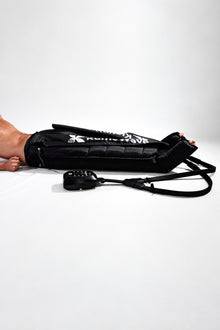
In addition to classic compression garments, there are recovery technologies such as pneumatic compression boots , which compress sequentially from the foot to the thigh to promote venous and lymphatic return. These solutions, like those offered in KUMO's leg compression collection , can help relieve the feeling of heaviness and fatigue in those who have already been assessed by a healthcare professional. They are not a substitute for medical evaluation or prescribed treatments in cases of venous or lymphatic disorders.
Leg massage and self-massage
A gentle massage toward the heart can help mobilize some of the fluid and improve the feeling of tired legs. ( mayoclinic.org )
- With your legs slightly raised, massage from your foot to your knee with firm but painless pressure.
- Avoid putting direct pressure on areas with very pronounced or painful varicose veins.
- If you have a history of thrombosis, skin infections, or decompensated heart failure, do not perform intense massages without medical approval .
Percussion massage tools, such as a leg and body massage gun , are primarily used to release deep muscle tension after exercise or prolonged sitting. They can be helpful for relieving stiffness and improving comfort, but they are not indicated for treating edema of cardiac, renal, or thrombotic origin. If in doubt, always consult your doctor or physiotherapist before using them on swollen areas.
Daily habits to reduce fluid retention
Small daily adjustments can make a big difference in mild leg edema :( mayoclinic.org )
- Moderate your salt intake : avoid ultra-processed products, salty snacks, and highly seasoned dishes.
- Adequate hydration : Drinking water regularly helps regulate fluid balance (except for specific medical restrictions).
- Weight control : losing a few pounds can significantly reduce pressure on the venous system.
- Limit alcohol and tobacco , which damage blood vessels and worsen circulation.
- Keep the skin well hydrated to prevent cracks and infections in the swollen area.
When home remedies are not enough
Although many health guidelines mention the use of diuretics to eliminate excess fluid, these are medications that must be prescribed and monitored by a professional . ( mayoclinic.org )
You should consult your doctor if:
- The edema lasts for more than 1–2 weeks despite postural and mobility measures.
- The swelling progressively worsens or spreads to other areas (hands, face, abdomen).
- You have other symptoms such as extreme tiredness, difficulty breathing, decreased urination, or chest pain.
During the consultation, the professional will review your medical history, examine your legs, and may order blood tests, ultrasounds, or venous studies to rule out venous insufficiency, heart problems, kidney problems, or thrombosis. ( mayoclinic.org )
Visual summary: common causes of leg edema and what to do
| Possible cause (indicative) | How it usually manifests | What you can do at home* | When to see a doctor |
|---|---|---|---|
| Sedentary lifestyle, heat, many hours sitting/standing | Bilateral swelling, at the end of the day, improves when lying down | Elevate legs, walk, ankle exercises, light compression | If it does not improve in 1–2 weeks or gets worse |
| Venous insufficiency / varicose veins | Heaviness, cramps, visible varicose veins, evening edema | Medical compression, elevation, regular exercise, weight control | For diagnosis and personalized treatment plan |
| Heart, kidney, or liver failure | Persistent edema, sometimes with shortness of breath or intense fatigue | Do not self-medicate; follow medical guidelines, control salt and weight | It always requires medical evaluation and follow-up. |
| Deep vein thrombosis | Sudden swelling, pain, and heat in one leg | Do not massage, do not walk long distances without instruction | Emergency room immediately |
| Medications, pregnancy, hormones | Progressive edema, often bilateral, coinciding with changes in treatment or pregnancy | Elevate legs, gentle movement, compression as directed by your doctor | Review medication and risks with your healthcare professional |
*The table is for guidance only and does not replace an individual medical assessment.
Technological support for tired and heavy legs
In addition to elevation, movement, and classic compression, recovery technologies have emerged that seek to improve leg comfort, especially for athletes and people who spend many hours standing or sitting.
Pneumatic pressotherapy to activate venous return
Sequential pneumatic compression therapy uses air chambers that inflate and deflate from the foot to the thigh, generating rhythmic compression on the leg. This effect mimics and enhances the work of the muscle pump and can help to:
- Reduce the feeling of heaviness after intense workouts.
- Promote recovery after standing for many hours.
- Complement other circulatory care, always under professional supervision in cases of venous disease. ( mayoclinic.org )
Kumo leg compression boots are designed to integrate this technology into your home as part of a recovery routine. They should not be used in the presence of active venous thrombosis, severe skin infections, or decompensated heart failure without medical advice.
Red and LED light therapy for muscle recovery
Red light and near-infrared light are used in photobiomodulation to modulate cellular processes and improve muscle recovery. Clinical trials have shown that specific doses and wavelengths can increase local microcirculatory flow and promote recovery after exercise, although the evidence is still heterogeneous and evolving. ( pubmed.ncbi.nlm.nih.gov )
In the context of tired legs:
- They can help reduce the feeling of muscle fatigue after training.
- They do not replace medical compression or the treatment of diseases such as venous insufficiency or heart failure.
At Kumo, the range of LED and red light therapy devices is geared towards recovery and well-being, always as a complement to an active lifestyle and appropriate medical care when pathology exists.
Percussion massage and recovery of leg muscles
Percussion massage guns apply rapid, deep impulses to the muscle, helping to reduce stiffness, improve mobility, and relieve the feeling of overload after exercise or prolonged periods of standing.
On legs:
- They are useful for muscle tension in the calves, thighs, and glutes.
- It is advisable to avoid using it on areas with marked edema of unknown cause, very prominent varicose veins, or intense pain.
A device like KumoPulse Air is designed for athletes and active people who want to integrate muscle recovery into their daily routine. Again, it's a wellness tool, not a specific medical treatment for edema.
Frequently asked questions about leg edema
Is it normal to have swollen legs at the end of the day?
Some mild swelling at the end of the day can occur in many people, especially if they have spent many hours standing, sitting, or exposed to heat. In these cases, it usually improves significantly when lying down, elevating the legs, and resting. However, it should not be considered "normal" if it is intense, painful, appears suddenly, affects only one leg, or is increasing . In older adults, overweight individuals, or those with a history of heart, kidney, or venous problems, it is always advisable to discuss this with a doctor to rule out more serious causes and receive personalized recommendations. ( mayoclinic.org )
What home remedies actually help reduce swelling in the legs?
The most well-supported measures in health guidelines are elevating the legs above the heart several times a day, moving frequently (walking, ankle exercises), wearing compression stockings if recommended by a doctor, and reducing salt in the diet . In addition, maintaining a healthy weight and avoiding prolonged periods of sitting or standing helps prevent fluid retention. Some people benefit from gentle massage or technologies such as compression therapy and LED therapy to alleviate the feeling of heaviness, always as a complement to, and never as a substitute for, medical evaluation. ( mayoclinic.org )
How can you tell if leg swelling is due to poor venous circulation?
Venous insufficiency often causes swelling that worsens at the end of the day, improves when the legs are elevated, and is accompanied by heaviness, nighttime cramps, and visible varicose veins. However, diagnosis can only be made by a professional through examination and, often, Doppler ultrasound to assess venous flow. It is important to rule out other causes such as thrombosis, heart, kidney, or lymphatic disease. If you notice changes in skin color (darkening, redness), persistent itching, or small ulcers, see a vascular surgeon or angiologist as soon as possible. ( mayoclinic.org )
Can edema in the legs be dangerous?
Yes, it can be, depending on the cause. When edema is due to prolonged standing or heat, it is usually bothersome but not serious. However, sudden, painful, one-sided swelling can indicate deep vein thrombosis, which carries a risk of pulmonary embolism. Chronic edema can also be a sign of heart, kidney, or liver failure —conditions that require close monitoring. Furthermore, stretched and fragile skin is more prone to infections and ulcers if the problem is left untreated. Therefore, any persistent edema or edema accompanied by other systemic symptoms should be medically evaluated. ( mayoclinic.org )
Can I use pressotherapy if I have swollen legs?
Pressotherapy can be a useful tool for relieving the feeling of heaviness and promoting venous return in people already evaluated by a healthcare professional, especially athletes or people with mild swelling of postural origin. However, it is not suitable for everyone . It is contraindicated, among other cases, in active deep vein thrombosis, decompensated heart failure, severe skin infections, or open wounds. Before using pressotherapy boots in the presence of edema, consult your doctor or physical therapist to confirm that it is safe in your specific situation and to determine the appropriate pressure and duration of the sessions. ( mayoclinic.org )
So what now?
If you experience leg swelling , the first step is to rule out serious underlying causes with your doctor. From there, you can make leg recovery and care a habit: move more, elevate your legs daily, maintain a healthy diet, and, when appropriate, utilize technological recovery solutions.
At KUMO, you'll find high-end tools to integrate pressotherapy, LED therapy, and percussion massage into your wellness routine, always as a complement to professional advice. If you have any questions about which type of recovery is best for you, you can contact us through the Kumo contact page and receive personalized guidance on how to safely incorporate these technologies into your daily life.
KumoWave pressotherapy
Choose your at-home pressotherapy
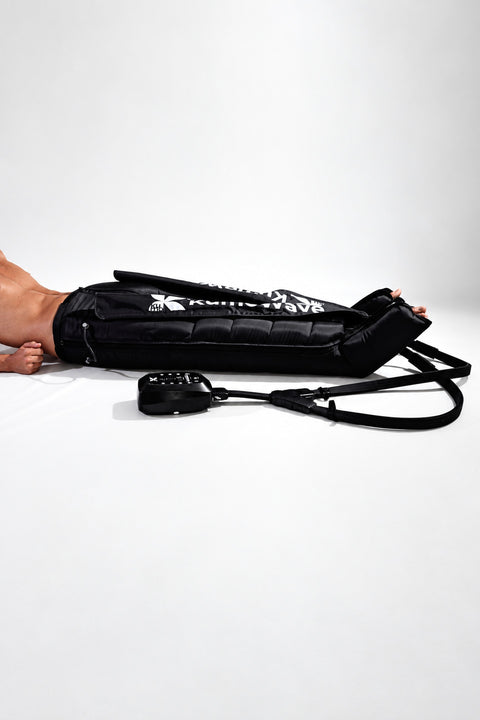
KumoWave Elite – Pressotherapy Pants
Full-coverage trousers. Ideal for lipedema, fluid retention and intensive use.
€799,00 €999,00
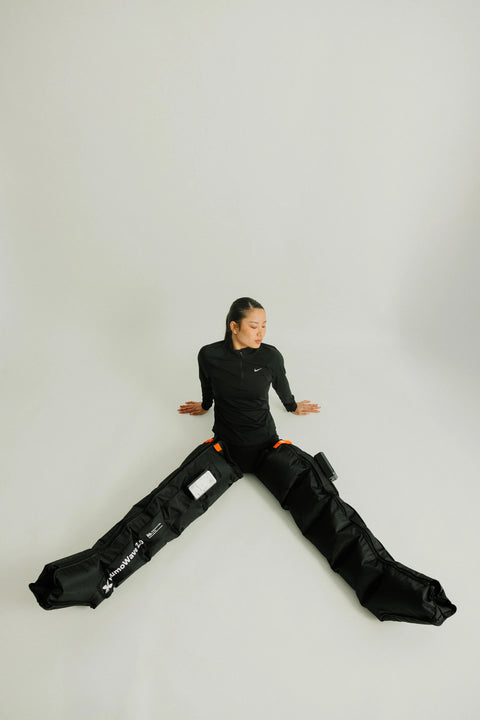
KumoWave 2.0 - Wireless Pressotherapy
Wireless, lightweight boots. Perfect for daily use and recovery.
€499,00 €599,00