
Introduction: Is a facelift really possible without surgery?
Today it is possible to improve the facial oval without surgery.
When we talk about non-surgical facelifts, we're referring to a combination of medical techniques and aesthetic technologies that aim to tighten the skin, smooth wrinkles, and redefine facial contours with minimal downtime. In 2026, this will combine medical procedures (injections, ultrasound, radiofrequency, thread lifts) with supporting technologies such as LED light therapy and at-home skincare routines.
Facial red light
Bring your skin back to life
★★★★★ 4,8/5 · rated by verified customers
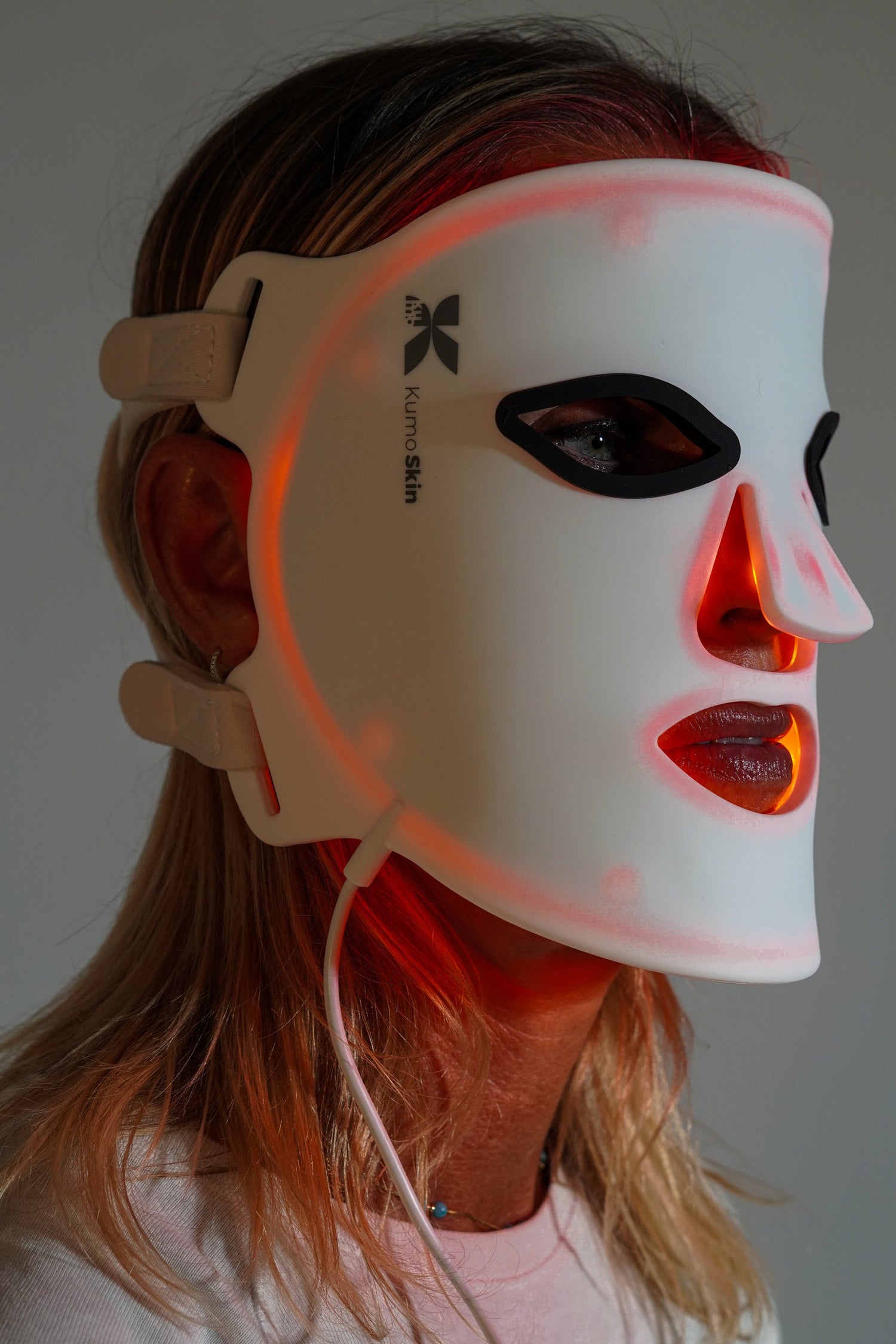
The KumoSkin LED mask helps repair and calm your skin in short sessions at home.
- 250 LEDs in flexible medical silicone
- Red light to boost collagen and glow
- 4 lights: red, infrared, blue and yellow
€299,00€429,00
−10% on your 1st order when you subscribe to the newsletter

The aim of this guide is to help you understand what options are available, what real results they offer, and how to integrate them into a comprehensive healthy aging plan.
What exactly is a non-surgical facelift in 2026?
A non-surgical facelift is a minimally invasive facial rejuvenation approach that attempts to replicate some of the effects of a facelift (smoother skin, more defined features) without incisions or general anesthesia. Instead of removing and repositioning tissue (as in a traditional surgical facelift), it uses:
Personalized protocol · included with your purchase
Want us to tell you how to use it in your case?
With your purchase, our experts prepare the ideal LED protocol for your skin type and goal (acne, wrinkles, dark spots...).
Message us on WhatsAppOur experts reply · no obligation
- Medical techniques that stimulate collagen, relax muscles or reposition tissues (botulinum toxin, hyaluronic acid, HIFU, radiofrequency, lifting threads).
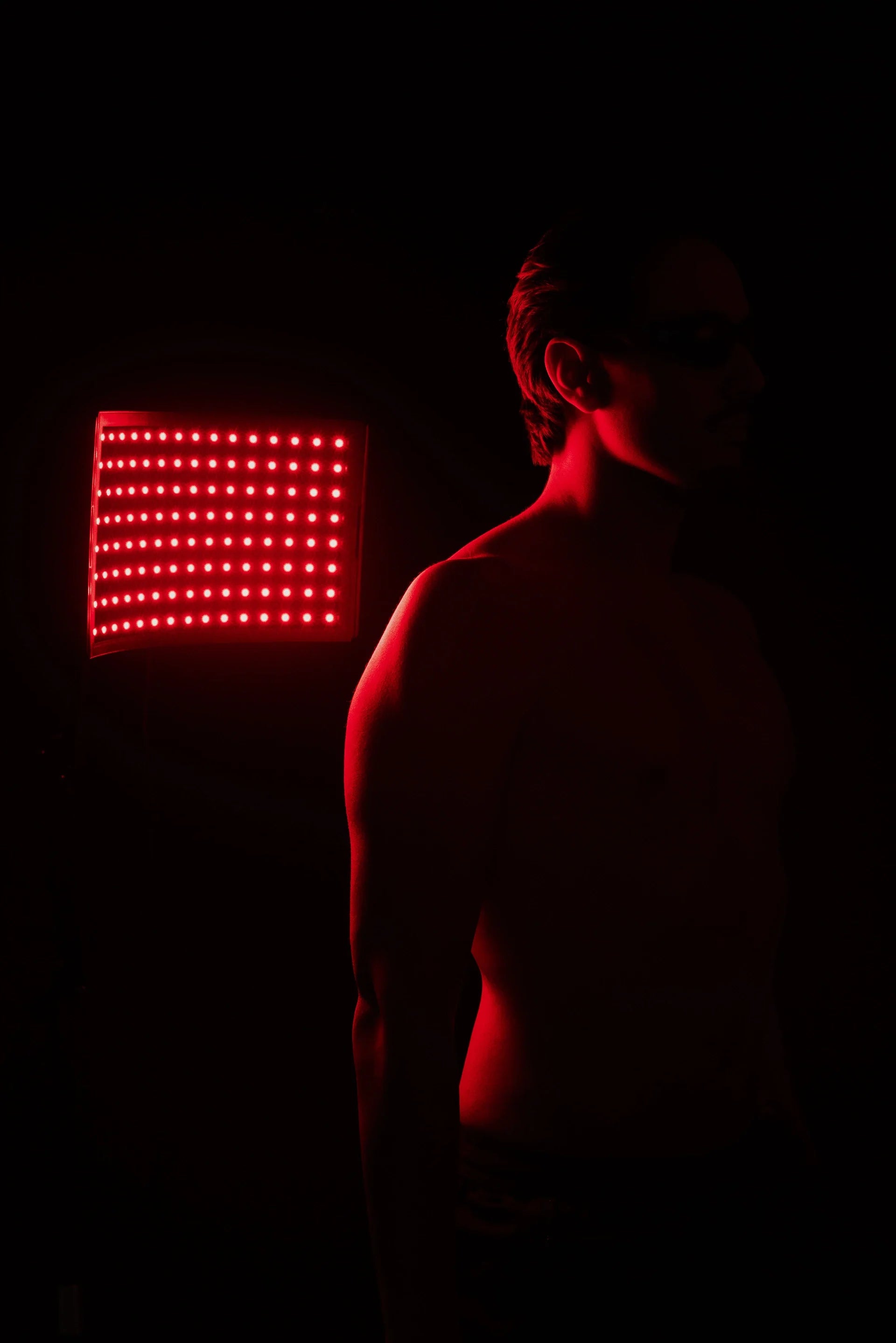
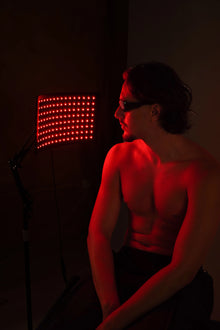
- Light technologies (such as red LED light) that support skin regeneration and progressively improve its quality. ( pubmed.ncbi.nlm.nih.gov )
- Recovery habits and devices that optimize rest, circulation and muscle tension (posture, bruxism, neck tone…), factors that greatly influence how the face “droops”.
Important: A non-surgical facelift does not replace a surgical facelift when there is severe sagging or significant excess skin, but it can delay or complement surgery in many cases.
Current landscape: why non-surgical facelifts are booming
The data supports this trend. The American Society of Plastic Surgeons estimates that more than 28.5 million minimally invasive cosmetic procedures were performed in the United States in 2024, with neuromodulator injections (such as botulinum toxin) and hyaluronic acid fillers being the most popular treatments. ( prnewswire.com )
Furthermore, studies show that the demand for non-invasive skin tightening techniques (high-intensity ultrasound, radiofrequency, etc.) continues to grow because they offer:
on your first order when you join the newsletter
We send you the code instantly. No spam.
- Visible but gradual and natural results.
- Fewer days of sick leave or social leave.
- Possibility of treating localized areas (jaw, neck, eyebrows…).( pubmed.ncbi.nlm.nih.gov )
Main medical techniques for non-surgical facelifts
1. Injectables: neuromodulators and dermal fillers
They are the gateway for most people seeking a "lifting effect" without surgery.
- Neuromodulators (botulinum toxin type A) : These relax specific muscles (between the eyebrows, crow's feet, forehead) and allow you to open up your gaze or slightly raise the outer corner of your eyebrow. The effect usually lasts for a few months and should always be administered by a trained physician.
- Hyaluronic acid fillers : These are used to restore lost volume (cheekbones, chin, marionette lines) and thus redefine the facial contours . A good technique aims to reposition volume, not "inflate" the face.
In 2024, neuromodulator injections exceeded 9.8 million treatments and hyaluronic acid fillers more than 5.3 million , consolidating their position as the most widely used minimally invasive techniques. ( prnewswire.com )
Advantages : fast results (in days or a few weeks), high satisfaction when performed by specialists, possibility of discreet touch-ups.
Limitations : They require maintenance, do not replace the effect of tightening excess skin, and carry risks (asymmetries, bruising, vascular complications) if not performed by expert hands.
2. HIFU and focused ultrasound: the deep “facelift” without surgery
High-Intensity Focused Ultrasound (HIFU) , commercially known by devices such as Ultherapy, is one of the most studied techniques for tightening the skin of the face and neck without surgery. It emits concentrated ultrasonic energy at different depths, including the SMAS layer (the layer treated in a surgical facelift). ( healthline.com )
A systematic review of 45 studies published in 2024 shows that HIFU achieves improvements in skin laxity of 18–30% in areas such as the lower third of the face, neck, and periocular region, with less than 5% experiencing mild and transient side effects (redness, swelling, or discomfort). ( pubmed.ncbi.nlm.nih.gov )
Results :
- Subtle but visible changes in the definition of the jaw and submental area (mild to moderate double chin).
- Progressive effect over 2–3 months, as it depends on neocollagenesis .
- Approximate duration of several months to more than a year, depending on the case and the protocol.
It is not suitable for severe sagging or for people with a large excess of skin; in those cases, surgery remains the standard.
3. Fractional radiofrequency and RF microneedling
Fractional radiofrequency microneedling combines multiple controlled punctures with radiofrequency energy that heats the dermis, stimulating collagen and elastin production. Some recent studies with fractional microneedling systems show significant improvements in midface contour and wrinkles at 3–6 months. ( pubmed.ncbi.nlm.nih.gov )
However, in October 2025, the US FDA issued a safety alert regarding radiofrequency microneedling devices, reminding the public that these are medical procedures and describing serious reported complications (burns, scarring, fat loss, nerve damage) when they are not used correctly. ( people.com )
Conclusion : It can be effective for tightening and improving texture, but it should only be performed by accredited healthcare professionals and with approved medical equipment, never with home devices.
4. Absorbable lifting threads
The lifting threads (usually made of polydioxanone or polycaprolactone) are inserted under the skin using cannulas and, thanks to small spikes or cones, allow the "anchoring" and lifting of tissues in the middle third and the facial oval.
A systematic review of 59 studies with more than 14,000 patients showed that the most frequent side effects are temporary asymmetry, edema, and bruising , while serious complications are rare. ( pubmed.ncbi.nlm.nih.gov ) Another 2024 review on absorbable sutures found overall complication rates of less than 5%, with swelling, bruising, and transient discomfort being the most common. ( pubmed.ncbi.nlm.nih.gov )
What they offer in practice :
- Slight immediate lifting effect, most evident in cheeks, marionette lines and slight jawline contour.
- Stimulation of collagen around the thread as it is reabsorbed.
- Results that are usually noticeably maintained for several months, depending on the technique and the type of thread.
Supportive treatments and home care: beyond the medical act
The true “2026 plan” for rejuvenation combines targeted medical intervention with at-home support technologies and recovery habits that keep skin and tissues in optimal condition. This is where technological solutions like those from KUMO , focused on light therapy and high-performance recovery, come in. They don't replace medical procedures but can enhance them.
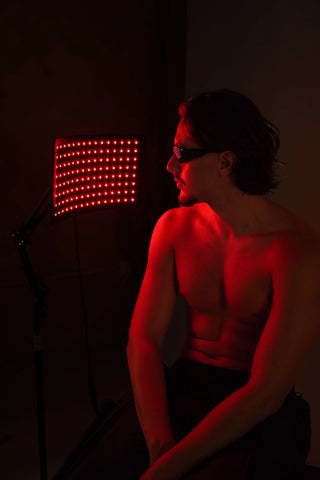
Red LED light and photobiomodulation for facial rejuvenation
Red and amber LED light (photobiomodulation) has become established as a promising tool for improving skin quality with no downtime. A randomized clinical trial with 137 women aged 40–65 showed that after 10 sessions over 4 weeks, red (660 nm) and amber (590 nm) light reduced the volume of periorbital wrinkles by approximately 30%, while also improving perceived quality of life, without significant adverse effects. ( pubmed.ncbi.nlm.nih.gov )
Other studies with red LED masks have documented improvements in wrinkles and texture after several weeks of use, confirming that photobiomodulation stimulates repair mechanisms and collagen synthesis. ( pubmed.ncbi.nlm.nih.gov )
KUMO's LED light therapy devices fall into this category: they provide controlled exposure to specific wavelengths to support skin regeneration, always as a complement to daily sun protection, adequate rest and, when appropriate, medically supervised treatments.
Massage and muscle relaxation: its impact on the appearance of the face
Chronic tension in the neck, trapezius, or masseter muscles (for example, due to stress or bruxism) can accentuate the appearance of a tired face, rounded shoulders, and a double chin. Deep tissue massage techniques and percussion devices can help relax muscles , improve comfort, and promote a more open posture, which indirectly improves the appearance of the face.
Tools like the Kumopulse Air massage gun are designed for the body and large muscle groups, helping to relieve tension after training or long workdays. Less tense neck and back muscles promote better head and neck alignment, a key factor in the perception of a double chin and facial oval.
Global recovery: sleep, circulation, and lifestyle
Facial aging isn't just about wrinkles: sleep quality, systemic inflammation, vascular health, and daily habits also play a role. Some key points:
- Restful sleep : Chronic lack of sleep is associated with poorer skin quality and perceived aging. Exposure to red light at appropriate times may help regulate circadian rhythms and promote deeper sleep, according to several studies on photobiomodulation and sleep. ( pubmed.ncbi.nlm.nih.gov )
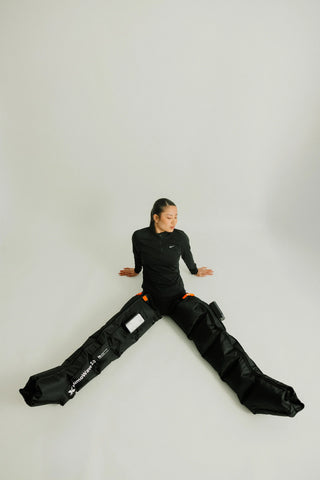
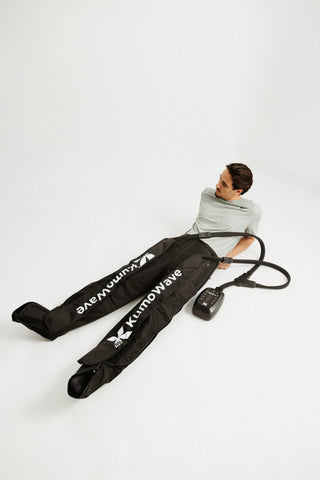
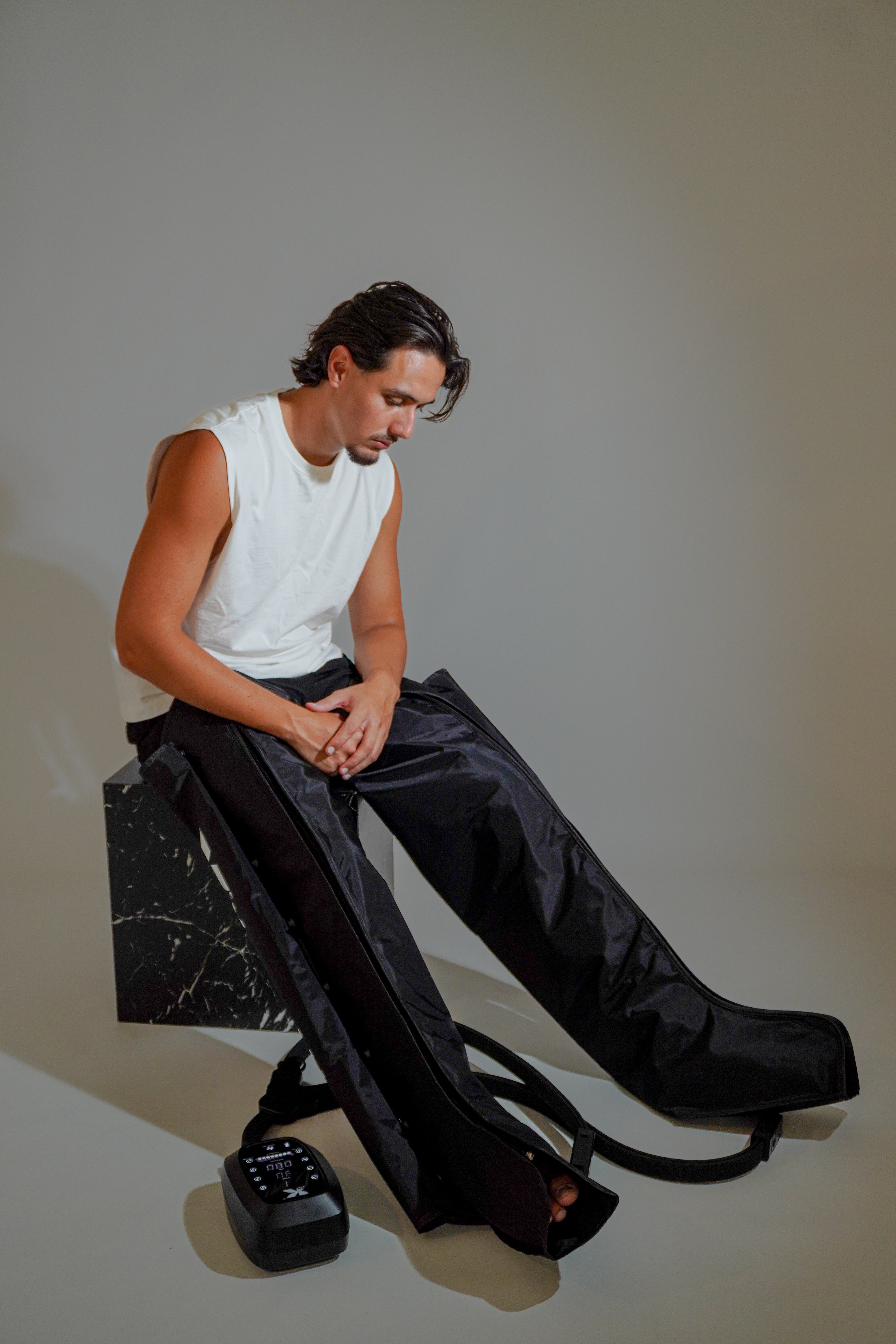
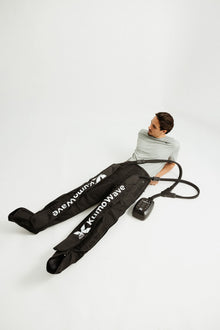
- Circulation and fluid retention : Heavy legs and poor venous return can worsen the feeling of general swelling. Compression boots are designed to promote drainage and recovery of the legs after exercise or long periods of standing, positively impacting overall well-being.
- Physical activity and nutrition : maintaining a stable weight, avoiding cycles of sudden weight loss, and ensuring adequate protein and antioxidant intake protects the facial structure in the medium term.
Understanding non-surgical facelifts as part of a comprehensive recovery and wellness strategy is the major trend of this decade.
Realistic results of a non-surgical facelift
To make a good decision, you have to adjust your expectations:
- Visible but limited effect : non-surgical techniques achieve slight to moderate improvements in sagging and contour, not drastic transformations comparable to removing excess skin.
- Gradual results : Procedures such as HIFU, radiofrequency, or LED depend on collagen production, so the result consolidates over weeks or months. ( pubmed.ncbi.nlm.nih.gov )
- Maintenance : almost all treatments require maintenance sessions (every few months or years, depending on the technique) to preserve the effect.
- Smart combination : In clinical practice, the best results usually come from combining strategies (e.g., neuromodulators + HIFU + LED care at home), always under medical supervision.
Comparative table: main options for non-surgical facelifts
| Technique | Type of treatment | Main objective | Approximate duration of effect* | Recovery time | Ideal for |
|---|---|---|---|---|---|
| Neuromodulators | Medical injectable | Smooth dynamic wrinkles, lift eyebrows | Several months | Minimal (minor bruising) | Pronounced expression lines |
| Hyaluronic acid fillers | Medical injectable | Restore volume, improve facial contour | Months to more than a year (depending on product and area) | Minimal-moderate (localized swelling) | Loss of volume in cheekbones, chin, and nasolabial folds |
| HIFU / focused ultrasound | Focused energy | Tighten skin in the lower third of the face, neck, and eyebrows | Months to around a year | No sick leave; temporary redness | Mild-moderate sagging without excess skin |
| Fractional radiofrequency (RF + microneedles) | Energy + controlled micro-lesions | Improve texture, pores and some firmness | Months, with serial protocols | Peeling and redness days | Fine wrinkles, uneven texture, minor scars |
| Absorbable lifting threads | Subcutaneous implant | Elevate tissues of the middle and lower third | Several months with progressive degradation | Initial bruising, discomfort, and tightness | Mild-moderate sagging in cheeks and facial oval |
| Red LED light (at home) | Photobiomodulation | Improve skin quality and reduce fine wrinkles | Requires continued use | No significant downtime or discomfort | Complement for overall rejuvenation and maintenance |
*These are general guidelines; actual duration depends on the product, technique, area, and individual factors. Always consult a healthcare professional.
Safety: “minimally invasive” does not mean “risk-free”
The popularity of non-surgical treatments has spurred the opening of thousands of centers and med spas . A 2023 report noted that the number of med spas in the U.S. grew from about 1,600 in 2010 to more than 10,500 in 2023, with even higher projections for 2026. ( allure.com ) However, regulation and the level of medical oversight vary considerably.
Some comparative studies point to slightly higher complication rates in treatments performed at med spas versus medical practices, especially in skin tightening and fat reduction procedures, which underscores the importance of verifying credentials and supervision. ( allure.com )
General safety recommendations:
- Consult accredited dermatologists or plastic surgeons for any medical procedure.
- Be wary of offers that are too cheap or of anyone who doesn't explain the risks or alternatives.
- Avoid using medical devices at home (e.g., radiofrequency microneedling) without clear evidence of safety and without a professional prescription. ( people.com )
- Always report illnesses, medication, and history of atypical wound healing.
How to choose the best non-surgical facelift option in 2026
There is no single "best" treatment for everyone. The right choice depends on:
- Age and degree of sagging : in mild sagging, the combination of injectables, HIFU and LED may be sufficient; in severe sagging, it may be time to consider surgery.
- Facial structure and fat distribution : very thin faces tolerate techniques that reduce more volume (e.g., certain deep radiofrequencies) less well.
- Tolerance to recovery time and pain.
- Medical history : autoimmune diseases, healing problems, or specific medications may limit certain options.
A good professional will assess your bone structure, skin, muscles, and fat, and propose a phased plan that combines medical and technological measures (such as LED therapy) with lifestyle changes. Always state your priorities: are you looking for a very subtle change, a moderate "filter" effect, or a more noticeable transformation?
Frequently asked questions about non-surgical facelifts
What's best for a non-surgical facelift: HIFU, thread lifts, or injectables?
There is no one-size-fits-all answer. HIFU is generally best suited for mild to moderate sagging in the lower third of the face and neck, with a gradual tightening effect. Thread lifts provide an immediate lift, more visible in the cheeks and jawline, but with a higher risk of temporary asymmetries or a feeling of tightness. ( pubmed.ncbi.nlm.nih.gov ) Injectables (toxins and fillers) are key for treating wrinkles and restoring volume, rather than for "stretching" the skin. In practice, many specialists combine these techniques according to your anatomy, age, and desired outcome.
At what age does it make sense to consider a non-surgical facelift?
There is no fixed age; it depends more on skin quality, genetics, and habits . Some people start with neuromodulators or red LED light therapy as early as 30 for mild preventative care, while tightening treatments like HIFU or radiofrequency are usually considered from 35–40, when mild sagging appears. ( pubmed.ncbi.nlm.nih.gov ) Thread lifts are typically reserved for mild to moderate sagging, usually in the 40s–50s. The important thing is to individualize the approach: a good specialist will assess whether you really need a non-surgical facelift or if gentler measures are sufficient.
How long does the result of a non-surgical facelift last?
It largely depends on the technique and your lifestyle. Neuromodulators typically require touch-ups every few months, while some fillers maintain some of their effect for more than a year. HIFU and radiofrequency results become established in 2–3 months and can last for several more months, although there is individual variability. ( pubmed.ncbi.nlm.nih.gov ) Thread lifts offer an effect that diminishes as the material is reabsorbed. Consistent use of red LED light , sun protection, and good habits help prolong and enhance the effects of medical procedures.
Can I rejuvenate my face using only LED light, without needles or medical procedures?
Red and amber LED light therapy can demonstrably improve fine lines, texture, and radiance, with reductions of around 30% in the volume of certain wrinkles in controlled studies ( pubmed.ncbi.nlm.nih.gov ). However, its effect is gradual and limited: it does not replace the ability to reposition tissues or treat significant sagging. It is ideal if you are looking for a very conservative approach, if you cannot tolerate needles, or as maintenance between medical treatments. Integrating LED light therapy, sun protection, quality sleep, and a healthy lifestyle already represents a significant step forward in healthy aging, even if it is not equivalent to a surgical facelift.
Can a non-surgical facelift replace a traditional surgical facelift?
In cases of mild to moderate sagging , a good plan of minimally invasive treatments can delay the need for surgery for years and offer a very satisfactory result. However, when there is significant excess skin, very pronounced neck bands, or severe tissue sagging, a surgical facelift remains the most effective corrective option. ( pubmed.ncbi.nlm.nih.gov ) Many plastic surgeons recommend viewing a non-surgical facelift as an intermediate step or a complement to surgery, not as a complete replacement. The choice should be made after an honest assessment with an experienced specialist.
What now? Next steps for taking care of your face and your recovery
If you're considering a non-surgical facelift, the first step is a consultation with a qualified professional in aesthetic medicine, dermatology, or plastic surgery, who will analyze your case and prioritize your safety. At the same time, you can begin building a recovery and wellness routine supported by quality technologies: from KUMO's light therapy and recovery devices to pressotherapy and deep tissue massage tools.
If you have specific questions about how to integrate these solutions into your daily routine, you can contact us directly through the KUMO contact page . A holistic approach, combining science, technology, and sustainable habits, is the best long-term investment for your skin and your daily performance.

Facial red light
KumoSkin Mask – LED Facial Mask
★★★★★ 4,8/5 · rated by verified customers
- 250 LEDs in flexible medical silicone
- Red light to boost collagen and glow
- 4 lights: red, infrared, blue and yellow
€299,00€429,00· pay in installments with seQura or Klarna