Introduction: How to relieve a stiff neck today
Neck tension can ruin your day in seconds. If you notice stiffness, pain when turning your head, or a knot of tension in the back of your neck, you're probably suffering from cervical muscle strain. In this article, you'll learn what to do in the first 10–15 minutes , a guided exercise routine , and daily habits—including recovery technologies like red light therapy and massage—to relieve and prevent this discomfort.
Most cases of neck pain are due to muscle strain and poor posture , and usually improve with self-care such as stretching, gentle exercise, and local heat. ( mayoclinic.org ) Even so, it's key to know when you can manage it at home and when you should see a doctor .
Red & infrared light
Recover faster, at home
★★★★★ 4,8/5 · rated by verified customers
The KumoLux panel supports muscle recovery with full-body red and infrared light.
- 660 nm red + 850 nm infrared light
- Full-body muscle recovery
- Clinically validated biohacking protocols
€399,00€499,00
−10% on your 1st order when you subscribe to the newsletter

At KUMO, specializing in high-performance recovery technologies, our goal is to help you make recovery (exercise, rest, and technology) a simple habit in your daily life. You can discover more about this holistic approach to wellness on the KUMO homepage: kumobalance.com .
What exactly is a neck strain?
Simply put, a neck contracture is a sustained and involuntary contraction of one or more cervical muscles (trapezius, levator scapulae, paravertebral muscles, etc.). The fibers shorten and remain tense, which generates:
Personalized protocol · included with your purchase
Want us to tell you how to use it in your case?
With your purchase, our experts set up your red and infrared light sessions for your sport and goal.
Message us on WhatsAppOur experts reply · no obligation
- Pain that is localized or radiates to the head, shoulders, or upper back.
- Stiffness when turning or tilting the head.
- Sensation of a "knot" or hard area when touched.
- In some cases, tension headache.
This type of pain is often related to myofascial pain syndrome of the head and neck , where muscle trigger points play a key role. Studies in South American populations have described a significant presence of this syndrome in adults treated in dental clinics. ( revistas.ucc.edu.co )
In Spain, population data show that the prevalence of chronic neck pain ranged approximately between 23.6% and 12.3% between 2006 and 2020, with an overall downward trend, but with consistently higher rates in women and older people. ( fisio.one ) This illustrates how common the problem is, but also that it is manageable with good habits and appropriate treatment .
Most frequent causes of cervical contractures
- Sustained postures : working for hours in front of a computer or looking at a mobile phone with the head tilted forward (“text neck”). ( mayoclinic.org )
- Stress and emotional tension , which are released in the neck and shoulder muscles.
- Sudden movements or unexpected exertion (lifting weight suddenly, forced turns).
- Lack of strength and stability in the cervical and scapular muscles. ( misejercicios.es )
- Poor sleep ergonomics : pillows that are too high or too low, sleeping face down with the neck turned.
In most muscle contractions without trauma, there is no serious disc or nerve damage. However, certain warning signs require immediate medical evaluation (we will discuss these later).
on your first order when you join the newsletter
We send you the code instantly. No spam.
Fast relief: what to do in the first 10–15 minutes
This is a self-care guide for mild to moderate discomfort without warning signs. If you have any concerns, always consult a healthcare professional.
Step 1: Assess whether you need to see a doctor now
You should seek urgent medical help (emergency services) if neck pain occurs after:
- A traffic accident or a major fall.
- A hard blow to the head or back.
- It is associated with high fever, severe neck stiffness, or general malaise (risk of serious infection such as meningitis). ( mayoclinic.org )
It also requires priority medical consultation if the pain:
- It is accompanied by weakness, tingling, or loss of strength in the arms or hands.
- It spreads up the arm with an electric or burning sensation.
- It doesn't improve at all after several weeks of self-care. ( mayoclinic.org )
Step 2: Find a neutral position and relieve tension in the area
- Sit in a chair with a backrest, feet flat on the floor, ears aligned with shoulders (do not stick your chin forward).
- Support your back and let your shoulders drop, avoiding hunching them towards your ears.
- Imagine a thread gently pulling the crown of your head upwards, lengthening your neck without forcing it.
Quick tip: If you work with a laptop, raise the screen to eye level and use an external keyboard and mouse to keep your neck neutral.
Step 3: Intelligent local heating or cooling
In the first 24–48 hours, applying local cold (gel pack or ice wrapped in a cloth) for 10–15 minutes, several times a day, can help reduce swelling and pain. After that time, gentle heat (warm shower, low-temperature heating pad) is usually more helpful for relaxing the muscles. ( mayoclinic.org )
Never apply cold or heat directly to the skin, and never sleep with the heat source on.
Step 4: Gentle self-massage and technological support
- Using your fingertips, make small circular passes over the tense area (trapezius muscles, base of the skull) for 2–3 minutes.
- Avoid putting direct pressure on the bony processes of the spine.
- A quality massage gun , used at low intensity and in a controlled manner, can help to deeply relax the trapezius and superficial cervical muscles. The percussion should be gentle and always avoid the spine.
If you're interested in integrating this tool into your recovery routine, check out the KUMO massage gun, designed for home and sports use: KUMOPULSE Air .
Exercise routine for neck contractures (10–15 minutes)
Exercise is the key to relieving muscle tension and preventing relapses. Physiotherapy guidelines recommend combining gentle stretching, isometric exercises, and neck and shoulder stability work to improve strength and motor control. ( misejercicios.es )
General rules before starting:
- The pain may be uncomfortable, but it should never be sharp or unbearable . If it is, stop exercising.
- Breathe slowly and deeply, without holding your breath.
- Do this routine 1–2 times a day in the acute phase, and then 3–4 times a week for maintenance.
Table of recommended exercises according to time of day
| Time of day | Main objective | Suggested exercises | Approximate duration |
|---|---|---|---|
| Tomorrow | Wake up and move your neck | Breathing, gentle rotations, side tilts | 5–7 minutes |
| Half-day work | Break the static posture | Neck retraction (double chin), shoulder circles | 3–5 minutes |
| Late afternoon/evening | Relax and release the muscles | Flexion stretch, gentle isometrics, breathing | 8–10 minutes |
Exercise 1: Diaphragmatic breathing and body scan
- Sit with your back supported and your feet on the floor.
- Place one hand on your abdomen and the other on your chest.
- Breathe in through your nose for 4 seconds, bringing the air to your abdomen; your chest should move very little.
- Exhale slowly through your mouth for 6–8 seconds.
- As you breathe, mentally scan your neck and shoulders, releasing tension with each exhalation.
Take 10 breaths. This reduces activation of the nervous system and helps the muscles relax.
Exercise 2: gentle flexion cervical stretch
- Sitting with your back straight and supported.
- Gently bring your chin towards your chest (neck flexion).
- If you can tolerate it, place one hand on the crown of your head and add slight pressure to increase the stretch.
- Hold for 15–20 seconds and slowly return to the center. ( misejercicios.es )
Do 3 repetitions. Don't force the range; you should feel a comfortable stretch, not sharp pain.
Exercise 3: Lateral neck tilts
- From a seated position, look straight ahead.
- Tilt your head, bringing your ear towards your right shoulder, without turning your face.
- Hold for 10–15 seconds, feel the stretch on the opposite side.
- Return to the center and repeat to the left side. ( misejercicios.es )
Perform 3 repetitions per side. To intensify the exercise, you can hold the edge of the chair with the hand on the side you are stretching.
Exercise 4: gentle rotations
- Sitting with your spine straight.
- Slowly turn your head to look over your right shoulder, without moving your torso.
- Hold for 5 seconds and return to the center.
- Repeat on the left side. ( misejercicios.es )
Do 8–10 repetitions alternating sides. The movement should be fluid, without bouncing.
Exercise 5: Cervical retraction (double chin)
- Sit with your back supported and your gaze forward.
- Without lowering or raising your chin, tilt your head back , as if you wanted to create a "double chin". ( misejercicios.es )
- Hold for 5 seconds and relax.
Perform 10 repetitions. This exercise strengthens the deep neck muscles and corrects forward head posture.
Exercise 6: Basic cervical isometrics
Isometric exercises strengthen the neck without moving it, very useful in phases of pain.
- Place your hand on your forehead.
- Gently push your head forward while your hand resists the movement, without any actual movement. Hold for 5 seconds. ( misejercicios.es )
- Repeat by placing your hand on the back of your neck (extension), then on your right temple and on your left (lateral inclinations).
Do 5 repetitions in each direction. If pain increases, reduce the intensity or stop the exercise.
Daily habits to prevent new neck strain
Exercises provide relief, but what truly changes the prognosis is how you use your neck the rest of the day . This is where ergonomics, frequent movement, and rehabilitation tools come in.
1. Posture and ergonomics at work
- Screen at eye level, about 50–70 cm away.
- Shoulders relaxed, elbows flexed at about 90°, forearms supported.
- Keep your ears aligned with your shoulders; avoid leaning your head forward toward the screen. ( mayoclinic.org )
- If you use a mobile phone or tablet, raise them to face level instead of lowering your head.
2. Periodic active breaks
Sitting for long periods is one of the biggest enemies of the neck. Practical recommendation:
- Every 45–60 minutes, get up and walk for 2–3 minutes.
- Add 1–2 short exercises (neck retraction, shoulder circles) during each break.
Evidence indicates that staying active and using good posture are central to effective self-care for common neck pain. ( newsnetwork.mayoclinic.org )
3. Sleep that takes care of your neck
- Sleep preferably on your side or back, with your head aligned with your spine.
- Use a pillow that fills the gap between your shoulder and neck without forcing lateral flexion.
- Avoid sleeping face down with your neck turned for hours, as this overloads cervical joints and muscles.
4. Stress, breathing and global movement
Chronic stress keeps the nervous system on high alert and makes it easier for neck muscles to remain tense. Incorporating short breathing exercises, meditation, or gentle yoga can reduce the frequency of muscle tension. ( newsnetwork.mayoclinic.org )
Moderate aerobic exercise (walking, gentle cycling, swimming) helps improve circulation and pain perception and should be part of any prevention plan.
5. Support from recovery technologies: red light, massage and pressotherapy
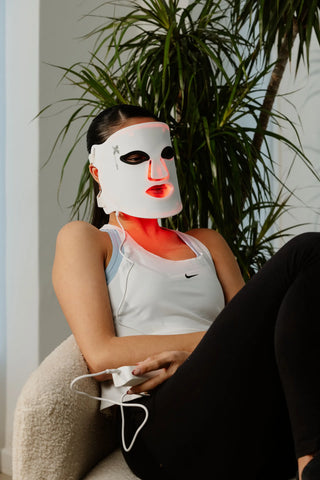
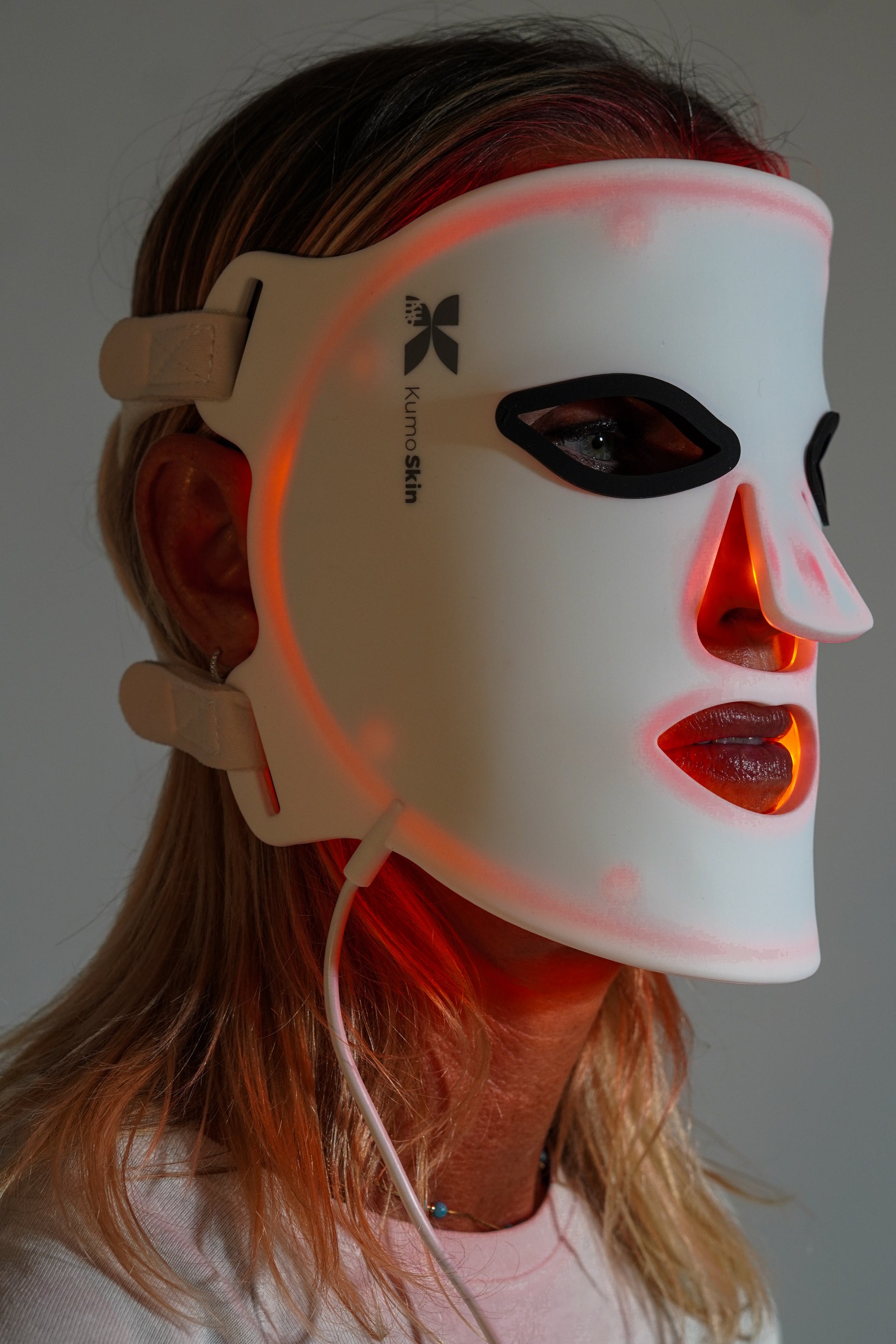
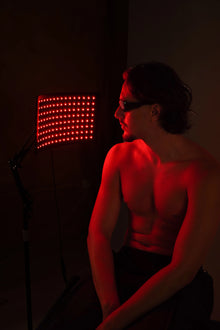
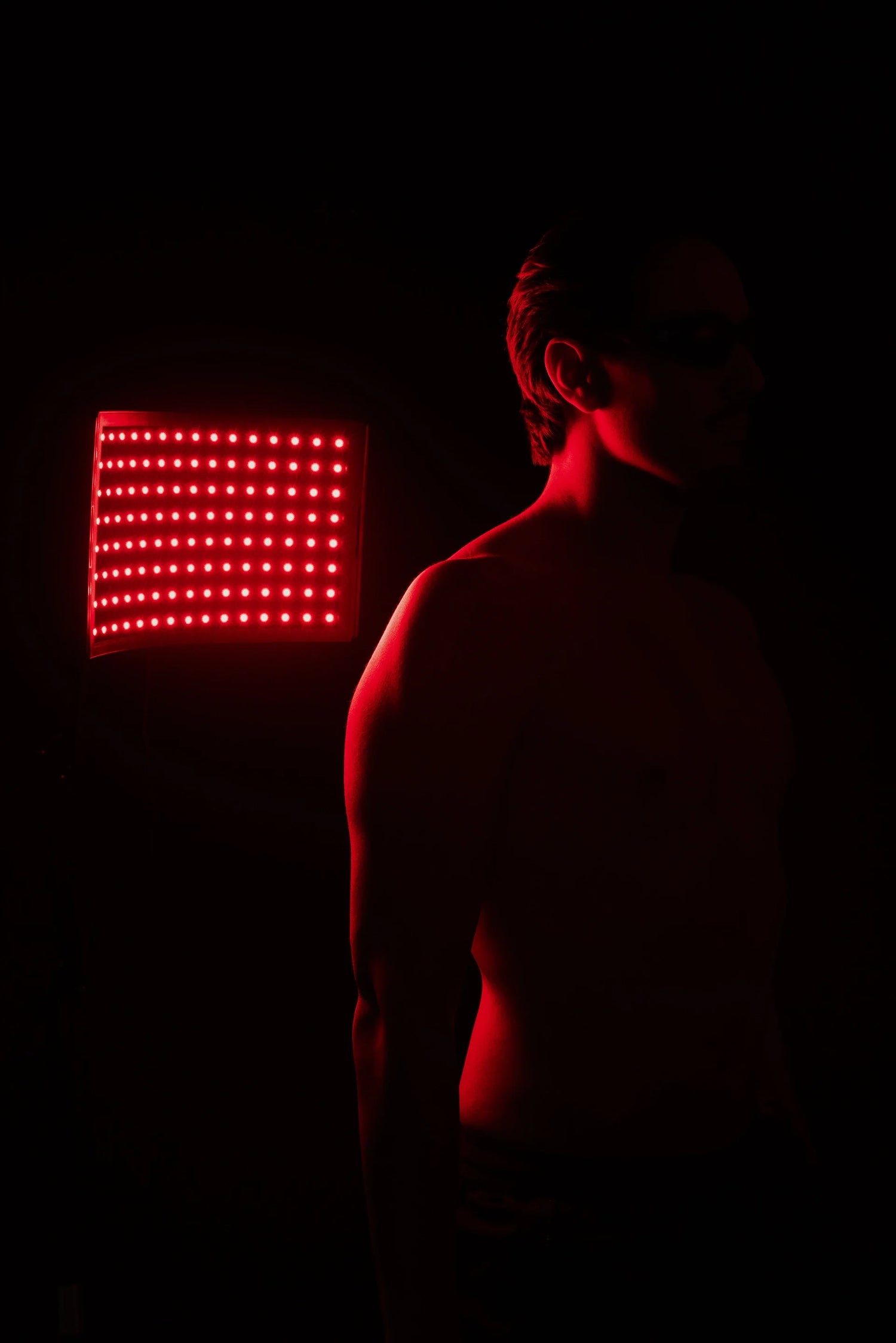
In addition to exercise and lifestyle changes, the role of technologies such as low-intensity red light photobiomodulation in relieving neck pain is being investigated. Several clinical trials and meta-analyses show that low-level laser therapy (LLLT) can reduce neck pain (including myofascial pain) in the short and medium term, with mild side effects. ( pubmed.ncbi.nlm.nih.gov )
KUMO's LED light therapy is inspired by these photobiomodulation principles, offering devices designed for home use that can complement your recovery plan (never replace medical advice).
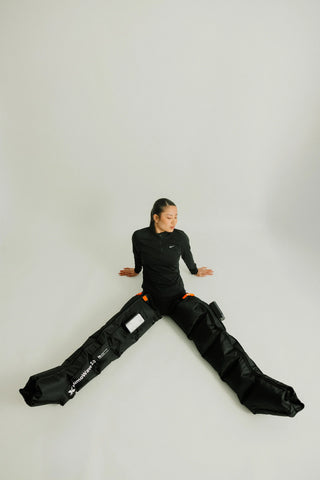
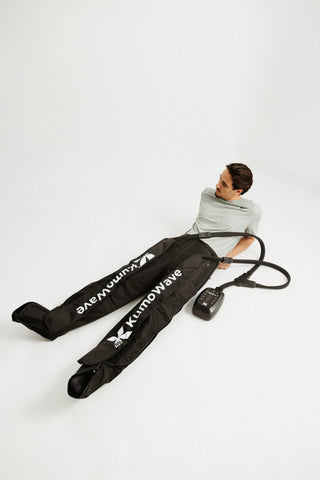
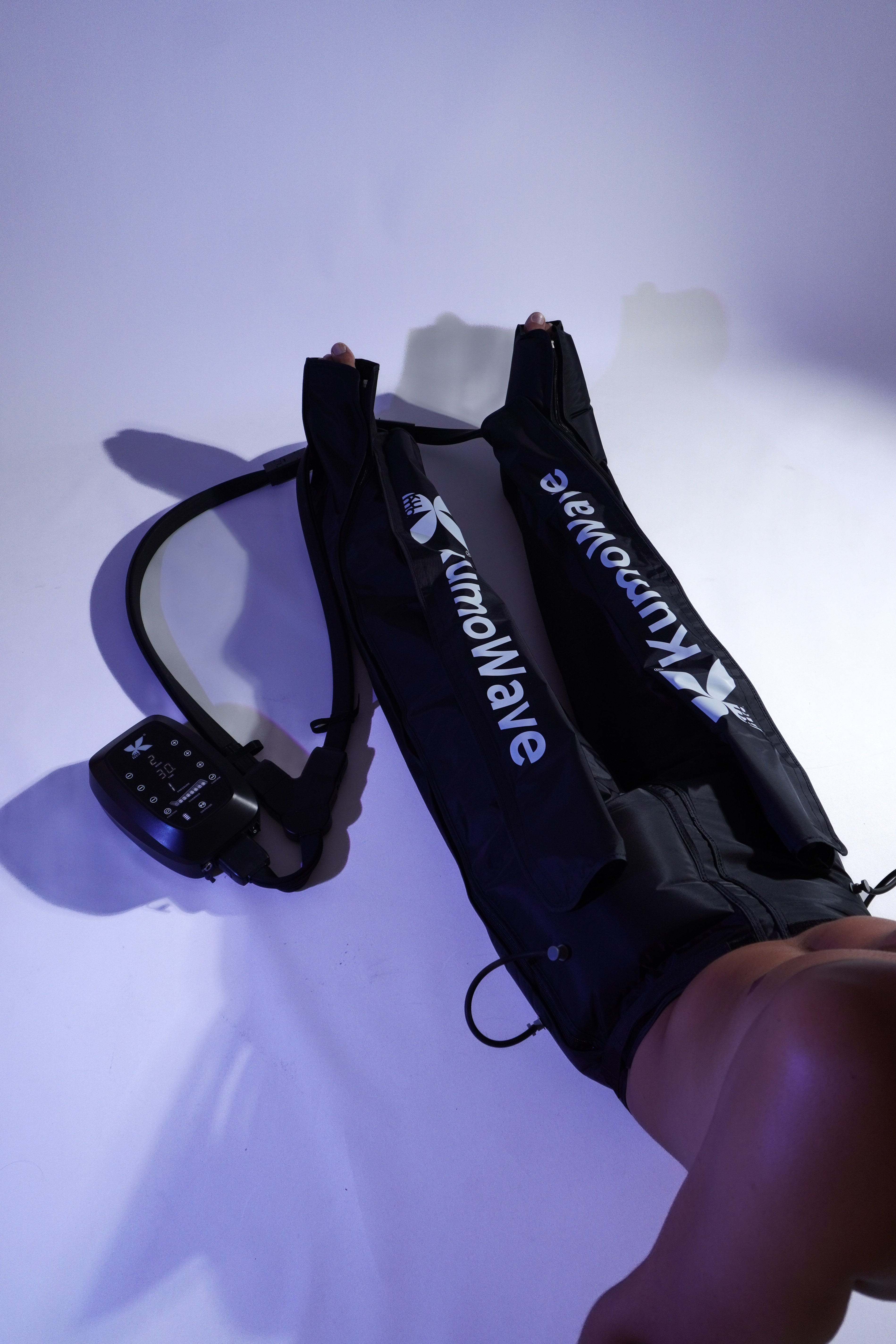
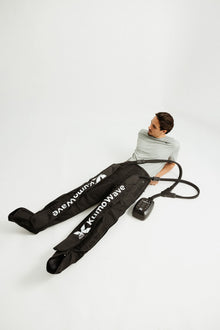
Similarly, tools like massage guns and compression boots can help you:
- Improve local and general muscle relaxation.
- Promote peripheral circulation after exercise.
- Integrate “release rituals” at the end of the day.
For leg recovery and an overall feeling of lightness, you can take a look at the KUMOcompression boot section.
FAQ: Frequently asked questions about neck strain
How long does it take for a neck strain to go away?
It depends on the cause, the intensity, and your habits. In the most common cases of neck pain due to muscle tension or poor posture, clinical literature indicates that most people improve within 4–6 weeks with appropriate self-care measures (exercise, stretching, heat, postural correction). ( newsnetwork.mayoclinic.org ) If you begin gently mobilizing your neck from the first few days, avoid complete bed rest, and apply strategies like those described in this article, you will often notice a clear improvement within 7–14 days. If the pain does not improve or worsens, it is advisable to consult a professional.
Is heat or cold better for a neck strain?
In the first 24–48 hours , when pain is most intense or inflammation is possible, applying local cold (ice wrapped in a cloth) for 10–15 minutes several times a day is usually recommended. After that period, most guidelines suggest switching to gentle heat (warm shower, heating pad) to relax muscles and improve blood flow. ( mayoclinic.org ) The key is to avoid extreme temperatures and not to apply cold or heat directly to the skin. If you notice that either option increases your pain, reduce the application time or discontinue use.
What exercises are best for neck strain caused by computer or mobile phone use?
When muscle tension is related to a fixed posture in front of screens , the most useful exercises combine: gentle stretches (flexion, lateral tilt, and controlled cervical rotation), cervical retraction (double chin) to correct forward head posture, and neck and shoulder stability work with isometrics and scapular activation. ( misejercicios.es ) Practicing these exercises in 3-5 minute breaks every hour of work and reinforcing them with slightly longer exercises at the end of the day can significantly reduce the frequency of your muscle tension.
When should I worry about a neck strain and see a doctor?
You should see a doctor immediately if your neck pain appears after a major trauma (car accident, fall, hard blow), if it is accompanied by a high fever, marked neck stiffness, severe headache, or if you notice weakness, tingling, or loss of strength in your arms or hands. ( mayoclinic.org ) It is also advisable to consult a professional if the pain persists for several weeks without improvement, if it recurs very frequently, or if it interferes with your sleep or daily activities despite self-care and exercise.
Can I use massage or massage devices for neck muscle tension?
Manual massage , when properly applied, can relieve muscle tension and temporarily improve neck pain. Clinical reviews indicate that massage and non-invasive physical therapies can be part of the treatment strategies for mild to moderate neck pain. ( mayoclinic.org ) Percussive massage devices can be a good complement if used judiciously: at low intensity, avoiding direct blows to the spine and bony areas, and limiting the duration. If you suffer from structural cervical problems (herniated disc, stenosis, severe osteoporosis), always consult your doctor or physical therapist before using these devices.
What now? Integrate cervical rehabilitation into your daily routine
The next step is simple: choose 3–4 exercises from this article, schedule them into your day (morning, midday, evening), and combine them with small posture improvements and active breaks. If you want to enhance your recovery, you can use technologies such as LED light therapy , KUMO massage guns , orcompression boots for the rest of your body, always as a complement to the exercises and professional advice.
If you have specific questions about your case or would like more information on how to integrate these recovery solutions into your routine, you can contact the team through the KUMO contact page. Making neck care a daily habit is the best long-term investment you can make for your well-being and performance.

Red & infrared light
KumoLux Panel – Red and Infrared LED Panel
★★★★★ 4,8/5 · rated by verified customers
- 660 nm red + 850 nm infrared light
- Full-body muscle recovery
- Clinically validated biohacking protocols
€399,00€499,00· pay in installments with seQura or Klarna