What does body care really mean today?
Taking care of your body isn't about doing "everything perfect," but about adding up small decisions each day that make you feel better, with more energy and less pain.
The data is clear: according to the World Health Organization , around 31% of adults do not meet the minimum recommended levels of physical activity, which increases the risk of cardiovascular disease, diabetes, or depression. ( who.int ) At the same time, organizations such as the NHLBI of the NIH remind us that most adults need between 7 and 8 hours of quality sleep to maintain good health. ( nhlbi.nih.gov )
Pressotherapy at home
End the day with light legs
★★★★★ 4,8/5 · rated by verified customers
KumoWave pressotherapy boosts circulation and helps drain fluid with sequential compression, in 20-minute sessions at home.
- Boosts circulation and helps drain fluid
- Chamber-based compression, adjustable to you
- Sequential compression that mimics manual drainage
€799,00€999,00
−10% on your 1st order when you subscribe to the newsletter

The good news is that you don't need a perfect "fitness" lifestyle to start noticing changes. In this article, you'll see how to build a daily body care routine that fits your reality, integrating movement, rest, simple nutrition, and recovery strategies—including supportive technologies—to perform better and enjoy your day-to-day life more.
Basics of daily body care
Movement: the foundation of a body that feels alive
According to the WHO, any movement that expends energy counts as physical activity: walking to work, climbing stairs, doing housework, or dancing. ( who.int ) Its guidelines recommend that adults get at least 150–300 minutes of moderate-intensity activity or 75–150 minutes of vigorous-intensity activity per week, or a combination of both. ( who.int )
Personalized protocol · included with your purchase
Want us to tell you how to use it in your case?
With your purchase, our experts prepare a personalized usage protocol for your case: sport, circulation, fluid retention, pregnancy or lipedema.
Message us on WhatsAppOur experts reply · no obligation
Some simple examples of how to integrate movement without drastically changing your schedule:
- Walk for 10–15 minutes after each meal.
- Take the stairs instead of using the elevator whenever possible.
- Do 3 “micro sessions” of 5–10 minutes (squats, lunges, plank) spread throughout the day.
- If you work sitting down, get up for at least 5 minutes every hour to stretch and move around.
These actions, when combined, reduce sedentary behavior and improve circulation, mood, and concentration.
Restful sleep: your nighttime maintenance workshop
During the night, your body repairs tissues, strengthens the immune system, and consolidates memory. Sleeping less than you need increases the risk of obesity, high blood pressure, heart disease, and mental health problems. ( nhlbi.nih.gov ) Organizations like MedlinePlus indicate that adults need between 7 and 9 hours of sleep. ( medlineplus.gov )
on your first order when you join the newsletter
We send you the code instantly. No spam.
Some practical ideas to improve the quality of your sleep:
- Establish regular bedtimes and wake-up times, including weekends. ( imss.gob.mx )
- Avoid caffeine, energy drinks, and heavy meals in the hours before bedtime. ( imss.gob.mx )
- Reduce screen time an hour before bedtime; blue light disrupts your internal clock.
- Create a disconnection ritual: light reading, deep breathing, warm shower.
In some European countries, more than 48% of adults report not getting enough quality sleep, which translates into chronic fatigue and poorer overall health. ( elpais.com ) Prioritizing sleep is one of the most powerful ways to take care of your body.
Simple and mindful eating
You don't need a perfect diet to see benefits. In the context of body care, focus on basic principles:
- Fill half the plate with vegetables of different colors.
- Choose quality proteins (legumes, eggs, fish, lean meats, nuts).
- Choose whole grains over refined grains.
- Reduce consumption of ultra-processed foods high in sugars, trans fats, and salt.
- Eat slowly, chew well, and stop when you feel full.
A more natural and less processed diet helps stabilize energy, control inflammation, and facilitate muscle recovery after exertion.
Hydration: important, but don't obsess over it
The classic recommendation of “eight glasses of water a day” doesn't work equally well for everyone. A recent study of 5,604 people from more than 20 countries showed that fluid needs vary according to age, climate, and activity level, and that a significant portion of daily water intake also comes from food and other beverages. ( huffingtonpost.es )
More useful than chasing an exact number is to be guided by these signs:
- Light yellow urine (neither transparent nor very dark).
- Little sensation of intense thirst during the day.
- Skin and lips not excessively dry.
As a general guideline, many active people consume around 1.5–2 liters of fluids per day, adjusting according to the heat and exercise. For specific questions (illnesses, medication), it is advisable to consult a healthcare professional.
Example of a daily body care routine
Tomorrow: Activate your body and mind
How you start your morning influences how your body feels for the rest of the day. Here are some ideas you can adapt:
- Gentle hydration: a glass of water as soon as you wake up.
- Natural light: Open a window or go outside for 5–10 minutes; exposure to daylight helps synchronize your biological clock and sleep better at night. ( nhlbi.nih.gov )
- Mobility: 5–10 minutes of gentle stretching of the neck, back and hips.
- Mindful breakfast: prioritize protein (yogurt, eggs, nuts) over just fast sugar.
If you usually train in the morning, a brief joint warm-up and some muscle activation will reduce the risk of discomfort and improve how you feel throughout the day.
During the day: counteract sedentary behavior
Even if you go to the gym for an hour, spending the rest of the day sitting affects your circulation, posture, and energy. ( who.int ) Some simple strategies to take care of your body while you work or study:
- Get up for at least 5 minutes every hour: walk around the house, stretch your calves, thighs and back.
- Using phone calls as an excuse to walk.
- Do 2–3 short strength routines of 5–8 minutes (wall push-ups, squats, heel raises).
- Take care of your posture: screen at eye level, feet flat on the floor, shoulders relaxed.
These micro-habits reduce muscle stiffness, improve circulation, and decrease the feeling of "heavy legs" at the end of the day.
Night: preparing the body to recover
Nighttime isn't just the end of the day: it's the time when your body repairs damage and consolidates training adaptations. Organizations like the NHLBI recommend creating a "sleep hygiene routine" with regular sleep schedules, avoiding heavy meals, caffeine, and bright screens before bed. ( nhlbi.nih.gov )
- Try to have dinner about 2-3 hours before going to bed.
- Spend the last 20–30 minutes on relaxing activities (reading, breathing, gentle stretching).
- Darken the room as much as possible and keep the temperature cool.
- If you train late, include a short cool-down routine (stretching, self-massage) before bed to help with muscle relaxation.
A good night's sleep enhances the benefits of everything else: exercise, nutrition, and recovery.
Recovery: the forgotten pillar of body care
Many people focus on training more or eating "better," but neglect how their body recovers. Without proper recovery, the risk is accumulating fatigue, discomfort, and frustration.
Recovery encompasses everything from sleep and nutrition to specific strategies for reducing muscle tension, improving circulation, and accelerating the elimination of metabolic waste products after exertion. Technologies such as photobiomodulation (red or infrared light therapy) and intermittent pneumatic compression are being studied as tools to support these processes. ( pubmed.ncbi.nlm.nih.gov )
Daily body care habits chart
| Habit | When | Main benefit | Possible support or tool |
|---|---|---|---|
| Walk and move around frequently | Throughout the day | Improves circulation, energy, and cardiovascular health | Step reminder watch or app |
| Strength training and moderate cardio | 2–4 times per week | More muscle, better metabolism, and joint protection | Guided routines, trainer, gym |
| Sleep of 7–9 hours | Nightly | Tissue repair, hormonal and mental regulation | Disconnection routine, light and sound control |
| Active breaks and stretching | Every 60–90 minutes sitting down | Less stiffness, less back and neck pain | Mobile reminders, mobility apps |
| Targeted recovery (massage, compression, light) | After intense training or days of fatigue | Muscle relief, improved venous return, and a feeling of lightness | Pressotherapy boots, massage gun, LED light therapy |
| Adequate hydration | Spread throughout the day | Maintain physical and cognitive performance | Reusable bottle, tracking apps |
Recovery technologies that can help you
In recent years, several technological solutions have gained prominence to support recovery after exercise and daily body care. Their aim is not to replace movement, sleep, or nutrition, but to enhance their effects when used consistently.
- Red/LED light therapy: Phototherapy with specific wavelengths (red and near-infrared) has shown modest improvements in muscle performance and recovery in systematic reviews when applied around exercise, although research is ongoing and not all protocols or devices are equivalent. ( pubmed.ncbi.nlm.nih.gov )
- Intermittent pneumatic compression (pressotherapy): Devices that inflate and deflate sequentially on the legs are based on intermittent pneumatic compression, which has been shown to increase blood flow, improve venous return, and help prevent thrombosis in immobilized patients. ( pubmed.ncbi.nlm.nih.gov )
- Massage guns: Mechanical massage and focused vibrations can relieve stiffness, promote local blood flow, and improve the perception of recovery after intense exercise.
At KUMO , a brand specializing in recovery technologies, the approach combines aesthetics, comfort and effectiveness so that recovery becomes a new form of daily self-care, not just something "one-off" after training.
How to integrate these solutions into your routine
Some practical integration ideas (always listening to your body and, if you have pathologies, with the supervision of your health professional):
- After leg workouts or long days on your feet, a session with compression boots can help activate circulation and reduce the feeling of heaviness. ( pubmed.ncbi.nlm.nih.gov ) You can explore this option in thecompression boots section of KUMO .
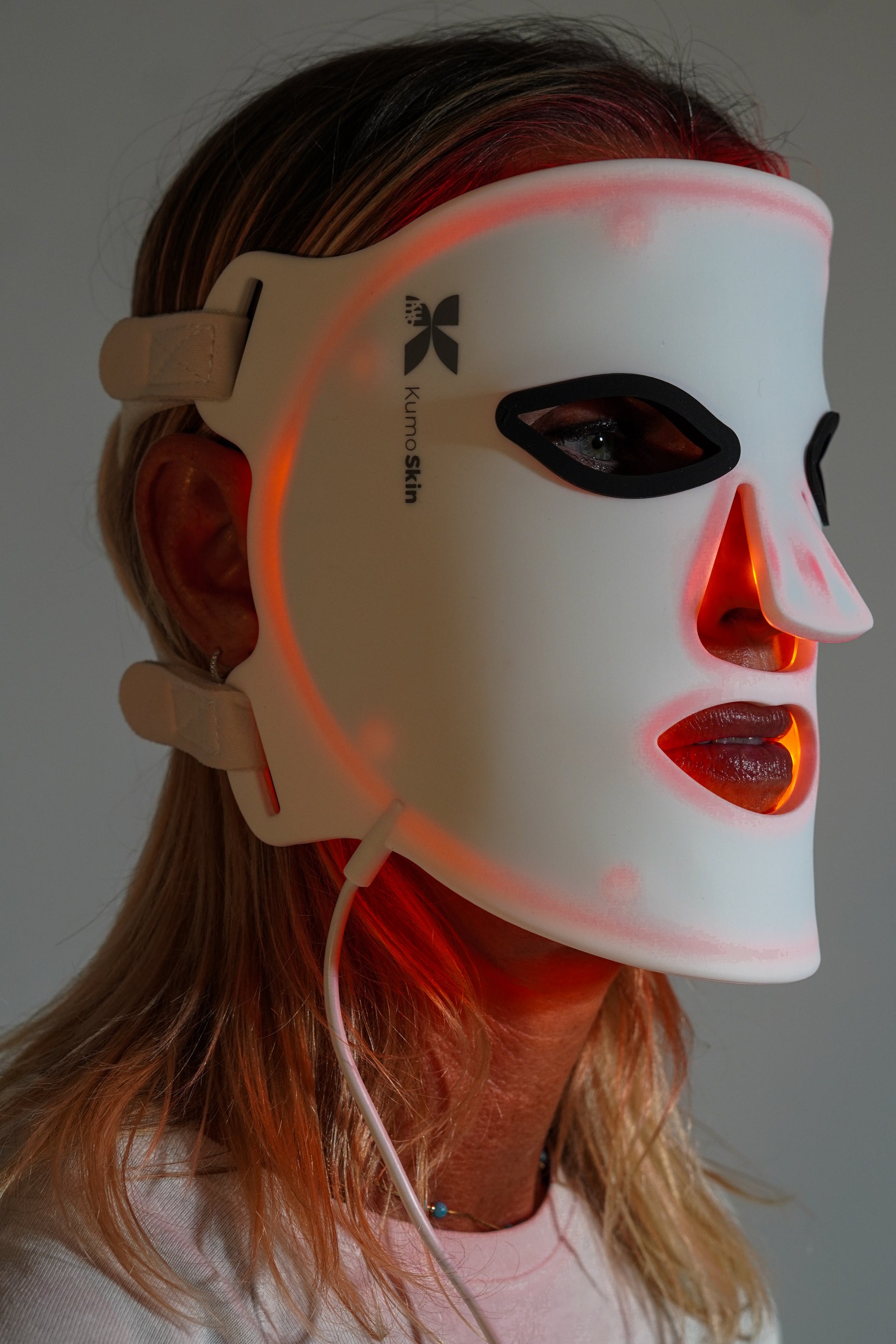
- If your goal is to improve skin quality or support localized muscle recovery, LED light therapy (in the form of a face mask or specific panels) can be an interesting complement, always following the manufacturer's usage recommendations and the available evidence.
- After intense sessions or days of high stress, a massage gun like the KUMOPULSE AIR can help you work on specific areas (calves, quadriceps, upper back) for a few minutes to promote muscle relaxation.
Important: Although these technologies have shown promising studies, they do not replace medical treatment or the recommendations of your healthcare professional, especially if you have cardiovascular, circulatory, metabolic or other health problems.
Frequently asked questions about body care
How can I start taking care of my body if I have very little time?
If your schedule is packed, the best approach is to think in terms of “micro-habits” that you can fit into your day, rather than making big changes all at once. Start by moving for 5 minutes every hour (walking, stretching), adding a handful of extra vegetables to one meal a day, and going to bed 15–20 minutes earlier. Once these steps become automatic, you can add others: a 20-minute walk, two short strength training sessions a week, or a short nighttime stretching routine. The goal isn't perfection, but consistency.
How many hours of sleep should I get to feel truly rested?
Most scientific guidelines agree that adults need between 7 and 9 hours of sleep per night, although some people feel fine with less and others with more. ( nhlbi.nih.gov ) Beyond the number of hours, quality matters: falling asleep in less than 30 minutes, not waking up frequently, and waking up without feeling extremely exhausted. If, despite getting enough sleep, you feel constantly tired, experience loud snoring, or have pauses in your breathing, it's advisable to consult a sleep specialist.
What's better for taking care of my body: intense exercise or walking every day?
Both offer benefits, but for most people, the most important thing is to accumulate total movement each week. The WHO recommends about 150–300 minutes of moderate-intensity activity (such as brisk walking) or 75–150 minutes of vigorous-intensity activity (running, HIIT), or a combination of both. ( who.int ) If you're just starting out or have aches and pains, prioritize daily walking and short, gentle strength training sessions. Intense exercise can provide additional benefits, but it should only be introduced once you have a solid fitness base and adequate recovery time to avoid overexerting your body.
Are pressotherapy and red light therapy safe for everyone?
Intermittent pneumatic compression has been used clinically for years to improve venous return and prevent thrombosis, with good safety when properly indicated, but it is not suitable for everyone (for example, certain vascular, cardiac, or coagulation problems require special caution). ( pubmed.ncbi.nlm.nih.gov ) Photobiomodulation with red/LED light also has a generally favorable safety profile in studies, although its efficacy and optimal protocols are still being investigated. ( pubmed.ncbi.nlm.nih.gov ) Before using these devices intensively, consult your doctor if you have chronic illnesses, are pregnant, or are taking specific medications.
I work long hours sitting down, how can I take care of my body without changing jobs?
While you can't change your job, you can change how you relate to it. Start by setting alarms to get up for five minutes every hour: walk around the office or house, rotate your ankles, and stretch your chest and hips. Adjust your workstation to reduce strain on your neck and back (screen at eye level, chair adjusted, feet supported). Try to add at least one 20–30 minute walk each day, ideally outdoors. And if your legs feel very heavy at the end of the day, talk to a professional about circulation and recovery strategies.
So what now?
The next step is to choose one or two habits from this article and start today: a short walk, going to bed earlier, or a brief nighttime stretching routine. If you want to take your recovery a step further, you can use technologies designed for this purpose, such ascompression boots , LED therapy devices, or the KUMOPULSE AIR massage gun, integrating them into your routine in a way that is consistent with your activity level.
If you have questions about which solution is best for you or need more personalized guidance, you can contact the KUMO team through the contact page. Your body is your instrument for life; taking care of it daily is the best long-term investment.
KumoWave pressotherapy
Choose your at-home pressotherapy
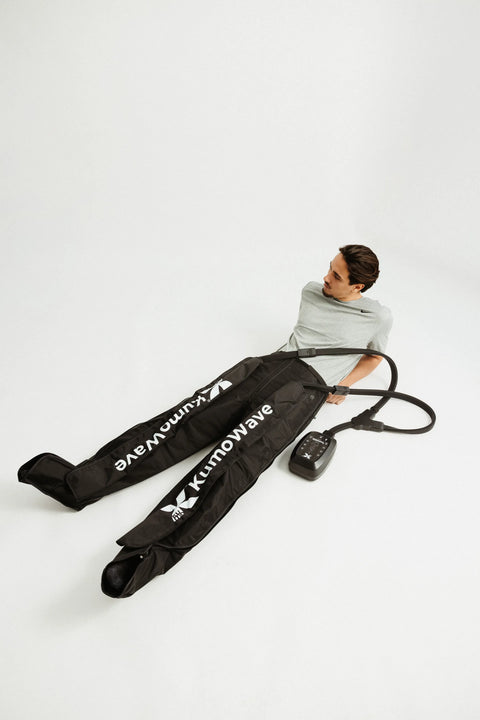
KumoWave Elite – Pressotherapy Pants
Full-coverage trousers. Ideal for lipedema, fluid retention and intensive use.
€799,00 €999,00

KumoWave 2.0 - Wireless Pressotherapy
Wireless, lightweight boots. Perfect for daily use and recovery.
€499,00 €599,00