
Introduction: What does it mean when your legs swell?
Swollen legs are not “normal”.
When your ankles, calves, or thighs appear larger, feel tight, or leave an indentation when pressed, you may have edema . This can range from mild swelling caused by standing for long periods to being the first symptom of a circulatory or heart problem. In this guide, you'll learn how to recognize the warning signs , the most common causes , and what to do at home and with your doctor to care for your legs.
Pressotherapy at home
End the day with light legs
★★★★★ 4,8/5 · rated by verified customers
KumoWave pressotherapy boosts circulation and helps drain fluid with sequential compression, in 20-minute sessions at home.
- Boosts circulation and helps drain fluid
- Chamber-based compression, adjustable to you
- Sequential compression that mimics manual drainage
€799,00€999,00
−10% on your 1st order when you subscribe to the newsletter

How to recognize leg swelling and when to worry
Typical signs of swelling in legs and ankles
Some classic signs that indicate your legs are swollen are:
- Visible increase in volume in feet, ankles or calves compared to your usual size.
- Deeper than normal marks from socks or shoes .
- Tight or shiny skin , sometimes with a burning or heavy feeling.
- Pitting edema : when pressed with a finger, they remain depressed for a few seconds.
- Mild discomfort or pain at the end of the day, especially if you have been standing or sitting for a long time.
Swelling of the legs can also be accompanied by night cramps, general tiredness, or a feeling of local heat.
Personalized protocol · included with your purchase
Want us to tell you how to use it in your case?
With your purchase, our experts prepare a personalized usage protocol for your case: sport, circulation, fluid retention, pregnancy or lipedema.
Message us on WhatsAppOur experts reply · no obligation
When is leg swelling an emergency?
In most cases, leg swelling is caused by benign factors (sedentary lifestyle, heat, varicose veins, fluid retention). However, there are situations in which you should seek immediate emergency medical attention .
- Sudden and very painful swelling of one leg , with redness or heat (could indicate deep vein thrombosis).
- Leg swelling accompanied by shortness of breath, chest pain, or palpitations .
- Swelling associated with high fever or oozing wounds on the leg.
- Rapid weight gain (several kilos in a few days) with generalized fluid retention.
When in doubt, it's best to err on the side of caution and consult a healthcare professional.
Common causes of leg swelling
Swollen legs can have many different causes, ranging from mechanical and lifestyle factors to diseases of the circulatory, renal, or lymphatic systems. This overview is not a substitute for a medical diagnosis, but it helps you better understand what might be happening.
on your first order when you join the newsletter
We send you the code instantly. No spam.
1. Lifestyle: sedentary behavior, heat and posture
Spending many hours sitting or standing makes venous return difficult: blood flows down the arteries well, but struggles to return to the heart. This causes fluid to accumulate in the ankles and calves, especially at the end of the day.
- Office work without active breaks.
- Jobs that require standing (hospitality, retail, hairdressing).
- Long journeys by plane, car or train.
- High temperatures and humidity, which dilate the veins.
In these cases, the swelling usually improves when the legs are elevated, walking is done, or when night falls.
2. Venous problems: varicose veins and chronic venous insufficiency
Varicose veins and chronic venous insufficiency are among the most common causes of swollen legs in adults. The valves in the leg veins don't close properly; some blood pools, increasing venous pressure and facilitating the leakage of fluid into the tissues.
Typical symptoms:
- Feeling of heaviness and tiredness in the legs.
- Swelling that worsens at the end of the day and improves when sleeping with the legs slightly elevated.
- Dilated and visible veins, vascular “spider veins”.
- Nighttime cramps or itching.
In advanced stages, changes in skin color or venous ulcers may appear, which require specialized evaluation.
3. Lymphedema: failure of the lymphatic system
Lymphedema is a chronic accumulation of lymph in the tissues due to lymphatic system failure. It can be primary (of congenital origin) or secondary (caused by surgery, radiation therapy, infections, etc.). It usually produces a firmer swelling, which does not always leave a pitting indentation , and is often asymmetrical.
It is a chronic problem managed with specialized physiotherapy, medical compression therapy, bandages, and lifestyle changes. Diagnosis is made by a physician (frequently an angiologist or lymphologist).
4. Heart, kidney or liver disease
Systemic diseases can also manifest as swollen legs:
- Heart failure : the heart pumps with difficulty, fluid accumulates in the legs and abdomen, and shortness of breath may occur with exertion or when lying down.
- Kidney disease : the kidney does not properly eliminate excess water and sodium; swelling may also affect the hands or eyelids.
- Cirrhosis or other liver diseases : alter the pressure in the portal venous system and the production of proteins, favoring edema.
If in addition to swelling you notice difficulty breathing, intense fatigue, foamy or very scanty urine , consult your doctor quickly.
5. Medications and hormonal changes
Some medications can cause fluid retention in the legs: certain antihypertensives (calcium channel blockers), nonsteroidal anti-inflammatory drugs (NSAIDs), corticosteroids, and hormone treatments, among others. Never stop taking them on your own: if you suspect they may be contributing to your swelling, talk to your doctor.
Hormonal changes (pregnancy, menstrual cycle, menopause) can also lead to swollen ankles, a feeling of heaviness in the legs, and general fluid retention. During pregnancy, the combination of hormones and venous compression from the uterus makes these symptoms especially common.
Diagnosis: how leg swelling is studied
Physical examination and clinical interview
The first step is always a complete medical evaluation . The professional checks:
- Distribution of edema (one or both legs, symmetry).
- Whether it leaves a pit or is harder.
- Presence of varicose veins, skin changes, or ulcers.
- Signs of heart, respiratory, or kidney problems.
- Medical history: medication, background, lifestyle, work habits.
From here, decide what additional tests are necessary.
Routine complementary tests
Based on the clinical suspicion, the doctor may request:
- Blood and urine tests : kidney function, liver function, electrolytes, proteins, cardiac markers.
- Venous Doppler ultrasound : to assess varicose veins, venous insufficiency or rule out thrombosis.
- Echocardiogram : if heart failure or other heart pathology is suspected.
- Additional imaging tests (CT scan, MRI, lymphography) depending on the case.
This approach allows us to distinguish whether leg swelling is a localized problem (veins, lymph) or part of a systemic disease.
What to do if you have swollen legs
The measures depend on the cause. Even so, there are lifestyle habits and self-care strategies that are often helpful in improving circulation and relieving the feeling of heaviness, as long as they don't replace medical follow-up.
1. General measures at home
- Elevate your legs above heart level several times a day (10–20 minutes) to promote venous return.
- Avoid standing or sitting for long periods without moving: get up every 45–60 minutes to walk around for a few minutes.
- Cross your legs less when you are sitting and maintain a more open posture.
- Wear comfortable shoes that do not compress the instep or ankle.
- Pay attention to hydration and salt intake : in many cases, reducing salt helps to decrease fluid retention.
2. Physical activity and simple exercises
Movement is one of the best ways to improve leg circulation. Some helpful options:
- Walk daily at a comfortable pace (ideally 30 minutes or more, depending on your physical condition).
- Ankle “pumping” exercises: repeated flexion and extension of the feet while seated or lying down.
- Stationary bike or gentle elliptical , if there are no contraindications.
- Water exercises (aquagym, gentle swimming) that combine movement and hydrostatic pressure.
Before starting an intense exercise program, consult your doctor if you have a history of cardiovascular, kidney, or lymphatic problems.
3. Compression stockings and pressotherapy
Medical compression stockings are a cornerstone of treatment for venous insufficiency and certain types of lymphedema. They should be prescribed and fitted by a healthcare professional, especially in individuals with associated arterial disease.
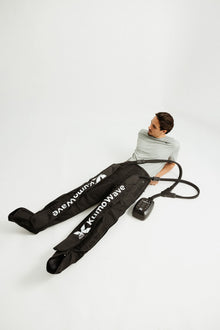
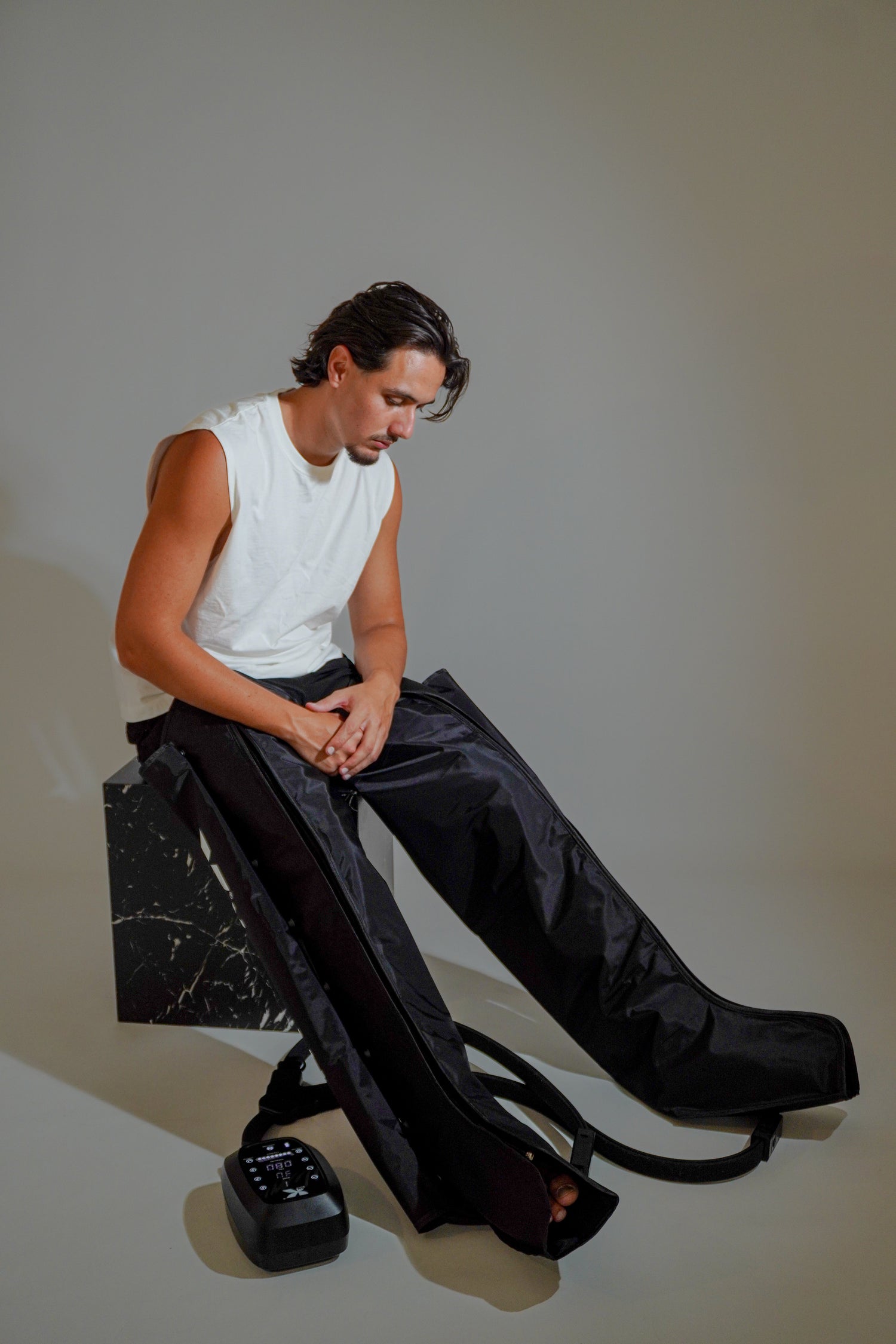
Pressotherapy (intermittent pneumatic compression) is used in healthcare and wellness settings to promote venous and lymphatic return , relieve the sensation of heavy legs, and support recovery after intense exercise. In wellness settings, devices such as pressotherapy boots are used as a complement to care for circulation in the lower extremities and improve the subjective feeling of lightness, always respecting medical indications and contraindications.
4. Complementary therapies for muscle recovery
In active individuals or athletes, leg swelling can also be associated with muscle fatigue and micro-tears from training. In these cases, in addition to hydration, adequate rest, and exercise planning, recovery technologies such as the following can be incorporated:
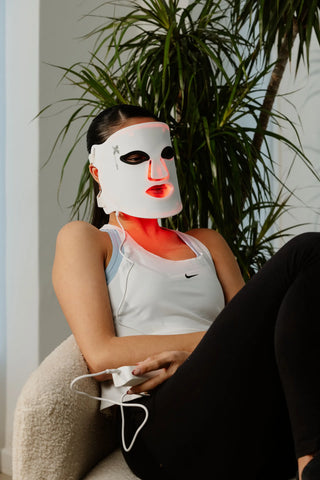
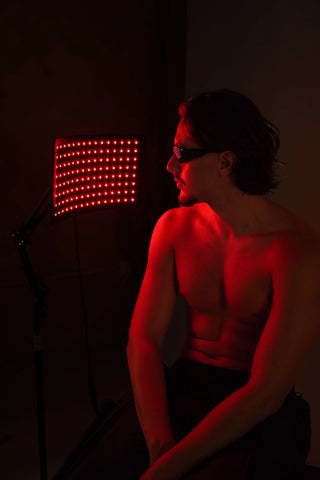
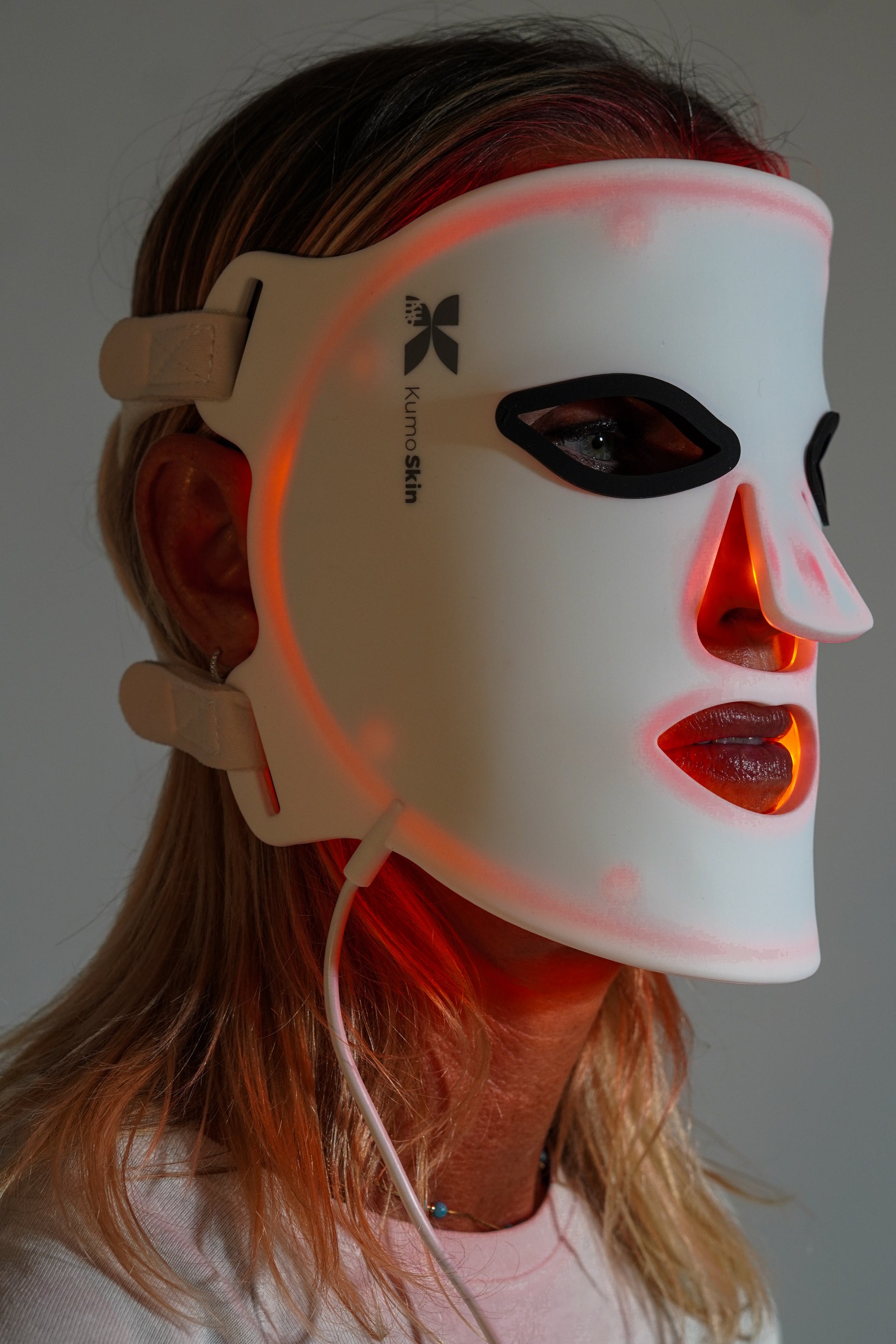
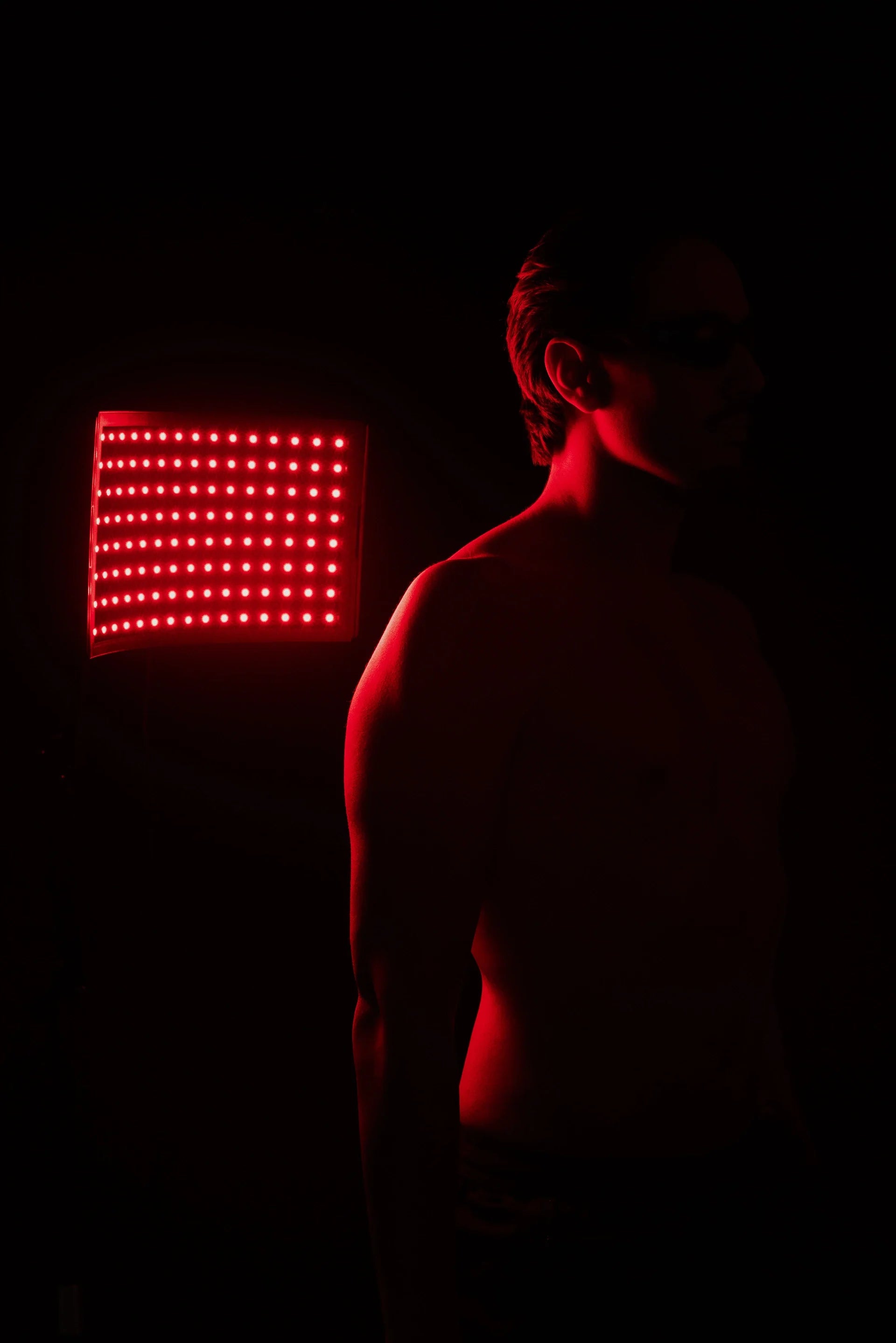
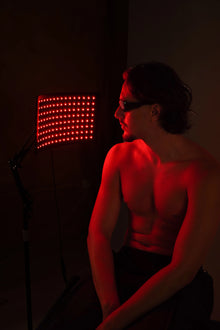
- Red light or LED therapy is used to support muscle recovery and overall well-being. You can find more information about photobiomodulation devices in KUMO's LED light therapy collection .
- Percussive massage guns help to deeply relax muscles and reduce stiffness. One example is the KUMOPULSE Air device, designed to massage specific muscle groups after exercise.
These tools do not replace medical treatment for edema, but they can be part of a comprehensive leg care and recovery routine.
5. When to see a doctor and what type of specialist to consult
You should make a medical appointment if:
- The swelling lasts for more than 1–2 weeks without clear improvement.
- It is recurrent and is not explained by heat, posture, or intense exercise.
- It is accompanied by significant pain, redness, fever, or skin changes.
- You have a history of heart, kidney, liver problems or thrombosis.
Depending on the suspicion, your GP may refer you to angiology and vascular surgery , cardiology , nephrology , rheumatology or specialized lymphedema units.
Summary table: common causes and characteristics of leg swelling
| Main cause | Typical characteristics | General guidance |
|---|---|---|
| Sedentary lifestyle / posture | Mild swelling at the end of the day, improves when walking and elevating the legs. | Increase movement, take active breaks, elevate legs. |
| Venous insufficiency / varicose veins | Heavy legs, visible varicose veins, worsens with heat and prolonged standing. | Vascular assessment, compression stockings, postural habits. |
| Lymphedema | Harder, often asymmetrical, progressive swelling. | Lymphedema unit, physiotherapy, medical pressotherapy. |
| Heart failure | Edema in both legs, shortness of breath, easy fatigue. | Urgent or priority consultation with cardiology. |
| Renal/liver pathology | Generalized edema, swelling also in hands or face. | Nephrological/hepatological study, medication adjustment. |
| Medications / hormones | It begins after a change in treatment or at specific hormonal stages. | Medical review of medication and hormonal context. |
Prevention: how to take care of your legs every day
Daily habits that protect your circulation
In addition to any specific treatment your doctor may prescribe, there are a number of small daily actions that help prevent and reduce leg swelling:
- Plan active breaks if you work sitting or standing up.
- Avoid excessively tight clothing around the waist and groin.
- Rest with your legs slightly elevated (for example, with a cushion under your feet).
- Take warm to cool showers on your legs, provided there is no contraindication.
- Maintain a healthy weight and diet, prioritizing fruits, vegetables, and good hydration.
Integrate recovery as a way of life
Leg swelling often worsens when the body doesn't have the time or resources to recover from daily exertion. Integrating active and passive recovery routines can make all the difference.
- Gentle stretching at the end of the day.
- Self-massage or massage devices to relieve muscle tension.
- Periodic sessions with recovery technologies (red light, pressotherapy, percussive massage) if they are suitable for your case.
KUMO's philosophy is precisely to transform recovery into a new way of life , with tools that combine aesthetics, technology, and performance to make caring for your legs easier and more enjoyable every day. You can learn more about the brand on the KUMO homepage .
Frequently asked questions about leg swelling
Is it normal to have swollen legs at the end of the day?
Mild swelling of the ankles and calves at the end of the day can be common in people who spend many hours standing, sitting, or in very hot weather. It usually improves by elevating the legs, walking for a few minutes, or resting at night. However, its common occurrence doesn't mean it should be ignored: if the swelling increases, becomes painful, appears in only one leg, or is accompanied by other symptoms (shortness of breath, chest pain, fever), it's important to consult a healthcare professional to rule out underlying problems.
What home remedies help relieve leg swelling?
Some simple remedies can relieve the feeling of heaviness: elevating your legs above your heart several times a day, doing ankle pumping exercises, walking daily, moderating your salt intake, and avoiding tight clothing or shoes. Showers with cool water on the legs can also be pleasant for many people. These tips are not a substitute for medical diagnosis or treatment, but they are a good way to improve comfort while the cause of the edema is being investigated.
Is leg swelling always due to poor circulation?
Not always. Poor venous circulation is a very common cause, especially in the form of venous insufficiency or varicose veins, but there are many other factors: lymphatic problems (lymphedema), heart, kidney, or liver disease, medication side effects, hormonal changes, and even inflammatory or infectious processes. That's why it's so important not to self-medicate and to talk to your doctor if the swelling is persistent, changes suddenly, or is accompanied by other general symptoms such as extreme fatigue or shortness of breath.
Is pressotherapy good for swollen legs?
Pressotherapy, when applied with appropriate equipment and under professional guidance, is used to promote venous and lymphatic return, relieve the sensation of heavy legs, and support recovery after intense exertion. For people with mild venous insufficiency or a feeling of heaviness, it can be a useful complementary tool. However, it is not suitable for everyone: it may be contraindicated in cases of active thrombosis, extensive skin infections, or certain heart conditions. Before using any pressotherapy equipment or compression boots, it is advisable to discuss it with your doctor.
When should I worry about a suddenly swollen leg?
If one leg (or ankle) suddenly swells, becoming much larger than the other, and is hot, red, and painful when walking or touching, you should go to the emergency room immediately. This could be a sign of deep vein thrombosis , which carries a risk of serious complications if not treated promptly. You should also seek immediate medical attention if the sudden swelling is accompanied by shortness of breath, chest pain, or severe dizziness. In these cases, it's not advisable to wait and see if it "goes away on its own."
So what now? Take care of your legs and your recovery.
If you experience leg swelling, the next step is to combine a proper medical evaluation with a personalized recovery plan tailored to your daily routine. Discuss with your healthcare professional which of the strategies mentioned (exercise, leg elevation, compression, recovery therapies) are best suited to your specific needs. If you'd like to incorporate recovery technologies such as pressotherapy, LED light therapy, or percussive massage into your wellness routine, you can explore KUMO's various product collections on their official website or contact the team through the contact section to resolve any questions about their responsible use.
KumoWave pressotherapy
Choose your at-home pressotherapy
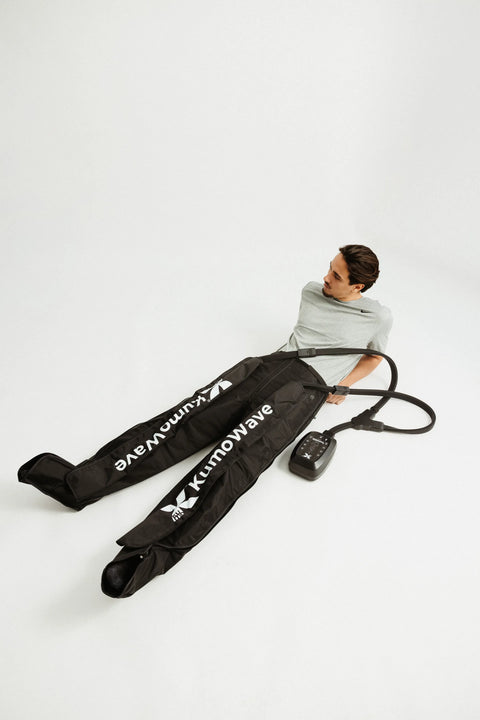
KumoWave Elite – Pressotherapy Pants
Full-coverage trousers. Ideal for lipedema, fluid retention and intensive use.
€799,00 €999,00
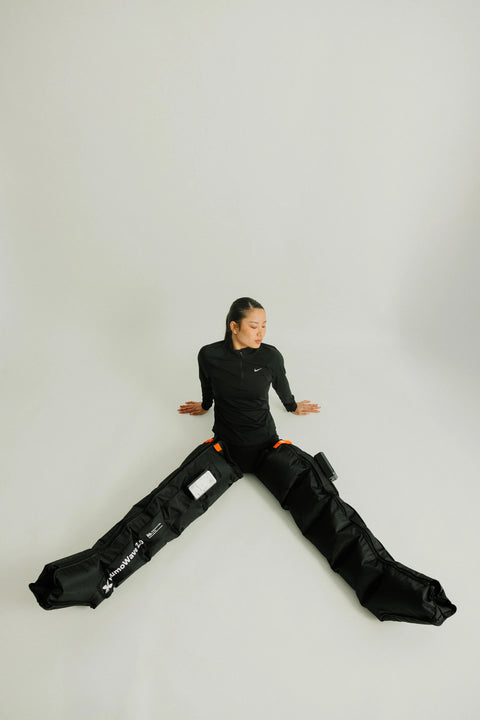
KumoWave 2.0 - Wireless Pressotherapy
Wireless, lightweight boots. Perfect for daily use and recovery.
€499,00 €599,00