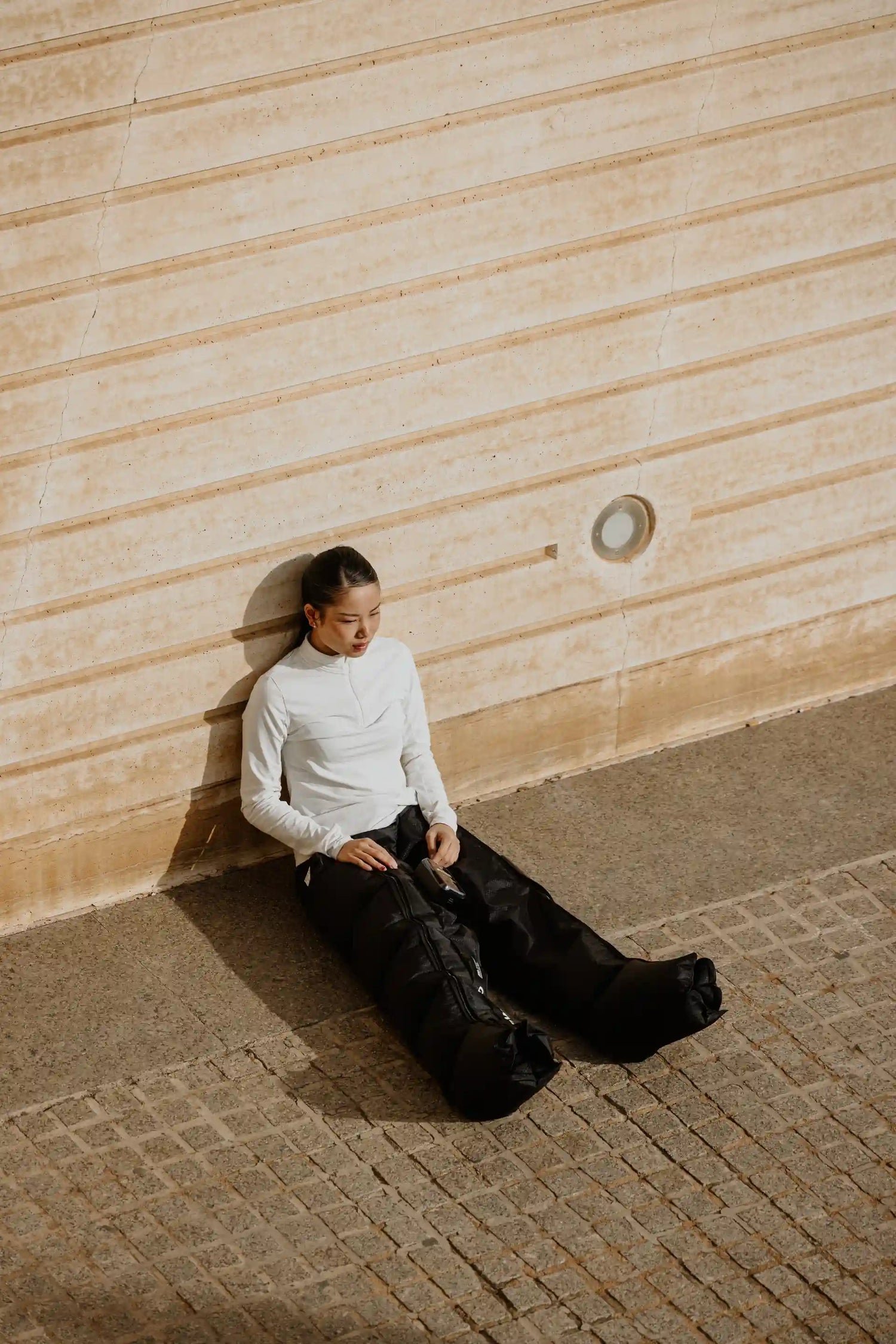

Postpartum cellulite is common. After pregnancy, skin can appear more uneven due to hormonal changes, fluid retention, and a temporary decrease in muscle tone; this doesn't mean you did anything wrong. Here, we're talking about aesthetic cellulite, the typical orange peel skin, not skin infection. (mayoclinic.org)
The good news is that the skin's appearance can improve with a realistic strategy: progressive movement, consistent habits, and sensible expectations. Many therapies help make cellulite less noticeable, but they rarely offer immediate and permanent change.
Pressotherapy at home
End the day with light legs
★★★★★ 4,8/5 · rated by verified customers
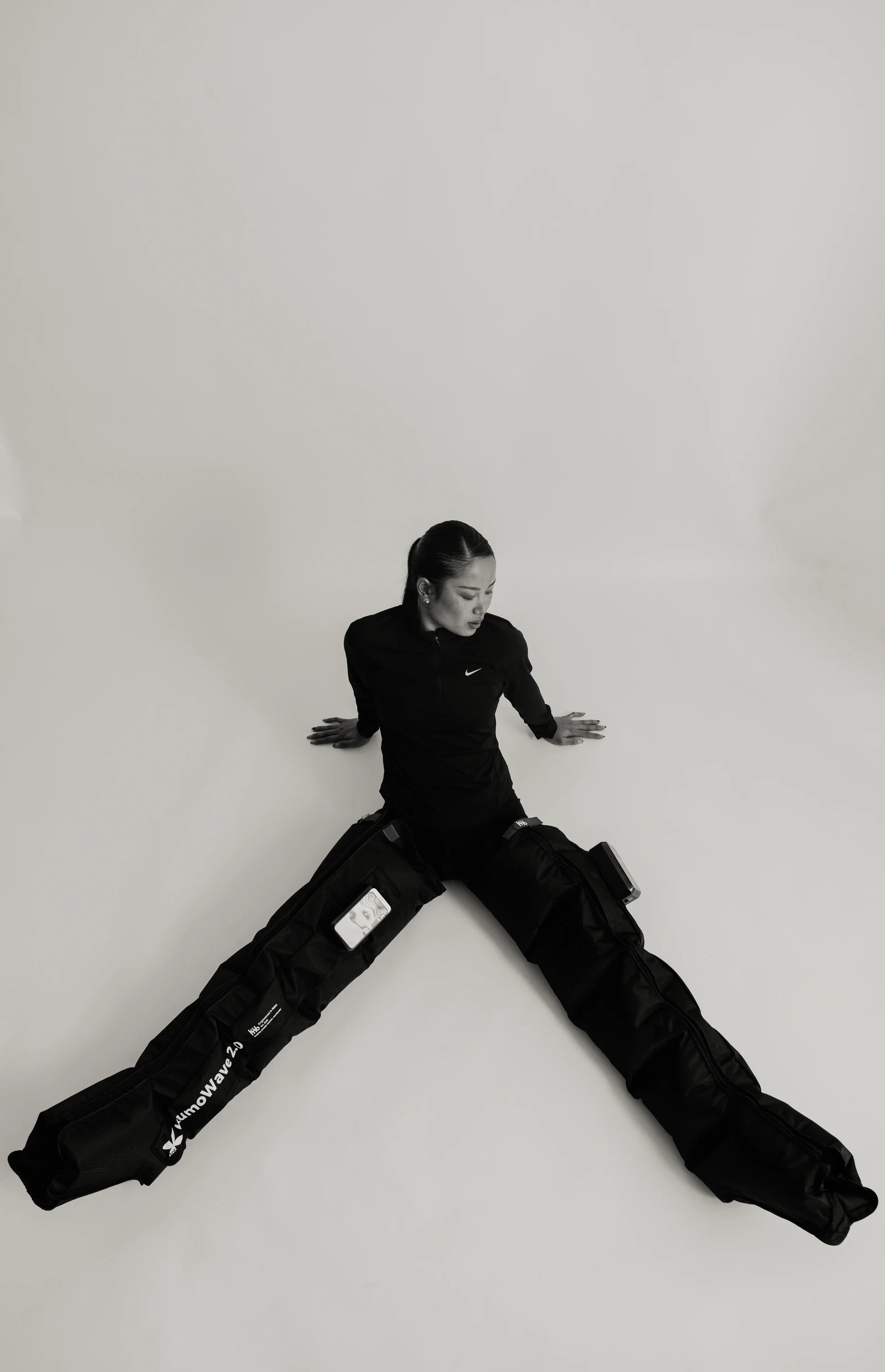
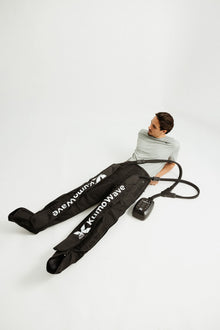
KumoWave pressotherapy boosts circulation and helps drain fluid with sequential compression, in 20-minute sessions at home.
- Boosts circulation and helps drain fluid
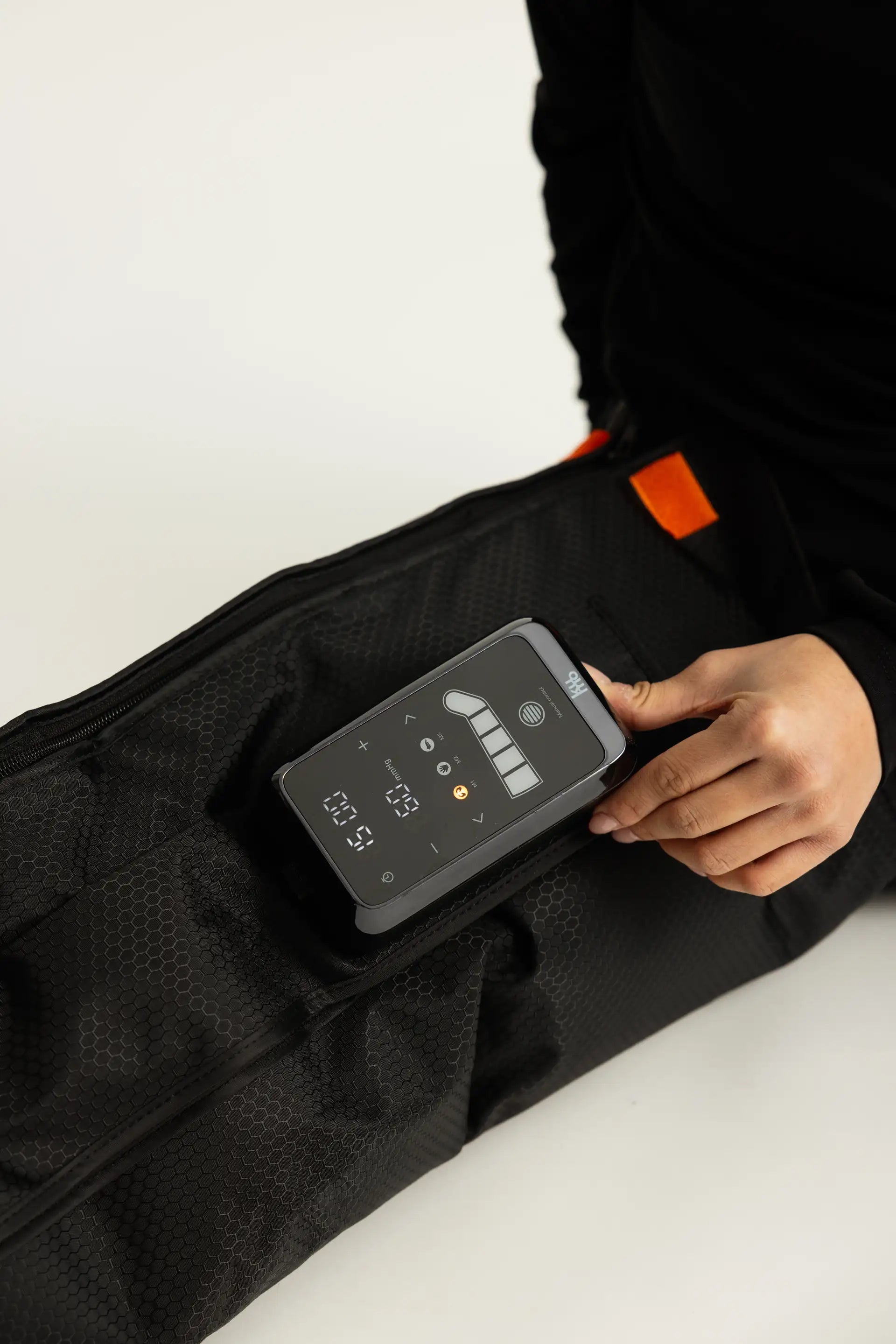
- Chamber-based compression, adjustable to you
- Sequential compression that mimics manual drainage
€799,00€999,00
−10% on your 1st order when you subscribe to the newsletter

What is postpartum cellulite and why is it more noticeable?
“Cellulite is not harmful to health.” (medlineplus.gov)
Cellulite appears when fat pushes towards the surface and fibrous bands pull downwards, creating dimples. Mayo Clinic reminds us that it is very common, predominantly affects women, and factors like hormones, genetics, muscle tone, and pregnancy influence its appearance. MedlinePlus adds that even thin people can have it and that hydration, diet, and exercise are part of basic preventive guidelines.
Personalized protocol · included with your purchase
Want us to tell you how to use it in your case?
With your purchase, our experts prepare a personalized usage protocol for your case: sport, circulation, fluid retention, pregnancy or lipedema.
Message us on WhatsAppOur experts reply · no obligation
It doesn't always look the same: sometimes it's softer, other times firmer, and in some women, it's mixed with a feeling of swelling. If you want to better identify the predominant pattern, this guide on types of cellulite and how to recognize yours will help you.
What changes postpartum and why skin can look different
In the weeks following childbirth, the body continues to adjust. The NHS points out that gentle activity can help you recover and that, after an uncomplicated birth, you can start with walks, gentle stretches, and pelvic floor exercises when you feel ready; a 6-week check-up is usually recommended before high-impact exercise. Furthermore, another NHS guide reminds us that full recovery can take months. (nhs.uk)
Swelling of the feet and ankles after childbirth is common due to increased blood volume and hormonal changes. Practically speaking, this can make cellulite more noticeable on the thighs and buttocks for a while, although it is not its only cause. (yourhealth.leicestershospitals.nhs.uk)
on your first order when you join the newsletter
We send you the code instantly. No spam.
Estimated recovery timeline
There is no exact timeline for skin appearance recovery, but there is a common progression that helps avoid frustration.
| Stage | What can happen | What to focus on | Note |
|---|---|---|---|
| 0-6 weeks | Swelling and fatigue may persist. | Short walks, pelvic floor exercises, and rest. | Gentle activity if birth was uncomplicated; before high impact, review the 6-week indication. |
| 6-12 weeks | Tone begins to return and you may feel less heavy. | More strength, more consistency, and less rush. | After C-section or complex birth, progression is usually slower. |
| 3-12 months | Body recovery can continue for months. | Consolidate routines and evaluate options if it still bothers you. | Some guides speak of full recovery in 9-12 months. (cht.nhs.uk) |
How to recover skin after pregnancy: what really helps
If you prefer to start with a general foundation, you can refer to this guide on daily habits to prevent cellulite.
- Walk every day and return to impact exercise only when you have medical clearance. The AAD explains that exercise can make cellulite less visible because more muscle gives a smoother, firmer appearance, and the NHS recommends starting with gentle activity after an uncomplicated birth. (aad.org)
- Work on strength in glutes, legs, and deep core. If the problem is concentrated in that area, this routine on cellulite in the glutes will give you concrete ideas to organize your work without improvisation.
- Drink water and eat regularly. MedlinePlus includes among basic habits a healthy diet rich in fruits, vegetables, and fiber, good hydration, regular exercise, and maintaining a healthy weight. (medlineplus.gov)
- Use massage, creams, or compression as support, not as the sole solution. Mayo Clinic notes that massage and topical products have variable results, while the AAD reminds us that several options can reduce the appearance only for a time; if a recovery tool suits you, home pressotherapy for postpartum recovery can be a routine complement.
Professional treatments and realistic expectations
If after several months of consistent routine cellulite still bothers you, there are medical procedures that can improve its appearance. The AAD mentions acoustic therapy, laser, subcision, and other procedures; some reduce the appearance for months or even longer, but results are usually not definitive. If you want to compare professional with home approaches, here is a guide on in-office vs. at-home cellulite treatments.
The decision should not be based on speed, but on your type of cellulite, your tolerance for procedures, and the actual time you want to dedicate. Not all bodies need the same thing, and an option that works for one person may not suit another.
When it's not aesthetic cellulite
If the area is red, hot, very painful, expands rapidly, or fever appears, we are not talking about aesthetic cellulite but a skin infection that requires medical evaluation. MedlinePlus in Spanish describes it as an infection of the skin and deeper tissues, and treatment is usually with antibiotics. In that case, it is not advisable to wait for it to improve on its own. (medlineplus.gov)
Frequently asked questions
How long does it take for cellulite to improve after pregnancy?
There is no fixed timeframe. In many women, swelling and feelings of heaviness begin to decrease in the first few weeks, but the recovery of skin tone and appearance can take months. If the birth was by C-section or there were complications, progression is usually slower. The most helpful approach is to observe trends: less inflammation, more firmness, and better consistency, not a perfect change overnight.
Does postpartum cellulite go away on its own?
Sometimes it becomes less visible without doing anything special because the body deflates and regains some tone, but don't expect a miracle. Mayo Clinic and the AAD point out that exercise, weight management if appropriate, and some therapies can improve appearance, although results are often variable or temporary. The most realistic approach is to combine sustainable habits and, if it bothers you a lot, calmly evaluate professional options.
What exercises are best for postpartum cellulite?
The ones you can repeat. Walking, gentle cycling, low-impact strength exercises, and progressive glute and leg work are usually a very good foundation. The AAD explains that building muscle can make skin smoother and firmer, and the NHS recommends starting with gentle activity after an uncomplicated birth, progressing as tolerated. If you feel pain, bleeding, or excessive fatigue, reduce intensity and consult before increasing the pace.
How do I know if it's not aesthetic cellulite but an infection?
If the area is hot, red, very painful, expands rapidly, or fever appears, think of infectious cellulitis, not orange peel skin. MedlinePlus in Spanish describes it as an infection of the skin and deep tissues, and treatment is usually with antibiotics. In that case, it is not advisable to wait for it to improve on its own.
Does pressotherapy help with postpartum cellulite?
It can be comfortable support within a wellness routine, especially if you experience heavy legs or need a tool to help you be consistent. Still, it should not be seen as a sole solution or a substitute for movement, strength, and basic habits. If it suits you, use it as a complement and measure its value by how it makes you feel and by the ease with which you maintain it over time.
What now?
If you want to follow a simple and well-structured routine, visit the Kumo Balance website and also review anti-cellulite massage vs. pressotherapy to see what best fits your postpartum stage.
KumoWave pressotherapy
Choose your at-home pressotherapy
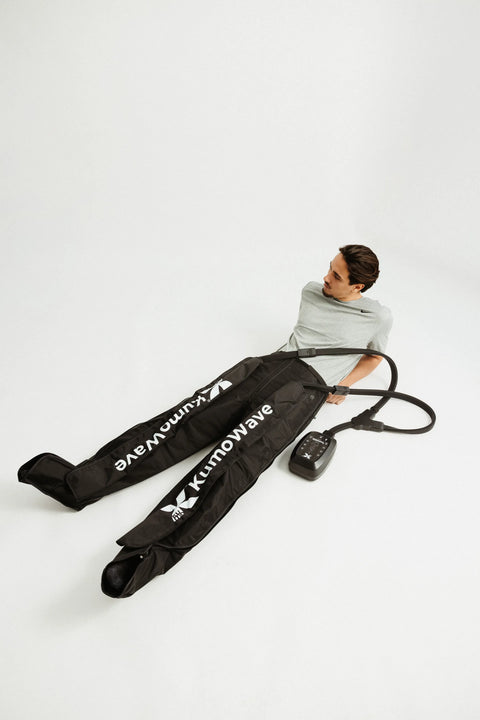
KumoWave Elite – Pressotherapy Pants
Full-coverage trousers. Ideal for lipedema, fluid retention and intensive use.
€799,00 €999,00
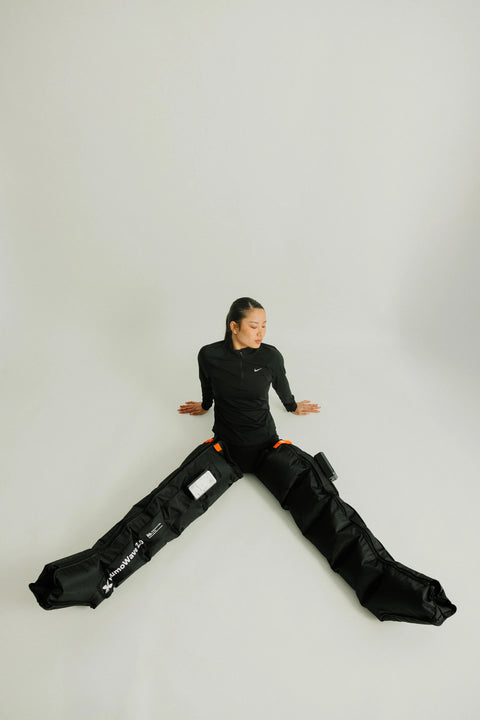
KumoWave 2.0 - Wireless Pressotherapy
Wireless, lightweight boots. Perfect for daily use and recovery.
€499,00 €599,00