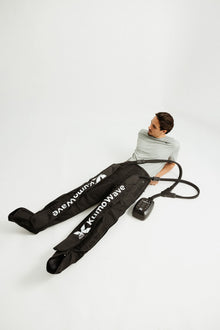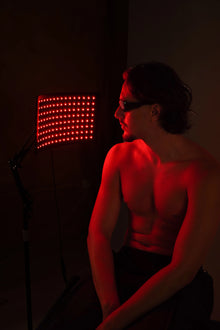


It depends on the objective: anti-cellulite massage and pressotherapy do not work the same way. If you are looking to improve the appearance of "orange peel" skin, massage works more on the surface; if what you notice is fluid retention, heaviness or swelling, pressotherapy usually fits better. (mayoclinic.org)
We are talking about aesthetic cellulite, not the skin infection called cellulitis in English. Cleveland Clinic describes it as a very common alteration of adipose tissue and skin, especially visible on the thighs, abdomen and buttocks; it estimates that it affects 80%-90% of women who have passed puberty. (my.clevelandclinic.org)
Pressotherapy at home
End the day with light legs
★★★★★ 4,8/5 · rated by verified customers
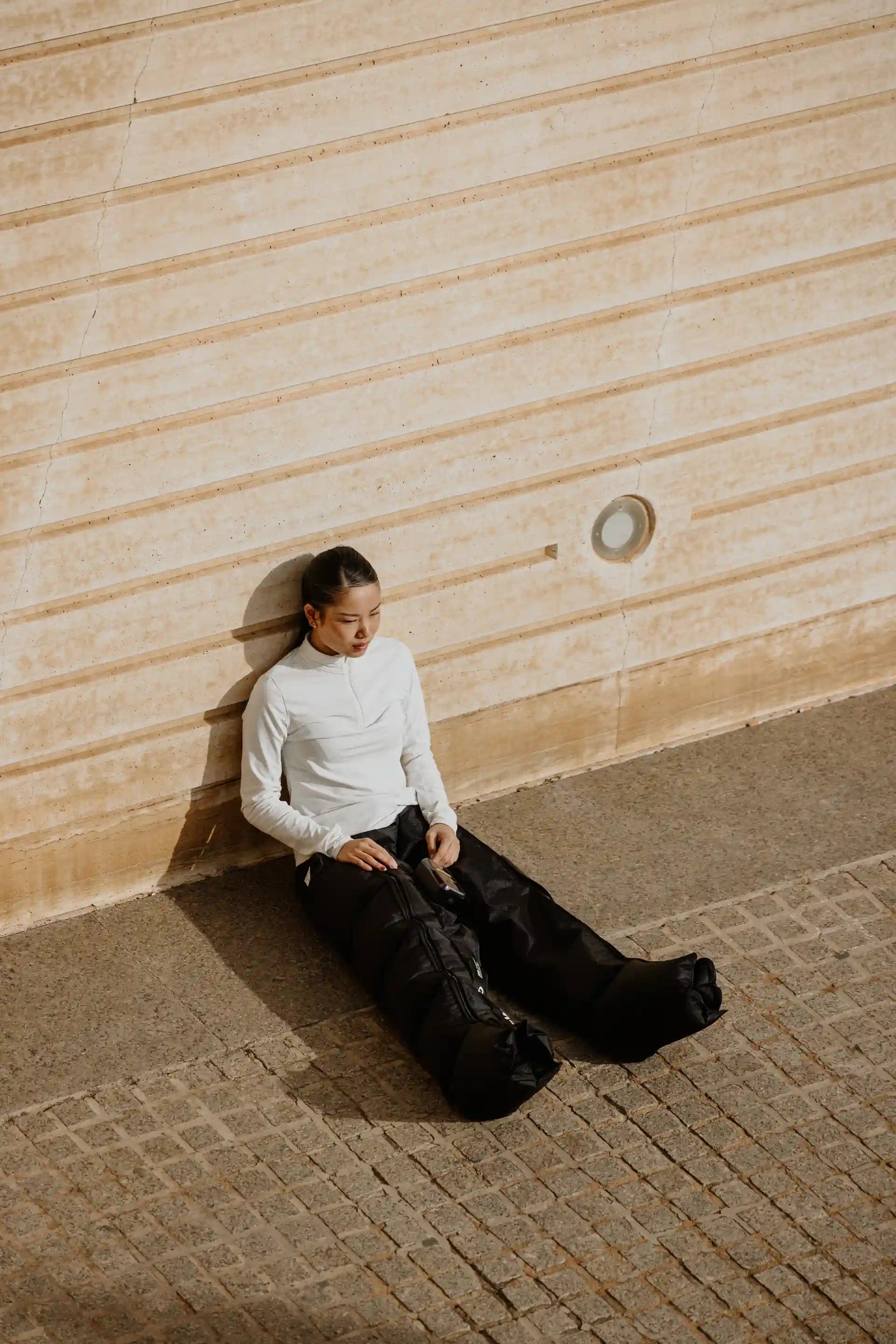
KumoWave pressotherapy boosts circulation and helps drain fluid with sequential compression, in 20-minute sessions at home.
- Boosts circulation and helps drain fluid
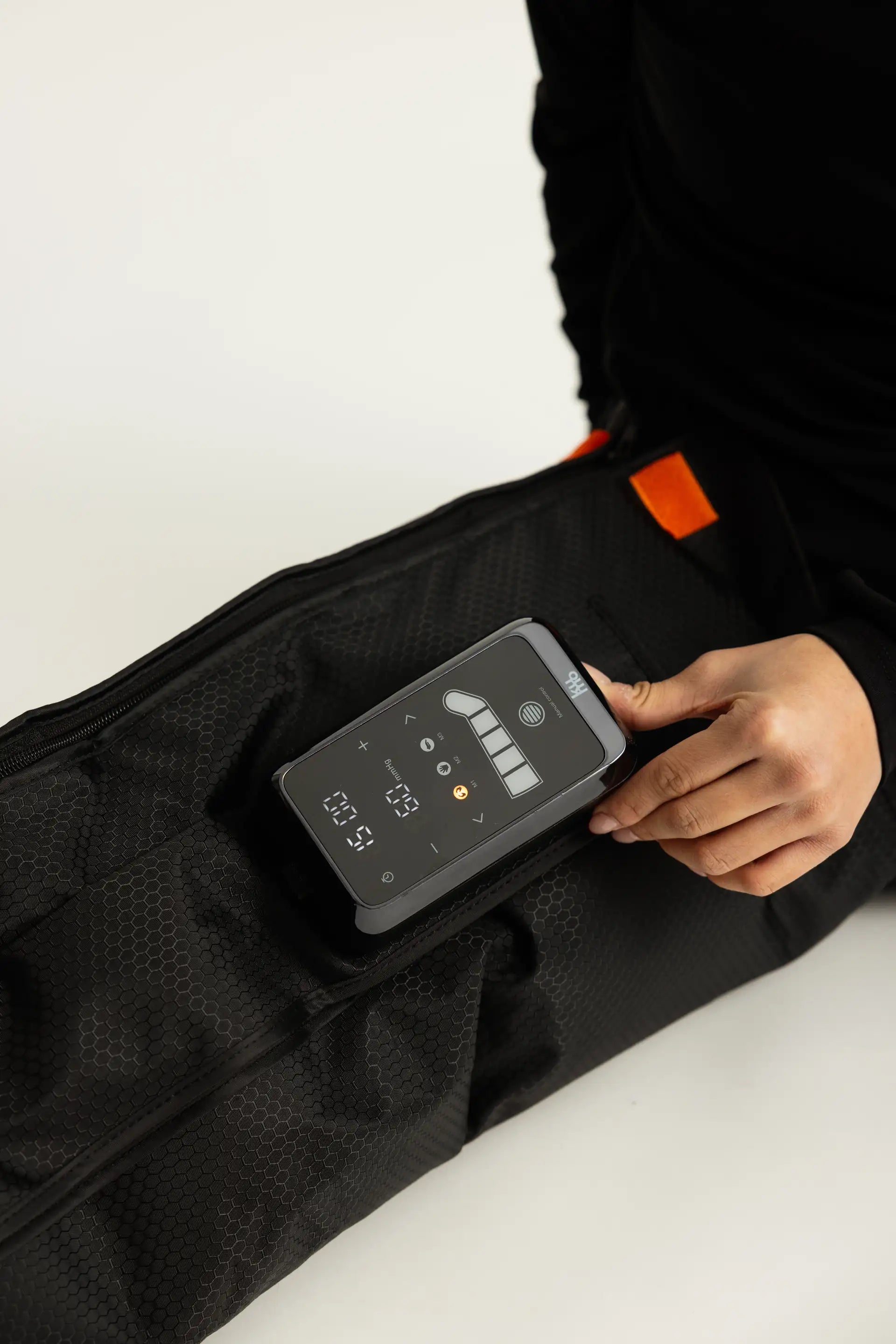
- Chamber-based compression, adjustable to you
- Sequential compression that mimics manual drainage
€799,00€999,00
−10% on your 1st order when you subscribe to the newsletter

If you also want to see how all this fits into a broader recovery routine, Kumo Balance's recovery and wellness proposal relies on non-invasive solutions designed for daily use.
What each technique really does
Anti-cellulite massage
Anti-cellulite massage can be manual or mechanized. Mayo Clinic explains that some massage-based therapies aim to increase lymphatic flow and reduce excess fluid in areas with cellulite; it also notes that devices such as Endermologie can produce slight, but short-lived improvement. (mayoclinic.org)
Personalized protocol · included with your purchase
Want us to tell you how to use it in your case?
With your purchase, our experts prepare a personalized usage protocol for your case: sport, circulation, fluid retention, pregnancy or lipedema.
Message us on WhatsAppOur experts reply · no obligation
In practical terms, its greatest value lies in smoothing the texture and helping the skin look somewhat more uniform after several sessions, not in permanently changing the structure of cellulite. This interpretation is consistent with the 2024 clinical review on the pathogenesis and management of cellulite, which summarizes the multifactorial nature of the problem. (pubmed.ncbi.nlm.nih.gov)
Pressotherapy
Pressotherapy uses intermittent pneumatic compression: boots or cuffs are inflated and deflated in phases to promote venous return and drainage. An NHS service presents it as a complementary course within the treatment of lymphedema, and Mayo Clinic includes sequential pneumatic compression among the usual measures for lymphedema. (wsh.nhs.uk)
Therefore, when cellulite is more pronounced due to edema, heavy legs or a tendency to swelling, pressotherapy often makes more sense than a purely aesthetic massage. This is a reasonable inference from its clinical use in edema and lymphedema, not a promise to erase cellulite. (wsh.nhs.uk)
on your first order when you join the newsletter
We send you the code instantly. No spam.
If you are interested in an example of home use, you can review the home pressotherapy collection to understand how this logic translates into a daily routine.
Practical differences according to your objective
Quick decision table
| Technique | Main objective | What it can provide | Best fit |
|---|---|---|---|
| Anti-cellulite massage | Work on texture and superficial appearance | Can provide a slight and temporary improvement in skin relief. (mayoclinic.org) | When "orange peel" skin is the most bothersome. |
| Pressotherapy | Promote drainage and fluid return | Usually fits better when there is edema, heaviness or swelling. (wsh.nhs.uk) | When cellulite coexists with tired legs. |
| Combination | Address two fronts at once | May be more satisfactory than a single technique. (mayoclinic.org) | When there is cellulite and fluid retention at the same time. |
The idea is not to choose "the best" in the abstract, but the one that best solves your main problem. Mayo Clinic notes that cellulite treatments generally only temporarily improve appearance, and that combining approaches can lead to a more satisfactory feeling. (mayoclinic.org)
Which works best according to the objective
If your priority is visible cellulite: anti-cellulite massage usually makes more sense because it works on the superficial texture and can provide a slight improvement. (mayoclinic.org)
If your priority is to reduce inflammation and relieve congestion: pressotherapy usually wins, because its logic is drainage and fluid return. (wsh.nhs.uk)
If your case is mixed: combining both approaches and adding movement is usually the most sensible option. If you are unsure which is your case, how to recognize your type of cellulite and what edematous cellulite is and how to treat it effectively are two good starting points. (my.clevelandclinic.org)
When the goal is to sustain more real changes, a single session is usually not enough; consistency and movement matter. Mayo Clinic reminds us that physical activity helps circulation and lymphatic drainage, so a complete at-home anti-cellulite routine can add more than looking for miracle solutions. (mayoclinic.org)
How to combine them intelligently
Mayo Clinic indicates that some treatment combinations can offer more satisfactory results. In practice, this usually translates into using pressotherapy to relieve congestion and anti-cellulite massage to work on the surface, always adjusting the intensity to the skin's tolerance. (mayoclinic.org)
If you also train, organizing your recovery with complementary resources such as pressotherapy and percussion massage or pressotherapy and stretching to accelerate recovery can help, provided your skin and medical context allow it. (wsh.nhs.uk)
Precautions and contraindications
Pressotherapy is not advisable if there is untreated deep vein thrombosis, acute skin inflammation such as infectious cellulitis, severe heart, kidney or liver failure, ischemic vascular disease, pulmonary edema, open wounds or severe peripheral neuropathy. The NHS guide cited above lists these situations as contraindications or scenarios requiring caution. (wsh.nhs.uk)
For anti-cellulite massage, prudence is similar: if you notice irritation, persistent pain or a bad skin reaction, it is advisable to stop and consult a doctor. Mayo Clinic reminds us that some cellulite treatments can cause side effects and that it is worth assessing options and expectations before starting. (mayoclinic.org)
Frequently asked questions
Which works best for cellulite, anti-cellulite massage or pressotherapy?
If the priority is the appearance of "orange peel" skin, anti-cellulite massage is usually more direct because it works on the superficial texture and can provide a slight improvement. If the priority is swelling, the feeling of heavy legs or excess fluid, pressotherapy usually fits better. In many cases, the best answer is not to choose just one, but to distribute objectives: drainage first and superficial work later. (mayoclinic.org)
Does pressotherapy help eliminate cellulite or only fluid retention?
It mainly helps with fluid retention and edema. It does not by itself change the structure that forms cellulite, which depends on factors such as connective tissue, fat distribution and skin quality. Therefore, it can make the area look less inflamed and cellulite less noticeable, but it does not "eliminate" it. It is more useful as support when the problem is accompanied by tired legs or congestion. (my.clevelandclinic.org)
Should anti-cellulite massage be combined with pressotherapy for better results?
It may make sense if there is a mixed component. Mayo Clinic indicates that some treatment combinations offer more satisfactory results than a single technique. In practice, pressotherapy can help relieve congestion and anti-cellulite massage can improve the surface, always adjusting the intensity to the skin's tolerance. If you want to organize this combination more logically, you can also read about pressotherapy and percussion massage. (mayoclinic.org)
How long does it take to see results with anti-cellulite massage versus pressotherapy?
There is no universal timeframe, but it is also not advisable to expect miracles. Mayo Clinic says that cellulite treatments usually only temporarily improve appearance, and that in the case of massage, the improvement can be slight and appear after several sessions. With pressotherapy, many people notice the feeling of lightness sooner than a clear visual change, because its main effect is drainage. Consistency and context matter more than an isolated session. (mayoclinic.org)
What are the risks or contraindications of anti-cellulite massage and pressotherapy?
Pressotherapy has important contraindications: untreated thrombosis, acute skin infection or inflammation, severe heart, kidney or liver failure, ischemic vascular disease, pulmonary edema, open wounds and severe neuropathies. With anti-cellulite massage, the problem is usually more about skin tolerance: if pain, irritation or a bad reaction appears, it is advisable to stop and assess the area. In case of any real medical doubt, it is best to seek professional assessment before starting. (wsh.nhs.uk)
What now?
If you want to start with what is most useful for your case, first try home pressotherapy when swelling and heaviness predominate, or refine your routine with at-home anti-cellulite habits if you are looking for consistency. And if your approach is more global, go back to the recovery and wellness homepage to see how all the pieces fit together.
KumoWave pressotherapy
Choose your at-home pressotherapy
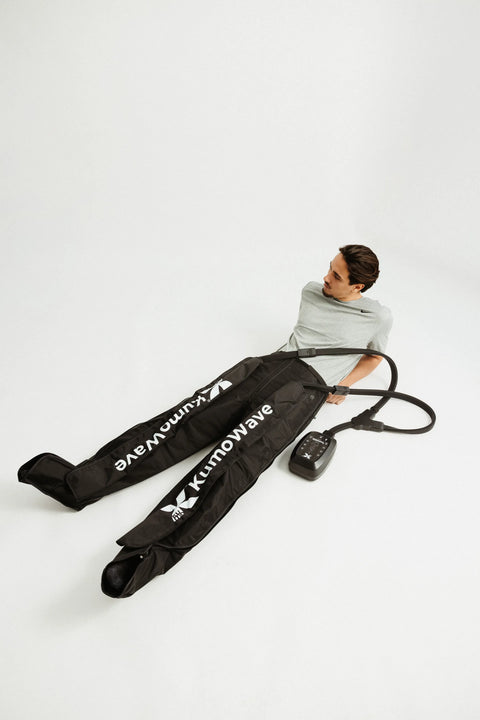
KumoWave Elite – Pressotherapy Pants
Full-coverage trousers. Ideal for lipedema, fluid retention and intensive use.
€799,00 €999,00
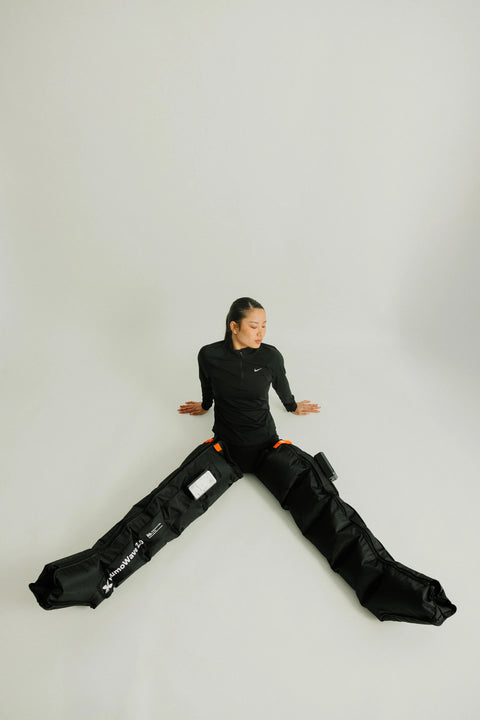
KumoWave 2.0 - Wireless Pressotherapy
Wireless, lightweight boots. Perfect for daily use and recovery.
€499,00 €599,00