
They don't look the same. Here we are talking about aesthetic cellulite —orange peel skin—, not a skin infection. Lipoedema, on the other hand, is an alteration of fatty tissue that usually causes pain, heaviness, and symmetrical swelling in the legs or arms, with the feet and hands typically unaffected. (my.clevelandclinic.org)
The confusion is very common because both conditions can share an irregular appearance in the thighs or buttocks, but the decisive clue is usually found in the set of signs: volume distribution, tenderness to the touch, bruising, evolution, and response to weight changes. If you want to broaden the clinical context, the NHS factsheet on lipoedema and the Cleveland Clinic clinical summary on aesthetic cellulite help differentiate between the two realities. (nhs.uk)
Pressotherapy at home
End the day with light legs
★★★★★ 4,8/5 · rated by verified customers
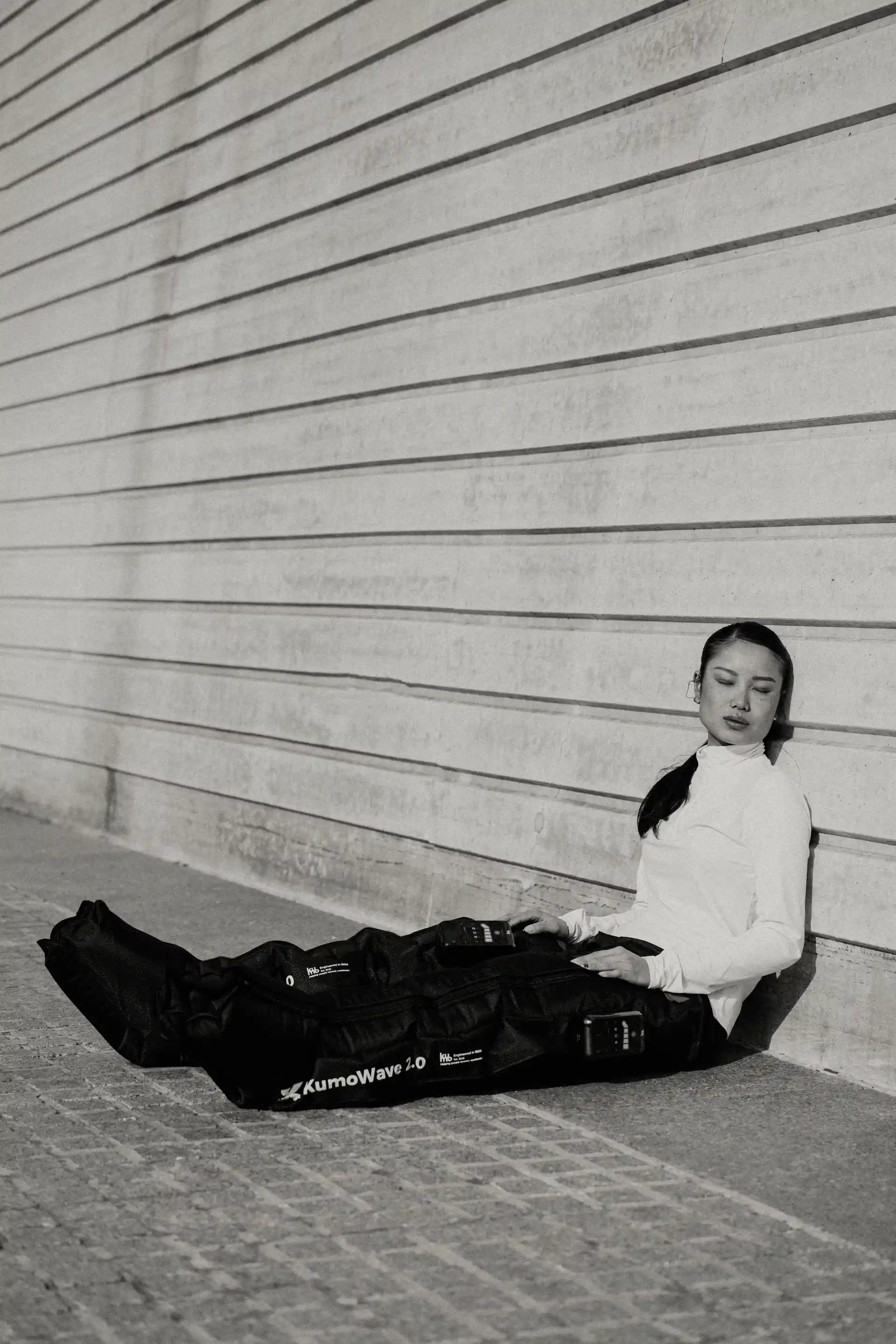
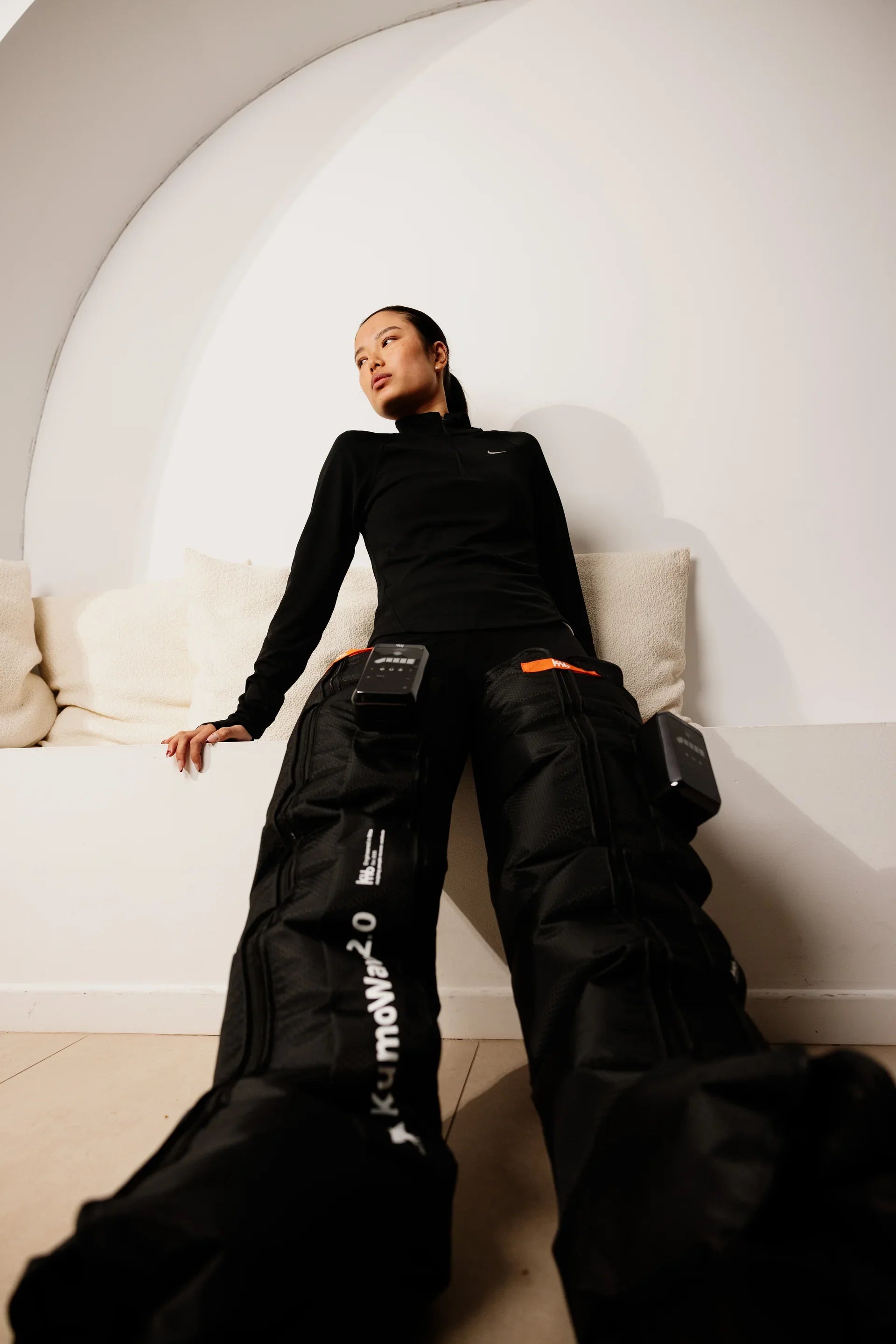
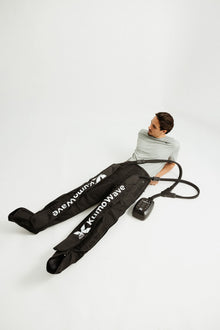
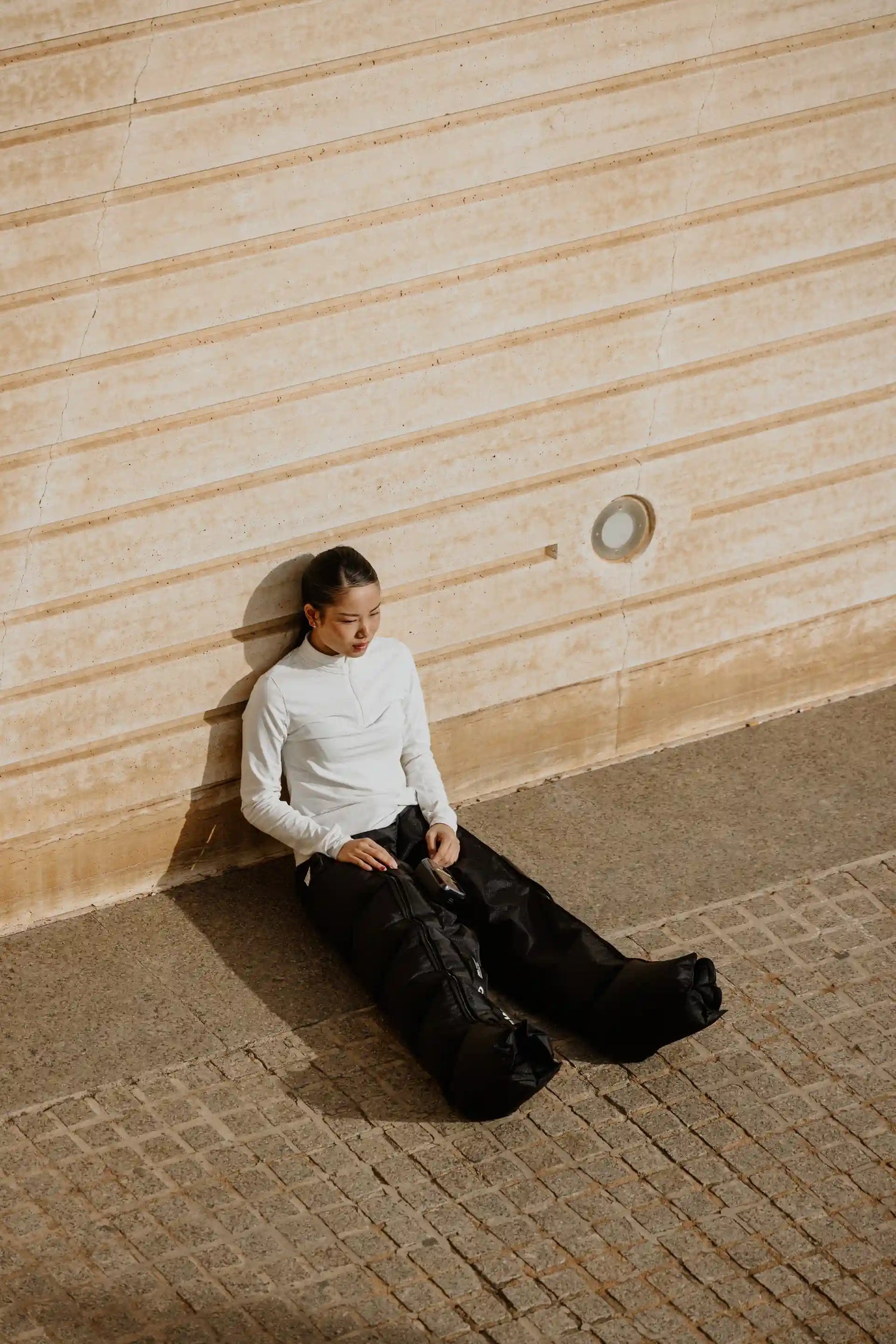
KumoWave pressotherapy boosts circulation and helps drain fluid with sequential compression, in 20-minute sessions at home.
- Boosts circulation and helps drain fluid
- Chamber-based compression, adjustable to you
- Sequential compression that mimics manual drainage
€799,00€999,00
−10% on your 1st order when you subscribe to the newsletter

What is lipoedema
Lipoedema is a chronic disease of subcutaneous tissue that results in a disproportionate distribution of fat, especially in the limbs, and primarily affects women. The international consensus published in 2025 highlights as very useful features the symmetrical or disproportionate increase in volume in the legs or arms, pain or tenderness, a feeling of heaviness, the usual sparing of hands and feet, and the absence of pitting edema in most cases. (nature.com)
The same source notes that symptoms can worsen during hormonal changes and that up to 90.6% of evaluated individuals reported easy bruising; however, this data alone is not enough for diagnosis. The overall pattern carries much more weight than an isolated sign. (nature.com)
Personalized protocol · included with your purchase
Want us to tell you how to use it in your case?
With your purchase, our experts prepare a personalized usage protocol for your case: sport, circulation, fluid retention, pregnancy or lipedema.
Message us on WhatsAppOur experts reply · no obligation
Additionally, clinical literature describes that this fat is often resistant to traditional diet and exercise, although improving overall weight can contribute to general health. If you suspect this pattern, delving into the complete guide on lipoedema in 2026 will be helpful. (ncbi.nlm.nih.gov)
What is aesthetic cellulite
Aesthetic cellulite is a very common and benign skin change: it produces dimples and irregular texture, especially on the thighs, hips, buttocks, and abdomen. Cleveland Clinic describes it as a cosmetic condition that does not affect general health and usually does not cause pain; it also explains that it appears when fibrous bands pull the skin downwards while fat pushes upwards. (my.clevelandclinic.org)
It also often becomes more visible after puberty, with age, or with variations in skin elasticity. Being thin does not exclude a person, which is why the appearance of orange peel skin can even appear on athletic bodies. (my.clevelandclinic.org)
on your first order when you join the newsletter
We send you the code instantly. No spam.
If you want to better distinguish its variants, "types of cellulite: how to recognize yours and what to do" can serve as a next step. (my.clevelandclinic.org)
Key differences to avoid confusion
The most reliable way to avoid confusion is to review five clues at once, not just a single photo. With lipoedema, we are talking about disproportionate body volume; with aesthetic cellulite, about a visible alteration of the skin surface. (nature.com)
Quick summary in a table
| Criterion | Lipoedema | Aesthetic Cellulite | What to look for |
|---|---|---|---|
| Distribution | Symmetrical increase, especially in legs and sometimes arms; feet and hands are usually spared. | Irregular texture in localized areas, especially thighs, hips, buttocks, and abdomen. | If the contour abruptly ends at the ankles or wrists, consider lipoedema more likely. (nature.com) |
| Pain and sensitivity | Pain, heaviness, and tenderness to the touch are common. | Generally not painful; the problem is primarily aesthetic. | The presence of pain strongly supports a diagnosis of lipoedema. (nature.com) |
| Bruising | Can appear easily and without a significant prior bump. | Not a characteristic feature of aesthetic cellulite. | Repeated bruising necessitates looking beyond orange peel skin. (nature.com) |
| Skin to the touch | May feel nodular, sensitive, or “padded.” | Skin appears dimpled, sometimes only when pinched. | If the change is more visible than palpable, it usually looks more like cellulite. (my.clevelandclinic.org) |
| Response to weight | Disproportion may persist even after weight loss. | May become less visible with general changes in body composition, although it doesn't always disappear. | The persistence of the body pattern points more towards lipoedema. (ncbi.nlm.nih.gov) |
Practical rule: if dimpled skin is dominant, without pain or marked body disproportion, it is usually aesthetic cellulite; if pain, heaviness, bruising, and a symmetrical pattern sparing feet and hands appear, lipoedema gains diagnostic weight. (nature.com)
Signs that point more to lipoedema
In consultation, specialists look for a set of recurring features. The German S2k guideline from 2024 specifically emphasizes diagnostic criteria, differential diagnoses, and situations that may overlap, because lipoedema is not well identified by a single sign. (pubmed.ncbi.nlm.nih.gov)
- Legs or arms increase symmetrically, and the silhouette becomes disproportionate to the torso. (nature.com)
- There is pain, heaviness, or tenderness to the touch, sometimes more pronounced at the end of the day. (nature.com)
- Bruises appear easily, even with minor bumps or without recalling a clear trauma. (nature.com)
- Feet and hands are usually spared, creating the classic abrupt change at the ankles or wrists. (nhs.uk)
- Weight changes do not always correct the disproportion of body contour. (ncbi.nlm.nih.gov)
If you want to review these clues in more detail, "the 10 signs of lipoedema you should not ignore" is good complementary reading. (nature.com)
Signs that point more to aesthetic cellulite
Aesthetic cellulite usually appears as dimples or irregular texture, often only when the skin is pinched, and is concentrated mostly on the thighs and buttocks. Cleveland Clinic considers it a very common cosmetic condition that generally does not affect physical health or cause pain. (my.clevelandclinic.org)
- What stands out is the skin's texture, not a symmetrical increase in volume across the entire limb. (my.clevelandclinic.org)
- The appearance changes with light, posture, or when pinching the skin, because the texture becomes more visible. (my.clevelandclinic.org)
- It can appear even in thin people, so weight alone does not define it. (my.clevelandclinic.org)
If the appearance mostly fits orange peel skin and not a deep fatty tissue problem, an at-home anti-cellulite routine with pressotherapy and key habits can give you ideas for aesthetic self-care. (my.clevelandclinic.org)
Why they are so often confused
They are confused because both can appear in the same areas—thighs, buttocks, hips, and abdomen—and because lipoedema can also give an irregular texture. Furthermore, cellulite is very common in women after puberty, which leads many people to interpret any dimpling as "normal" or, conversely, as lipoedema. (my.clevelandclinic.org)
The 2024 review on assessment modalities shows that ultrasound and MRI can help when the picture is unclear, while the 2024 S2k guideline insists that diagnosis must be based on well-defined clinical criteria and differential diagnoses. This is a good sign that isolated observation is not always enough. (pubmed.ncbi.nlm.nih.gov)
How a suspicious case is evaluated
The evaluation begins with a medical history and physical examination. The professional usually asks about age of onset, hormonal changes, pain, bruising, feeling of heaviness, symmetry, and whether feet or hands are spared; the international consensus of 2025 considers that the diagnosis remains clinical and that symptoms can vary greatly from person to person. (nature.com)
If the edema also reaches the feet or hands, or if Stemmer's sign is positive, the differential changes and may point more towards lymphedema than lipoedema. Therefore, a complete examination is as important as the patient's description of what they see. (nature.com)
When doubts remain, imaging can provide additional information, but it does not replace clinical judgment. For this reason, the 2024 review on lower extremity edema evaluation proposes ultrasound and magnetic resonance imaging as useful supports for differentiating lipoedema, lymphedema, and other causes of swelling. (pubmed.ncbi.nlm.nih.gov)
If you are currently in this phase of doubt, "what real options exist for lipoedema" can help you understand the next step calmly. (pubmed.ncbi.nlm.nih.gov)
What to do while awaiting evaluation
Do not try to solve it with just a photo or the scale. Note where the volume accumulates, when it hurts, if bruises appear, and if the pattern changes with your cycle, pregnancy, or menopause; this information often provides more insight than a quick visual comparison. (nature.com)
If the picture looks more like aesthetic cellulite, movement and strength habits can help improve the overall appearance of the skin; if lipoedema is confirmed, the approach usually focuses on symptom control and medical follow-up, not miracle solutions. Here, the goal is to sort out the diagnosis, not to force a label. (my.clevelandclinic.org)
Frequently asked questions about lipoedema and aesthetic cellulite
Does cellulite cause pain and bruising like lipoedema?
No, not in the same way. Aesthetic cellulite is primarily a visual change, and Cleveland Clinic describes it as a cosmetic condition that usually does not hurt. In lipoedema, on the other hand, pain, tenderness, and easy bruising are common. If there is also redness, warmth, fever, or a very painful leg, a skin infection should be considered, and urgent care sought. (my.clevelandclinic.org)
Lipoedema vs. cellulite: is the fat distribution in thighs and ankles indicative?
Yes, it's one of the most useful clues. Lipoedema usually presents with a symmetrical distribution, with increased volume in the legs and sometimes arms, while the feet and hands are typically spared. Aesthetic cellulite, on the other hand, is more noticeable as a change in texture in specific areas like the thighs or buttocks. The key detail is to look at the whole picture: contour, pain, bruising, and visible limits at the ankles or wrists. (nature.com)
Does lipoedema improve with diet and exercise?
Diet and exercise help general health, but they usually do not completely erase the pattern of lipoedema. Clinical literature describes that lipoedematous fat can be resistant to traditional weight loss methods, although overall weight loss can benefit other areas of the body and comorbidities. Therefore, if lipoedema exists, the realistic goal is to control symptoms and avoid unrealistic promises. (ncbi.nlm.nih.gov)
Can you have lipoedema and aesthetic cellulite at the same time?
Yes, they can coexist. Cellulite is very common, and lipoedema can give an irregular texture, so a person can have both phenomena at the same time. The useful thing is to ask what is dominant: if dimpled skin without pain predominates, it sounds more like aesthetic cellulite; if symmetrical volume with heaviness and bruising dominates, lipoedema should be considered more. Coexistence explains why a single observation sometimes causes confusion. (my.clevelandclinic.org)
When should you seek urgent medical attention?
If a leg becomes red, hot, and very painful, or if there is fever or flu-like symptoms, it is not aesthetic cellulite but a possible skin infection. The NHS considers this scenario a reason for urgent attention. It is also advisable to consult soon if swelling progresses, disproportionate pain appears, or you notice that feet and hands are affected, because the diagnosis may change towards lymphedema or another cause. (nhs.uk)
What now?
If you recognize several signs of lipoedema, continue with lipoedema without surgery: protocols and habits to control it; if you prefer to explore the global approach to well-being and recovery of the brand, visit Kumo Balance's proposal for recovery and well-being. (nature.com)
KumoWave pressotherapy
Choose your at-home pressotherapy
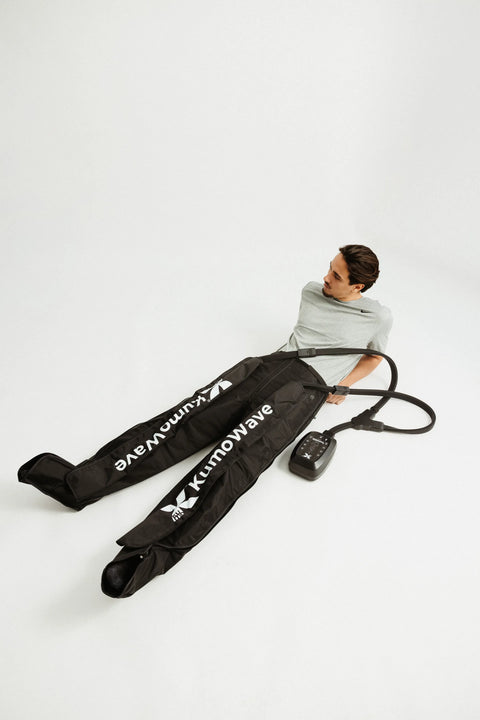
KumoWave Elite – Pressotherapy Pants
Full-coverage trousers. Ideal for lipedema, fluid retention and intensive use.
€799,00 €999,00
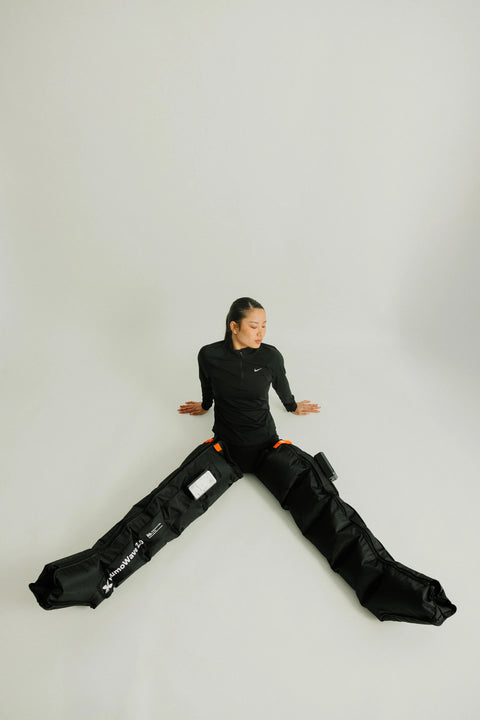
KumoWave 2.0 - Wireless Pressotherapy
Wireless, lightweight boots. Perfect for daily use and recovery.
€499,00 €599,00