Postpartum recovery deserves better than just "toughing it out." Home compression therapy can become one of your best allies in this process.
After childbirth, it's common to experience heavy legs, swelling, fluid retention, and general fatigue. Home pressotherapy offers a comfortable and non-invasive way to activate circulation, relieve swelling, and promote venous return , complementing medical follow-up and progressive physical activity. In this article, you'll see how it works, when it can help you, and how to integrate it with other recovery technologies to take care of yourself during this delicate time.
Pressotherapy at home
End the day with light legs
★★★★★ 4,8/5 · rated by verified customers
KumoWave pressotherapy boosts circulation and helps drain fluid with sequential compression, in 20-minute sessions at home.
- Boosts circulation and helps drain fluid
- Chamber-based compression, adjustable to you
- Sequential compression that mimics manual drainage
€799,00€999,00
−10% on your 1st order when you subscribe to the newsletter

What is pressotherapy and why is it beneficial in the postpartum period?
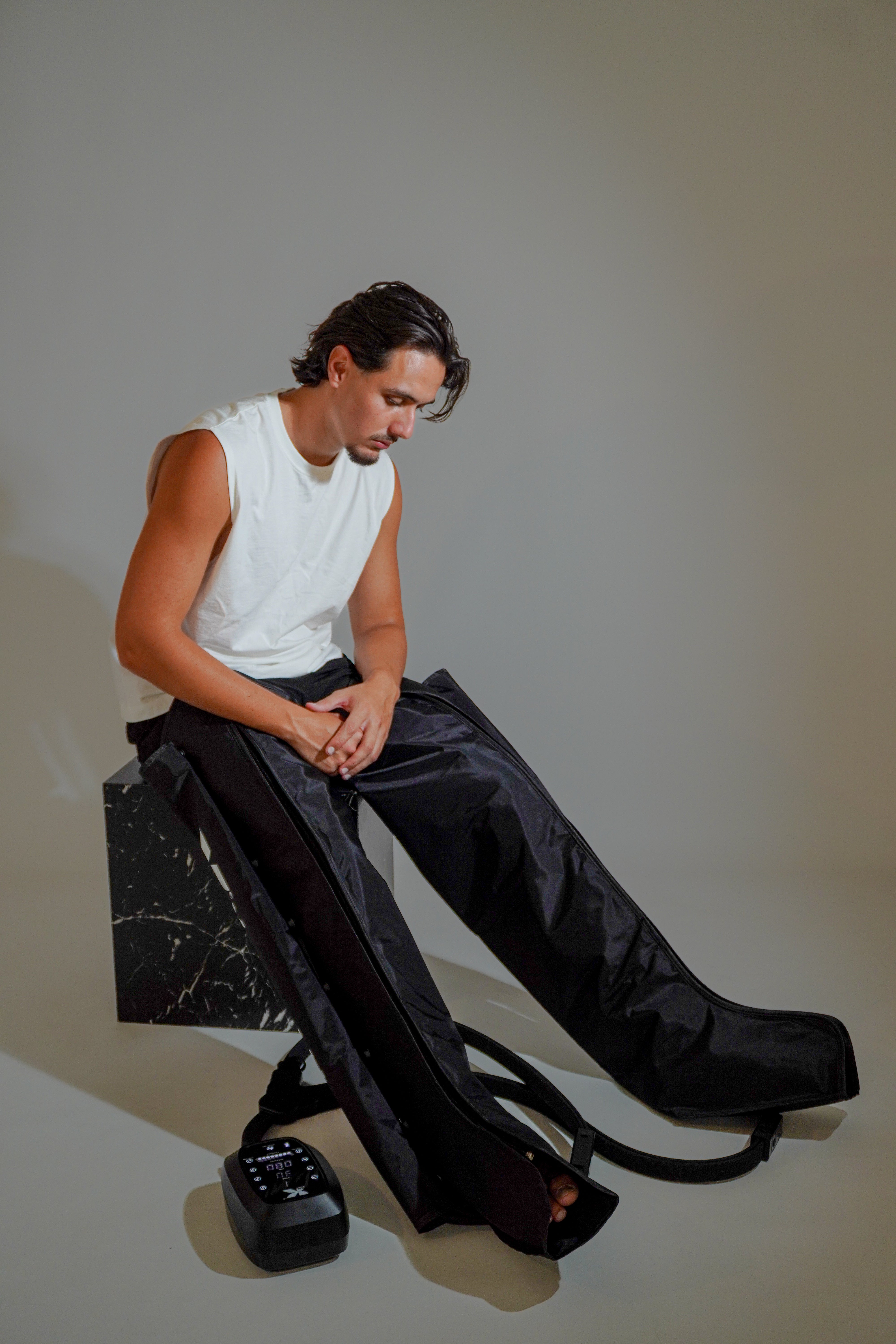
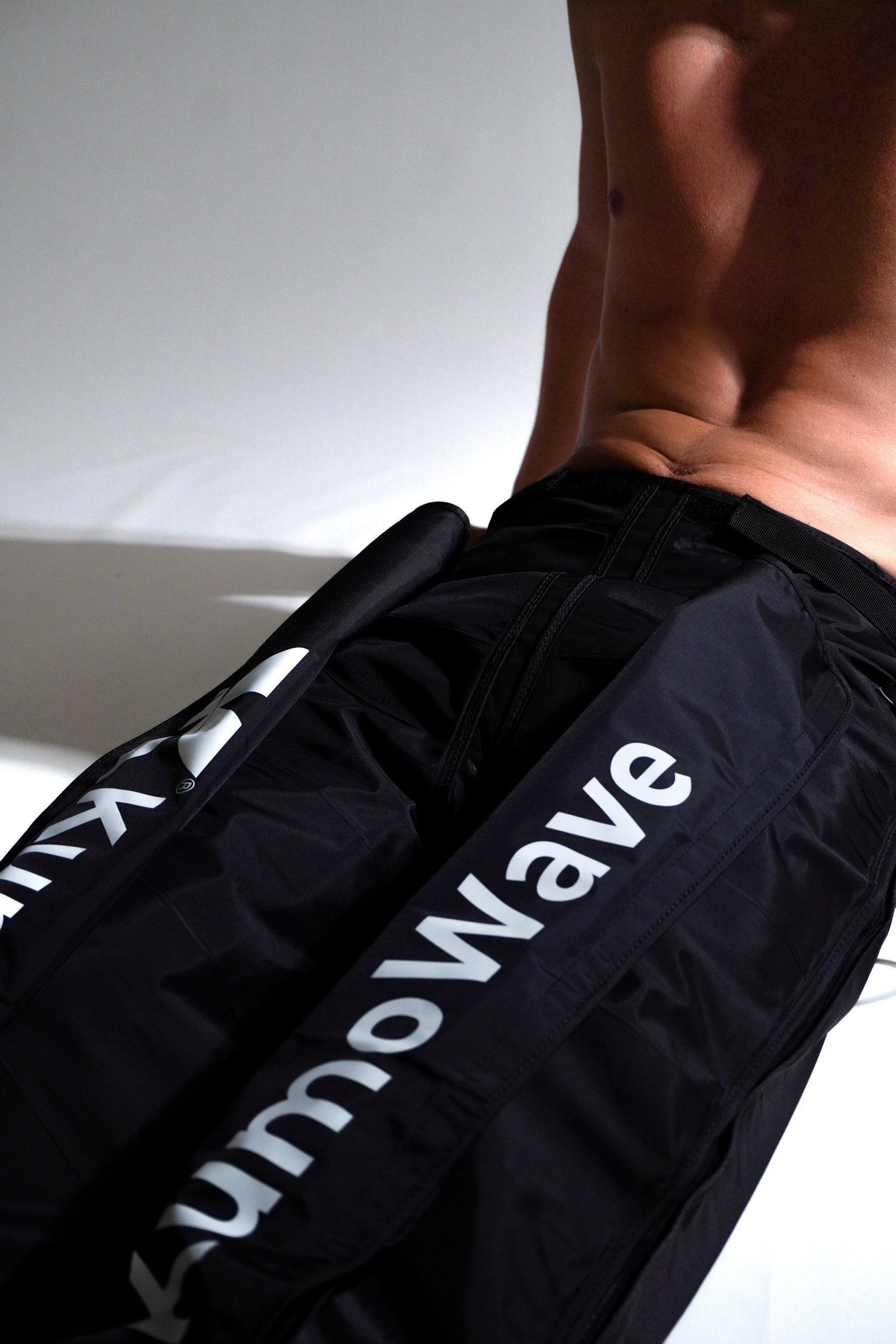
Pressotherapy is an intermittent pneumatic compression technique: boots or sleeves are inflated and deflated in programmed cycles, applying sequential pressure from the feet upwards. This helps to:
- Stimulate venous and lymphatic circulation.
- Reduce the feeling of tired and heavy legs.
- Promote the drainage of accumulated fluids.
In the postpartum period (especially after pregnancy with edema, relative immobility, or cesarean delivery), venous return can be compromised, and the sensation of fluid retention is very common. When used correctly at home, compression therapy can help improve physical comfort and a feeling of lightness , always as a complement to the recommendations of your healthcare professional.
Personalized protocol · included with your purchase
Want us to tell you how to use it in your case?
With your purchase, our experts prepare a personalized usage protocol for your case: sport, circulation, fluid retention, pregnancy or lipedema.
Message us on WhatsAppOur experts reply · no obligation
Pressotherapy does not replace medical treatment or postpartum rehabilitation, but it can be a wellness accelerator in your daily routine.
Benefits of using pressotherapy at home after childbirth
Relief from heavy legs and improved venous return
During pregnancy and early postpartum, hormonal variations and changes in blood volume promote fluid retention and edema in the lower extremities . Sequential pneumatic compression helps to:
- Promote the return of venous blood to the heart.
- Reduce congestion in ankles and calves.
- Reduce the feeling of tightness and tingling.
Performing short sessions of pressotherapy at home can be especially useful on days with low mobility, after many hours of standing, or when accumulated fatigue makes it difficult to take long walks.
on your first order when you join the newsletter
We send you the code instantly. No spam.
Lymphatic drainage support and swelling reduction
Although pressotherapy is not a miracle cosmetic treatment , it can help the lymphatic system:
- Accompanying manual lymphatic drainage work (if your physiotherapist recommends it).
- Promoting the movement of interstitial fluids accumulated in the legs.
- Contributing to an overall feeling of reduced inflammation .
It is important to understand that the response is gradual: changes are usually felt as greater lightness and less swelling after several regular sessions rather than in a single isolated use.
Overall well-being and a more comfortable recovery
Postpartum often involves lack of sleep, new responsibilities, and little time for oneself. Having a compression therapy device at home allows you to:
- Conduct short sessions while the baby sleeps.
- Combine compression with other self-care rituals (breathing, meditation, reading).
- Integrate recovery into a daily routine, without depending on travel.
This feeling of actively caring for your own body also has a positive impact on mood and the perception of recovery.
When is postpartum pressotherapy useful (and when is it not)?
Situations in which it may be especially interesting
Always with the approval of your doctor or midwife, home pressotherapy may be advisable if:
- You had significant edema during pregnancy and it continues after delivery.
- You feel very heavy legs at the end of the day, even with some physical activity.
- You spend many hours sitting or standing (teleworking, baby care) and you find it difficult to move.
- Are you looking for an additional tool to support your circulatory well-being along with gentle exercise and good hydration?
Cases in which you should avoid it or seek strict medical supervision
There are situations in which pressotherapy is contraindicated or requires very careful evaluation:
- History of deep vein thrombosis , pulmonary embolism, or coagulation disorders.
- Decompensated heart failure or severe cardiovascular disease.
- Skin infections, active ulcers, or phlebitis in the legs.
- Intense pain, redness, or localized heat in the legs with no clear cause.
If you have any doubts, your safety is the priority : always discuss the use of pressotherapy with your healthcare professional before starting.
How to use pressotherapy at home after childbirth
Device selection and basic setup
A quality home appliance should offer:
- Different pressure levels to suit your sensitivity and recovery time.
- Sequential massage programs that simulate drainage from the feet to the upper leg.
- Boots that cover at least the foot, ankle and calf , ideally also the thigh.
In KUMO's pressotherapy collection you will find devices specifically designed for circulatory recovery and well-being , integrated into a simple and comfortable user experience.
Duration and frequency of sessions
General recommendations for home use usually include:
- Duration : 15–30 minutes per session, depending on your tolerance.
- Frequency : from 2-3 times per week to almost daily use, always starting gradually.
- Intensity : Start with low or moderate pressure , increasing only if you feel comfortable and without pain.
Listen to your body: if you notice discomfort, excessive pressure, or any strange symptoms, stop the session and consult a doctor.
Time of day and combination with other care
Some ideas for integrating pressotherapy into your routine:
- At the end of the day, to relieve the accumulated fatigue in the legs .
- After a gentle walk, as a complement to your circulatory activation.
- While practicing diaphragmatic breathing or hypopressive exercises recommended by your pelvic floor physiotherapist.
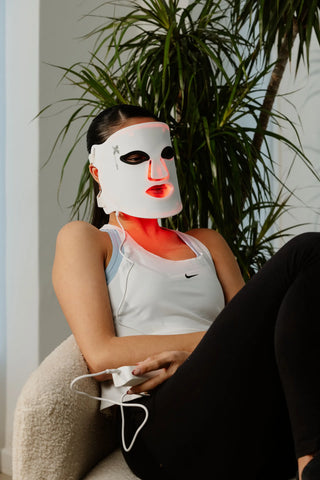
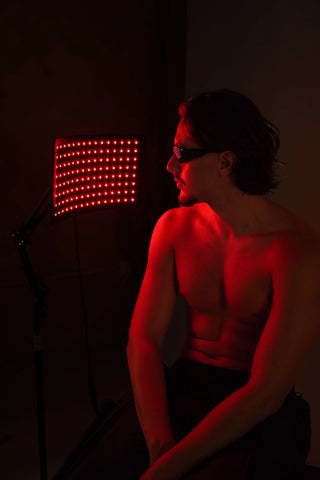
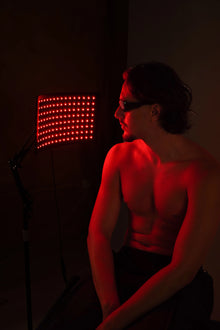
You can combine the session with red or infrared light on other areas of the body to enhance overall recovery. LED light therapy is increasingly used to improve muscle regeneration and sleep quality, which is especially valuable postpartum.
Home pressotherapy and other recovery technologies
Synergies with red light and LED therapy
Red light and near-infrared light can help with:
- Improve local circulation and tissue oxygenation .
- Promote muscle recovery after physical exertion.
- Support the regulation of sleep and circadian rhythm.
Combining pressotherapy sessions with a photobiomodulation device (such as those in KUMO's LED therapy range) can create a comprehensive recovery ritual, focused on both the legs and overall rest.
Relationship with deep tissue massage and massage guns
Percussive massage guns do not replace pressotherapy, but they can be an interesting complement:
- Pressotherapy works globally and circulatively throughout the entire limb.
- The massage gun allows for localized action on points of muscle tension (calves, buttocks, lower back).
A device like KUMOPULSE AIR can help you release muscle tension and strain caused by long hours of carrying the baby or maintaining postures while breastfeeding.
Integration with postpartum exercise and physiotherapy
The foundation of a good postpartum recovery remains:
- Pelvic floor physiotherapy assessment when possible.
- Adapted progressive exercise (walks, breathing exercises, gentle strengthening).
- Good rest, hydration and a balanced diet.
Home pressotherapy is positioned as a complementary tool to make this journey more comfortable, reducing bothersome symptoms and motivating you to remain active within your realistic possibilities.
Summary table: Home pressotherapy in the postpartum period
Benefits, precautions and best practices
| Aspect | What does it contribute to postpartum recovery? | Good practices at home | Key precautions |
|---|---|---|---|
| Venous return | Less heaviness and tiredness in legs | Start with low pressure and 15–20 min sessions | Avoid if there is a history of thrombosis without medical authorization. |
| Fluid drainage | A feeling of less swelling and less swollen ankles | Adequate hydration before and after | Do not use on skin infections or open wounds. |
| General welfare | A moment of self-care, relaxation, and physical relief | Integrate into the weekly recovery routine | Stop if severe pain, dizziness, or significant discomfort occurs. |
| Supplement to the exercise | It promotes recovery after walks or gentle exercise | Use after activity, not instead of moving | Do not consider as a substitute for active mobilization |
| Integration with other therapies | Synergy with red light, massage and physiotherapy | Coordinate with the recommendations of the health professional | Always consult a doctor if you have any relevant pre-existing medical conditions. |
Practical tips for a safe and comfortable experience
Listen to your body and progress gradually
In the postpartum period, your sensitivity may change from day to day. Here are some simple guidelines:
- Don't aim for maximum pressure: stronger doesn't mean better .
- Adjust the intensity to feel firm but comfortable compression.
- If an area becomes numb or painful, reduce the level or stop the session.
Keeping a small record of how you feel before and after sessions can help you adjust the frequency and check if it really benefits you.
Create a recovery and rest ritual
Transform pressotherapy into a moment of pause:
- Choose a comfortable place with a good temperature.
- Turn off screens if possible and focus on your breathing.
- Take this opportunity to practice deep breathing or simply disconnect.
This approach transforms technology into a tool that serves your emotional and physical well-being , and not just another gadget.
Always coordinate with your healthcare professionals
Before starting any postpartum home pressotherapy routine:
- Discuss your plans with your gynecologist, midwife, or physiotherapist .
- Please inform us if you have a history of cardiovascular, coagulation, or lymphatic disorders.
- Ask them to tell you the warning signs that indicate when to stop using it.
Remember that at KUMO, technology is designed to support clinical work , not to replace it.
Frequently asked questions about home pressotherapy in the postpartum period
When can I start using pressotherapy after giving birth?
The right time to start depends on your type of delivery and your health. After an uncomplicated vaginal birth , some professionals allow you to begin with gentle pressure a few weeks later, provided there are no circulatory problems. If you have had a cesarean section, bleeding, or pre-existing conditions , it is essential to get your doctor's approval before starting any pneumatic compression. In all cases, start with short sessions, low pressure levels, and stop use if you experience any pain or unusual symptoms.
Does pressotherapy really help with postpartum fluid retention?
Pressotherapy can support the venous and lymphatic systems, promoting the movement of fluids from the legs to drainage areas. Many women report a feeling of reduced swelling and greater lightness after several regular sessions. However, it is not a standalone or immediate solution: it must be accompanied by adequate hydration, some daily movement (even if gentle), and a balanced diet. If fluid retention is severe or accompanied by other symptoms, a medical evaluation is essential.
Is it safe to use pressotherapy at home if I'm breastfeeding?
In the absence of specific medical contraindications, leg pressotherapy is generally considered compatible with breastfeeding, as it primarily affects peripheral circulation and does not directly alter milk production. However, every case is different: if you are exclusively breastfeeding, it is advisable to inform your midwife or doctor before starting treatment, especially if you have a history of hypertension, thrombosis, or heart problems. If you experience dizziness, palpitations, or general malaise during the session, discontinue use and consult a doctor.
How many sessions per week are recommended postpartum?
For home use, many women find a good balance with 2–4 weekly sessions of 15–30 minutes, adjusting the frequency according to their response and the advice of their healthcare professional. In the very early stages of recovery, it may be wise to start with 1–2 gentle sessions and gradually increase the intensity. More important than quantity is moderate regularity : sessions that are too intense or too long provide no additional benefit and may be uncomfortable or even counterproductive.
Can I combine pressotherapy with other postpartum recovery treatments?
Yes, and in fact, it's one of the smartest ways to use it. Pressotherapy can be integrated into a plan that includes pelvic floor physiotherapy, gentle strengthening exercises, daily walks, and technologies like red light therapy or percussive massage . Ideally, you should coordinate the schedules: for example, walk or do recommended exercises, then have a pressotherapy session, and finish with relaxation techniques. Always consult with your physiotherapist or doctor to adapt the order and intensity to your specific needs.
So what now?
If you want to take the next step and make at-home compression therapy a true ally in your postpartum recovery, you can explore KUMO's collection of compression therapy devices , as well as our LED light therapy and KUMOPULSE AIR percussive massage solutions. On our homepage, you'll find a comprehensive overview of all the recovery technologies we offer. And if you have specific questions or need guidance, don't hesitate to contact us through the contact form : we'd be happy to help you design a recovery routine tailored to your current stage of life.
KumoWave pressotherapy
Choose your at-home pressotherapy
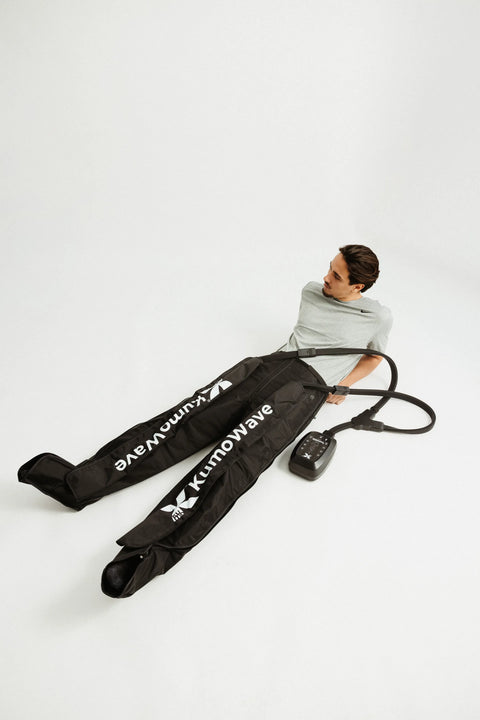
KumoWave Elite – Pressotherapy Pants
Full-coverage trousers. Ideal for lipedema, fluid retention and intensive use.
€799,00 €999,00
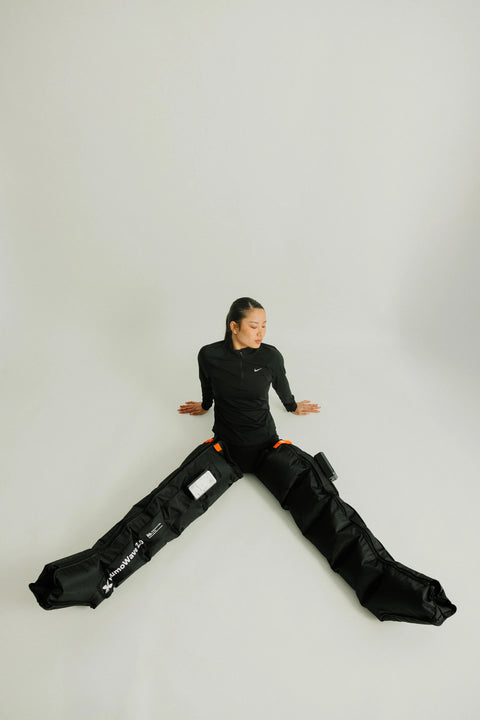
KumoWave 2.0 - Wireless Pressotherapy
Wireless, lightweight boots. Perfect for daily use and recovery.
€499,00 €599,00