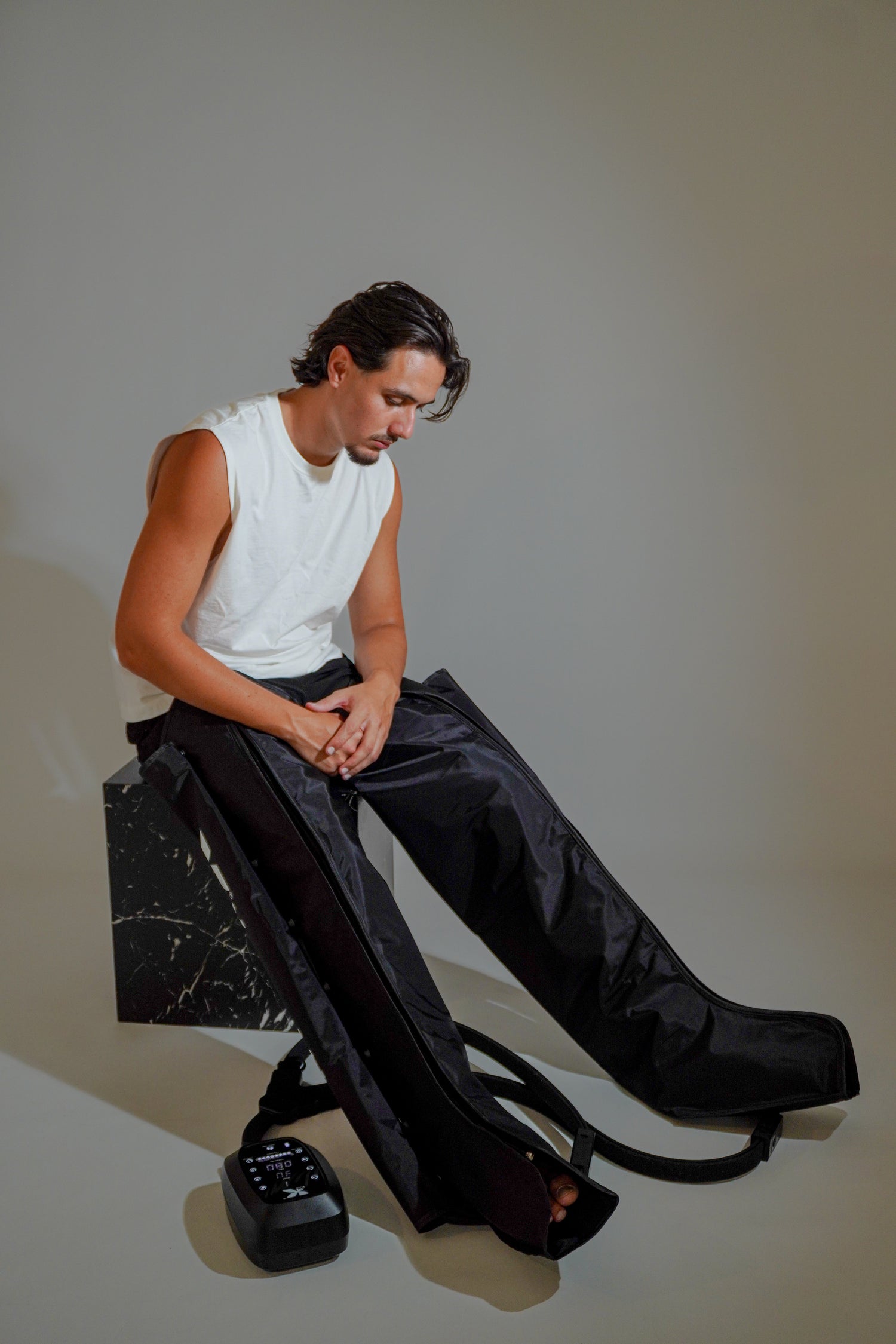
Pressotherapy at home. A simple and increasingly accessible way to care for your legs and your daily recovery.
In this comprehensive guide, you'll understand what pressotherapy is, how it works, what benefits it can offer when used at home, when to be cautious, and how to intelligently integrate it into your wellness and performance routine. We'll also explore how to combine it with other recovery technologies to maximize the benefits of each session.
Pressotherapy at home
End the day with light legs
★★★★★ 4,8/5 · rated by verified customers
KumoWave pressotherapy boosts circulation and helps drain fluid with sequential compression, in 20-minute sessions at home.
- Boosts circulation and helps drain fluid
- Chamber-based compression, adjustable to you
- Sequential compression that mimics manual drainage
€799,00€999,00
−10% on your 1st order when you subscribe to the newsletter

What is pressotherapy and how does it work?
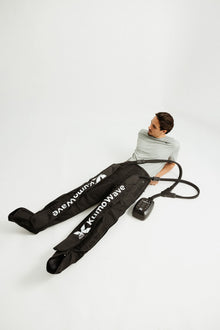
Pressotherapy is an intermittent pneumatic compression technique that uses boots or sleeves that inflate and deflate sequentially. This mechanical massage promotes venous and lymphatic return, helping to reduce swelling and relieve the feeling of tired legs.
At home, this is done with electric devices that control the pressure, time, and inflation sequences. The key is to apply enough pressure to stimulate circulation, but always within safe and comfortable ranges. That's why it's important to choose equipment specifically designed for home use, with guided programs and clear parameters.
Personalized protocol · included with your purchase
Want us to tell you how to use it in your case?
With your purchase, our experts prepare a personalized usage protocol for your case: sport, circulation, fluid retention, pregnancy or lipedema.
Message us on WhatsAppOur experts reply · no obligation
Benefits of home pressotherapy
Relief from tired and heavy legs
Many people spend hours standing or sitting without moving, which hinders venous return. Pressotherapy generates rhythmic compression from the foot to the hip, helping to mobilize accumulated blood and fluids.
After a session, it is common to notice:
- Less swelling in ankles and calves
- Reduction in the feeling of heaviness
- Greater ease of walking
Integrated several times a week, it can become a very useful tool for those who suffer from fatigue in the lower limbs due to their lifestyle.
on your first order when you join the newsletter
We send you the code instantly. No spam.
Muscle recovery and sport
Sequential pneumatic compression is also used in sports to accelerate recovery between training sessions and competitions. The idea is to promote the elimination of metabolic waste products and provide a better feeling of muscle rest.
In a recovery routine, at-home pressotherapy can help you:
- Reduce stiffness and tension in legs after intense workouts
- Feel more muscle freshness before the next session
- Create a "shutdown" ritual after exercise, promoting relaxation
Combined with other recovery tools, such as red light therapy or massage guns, it contributes to a more comprehensive body care strategy.
General well-being and a feeling of lightness
Beyond sports, many people use pressotherapy simply because it makes them feel better at the end of the day. The gentle compression massage can be very relaxing, almost like a spa session at home.
Some subjective effects that are usually described:
- Feeling of “renewed legs”
- Less tension at the end of the day
- A moment of mental disconnection and self-care
It does not replace medical treatment when necessary, but it can be a pleasant complement within a wellness-oriented lifestyle.
Is home pressotherapy safe?
Common contraindications
Although pressotherapy is a non-invasive technique, it's not suitable for everyone. You should always consult a healthcare professional before starting if you have any medical conditions or concerns.
In general, it is usually discouraged in cases such as:
- Known or suspected deep vein thrombosis
- Acute infections in the legs
- Decompensated heart failure
- Open wounds or uncontrolled ulcers in the areas to be treated
- High-risk pregnancy (always consult your doctor)
If you have a history of vascular problems, lymphatic issues, or chronic illnesses, an individual assessment by a healthcare professional is essential before using pressotherapy at home.
Pressure, frequency and duration are indicative
There is no single "recipe" that works for everyone, but there are reasonable criteria for using home pressotherapy:
- Pressure : Ideally, it should feel firm but never painful. If discomfort, intense tingling, or numbness occurs, reduce the pressure or stop the session.
- Duration : many household routines are between 15 and 30 minutes per session.
- Frequency : 2–5 sessions per week are usually sufficient for most people seeking wellness or light recovery.
Always start with moderate times and pressures and observe how your body responds before increasing the intensity or frequency.
How to start pressotherapy at home step by step
1. Define your main objective
Before buying or using equipment, ask yourself what you are primarily looking for:
- Relieve tired legs after work
- Improve recovery after training sessions such as running, cycling, gym workouts, etc.
- Reduce the feeling of occasional bloating
- Include a relaxation ritual in your afternoon/evening routine
Having a clear goal will help you better adjust the pressure, duration, and time of day.
2. Create a comfortable environment
For pressotherapy to become a sustainable habit, the environment matters as much as the device:
- Choose a quiet place, with an armchair or bed where you can stretch out comfortably.
- Have water, a towel, and a light blanket handy if you like.
- Turn off notifications and dedicate that time just to yourself: it can be a good time to listen to a podcast, meditate or simply rest.
3. Adjust the boots or sleeves correctly.
A proper fit is key to comfort and effectiveness:
- Place your legs inside the boots without any thick clothing that might create creases.
- Make sure the zippers or Velcro are properly closed, without any noticeable wrinkles.
- Check that the foot and ankle area are properly positioned so that the inflation sequence follows the correct direction (from distal to proximal).
4. Start with basic programs
If it's your first time:
- Use the simplest program your computer offers.
- Choose a low or medium pressure.
- Limit the session to about 15–20 minutes.
After the first 3–5 sessions, you will be able to assess whether your body adapts well and whether it is advisable to prolong the duration or increase the pressure somewhat.
5. Integrate pressotherapy into your weekly routine
The key is not to have endless sessions, but to be consistent :
- After work: to relieve tired legs.
- After training: as part of your recovery routine.
- Before going to sleep: to induce a state of relaxation (avoids very high pressures at the end of the day).
Think of pressotherapy as a "care ritual" that you repeat several times a week, rather than as a sporadic treatment without continuity.
How to combine pressotherapy with other recovery technologies
KUMO specializes in high-performance recovery technologies designed to work seamlessly together. Pressotherapy is one piece of that puzzle, but not the only one.
Pressotherapy and LED light therapy
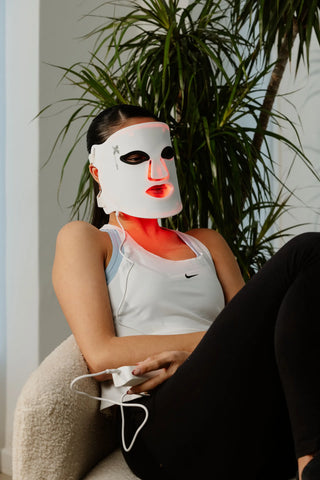
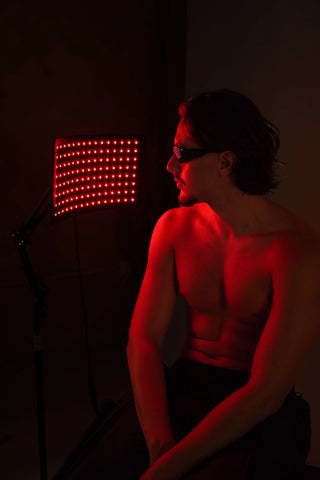
Red light therapy and specific spectrum therapies are used in skin recovery and regeneration. Integrating it with pressotherapy can enhance your overall sense of well-being.
- First, use pressotherapy to activate circulation in your legs.
- Then add a short session of red light therapy to tense muscle areas or to your facial routine.
- Create a sequence 2-3 times per week as a recovery ritual.
You can discover the various applications of red light in the LED light therapy collection.
Pressotherapy and deep muscle massage
Massage guns allow you to work in a very localized way on points of tension, adhesions and particularly charged areas.
A recommended order:
- Massage gun : 5–10 minutes on key muscle groups (quadriceps, hamstrings, calves, glutes).
- Pressotherapy : 15–30 minutes to promote overall circulation in the legs.
This way, you combine targeted, deep work with broader, general drainage. For this type of localized approach, you can learn about KUMO's massage gun, such as the KUMOPULSE AIR .
Pressotherapy and an active lifestyle
Home pressotherapy works best when integrated into an overall healthy lifestyle:
- Daily movement (walking, climbing stairs, exercising regularly)
- Adequate hydration throughout the day
- I get enough sleep regularly.
- Balanced diet
Think of pressotherapy as a tool that enhances and supports these habits, not as an isolated solution.
Practical table: example of a weekly routine with pressotherapy at home
Example of a weekly recovery plan
| Day | Main objective | Duration of pressotherapy | Suggested intensity | Recommended supplement |
|---|---|---|---|---|
| Monday | Recover after training | 20–25 min | Average | 5–10 min of leg massage gun |
| Tuesday | Light legs post-work | 15–20 min | Low-medium | Gentle stretching 5–10 min |
| Wednesday | Active recovery | 20–30 min | Average | Light walk + mindful hydration |
| Thursday | General welfare | 15–20 min | Low | Short LED light therapy session |
| Friday | Download work week | 20–25 min | Average | Deep breathing / meditation 10 min |
| Saturday | After a long sports session | 25–30 min | Average (according to fatigue) | Massage gun for more tense areas |
| Sunday | Relaxation and self-care | 15–20 min | Low | Skincare routine and early bedtime |
Adapt this table to your activity level, your availability, and the advice of your healthcare professional if you have any specific conditions.
How to choose a home pressotherapy device (without talking about prices)
Although we won't go into comparisons or prices, it is useful to know what to look for from a practical and safety point of view.
Relevant technical parameters
When evaluating a device for home use, pay attention to:
- Pressure ranges and gradual adjustments : allowing you to regulate the intensity according to your sensitivity.
- Predefined programs : for drainage, muscle recovery, relaxation, etc.
- Number of air chambers in the boots: the more segmented, the more precise the compression sequence can be.
- Materials and ergonomics : comfort against the skin, ease of cleaning, a feeling of quality.
You can explore pressotherapy solutions focused on recovery and well-being in the specific pressotherapy section.
Ease of use and design
Home pressotherapy should be easy to integrate into your daily routine. Aspects to consider:
- Intuitive and easy-to-understand control panel.
- Cable length and equipment size to place it near the sofa or bed.
- Lightweight and easy to store when not in use.
- Aesthetics that match your space, if design is important to you.
Service, warranty and support
Beyond the device itself, it's important that the brand offers:
- Clear information on use, maintenance and safety.
- Customer support to resolve technical or usage questions.
- Transparent guarantee.
If you ever have questions about how to integrate pressotherapy with other recovery solutions, you can contact the KUMO team directly through the contact page.
Integrate pressotherapy into a smart recovery routine
Before, during and after training
For recreational or advanced athletes, a logical structure might be:
- Before the effort :
- Dynamic heating + optionally a very gentle massage with a gun (without intense pressotherapy).
- After the effort :
- Active cooling (5–10 min of gentle walking).
- Light stretching.
- Pressotherapy session of 15–30 min with moderate pressure.
- On days off :
- Short pressotherapy session + red light to maintain a good feeling of lightness and recovery.
In the context of sedentary work
If you spend many hours sitting down:
- Get up every 45–60 minutes to walk a few steps.
- Do small ankle flexion and extension exercises.
- Schedule 2-3 pressotherapy sessions per week when you get home to restore movement to the circulation in your legs.
Over time, this habit can become your daily "decompression," helping you mentally separate your workday from your personal time.
Listen to your body
Although technology helps, no device knows your body better than you do:
- If after a session you notice prolonged discomfort or unusual signs, reduce the intensity or discontinue use and consult a professional.
- Adjust the number of sessions according to how you feel; more is not always better.
- Always combine pressotherapy with good sleep, exercise, and eating habits.
Frequently asked questions about home pressotherapy
How many times a week is it recommended to use pressotherapy at home?
For most healthy people seeking relief from tired legs or light recovery, two to five sessions per week are usually sufficient. The important thing is to start gradually: for example, two alternate days the first week, observe how you feel, and if all goes well, add a third day. Athletes with high training loads may benefit from more sessions, provided they respect their comfort level, don't experience pain, and have no pre-existing medical contraindications.
Does at-home pressotherapy replace a professional massage or medical treatment?
No. Home pressotherapy is a self-care and recovery tool, but it doesn't replace assessment or treatment by a healthcare professional or physiotherapist. A manual massage can address very specific issues that a machine can't, such as connective tissue restrictions or movement patterns. Ideally, pressotherapy should be seen as a complement: something you use between professional sessions or when you want to enhance your wellness routine, always within the recommended safety guidelines.
Can I use pressotherapy at home if I have varicose veins or circulation problems?
If you have varicose veins, a history of venous thrombosis, phlebitis, or other vascular problems, it is essential to consult your doctor before using pressotherapy at home. In some cases, it may be contraindicated or require very specific parameters that only a professional can determine. Never assume that, just because it's a home device, it's suitable for any condition. Individual assessment is key to avoiding risks and tailoring the care strategy to your particular situation.
Is it normal to feel tingling or heat during the session?
A slight sensation of pressure, pleasant warmth, or even mild tingling can be normal as local circulation improves. However, if the tingling is intense, pain occurs, or you experience significant numbness or any discomfort that makes you feel unsafe, you should stop the session immediately and lower the pressure in the future. The general rule: pressotherapy should be comfortable . If your body sends you warning signals, listen to them and, if in doubt, consult a healthcare professional before continuing.
Can I combine pressotherapy with other recovery tools on the same day?
Yes, in fact, many people experience better results when they combine several recovery strategies in the same day. For example, you could do 5–10 minutes of massage gun therapy on particularly tense areas, followed by 20 minutes of compression therapy, and finish with a brief session of LED light therapy on specific areas. The important thing is to maintain reasonable intensity, not to exceed the total duration, and always respect your subjective sense of comfort. If you have any medical concerns, seek professional advice.
So what now?
If you want to take the next step and integrate at-home pressotherapy into a modern recovery routine, we invite you to explore KUMO's pressotherapy solutions and other technologies, such as LED light therapy or the KUMOPULSE AIR pistol. On the contact page, you can ask your specific questions, and on the KUMO homepage, you can discover how to make recovery a true lifestyle.
KumoWave pressotherapy
Choose your at-home pressotherapy
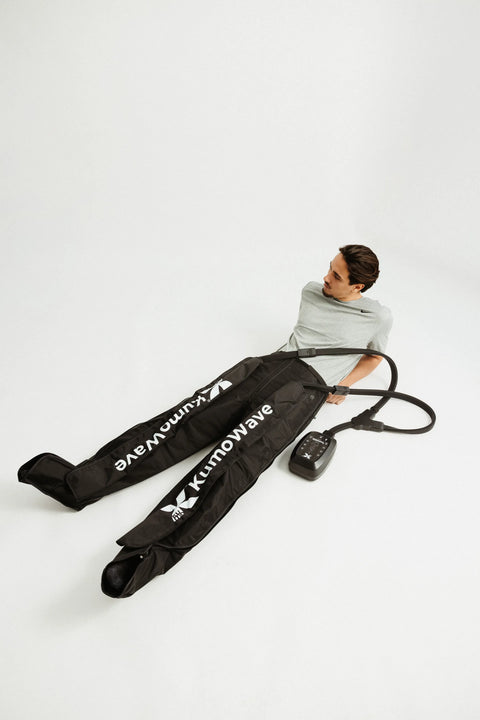
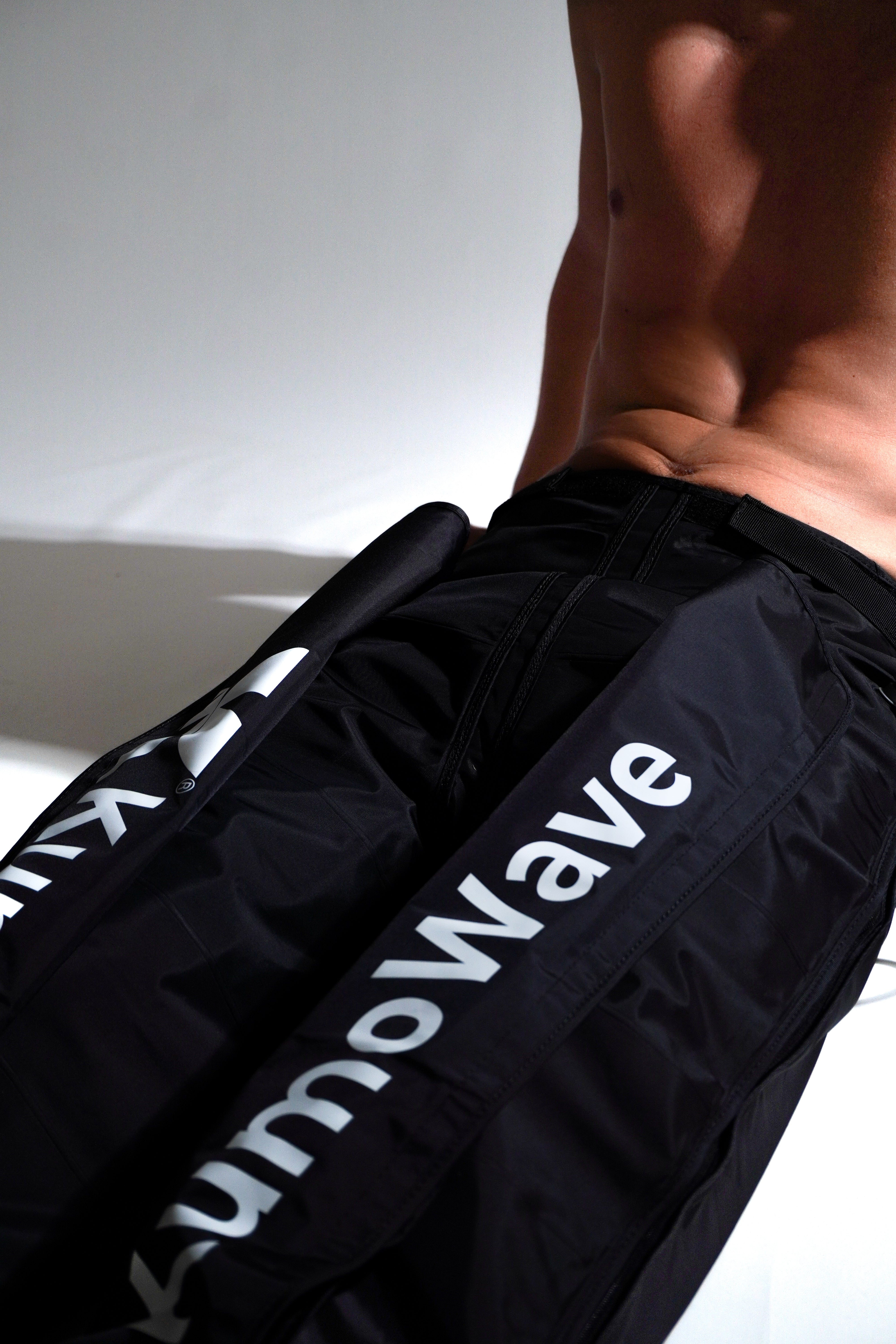
KumoWave Elite – Pressotherapy Pants
Full-coverage trousers. Ideal for lipedema, fluid retention and intensive use.
€799,00 €999,00
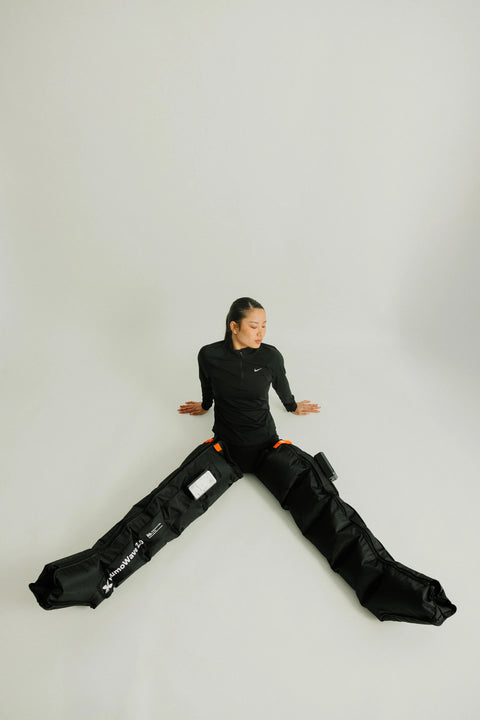
KumoWave 2.0 - Wireless Pressotherapy
Wireless, lightweight boots. Perfect for daily use and recovery.
€499,00 €599,00