Cellulite doesn't always look the same.
Here, we're talking about orange peel skin, not the skin infection. It's a very common alteration: the Cleveland Clinic's clinical guide to cellulite estimates that between 80% and 90% of women who have passed puberty experience it, and even thin people can have it. (my.clevelandclinic.org)
Pressotherapy at home
End the day with light legs
★★★★★ 4,8/5 · rated by verified customers
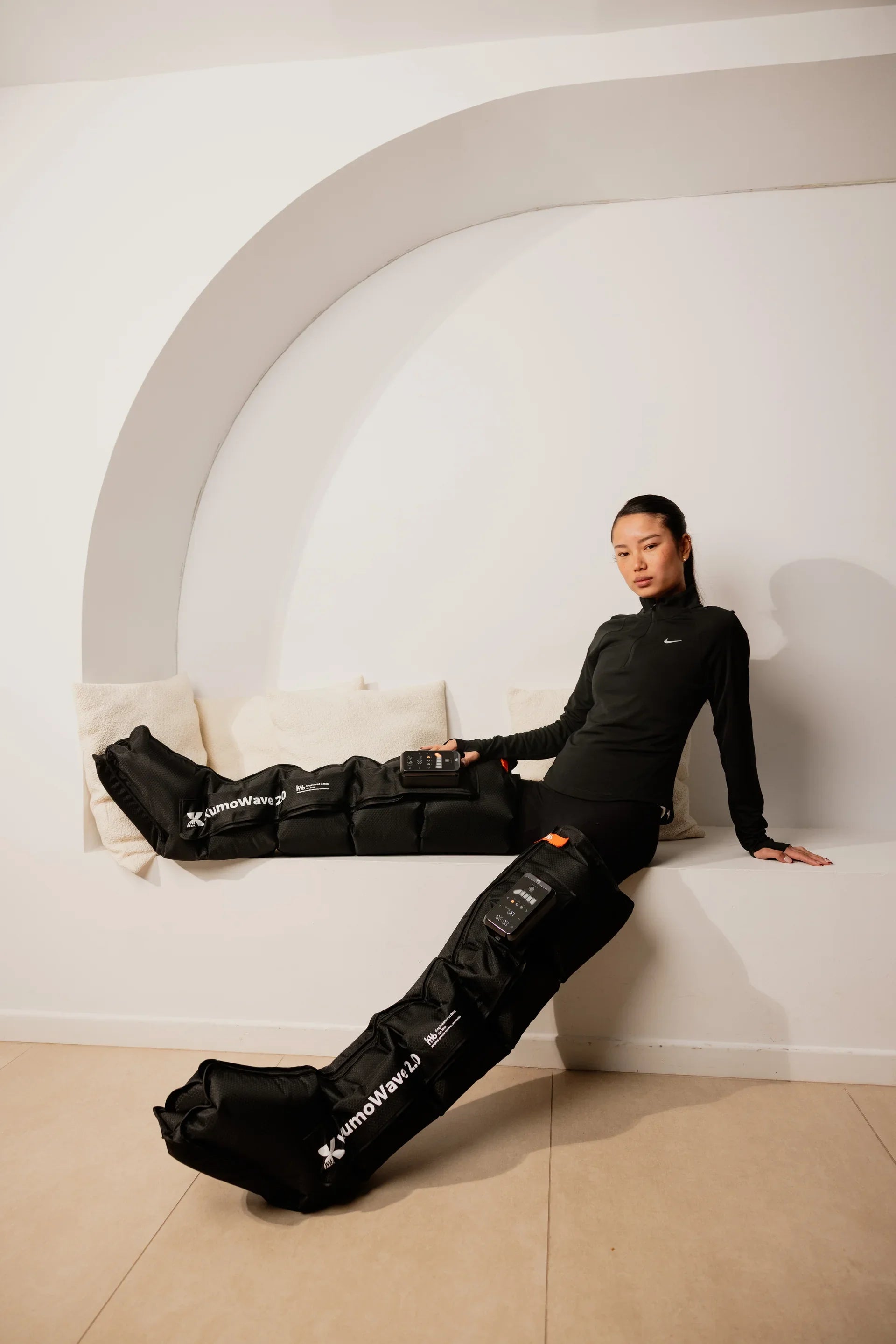
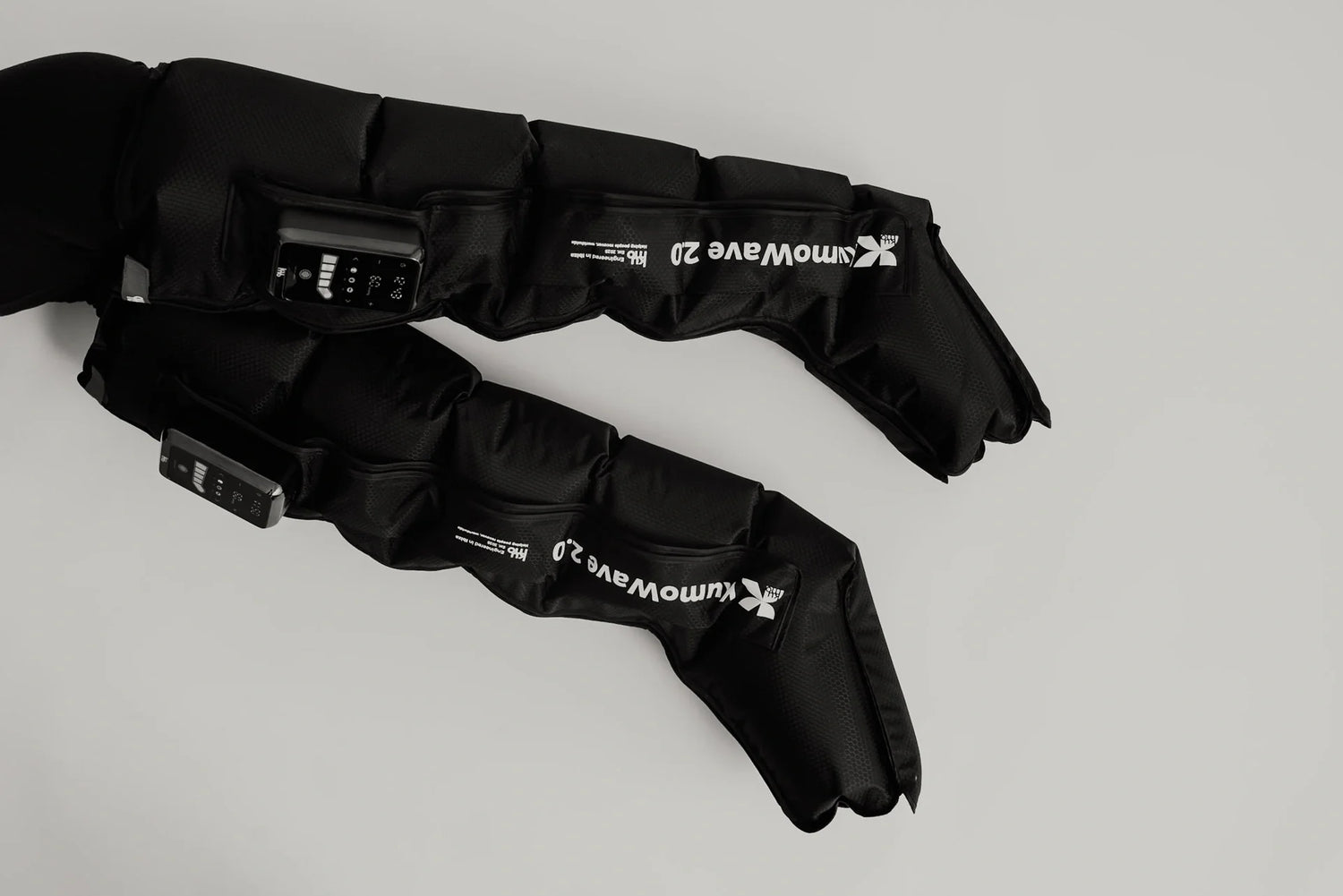
KumoWave pressotherapy boosts circulation and helps drain fluid with sequential compression, in 20-minute sessions at home.
- Boosts circulation and helps drain fluid
- Chamber-based compression, adjustable to you
- Sequential compression that mimics manual drainage
€799,00€999,00
−10% on your 1st order when you subscribe to the newsletter

If you learn to distinguish whether yours is soft, hard, fibrous, or edematous, you'll better know what to expect, which habits to prioritize, and when it's advisable to seek professional assessment. At Kumo Balance, the focus of recovery and wellness technology is precisely that: adding useful tools to a realistic routine. (my.clevelandclinic.org)
What is cellulite and why does it appear?
Mayo Clinic explains that aesthetic cellulite appears when the fibrous bands connecting the skin to deeper layers pull down, while underlying fat pushes up, creating dimples and irregularities. It's not a general health problem, but it is a very visible feature that can appear on thighs, buttocks, abdomen, arms, or chest. (mayoclinic.org)
Personalized protocol · included with your purchase
Want us to tell you how to use it in your case?
With your purchase, our experts prepare a personalized usage protocol for your case: sport, circulation, fluid retention, pregnancy or lipedema.
Message us on WhatsAppOur experts reply · no obligation
Its visibility depends on several factors: genetics, sex, age, skin thickness, and fat distribution. That's why it can appear in people with higher weight, but also in thin or highly trained bodies. (my.clevelandclinic.org)
It should not be confused with infectious cellulite, which is a bacterial skin infection and requires antibiotics. The UCLA Health explanation of cellulitis and cellulite reminds us that both conditions are different: one is aesthetic, the other can be medical and urgent. (uclahealth.org)
Types of cellulite: how to recognize yours
In clinical and aesthetic practice, the literature discusses various severity scales, as well as an orientative classification by consistency: soft, hard or fibrous, edematous, and mixed. It's not a rigid label, but it is a useful way to observe what dominates in your case: laxity, hardness, edema, or a combination of features. (pubmed.ncbi.nlm.nih.gov)
on your first order when you join the newsletter
We send you the code instantly. No spam.
Soft or flaccid cellulite
It is usually seen more in areas where there is some flaccidity: arms, abdomen, hips, buttocks, and inner thighs. To the touch, the tissue feels more mobile and the skin changes significantly with posture. In this pattern, the priority is not usually to "tighten" the area, but to improve muscle tone, consistency of movement, and overall body composition care. (svako.lt)
Hard, fibrous, or compact cellulite
This is most associated with tight skin, more pronounced dimples, and a sensation of nodules or stiffness to the touch. It can be uncomfortable or sensitive in areas like the thighs and buttocks. Since its structural component is stronger, it tends to respond less well to superficial changes and requires a more precise approach, especially if you're looking to improve visible texture. (static1.squarespace.com)
Edematous cellulite
This is most related to fluid retention, a feeling of heavy legs, and swelling. In clinical sources on lipedema, edema, heaviness, and easy bruising help differentiate a circulation or drainage problem from a simple aesthetic alteration. If you also notice volume that increases by the end of the day or a sensation of "thickness" in the area, it's worth observing closely. (static1.squarespace.com)
Mixed cellulite
Many people don't fit into a single pattern. There might be a softer area on the abdomen and a more fibrous one on the thighs or buttocks, for example. Therefore, before choosing a routine or treatment, it's advisable to look at cellulite by areas and not as a single block. (pubmed.ncbi.nlm.nih.gov)
Quick guide for self-assessment
The following table summarizes a practical interpretation. It serves as a guide, not a diagnosis; if there is pain, marked swelling, sudden changes, or doubt about lipedema, a professional assessment is appropriate. (pubmed.ncbi.nlm.nih.gov)
| Type | How it usually feels | Frequent areas | What usually makes the most sense |
|---|---|---|---|
| Soft or flaccid | More mobile, with loose skin and relief that changes with posture. | Abdomen, arms, hips, and buttocks. | Strength training, regular movement, weight stability, and a sustained routine. (svako.lt) |
| Hard or fibrous | More compact, with defined dimples and a firm feel. | Thighs and buttocks. | Professional assessment and treatments that act on fibrous septa. (pmc.ncbi.nlm.nih.gov) |
| Edematous | Predominant swelling, heaviness, and a spongy or tense feeling. | Legs, ankles, and lower body. | Compression, movement, and ruling out edema or lipedema if there is pain or bruising. (nhs.uk) |
| Mixed | Combines features of two or more patterns. | Variable depending on the area. | Personalized plan, because not all areas respond the same. (pubmed.ncbi.nlm.nih.gov) |
If you want to refine the severity, the guide to identifying the grade of your cellulite will help you distinguish if the relief appears only when pinching the skin, when standing, or also when sitting. (my.clevelandclinic.org)
Cellulite grades: type and severity are not the same
The same person can have soft cellulite, but to a mild degree; or a fibrous form with more visibility. The Cleveland Clinic describes four grades: zero, one, two, and three, depending on whether the relief appears only when pinching the skin, when standing, or also when sitting. (my.clevelandclinic.org)
- Grade 0: No visible cellulite, not even when pinched. (my.clevelandclinic.org)
- Grade 1: Skin looks smooth when standing, but slight dimples appear when sitting or doing the pinch test. (my.clevelandclinic.org)
- Grade 2: Dimples are moderate and can be seen both standing and sitting. (my.clevelandclinic.org)
- Grade 3: The relief is more severe, with marked valleys and peaks visible in different positions. (my.clevelandclinic.org)
What to do according to the type of cellulite
If yours is mild and mostly aesthetic
Start with the basics: regular movement, strength training, good posture, and avoiding sudden weight changes. The Mayo Clinic points out that weight, muscle mass, and activity influence how cellulite looks, though they don't fully explain it. It also reminds us that results from treatments or cosmetics are often variable and not immediate. (mayoclinic.org)
If you prefer a simple roadmap, the at-home anti-cellulite routine will help you move from theory to a realistic routine. (mayoclinic.org)
If it is hard or fibrous
When the tissue is more compact, the best strategies are those that act on the fibrous septa or on the deep structure of the skin. An anatomical review suggests that morphology is very important when choosing the approach, and another review highlights that strategies targeting fibrous septa are among those that show the most consistent efficacy. You can expand on this idea in the anatomical review on how to evaluate and treat cellulite. (pubmed.ncbi.nlm.nih.gov)
That's why it can make sense to compare in-clinic and at-home treatments before investing time and energy in a protocol that doesn't fit your cellulite type. (pmc.ncbi.nlm.nih.gov)
If it is edematous or you feel heavy legs
When swelling, heaviness, or changes at the end of the day predominate, the focus is no longer just aesthetic. The NHS recommends assessing compression, exercise, and maintaining a healthy weight for lipedema, and adds that compression can help manage symptoms. This approach does not "erase" cellulite, but it can be very useful as support if the main problem is fluid congestion. (nhs.uk)
If this is your case, you might be interested in reviewing how to effectively address edematous cellulite, because the strategy there is usually different from that for more fibrous cellulite. (nhs.uk)
When appearance can hide something else
If the skin is painful, persistently swollen, bruises easily, there is marked heaviness, or you notice a very symmetrical distribution in the legs or arms, it is worth considering lipedema. The NHS explains that pain, tenderness, heaviness, and easy bruising usually appear, and that the feet and hands are normally not affected as in other edema problems. In 2024, a study of 707 women with lipedema phenotype confirmed that pain, swelling, and easy bruising are very frequent symptoms. (nhs.uk)
Furthermore, if the area becomes red, hot, painful, and the change is sudden, we are no longer talking about aesthetic cellulite but a possible skin infection. In that case, UCLA Health reminds us that infectious cellulitis may require antibiotics and prompt medical attention. If you suspect lipedema, the guide to lipedema and real options will serve as a starting point. (uclahealth.org)
FAQ
Can cellulite be completely eliminated?
In many cases, the realistic answer is not entirely. Cellulite is very common, and while it can improve significantly, its structural origin means results depend on genetics, fat distribution, skin quality, and consistent habits. The Mayo Clinic also reminds us that improvements with exercise, massage, creams, or treatments can be variable and not always lasting. The most useful approach is usually to think about reducing visibility and improving texture, not absolute promises. (mayoclinic.org)
How do I know if what I have is cellulite or lipedema?
Cellulite is usually aesthetic and not painful; lipedema usually causes pain, tenderness, easy bruising, and a feeling of heaviness or swelling. The NHS adds that, in lipedema, the feet and hands are usually not affected, which helps differentiate it from other types of edema. If you notice these signs, it's worth seeking a medical evaluation, especially if the change is symmetrical and persistent. If you want to delve deeper, review the complete guide on lipedema. (nhs.uk)
Are soft, hard, and edematous cellulite treated the same way?
No. Soft cellulite usually responds better to strength training, movement, and a consistent routine; hard or fibrous cellulite needs deeper strategies because its structure is more compact; and edematous cellulite requires attention to fluid retention and circulation. The key idea is that not everything that looks like "cellulite" needs the same solution. Therefore, before choosing a protocol, it's worth reviewing which treatments are best suited for home or in-clinic use. (pubmed.ncbi.nlm.nih.gov)
Does pressotherapy help if I have cellulite?
It can help as support, especially when there is a feeling of heaviness or a component of fluid retention, but it does not replace an evaluation or eliminate the underlying cause on its own. The NHS notes that compression can be part of lipedema management, and this logic is useful when cellulite is accompanied by swelling. In other words: it can be an interesting tool within a broader strategy, not a miraculous solution. (nhs.uk)
Does cellulite only appear due to being overweight?
No. Although weight gain can make it more visible, cellulite also appears in thin people and in highly trained bodies. The Cleveland Clinic and Mayo Clinic agree that genetics, age, sex, and tissue structure play an important role. Therefore, it should not be automatically associated with a lack of physical fitness or a poor diet. It is a very common body pattern, not a judgment on your health or discipline. (my.clevelandclinic.org)
What now?
If you want to move from observation to action, start by identifying the pattern and grade, and then build a routine that you can maintain. You can continue with the grade guide or an at-home anti-cellulite routine to apply it to your daily life. (my.clevelandclinic.org)
KumoWave pressotherapy
Choose your at-home pressotherapy
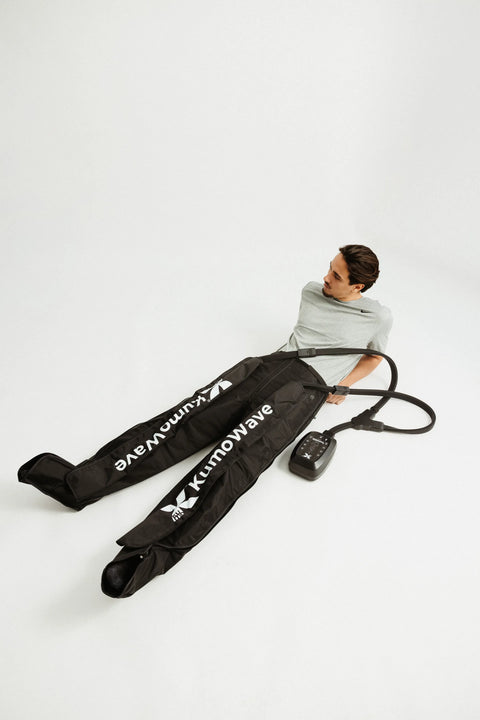
KumoWave Elite – Pressotherapy Pants
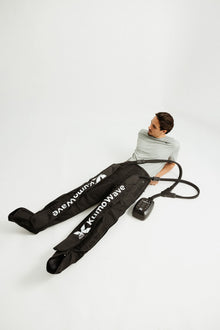
Full-coverage trousers. Ideal for lipedema, fluid retention and intensive use.
€799,00 €999,00
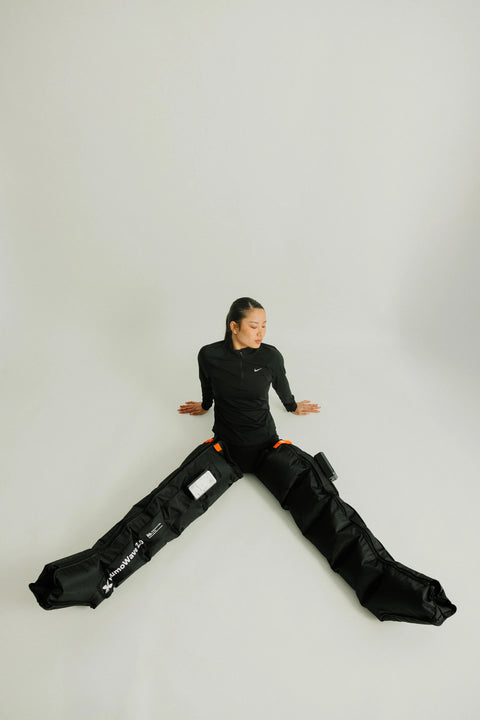
KumoWave 2.0 - Wireless Pressotherapy
Wireless, lightweight boots. Perfect for daily use and recovery.
€499,00 €599,00