
Lipedema is not simply accumulated fat.
It is a chronic disorder of adipose tissue that usually affects the legs, hips, and, in some cases, arms symmetrically. Typically, it presents with pain on pressure, a feeling of heaviness, easy bruising, and a visible disproportion between the upper and lower body; in addition, the feet and hands are usually spared. (ncbi.nlm.nih.gov)
Pressotherapy at home
End the day with light legs
★★★★★ 4,8/5 · rated by verified customers
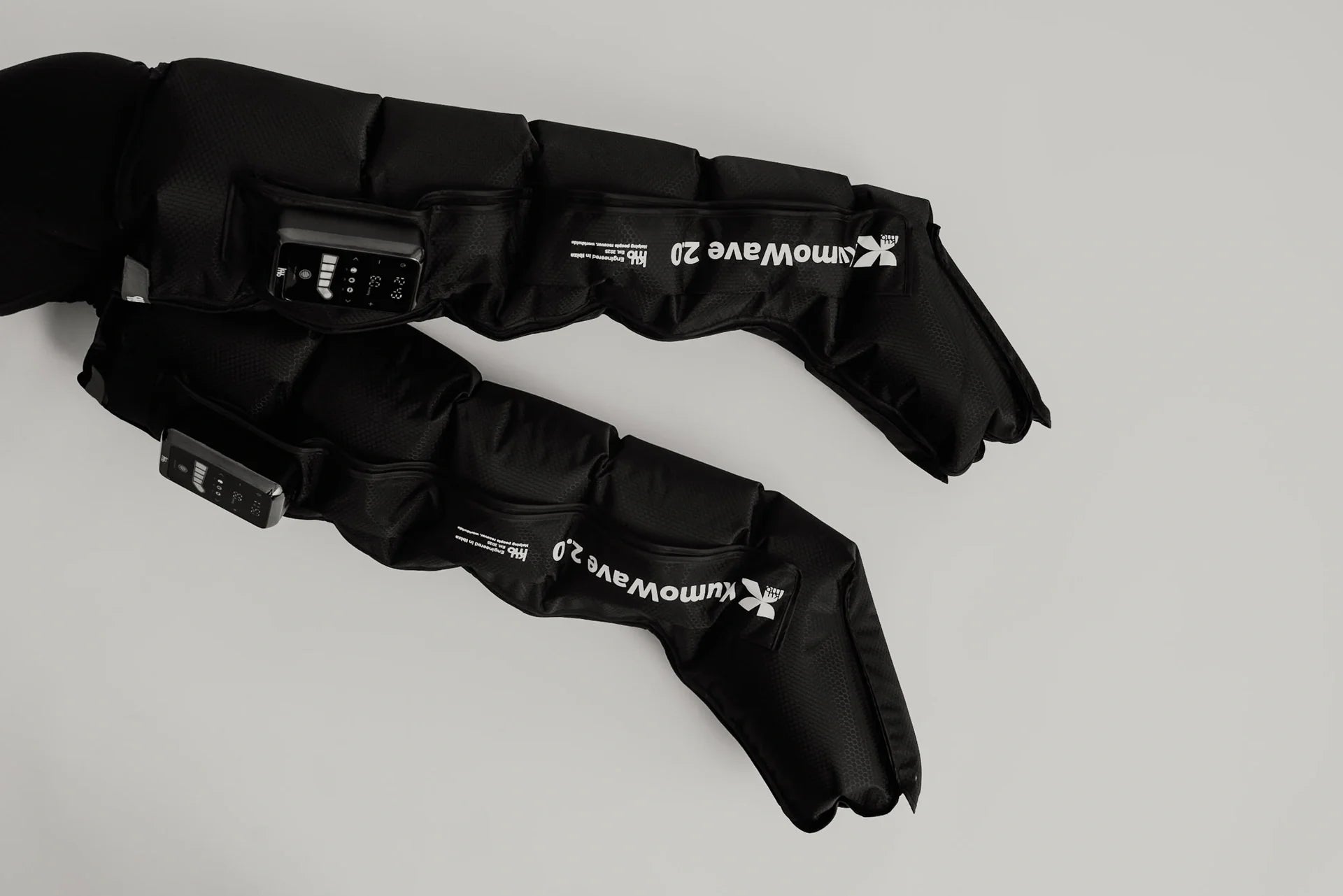
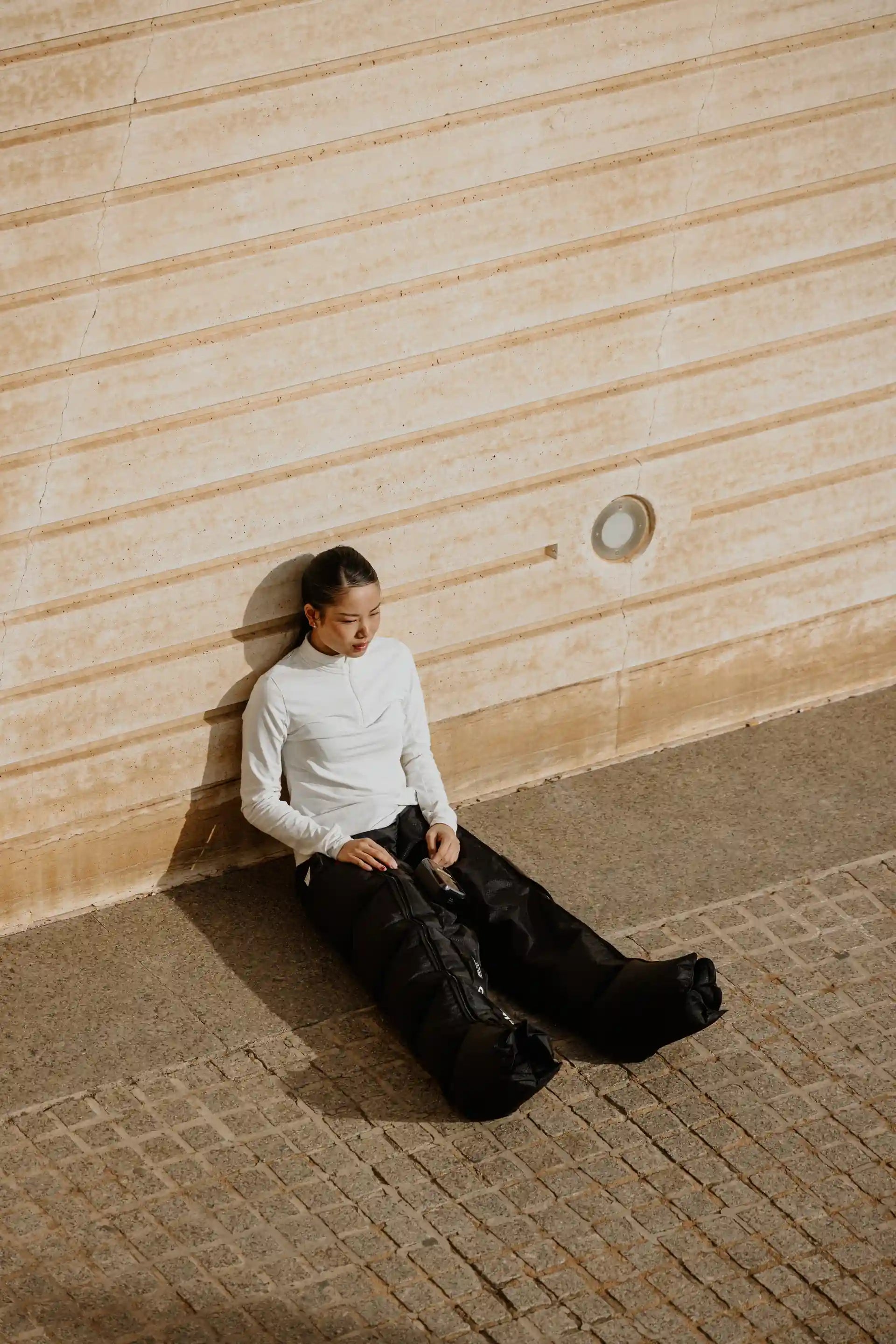
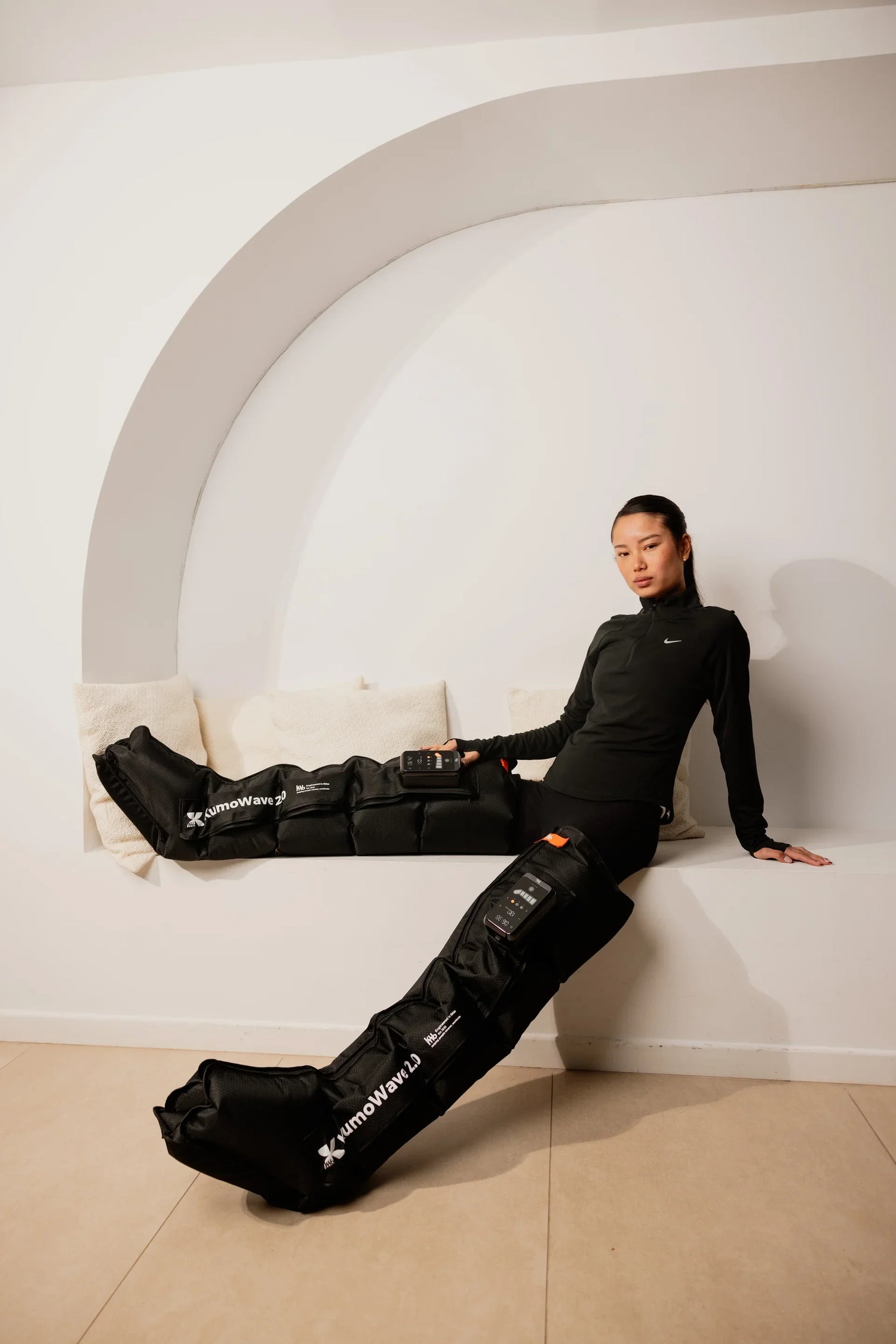
KumoWave pressotherapy boosts circulation and helps drain fluid with sequential compression, in 20-minute sessions at home.
- Boosts circulation and helps drain fluid
- Chamber-based compression, adjustable to you
- Sequential compression that mimics manual drainage
€799,00€999,00
−10% on your 1st order when you subscribe to the newsletter

Detection is often significantly delayed: in a cohort published in 2022, there was an average of 16.11 years between symptom onset and diagnosis. This delay is consistent with what clinical reviews describe, which emphasize that lipedema is frequently confused with obesity, cellulite, or lymphedema. (mdpi.com)
Prevalence estimates are also variable because it is diagnosed late and inconsistently; a standard care review cited figures ranging from 6.5% in a pediatric sample in the U.S. to 15-19% in some vascular clinics. (ncbi.nlm.nih.gov)
Personalized protocol · included with your purchase
Want us to tell you how to use it in your case?
With your purchase, our experts prepare a personalized usage protocol for your case: sport, circulation, fluid retention, pregnancy or lipedema.
Message us on WhatsAppOur experts reply · no obligation
If you are looking for a context of well-being and recovery at home, Kumo Balance's proposal fits a more consistent self-care routine, without losing sight of the fact that diagnosis must be made by a healthcare professional.
What exactly is lipedema?
Lipedema is an alteration in body fat distribution and connective tissue. It is not solely defined by "having more volume," but by a disproportionate and bilateral accumulation, especially in the lower limbs, which usually appears or becomes more evident during hormonal stages such as puberty, pregnancy, or menopause. A recent clinical review on the manifestations and stages of lipedema summarizes this pattern well. (pmc.ncbi.nlm.nih.gov)
In practice, the key is not just the external appearance. Sensitivity to touch, a tendency to pain, worsening with heat or at the end of the day, and the affected tissue's resistance to conventional diets are also important. This is why two people with similar body volume can have very different problems. (ncbi.nlm.nih.gov)
on your first order when you join the newsletter
We send you the code instantly. No spam.
It usually affects women predominantly and can have a familial component, which helps explain why it does not respond in the same way as common obesity or resolve solely with weight changes. (ncbi.nlm.nih.gov)
Signs that help recognize it early
The more signs that coincide, the more reason to consult a doctor. It is not necessary to have all of them to suspect lipedema. (pmc.ncbi.nlm.nih.gov)
- Bilateral disproportion: both legs or both arms increase in size similarly, while the trunk may appear less affected. (ncbi.nlm.nih.gov)
- Pain or sensitivity: touch, pressure, or even tight clothing can cause discomfort. (ncbi.nlm.nih.gov)
- Easy bruising: bruises appear with minor bumps or without a clear cause. (ncbi.nlm.nih.gov)
- Feet and hands relatively spared: the increase in volume usually ends before the fingers, giving the classic "cuff" or bracelet shape at the ankles and wrists. (pmc.ncbi.nlm.nih.gov)
- Heaviness at the end of the day: prolonged standing, heat, and fatigue usually worsen the feeling of swelling. (pmc.ncbi.nlm.nih.gov)
If these signs sound familiar to you, compare them with the early signs that should not be ignored to better categorize what you notice. (pmc.ncbi.nlm.nih.gov)
When to seek an evaluation
If you notice a symmetrical increase in volume in your legs or arms, pain to the touch, frequent bruising, or a heaviness that does not improve with rest, it is worth consulting. It is also advisable to expedite the evaluation if the swelling affects the feet, if there is marked asymmetry, or if the change appeared suddenly, as this necessitates ruling out lymphedema and other causes. (ncbi.nlm.nih.gov)
Stages of lipedema and why early detection matters
The progression is usually described in four morphological stages, although not all people progress at the same rate or with the same intensity. (pmc.ncbi.nlm.nih.gov)
- Stage 1: the skin may appear smooth, but the subcutaneous tissue is thickened, and small nodules are palpable. (pmc.ncbi.nlm.nih.gov)
- Stage 2: a more irregular surface appears, with larger nodules and more fibrosis. (pmc.ncbi.nlm.nih.gov)
- Stage 3: the tissue becomes harder, with visible lobulations and greater functional impact. (pmc.ncbi.nlm.nih.gov)
- Stage 4: lipo-lymphedema, meaning secondary involvement of the lymphatic system, may be added. (pmc.ncbi.nlm.nih.gov)
Recognizing the problem before it progresses does not "cure" it, but it can help better manage symptoms, follow-up, and daily habits. (pubmed.ncbi.nlm.nih.gov)
Lipedema, cellulite, obesity, and lymphedema: how to differentiate them
Confusion is frequent because several conditions share swelling, aesthetic changes, or increased volume. The difference lies in the pattern, pain, bruising, and the tissue's behavior throughout the day. The 2024 S2k guideline for the diagnosis and management of lipedema insists that diagnosis should be based on well-established clinical criteria and a good differential diagnosis. (pubmed.ncbi.nlm.nih.gov)
Practical comparison of the most useful features
| Characteristic | Lipedema | Cellulite | Obesity |
|---|---|---|---|
| Distribution | Symmetrical, especially in legs and hips; hands and feet usually spared. | Superficial skin changes, not so much a uniform increase in volume. | More general increase in adipose tissue. |
| Pain | Frequent to touch or pressure. | Not the main feature. | Variable, usually not the guiding symptom. |
| Bruising | Usually appears easily. | Not typical. | Not typical. |
| Response to diet | Affected area usually responds little. | Not applicable. | Overall volume usually changes more. |
Note: this table summarizes useful patterns, but the real difference between these conditions is confirmed with medical evaluation, especially if there is also foot swelling, pitting edema, or color changes. In that case, lymphedema gains diagnostic weight. (pmc.ncbi.nlm.nih.gov)
If you want to delve deeper into this contrast, review how not to confuse it with cellulite or overweight. (ncbi.nlm.nih.gov)
How is it diagnosed?
There is no single test that alone confirms lipedema. The evaluation is clinical and relies on the symptom history, physical examination, and exclusion of other conditions. The 2024 S2k guideline for the diagnosis and management of lipedema insists that diagnosis and therapeutic decisions must be based on well-done clinical criteria and differential diagnoses. (pubmed.ncbi.nlm.nih.gov)
When supportive tests are needed, ultrasound, MRI, bioimpedance, or lymphoscintigraphy can help differentiate lipedema from lymphedema and other causes of edema. Still, the goal is usually to complement the clinical interview, not replace it. (pubmed.ncbi.nlm.nih.gov)
In some patients, blood tests are also requested to rule out thyroid, kidney, liver alterations, or other causes of swelling, especially if the condition is not clear initially. (ncbi.nlm.nih.gov)
What helps relieve it?
The most accepted management begins with conservative measures. The conservative care reference published in 2021 includes nutritional education, manual therapy, compression garments, recommendation of pneumatic compression, and a home exercise plan as the initial foundation. (pmc.ncbi.nlm.nih.gov)
- Diet: helps control accompanying weight and metabolic well-being, but lipedematous tissue usually responds less to weight loss than common fat. (ncbi.nlm.nih.gov)
- Low-impact movement: walking, gentle cycling, or water activities are usually better tolerated than explosive efforts when there is pain or heaviness. (ncbi.nlm.nih.gov)
- Compression and pressotherapy: can be part of symptomatic support for the feeling of heaviness and fluid accumulation, always under professional guidance. (pmc.ncbi.nlm.nih.gov)
- Specialized treatment: in selected cases and after evaluating conservative management, the evaluation of patient-reported outcomes after liposuction and recent reviews describe improvements in pain, mobility, and quality of life. (pubmed.ncbi.nlm.nih.gov)
For a more daily practice-oriented view, you can read about real treatment options and what each can contribute, as well as protocols and habits for managing it without surgery. (pmc.ncbi.nlm.nih.gov)
And if you want to explore the role of mechanical care at home, the guide on pressotherapy for lipedema at home explains how to integrate it into a supportive routine, not as a substitute for medical treatment. (pmc.ncbi.nlm.nih.gov)
Frequently asked questions about lipedema
What is lipedema and what are its main symptoms?
It is a chronic disorder of adipose tissue that usually appears predominantly in women and causes a disproportionate and symmetrical distribution, typically in the legs, hips, or arms. The most common symptoms are pain on pressure, a feeling of heaviness, tenderness to the touch, easy bruising, and an appearance where the feet and hands are spared. It can also become more evident during puberty, pregnancy, or menopause. (ncbi.nlm.nih.gov)
How to distinguish lipedema from cellulite or obesity?
Cellulite primarily affects the skin surface and can coexist with lipedema, but it does not alone explain the pain or bruising. Obesity usually distributes fat more generally and responds better to overall weight loss. In contrast, lipedema presents a symmetrical, painful, and persistent disproportion, with relatively spared feet and hands. This combination of features is what most helps to guide the diagnosis. (ncbi.nlm.nih.gov)
What are the signs to recognize lipedema early?
The most useful warning signs are bilateral disproportion of the legs or arms, pain to the touch, frequent bruising, and a feeling of heaviness that worsens at the end of the day or with heat. If you also notice that your feet are less affected and that diets barely change the volume of your limbs, it is worth consulting a doctor. Early detection not only avoids physical discomfort but also helps reduce years of uncertainty. (pmc.ncbi.nlm.nih.gov)
What tests or diagnosis are used to confirm lipedema?
There is no single, definitive test. Diagnosis is primarily based on medical history and physical examination, and then supported by imaging tests when necessary to rule out lymphedema or other causes of swelling. Among the most useful are ultrasound, MRI, bioimpedance, and lymphoscintigraphy, always depending on the case. Additionally, blood tests may be requested to rule out thyroid, kidney, or liver problems. (pubmed.ncbi.nlm.nih.gov)
What treatments exist for lipedema and how can they relieve pain?
The initial approach is usually conservative: nutritional education, low-impact exercise, compression garments, manual drainage, and, in some cases, pneumatic compression or pressotherapy. These measures do not cure the disease but can reduce heaviness, improve mobility, and make daily life more manageable. In selected patients, tumescent liposuction has also shown benefits in pain, function, and quality of life, although it requires specialized evaluation. (pmc.ncbi.nlm.nih.gov)
What now?
If you suspect lipedema, start with the complete guide on symptoms, stages, and treatment, and revisit how pressotherapy for lipedema at home can fit as support within a well-planned routine. If pain, swelling, or bruising progresses, seek a medical evaluation to confirm the diagnosis and choose the appropriate approach. (pubmed.ncbi.nlm.nih.gov)
KumoWave pressotherapy
Choose your at-home pressotherapy
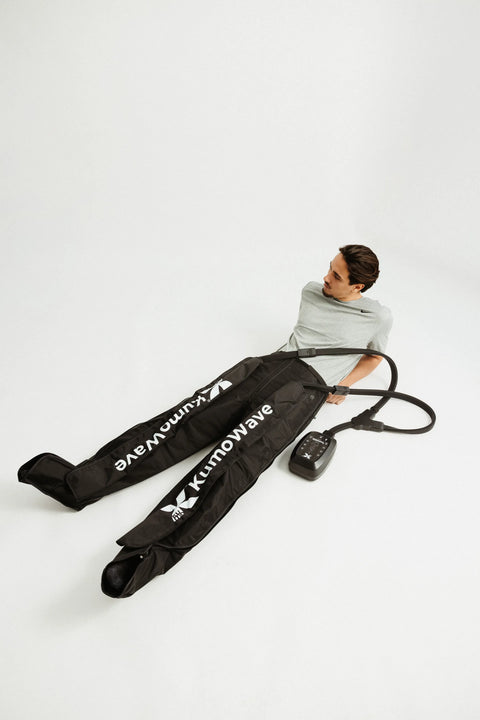
KumoWave Elite – Pressotherapy Pants
Full-coverage trousers. Ideal for lipedema, fluid retention and intensive use.
€799,00 €999,00
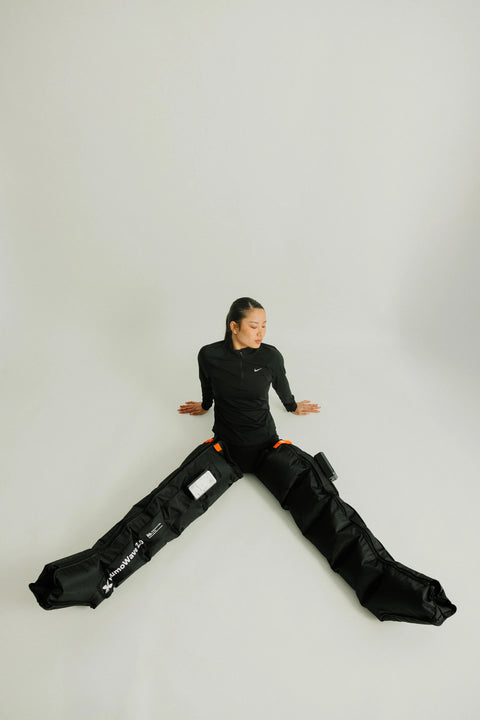
KumoWave 2.0 - Wireless Pressotherapy
Wireless, lightweight boots. Perfect for daily use and recovery.
€499,00 €599,00