
Cellulite cannot be eliminated with magic.
In 2026, the useful question isn't whether there's a single winning method, but what each approach contributes: the clinic can accelerate aesthetic improvement with professional protocols, while consistency and maintenance are key at home. The AAD and Mayo Clinic agree that results are often variable and, in many cases, temporary. (mayoclinic.org)
Pressotherapy at home
End the day with light legs
★★★★★ 4,8/5 · rated by verified customers
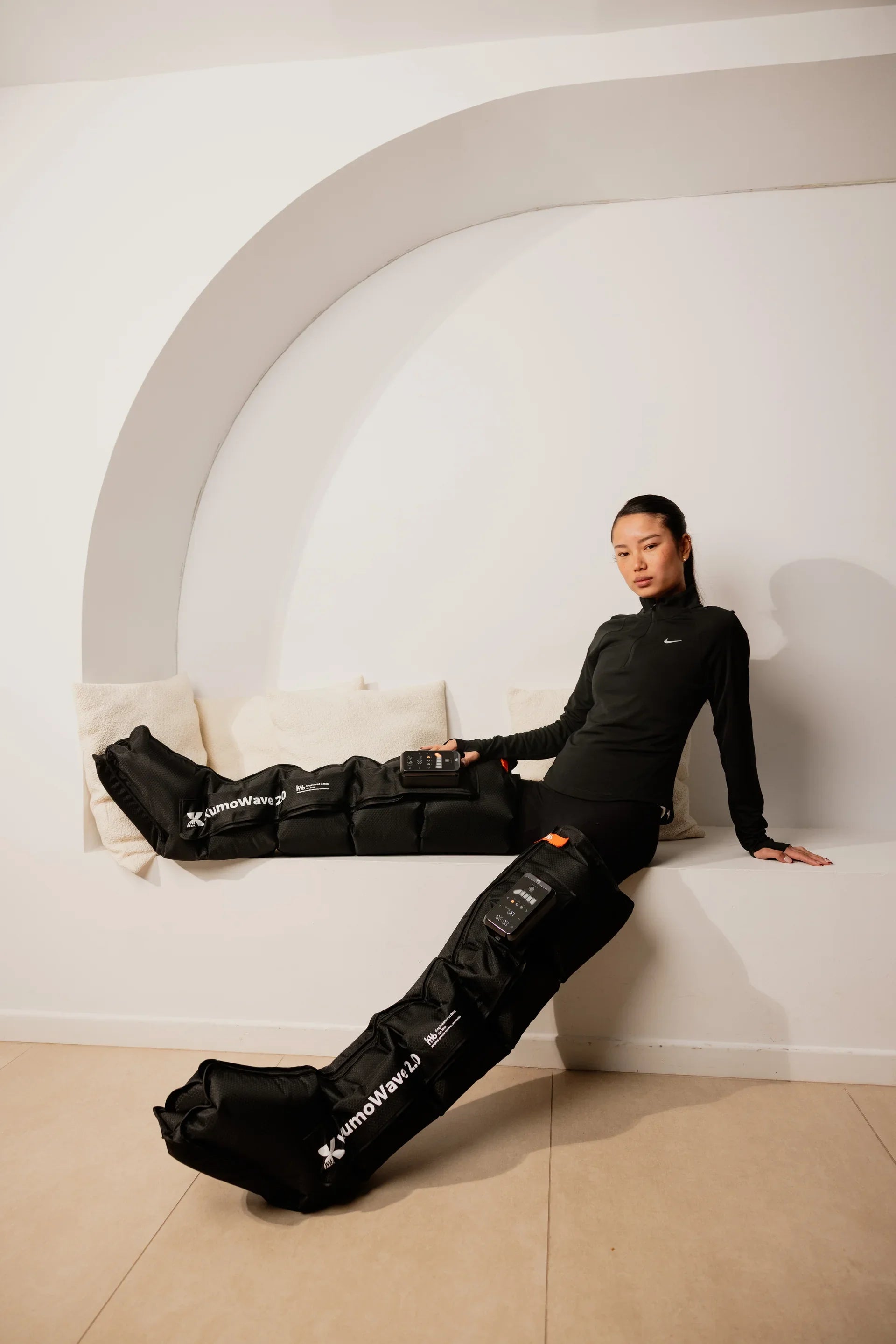
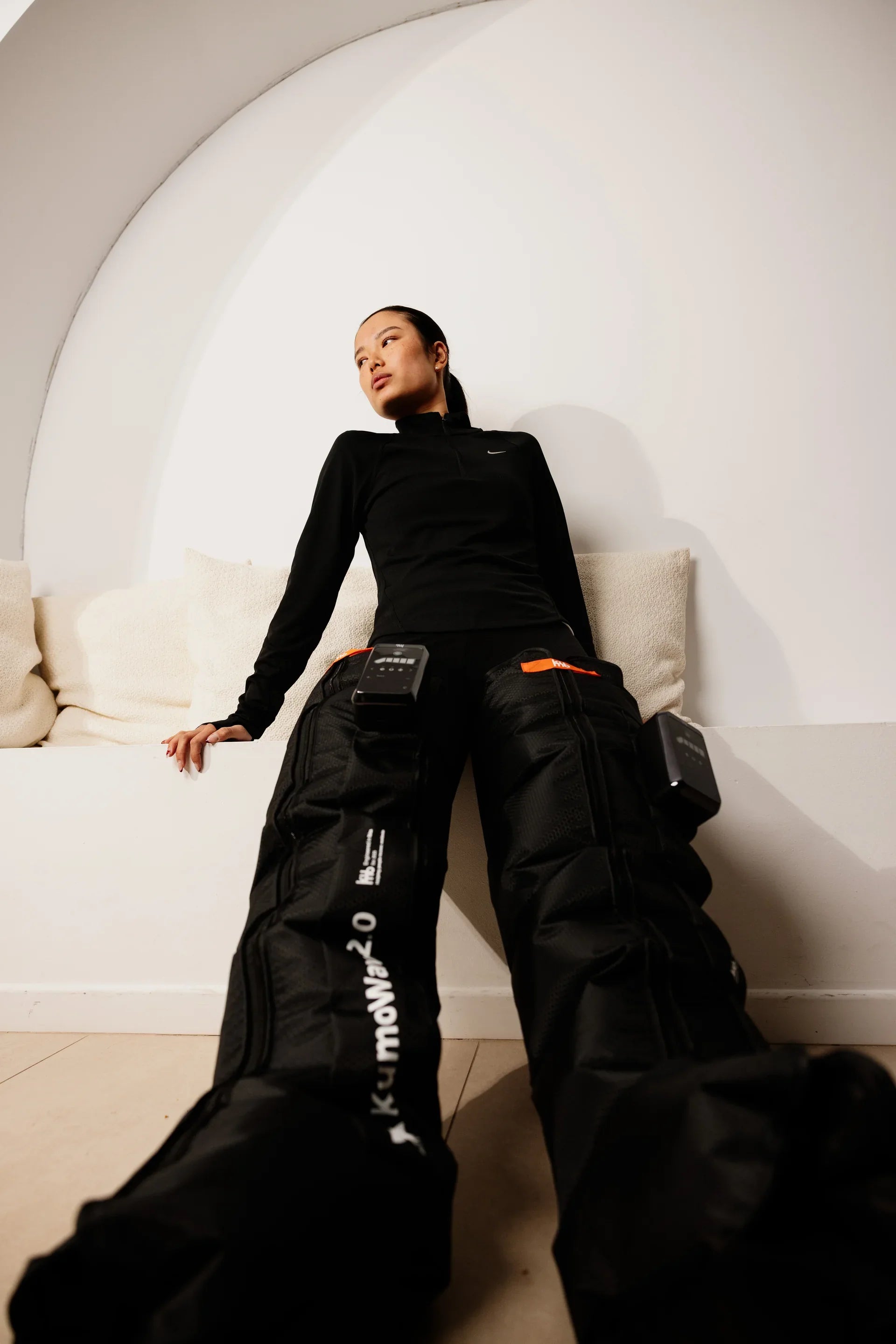
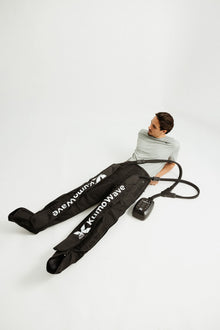
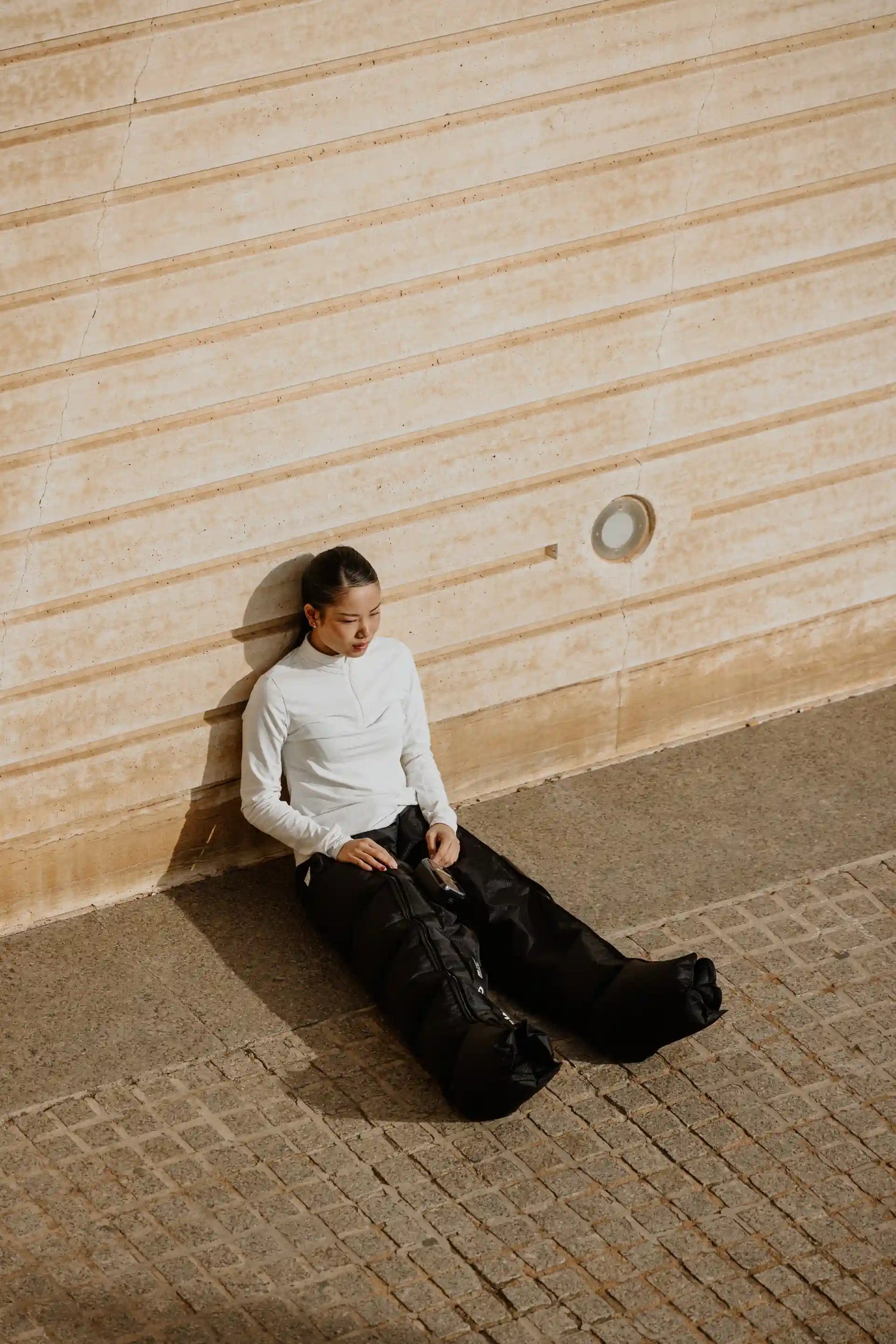
KumoWave pressotherapy boosts circulation and helps drain fluid with sequential compression, in 20-minute sessions at home.
- Boosts circulation and helps drain fluid
- Chamber-based compression, adjustable to you
- Sequential compression that mimics manual drainage
€799,00€999,00
−10% on your 1st order when you subscribe to the newsletter

The most sensible strategy usually combines realistic expectations, a plan tailored to the type of cellulite, and habits you can sustain for months. (mayoclinic.org)
What is cellulite and why the approach matters
Cellulite is a very common change in the skin's surface: fat pushes up and connective tissues pull down, creating dimples or an "orange peel" appearance. It is usually seen on the thighs, hips, buttocks, and abdomen. (mayoclinic.org)
Personalized protocol · included with your purchase
Want us to tell you how to use it in your case?
With your purchase, our experts prepare a personalized usage protocol for your case: sport, circulation, fluid retention, pregnancy or lipedema.
Message us on WhatsAppOur experts reply · no obligation
It is not a serious disease, but it is a phenomenon with many variables: hormones, genetics, elasticity, weight, muscle tone, and fat distribution all influence how it looks. That's why it's important to understand how to recognize your type of cellulite before choosing a protocol. (mayoclinic.org)
Clinic vs. Home: What each can contribute
The fundamental difference is not just "more expensive or more convenient": the clinic usually focuses on medical or aesthetic procedures with greater intensity, while home relies on habits, consistency, and maintenance tools. The AAD guide on which cellulite treatments have the most support makes it clear that not everything that acts on fat resolves orange peel skin, and that supplements have no evidence to reduce it. (aad.org)
What the clinic usually provides
In consultation or clinic, the most frequently reported options in the literature are radiofrequency, lasers, subcision, and acoustic wave therapy. The Mayo Clinic treatment guide in Spanish summarizes that these approaches can improve appearance at least temporarily, that multiple sessions are often needed, and that combining techniques can yield better results than pursuing a single solution. (mayoclinic.org)
on your first order when you join the newsletter
We send you the code instantly. No spam.
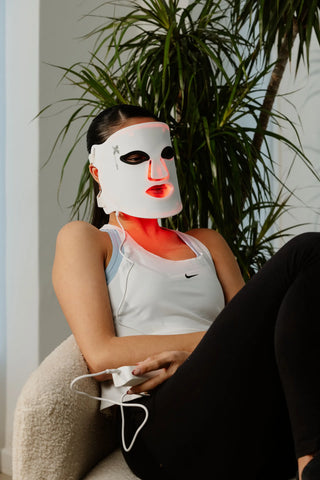
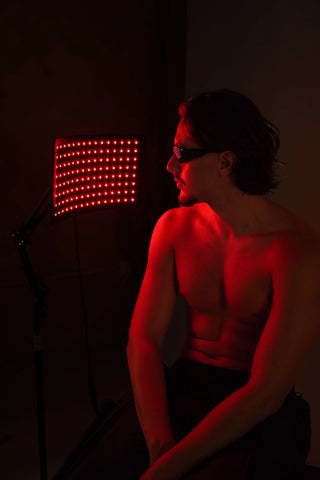
A 2023 clinical study on monopolar radiofrequency combined with targeted pressure energy observed significant improvements in the appearance of cellulite, and a 2024 randomized trial with LED photobiomodulation reported benefits in skin sensitivity and temperature in a small sample. Both findings are promising, but they do not make these technologies a universal solution. 2023 clinical study on radiofrequency and targeted pressure energy and 2024 trial on LED and cellulite. (pubmed.ncbi.nlm.nih.gov)
If the protocol also seeks to manage the sensation of heaviness or retention, it makes sense to review professional pressotherapy protocols in clinics, always as part of a serious assessment and not as an isolated promise. (mayoclinic.org)
What a home routine usually provides
At home, the goal is different: it's not about "beating" cellulite in one session, but about creating conditions for it to be less visible and for what was achieved in the clinic not to regress. To organize this approach, a complete at-home anti-cellulite routine can serve as a base, while at-home pressotherapy and KumoWave 2.0 fit as supportive tools within a consistent routine.
The AAD and Mayo Clinic agree that exercise and increased muscle mass can make skin firmer and less irregular, and that losing weight, if appropriate, can help make cellulite less noticeable. Creams with caffeine or 0.3% retinol may offer modest improvements but require consistency; in the case of retinol, the change can take six months or more. (aad.org)
Conversely, it's not advisable to sell as a solution what isn't one: the AAD sees no evidence that supplements reduce cellulite, and also points out that ultrasound alone does not eliminate it. (aad.org)
Quick comparison
| Aspect | In-clinic | At home |
|---|---|---|
| Intensity | Supervised procedures that can act on fibrous septa, texture, or firmness. (mayoclinic.org) | Habits, massage, creams, and technological support to sustain the routine. (aad.org) |
| Time | Multiple sessions are usually needed and, in many cases, maintenance. (mayoclinic.org) | Exercise, muscle tone, and retinol need weeks or months of consistency. (aad.org) |
| Best fit | When you are looking for a professional assessment and a more specific technique. (mayoclinic.org) | When you prefer a realistic plan that you can repeat without friction. (aad.org) |
| Main limitation | Results can be temporary and depend heavily on the method and specialist. (mayoclinic.org) | Improvement is usually more gradual and requires daily discipline. (aad.org) |
The practical takeaway is simple: the clinic can accelerate visible improvement, and home is what sustains it over time. (mayoclinic.org)
How to choose based on cellulite type
Not all cellulite behaves the same. If you notice more swelling than hard relief, it may be worth focusing on the edematous component; if the dimple is more pronounced and the texture feels more fibrous, a technical approach in the clinic usually makes more sense. To refine this understanding, what to do if the cellulite is edematous and how to recognize your cellulite type are two useful steps before investing time and energy in a protocol. (mayoclinic.org)
- If there is more swelling or a feeling of heavy legs, compression and drainage can be an interesting complement, but they do not replace a well-planned treatment. (my.clevelandclinic.org)
- If marked texture predominates, it is usually more sensible to consider professional techniques that act on tissue architecture. (mayoclinic.org)
- If your priority is to maintain results, home must be part of the plan, not an afterthought. (aad.org)
At-home routine that truly helps
If you want to move from theory to practice, think of a 3-layer routine: habits, tools, and consistency. That's what makes aesthetic improvement more credible and easier to sustain over time. (aad.org)
- Move your body regularly. Exercise and strength training help the skin look firmer and make cellulite less visible. (aad.org)
- Use creams with realistic expectations. Caffeine and retinol can help a little, but require consistent use and patience. (aad.org)
- Integrate pressotherapy as support, not as a promise. If your concern includes heaviness or fluid retention, a compression tool can fit into your routine. (my.clevelandclinic.org)
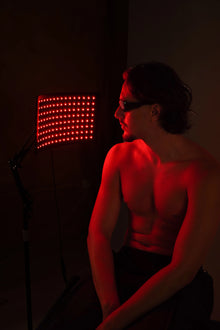
- Add technology only if you can maintain it. LED photobiomodulation shows early signs of usefulness for cellulite, but the evidence is still preliminary and does not replace habits. (pubmed.ncbi.nlm.nih.gov)
- Discard dubious shortcuts. Supplements have not been shown to reduce cellulite, and ultrasound alone does not eliminate it. (aad.org)
When this routine is supported by a consistent home protocol, cellulite ceases to be a one-time struggle and becomes another area of continuous care. (aad.org)
Frequently Asked Questions
Can cellulite be completely eliminated?
Complete elimination is not usually discussed. The Mayo Clinic explains that treatments improve appearance, often temporarily, and that cellulite is not equivalent to excess fat that can simply be "removed." The AAD adds that cellulite is different from fat and that results depend heavily on the method, the professional, and subsequent maintenance. The most realistic goal is to reduce visibility and maintain that improvement with habits and periodic check-ups. (mayoclinic.org)
Which works better, clinic or home?
It depends on the objective. The clinic is usually more useful when you are looking for technical, supervised, and faster apparent work; home gains importance when we talk about consistency, maintenance, and personal energy budget. In practice, the most sensible approach is usually a mixed one: a professional phase if necessary and a home routine to sustain what has been achieved. The Mayo Clinic itself indicates that a combination of treatments can yield better results than a single technique. (mayoclinic.org)
Does pressotherapy help with cellulite?
It can help as a complement, especially if you notice swelling, heaviness, or a component of fluid retention. Compression and drainage are used in other contexts to improve comfort and inflammation associated with edema, but that doesn't mean they erase cellulite on their own. Therefore, it's advisable to think of pressotherapy as another piece of the plan and, if you suspect an edematous pattern, review what to do when cellulite is edematous. (my.clevelandclinic.org)
Are anti-cellulite creams effective?
Some may provide a subtle improvement, especially those containing caffeine or retinol. The AAD notes that caffeine can make cellulite less noticeable and that 0.3% retinol can help thicken the skin, but the change takes months and requires consistent application. The Mayo Clinic agrees that self-care can improve appearance, although it does not eliminate cellulite. If a cream promises rapid and definitive results, it should be viewed with skepticism. (aad.org)
How long does it take to see an improvement?
The answer changes a lot depending on the method. The Mayo Clinic indicates that some techniques, such as radiofrequency or acoustic waves, usually require several sessions, while retinol can take six months or more to show visible changes. Exercise also requires consistency for weeks or months. In other words, improvement is usually not instantaneous: it is first built and then consolidated. (mayoclinic.org)
What now?
If you want to move from information to a realistic routine, start with Kumo Balance's at-home recovery technology and build a plan that combines habits, consistency, and sensible expectations; this will make it much easier to decide when home, when clinic, and when a mixed strategy is right for you. (mayoclinic.org)
KumoWave pressotherapy
Choose your at-home pressotherapy
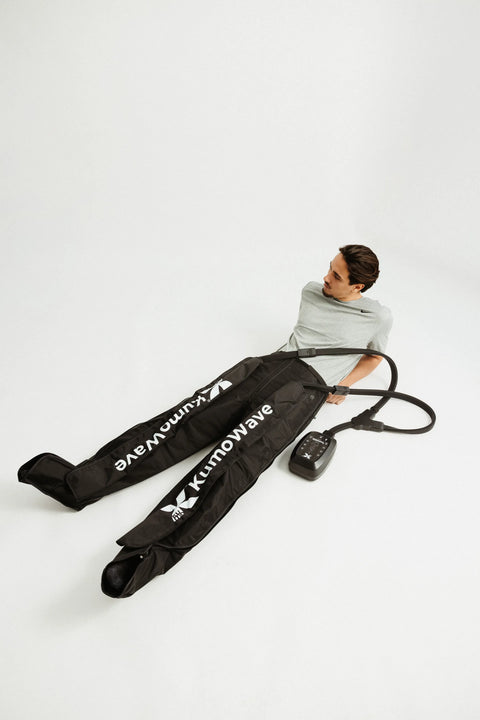
KumoWave Elite – Pressotherapy Pants
Full-coverage trousers. Ideal for lipedema, fluid retention and intensive use.
€799,00 €999,00
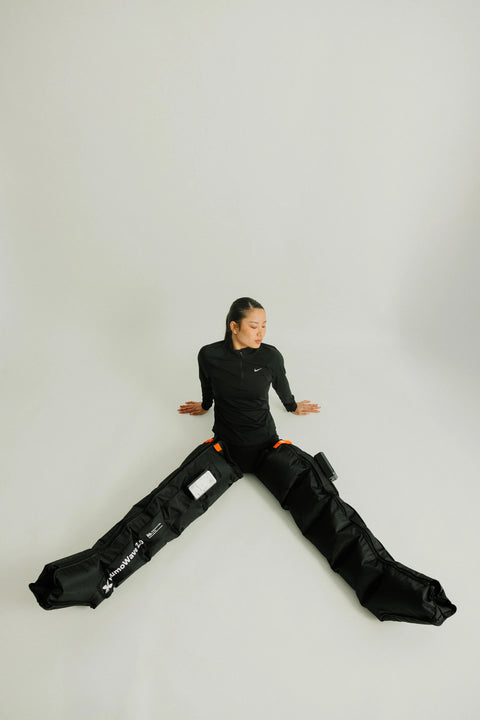
KumoWave 2.0 - Wireless Pressotherapy
Wireless, lightweight boots. Perfect for daily use and recovery.
€499,00 €599,00