

Lipedema does have a treatment. The realistic approach is to seek relief from pain, heaviness, and functional impact with a combined plan that starts with a correct diagnosis and continues with compression, exercise, nutrition, and, in some cases, surgery. In a 2024 survey of 707 women with a lipedema phenotype, the average leg pain was 53.9/100 compared to 6.9/100 in controls, which explains why the primary goal is to improve symptoms and quality of life. (journals.sagepub.com)
If you're looking for support from home, Kumo Balance's recovery and wellness platform offers resources designed for compression, rest, and muscle relief that can complement a medical approach, not replace it. (pmc.ncbi.nlm.nih.gov)
Pressotherapy at home
End the day with light legs
★★★★★ 4,8/5 · rated by verified customers
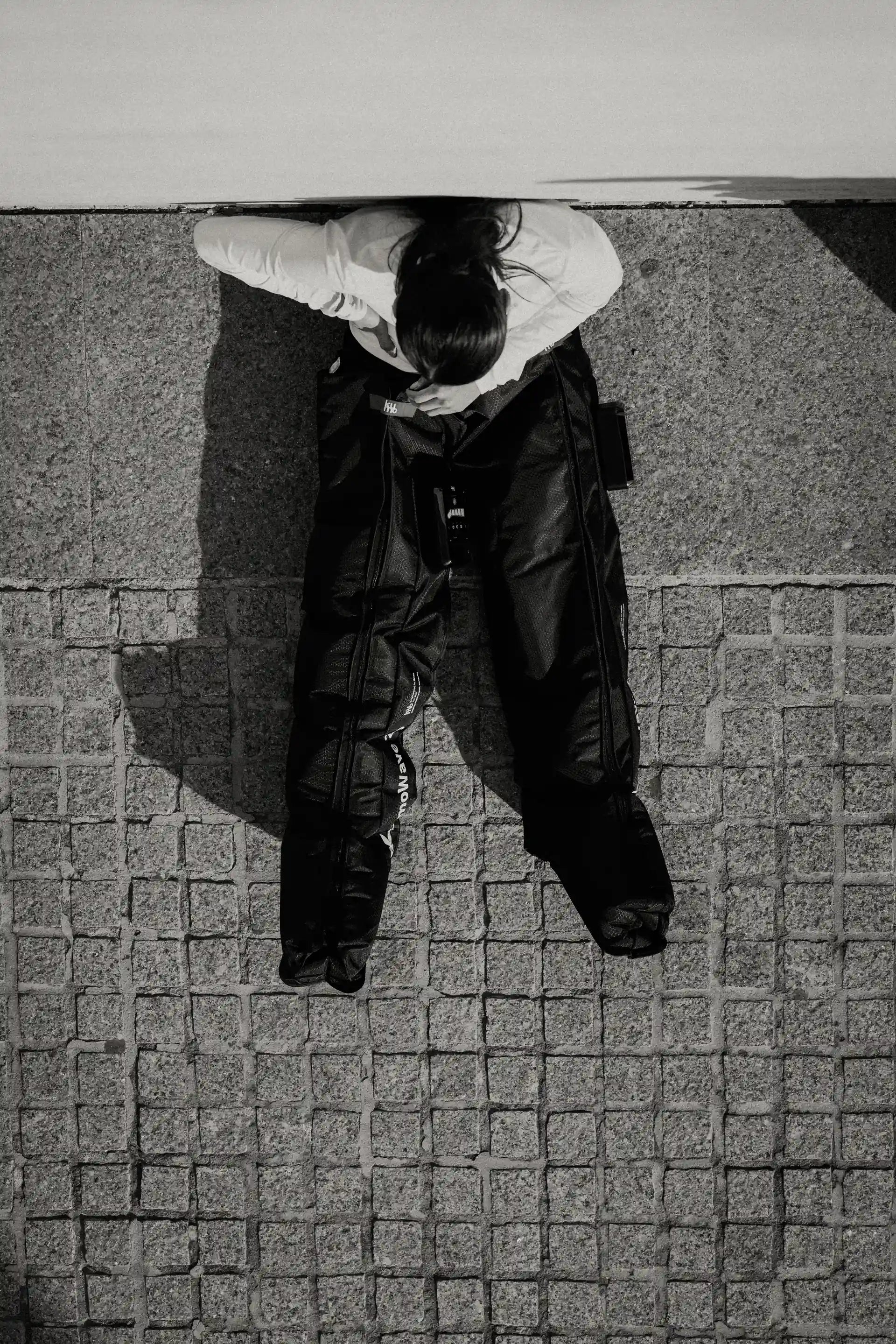
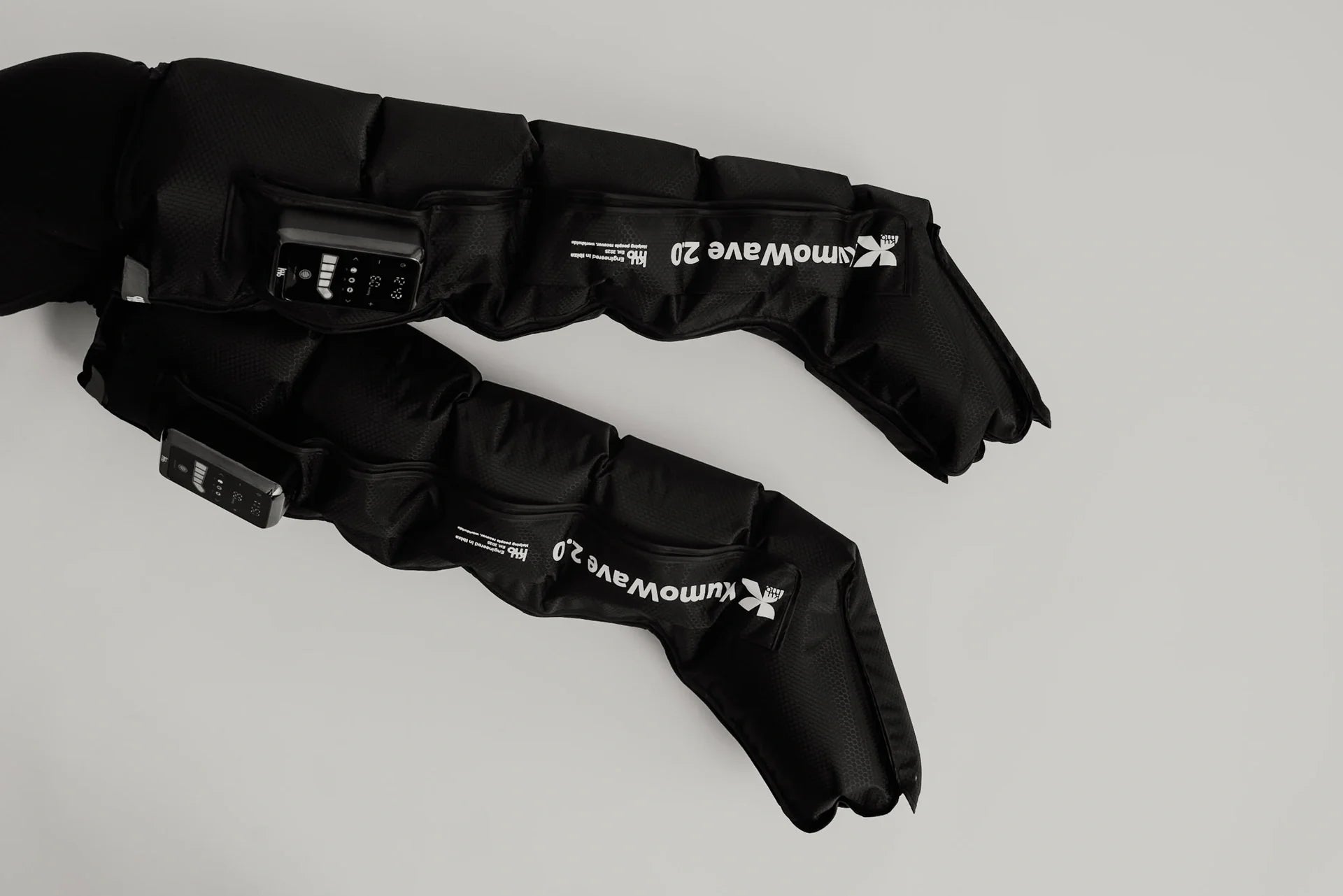
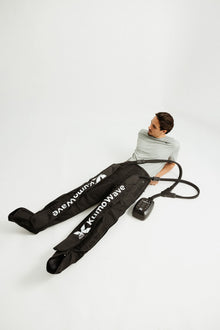
KumoWave pressotherapy boosts circulation and helps drain fluid with sequential compression, in 20-minute sessions at home.
- Boosts circulation and helps drain fluid
- Chamber-based compression, adjustable to you
- Sequential compression that mimics manual drainage
€799,00€999,00
−10% on your 1st order when you subscribe to the newsletter

Before treating it, it must be properly identified
Lipedema is not cellulite or simple weight gain. It usually causes a symmetrical distribution of fat in the legs, hips, buttocks, and sometimes arms; in addition, pressure pain, easy bruising, and frequently, generally spared feet appear. To review the most typical signs, the complete guide on lipedema in 2026 and the content on how to differentiate lipedema and cellulite without errors help avoid wrong decisions from the start. (ncbi.nlm.nih.gov)
Conservative treatment: the supported foundation
The most cited clinical reference in the United States summarizes the conservative approach as nutritional guidance, manual therapy, compression garments, a pneumatic compression device, and home exercise; that is, a combined strategy, not a single technique. This American consensus on lipedema aligns with what subsequent reviews show. (pmc.ncbi.nlm.nih.gov)
Personalized protocol · included with your purchase
Want us to tell you how to use it in your case?
With your purchase, our experts prepare a personalized usage protocol for your case: sport, circulation, fluid retention, pregnancy or lipedema.
Message us on WhatsAppOur experts reply · no obligation
- Compression: usually one of the most useful tools for feelings of heaviness, edema, and exercise tolerance, although it does not eliminate lipedematous tissue on its own. (pmc.ncbi.nlm.nih.gov)
- Manual therapy and manual lymphatic drainage: can be part of an individualized plan to reduce discomfort, improve lymphatic flow, and facilitate movement. (pmc.ncbi.nlm.nih.gov)
- Adapted exercise: walking, cycling, water exercises, and gentle strength training often help with function and pain when adjusted to each person's level. (pmc.ncbi.nlm.nih.gov)
- Skin care and education: daily management matters because the goal is not only to reduce inflammation but also to sustain the results over time. (pmc.ncbi.nlm.nih.gov)
The real goal is not to erase lipedema overnight, but to make it more manageable, less painful, and less limiting. (pmc.ncbi.nlm.nih.gov)
Real options and what to expect from each
| Option | What it can provide | What not to expect |
|---|---|---|
| Compression and pressotherapy | Can help with heaviness, edema, and the feeling of tired legs if adjusted to the stage and tolerance. (pmc.ncbi.nlm.nih.gov) | Does not usually change the distribution of lipedema fat tissue on its own. (pmc.ncbi.nlm.nih.gov) |
| Manual lymphatic drainage | Can be integrated into a complete plan to reduce discomfort and promote lymphatic return. (pmc.ncbi.nlm.nih.gov) | Does not replace exercise or compression when the goal is to consistently control symptoms. (pmc.ncbi.nlm.nih.gov) |
| Adapted exercise | Usually improves mobility, pain, and quality of life, especially when working with reasonable progression. (pmc.ncbi.nlm.nih.gov) | High-impact is not necessary to obtain benefits; for many people, the goal is to progress without triggering pain. (pmc.ncbi.nlm.nih.gov) |
| Individualized nutrition | Helps control comorbidities and, for some individuals, can improve overall well-being and perceived inflammation. (pmc.ncbi.nlm.nih.gov) | There is no magic diet or universally superior pattern for all people with lipedema. (pmc.ncbi.nlm.nih.gov) |
| Liposuction surgery | In refractory cases, it can reduce pain, edema, and functional limitation, with improvements in quality of life. (pubmed.ncbi.nlm.nih.gov) | Is not usually the first step and does not eliminate the need for conservative habits afterward. (rbcp.org.br) |
In summary, the most sensible approach starts with conservative methods and reserves surgery for when symptoms continue to limit daily life despite a well-executed plan. (rbcp.org.br)
Does diet help?
Yes, but with nuances. There is no specific diet with definitive evidence for lipedema, although a well-designed diet can help control weight, perceived inflammation, and comorbidities. The food and habits guide for lipedema provides a practical basis without falling into extremes. (pmc.ncbi.nlm.nih.gov)
on your first order when you join the newsletter
We send you the code instantly. No spam.
Reviews from 2023 and 2024 on ketogenic or low-carb diets show promising results in some markers, but also make it clear that the evidence is still limited and that there is no universally superior guideline yet. The review on ketogenic diet and lipedema summarizes this point well. (pmc.ncbi.nlm.nih.gov)
- Prioritize sustainability: sufficient protein, fiber, minimally processed food, and regular meal times are usually more helpful than extreme restriction. (pmc.ncbi.nlm.nih.gov)
- Adapt the plan to the metabolic context: if there is obesity, insulin resistance, or metabolic syndrome, the nutritional strategy must be personalized. (ncbi.nlm.nih.gov)
- Avoid absolute promises: if a diet promises to "cure" lipedema, it is probably oversimplifying the problem. (pmc.ncbi.nlm.nih.gov)
Movement, physical therapy, and pressotherapy at home
Well-dosed exercise usually helps, not worsens. Clinical consensus includes walking, cycling, water exercises, and strength training, and a 2022 study showed that a multimodal program with manual therapy, compression, exercise, and education reduced pain and improved function after nine visits. (pmc.ncbi.nlm.nih.gov)
If the main problem is in the legs, the guide on lipedema in the legs, symptoms, phases, and relief can help you understand which measures usually fit best at each stage. (ncbi.nlm.nih.gov)
At home, intermittent pneumatic compression or pressotherapy can be a useful support for some people, always with adjusted pressure and without an aggressive approach. If you want to see how it integrates into a home routine, pressotherapy to treat lipedema at home is a complementary piece, not a cure. (pmc.ncbi.nlm.nih.gov)
For those who prefer a gradual route, it is advisable to follow a structured plan of habits and monitoring rather than seeking shortcuts. (rbcp.org.br)
When surgery is considered
When conservative treatment is not enough, tumescent or water-assisted liposuction is the best-studied surgical option. A meta-analysis published in 2025 found that liposuction is associated with less pain and edema, as well as improved mobility and quality of life, in patients with refractory lipedema. The most recent meta-analysis on surgery reinforces this reading, although the intervention is not the first step. (pubmed.ncbi.nlm.nih.gov)
Bariatric surgery can be useful if there is obesity or metabolic risk, but it does not replace specific lipedema treatment. After any intervention, most guidelines still recommend conservative maintenance measures. (ncbi.nlm.nih.gov)
Common mistakes that delay improvement
- Confusing lipedema with cellulite: if the diagnosis is not correct, the plan will not be either. (ncbi.nlm.nih.gov)
- Expecting a miracle diet: diet helps, but does not replace compression, exercise, and clinical monitoring. (pmc.ncbi.nlm.nih.gov)
- Using overly aggressive therapies: compression and pressotherapy should be individualized; more intensity does not mean more effectiveness. (pmc.ncbi.nlm.nih.gov)
- Giving up because of no quick changes: the goal is functional and progressive, not immediate or purely aesthetic. (pmc.ncbi.nlm.nih.gov)
FAQ about lipedema treatment
Does pressotherapy help with lipedema?
It can serve as support, especially for the sensation of heavy legs, edema, and daily comfort, but not as a sole solution. The literature and clinical consensus place it within a broader plan that includes compression, exercise, and, when necessary, manual therapy. The important thing is to adjust the pressure and frequency to each person, because overly aggressive use does not provide more benefit and can worsen tolerance. (pmc.ncbi.nlm.nih.gov)
What diet works best for lipedema?
There is no universally best diet. Recent reviews suggest that some low-carb or ketogenic approaches may help in certain cases, but the evidence remains limited and highly variable among individuals. In practice, a sustainable plan with sufficient protein, fiber, and minimally processed foods, adapted to whether there is obesity, insulin resistance, or other metabolic problems, usually works better. (pmc.ncbi.nlm.nih.gov)
Does liposuction cure lipedema?
It is not presented as a cure, but rather as the surgical option with the best support when conservative treatment is not enough. Recent studies show improvements in pain, edema, mobility, and quality of life, although many people still need maintenance habits afterward. That is why surgery is better valued as a tool to reduce the burden of the disease, not as an aesthetic shortcut. (pubmed.ncbi.nlm.nih.gov)
Can exercise worsen lipedema?
Generally, no. Well-dosed exercise usually improves function, mobility, and exercise tolerance. Clinical consensus recommends low-impact activities and adapted strength training, and the 2022 multimodal therapy study showed less pain and better function with a guided program. If a routine significantly increases pain, it is advisable to reduce intensity and readjust it with a professional. (pmc.ncbi.nlm.nih.gov)
What now?
If you want to continue making progress, start with the protocols and habits to control lipedema without surgery and make one or two measures routine before adding more. The idea is not to do everything at once, but to build a plan that helps you live with less pain and more control. (rbcp.org.br)
KumoWave pressotherapy
Choose your at-home pressotherapy
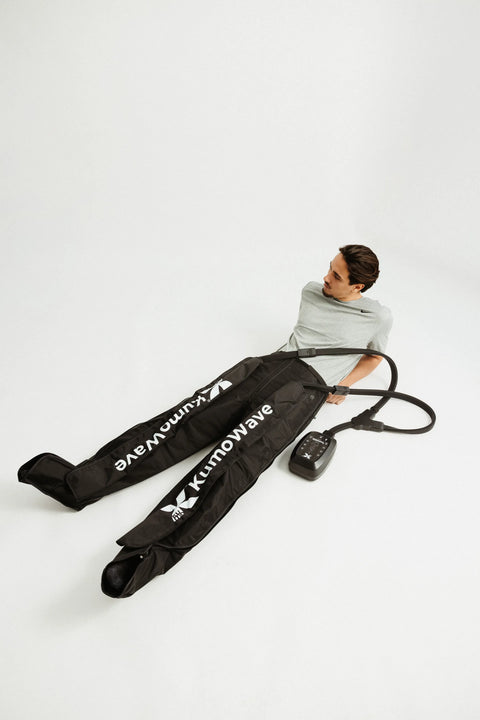
KumoWave Elite – Pressotherapy Pants
Full-coverage trousers. Ideal for lipedema, fluid retention and intensive use.
€799,00 €999,00
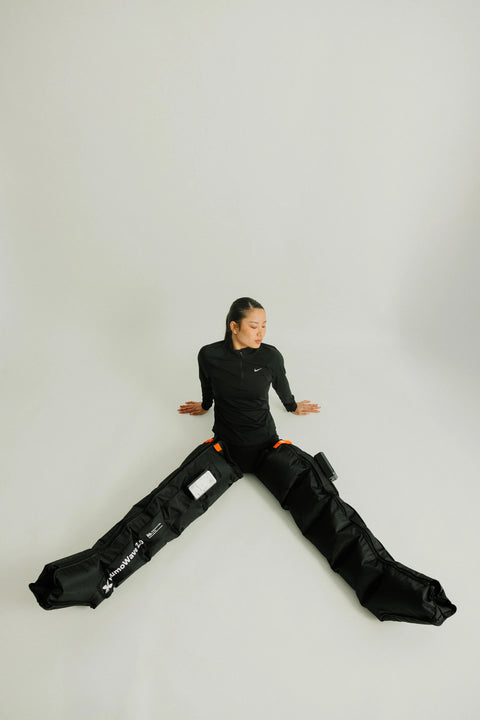
KumoWave 2.0 - Wireless Pressotherapy
Wireless, lightweight boots. Perfect for daily use and recovery.
€499,00 €599,00