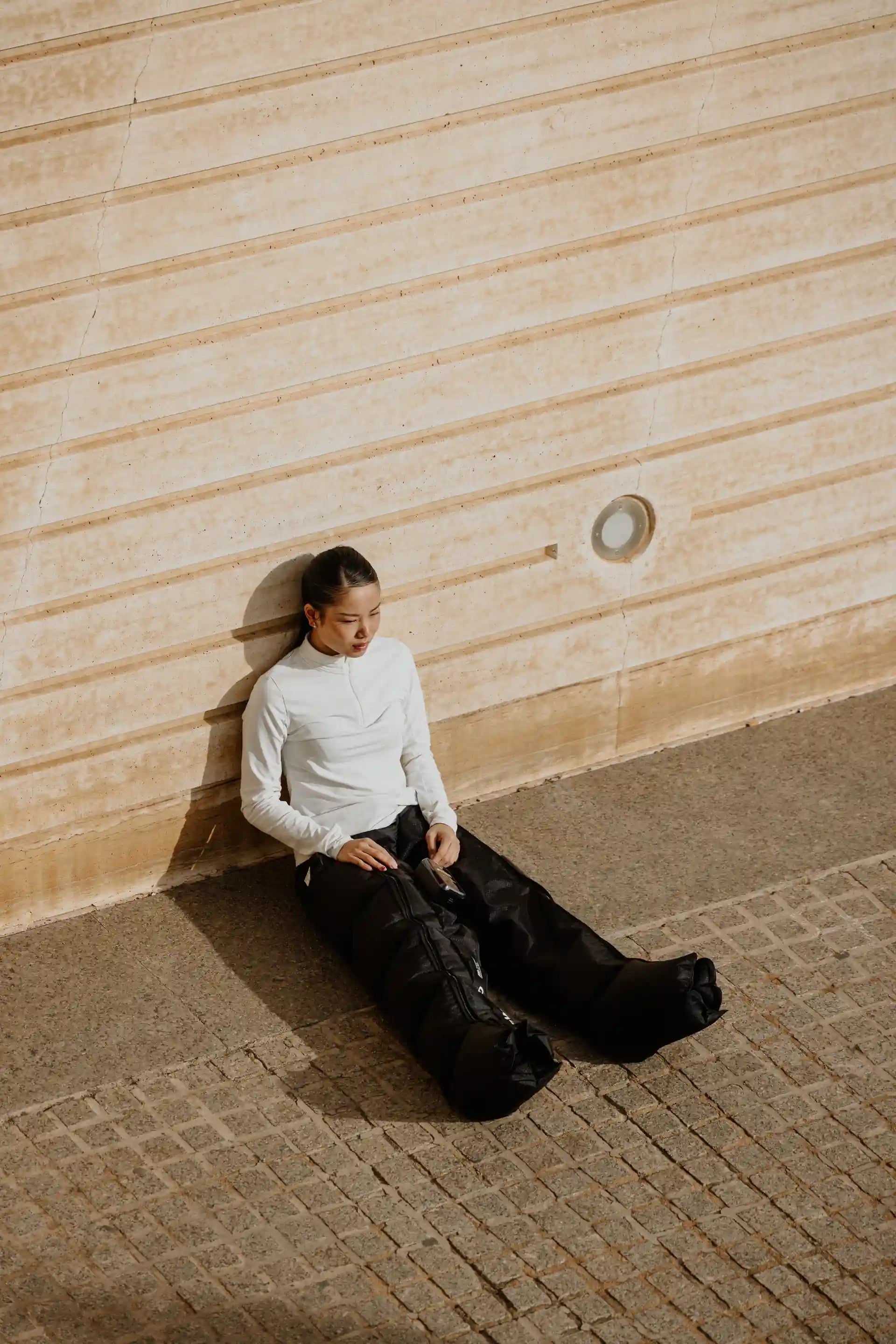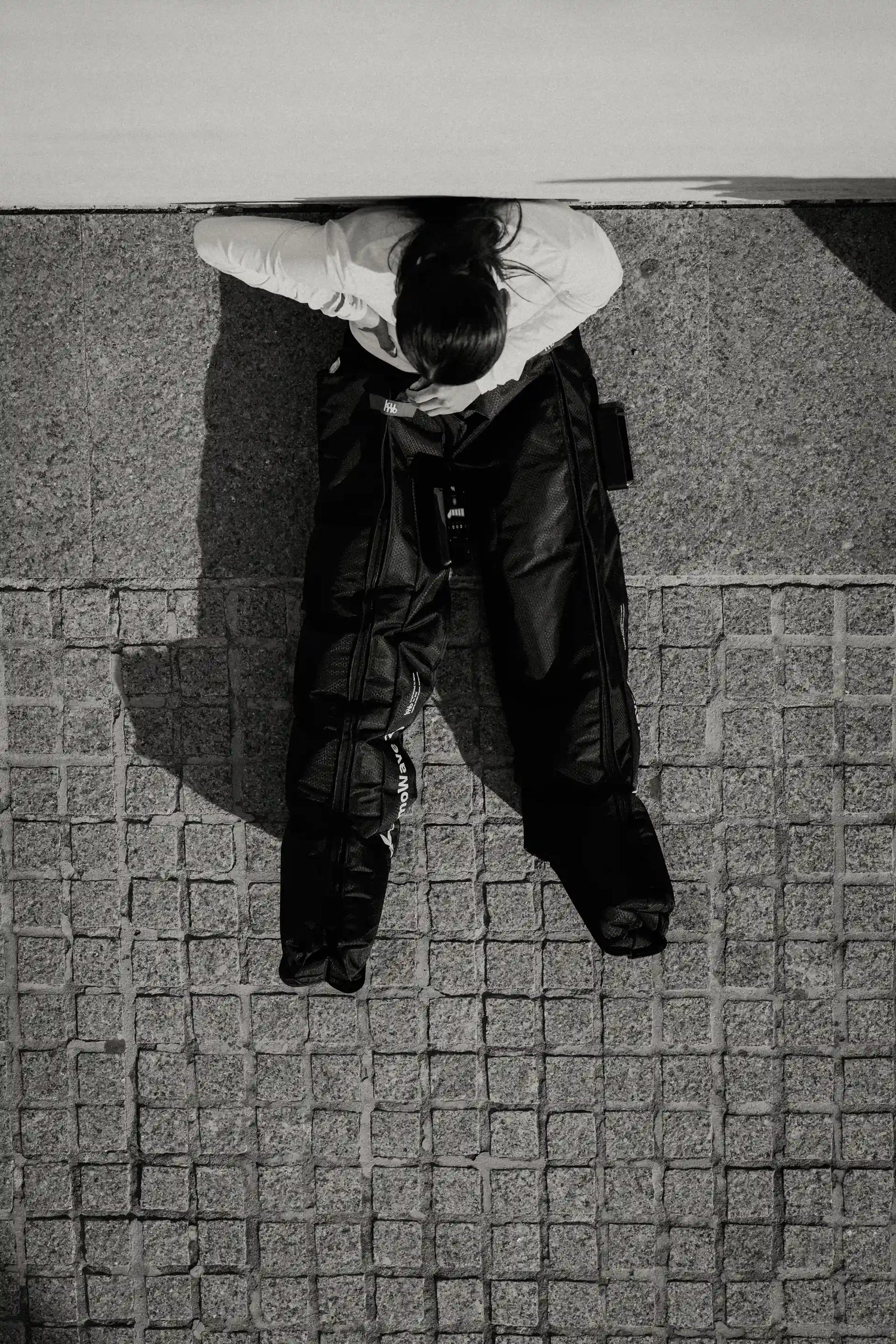
Lipedema is not simply localized fat. It is a chronic disease of adipose tissue, almost always in women, which usually causes symmetrical disproportion in the legs or arms and pain to the touch; therefore, it is advisable to recognize it early and not confuse it with common weight gain. If you already notice signs, start by recognizing it in time. (theila.net)
As the clinical basis for this guide, I have taken the S2k guideline for lipedema 2024, its registration in PubMed, the US consensus on the standard of care, and the clinical summary from NCBI Bookshelf; all agree that diagnosis is clinical and that the actual approach is usually multimodal. (theila.net)
Pressotherapy at home
End the day with light legs
★★★★★ 4,8/5 · rated by verified customers
KumoWave pressotherapy boosts circulation and helps drain fluid with sequential compression, in 20-minute sessions at home.
- Boosts circulation and helps drain fluid
- Chamber-based compression, adjustable to you
- Sequential compression that mimics manual drainage
€799,00€999,00
−10% on your 1st order when you subscribe to the newsletter

What is lipedema?
Lipedema is described as a painful and disproportionate distribution of adipose tissue in the extremities, almost exclusively affecting women, and not equivalent to generalized obesity. The S2k guideline insists that non-painful lipohypertrophy is a distinct entity and that the disease can coexist with overweight without losing its specific characteristics. (theila.net)
It is common for the condition to appear during times of hormonal change, such as puberty, pregnancy, or menopause, and for it not to depend solely on diet or exercise. Furthermore, pain does not always increase linearly with leg size: a smaller disproportion can cause more pain than a larger one. (lipedema.net)
Personalized protocol · included with your purchase
Want us to tell you how to use it in your case?
With your purchase, our experts prepare a personalized usage protocol for your case: sport, circulation, fluid retention, pregnancy or lipedema.
Message us on WhatsAppOur experts reply · no obligation
Most frequent symptoms
The symptoms of lipedema go far beyond aesthetics. The German guideline defines it mainly by pressure pain, heaviness, and tissue sensitivity, while the US consensus adds easy bruising and functional limitation. If you want a practical alert list, review these signs that you should not ignore. (theila.net)
- Pain on pressure or touch. It can vary in intensity, but it is one of the most useful signs for suspecting lipedema. (theila.net)
- Heaviness and feeling of tired legs. The S2k guideline includes it among the relevant clinical symptoms. (theila.net)
- Easy bruising. Capillary fragility and susceptibility to hematoma are described in the US consensus. (lipedema.net)
- Symmetrical disproportion. It usually affects legs and, sometimes, arms, with the trunk, hands, and feet being relatively spared in the classical definition. (theila.net)
- Impact on daily life. It can interfere with mobility, rest, and mood, so it should not be minimized as a purely aesthetic problem. (theila.net)
How is it diagnosed?
The diagnosis of lipedema is clinical. The S2k guideline indicates that examination and history are sufficient to suspect it, while ultrasound or analyses can be used to rule out other causes of edema, but not to confirm the disease on their own; furthermore, BMI alone does not explain the disproportion pattern. (theila.net)
Signs that guide differential diagnosis
| Finding | What it suggests | Clinical comment |
|---|---|---|
| Symmetrical disproportion with pain | Favors lipedema | It is the central clinical combination described by the S2k guideline. (theila.net) |
| Symmetrical disproportion without pain | Suggests lipohypertrophy | The guideline distinguishes this entity from lipedema. (theila.net) |
| Unilateral edema or marked vascular changes | Requires ruling out other causes | Assessment with supporting tests can be useful for differential diagnosis. (theila.net) |
If your main doubt is whether it looks more like an aesthetic alteration or a painful fat disorder, the comparison of lipedema or cellulite and how to differentiate them without errors can help you sort out the clues. (theila.net)
on your first order when you join the newsletter
We send you the code instantly. No spam.
Stages of lipedema and what changes in each one
Classic classifications speak of three morphological stages, but the S2k guideline itself reminds us that this staging does not adequately capture the true severity of the disease. Therefore, two people in the same stage can experience very different discomforts. (theila.net)
- Stage 1. The skin surface may appear almost normal, but nodules or thickening of the subcutaneous tissue are already present. (lipedema.net)
- Stage 2. Irregularities, dimples, and a more uneven texture appear, with more palpable nodules. (lipedema.net)
- Stage 3. The tissue becomes more fibrous and deformities are more marked, with a greater risk of functional limitation. (lipedema.net)
Lipedema treatment in 2026: what works and what doesn't
There is no single cure, but there is a management plan with real results in pain, edema, and quality of life. Current evidence favors combining compression, physical therapy, adaptable exercise, weight management when appropriate, and, in selected cases, conservative surgery of the affected tissue. (theila.net)
Compression and pressotherapy
Therapeutic compression is used to reduce pain and edema, but it must be individualized according to tolerance; the US guideline even points out that a higher class does not always lead to greater improvement. In addition, intermittent pneumatic compression can be used at home when there are no contraindications, and the consensus describes it as an option to relieve pain and help control swelling. If you are interested in this approach, the explanation of pressotherapy for lipedema at home will help you understand how it fits into a care routine. (lipedema.net)
Manual therapy and drainage
Manual therapy may include soft tissue mobilization and manual lymphatic drainage within an individualized program, with the aim of reducing pain, inflammation, and musculoskeletal restrictions. (lipedema.net)
Adapted movement and sustainable habits
- Walking, swimming, or aquagym. These are widely used options because they can be maintained long-term with good tolerance. (lipedema.net)
- Stationary bike, elliptical, or yoga. The guideline includes these among the useful alternatives for a sustainable plan. (lipedema.net)
- Progressive strength and mobility work. Improving posture, stability, and function helps to live better with the disease. (lipedema.net)
- Stress and sleep regulation. The guideline emphasizes that mobility and mental health are part of overall management. (theila.net)
Weight and coexisting obesity
Diet does not erase lipedema, but it can change the terrain on which it evolves. The S2k guideline recommends discussing diet, physical activity, and, if coexisting obesity is present, specific weight treatment early to protect mobility and slow progression. If you want a practical version, see diet for lipedema: what to eat and what to avoid. (theila.net)
- Treat overweight if it exists. It can decrease limb volume and improve overall functionality. (theila.net)
- Don't expect an extreme diet to solve everything. Lipedematous tissue is difficult to reduce with diet or exercise alone. (lipedema.net)
- Avoid diuretics as a treatment for lipedema. The S2k guideline does not recommend them for this indication. (theila.net)
Surgery: when it is considered
When conservative treatment is insufficient, liposuction with a vessel and lymphatic-sparing technique is the surgical option with the best support. The S2k guideline proposes it as the method of choice for long-term reduction of affected tissue, and the US consensus adds improvement in pain, mobility, and quality of life; even so, it does not cure the disease and requires postoperative follow-up. (theila.net)
After surgery, compression is maintained, and in many cases, complete decongestive therapy, with special attention to mobility, weight stability, and stress regulation. (theila.net)
If significant obesity exists, the German guideline considers bariatric surgery according to obesity criteria, for example, BMI ≥40 kg/m² or BMI 35–<40 kg/m² with another associated disease. This does not replace the specific approach to lipedema, but it can be part of the overall plan when indicated. (theila.net)
Current clinical basis for understanding lipedema
Recent literature converges on several points: lipedema is a painful disorder of adipose tissue, diagnosis is clinical, conservative treatment must be individualized, and conservative surgery can provide significant improvements in selected cases. To broaden the scientific basis, review the 2024 S2k guideline on lipedema, the PubMed registration of that consensus, the US consensus on standard of care, and the clinical summary from NCBI Bookshelf. (theila.net)
Frequently asked questions
Can lipedema be cured without surgery?
There is no definitive cure for lipedema. What does exist is effective symptom management with compression, manual therapy, adapted exercise, weight control if coexisting obesity is present, and, in some cases, home pressotherapy. Conservative surgery can reduce pain and improve quality of life, but it is not considered a cure either. Therefore, the current logic is to talk about long-term control, not a quick fix. (theila.net)
How do I differentiate lipedema from cellulite or obesity?
Lipedema usually causes pain on pressure, heaviness, easy bruising, and symmetrical disproportion in the extremities. Cellulite, on the other hand, is a very common skin change and does not explain this painful pattern on its own. Compared to obesity, lipedema maintains a characteristic distribution and can coexist with overweight without being explained by it. If doubt persists, clinical evaluation is paramount. (theila.net)
Does pressotherapy really help with lipedema?
Intermittent pneumatic compression appears in the guidelines as a useful option for relieving pain and helping to control edema, including the possibility of home use when there are no contraindications. This does not mean that it cures lipedema, but it can be part of a well-thought-out conservative plan, especially if combined with other measures such as compression, movement, and professional follow-up. (theila.net)
Does diet work if I have lipedema?
Diet alone does not eliminate lipedematous tissue, but it can help if coexisting overweight or obesity is present. The S2k guideline insists on working on nutrition, exercise, and weight stabilization to improve mobility, function, and overall progression. The important thing is to choose a sustainable pattern, not an extreme restriction that is abandoned after a few weeks. (theila.net)
When is liposuction considered for lipedema?
It is considered when conservative treatment fails to control pain, heaviness, or functional limitation. Current guidelines recommend that surgery be performed using techniques that respect lymphatic vessels and by teams with specific experience. Afterwards, follow-up remains important, because improvement is usually significant, but it does not equate to a total cure. (theila.net)
What now?
If you identify with several symptoms, the next step is to organize the information and think about a realistic plan. You can start with Kumo Balance's recovery and wellness technology and continue with the guide on lipedema treatment: real options and what works. (theila.net)
KumoWave pressotherapy
Choose your at-home pressotherapy
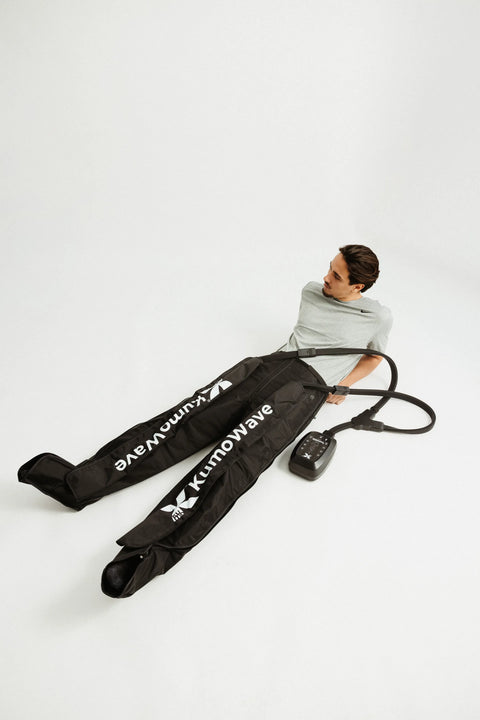
KumoWave Elite – Pressotherapy Pants
Full-coverage trousers. Ideal for lipedema, fluid retention and intensive use.
€799,00 €999,00
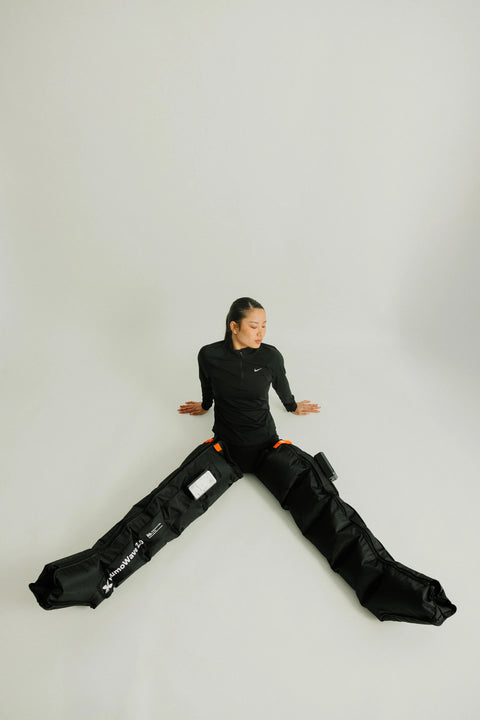
KumoWave 2.0 - Wireless Pressotherapy
Wireless, lightweight boots. Perfect for daily use and recovery.
€499,00 €599,00