

Not all cellulite feels the same. Hard and soft cellulite share the same aesthetic basis, but they differ in texture, skin mobility, and the most effective strategy for improving their appearance.
In practice, the hard type usually looks more compact and the soft type more lax; furthermore, the same person may have mixed areas. Therefore, it is advisable to look at the skin, muscle tone, possible fluid retention, and the evolution by area, not just a single snapshot.
Pressotherapy at home
End the day with light legs
★★★★★ 4,8/5 · rated by verified customers
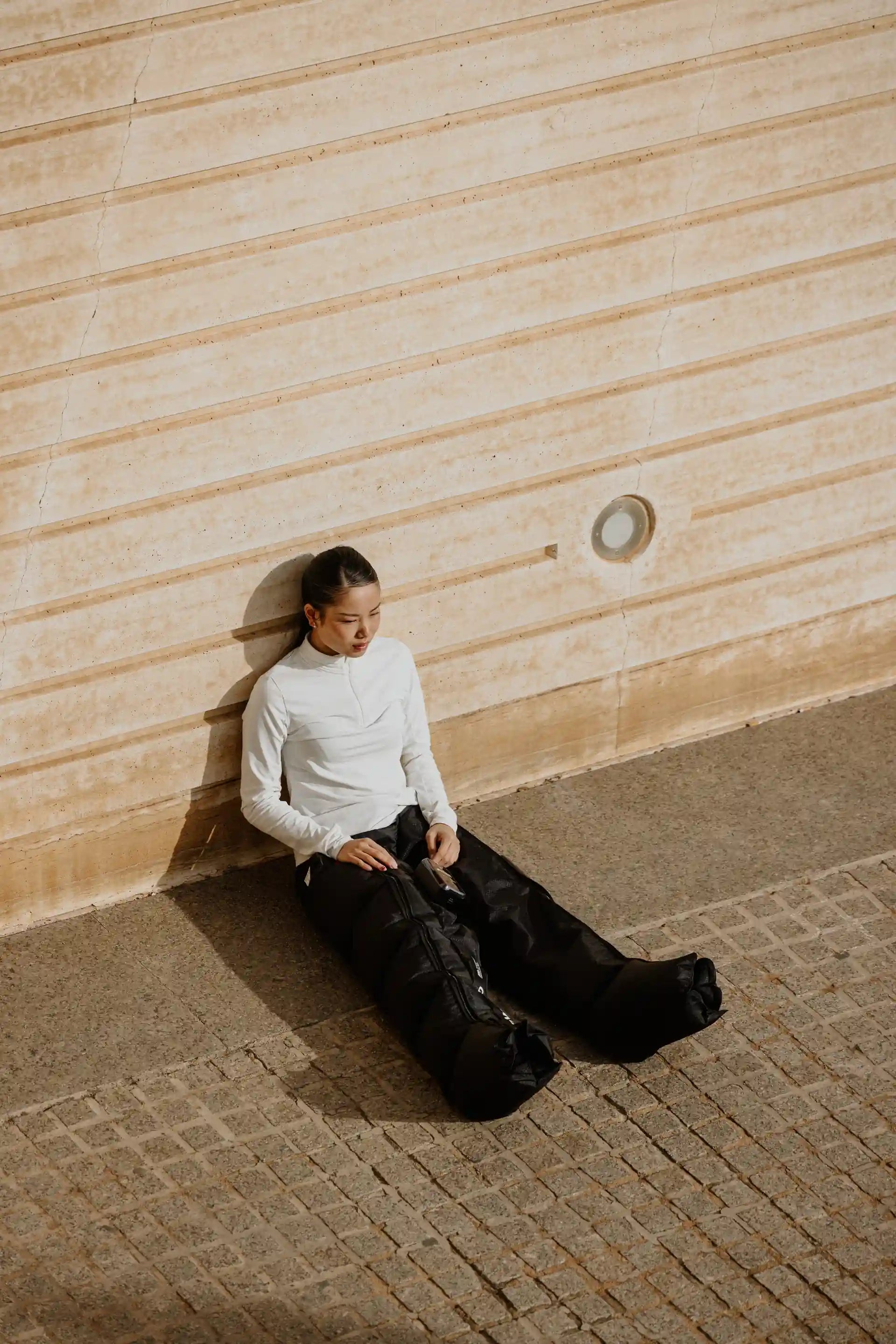
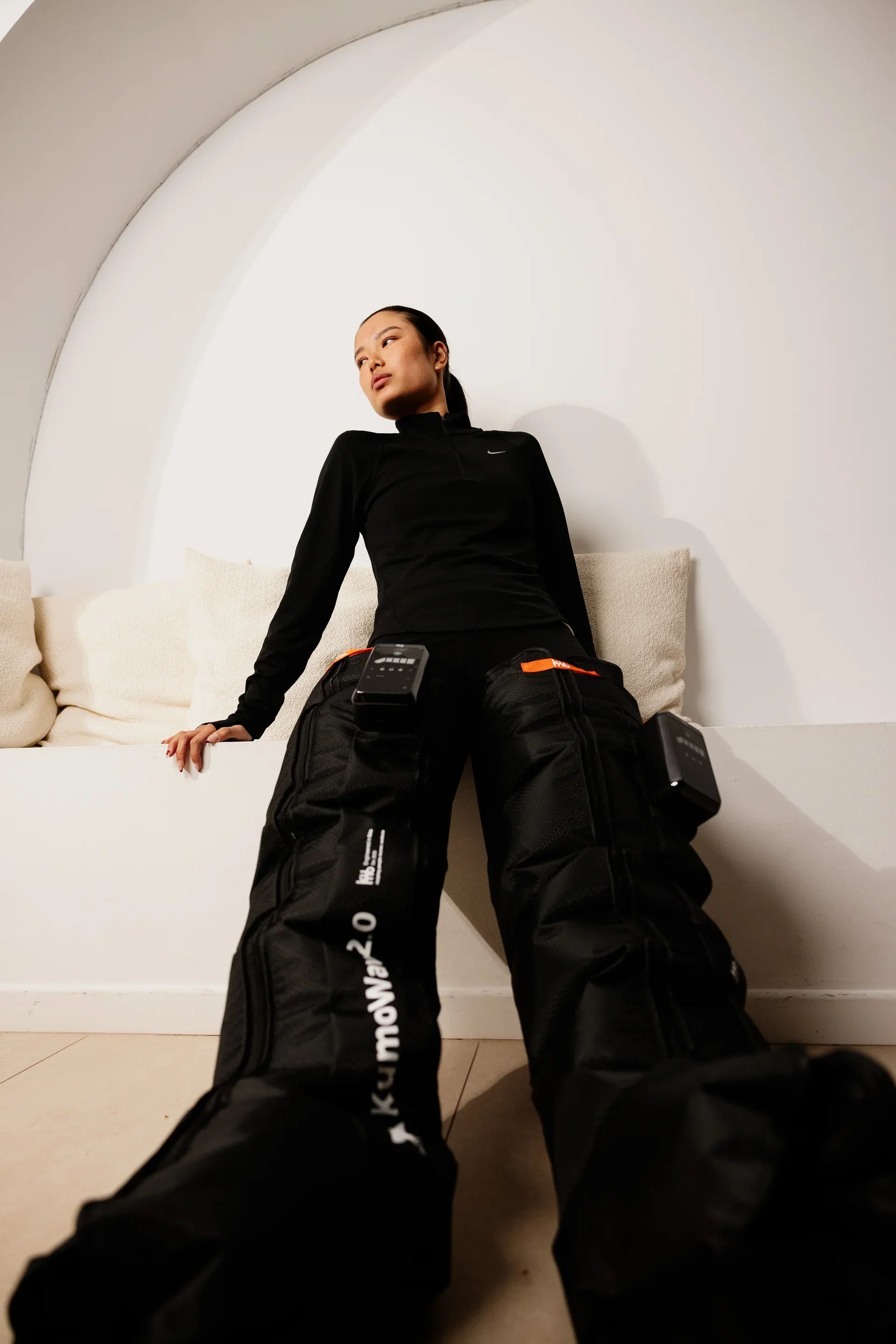
KumoWave pressotherapy boosts circulation and helps drain fluid with sequential compression, in 20-minute sessions at home.
- Boosts circulation and helps drain fluid
- Chamber-based compression, adjustable to you
- Sequential compression that mimics manual drainage
€799,00€999,00
−10% on your 1st order when you subscribe to the newsletter

Quick clarification: here we are talking about aesthetic cellulite, or orange peel skin. Not the skin infection also known as cellulitis, which is a different medical entity.
What are hard and soft cellulite?
Cellulite is very common and, according to Cleveland Clinic, appears in 80% to 90% of women after puberty. The Mayo Clinic guide explains that it occurs when fibrous septa pull the skin down while fat pushes up, creating the typical dimpled relief. The Cleveland Clinic's clinical explanation and the Mayo Clinic's diagnostic and treatment guide agree on this structural basis.
Personalized protocol · included with your purchase
Want us to tell you how to use it in your case?
With your purchase, our experts prepare a personalized usage protocol for your case: sport, circulation, fluid retention, pregnancy or lipedema.
Message us on WhatsAppOur experts reply · no obligation
If you want to identify your case, the guide on Types of cellulite: how to recognize yours and what to do helps to distinguish the most common variants.
Type is not the same as grade
Grade, on the other hand, measures how visible the dimpling is: Cleveland Clinic scales it from 0 to 3 depending on whether it appears only when pinched, when standing, or also when sitting. The guide on Cellulite grades: how to identify yours helps you avoid confusing severity with consistency.
Key differences: firmness, flaccidity, and affected area
The classification by consistency usually groups cellulite into hard, soft, edematous, and mixed forms. The consistency classification described in Springer summarizes this logic and indicates that the hard form appears more frequently in thin and active people, while the soft form is more related to flaccidity and lower tone.
on your first order when you join the newsletter
We send you the code instantly. No spam.
Quick table: hard vs. soft cellulite
| Appearance | Hard cellulite | Soft cellulite | Practical interpretation |
|---|---|---|---|
| Texture | Firmer, more compact, with septa noticeable to the touch or when pinched. | More mobile, lax, with skin that changes more with posture. | Consistency is usually the first clue to distinguish between the two. |
| Frequent profile | More described in thin and physically active people. | More associated with lower tone and tissue flaccidity. | Does not define the entire body, but how a specific area responds. (pubmed.ncbi.nlm.nih.gov) |
| Common areas | Usually concentrated on thighs and buttocks, with more compact dimpling. | Can also be seen on the abdomen, arms, and hips, especially if there is laxity. | Location helps, but is not enough on its own for diagnosis. |
| What matters most | Fibrosis and adhesions predominate. | Flaccidity and, in some cases, fluid retention predominate. | If fibrosis is dominant, the approach changes; if edema is dominant, it also changes. |
The edematous form is less frequent and usually presents more volume and swelling in the lower body. Therefore, when soft cellulite is accompanied by clear edema, the strategy changes: it is not enough to smooth the surface, drainage and the cause of the swelling must also be considered.
How to recognize it at home without confusion
Indicative test in 4 steps
This home review does not replace a medical evaluation, but it does help you to identify the dominant pattern.
- Observe the area while standing and sitting, because hard cellulite usually shows more with the pinch test or with a change of posture.
- Feel the texture with two fingers, as the hard form feels more compact and the soft form more mobile or spongy.
- Check for pain, heaviness, or easy bruising, because these clues suggest lipedema or edema, and not just aesthetic cellulite.
- Consider whether the change is localized or mixed, because the same person can combine hardness in one area and flaccidity in another.
If there is also pain, heaviness, or easy bruising, reading Lipedema or cellulite: how to differentiate them without errors is especially useful because the management changes significantly.
Practical rule: if the skin looks smoother at rest but becomes dimpled when pinched, hard cellulite is usually more dominant; if the tissue feels looser, softer, and sometimes with edema, it usually fits better with soft or mixed cellulite.
Differentiated treatment according to type
There is no single winning treatment. The Mayo Clinic's guide to diagnosis and treatment explains that most approaches improve appearance temporarily and that combining techniques can yield better results; furthermore, a 2023 clinical guide proposed an algorithm by grade in which moderate forms are oriented towards laser, radiofrequency, and ultrasound.
If you want to delve into what each approach offers, the guide on cellulite treatments in-office vs. at-home: 2026 guide helps decide when a professional protocol is appropriate and when a sustained routine is better.
If cellulite is hard or fibrous
When hard cellulite predominates, the focus is on the fibrous septa that pull the skin. The American Academy of Dermatology's review of cellulite treatments highlights subcision, laser, and precise tissue release as options that can reduce dimples in selected cases; Mayo Clinic adds radiofrequency and acoustic waves, with results that usually require several sessions and are not definitive. (aad.org)
- Prioritize procedures that act on fibrosis, not just on fat volume.
- Strengthen muscle tone with regular exercise, because a better muscle base makes the surface firmer.
- Set a realistic goal: improving appearance is usually possible, but complete elimination is not common.
If cellulite is soft or flaccid
When soft cellulite dominates, the problem is usually more in laxity, tone, and sometimes fluid retention. In this case, strength, daily mobility, and measures that improve circulation are more important; if there is also pain, heaviness, or easy bruising, the NHS Wales summary on lipedema reminds us that it is advisable to rule out a different disorder, because the management changes.
- Move regularly, because physical activity improves circulation and lymphatic drainage.
- If there is swelling, consider compression or edema management with a professional, especially if the area feels heavy or tense.
- Don't rely solely on massages or creams, because they can provide temporary improvement but do not change the underlying architecture on their own.
If your case is mixed, it is normal to combine objectives: release fibrosis where the skin is more rigid and work on tone and circulation where laxity predominates. This mixture explains why two people with the same label do not respond equally.
A 2026 systematic review on ultrasound in cellulite concluded that this technique can help better characterize skin structure and monitor changes after treatment, although standardized protocols are still lacking for its routine use. The 2026 systematic review on ultrasound in cellulite aligns with this idea of personalization.
Habits that help prevent and maintain results
If you want a practical basis, the guide on how to prevent cellulite with effective daily habits summarizes the most important idea: what counts is what you can repeat. Mayo Clinic and Cleveland Clinic insist that exercise, weight control, and improved muscle tone help make the dimpling less visible, although they do not promise complete elimination.
What matters most in daily life
- Do activities you can repeat, such as walking, cycling, swimming, or Pilates, because muscle and circulation help the skin look firmer.
- Consistently train strength, as more muscle mass usually improves superficial appearance.
- Maintain a stable weight within a healthy range, because sudden changes can make dimpling more visible.
- Don't get frustrated if you are thin, because cellulite also appears in very lean and athletic bodies.
It's not about pursuing a minimum weight: cellulite can be seen even in thin people, and losing weight doesn't always completely eliminate it. The most useful approach is usually to improve tone, circulation, and body stability.
FAQ about hard and soft cellulite
What is hard cellulite and how does it differ from soft cellulite?
Hard cellulite is firmer, more compact, and usually noticeable when the skin is pinched or when changing posture. Soft cellulite appears more lax, mobile, and has a texture that changes more with body contour. The same person can have both, so it is not advisable to think in closed categories. The key is to identify what dominates in each area: fibrosis and adhesions in hard cellulite, or flaccidity and lower tone in soft cellulite.
How to tell if cellulite is hard or soft?
At home, look at three things: how it looks when standing and sitting, how it feels to the touch, and if it depends on the pinch test. If the area feels compact and the dimpling appears mostly when pinched, it usually aligns more with the hard form. If it feels looser, softer, or spongier, it points more to the soft form. If there is also pain, heaviness, or easy bruising, it is advisable to check for lipedema or other edema.
What differentiated treatment is recommended for hard versus soft cellulite?
For hard cellulite, treatments that act on fibrous septa usually make more sense: subcision, laser, radiofrequency, or tissue release techniques, always with medical evaluation. For soft cellulite, strength exercise, regular activity, and management of circulation or edema if present are more important. In both cases, Mayo Clinic reminds us that results are usually partial and temporary, so combining techniques usually works better than a single one.
How to prevent or manage hard and soft cellulite specifically?
The most useful prevention combines strength, daily movement, and weight stability. If your pattern is hard, the priority is not to lose tone and to reduce tissue stiffness with a professional approach when necessary. If it is soft, it is more important to sustain circulation and control laxity, especially if fluid retention appears. The best strategy does not seek immediate perfection, but rather consistency and a plan that you can maintain.
What now?
If you want to further refine your approach, return to the Kumo Balance homepage to explore the non-invasive approach with an organized view. Cellulite usually responds better to combined and realistic strategies than to a single miracle solution.
KumoWave pressotherapy
Choose your at-home pressotherapy
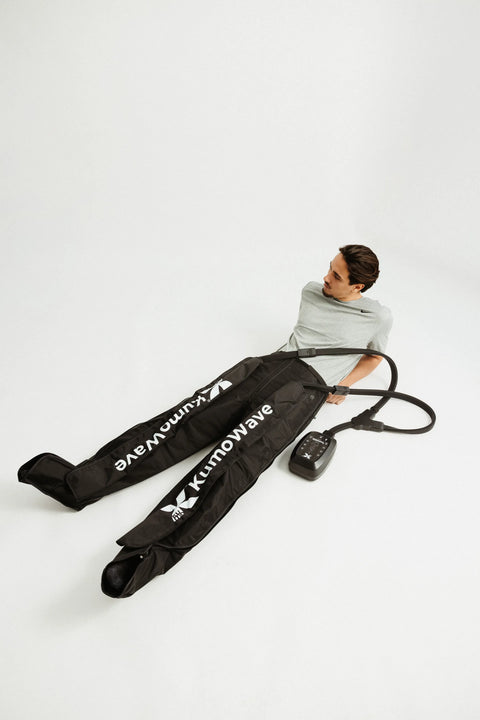
KumoWave Elite – Pressotherapy Pants
Full-coverage trousers. Ideal for lipedema, fluid retention and intensive use.
€799,00 €999,00
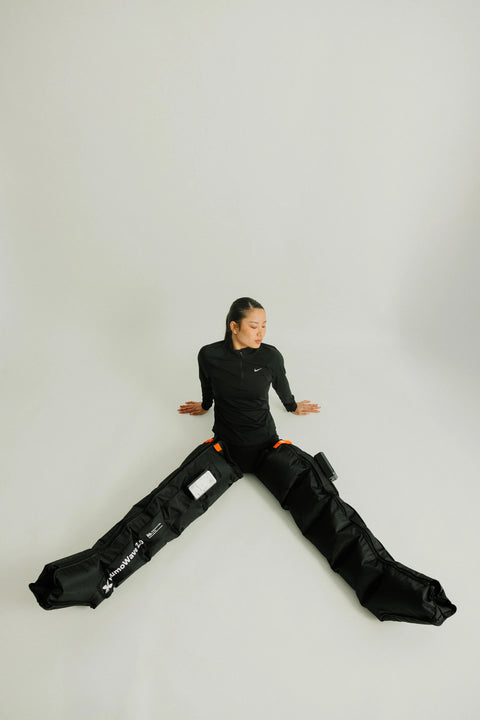
KumoWave 2.0 - Wireless Pressotherapy
Wireless, lightweight boots. Perfect for daily use and recovery.
€499,00 €599,00