

Cellulite also appears in men. Here we discuss aesthetic cellulite, dimpled skin or "orange peel skin."
The good news is that its appearance usually improves, although it rarely disappears completely. The most realistic approach is to combine habits, physical activity, and, if necessary, treatments aimed at the tissue that forms it.
Pressotherapy at home
End the day with light legs
★★★★★ 4,8/5 · rated by verified customers
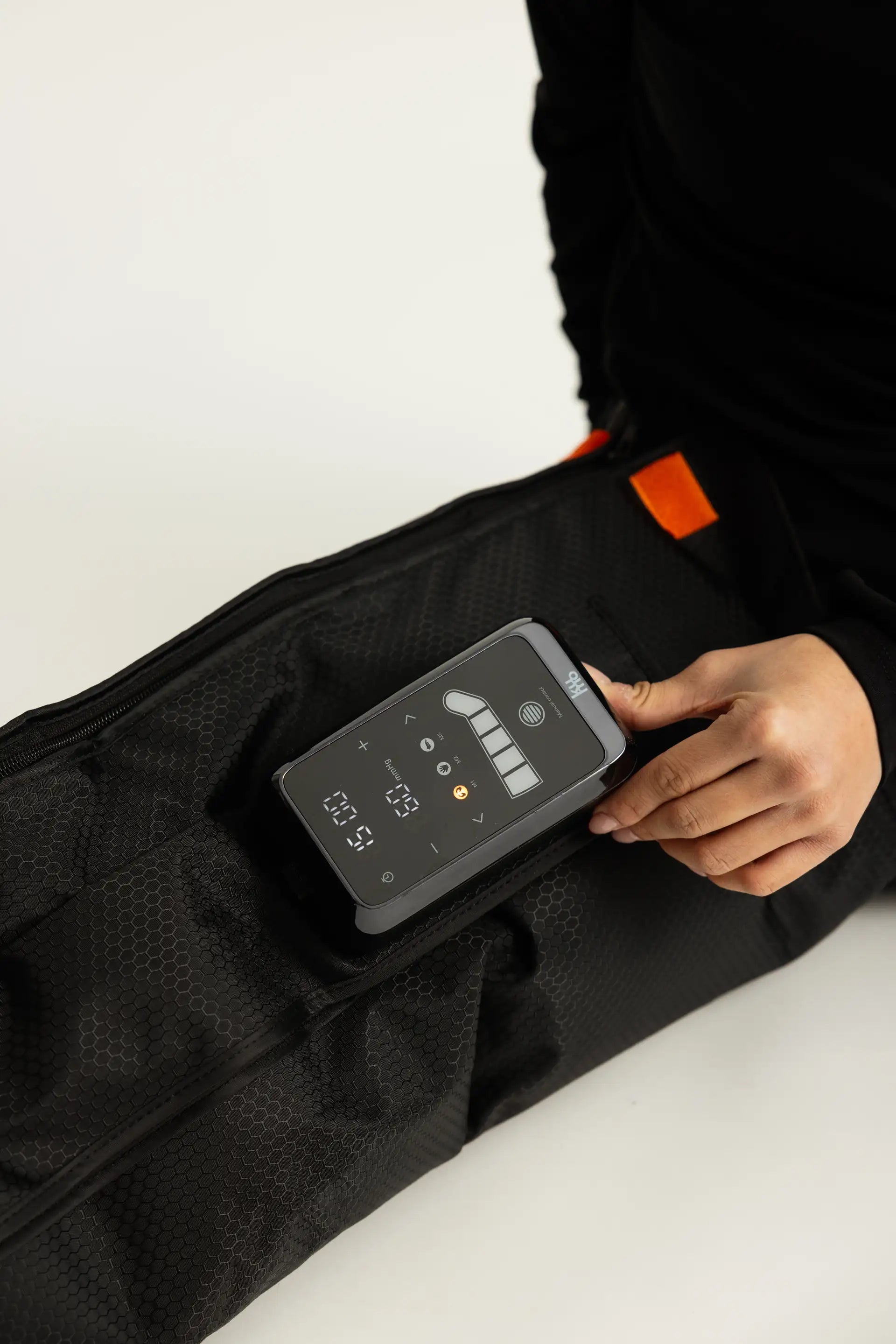
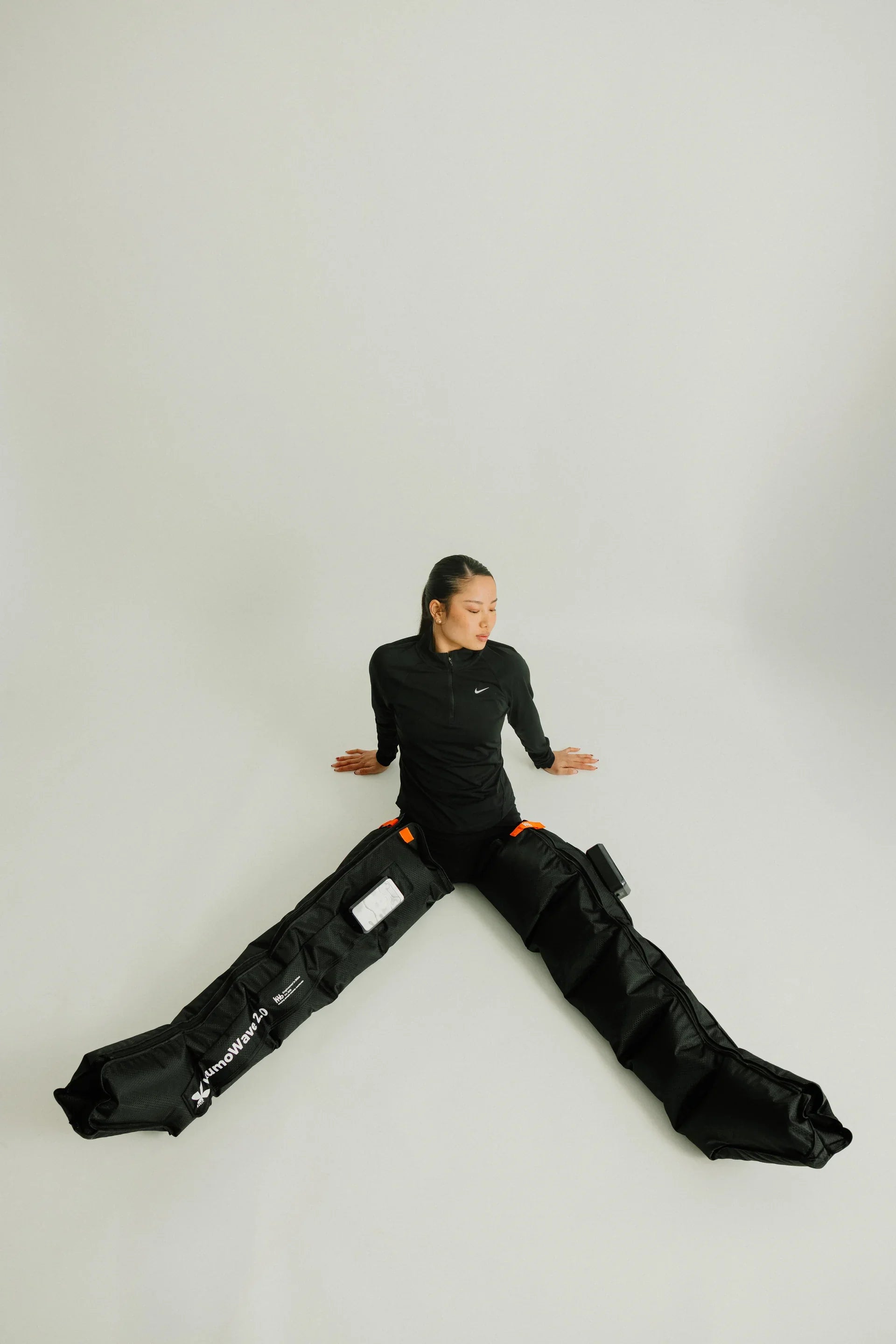
KumoWave pressotherapy boosts circulation and helps drain fluid with sequential compression, in 20-minute sessions at home.
- Boosts circulation and helps drain fluid
- Chamber-based compression, adjustable to you
- Sequential compression that mimics manual drainage
€799,00€999,00
−10% on your 1st order when you subscribe to the newsletter

What is male cellulite?
Mayo Clinic's definition of cellulite describes it as a very common and generally benign skin change that makes an irregular relief visible on the thighs, buttocks, abdomen, or hips. In men, it is usually less visible, but it can occur.
It is not contagious and, in consultation, is usually described by grades from 0 to 3, from smooth skin to deep dimples and marked valleys.
Personalized protocol · included with your purchase
Want us to tell you how to use it in your case?
With your purchase, our experts prepare a personalized usage protocol for your case: sport, circulation, fluid retention, pregnancy or lipedema.
Message us on WhatsAppOur experts reply · no obligation
If you want to better gauge its intensity, the guide on cellulite grades and how to identify yours might be useful.
Why does it appear in men?
According to Cleveland Clinic's anatomical explanation, men's connective tissue fibers cross differently from women's, which helps to better conceal dimples. Age, genetics, fat distribution, and muscle tone also influence how noticeable it is.
A 2020 review of the pathophysiology of cellulite notes that, in healthy men, cellulite is rare, but can appear with androgen deficiency or estrogen therapy. The same paper highlights that fibrous septa play a central role, which is important for understanding why certain treatments work better than others.
on your first order when you join the newsletter
We send you the code instantly. No spam.
Factors that most favor it
| Factor | What happens | How it translates to the skin |
|---|---|---|
| Connective tissue architecture | Fibrous bands pull the skin while fat pushes upwards. | Dimples and an irregular relief form. |
| Age and loss of elasticity | Over time, skin loses firmness. | Cellulite becomes more noticeable even if weight doesn't change much. |
| Genetics and constitution | The way fat is stored and skin structure are strongly inherited. | Two men with similar habits can show very different results. |
| Lower muscle tone or sedentary lifestyle | When there is less muscle mass, the contour looks softer. | The surface feels less firm. |
| Hormonal imbalances | Androgen deficiency or estrogen use can promote it. | In men, this fact deserves special medical attention. |
In practice, cellulite doesn't only depend on weight. It can also become more visible with age, with decreased skin elasticity, or with less muscle mass.
How to treat it without false expectations
The most helpful changes are usually those that improve body composition and skin quality. Physical activity, weight loss if there is excess, and certain dermatological treatments can soften its appearance, but they usually don't completely erase cellulite.
Habits that do help
- Strength train and move regularly. Exercise increases muscle mass, improves circulation, and can make cellulite less noticeable.
- If overweight, lose weight gradually. Weight loss can improve appearance, although a rapid drop with looser skin can make dimples more noticeable.
- Be patient with topical treatments. 0.3% retinol can help thicken the skin, but the effect usually isn't seen until several months later.
To incorporate this into an easy-to-maintain routine, the guide on effective daily habits to prevent cellulite may be useful.
And if you want to see which type of training usually gives the best visual results, check out which exercises really reduce it.
Treatments with better support
- Subcision. A professional separates the fibrous septa under the skin to smooth dimples; it is one of the options with the best anatomical logic.
- Laser and radiofrequency. These can improve texture and, in some cases, the effect lasts for months, but usually requires several sessions.
- Acoustic waves. They are a non-invasive alternative that can help break down tissue irregularity, although results are usually moderate and temporary.
- Retinol creams. They can provide a slight improvement if used consistently for months.
The Mayo Clinic diagnosis and treatment guide reminds us that exercise, weight loss if overweight, and retinol take time; furthermore, liposuction alone is not intended to eliminate cellulite.
The AAD guide on treatments that do work agrees that some options provide mild and temporary improvements, while those more targeted at fibrous tissue are usually more promising. (aad.org)
If you want to compare what is done in the clinic with what can accompany a home routine, the article on in-office vs. at-home cellulite treatments will help you organize your options.
It's advisable to be cautious with liposuction: it's not intended to eliminate cellulite and, in fact, can make the relief more visible in some cases.
If a treatment promises to "remove it forever," it's probably selling an unrealistic expectation. Evidence supports improvements, not miracles.
When to consult a professional
In men, prominent or conspicuously appearing cellulite warrants a closer evaluation, especially if a hormonal component is suspected. The literature reviewed by PubMed indicates that in healthy males, it is rare and may be related to androgen deficiency or estrogen treatments. A dermatologist can confirm that it is indeed cellulite and not another adipose tissue problem.
FAQ about cellulite in men
Does cellulite in men disappear with exercise?
Exercise can make it less visible, especially if you combine strength, cardio, and improved muscle tone, but it usually doesn't eliminate it completely. Mayo Clinic and the AAD agree that moving more, losing fat if overweight, and building muscle help the skin's appearance, although real changes take time and vary greatly between individuals. In general, think "improve" rather than "erase."
Why do men have less cellulite than women?
The main explanation is anatomical: in men, the connective tissue bands usually cross each other, which better disguises the relief; in women, the more parallel arrangement favors the appearance of dimples. Furthermore, the hormonal pattern and fat distribution also play a role. That's why it's less common in men, although it can appear.
What treatment usually gives the best results?
Procedures that act on the fibrous septa usually offer the most interesting improvements. Mayo Clinic describes subcision, radiofrequency, laser, and acoustic waves as options that can improve appearance, and a 2024 clinical review insists that techniques targeting fibrous tissue are the most promising for a more lasting result. Even so, they usually require sessions and do not completely eliminate cellulite.
Are anti-cellulite creams effective?
Some can help a little, but the change is usually subtle and slow. Mayo Clinic mentions that 0.3% retinol can improve skin appearance, and the AAD notes that results are usually temporary and require consistent use for months. If you're looking for a visible change, creams alone are rarely enough.
Can cellulite in men be a sign of something else?
Most of the time it's a cosmetic issue. However, in healthy men, it's less common and can be related to a hormonal imbalance, for example, androgen deficiency or estrogen treatments. If the change is recent, very striking, or concerns you for other reasons, it's worth evaluating with a professional to confirm the diagnosis and rule out other factors.
What now?
If you want to continue with a consistent routine, visit the Kumo Balance homepage and also compare anti-cellulite massage vs. pressotherapy to see which approach best suits you.
KumoWave pressotherapy
Choose your at-home pressotherapy
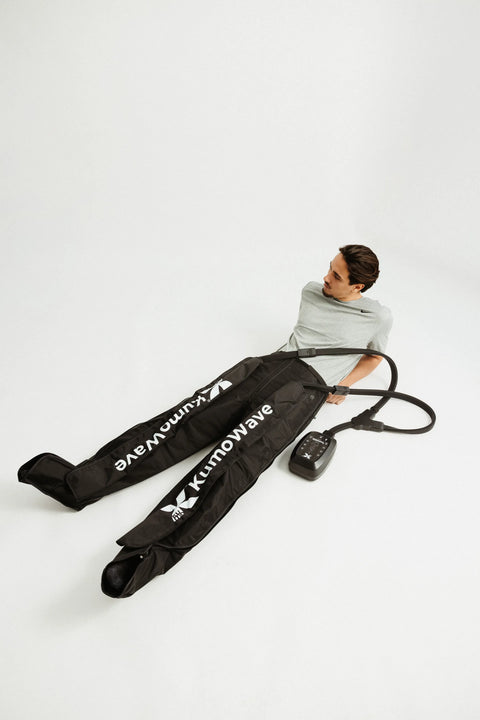
KumoWave Elite – Pressotherapy Pants
Full-coverage trousers. Ideal for lipedema, fluid retention and intensive use.
€799,00 €999,00
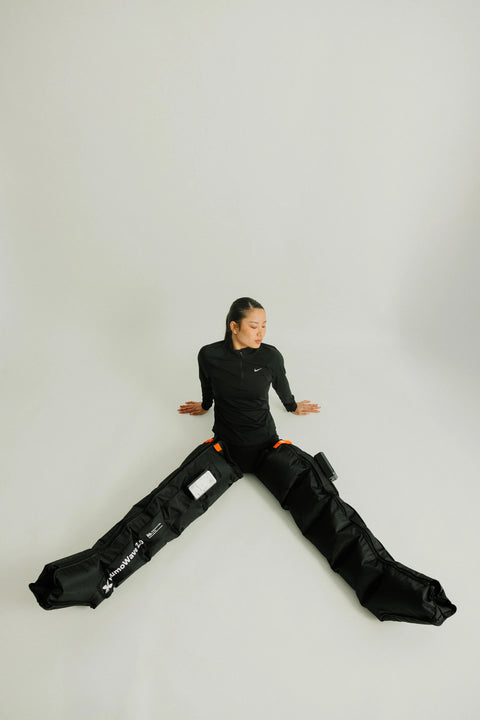
KumoWave 2.0 - Wireless Pressotherapy
Wireless, lightweight boots. Perfect for daily use and recovery.
€499,00 €599,00