
Cellulite on the back of the thighs is common.
It doesn't respond to a single cream or a quick fix. What works best is a consistent routine that combines strength, movement, reasonable nutrition, and, if necessary, medical treatments to improve skin texture. Medical reviews agree that it is a multifactorial aesthetic problem, very common in post-pubertal women, and that visible changes usually require weeks or months.
Pressotherapy at home
End the day with light legs
★★★★★ 4,8/5 · rated by verified customers
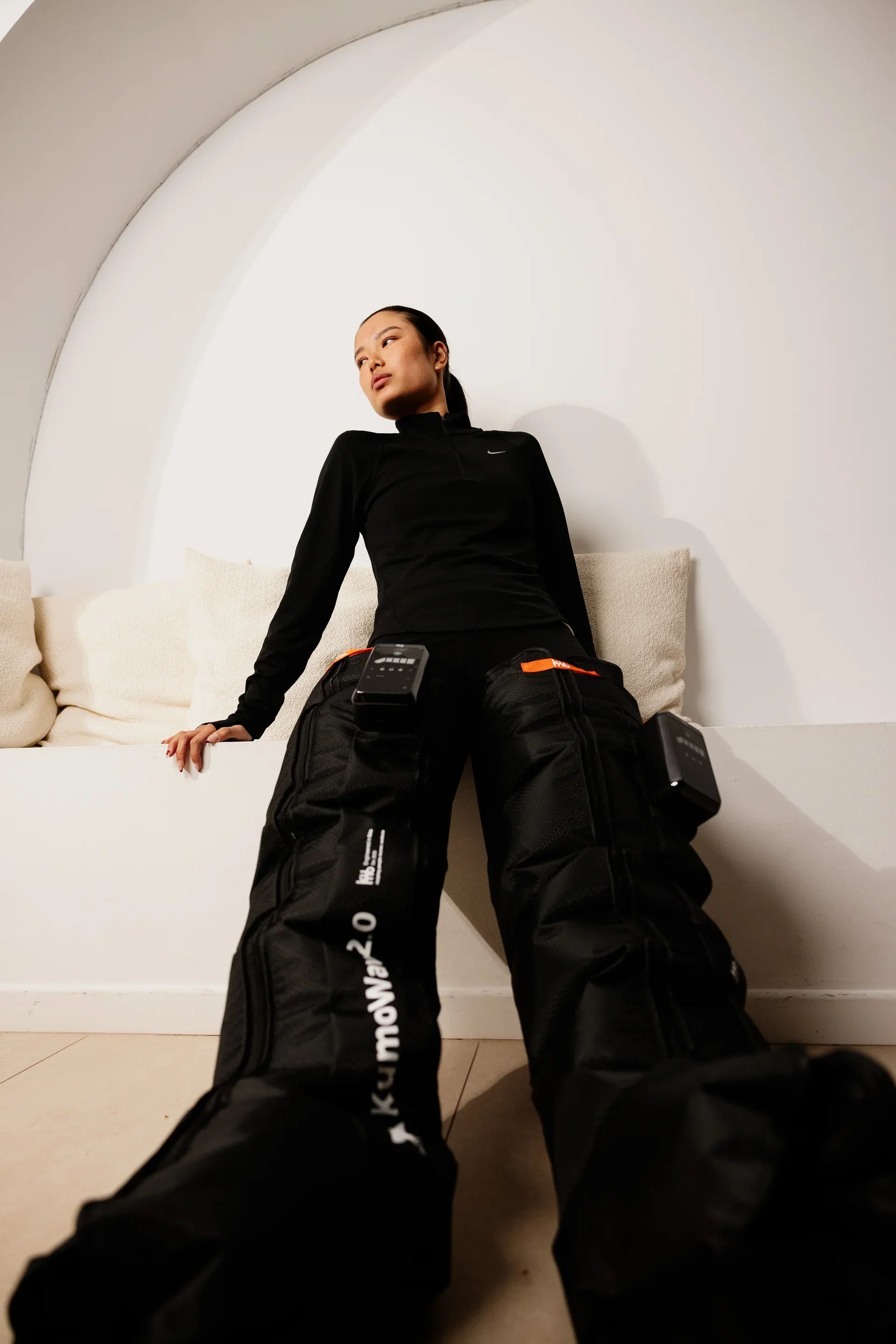
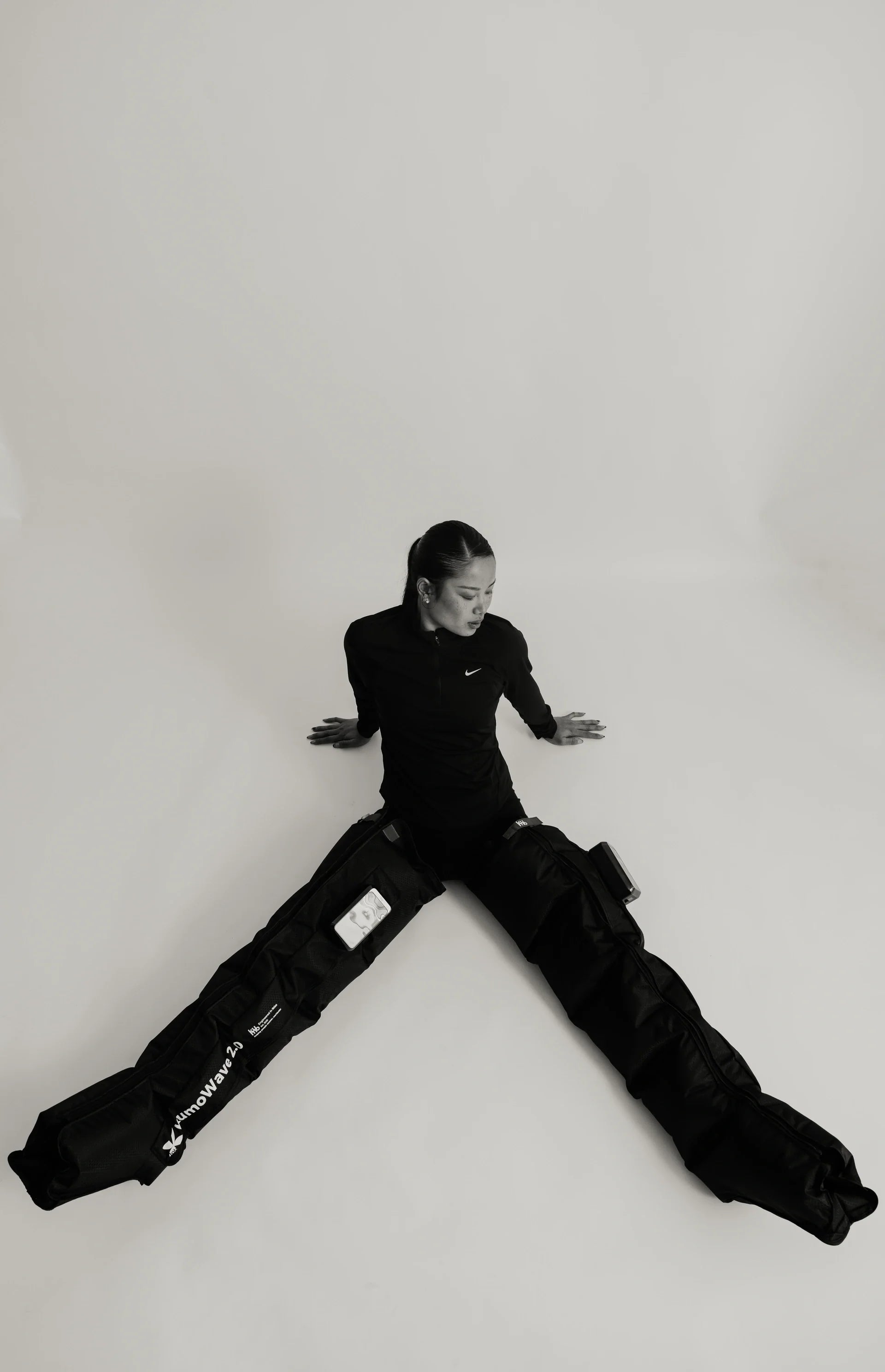
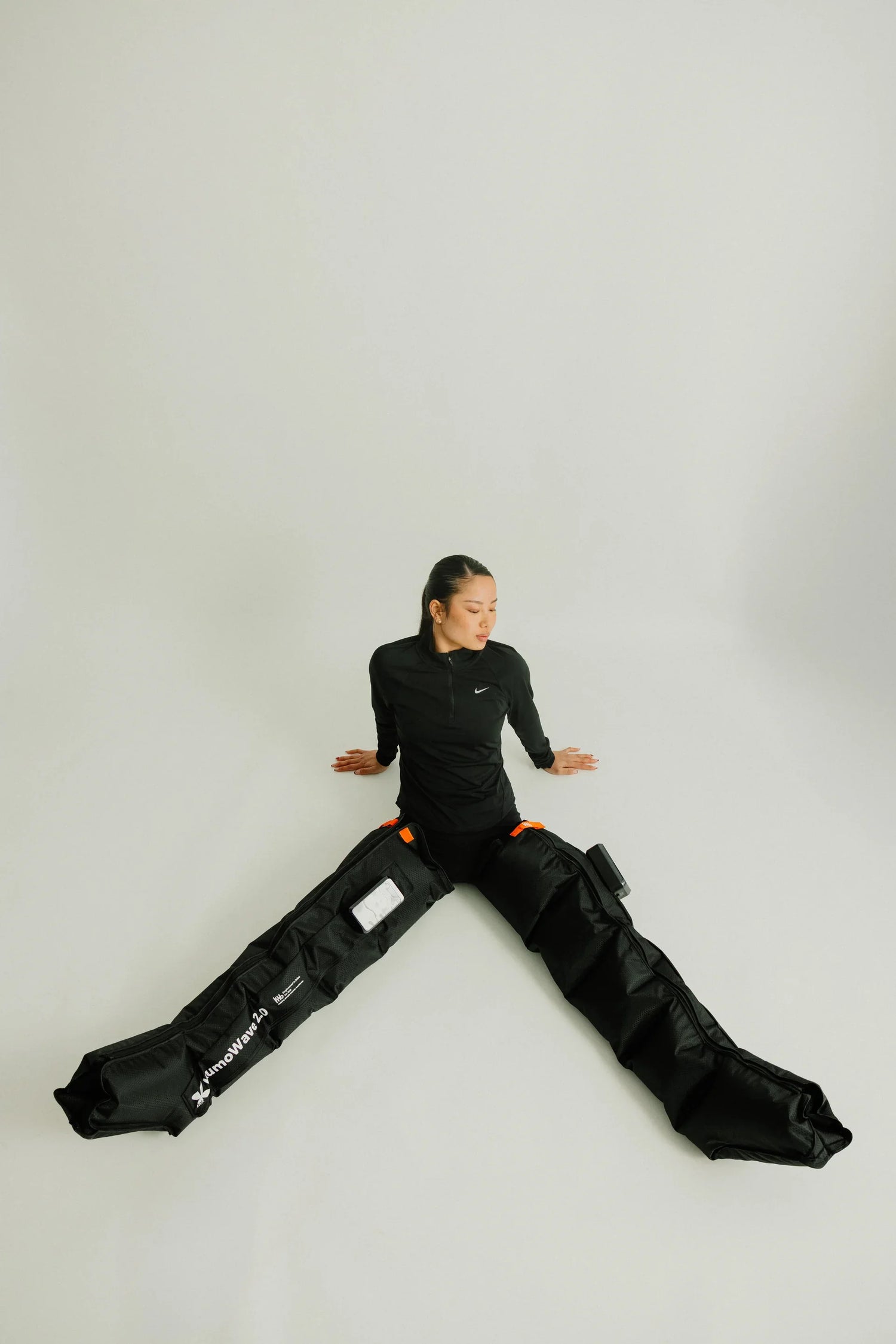
KumoWave pressotherapy boosts circulation and helps drain fluid with sequential compression, in 20-minute sessions at home.
- Boosts circulation and helps drain fluid
- Chamber-based compression, adjustable to you
- Sequential compression that mimics manual drainage
€799,00€999,00
−10% on your 1st order when you subscribe to the newsletter

What really happens on the back of the thigh
Cellulite is not "bad" fat or a lack of personal care. The way the skin, fatty tissue, and fibrous septa are organized makes the texture more prominent in certain areas, especially the thighs and buttocks. The 2024 review in PubMed summarizes that its origin is multifactorial and that the anatomy of the subcutaneous tissue, hormonal factors, and the fibrous architecture under the skin are involved.
In practice, this explains why the back of the thighs often appears more "wavy" when sitting, pressing the skin, or at the end of the day. If the area also concerns you in the buttocks, the working logic is very similar to the routine for cellulite on the buttocks. And if you notice a more compact or fibrous texture, it may help to distinguish between cellulite on the inner thighs and softer cellulite, because they don't always behave the same way.
Personalized protocol · included with your purchase
Want us to tell you how to use it in your case?
With your purchase, our experts prepare a personalized usage protocol for your case: sport, circulation, fluid retention, pregnancy or lipedema.
Message us on WhatsAppOur experts reply · no obligation
The best strategy is consistency: strength, movement, and sustainable habits usually yield better results than any quick trick.
This idea aligns with what medical guidelines and reference articles describe: cellulite can improve its appearance, but lasting changes usually depend on combining several measures. (my.clevelandclinic.org)
Specific routine to improve the appearance of cellulite
1. Posterior chain strength training
If your goal is the back of the thighs, strength is the foundation. Muscle toning helps the skin look firmer and can visually smooth the texture. The Mayo Clinic and Cleveland Clinic point out that regular exercise, muscle gain, and improved circulation can enhance the appearance of cellulite.
on your first order when you join the newsletter
We send you the code instantly. No spam.
- Do 3 weekly sessions with squats, lunges, glute bridges, and Romanian deadlifts.
- Work with progressive overload, even if light at first, to truly stimulate muscle.
- Include unilateral exercises, such as step-ups or reverse lunges, as they tend to activate the glutes and hamstrings very well.
If you want to refine the sports aspect even further, you can draw inspiration from cellulite and sport: which exercises really reduce it. The idea is not to "overwork" a specific area, but to add muscle, movement, and consistency.
2. Cardio that adds without exhausting you
Cardio alone doesn't erase cellulite, but it helps control fat percentage and improve circulation. Cleveland Clinic recommends activities like running, cycling, or resistance training, and Mayo Clinic adds walking, biking, climbing stairs, swimming, or dancing as easy-to-sustain options.
- Walk briskly for 20 to 40 minutes 2 to 4 times a week.
- Use a bike or stairs when you want to add leg work without a very long session.
- Choose an activity you enjoy, because the routine that is maintained is the one that works best in the medium term.
3. Practical, not extreme, diet
No miracle diet is needed. What is useful is to eat with more structure: enough protein, vegetables, fruit, legumes, fiber, and fewer very salty ultra-processed foods. The Mayo Clinic indicates that losing excess weight and toning can improve the appearance of the skin, while the AAD reminds us that there is no evidence that any supplement eliminates cellulite.
If converting it into simple habits helps you, the guide to daily habits that help prevent cellulite can provide a useful foundation. The key is regularity: eating better for a few days doesn't compensate for weeks of excess, but you also don't need to live on a diet.
4. Topical care and massage: what works and what doesn't
Among cosmetic treatments, topical retinol is one of the few with some support. Mayo Clinic points out that a 0.3% retinol cream can improve the appearance, although the change takes months. In contrast, dry brushing, rollers, and many home massagers have not shown lasting improvement.
Massage can provide temporary relief, especially when you feel heavy legs or tighter skin. If you are interested in comparing approaches, you can review anti-cellulite massage vs. pressotherapy. The correct idea is to think of these resources as recovery support, not as a sole solution.
5. Recovery and consistency
The routine only works if you can repeat it. Sleeping well, moving daily, avoiding long periods of sitting, and allowing for recovery helps ensure the plan isn't abandoned after the third week. If you find it difficult to sustain training due to tired legs, a home recovery strategy can be a good complement to an active life.
Example of a weekly routine
| Day | Session | Duration | Objective |
|---|---|---|---|
| Monday | Strength: squats, glute bridge, and Romanian deadlifts | 35-45 min | Muscle tone |
| Tuesday | Brisk walk and hip mobility | 25-35 min | Circulation and adherence |
| Wednesday | Strength: lunges, step-ups, and unilateral work | 35-45 min | Posterior chain |
| Thursday | Bike, stairs, or dance | 25-40 min | Energy expenditure |
| Friday | Strength + core | 35-45 min | Stability and support |
| Saturday | Gentle activity: long walk, swimming, or yoga | 30-60 min | Active recovery |
| Sunday | Rest, stretching, and self-care | 15-20 min | Sustain the routine |
This structure aligns with what medical guidelines recommend: regular exercise, muscle toning, and an activity you can sustain over time. Cleveland Clinic indicates that visible improvement with exercise can take at least 2-3 months, and Mayo Clinic reminds us that some treatments also require several sessions for the change to be noticeable.
Common mistakes that worsen frustration
- Not expecting immediate results, because cellulite usually responds slowly and consistency matters more than the intensity of a single week.
- Relying on dry brushing or rollers as a lasting solution, as there is no evidence of sustained improvement.
- Searching for "anti-cellulite" supplements, because the AAD states that there is no evidence of efficacy for that purpose. (aad.org)
- Resorting to liposuction as a shortcut, as it is not intended to correct skin texture caused by cellulite.
- Going from zero to a hundred with extreme diets or workouts, because they are usually difficult to maintain and do not create useful long-term habits.
When to consider medical treatments
If you have been following a well-executed routine for several months and the appearance still bothers you greatly, there are medical treatments that can help improve the texture. The AAD and Mayo Clinic describe options such as acoustic wave therapy, laser, radiofrequency, subcision, and vacuum-assisted tissue release. They usually require several sessions, and the results may be temporary.
Not all treatments are suitable for everyone. Therefore, it makes sense to first compare the most practical approaches and then decide whether you want to continue at home or move to a professional setting. The guide to in-office and at-home treatments can help you organize options without falling for exaggerated promises.
If the goal is cosmetic, it's advisable to talk to a dermatologist or a professional experienced in the procedure. The AAD insists that the result largely depends on the technique and who performs it.
Frequently asked questions
How to eliminate cellulite on the back of the thighs naturally?
Naturally, the most sensible approach is to try to improve its appearance, not to promise total elimination. The basis is a strength routine for glutes and hamstrings, regular cardio, a balanced diet, and consistency for at least 8 to 12 weeks. Avoiding long periods of sitting, sleeping well, and staying active every day also helps. Medical evidence supports that these habits can make it less visible, although they do not completely erase it.
What exercises are best for reducing cellulite on the back of the thighs?
The most useful are those that strengthen the posterior chain: squats, lunges, glute bridges, Romanian deadlifts, step-ups, and unilateral work. You can also add brisk walking, cycling, or climbing stairs to improve circulation and energy expenditure. Cleveland Clinic points out that exercise can improve appearance because it increases muscle mass and blood flow, and Mayo Clinic includes several activities of this type in its self-care recommendations.
Can cellulite on the thighs be prevented with diet or supplements?
Diet can help, but it doesn't guarantee prevention. Eating better, controlling ultra-processed foods, and, if overweight, losing it gradually can make cellulite less visible. In contrast, supplements do not have strong support as a solution. The AAD states that there is no evidence that supplements like caffeine, grape seed extract, or ginkgo biloba actually reduce it. Therefore, it's better to invest in stable habits than in miracle formulas.
How long does it take to see improvement in thigh cellulite with an exercise routine?
With exercise and consistency, many people need at least 2 to 3 months to start noticing visible changes. Cleveland Clinic gives this approximate timeframe for exercise, while Mayo Clinic warns that several treatments also require multiple sessions and time to show results. The key is to measure progress with comparable photos, feeling of firmness, and consistency of the plan, not with a single day's glance.
Are there medical treatments for localized cellulite on the back of the thighs?
Yes. Options described by the AAD and Mayo Clinic include laser, radiofrequency, acoustic waves, subcision, and vacuum-assisted tissue release. They can improve appearance for months or even years in some cases, but they are not identical for everyone and usually require medical evaluation. The most prudent approach is to talk to a dermatologist to choose the most appropriate treatment based on the type of cellulite, skin quality, and your realistic expectations.
What now?
If you want to start today, stick with one simple idea: strength 3 times a week, daily movement, and sustainable habits. Then, if you want to continue exploring solutions and recovery support at home, visit Kumo Balance and compare our approach with other methods you already know, such as in-office and at-home treatments. The important thing is to build a routine you can maintain, not chase an impossible promise.
KumoWave pressotherapy
Choose your at-home pressotherapy
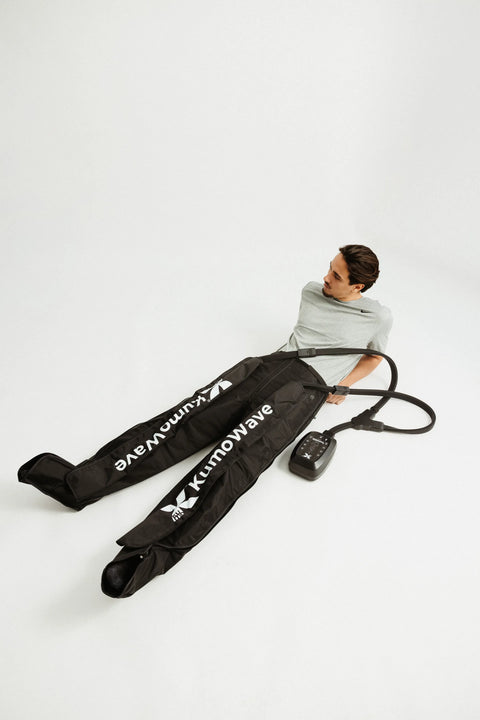
KumoWave Elite – Pressotherapy Pants
Full-coverage trousers. Ideal for lipedema, fluid retention and intensive use.
€799,00 €999,00
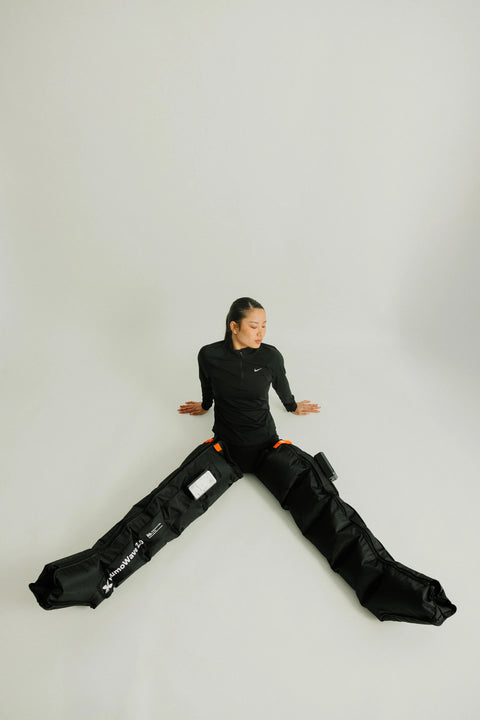
KumoWave 2.0 - Wireless Pressotherapy
Wireless, lightweight boots. Perfect for daily use and recovery.
€499,00 €599,00