
Cellulite on the inner thighs does not appear by chance. It tends to be more visible and more resistant because the skin, subcutaneous fat, and fibrous bands of tissue create a texture that is difficult to completely smooth out. (mayoclinic.org)
Furthermore, it is not a rare problem or a sign of "poor physical fitness": it is very common, can even appear in thin people, and, according to a 2024 validation, can affect up to 85% of post-pubertal women.
Pressotherapy at home
End the day with light legs
★★★★★ 4,8/5 · rated by verified customers
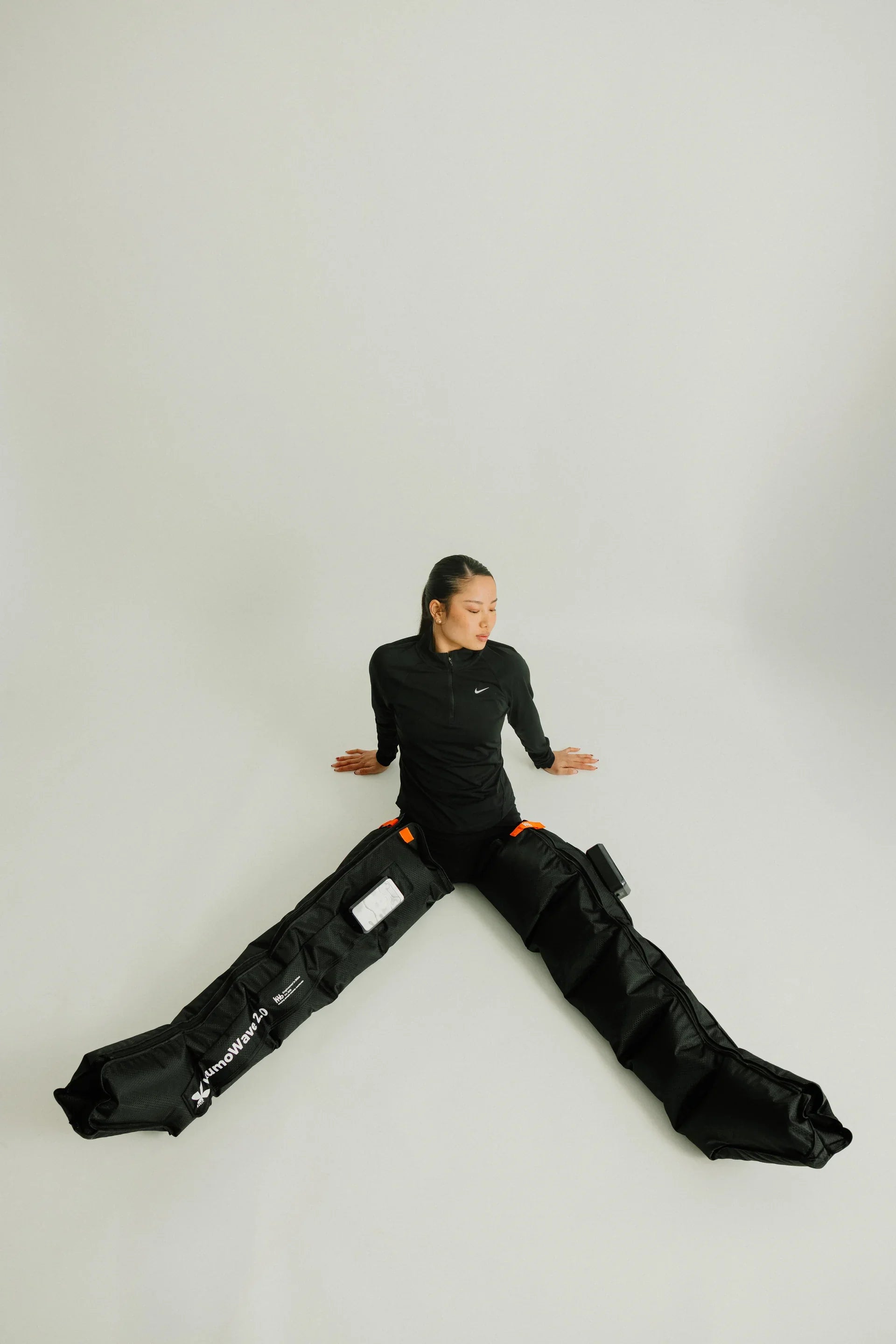
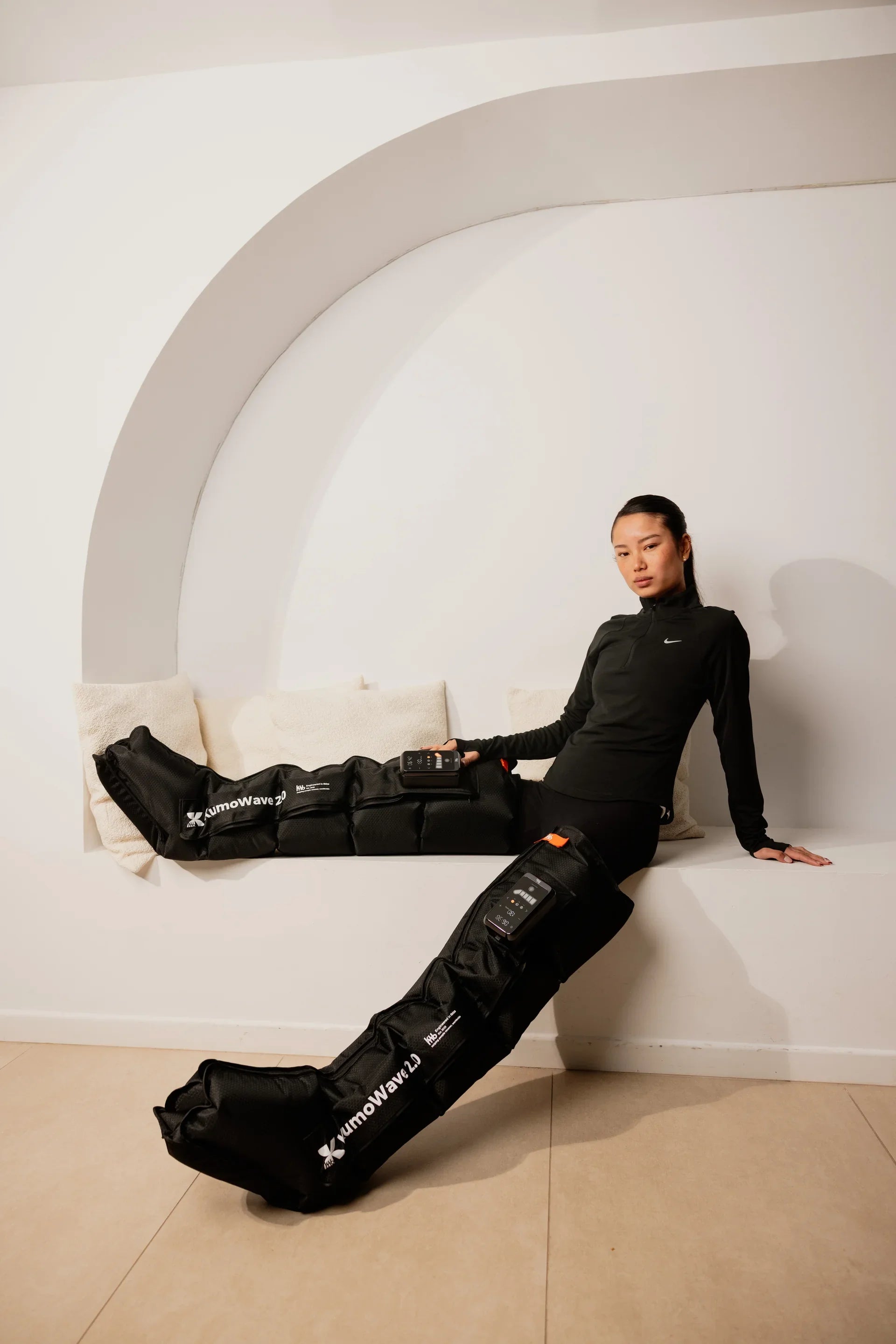
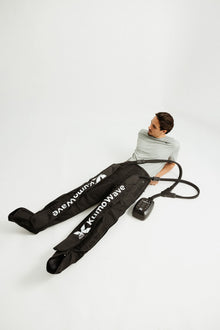
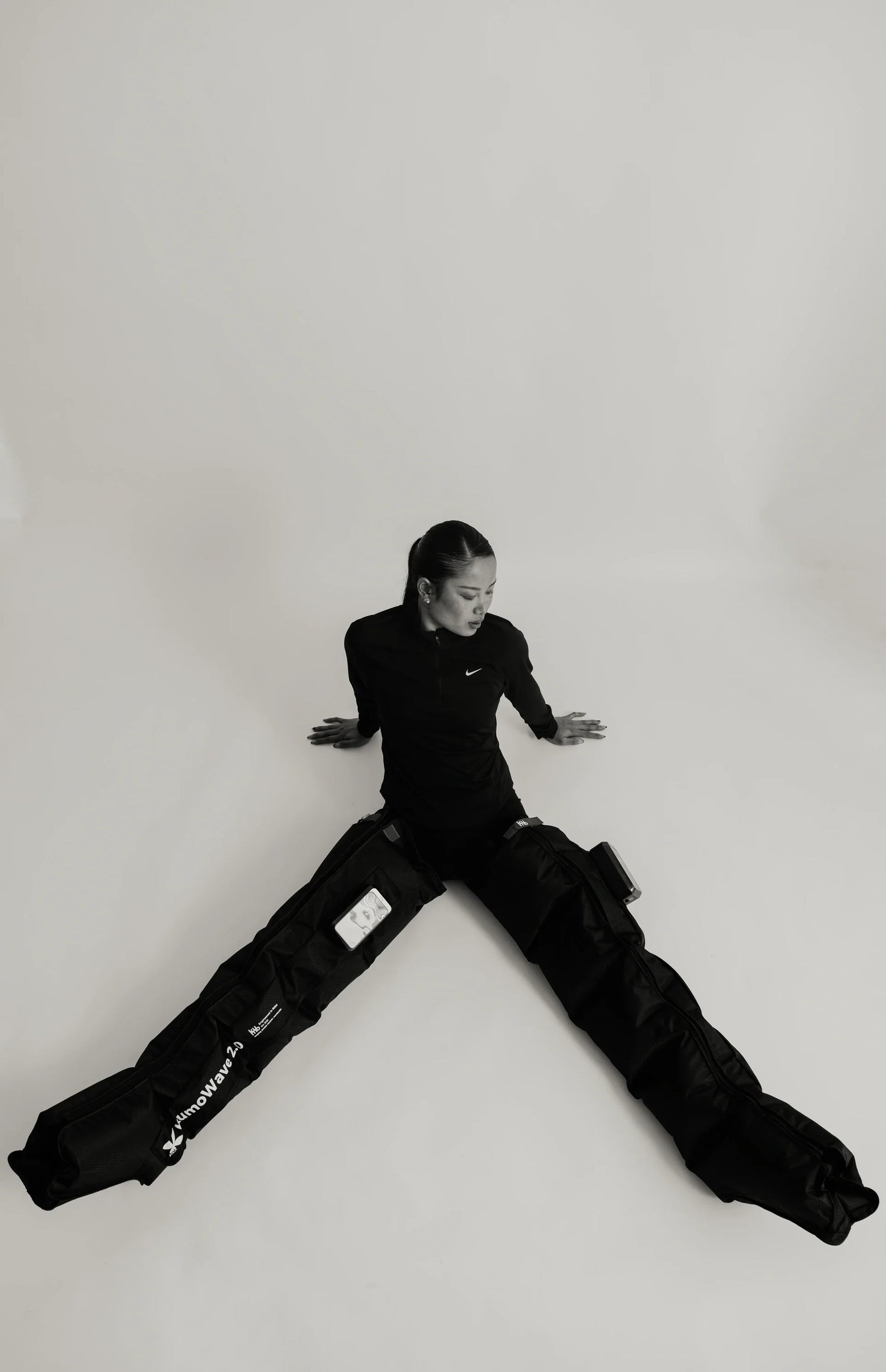
KumoWave pressotherapy boosts circulation and helps drain fluid with sequential compression, in 20-minute sessions at home.
- Boosts circulation and helps drain fluid
- Chamber-based compression, adjustable to you
- Sequential compression that mimics manual drainage
€799,00€999,00
−10% on your 1st order when you subscribe to the newsletter

Why the inner thighs are so resistant
The basis is structural. Mayo Clinic's explanation of causes and risk factors summarizes that fibrous cords pull down on the skin while fat pushes up from within; a scientific review in PubMed describes this process as multi-causal, involving anatomical, hormonal, and genetic factors.
On the inner thigh, this architecture is very noticeable because it is an area with localized fatty tissue, changes in tension when moving, and a surface that tends to "mark" the relief more. This is a reasonable anatomical inference based on available literature, not an absolute rule for all individuals.
Personalized protocol · included with your purchase
Want us to tell you how to use it in your case?
With your purchase, our experts prepare a personalized usage protocol for your case: sport, circulation, fluid retention, pregnancy or lipedema.
Message us on WhatsAppOur experts reply · no obligation
Genetics, hormones, and age change the outcome
Genetics influence skin structure, texture, and body type, while hormonal factors play an important role in cellulite development. Mayo Clinic also notes that it is often more common in women, especially after puberty, and that skin loses elasticity with age.
MedlinePlus's cellulite fact sheet adds that even thin people can have it, because the problem does not depend only on weight, but on how collagen fibers and fat behave just beneath the skin.
Exercise helps, but doesn't "erase" the texture
Training improves muscle tone, circulation, and lymphatic drainage, but it does not by itself eliminate the structure that produces dimples. Therefore, although movement is a useful foundation, cellulite can still be present even in active people. If you want to see which routines make the most sense, the guide on cellulite and sport summarizes it very practically. (mayoclinic.org)
on your first order when you join the newsletter
We send you the code instantly. No spam.
If you are also interested in gauging the intensity, the cellulite grades guide helps distinguish whether the relief only appears when pinching the skin or if it is already clearly visible when standing. (my.clevelandclinic.org)
Quick summary: factors that make it more stubborn
| Factor | What it does to the inner thigh | What to expect |
|---|---|---|
| Genetics and hormones | Condition the skin's structure, fat distribution, and how cellulite is expressed. | Predisposition cannot be changed, but its appearance can be modulated with habits and treatments. |
| Fibrous septa | The bands that anchor the skin pull down while fat pushes up, creating the dimple. | The most effective treatments usually act precisely on these bands or on skin quality. |
| Age and elasticity | Over time, skin loses firmness and the relief becomes more visible. | Improvement is usually gradual and requires consistency, not instant solutions. |
| Treatment expectations | Many procedures smooth the appearance, but do not always definitively eliminate cellulite. | Combining strategies often yields better results than a single technique. |
If you notice a more compact or softer texture to the touch, the interpretation changes; that's why the guide on hard vs. soft cellulite can help you better guide your strategy. (pubmed.ncbi.nlm.nih.gov)
What habits and treatments make the most sense
Mayo Clinic's guide on diagnosis and treatment and the AAD's guide on treatments that actually help agree on an important idea: useful options exist, but improvement is often partial or temporary, and maintenance matters a lot.
Daily habits with the most impact
- Strength train and move regularly: muscle work can improve skin appearance, leg tone, and circulation. The guide on cellulite and exercise helps you choose realistic routines.
- Avoid sudden weight changes: both weight gain and yo-yo dieting can make the relief more noticeable. Maintaining a stable weight is often more helpful than pursuing extreme solutions.
- Try topical treatments with moderate expectations: the AAD and Mayo Clinic mention that 0.3% retinol can help improve appearance, but it takes months to show an effect. If you want to delve deeper into this topic, the guide on anti-cellulite creams summarizes which ingredients have the best support.
- Consider professional treatments when seeking a more visible change: options such as laser, radiofrequency, acoustic waves, or subcision exist, always with dermatological evaluation.
- Use massage as a support, not as a sole solution: it can provide slight and temporary improvement, but the results are usually short-lived. If you compare support tools, the article on anti-cellulite massage vs. pressotherapy will help you understand their differences.
The key is to think about visible improvement, not "total elimination." In practice, many routines work best when combining movement, skin care, and, if necessary, specific treatments.
When to look beyond cellulite
If, in addition to the relief, you notice pain, significant swelling, or a feeling of heaviness in both legs, it's advisable to rule out another cause. Cleveland Clinic explains lymphedema as a distinct condition that can cause inflammation and discomfort, and is not resolved with the same strategies as aesthetic cellulite.
This doesn't mean being alarmed, but rather choosing better. Cellulite is usually benign, but if the area changes significantly, hurts, or is accompanied by persistent swelling, it warrants a professional evaluation.
FAQ about cellulite on the inner thighs
What is cellulite on the inner thighs and why does it seem more resistant to treatment?
It's the same aesthetic cellulite phenomenon that appears in other areas: subcutaneous fat pushing up while fibrous bands pull the skin down. On the inner thigh, it tends to be more noticeable because it's an area where fat distribution and tissue tension make the relief more visible. Furthermore, many treatments only temporarily improve the appearance, so the feeling of "resistance" is real.
What are the causes of cellulite on the inner thighs and why does it take so long to disappear even with exercise and diet?
Cellulite doesn't have a single cause. Genetics, hormones, skin elasticity, muscle tone, and connective tissue structure all play a role. Exercise and diet can improve the overall shape of the leg and make the skin look better, but they don't always change the architecture that produces dimples. That's why you can be training well and still see cellulite on your inner thighs.
What treatments are available for cellulite on the inner thighs when it is resistant?
The most supported options include topical retinol, radiofrequency, laser, acoustic waves, and subcision, among others. Mayo Clinic and the AAD point out that these treatments can improve the appearance, but they usually don't provide permanent elimination, and in many cases, several sessions are needed. That's why it's important to have realistic expectations and evaluate which technique best suits the type of cellulite and the specific area you want to treat.
Does genetics determine if cellulite on the inner thighs is harder to eliminate and what hormonal factors influence it?
Yes, genetics play a significant role because they condition skin structure, texture, and fat distribution. Hormonal factors are also important; that's why cellulite is much more common in women and usually becomes more evident after puberty. This doesn't mean it's "set in stone," but it does explain why some people find it harder to improve than others.
What daily habits can help improve cellulite on the inner thighs when it is particularly resistant?
The most sensible habits are consistent strength training, regular movement, maintaining a stable weight, and caring for the skin with moderate expectations. Mayo Clinic also emphasizes that physical activity can help circulation and lymphatic drainage, and that retinol can improve appearance over time. If you're looking for a complete routine, remember that consistency is worth more than quick fixes.
What now?
If you want to continue with a practical strategy, go back to the Kumo Balance website and compare approaches in in-office vs. at-home cellulite treatments to decide what best fits your goal and routine.
KumoWave pressotherapy
Choose your at-home pressotherapy
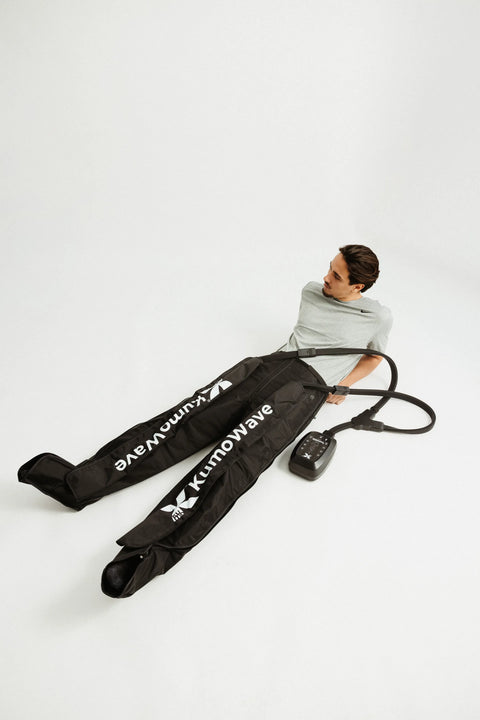
KumoWave Elite – Pressotherapy Pants
Full-coverage trousers. Ideal for lipedema, fluid retention and intensive use.
€799,00 €999,00
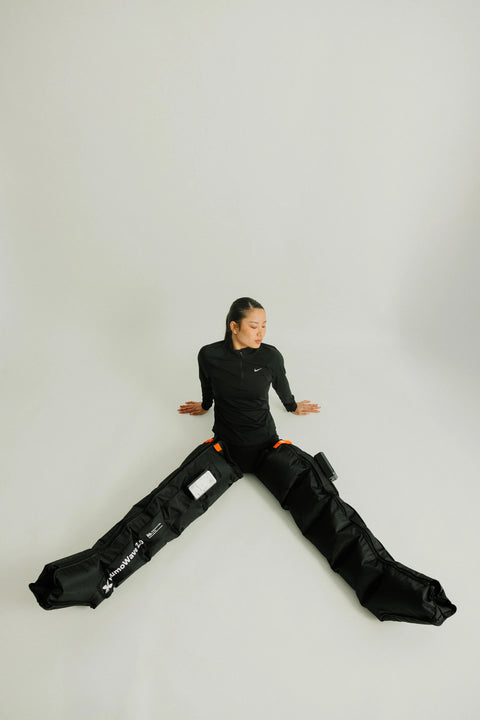
KumoWave 2.0 - Wireless Pressotherapy
Wireless, lightweight boots. Perfect for daily use and recovery.
€499,00 €599,00