
Cellulite cannot be eliminated with a single exercise. What exercise can do is make it less visible by increasing muscle mass, improving circulation, and promoting better body composition. (mayoclinic.org)
Therefore, the useful question is not what movement "erases" it, but what combination of strength, cardio, and habits leads to real, sustainable changes without magical promises. (aad.org)
Pressotherapy at home
End the day with light legs
★★★★★ 4,8/5 · rated by verified customers
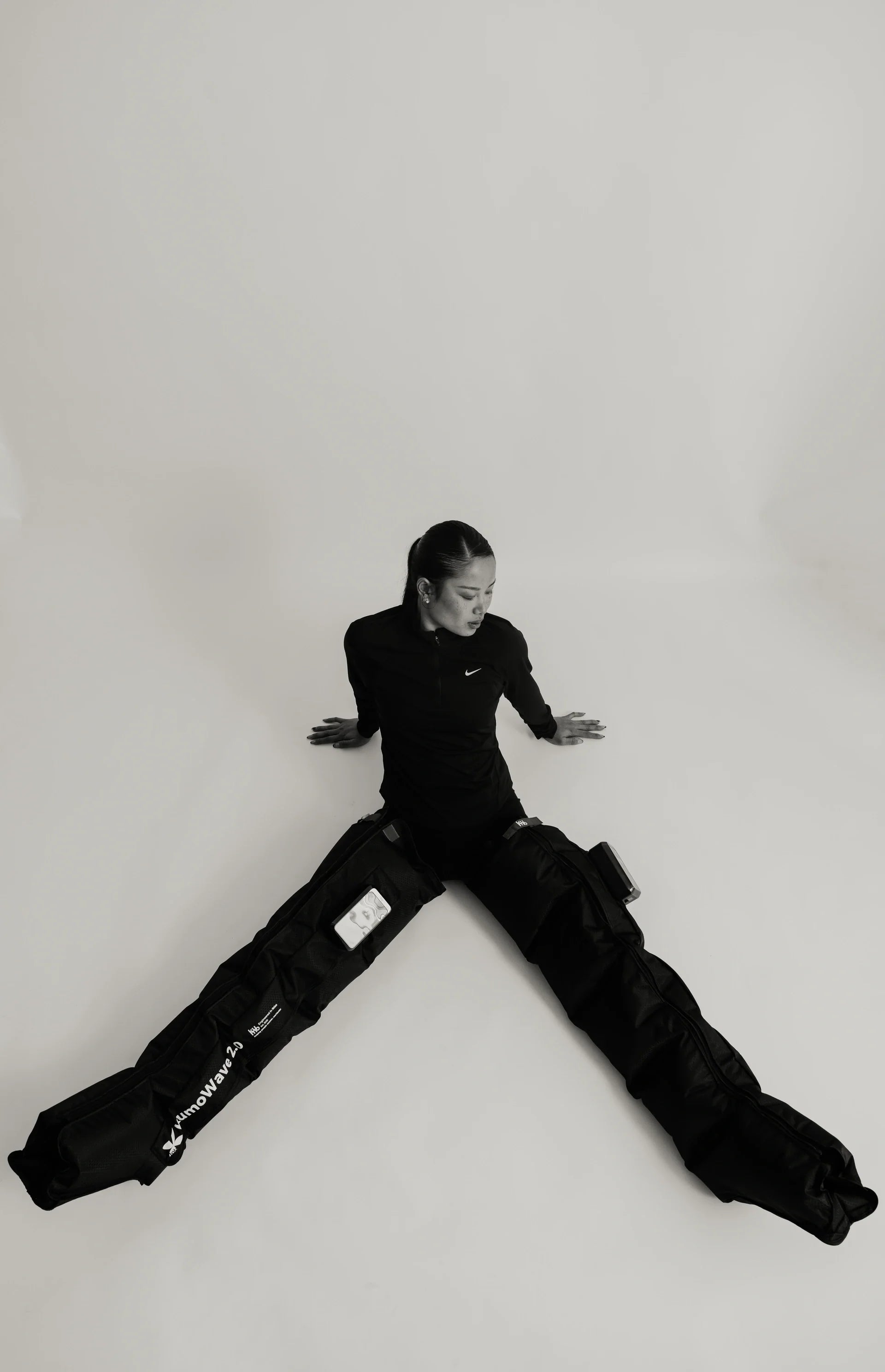
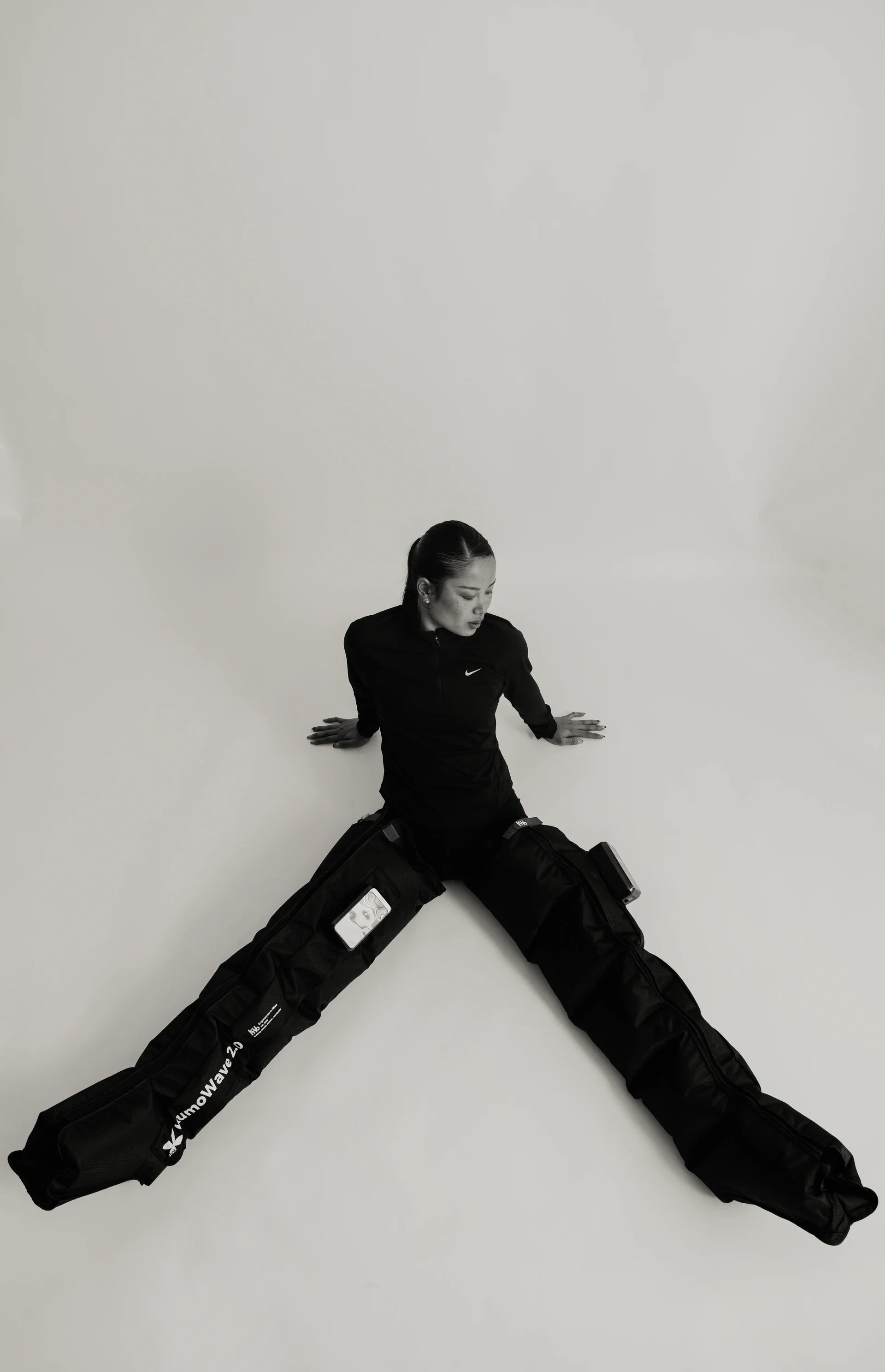
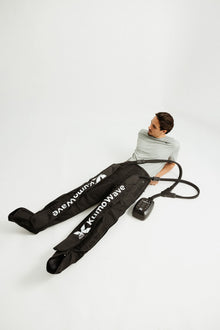
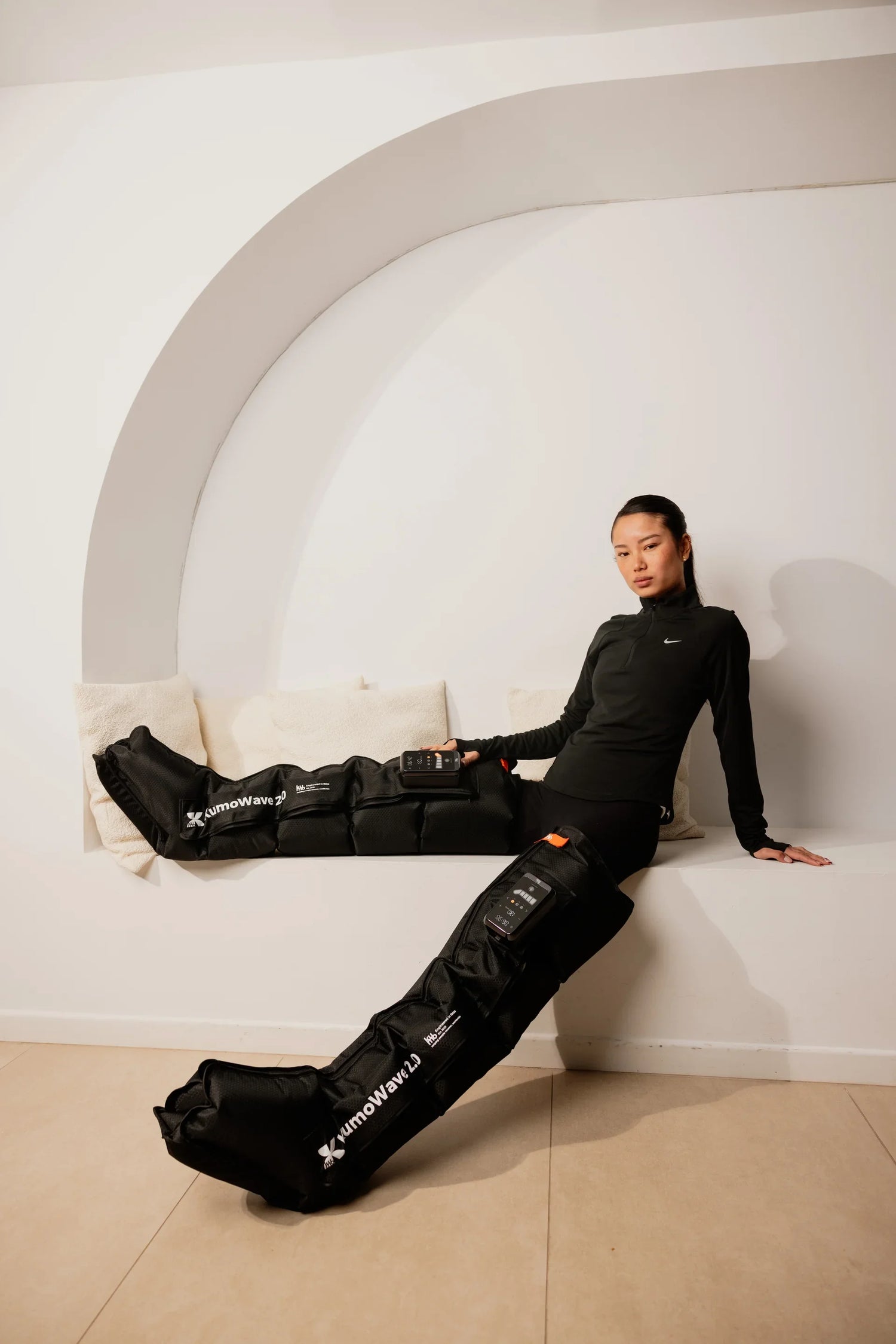
KumoWave pressotherapy boosts circulation and helps drain fluid with sequential compression, in 20-minute sessions at home.
- Boosts circulation and helps drain fluid
- Chamber-based compression, adjustable to you
- Sequential compression that mimics manual drainage
€799,00€999,00
−10% on your 1st order when you subscribe to the newsletter

Practical key: muscle can smooth the appearance of the skin, but cellulite has a structural basis that does not disappear with a single workout.
Why exercise helps, but doesn't erase cellulite
The FDA explains that cellulite is not just fat: it involves small mounds of adipose tissue, excess fluid, and fibrous bands that pull the skin downward. This architecture helps to understand why localized training does not offer a complete solution. (fda.gov)
Personalized protocol · included with your purchase
Want us to tell you how to use it in your case?
With your purchase, our experts prepare a personalized usage protocol for your case: sport, circulation, fluid retention, pregnancy or lipedema.
Message us on WhatsAppOur experts reply · no obligation
Even so, the AAD points out that having more muscle makes the skin look smoother and firmer, and replacing fat with muscle can make cellulite less visible. Mayo Clinic also reminds us that the outcome of exercise is variable, so the realistic goal is to improve the appearance, not promise a total disappearance.
In other words: exercise greatly improves the terrain, but it does not replace the structure of the skin. That's why it's convenient to think about visual progress, not immediate perfection.
The exercises that help the most
Strength is the foundation. If your goal is thighs and glutes, it's advisable to prioritize exercises that build muscle in the lower body. Squats, lunges, hip thrusts, step-ups, and Romanian deadlifts specifically work the musculature that most influences the appearance of that area. If you want a more specific structure for that area, you can rely on this complete routine to reduce cellulite in the glutes.
on your first order when you join the newsletter
We send you the code instantly. No spam.
- Squats: are a very complete foundation for quads, glutes, and stability.
- Lunges: help work each leg separately and correct imbalances.
- Hip thrust or glute bridge: strongly activate the posterior chain and give prominence to the glutes.
- Step-ups: are useful for gaining tone and endurance with a very functional movement.
- Romanian deadlift: strengthens hamstrings, glutes, and postural control.
Do them with clean technique and gradual progression. You don't have to live in the gym; you need to repeat enough for the muscle to change and the skin to look more compact.
Cardio that adds up without obsessing
Brisk walking, running, cycling, climbing stairs, or swimming also contribute. The NHLBI includes walking, jogging, running, and cycling among aerobic activities, and the CDC recommends accumulating 150 minutes per week of moderate activity, or the vigorous equivalent, in addition to 2 days of strength training. (nhlbi.nih.gov)
That means running can help, but as part of a broader plan. If it motivates you, use it; if it injures you or bores you, a consistent brisk walk can be just as valuable for sustaining the habit.
Consistency is worth more than the perfect session
A routine maintained for weeks usually beats any "miracle workout." Better a realistic combination of strength, cardio, and recovery than an impossible-to-follow schedule. If you train regularly, your body changes; if you give up, cellulite returns to the visual foreground.
Example of a realistic week
A practical way to organize it is to divide the week between strength and cardio. This scheme respects the logic of the CDC guidelines and prevents you from turning the plan into an endless routine. (cdc.gov)
| Goal | Examples | Indicative frequency | What it contributes |
|---|---|---|---|
| Lower body strength | Squats, lunges, hip thrusts, and Romanian deadlifts | 2 days per week | More tone and more muscle volume under the skin. |
| Moderate cardio | Brisk walking, cycling, light running, or climbing stairs | 3 days per week or up to 150 minutes | Better energy expenditure and better overall physical condition. |
| Active recovery | Walks, mobility, and gentle stretching | 1 or 2 days per week | Facilitates consistency and reduces the feeling of heavy legs. |
If you want to understand why some areas respond better than others, learning to recognize your type of cellulite can help you.
What not to expect from training
Weight loss can make cellulite less visible in some people, but it does not guarantee its elimination; moreover, if flaccidity appears when losing weight, the relief can become more pronounced. The AAD also reminds us that procedures that act on fibrous septa achieve more lasting results than isolated exercise, with studies such as one of 232 patients and 99% satisfaction cited by the association itself.
If appearance is a big concern for you and you're looking for medical options, a dermatologist can guide you on more suitable treatments for your case. In the meantime, the most sensible thing is to build a base that improves overall skin firmness and adherence to training.
In parallel, it is worth refining expectations based on skin texture and distribution. If you want to go beyond the generic plan, this guide to recognizing your type of cellulite and what to do will help you better interpret the changes.
Habits that enhance the effect of exercise
The most supported combination remains simple: sufficient and orderly eating, hydration, and consistent exercise. Mayo Clinic and the AAD agree that healthy habits can make cellulite less visible, although they do not completely eliminate it.
- Prioritize protein, fruits, and vegetables: they help support muscle mass and a more favorable body composition.
- Avoid long periods of sitting: getting up and walking for a few minutes every hour makes a much bigger difference than it seems.
- Drink water regularly: hydration does not "erase" cellulite, but it does support a healthier overall appearance.
- Get enough sleep: poor recovery often worsens adherence to training.
If you want to make it a daily routine, this guide to daily habits that help prevent it serves as a complement.
And if you notice heavy legs after training, at-home pressotherapy can fit as a recovery aid and feeling of lightness, not as a substitute for exercise.
Frequently asked questions about cellulite and exercise
Can cellulite be eliminated by exercising or playing sports?
Not completely. Exercise can make it less visible because it improves muscle mass, skin tone, and circulation, but it does not, by itself, correct the fibrous structure that produces it. Therefore, the most realistic approach is to think about a progressive improvement in appearance, not a total disappearance. Mayo Clinic and the AAD agree that exercise helps, but the results are variable.
What exercises are most effective for reducing cellulite on thighs and glutes?
Those that combine strength and energy expenditure: squats, lunges, hip thrusts, step-ups, Romanian deadlifts, brisk walking, cycling, and light running. The idea is not to "burn cellulite" with a specific area, but to build more muscle in the lower body and reduce excess general fat if present. The AAD explains that more muscle usually makes the skin smoother and firmer, and the CDC recommends adding strength and cardio each week.
Does specific exercise for cellulite work or is it just weight loss?
It works mainly due to global changes: more muscle, less relative fat, and better circulation. There is no "anti-cellulite" exercise that directly acts on the fibrous septa, so losing weight alone is not always enough. In fact, if flaccidity appears with weight loss, the relief can become more pronounced. That's why it's advisable to think about strength training, moderate cardio, and sustainable habits, not a single tactic.
Does running help eliminate cellulite or not?
Running can help make it less noticeable, but it doesn't eliminate it on its own. It's useful because it adds energy expenditure, improves physical condition, and counts as moderate or vigorous intensity aerobic activity depending on the pace. The NHLBI includes running among aerobic activities and also as a bone-supporting activity. If you like running, use it as part of the plan; if you can't sustain it, brisk walking or cycling also work.
What combination of diet and exercise is recommended for cellulite?
The most recommended approach is a simple base: a balanced diet, adequate hydration, and a routine that combines cardio and strength. Mayo Clinic and the AAD point out that these habits can make cellulite less visible, though they won't erase it. As a practical reference, the CDC recommends 150 minutes of moderate aerobic activity and 2 days of strength training per week. If you also reduce sedentary behavior and prioritize recovery, improvements tend to be more stable.
What now?
If you want to move from theory to practice, start with a guide focused on glutes and legs, such as this complete routine to reduce glute cellulite, complement the approach with at-home pressotherapy if you're looking for more comfortable recovery, and explore Kumo Balance's website to better integrate recovery and training into your daily life.
KumoWave pressotherapy
Choose your at-home pressotherapy
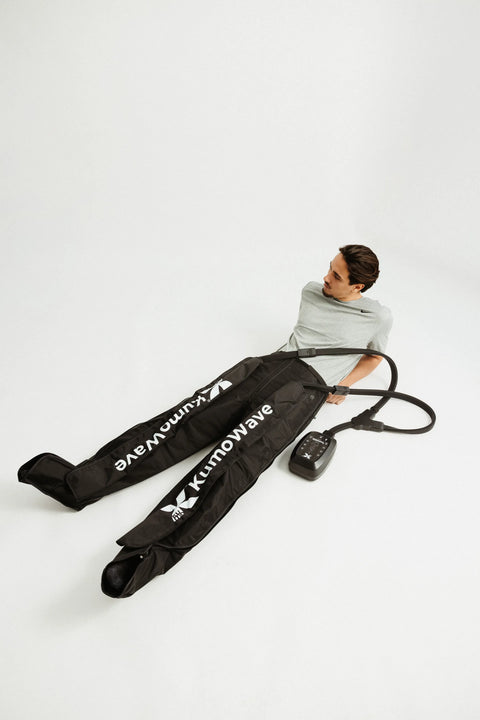
KumoWave Elite – Pressotherapy Pants
Full-coverage trousers. Ideal for lipedema, fluid retention and intensive use.
€799,00 €999,00
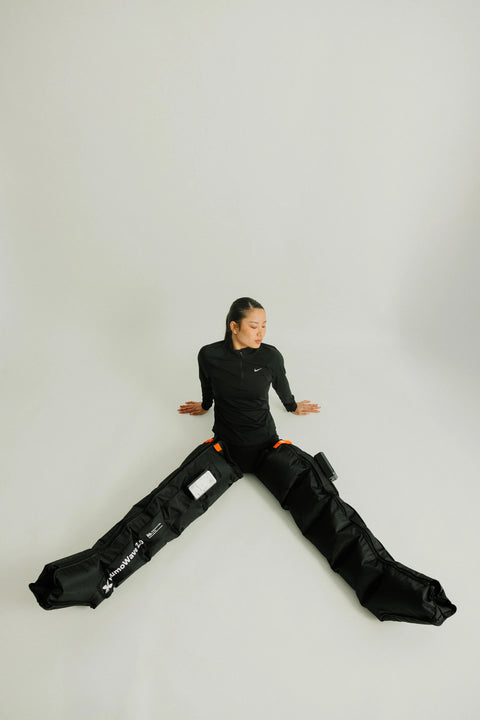
KumoWave 2.0 - Wireless Pressotherapy
Wireless, lightweight boots. Perfect for daily use and recovery.
€499,00 €599,00