
Cellulite does not appear by chance.
Its appearance depends on the interaction between subcutaneous fat, connective tissue bands, and skin elasticity; this is why hormonal changes can make it more visible. Scientific evidence describes it as a frequent, multifactorial phenomenon, especially marked in women after puberty.
Pressotherapy at home
End the day with light legs
★★★★★ 4,8/5 · rated by verified customers
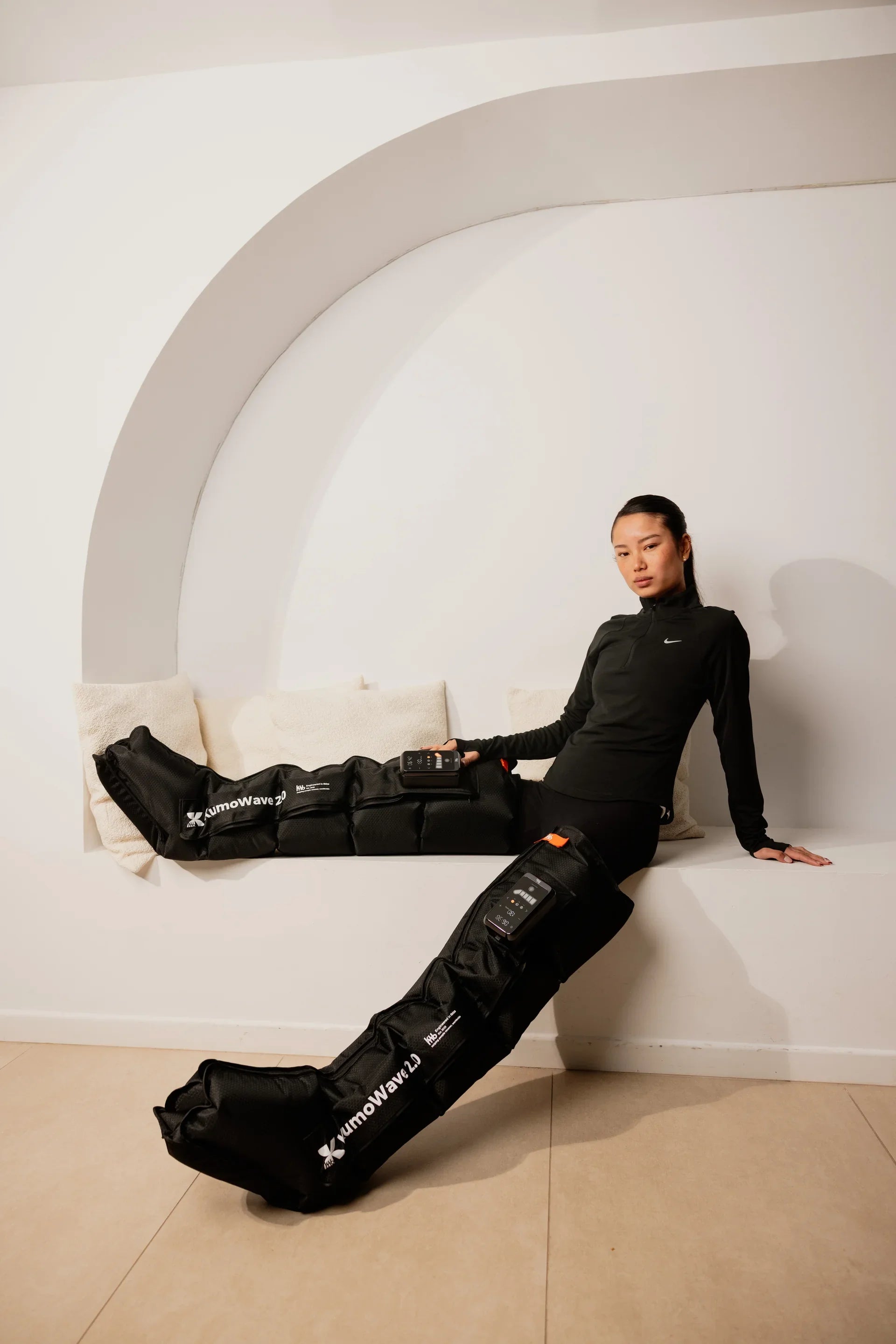
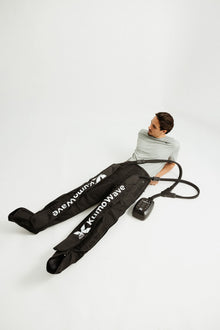
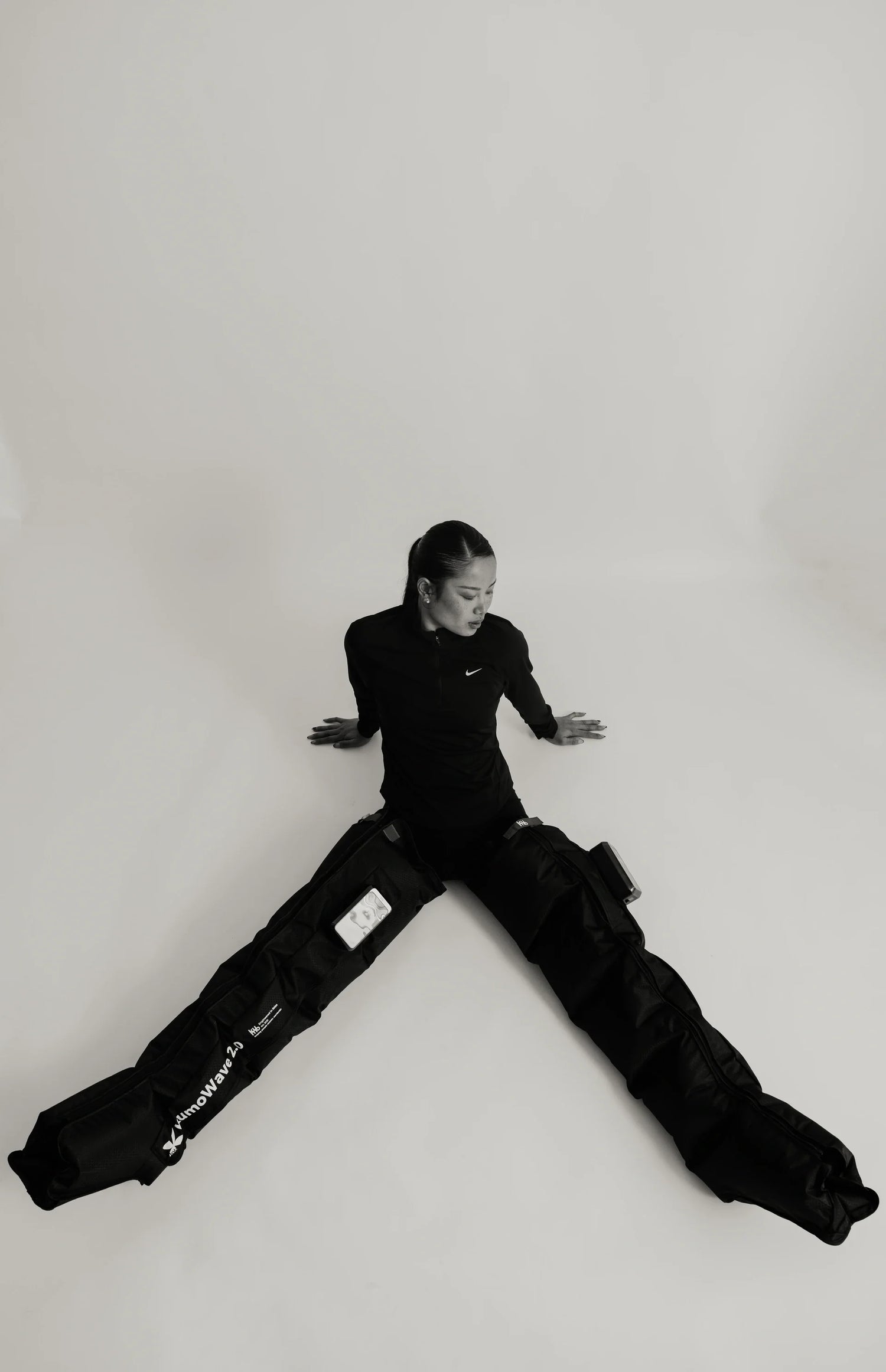
KumoWave pressotherapy boosts circulation and helps drain fluid with sequential compression, in 20-minute sessions at home.
- Boosts circulation and helps drain fluid
- Chamber-based compression, adjustable to you
- Sequential compression that mimics manual drainage
€799,00€999,00
−10% on your 1st order when you subscribe to the newsletter

What is cellulite and why is it related to hormones?
Mayo Clinic defines it as a very common and benign condition, while Cleveland Clinic explains it as fat pushing against the connective tissue under the skin. This is why it appears as an irregular relief on the thighs, hips, buttocks, or abdomen, and can also be seen in thin people.
If you want to better understand your case, the cellulite grading guide helps you distinguish between a slight texture and a more pronounced relief.
Personalized protocol · included with your purchase
Want us to tell you how to use it in your case?
With your purchase, our experts prepare a personalized usage protocol for your case: sport, circulation, fluid retention, pregnancy or lipedema.
Message us on WhatsAppOur experts reply · no obligation
How hormones change over time
Hormones do not act alone: they change retention, elasticity, and tissue quality, and that modifies how cellulite looks from day to day.
| Hormonal moment | What happens in the tissue | What can be noticed |
|---|---|---|
| Puberty | Estrogenic activity increases and body fat distribution changes. | Cellulite may become visible for the first time on the thighs, hips, and buttocks. |
| Premenstrual phase | Fluid retention and extracellular volume may increase. | The skin may appear puffier and the texture more irregular for a few days. |
| Pregnancy and hormonal contraceptives | These are times of hormonal sensitivity and changes in the skin and subcutaneous tissue. | In some women, cellulite is more noticeable, although individual response is very variable. |
| Perimenopause and menopause | Estrogen decreases and the quality of collagen, elastin, and skin water changes. | Skin may lose density and cellulite may become more visible. |
In other words, cellulite is not a “failure” of a single organ or an isolated weight problem. It is a visible expression of several tissues at once, and that explains its ups and downs.
Estrogen: the great modulator of the skin
A PubMed review on the etiology of cellulite describes it as a physiological, multifactorial phenomenon more frequent in women, with the involvement of estrogenic action, connective tissue architecture, and microvascular alterations. This helps to understand why it is not enough to look only at body weight.
on your first order when you join the newsletter
We send you the code instantly. No spam.
Another review on the pathophysiology of cellulite emphasizes that fibrous septa play a central role in skin relief. In simple terms: when the structure supporting the skin changes, the surface becomes more marked. (pmc.ncbi.nlm.nih.gov)
This is why cellulite often becomes more visible during puberty and, in some women, also during pregnancy: these are stages with more estrogenic activity, and the skin may respond with a more irregular texture.
Progesterone: what we know and what we don't
In a study on skin fibroblasts, estrogen, progesterone, and their combination reduced MMP-1 and increased type I collagen in vitro. The practical takeaway is clear: progesterone is not a secondary character, but part of the balance that helps maintain a more stable dermal matrix. The study on collagen and progesterone in skin fibroblasts suggests this quite clearly.
Even so, direct evidence on cellulite and progesterone is less than that for estrogen. This is why it is appropriate to speak of hormonal influence, not a single cause.
Menstrual cycle, contraceptives, and menopause
During the menstrual cycle, one study observed an average increase of about 0.5 kg during menstruation, mainly explained by extracellular water. This does not mean that cellulite always "worsens," but it does explain why some people notice it more pronounced a few days a month. The study on weight and extracellular water changes during the menstrual cycle helps to understand this fluctuation.
In menopause, the review Cellulite in menopause describes that estrogen deficiency reduces collagen and elastin in skin tissue; another review on skin and menopause also relates the hypoestrogenic state with changes in collagen, glycans, and water. The result can be less dense skin and more visible cellulite.
With hormonal contraceptives, the response is less uniform. Some reviews place systemic contraception among the contexts of hormonal sensitivity in which the skin and tissues can change, but they do not allow us to state that a specific preparation causes cellulite in all women.
If you are looking for a practical basis for everyday life, the guide to effective daily habits to prevent cellulite summarizes what can help you in the long term.
When it can be more than cellulite
If, in addition to dimples, there is pain, swelling, easy bruising, or marked asymmetry, it is worth considering lipedema, because cellulite is not usually painful and lipedema can be. The Cleveland Clinic fact sheet clearly differentiates it and, if you are in a stage of hormonal change, reading Lipedema and menopause: why it worsens and how to manage it can give you context.
What can help soften its appearance
The most useful measures are those that improve tissue quality and circulation, not quick promises. Mayo Clinic notes that exercise, diet, massage, and some treatments can improve appearance, although results are not usually immediate or long-lasting.
- Do strength and regular movement; if you want a practical guide, the one on cellulite and sport: what exercises really reduce it is a good starting point.
- Avoid spending long hours immobile and take small active breaks throughout the day.
- Maintain a consistent routine of sleep, hydration, and nutrition, because abrupt changes are usually more noticeable than consistency.
- If you compare aesthetic approaches, the guide to cellulite treatments in-clinic vs. at home helps set realistic expectations. (pubmed.ncbi.nlm.nih.gov)
The idea is not to pursue perfect skin, but to build a sustainable strategy that takes into account your biology, your habits, and your hormonal moment.
FAQ about cellulite and hormones
Is cellulite related to hormonal changes like estrogen and progesterone?
Yes, there is a relationship, but not as the sole cause. Cellulite is multifactorial, and reviews associate it with connective tissue architecture, estrogen action, microvascular changes, and certain genetic factors. Progesterone also participates in tissue balance, although its role is less studied. In practice, a woman may notice more cellulite when hormonal changes, fluid retention, and decreased skin elasticity coincide.
What role do estrogen and progesterone play in the appearance of cellulite?
Estrogen can influence subcutaneous fat distribution, microcirculation, and collagen quality, while progesterone modulates the dermal matrix and MMP activity. In the study on skin fibroblasts, both hormones reduced MMP-1 and increased type I collagen in vitro. This does not mean that one hormone "generates" cellulite on its own, but rather that its balance can influence how the skin looks.
Does cellulite worsen during menopause or the menstrual cycle due to hormones?
It can become more visible, yes. During the menstrual phase, a study observed more weight due to extracellular water, and this can make the texture more noticeable on those days. In menopause, the drop in estrogen is associated with less collagen, elastin, and water in the skin. Even so, the intensity varies greatly from person to person, so it is not a universal rule.
Are there treatments that address cellulite from a hormonal perspective?
There is no hormonal treatment that permanently eliminates cellulite. What does exist is a more comprehensive approach: movement, daily habits, fluid retention control if present, and, when it is desirable to improve texture, aesthetic or dermatological procedures. If there is pain, asymmetry, or frequent bruising, it is advisable to evaluate for lipedema or another associated problem, because the plan changes considerably.
Why do some women develop more cellulite with hormonal contraceptives?
Two things can happen: either there is a previous predisposition and the hormonal change makes the texture more visible, or the contraceptive coincides with greater sensitivity of the skin and subcutaneous tissue. Reviews on cellulite in menopause and on hormonal contraception describe these contexts as states of hormonal change, but the individual response is very variable. If the change was clear and bothersome, medical evaluation helps rule out other causes.
What now?
If you want to continue organizing the information and turn it into a realistic routine, start with the Kumo Balance home page and, if you are interested in delving into specific options, also review the guide to cellulite treatments in-clinic vs. at home. The key is not to pursue perfect skin, but to build habits that make your body look and feel better.
KumoWave pressotherapy
Choose your at-home pressotherapy
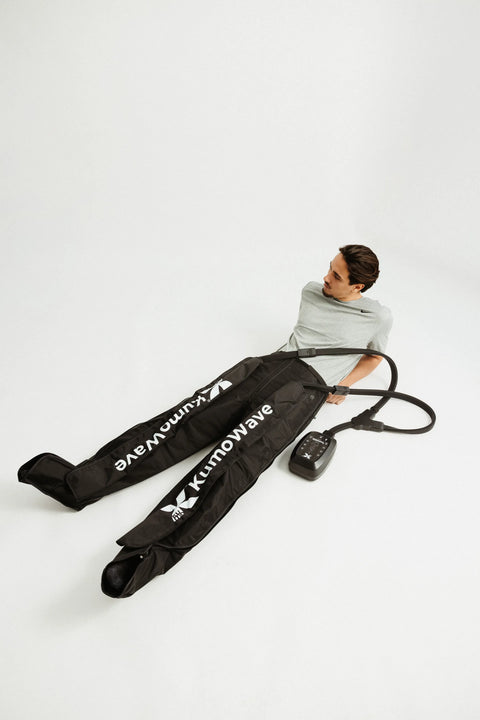
KumoWave Elite – Pressotherapy Pants
Full-coverage trousers. Ideal for lipedema, fluid retention and intensive use.
€799,00 €999,00
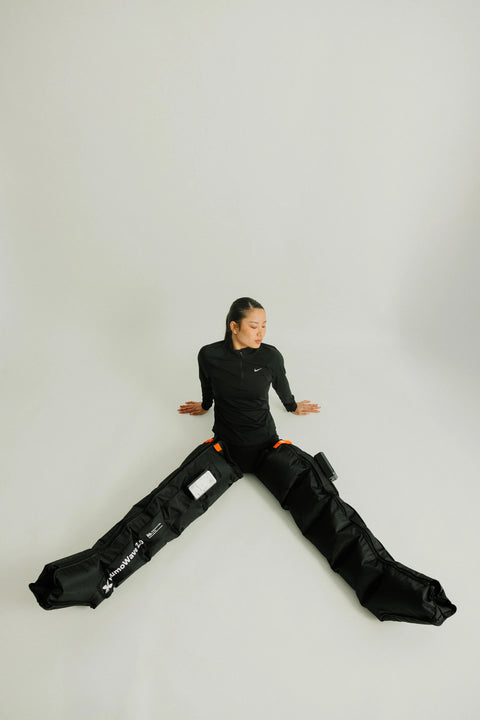
KumoWave 2.0 - Wireless Pressotherapy
Wireless, lightweight boots. Perfect for daily use and recovery.
€499,00 €599,00