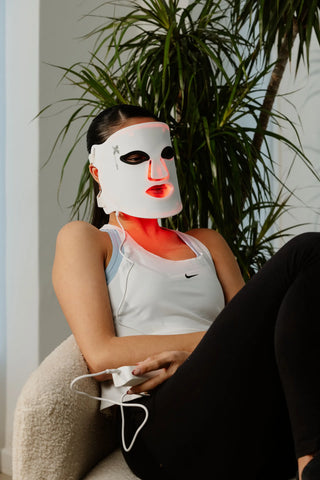


LED facial mask: know the contraindications before using it. Although the LED facial mask is a safe and useful tool for the skin, there are situations in which it should be avoided or used with extreme caution: photosensitizing medications, photosensitive epilepsy, pregnancy, eye conditions, or broken skin. Here you will find a clear guide to determine if it is suitable for you and how to use it safely.
In a little while
- Avoid phototherapy if you are taking photosensitizing medications, have photosensitive epilepsy, or have recently had eye surgery.
- Always use opaque eye protection and start with short sessions (10–15 min) 3–4 times/week.
- Do not apply to irritated skin, open wounds or after laser/peel treatments until full recovery.
- If you are pregnant or breastfeeding, consult your healthcare professional first.
- If you experience intense redness, eye pain, dizziness, or worsening of the skin, stop use and consult a doctor.
How the LED mask works and why contraindications matter
LED photobiomodulation masks emit specific wavelengths that interact with tissues. The most common are:
Red & infrared light
Recover faster, at home
★★★★★ 4,8/5 · rated by verified customers
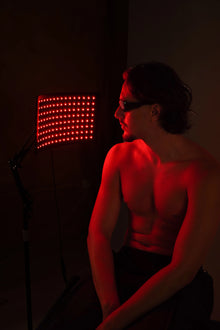
The KumoLux panel supports muscle recovery with full-body red and infrared light.
- 660 nm red + 850 nm infrared light
- Full-body muscle recovery
- Clinically validated biohacking protocols
€399,00€499,00
−10% on your 1st order when you subscribe to the newsletter

- Red light (≈630–660 nm) and near-infrared light (≈810–850 nm): support skin repair and recovery.
- Blue light (≈405–470 nm): helps against bacteria involved in acne.
The response depends on the dose: intensity, duration, and frequency. Excessive use can cause irritation, while appropriate doses tend to be well tolerated.
- Typical home usage times: 10–20 minutes per session, 3–5 times per week for 4–8 weeks, adjusting according to tolerance and device manual.
- LED light is neither laser nor UV, but it is still intense light; eye protection is essential to minimize risks. General safety review of light therapy: DermNet NZ and Cleveland Clinic.
Main contraindications (absolute and relative)
Photosensitivity and photosensitizing drugs
- Risk: skin reactions (erythema, burning, rashes).
- Examples of implicated medications include some tetracyclines, thiazides, NSAIDs, antipsychotics, topical retinoids, and others. See the following guide: DermNet NZ: Drug-Induced Photosensitivity and MedlinePlus .
- What to do: Review your medication with your doctor/pharmacist; if there is a risk, avoid the LED mask or perform a patch test and use low doses under supervision.
Photosensitive epilepsy and light-triggered migraines
- Risk: Light stimuli can trigger seizures or headaches in susceptible individuals.
- What to do: People with photosensitive epilepsy should avoid exposure to flashing or bright lights without medical clearance. Reference information: Epilepsy Society.
Pregnancy and breastfeeding
- Specific clinical evidence with home LED masks is limited; many manufacturers recommend avoiding them as a precaution.
- What to do: Consult your healthcare professional before using any phototherapy during pregnancy or breastfeeding.
Eye conditions and recent eye surgery
- Risk: discomfort or damage from direct exposure without protection; greater caution if there is recent surgery, uveitis, severe dry eye or macular degeneration.
- What to do: Use the approved opaque goggles included with the device; avoid use if you have recently had eye surgery until you receive medical clearance. General guidelines on home-use devices: FDA.
Active skin cancer or lesions under investigation
- Risk: Light exposure could interfere with assessment or treatment.
- What to do: Do not use the mask over suspected or diagnosed lesions; consult your dermatologist first.
Damaged or hypersensitive skin
- Avoid using on:
- Open wounds, burns, active dermatitis with exudate.
- Skin irritated by recent chemical peels, laser, or microneedling; wait for recovery as directed by a doctor.
- Severe rosacea flare-ups (light can be a trigger in some cases).
Implanted devices and other conditions
- Passive LED masks do not emit radio frequency or electrical current onto the skin, but follow the manufacturer's manual if you use a pacemaker or other implants.
- Psychiatric disorders with sensitivity to light stimuli: caution and professional supervision.
For a scientific overview of photobiomodulation in dermatology, consult this open access review: NCBI/PMC .
Personalized protocol · included with your purchase
Want us to tell you how to use it in your case?
With your purchase, our experts set up your red and infrared light sessions for your sport and goal.
Message us on WhatsAppOur experts reply · no obligation
Possible side effects and how to minimize them
- Irritation, transient redness, sensation of heat or dryness: these usually resolve by reducing time/intensity or spacing out sessions.
- Dryness/flaking if combined with retinoids or exfoliants: alternate nights or reduce the overall dose.
- Eye discomfort or headache if the light is intense or protection is not used.
- Post-inflammatory hyperpigmentation: rare; in very reactive skin, start with shorter sessions and monitor.
If you notice persistent worsening, stop use and consult a professional.
Safety checklist before using an LED mask
- Review your medical history and current medication (including herbal supplements with photosensitizing potential).
- Perform a patch test: 5–10 minutes on a small area of the face and observe for 24–48 hours.
- Always wear opaque eye protection and adjust the mask to prevent light leaks.
- Start with the minimum effective amount: 10–15 minutes, 3 times per week; gradually increase according to tolerance and goal.
- Avoid combining it on the same day with exfoliating acids, potent retinoids, or heat treatments.
- Hydrate after the session and use daily sun protection if you go outdoors.
- Record sensations and skin changes; if unusual symptoms appear (pain, dizziness, blurred vision), stop.
Quick reference chart: when to avoid and what to do
| Condition/scenario | Potential risk | To do |
|---|---|---|
| Photosensitizing medication | Erythema, burning, rash | Consult a doctor; patch test; adjust dose or avoid |
| Photosensitive epilepsy | Light-induced crises | Avoid unless neurologically authorized |
| Recent eye surgery | Eye discomfort/damage | Wait for medical clearance; strict eye protection |
| Pregnancy/breastfeeding | Limited evidence | Caution; consult beforehand |
| Open wounds/post-laser | Irritation, delay in repair | Wait for complete healing |
| Active skin cancer | Diagnostic/therapeutic interference | Do not use on the affected area; consult a dermatologist. |
Reference sources: DermNet NZ, FDA, Cleveland Clinic.
Case studies: to use or not to use?
- I'm currently on antibiotics for acne (doxycycline): postpone light therapy until you finish the course and receive medical clearance, as it may increase photosensitivity. Reference: DermNet NZ .
- I just had a medium peel: wait 1 to 2 weeks (or the time indicated by your dermatologist) before reintroducing LED light.
- I have stable melasma: prioritize red/infrared light with short sessions and monitor; if you notice darkening, stop and consult.
How to choose and use your mask safely
- Prioritize devices with certifications and a clear manual, automatic timer, and opaque glasses included.
- Progressive adjustment: less is more at the beginning.
- Compatible routine: gentle cleanser + non-irritating moisturizer after the session; avoid harsh active ingredients the same night.
- Golden rule: if something bothers your eyes or skin, stop and reassess.
To learn more about wellness and high-performance recovery technologies, visit KUMO .
on your first order when you join the newsletter
We send you the code instantly. No spam.
Useful external sources
- General clinical guide on LED in dermatology: DermNet NZ
- Scientific review of photobiomodulation: NCBI/PMC
- Safety of household devices: FDA
- Drug photosensitivity: MedlinePlus
- Photosensitivity due to epilepsy: Epilepsy Society
- Red light therapy: evidence and limitations: Cleveland Clinic
Frequently Asked Questions
Can I use an LED mask if I take retinoids or salicylic acid?
Yes, but alternate treatments and use caution. Retinoids and exfoliating acids can sensitize the skin, increasing the risk of irritation from light. Do a patch test first, avoid using potent active ingredients on the same day as your treatment, and start with 10–15 minutes, 2–3 times per week. If you notice persistent redness, burning, or significant peeling, reduce the frequency or stop temporarily and consult your dermatologist.
Is the LED mask safe during pregnancy or breastfeeding?
Specific evidence for home devices at these stages is limited. Therefore, many manufacturers recommend postponing their use as a precautionary measure. If you wish to use one, consult your obstetrician or dermatologist first, explain the type of light (red/blue) and your goal (for example, acne or regenerative support), and strictly follow the indicated time and intensity.
What eye protection do I need and why?
Bright light near the eyes can cause discomfort, dryness, or photophobia, especially in sensitive individuals. Always wear opaque glasses that fit snugly against your face and block light from the sides and front. Avoid opening your eyes while wearing the mask. If you have recently had eye surgery, have uveitis, or have macular degeneration, wait until you are medically cleared before considering any home phototherapy.
How long should I wait after a laser treatment or peel?
It depends on the procedure and your recovery. As a general rule, wait until your skin is intact, without intense redness or active peeling. For medium/deep treatments, this may take 1–2 weeks or more. Your dermatologist is best suited to determine the timing. Reintroduce light with short, low-frequency sessions, monitoring your skin's response for 24–48 hours afterward.
Can LED light worsen spots or melasma?
Red light is generally well-tolerated, but some reactive skin types may darken if inflammation is present or if other irritants are present. Start with conservative doses, prioritize good daytime sun protection, and discontinue use if you notice any worsening. For melasma, consistent use of sunscreen and depigmenting agents prescribed by your dermatologist is key.
To remember
- The LED mask is generally safe, but not for everyone or at all times.
- Avoid use with photosensitivity (drugs or diseases), photosensitive epilepsy and after recent eye surgeries.
- Do not apply to broken or severely irritated skin; introduce therapy gradually.
- Opaque eye protection and controlled times are mandatory.
- If you have any doubts or medical conditions, consult a professional first.
Explore how to integrate high-performance recovery technologies into your routine at KUMO .

Red & infrared light
KumoLux Panel – Red and Infrared LED Panel
★★★★★ 4,8/5 · rated by verified customers
- 660 nm red + 850 nm infrared light
- Full-body muscle recovery
- Clinically validated biohacking protocols
€399,00€499,00· pay in installments with seQura or Klarna