
Red light therapy for the skin: what it is, how it works, and when it's worth it.
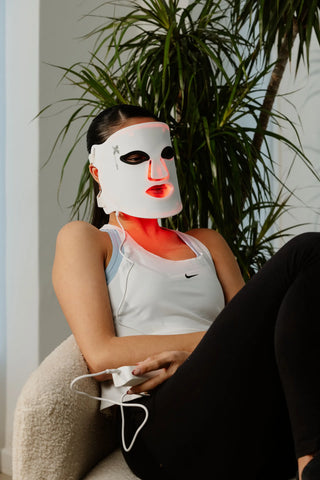
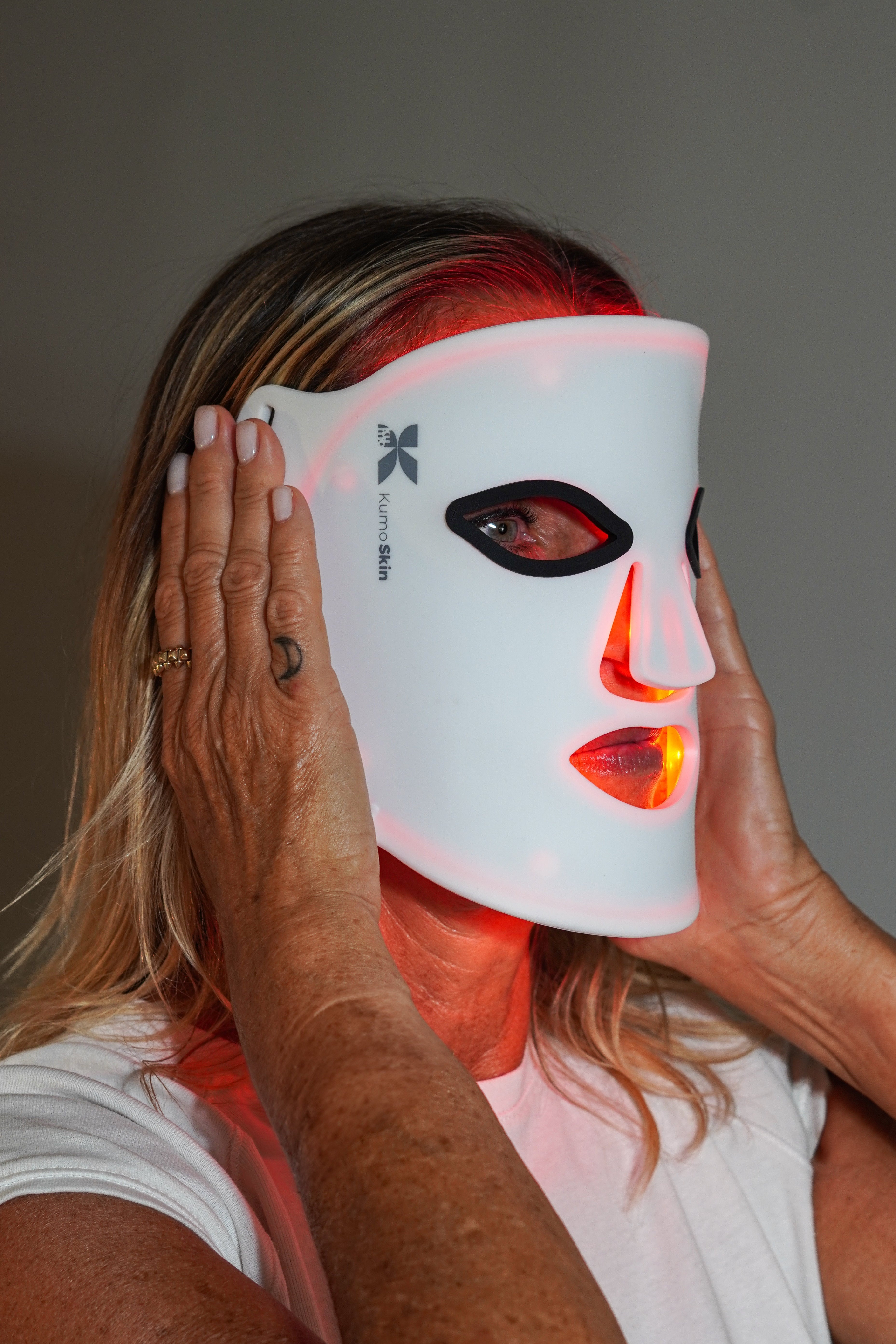
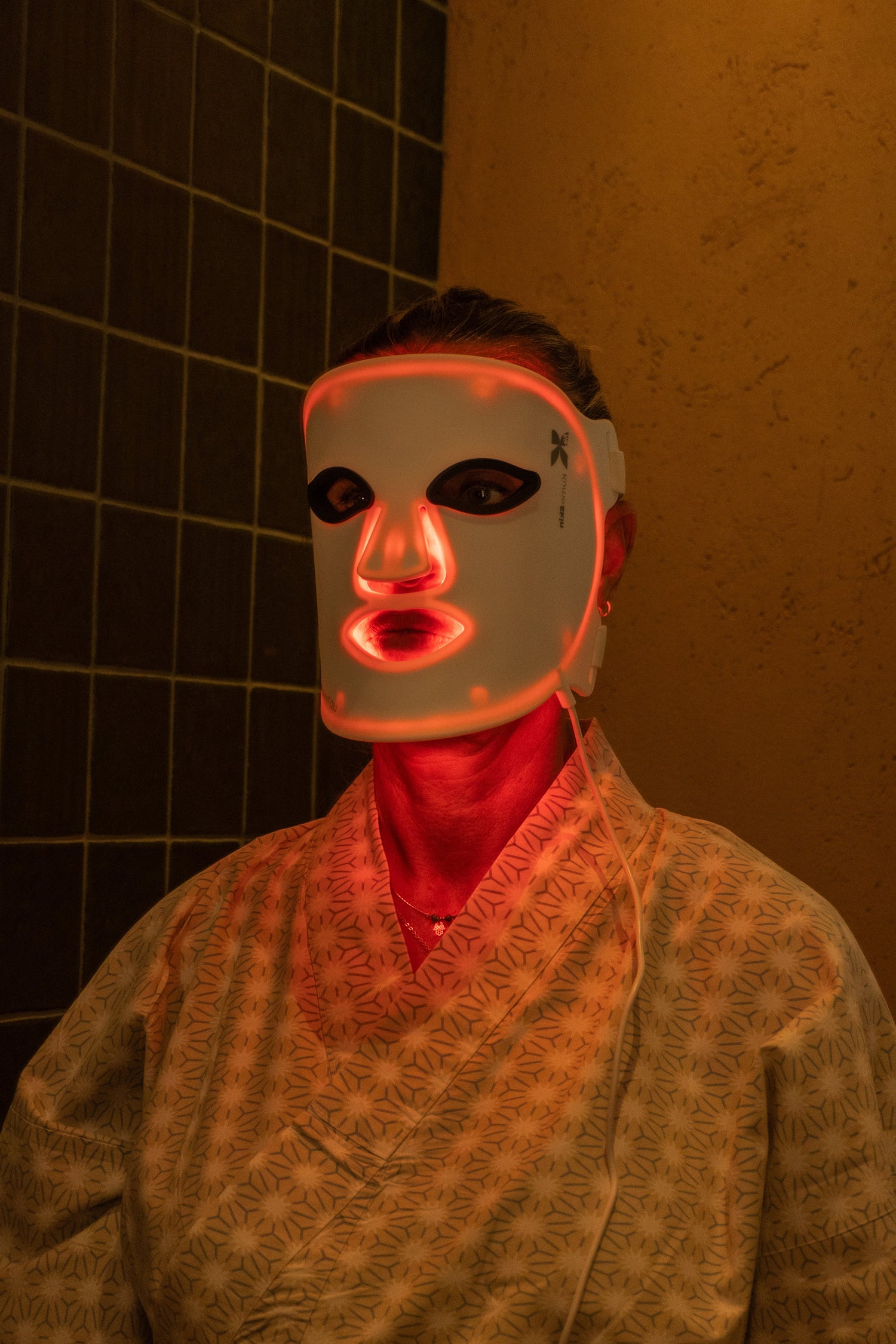
Red light therapy is a non-invasive technique that uses LEDs at specific wavelengths to stimulate the skin's biological processes. In this practical guide, you'll see what real benefits it can provide (texture, firmness, acne, healing), how to use it safely at home, and what the latest scientific evidence says. You'll also find usage guidelines, precautions, and realistic expectations.
Red & infrared light
Recover faster, at home
★★★★★ 4,8/5 · rated by verified customers
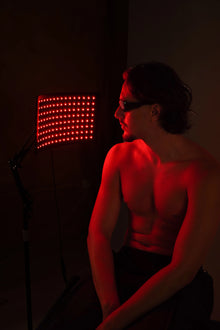
The KumoLux panel supports muscle recovery with full-body red and infrared light.
- 660 nm red + 850 nm infrared light
- Full-body muscle recovery
- Clinically validated biohacking protocols
€399,00€499,00
−10% on your 1st order when you subscribe to the newsletter

In a little while
- It stimulates cellular function (photobiomodulation) and can improve texture, firmness and the appearance of fine wrinkles.
- Key wavelengths: red (620–670 nm) and near-infrared (800–880 nm) with complementary effects.
- Gradual results: 4–8 weeks of consistent use, 3–5 times per week, depending on goal and dose.
- Safe for most; avoid if there is photosensitivity, suspicious lesions, or photosensitizing treatments without medical supervision.
- Combine it with a basic routine: cleansing, moisturizing and daily sun protection.
What is red light therapy and how does it work?
Low-intensity red light belongs to the family of photobiomodulation: light energy that activates cellular mechanisms without heating or damaging tissues. Its main targets are mitochondria (for example, cytochrome c oxidase), which increases ATP production, modulates oxidative stress, and regulates inflammatory pathways.
- Red light (approx. 630–660 nm) interacts mainly with the epidermis and superficial dermis.
- Near infrared (approx. 810–850 nm) penetrates deeper and can influence the mid-dermis and microcirculation.
For a comprehensive overview of LEDs in dermatology and their uses, see this open-access clinical review: LEDs in dermatology . Regarding the biological mechanisms of photobiomodulation, this review delves into cellular pathways and dosage: Mechanisms of photobiomodulation .
Personalized protocol · included with your purchase
Want us to tell you how to use it in your case?
With your purchase, our experts set up your red and infrared light sessions for your sport and goal.
Message us on WhatsAppOur experts reply · no obligation
Potential skin benefits (based on evidence)
Studies in photobiomodulation have explored various cutaneous targets. The strength of the evidence varies depending on the indication:
- Rejuvenation and texture: subtle improvements in fine lines, elasticity, and radiance have been observed after several weeks of using red LEDs and NIR, especially in combined protocols. See summary in LED in dermatology .
- Inflammatory acne: Red light can soothe inflammation and, combined with blue light, reduce lesions. The AAD explains when it makes sense and how it integrates with other treatments.
- Wound healing and post-procedures: Photobiomodulation may promote tissue repair and reduce erythema in selected contexts, according to low- to moderate-certainty clinical reviews. General summary in DermNet: Low-level light therapy.
- Erythema and inflammation: the anti-inflammatory effect is documented at the experimental level; the clinical magnitude depends on dose and consistency.
The Cleveland Clinic guide summarizes benefits and limitations in clear language and agrees on one key point: realistic expectations and consistency are crucial.
Less is more: in photobiomodulation, a moderate and constant dose usually outperforms intense and sporadic exposures.
−10%on your first order when you join the newsletter
We send you the code instantly. No spam.
How to use red light safely and effectively at home
Before you begin, be clear about three parameters: wavelength, dose (energy per surface) and frequency of use.
Basic parameters that matter
- Wavelengths: red 630–660 nm; NIR 800–880 nm. Many LED masks combine both for complementary effects.
- Dermatological guideline dose: 4–20 J/cm² per session for cosmetic skin indications, with typical irradiances of 20–100 mW/cm². Adjust the time according to the power of the device.
- Frequency: 3–5 sessions per week at the beginning; then maintenance 1–3/week.
Indicative table below.
Step-by-step routine
- Gently cleans and dries the skin.
- Use the light at the distance/time recommended by the manufacturer for the target area.
- Moisturize after the session. Avoid strong acids or retinoids immediately before/after if you experience irritation.
- Daily sun protection. Red light is not UV, but skin that is regenerating is more sensitive to external aggressors.
To understand variations by skin type, review the skin phototype system.
Table of indicative usage parameters
Title: Guidance parameters of photobiomodulation for cutaneous objectives
| Aim | Wavelength (nm) | Energy per session (J/cm²) | Typical irradiance (mW/cm²) | Frequency (initial phase) | Duration per zone | Note |
|---|---|---|---|---|---|---|
| Texture and fine wrinkles | 630–660 ± 810–850 | 6–12 | 30–60 | 3–5/week, 6–8 weeks | 10–20 min | Gradual results; combine with hydration |
| Inflammatory acne | 630–660 (± blue in consultation) | 6–10 | 30–80 | 3–5/week, 8–12 weeks | 10–15 min | Continue dermatological treatment if appropriate. |
| Mild redness/post-procedure | 630–660 | 4–8 | 20–50 | 3–4/week, 2–4 weeks | 5–10 min | Reduce if there is sensitivity |
| Tone and luminosity | 630–660 | 6–10 | 30–60 | 3–4/week, 6 weeks | 10–15 min | Maintenance 1–2/week |
| Minor cosmetic scarring | 630–660 ± 810–850 | 6–12 | 30–60 | 3–5/week, 4–6 weeks | 5–10 min | Do not apply to infected wounds |
References and further clinical context: LED in dermatology and DermNet: Low-level light therapy.
Safety, contraindications and realistic expectations
In general, red light therapy is well-tolerated when used according to specifications. Even so, consider:
- Avoid using it on suspicious skin lesions or skin cancer unless medically indicated.
- Use caution if you are taking photosensitizing drugs or using potent retinoids; consult a doctor first.
- Protect your eyes if the device emits light near the eye area; some manufacturers include safety glasses. See the safety review and principles at DermNet: Low-level light therapy.
- Typically mild side effects: temporary redness, dryness, or local warmth. Discontinue use if persistent irritation occurs.
Regarding expectations: improvement is gradual and subtle; it usually requires 4–8 weeks for visible changes and subsequent maintenance. The Cleveland Clinic clinical guidelines detail benefits and limitations.
Differences with other light and laser technologies
- Red LED/NIR: low intensity, non-ablative, biochemical effect, longer treatment times and repeated sessions. Objective: to optimize cellular function and modulate inflammation.
- IPL and lasers: high and selective energies for chromophores (melanin, hemoglobin, water). Faster results on spots/blood vessels/wrinkles, with longer recovery time and requiring a professional operator.
- Blue vs. red: Blue (400–470 nm) is bactericidal and useful in acne; red modulates inflammation and repair. The AAD explains this in the context of acne.
If you are interested in an aesthetic, technological approach focused on daily recovery, learn about the KUMO philosophy.
Practical examples of guiding protocols
- Dull skin texture: 630–660 nm, 10 J/cm², 4 times/week for 6 weeks. Maintain 1–2 times/week.
- Mild-to-moderate acne: 630–660 nm, 8 J/cm², 4–5 times/week for 8–12 weeks; consider adding topical treatment and, if appropriate, in-office blue light therapy. Reference resources: Light therapies for acne.
- Redness after shaving or after gentle procedure: 630–660 nm, 6 J/cm², 3/week for 2–3 weeks, monitoring tolerance.
For the logic of dosage and biological response, review the fundamentals of photobiomodulation .
Frequently Asked Questions
When will the results be noticeable and how long do they last?
Most users notice subtle changes in texture and radiance after 4–6 weeks of consistent use (3–5 sessions per week). In cases of acne, a reduction in inflammatory lesions may take 8–12 weeks. As it is a biochemical stimulus, the effects are cumulative and require maintenance (1–3 sessions per week) to be sustained. Improvement is usually gradual, not dramatic; adjust your expectations and combine it with basic skincare habits (gentle cleansing, moisturizing, and sun protection). Clinical guidelines, such as those from the Cleveland Clinic, concur on this timeline progression.
Is red light safe during pregnancy?
There is no robust evidence of harm from external use of red LEDs for cosmetic purposes; however, trials in pregnancy are limited. As a precaution, many guidelines recommend postponing non-essential treatments during the first trimester and consulting with your healthcare professional before starting. Avoid applying to the abdomen unless specifically recommended and protect your eyes. For general safety principles in photobiomodulation, see DermNet.
Does it work for adult hormonal acne?
It can help as a supportive treatment by reducing inflammation and redness, especially when combined with a dermatological plan (topical retinoids, azelaic acid, hormonal management if appropriate). Red light alone may not control severe hormonal flare-ups, but it can improve the skin environment and promote lesion healing. The American Academy of Dermatology explains when light therapy is helpful and when it's best to prioritize medical treatments.
Can it be used every day?
It depends on the dose. Short daily exposure with a moderate dose may be well tolerated, but exceeding the "therapeutic window" does not accelerate results and may reduce efficacy (biphasic response). As a general rule, 3–5 sessions per week in the initial phase are sufficient; afterward, maintenance is 1–3 sessions per week. Adjust according to your skin's response and the device's specifications. Review of fundamentals and dosage in LED therapy in dermatology .
Does it worsen blemishes or rosacea?
Red light is not UV and generally does not induce post-inflammatory hyperpigmentation; it may even modulate inflammation. In rosacea, some people report improvement in redness, but data are limited and skin can be reactive. Start with low doses, monitor the response, and always use sun protection. For differences between technologies and objectives, see DermNet: Low-level light therapy.
Things to keep in mind
- Red light therapy works by photobiomodulation: light energy that optimizes cellular function without damaging tissue.
- Potential benefits: texture, firmness, inflammation; in acne it works best as a complement.
- Dosage and consistency make the difference: 4–20 J/cm², 3–5/week, with results in 4–8 weeks.
- High safety for responsible home use; protect your eyes and consult if you are taking photosensitizing drugs or have skin conditions.
- Integrate with a simple routine and daily sun protection to enhance results.
Want to incorporate red light therapy into a well-thought-out aesthetic and performance recovery routine? Discover KUMO 's vision and how to make recovery a way of life.

Red & infrared light
KumoLux Panel – Red and Infrared LED Panel
★★★★★ 4,8/5 · rated by verified customers
- 660 nm red + 850 nm infrared light
- Full-body muscle recovery
- Clinically validated biohacking protocols
€399,00€499,00· pay in installments with seQura or Klarna