
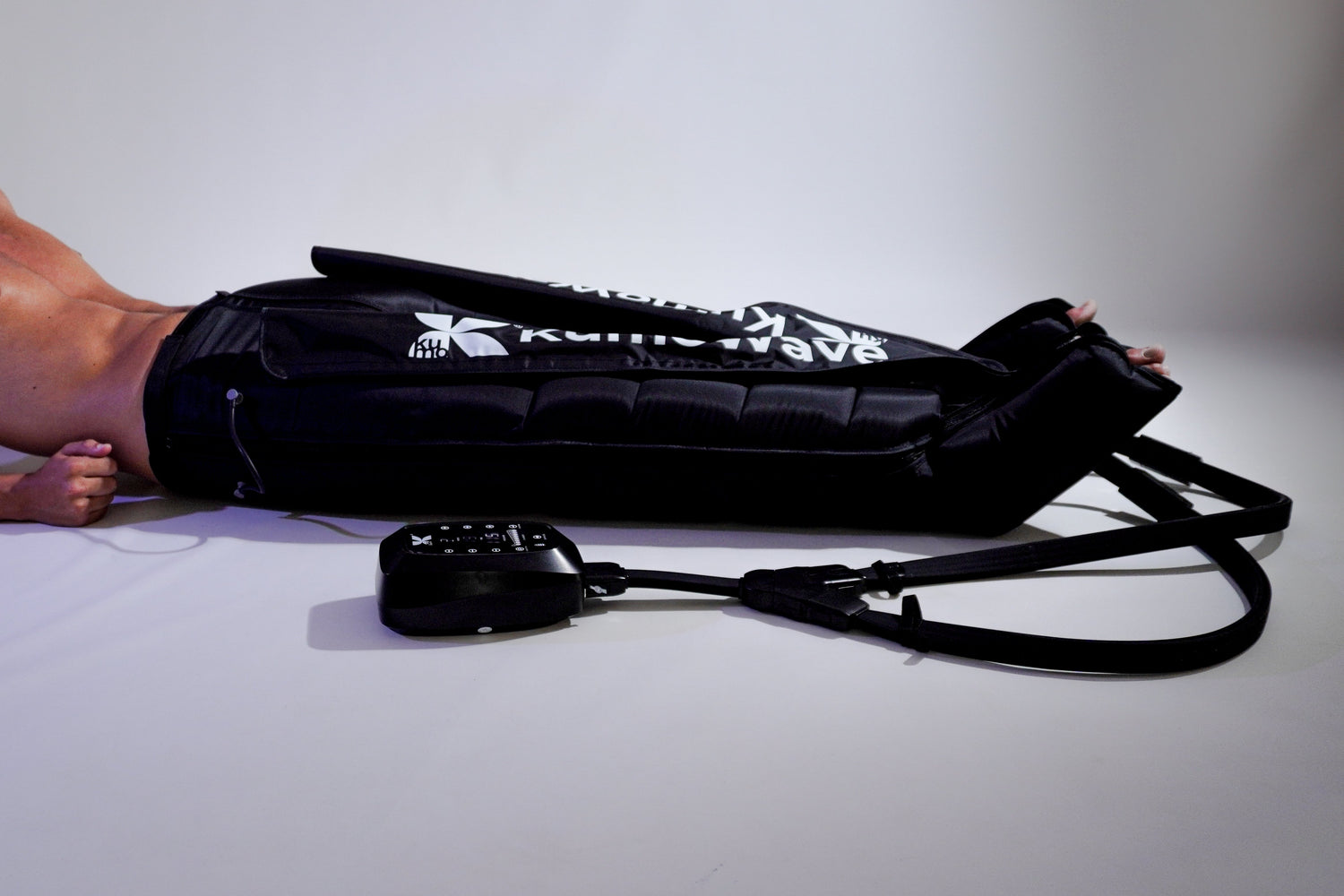
Home compression therapy: contraindications, risks, and when not to use it. If you're considering using pneumatic compression boots at home, here you'll find out what situations make it inadvisable, when to stop, and how to do it safely.
Home compression therapy can relieve fluid retention, heavy legs, and support muscle recovery, but it's not for everyone or every situation. Below, we clearly explain the absolute contraindications, precautions, and warning signs to avoid adverse effects.
Pressotherapy at home
End the day with light legs
★★★★★ 4,8/5 · rated by verified customers
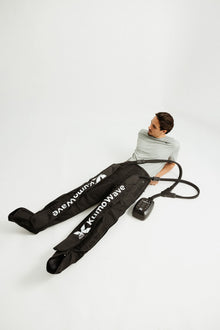
KumoWave pressotherapy boosts circulation and helps drain fluid with sequential compression, in 20-minute sessions at home.
- Boosts circulation and helps drain fluid
- Chamber-based compression, adjustable to you
- Sequential compression that mimics manual drainage
€799,00€999,00
−10% on your 1st order when you subscribe to the newsletter

In a little while
- Avoid pressotherapy if you have recent deep vein thrombosis, moderate-to-severe peripheral arterial disease, decompensated heart failure, active skin infection, or uncovered wounds.
- Use with caution (and medical advice) in pregnancy, diabetic neuropathy, uncontrolled hypertension, skin fragility, bleeding disorders, or after recent surgery.
- Warning signs: sharp pain, numbness, paleness or bluish discoloration, shortness of breath, or a sudden increase in swelling. Stop the session and consult a doctor.
- Before you begin: review your history, adjust pressure and time gradually, moisturize your skin, and do not place the cuff over injured areas.
- Pressotherapy does not replace the treatment of venous or lymphatic diseases; consult a professional if you have clinical doubts.
What is home pressotherapy and how does it work?
Pressotherapy, or intermittent pneumatic compression, uses air chambers that inflate and deflate sequentially to promote venous and lymphatic return. At home, it is primarily used for tired legs, post-workout recovery, and to relieve swelling.
Clinical evidence supports its usefulness in specific indications (e.g., supporting the healing of venous ulcers) when prescribed correctly, but there are situations in which it can worsen an underlying problem. Guidelines such as NICE NG89 (2018, updated) and StatPearls reviews list clear contraindications for safe use in clinical and home settings.
Personalized protocol · included with your purchase
Want us to tell you how to use it in your case?
With your purchase, our experts prepare a personalized usage protocol for your case: sport, circulation, fluid retention, pregnancy or lipedema.
Message us on WhatsAppOur experts reply · no obligation
- See NICE guideline NG89: Venous thromboembolism in over 16s
- IPC Clinical Summary: StatPearls – Intermittent Pneumatic Compression Device
- Lymphedema treatment: NHS – Lymphedema treatment
Absolute contraindications: when not to use pressotherapy
These situations are generally considered "not for use" unless specifically indicated by a doctor. If you identify with any of these, avoid using pressotherapy at home and consult a doctor.
Recent deep vein thrombosis (DVT) or pulmonary embolism
- Risk of dislodging the thrombus and causing serious complications.
- If you suspect DVT (severe leg swelling, pain, warmth, redness) or PE (shortness of breath, chest pain), seek urgent medical attention. General information: CDC – DVT/PE Facts.
Moderate or severe peripheral arterial disease
- Compression can further compromise perfusion in arteries with stenosis.
- Warning signs: ischemic pain at rest, non-healing wounds, cold/pale feet. Review of criteria in vascular guidelines: ESVS – Chronic Venous Disease Guidelines.
Decompensated heart failure or edema of cardiac origin
- Increasing venous return can overload the heart in uncontrolled phases.
- Consult a cardiologist if you have a history of heart failure. See clinical practice: NICE – NG89 .
Active skin infections, cellulitis, or unprotected open wounds
- Pressure can worsen the infection or damage tissues.
- Wait for it to resolve or protect the wound as directed by a healthcare professional. NHS resource: Lymphoedema treatment .
Acute compartment syndrome, unstabilized fractures, or recent trauma
- Contraindicated due to risk of further tissue damage. General review: StatPearls – IPC .
Precautions and relative contraindications: use only with advice
They are not always prohibited, but they require professional assessment and fine-tuning of parameters.
Pregnancy
- It can relieve swelling and heaviness, but consider individual risks (advanced varicose veins, gestational hypertension).
- Consult obstetrician/physical medicine before starting. General framework: NHS – Lymphoedema treatment .
Peripheral neuropathy, diabetes with loss of sensation
- Increased risk of skin injury from unperceived pressure; supervision and gentle pressure are required.
Uncontrolled high blood pressure or bleeding disorders/anticoagulation
- Avoid high pressure and long sessions; watch for the appearance of bruising or discomfort.
Skin fragility, active dermatitis, eczema, or allergies to materials
- It may irritate or injure the skin; use sunscreen, moisturizer, and check for skin reactions.
Recent post-operative period, very painful varicose veins, or superficial thrombophlebitis
- It requires evaluation by a surgeon/phlebologist and appropriate timing to reintroduce mechanical compression.
- Evidence on venous ulcers and compression: Cochrane – IPC on venous ulcers .
Practical rule: If there is clinical doubt, prioritize a brief consultation with your health professional before starting pressotherapy at home.
−10%on your first order when you join the newsletter
We send you the code instantly. No spam.
Warning signs during a session: when to stop immediately
- Sharp, stabbing, or growing pain in the limb.
- Numbness, persistent tingling, weakness, or loss of sensation.
- Noticeable color change (intense pallor or bluish tone), distal cold.
- Swelling that increases suddenly and asymmetrically.
- Shortness of breath, chest pain, dizziness, or general malaise.
If any of these signs appear, stop the session, remove the cuff, and seek medical advice. If you experience respiratory symptoms or chest pain, go to the emergency room.
How to know if you are a candidate: security checklist
- Medical history
- History of DVT/PE, arterial disease, heart failure, recent surgery, active wounds? If “yes”, consult first.
- Skin and sensitivity
- Check your skin: no active lesions or painful areas. Make sure you can feel touch and pressure well.
- Progressive pressure and adjustment
- Start with conservative parameters and gradually increase only if comfortable and without symptoms.
- Hygiene and preparation
- Clean, dry skin, moisturized with a non-occlusive cream. Avoid applying over jewelry or thick clothing that creates creases.
- Professional supervision
- If you have a diagnosed venous/lymphatic condition, request personalized guidelines.
Clinical reference guide for indications and exclusions: NICE – NG89 , StatPearls – IPC , NHS – Lymphoedema .
Good practices for responsible use at home
- Personalize it: every body responds differently. Adjust intensity/duration as needed and listen to your body's sensations.
- Painless: Pressure should never hurt. The expected sensation is that of a "firm and rhythmic hug".
- Smart routine: regular, moderate sessions are better than a few very intense ones.
- Skin first: inspect before and after; look for persistent redness, deep marks, or irritation.
- Hydration and movement: drink water and combine with gentle walks or joint mobility exercises to enhance venous return.
To integrate recovery into your daily life with safe and effective technology, discover KUMO's proposal: KUMO Balance – Technology for your recovery .
Summary table: contraindications and precautions with sources
| Clinical situation | Guy | Recommendation | Fountain |
|---|---|---|---|
| Recent or suspected DVT/PE | Absolute | Do not use; seek urgent medical attention if symptoms appear. | NICE NG89 , CDC |
| Moderate-to-severe peripheral arterial disease | Absolute | Avoid; assess arterial perfusion first | NICE NG89 , ESVS |
| Decompensated heart failure/cardiogenic edema | Absolute | Contraindicated until stabilization | StatPearls – CPI |
| Active skin infection or unprotected wound | Absolute | Postpone until resolution/coverage | NHS – Lymphoedema |
| Compartment syndrome or unstabilized fracture | Absolute | Do not use | StatPearls – CPI |
| Pregnancy (without complications) | Caution | Possible use with advice and low pressure | NHS – Lymphoedema |
| Peripheral neuropathy/diabetes with sensory loss | Caution | Supervision; monitor skin; gentle pressure | NICE NG89 |
| Uncontrolled hypertension/anticoagulation | Caution | Adjust intensity; monitor bruising | StatPearls – CPI |
| Recent postoperative period or superficial thrombophlebitis | Caution | Assess by specialist and timing | Cochrane – IPC venous ulcers |
| Chronic lymphedema | Individualize | It can be useful in specific protocols | International Lymphoedema Framework |
Common mistakes that increase risk
- Wearing the wrong size/cuff that creates creases or constricts.
- Apply to a sore or injured area "to make it go away".
- “More pressure = more effect”: false and potentially dangerous.
- Ignore asymmetries (one leg much more swollen than the other) before starting.
- Skipping medical consultation when there is a diagnosed venous, lymphatic or cardiac pathology.
Safe alternatives and complements
- Medical elastic compression (stockings/bands) prescribed by a specialist for venous disease.
- Gentle aerobic exercise and joint mobility to activate muscle pump.
- Manual lymphatic drainage by a physiotherapist in lymphedema.
- Skin hygiene, hydration, weight control and leg elevation as adjunctive measures.
Useful references and guides:
- NICE – NG89
- StatPearls – Intermittent Pneumatic Compression Device
- NHS – Lymphoedema treatment
- Cochrane – IPC on venous ulcers
- International Lymphoedema Framework – Best Practice
Frequently Asked Questions
Can I do pressotherapy at home if I'm pregnant?
In uncomplicated pregnancies, many women find relief from heaviness and swelling in their legs with gentle pneumatic compression. However, pregnancy alters venous return and increases the risk of thrombosis, so it's advisable to consult your obstetrician or physical therapist before starting. Avoid high pressures and long sessions, monitor your skin, and stop the session if you experience pain, numbness, or dizziness. If you have gestational hypertension, preeclampsia, painful varicose veins, or a history of deep vein thrombosis (DVT), seek prior medical evaluation.
Is pressotherapy safe for varicose veins or venous insufficiency?
Compression is a cornerstone of venous disease management, but the type (elastic, pneumatic, etc.) and settings must be individualized. In uncomplicated varicose veins, compression therapy can relieve symptoms such as heaviness and edema. However, if ulcers, thrombophlebitis, severe pain, or advanced skin changes are present, a specialist evaluation is required. Do not replace medical treatment (compression stockings, exercises, skin care) with at-home compression sessions without a medical indication.
What sensations are normal during a session and what sensations are not?
It is normal to feel a rhythmic, firm but comfortable pressure that "squeezes" the leg from the foot to the thigh. Sharp pain, persistent numbness, intense paleness, distal coldness, or increased swelling are not normal. If any of these signs occur, stop the session, remove the cuff, and assess the situation. If shortness of breath or chest pain develops, seek urgent medical attention. Check the skin after each use and adjust settings if deep marks remain.
Does pressotherapy worsen or improve cellulite?
Cosmetic cellulite (orange peel skin) is related to microcirculation and subcutaneous tissue. Pressotherapy can temporarily improve the feeling of lightness in the legs and the appearance by reducing edema, but it does not "cure" cellulite nor does it replace exercise, nutrition, and skincare. Avoid it if there is infectious cellulitis (skin infection), which is a contraindication until the infection resolves. For aesthetic goals, aim for realistic expectations and consistency.
How often and for how long should I use it?
There is no one-size-fits-all approach. Frequency and duration depend on your goal (heaviness relief, recovery support, mild edema management), your tolerance, and your health status. As a practical guide, start with short sessions at a moderate intensity, monitor your response, and adjust gradually with professional advice if you have a relevant medical history. The quality of your technique and consistency are usually more important than the intensity of your sessions.
The essentials
- Home pressotherapy is not for everyone: recent DVT, arterial disease, decompensated heart failure, and active skin infections are key contraindications.
- Use with caution in pregnancy, neuropathy, uncontrolled hypertension, skin fragility, post-operative period, and bleeding disorders.
- Warning signs such as pain, numbness, or changes in color require you to stop and consult a doctor.
- Personalize parameters, inspect the skin and combine with safe habits (mobility, hydration).
- If you have clinical doubts, prioritize a professional evaluation.
- Want to integrate recovery in a smart and aesthetic way? Discover KUMO Balance solutions and take the first step towards a safe wellness routine.
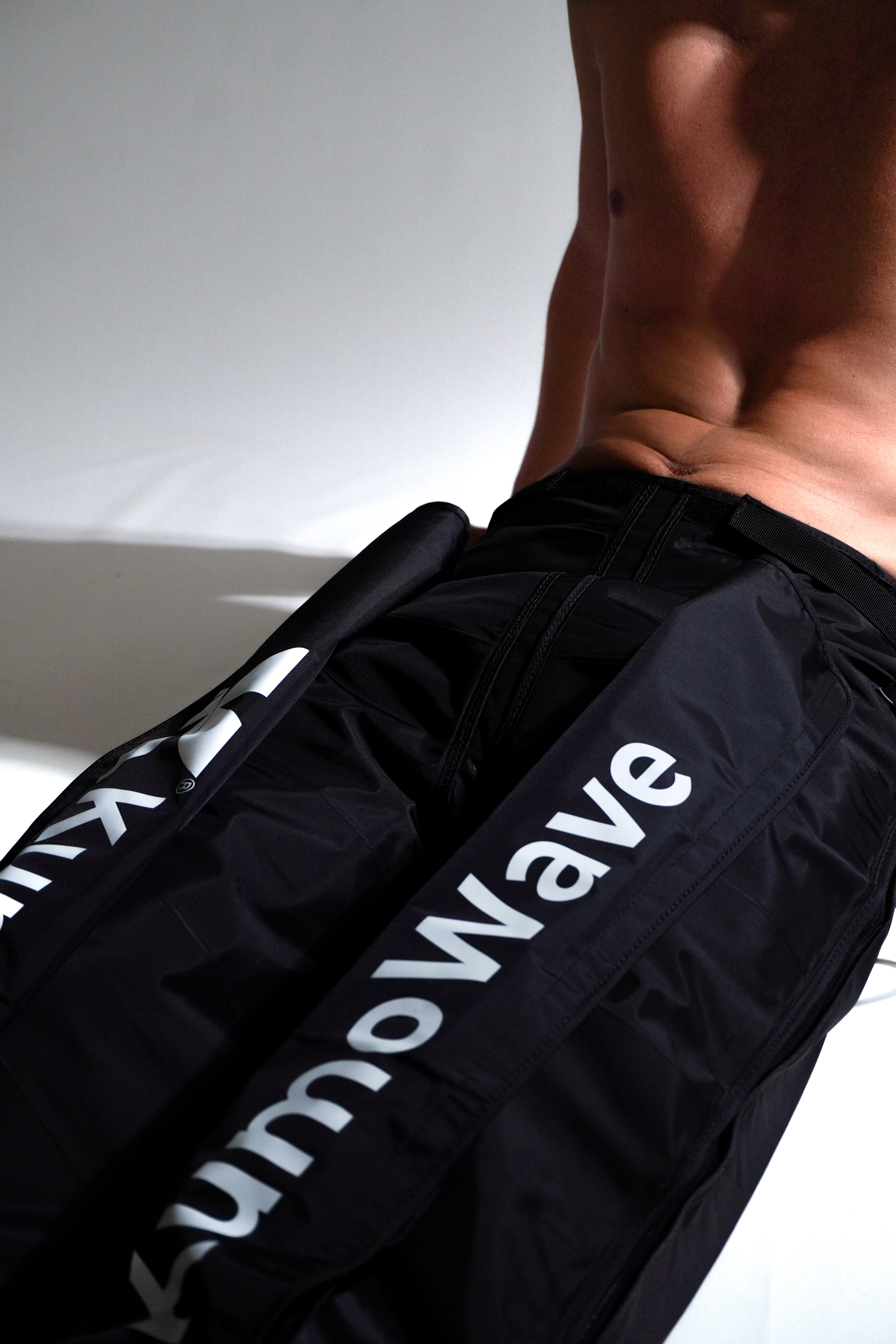
KumoWave pressotherapy
Choose your at-home pressotherapy
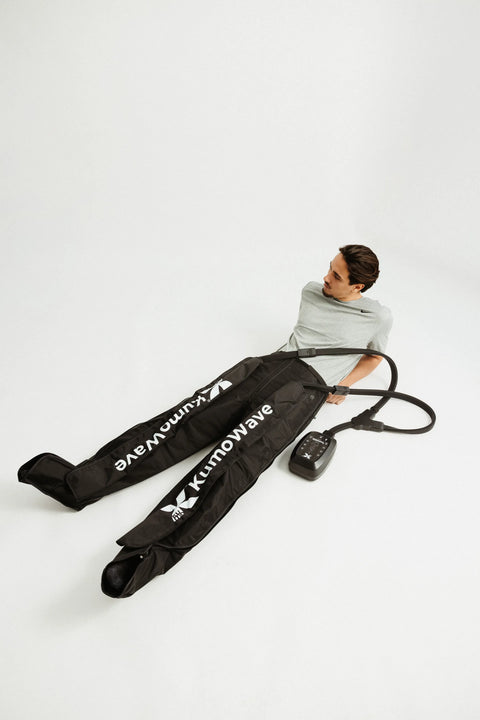
KumoWave Elite – Pressotherapy Pants
Full-coverage trousers. Ideal for lipedema, fluid retention and intensive use.
€799,00 €999,00
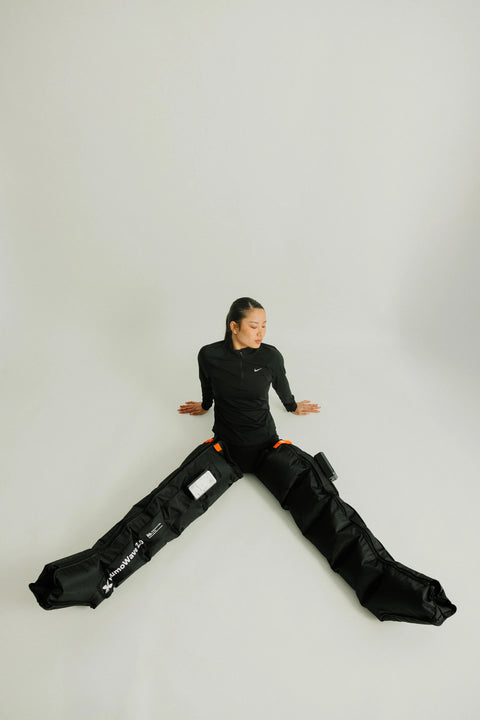
KumoWave 2.0 - Wireless Pressotherapy
Wireless, lightweight boots. Perfect for daily use and recovery.
€499,00 €599,00