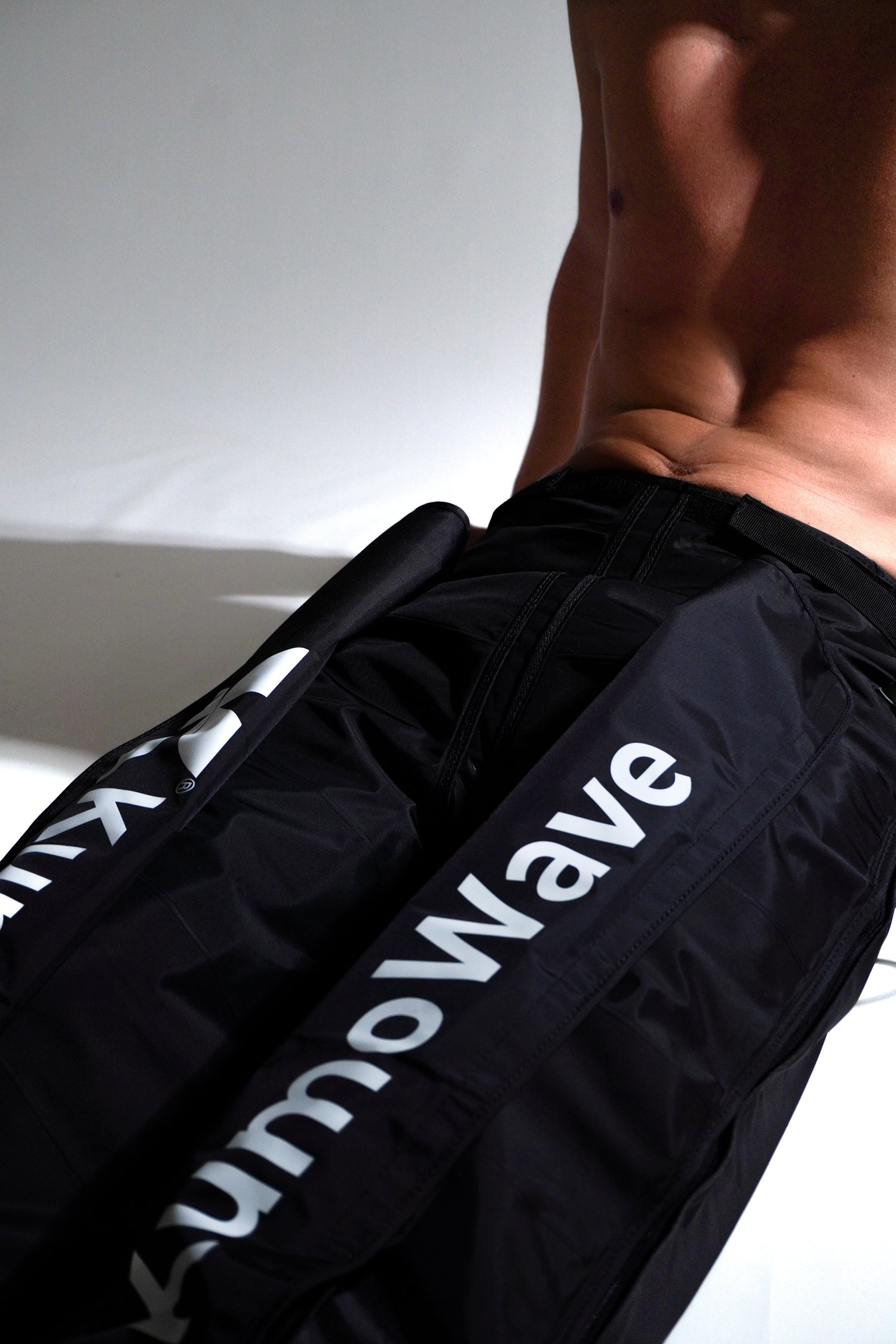
Home pressotherapy for athletes: a practical guide to accelerate recovery. If you train regularly and are looking to relieve fatigue, reduce leg heaviness, and get back to your training plan faster, this guide explains how to use pressotherapy at home safely, effectively, and realistically, with recommended protocols and current evidence.
In a little while
- It promotes venous and lymphatic return, relieving swelling and heaviness after exercise.
- Useful for reducing delayed onset muscle soreness and improving the feeling of recovery.
- Regular sessions of 15–30 minutes on busy days, during travel, or between competitions.
- Promising evidence for recovery perception; results in direct performance, mixed.
- It combines best with active recovery, sleep, hydration, and mobility routines.
What is pressotherapy and how does it work?
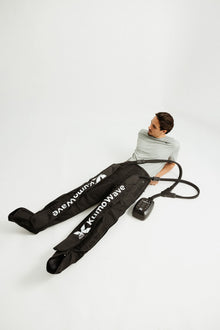
Pressotherapy (intermittent pneumatic compression) uses boots with air chambers that inflate and deflate sequentially, generating progressive compression from the foot to the thigh. This "pumping" helps mobilize fluids, promotes venous and lymphatic return, and reduces stagnation that causes the sensation of heavy legs. In healthcare settings, sequential compression has been used for decades due to its circulatory efficacy and safety profile when properly indicated and supervised (Cleveland Clinic).
Pressotherapy at home
End the day with light legs
★★★★★ 4,8/5 · rated by verified customers
KumoWave pressotherapy boosts circulation and helps drain fluid with sequential compression, in 20-minute sessions at home.
- Boosts circulation and helps drain fluid
- Chamber-based compression, adjustable to you
- Sequential compression that mimics manual drainage
€799,00€999,00
−10% on your 1st order when you subscribe to the newsletter

For athletes, the logic is simple: less edema and better post-exertion circulation can translate into less stiffness, greater range of motion, and a more comfortable return to training.
Key benefits for athletes
- Relief from heaviness and stiffness: sequential compression facilitates the drainage of fluids and metabolites, which is often perceived as "lighter legs".
- Delayed onset muscle soreness (DOMS): Many athletes report less discomfort the next day, in line with what has been observed with other forms of external compression . MedlinePlus – Delayed onset muscle soreness .
- Recovery between sessions and travel: useful after long runs, cycling stages or prolonged flights/journeys that aggravate swelling CDC – Travel and clots.
- Well-being and adherence: ritualizing 20–30 minutes of unwinding promotes relaxation and adherence to your recovery plan.
Practical tip: Hydrate before and after your session. Proper hydration facilitates fluid return and improves the effectiveness of pressotherapy.
Personalized protocol · included with your purchase
Want us to tell you how to use it in your case?
With your purchase, our experts prepare a personalized usage protocol for your case: sport, circulation, fluid retention, pregnancy or lipedema.
Message us on WhatsAppOur experts reply · no obligation
What does the evidence say?
In clinical settings, sequential pneumatic compression is recommended to improve circulation and prevent thrombotic events in selected patients (NICE NG89 and Cochrane ). In sports, research is more recent: results consistently show improved perceived recovery and reduced pain and fatigue, while direct effects on immediate performance (strength, power) are variable.
Reviews of recovery strategies indicate small to moderate effects of external compression on DOMS and perceived fatigue, with heterogeneity of protocols and study quality (Frontiers in Physiology, 2018 ). For compression therapy specifically, studies are smaller and show promising signs in subjective markers; you can explore recent publications in PubMed using the term “intermittent pneumatic compression exercise recovery” in PubMed .
The practical conclusion: pressotherapy can be a useful piece of the recovery “puzzle”, especially for relieving discomfort and heaviness; it does not replace intelligent training, rest or nutrition.
on your first order when you join the newsletter
We send you the code instantly. No spam.
How to do pressotherapy at home: equipment and protocols
Choosing the right equipment
- Full coverage boots: reaching from the foot to the thigh for an effective gradient.
- Cameras and sequences: systems with multiple cameras allow for finer "pumping".
- Modes and intensity: opt for programs with adjustable pressure and gentle cycles, and prioritize comfort.
With KUMO, recovery is conceived as a pleasant and consistent habit, integrating aesthetics and technology to make it a desire to use every day. Discover the brand's approach and its recovery ecosystem at KUMO .
Duration, intensity, and time of day
- Indicative duration: 15–30 minutes per session in non-clinical contexts.
- Intensity: Start low to moderate; it should feel "firm, not painful." Adjust gradually.
- Timing: after heavy training, on active rest days, or after long trips.
Preparation and execution
- Hydrate and empty your bladder beforehand.
- Position yourself in a semi-reclined position, with your legs relaxed.
- Select a gentle program if it's your first time; avoid jumping to maximum intensities.
- Breathe slowly and diaphragmatically; avoid crossing your legs.
- When finished, move your ankles and hips for 1–2 minutes and walk a little.
Weekly frequency
- 2–5 sessions/week in blocks of higher load.
- During download weeks, 1-3 sessions, prioritizing sensations.
Guidelines for home pressotherapy (non-clinical)
| Aim | Recommended moment | Suggested duration | Intensity | Sequence/Cameras | Grades |
|---|---|---|---|---|---|
| Relieve DOMS after force | 2–4 hours later or the next day | 20–30 min | Low-medium | Ascending gradient | Complement with smooth mobility |
| Recovery after a long run | 1–3 h later | 20–30 min | Average | Focus on calf and thigh | Hydrate before/after |
| Between stages/competition | 2–6 h between efforts | 15–25 min | Low | Soft, relaxing rhythm | Prioritize comfort and sleep |
| Return from a long trip | Upon arrival and/or the following day | 20–30 min | Low-medium | Complete | Walk for 5–10 minutes after the session |
| Gentle pre-workout activation | 30–90 min before | 10–15 min | Very low | Short cycles | It does not replace warming up |
These ranges are guidelines only and do not replace medical advice. Adjust according to your tolerance and response.
Safety, contraindications and warning signs
Pressotherapy is well-tolerated in healthy individuals when used correctly. Avoid it and consult a healthcare professional if you have or suspect you have: thrombotic disorders (DVT), heart failure, active infection, open wounds, recent fractures, severe neuropathies, uncontrolled lymphedema, or a high-risk pregnancy. In clinical settings, its use is prescribed and monitored by healthcare professionals (Cleveland Clinic and NICE ).
- Normal sensations: firm compression, mild warmth, relaxation.
- Warning signs: sharp pain, persistent numbness, intense tingling, changes in color. If these occur, stop the session.
- Basic rules: do not sleep with the boots on; do not use on areas with acute injuries; check skin and comfort during use.
How to integrate it with other recovery strategies
Pressotherapy is even more beneficial when integrated into a holistic plan:
- Active recovery: gentle walking, light cycling, or post-session mobility.
- Sleep: 7–9 hours of quality sleep are critical to consolidate recovery (Sports Medicine, 2015 ).
- Nutrition and hydration: sufficient protein, carbohydrates after key efforts, and salts in long events.
- Percussive massage and myofascial release: before or after pressotherapy to treat specific points.
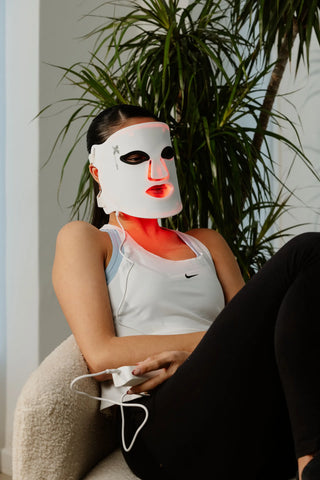
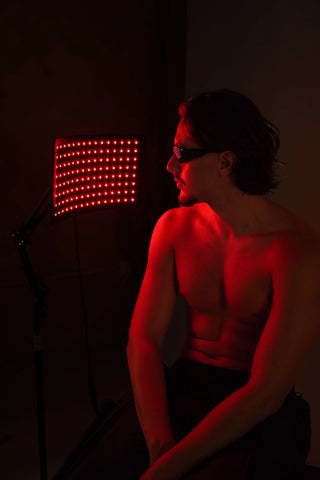
- Red and LED light therapy: a non-invasive complement for relaxation and well-being within a personal care routine.
KUMO offers an ecosystem of recovery technologies to make creating a habit simple and enjoyable in everyday life. Discover the brand's philosophy at KUMO .
Practical routines according to your sport
- Running/trail: After runs >60–90 min or sets, 20–30 min at low-medium intensity; add 5–10 min of hip and ankle mobility.
- Cycling: After intense stages or roller sessions, 20–30 min; pay attention to quadriceps and hamstrings.
- Cross-training/HIIT: 15–25 min the day after demanding WODs; choose easy mode if there is a lot of DOMS.
- Team sports: between matches in tournaments, 15–20 min to lighten legs without tiring the system.
For long-seat travel, move around every 60–90 minutes, do ankle flexes, and consider a short workout at the end of your trip. CDC – Travel and Blood Clots.
Frequently Asked Questions
Will pressotherapy improve my performance in the next workout?
Current evidence is stronger for alleviating perceived fatigue and pain than for directly increasing performance metrics (power or strength) in the next session. In practice, many athletes experience "fresher legs," which can lead to better training quality. Prioritize its use on loading days or after prolonged efforts, and combine it with sleep, nutrition, and active recovery for a superior overall effect (Frontiers in Physiology, 2018 ).
How long should a home session last?
In non-clinical use, it's common to use 15–30 minutes per session, starting at low intensities and increasing them if well tolerated. The key is that the compression feels firm but never painful. After very prolonged exertion (for example, a long run), 20–30 minutes can be especially pleasant. Finish with a few minutes of mobility and gentle walking to complete venous return.
Can I use pressotherapy every day?
You can use it frequently during periods of high training load, provided there are no discomforts or contraindications. For most athletes, 3–5 sessions per week during demanding weeks and 1–3 during recovery weeks work well. If you experience numbness, pain, or discomfort during a session, reduce the intensity or duration. If you have any pre-existing medical conditions, consult a healthcare professional first.
Is it safe if I've had circulation problems?
If you have a history of deep vein thrombosis, heart failure, ulcers, or uncontrolled lymphedema, compression therapy should be evaluated by a healthcare professional. In clinical settings, its use is standardized and monitored by NICE NG89 and Cochrane . At home, if you have any doubts or pre-existing conditions, prioritize safety and seek medical advice.
Does it work for delayed onset muscle soreness (DOMS)?
External compression, including pneumatic compression, is associated with less perceived pain after intense exertion, although the magnitude of the effect varies between studies and protocols. It is a useful tool for alleviating DOMS as part of a comprehensive plan that includes adequate rest, nutrition, and hydration (MedlinePlus and Recovery Reviews Frontiers in Physiology, 2018 ).
The essentials
- Pressotherapy at home helps relieve heaviness, stiffness, and DOMS after exercise.
- The effects are more consistent in the perception of recovery than in immediate performance.
- Practical protocols: 15–30 minutes, low-medium intensity, after demanding sessions or travel.
- Maximum effectiveness when combined with sleep, hydration, nutrition and mobility.
- Safety first: check contraindications and listen to your body.
Ready to turn recovery into a habit you enjoy? Discover how to integrate technology and wellness into your routine with KUMO .
KumoWave pressotherapy
Choose your at-home pressotherapy
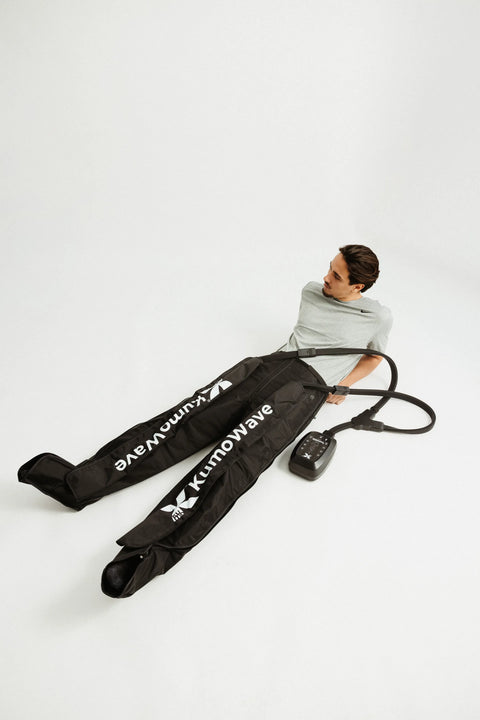
KumoWave Elite – Pressotherapy Pants
Full-coverage trousers. Ideal for lipedema, fluid retention and intensive use.
€799,00 €999,00
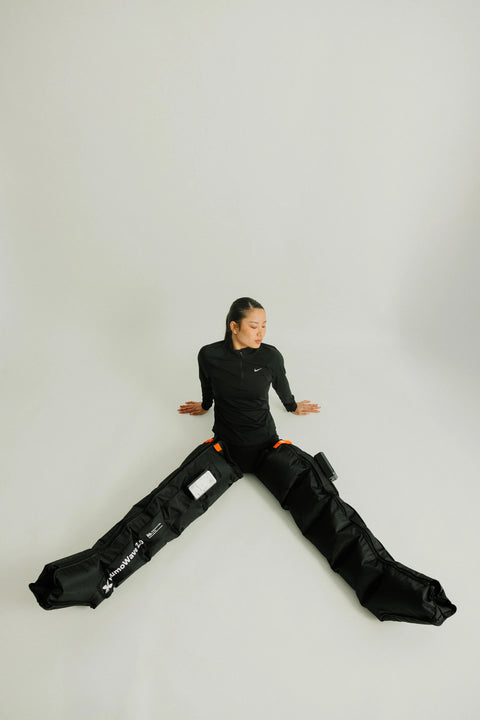
KumoWave 2.0 - Wireless Pressotherapy
Wireless, lightweight boots. Perfect for daily use and recovery.
€499,00 €599,00