Red light therapy, when applied methodically, accelerates recovery and enhances your training sessions. If you're an athlete looking for a clear protocol for using red/near-infrared light before, after, and at night, here's a practical guide with dosages, timing, examples, and evidence to help you safely integrate it into your routine.
In a little while
- Pre-workout: low-moderate dose in key muscle groups to activate and prepare (≈4–10 J/cm²).
- Post-workout: moderate dose to reduce muscle damage and discomfort (≈8–20 J/cm²).
- Sleep: Dim red light at night to promote relaxation without disrupting the circadian rhythm.
- Wavelengths: red (630–660 nm) for superficial tissues, near infrared (810–850 nm) for deeper planes.
- Adjust the time according to the irradiance of your device; consistency (3–6 days/week) is key.
What is red light therapy and how does it work?
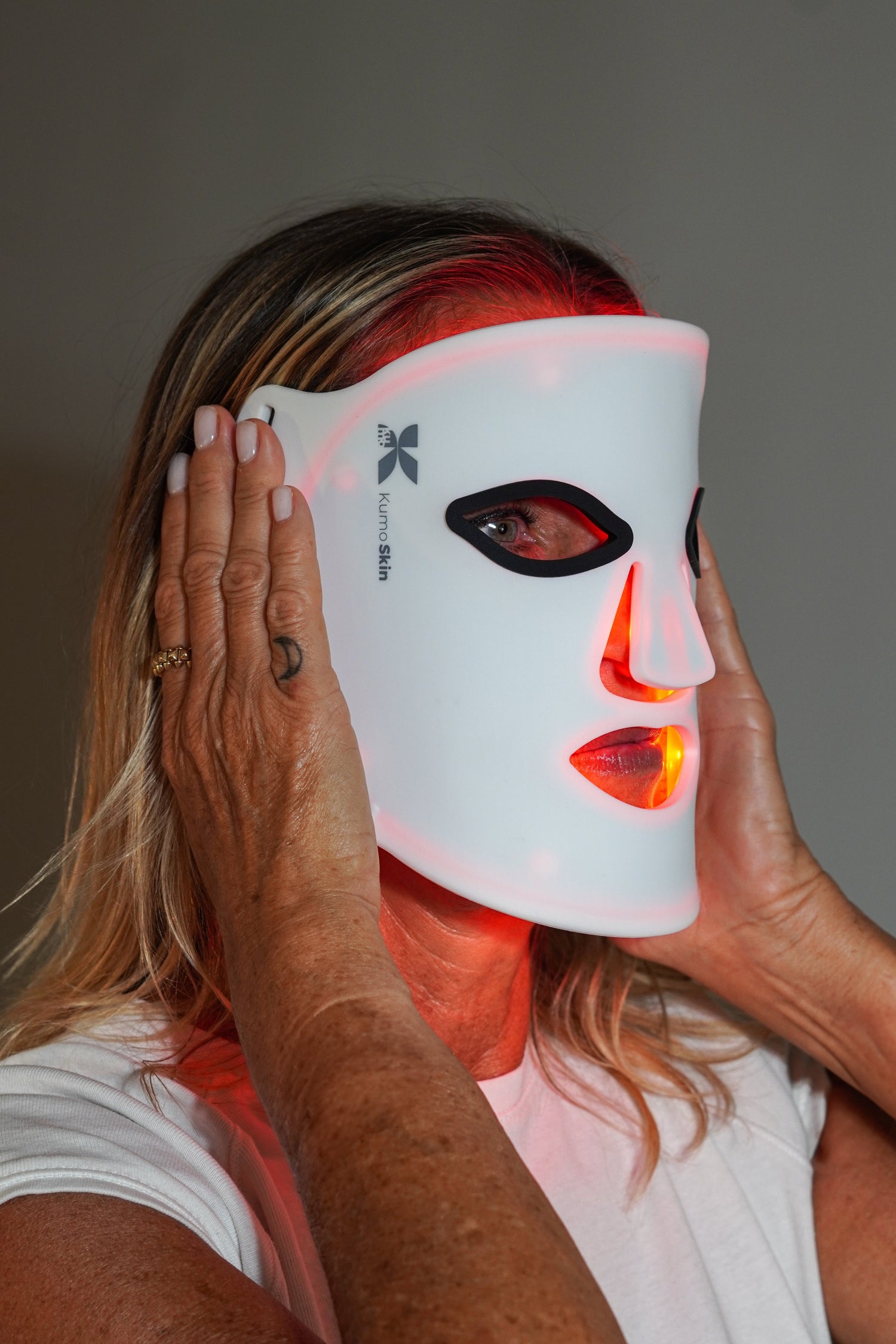
Red light therapy, also called photobiomodulation (PBM), uses specific wavelengths in the red and near-infrared spectrum to modulate cellular processes. Unlike UV light, it does not tan or burn; its purpose is to stimulate, not overheat.
Red & infrared light
Recover faster, at home
★★★★★ 4,8/5 · rated by verified customers
The KumoLux panel supports muscle recovery with full-body red and infrared light.
- 660 nm red + 850 nm infrared light
- Full-body muscle recovery
- Clinically validated biohacking protocols
€399,00€499,00
−10% on your 1st order when you subscribe to the newsletter

Cellular mechanism: from photon to performance
- Red/IR light is absorbed by mitochondrial cytochrome c oxidase, increasing ATP production and nitric oxide bioavailability, which improves blood flow and local metabolism. Mechanistic review (2016): strong evidence in cell and animal models, and growing evidence in humans. Source: NCBI – photobiomodulation mechanisms .
- Relevant effects for athletes: reduced oxidative stress, modulation of inflammation, faster recovery and possible improvement of acute performance when applied as "preconditioning".
Spectrum and parameters that matter
- Effective wavelengths: 630–660 nm (red) and 800–850 nm (near IR).
- Irradiance (mW/cm²): “intensity” that reaches the skin; determines the time required.
- Energy density or dose (J/cm²): total energy delivered; the variable that should be controlled.
- Basic rule: Dose (J/cm²) = Irradiance (W/cm²) × Time (s). Ex.: with 50 mW/cm² (0.05 W/cm²), 6 J/cm² ≈ 120 s.
Tip: Note the irradiance at the actual distance of use; small changes in centimeters significantly alter the dose received.
Benefits for athletes, with evidence
- Performance and strength: A meta-analysis (2018) reports that pre-exercise PBM can improve strength parameters and reduce acute fatigue in sprint tests and isometric contractions. See systematic review with meta-analysis .
- Recovery and DOMS: Several trials show less delayed onset muscle soreness and damage markers after intense sessions when used post-workout (moderate doses).
- Sleep and circadian rhythm: A 2012 study of female basketball players observed improvements in sleep and stamina after nighttime exposure to low-intensity red light. Source: PubMed – athlete study . Additionally, minimizing blue light at night helps with rest; seeHarvard Health on blue light .
- Skin and tissues: PBM has been researched since the 1990s; applications in wound healing and regeneration have even been explored by NASA. See NASA's note.
- Overview: This is a growing field; the strength of evidence varies depending on the objective, dose, and protocol. Mechanistic and clinical review: NCBI Summary .
Practical step-by-step protocol
General principles
- Clean, dry skin; remove reflective creams.
- Place the panel at the distance recommended by the manufacturer; measure or estimate the irradiance at that distance.
- Dosage guide for sports:
- Prior to exercise: 4–10 J/cm² per target zone.
- After exercise: 8–20 J/cm² per zone.
- Sleep/relaxation: dim ambient light not directed at the eyes.
- Frequency: 3–6 days/week, depending on training load.
- Periodization: more emphasis on loading weeks; reduce on deload/competition if you feel "too activated" pre-sleep.
Before training (strengthening)
- Objective: to prepare muscle and connective tissue, improve microcirculation without fatigue.
- Typical areas: quadriceps, hamstrings, glutes, calves, lower back, shoulders (depending on the sport).
- Dosage: 4–10 J/cm² per large muscle group; 2–6 J/cm² in small joints.
- Example calculation: with 50 mW/cm², 6 J/cm² ≈ 120 s per zone. Dose 1.5–3 min per group.
After training (recovery)
- Objective: to moderate inflammation and accelerate repair without interfering with adaptations.
- Dosage: 8–20 J/cm² per area worked; in very intense sessions or new stimulus, tend towards the high end of the range.
- Example: with 50 mW/cm², 12 J/cm² ≈ 4 min; 20 J/cm² ≈ 6–7 min per zone.
- Combine with active discharge, hydration and complementary techniques (mobility, self-massage).
Sleep and nighttime relaxation
- Apply dim red light in the room 30–60 min before going to sleep, avoiding bright screens and blue light.
- Avoid shining direct light into the eyes at close range.
- Preliminary evidence suggests improvements in sleep quality in athletes with gentle and consistent protocols (see basketball study ).
Minor injuries and trigger points
- Consult a healthcare professional if you experience injury. With authorization, use moderate doses (8–15 J/cm²) around the affected area, not just at the painful spot.
- Progression: 1–2 short daily sessions for the first 3–5 days, then reassess.
Dosage and timing reference table
Title: Guiding protocol by objective (adjust it to the irradiance of your device)
Personalized protocol · included with your purchase
Want us to tell you how to use it in your case?
With your purchase, our experts set up your red and infrared light sessions for your sport and goal.
Message us on WhatsAppOur experts reply · no obligation
| Aim | Wavelengths | Suggested dose (J/cm²) | Approx. distance | Estimated time if 50 mW/cm² | Frequency |
|---|---|---|---|---|---|
| Pre-workout (large groups) | 630–660 nm and/or 810–850 nm | 4–10 | 10–30 cm | 1.5–3 min/zone | 3–6 times/week |
| Post-workout (recovery) | 630–660 nm and/or 810–850 nm | 8–20 | 10–30 cm | 3–7 min/zone | 3–6 times/week |
| Local joints/points | 810–850 nm (greater penetration) | 6–12 | 5–20 cm | 2–4 min | 3–6 times/week |
| Dream (environment) | 630–660 nm | — (dim ambient lighting) | >50 cm | 20–40 min of ambient | Daily |
Note: If your irradiance is different from 50 mW/cm², adjust the exposure time using the formula Dose = Irradiance × Time. Higher intensity = less time.
How to integrate it into your typical week (microcycle)
- Strength/high intensity days: short pre-workout session on key muscle groups + moderate post-workout session.
- Technical or low-load days: prioritize short post-training or just a nighttime relaxation session.
- Pre-competition (24–48 h): 1–2 short sessions to maintain tone without fatigue; avoid high doses too late.
- Post-competition: 1–2 days with moderate doses in loaded areas and sleep support.
If you want to turn recovery into a habit with aesthetics and technology, explore KUMO's proposal at kumobalance.com .
Safety, contraindications and good practices
- Do not look directly at LEDs at close range; wear eye protection if recommended by the manufacturer.
- Avoid use on active tumors, during pregnancy, on the abdomen without medical advice, and on areas with unevaluated acute infection.
- Use with caution when using photosensitizing drugs; consult your doctor.
- Devices with certifications and clear manual; general guide on light devices in public health sources: Cleveland Clinic – red light guide.
- The technique is considered non-invasive; use common sense and pause if you notice any unusual discomfort.
How to choose a device (no brands)
- Wavelengths within the effective “windows” (≈630–660 and 810–850 nm).
- Known and measurable irradiance at the distance of use.
- Sufficient coverage of the area you are working on (full body vs. local panel).
- Electrical and photobiological safety certifications; manual with parameters.
- Design that facilitates consistency (stability, timer, support).
Common mistakes and how to avoid them
- Underdosing or overdosing: measures times according to actual irradiance.
- Inadequate distance: being too far away drastically reduces the dose.
- Inconsistency: 2–3 isolated sessions will not show changes; think in terms of weeks, not days.
- Using it as the sole “solution”: integrate rest, nutrition, mobility, and well-planned loading.
- Bright, direct light in the eyes at night: can disrupt sleep; prefer a dim environment.
Frequently Asked Questions
When will I start noticing results in performance or recovery?
It depends on your workload, nutrition, and consistency. For acute performance, some studies report benefits with a single pre-workout application (2018 meta-analysis). For recovery and soreness, many people notice changes after 1–2 weeks of consistent post-workout use. For sleep, changes are usually seen in 1–3 weeks if you also reduce your exposure to blue light at night. Track sensations (DOMS, RPE) and performance (times, workloads) to objectively measure progress. Useful review: NCBI summary of PBM in sport .
on your first order when you join the newsletter
We send you the code instantly. No spam.
Is red light therapy compatible with cryotherapy, sauna, or massage?
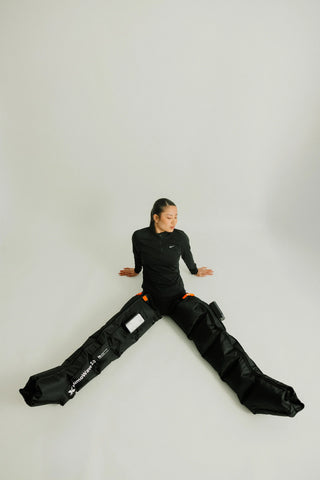
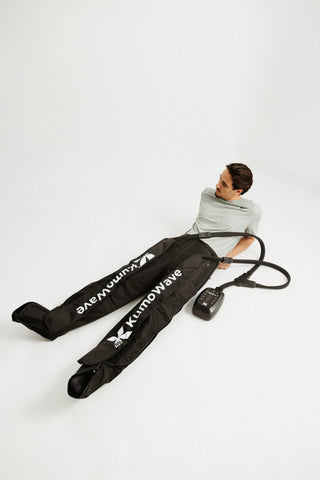
Yes, they usually combine well. A practical approach: post-workout, use red light (8–20 J/cm²), followed by gentle massage or compression therapy. If you use cold therapy, do the PBM (Post-Body Massage) before or separately to avoid interfering with vasodilation. Infrared sauna and PBM work through different pathways; alternating them on different days or separating them by several hours is a conservative option. Observe individual responses and avoid overloading with stimuli on a single high-intensity day.
Is it a doping method or is it prohibited in sports?
Photobiomodulation is not listed on the WADA Prohibited List as of the date of publication. You can check the current version here: WADA Prohibited List . However, in official competitions, respect equipment and usage time protocols (do not use devices in doping control areas or restricted areas if prohibited). As always, the ultimate responsibility lies with the athlete.
Is a regular red light bulb suitable for these purposes?
It's not ideal. A standard red light bulb lacks reliable information on irradiance and useful spectrum, and it usually emits diffuse light with low power density, making it difficult to achieve therapeutic doses. PBM devices specify wavelengths and allow for dose estimation. If you're only looking for a nighttime ambiance, a dim red light can help avoid interfering with melatonin, but it doesn't replace targeted photobiomodulation. Consult guidelines such asHarvard Health's on blue light .
Are there long-term risks?
Available evidence suggests a favorable safety profile when dosage and good practices are followed. Avoid direct and prolonged exposure to the eyes and do not apply to undiagnosed lesions. Use certified devices and follow their instructions. For an overview of benefits and risks, see Cleveland Clinic – Red Light Therapy and the 2016 Hamblin mechanistic summary.
To go
- The key is the dose: control J/cm² and adjust the time to your actual irradiance.
- Pre-workout: low doses to activate; post-workout: moderate doses to recover.
- Weekly consistency > sporadic sessions; schedule according to your workload.
- Prioritize eye safety and avoid undiagnosed problem areas.
- Complement it with sleep, nutrition, and training planning. Ready to make recovery a habit? Start today with a simple protocol and explore how KUMO integrates aesthetics, technology, and performance at kumobalance.com .

Red & infrared light
KumoLux Panel – Red and Infrared LED Panel
★★★★★ 4,8/5 · rated by verified customers
- 660 nm red + 850 nm infrared light
- Full-body muscle recovery
- Clinically validated biohacking protocols
€399,00€499,00· pay in installments with seQura or Klarna