The LED facial mask has become a promising ally against acne.
If you're wondering how light actually works on the skin, what it can (and can't) do for your blemishes, and how to use it safely, this guide explains it step by step.
What is an LED facial mask and why is it used for acne?
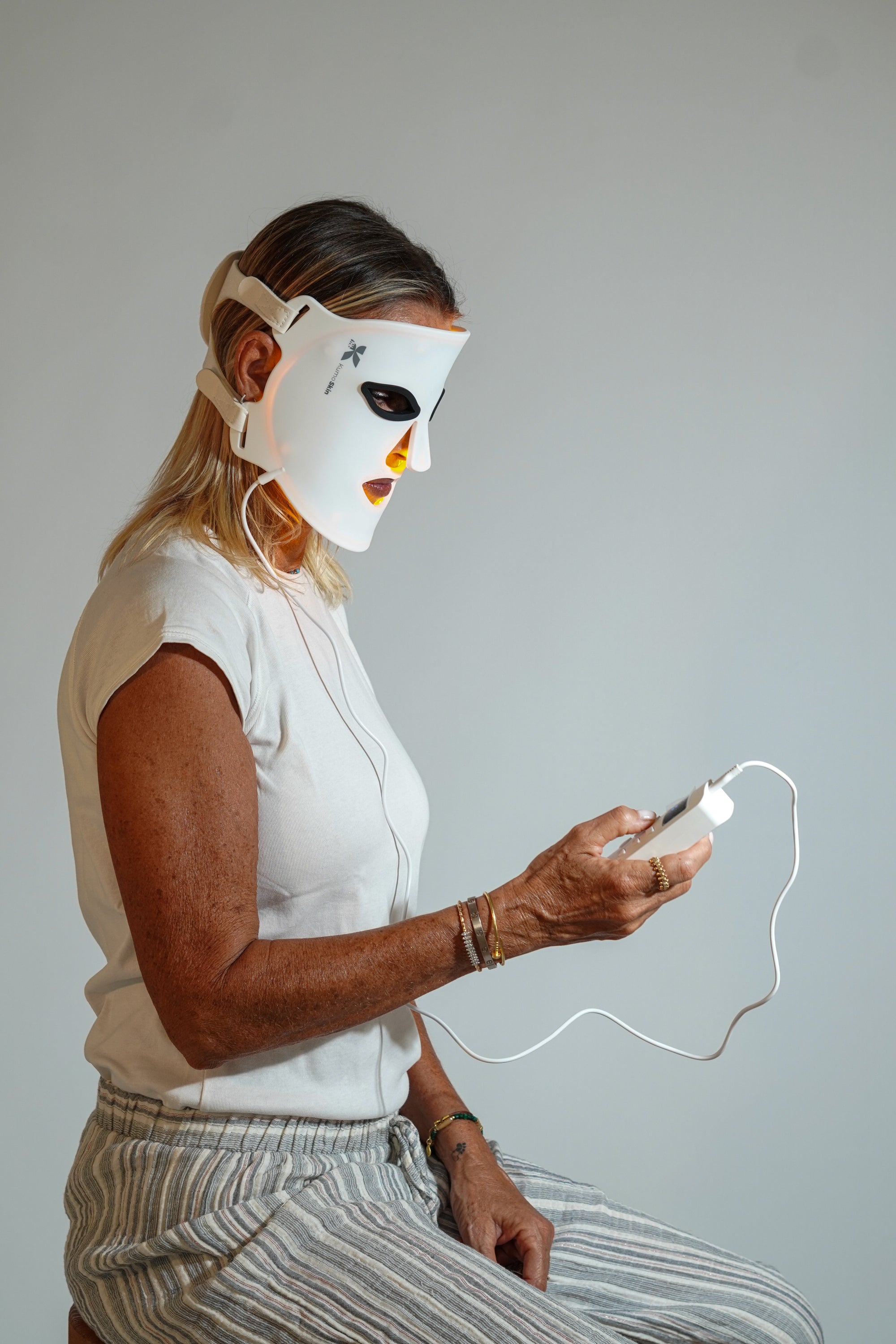
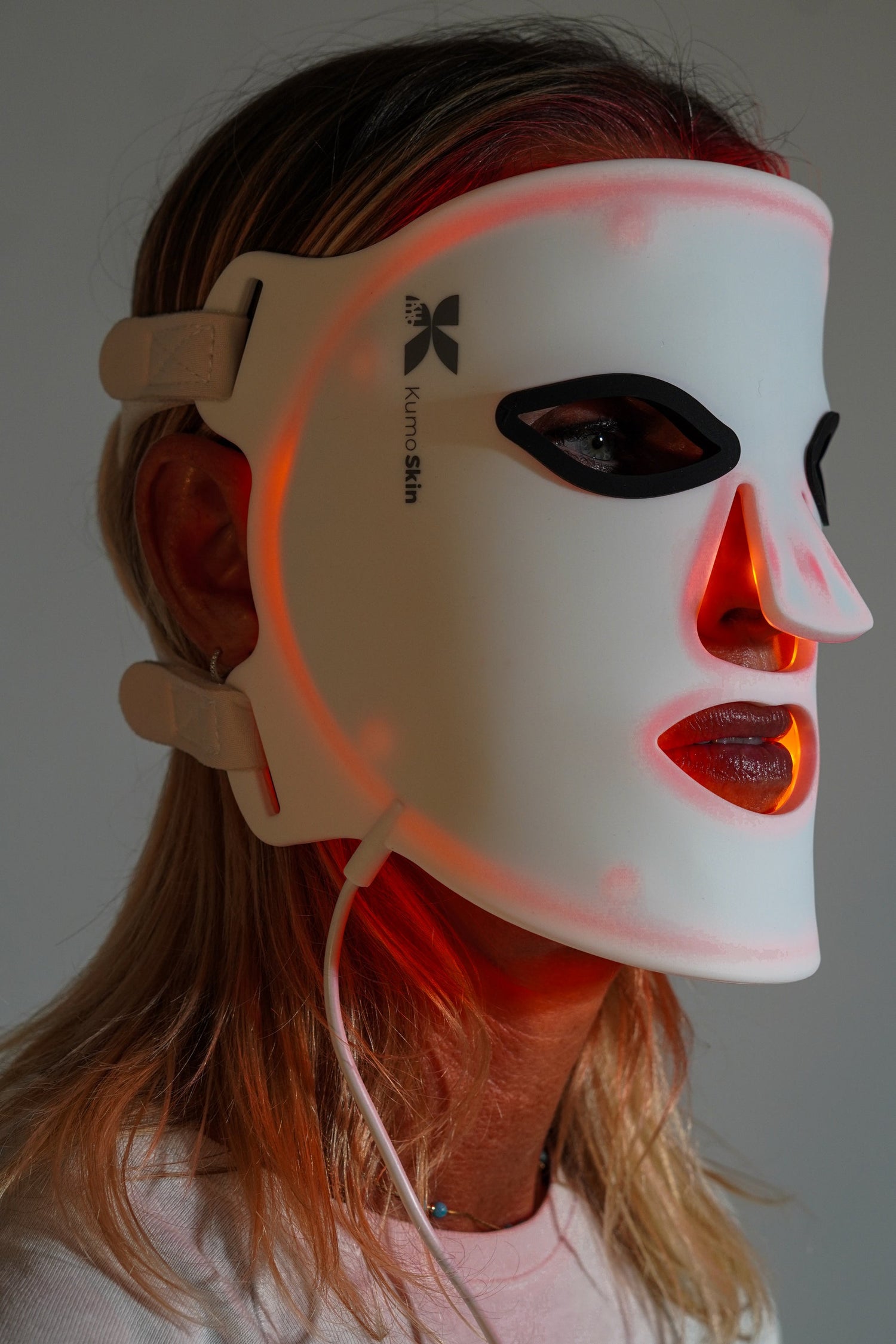
An LED facial mask is a device that emits low-intensity light (usually blue, red, or a combination) onto the skin of the face. It does not heat or burn, and does not use UV rays, so it is considered non-invasive .
Facial red light
Bring your skin back to life
★★★★★ 4,8/5 · rated by verified customers
The KumoSkin LED mask helps repair and calm your skin in short sessions at home.
- 250 LEDs in flexible medical silicone
- Red light to boost collagen and glow
- 4 lights: red, infrared, blue and yellow
€299,00€429,00
−10% on your 1st order when you subscribe to the newsletter

In the context of acne, its main objective is:
- Reduce the bacteria involved in acne (especially Cutibacterium acnes , formerly P. acnes ).
- Reduce inflammation of red and painful pimples.
- Promote skin repair and, in the long term, improve texture and surface marks.
Unlike drug treatments, an LED light mask acts from the outside, as a technological complement to the facial care routine.
Personalized protocol · included with your purchase
Want us to tell you how to use it in your case?
With your purchase, our experts prepare the ideal LED protocol for your skin type and goal (acne, wrinkles, dark spots...).
Message us on WhatsAppOur experts reply · no obligation
Advantages over other acne treatments
Without replacing your dermatologist's treatment plan, light therapy with a facial mask offers several interesting advantages:
- It does not involve systemic drugs (such as antibiotics or hormones).
- It can be combined with most topical treatments (retinoids, salicylic acid, etc.), with proper supervision.
- It is painless and, when used correctly, has mild side effects.
- It allows for frequent treatments at home , which is key in acne, which responds better to consistency.
Dermatological organizations and recent scientific reviews indicate that at-home LED devices can be an effective and safe option for mild to moderate acne when used regularly and according to instructions. For example, you can read the Mass General Brigham review of at-home LED devices for acne or the analyses compiled on medical websites such as DermNet or Acne.org.
How LED light works on acne
The key to an LED face mask is the color of the light , which corresponds to different wavelengths .
on your first order when you join the newsletter
We send you the code instantly. No spam.
The most commonly used treatments for acne are:
- Blue light (~415 nm)
- Red light (~630–660 nm)
- Sometimes, they are combined in the same program.
Blue light: antibacterial action
Blue light is used primarily for its effect against acne-related bacteria.
- Cutibacterium acnes produces molecules (porphyrins) that absorb blue light .
- When activated, they generate reactive oxygen species that damage and reduce these bacteria .
- Several clinical studies have shown a decrease in inflammatory lesions after several weeks of regular use of blue light.
This effect is especially useful on red and pustules (papules and pustules) , rather than on closed or open blackheads.
Red light: anti-inflammatory and regenerative
Red light penetrates deeper into the skin than blue light and acts differently:
- It modulates inflammatory processes , helping to soothe irritated skin.
- It stimulates fibroblast activity , promoting collagen production and tissue repair.
- It can help improve skin texture and the appearance of recent acne marks when used for an extended period.
Therefore, many devices combine specific programs for acne with others aimed at skin rejuvenation and repair.
Blue + red synergy in a face mask
Numerous studies have evaluated the combination of blue and red light:
- In several clinical trials, combination therapy has achieved significant reductions in inflammatory lesions after 8–12 weeks of regular treatment, with good tolerance.
- Recent reviews and meta-analyses on LED devices for home use indicate that mixing wavelengths can provide a greater overall effect than using only one type of light, provided that consistency is maintained.
Blue light acts by "disinfecting" the pore environment, while red light helps to soothe, repair, and prepare the skin to heal better.
Table: Types of LED light and their role in acne
| Type of light | Approximate wavelength | Main effect | Key benefit in acne |
|---|---|---|---|
| Blue | ~415 nm | Antibacterial | Reduces bacteria associated with inflammatory acne |
| Red | ~630–660 nm | Anti-inflammatory and regenerative | It reduces redness and promotes repair. |
| Blue + red combo | 415 + 630–660 nm | Antibacterial + anti-inflammatory synergy | Overall improvement of papules and pustules with good tolerance |
Scientific evidence: what the studies say
Research on light and acne is not new, but it has accelerated with the popularization of LEDs.
- A Cochrane review compiled more than 70 studies on light and laser treatment for acne and concluded that, although there are promising results, the protocols were very heterogeneous and better-designed trials are needed to draw definitive conclusions.
- Classical studies with blue light (≈415 nm) and blue/red combinations have shown notable reductions in inflammatory lesions after 8–12 weeks of treatment in mild to moderate acne.
- A recent meta-analysis (2025) on LED devices for home use found that red and/or blue lights achieved significant reductions in both inflammatory and non-inflammatory lesions, with a favorable safety profile.
It is important to understand that:
- Medical consultation devices usually have higher power than masks for home use.
- LED facial masks for home use can offer real results, but they are more gradual and depend on consistency.
- The main dermatology associations recommend using light therapy as a complement , not as an automatic substitute for proven treatments (retinoids, benzoyl peroxide, etc.).
If you want to delve deeper into the science, medical resources such as Cochrane, PubMed, or DermNet explain these studies and their methodological limitations in detail.
How to properly use an LED facial mask for acne
Indicative frequency and duration
The protocols vary depending on the device, but, in general:
- Medical consultation / professional booth : often 1–2 sessions per week for 4–6 weeks.
- LED mask at home : it is usually recommended to have between 3 and 5 sessions per week , with short exposures (for example, 10–20 minutes), for several weeks.
Specialized websites such as Acne.org indicate that many home devices are used frequently but at low intensity , and that results are assessed after a minimum of 4–8 weeks of consistent use.
You should always follow:
- The manufacturer's specific instructions .
- Your dermatologist may recommend adjustments, especially if you combine light therapy with topical or systemic medications.
Steps for a home session
An example of a basic routine with an LED facial mask for acne could be:
- Gently cleanse your face with a non-comedogenic cleanser.
- Dry without rubbing , with a clean towel.
- Placement of the LED mask following the instructions (adjustment of straps, distance to the skin, etc.).
- Eye protection if indicated by the manufacturer (specific glasses or pads).
- Light session for the marked time (do not extend it "on your own").
-
Once the session is over, you can apply:
- Light and non-comedogenic moisturizer.
- Specific treatments (retinoids, etc.) as advised by your dermatologist.
Avoid harsh exfoliants right before or after the session to prevent increased irritation.
Integration with your skincare routine
The LED facial mask works best within a comprehensive skincare strategy :
- Daily routine with gentle cleansing + moisturizer + sun protection .
- Correct use of anti-acne actives (salicylic acid, retinoids, niacinamide…) adjusted to your skin type.
- Lifestyle adjustments (stress, sleep, diet) that indirectly impact skin health.
If you're interested in a broader view of wellness and recovery, you can discover KUMO's technological approach on the homepage and in their selection of LED light therapy .
Safety, contraindications and side effects
Most common side effects
In healthy individuals, with proper use, LED therapy is usually associated with mild and transient effects, such as:
- Temporary redness after the session.
- A sensation of gentle warmth or tingling.
- Slight dryness in already dehydrated skin.
Medical sources such as WebMD highlight that, in general, LED therapy is safe and well tolerated when instructions are followed and appropriate eye protection is used.
When to take special precautions
You should exercise extreme caution or consult a doctor before using an LED face mask if:
- You take photosensitizing medications (some antibiotics, systemic retinoids, certain antidepressants, etc.).
- You have photosensitivity diseases or syndromes .
- You suffer from photosensitive epilepsy or a history of light-triggered seizures.
- Have you had recent surgery or procedures in the area to be treated?
- You are pregnant or breastfeeding and your doctor prefers to avoid certain therapies (although LED light is generally considered low risk, it must be individualized).
For darker skin tones or those prone to hyperpigmentation or melasma , some dermatologists recommend caution because heat or certain wavelengths could aggravate the spots in sensitive individuals. If in doubt, a prior evaluation is best.
Eye protection and responsible use
- Always use the eye protection included or recommended by the manufacturer.
- Do not stare at LEDs at close range without protection.
- Do not sleep with the mask on, nor extend the time beyond the indicated time thinking that "more is better".
If significant discomfort occurs (intense burning, pain, blurred vision, clear worsening of acne), discontinue use and consult a doctor.
How to choose a good LED face mask if you suffer from acne
Wavelengths and modes of light
When choosing a device:
- Prioritize masks that offer specific programs for acne , with blue light and/or blue + red combinations .
- It is appreciated that approximate wavelengths are indicated in ranges similar to those studied clinically (≈415 nm blue, ≈630–660 nm red).
- The option to adjust the intensity or session time can help you tailor the treatment to your skin's sensitivity.
In KUMO's LED light therapy collection you can find devices geared towards skin regeneration and optimizing daily well-being, integrated within a global recovery philosophy.
Ergonomics, safety and certifications
It's not all about the light itself: the user experience matters.
- Look for comfortable masks that fit the shape of your face well and are not too heavy.
- Check that they have clear time indicators , automatic shut-off, and safe wiring or battery.
- Check if they have relevant certifications or health registrations in your region, and if the manufacturer offers clear manuals and support.
Avoid devices of dubious origin, without minimally detailed technical information or without safety indications.
When to consult a dermatologist
Although mild acne can often be managed at home, it's advisable to consult a professional in these cases:
- Moderate or severe acne, with many nodules, cysts, or risk of scarring.
- Clear worsening of acne despite constant use of the mask.
- Presence of intense pain , deep injuries, or signs of infection.
- If you have multiple skin conditions (rosacea, seborrheic dermatitis, melasma…) and you don't know how LED light will work with your picture.
To resolve more specific questions about your case, you can contact the KUMO team through the contact page .
Integrate the LED facial mask into a comprehensive wellness routine
Acne isn't just about pores: it's linked to stress, sleep, and recovery . That's where integrating wellness technologies that go beyond skin care makes sense.
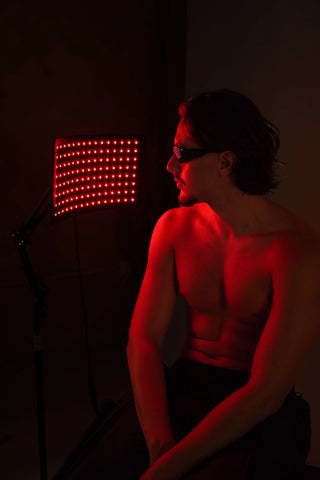
- Red light therapy can promote relaxation, muscle recovery and sleep quality when used on other areas of the body, as part of a rest routine.
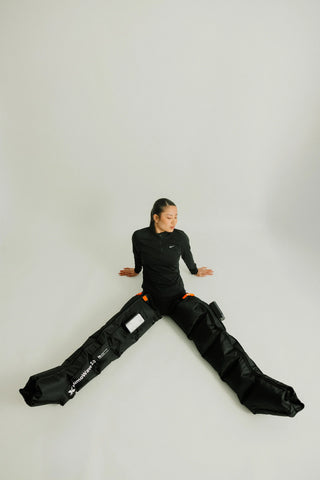
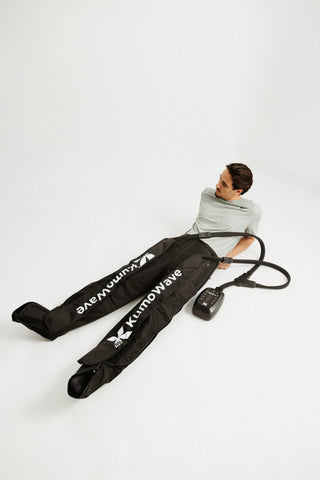
- Pressotherapy helps activate circulation and relieve the feeling of heavy legs, very useful if you spend many hours standing or train intensely; you can explore these solutions in the pressotherapy section.
- Accessories such as a massage gun to relieve muscle tension, like the KUMOPulse Air , can be part of a broader physical recovery strategy.
Skin responds better when the body is in balance: good sleep hygiene, proper muscle recovery, and stress management are reflected in fewer breakouts for many people.
Frequently asked questions about the LED facial mask for acne
How long does it take to see the effect of an LED facial mask on acne?
Most studies on LED light therapy for acne show results after 4–8 weeks of regular use . This doesn't mean you won't notice anything sooner, but clear improvements in the number and size of blemishes usually take time. With a face mask at home, it's typical to use it several times a week for at least a month before drawing conclusions. Furthermore, many patients continue to see improvement even weeks after completing the course of sessions. The key is consistency and combining the light therapy with a proper skincare routine.
Does the LED facial mask replace topical acne treatments?
In general, LED masks are not recommended as a complete replacement for proven topical treatments (retinoids, benzoyl peroxide, salicylic acid, etc.), especially for moderate or persistent acne. Scientific evidence and dermatological guidelines consider them a complementary therapy , useful for enhancing results or reducing the need for other, more aggressive treatments, but not a universal replacement. The most sensible approach is to integrate them into a comprehensive, individualized treatment plan , developed in conjunction with your dermatologist, adjusting the concentrations and frequency of the products you are already using.
Is an LED facial mask safe if I have sensitive skin or rosacea?
Many people with sensitive skin tolerate LED light well, but there are nuances. Low-intensity blue and red light is generally less irritating than lasers or other more aggressive procedures. However, in cases of active rosacea, dermatitis, or highly reactive skin , even mild stimulation may worsen redness or a burning sensation. Ideally, start with short, less frequent sessions , observe your skin's response, and if you experience any flare-ups or persistent discomfort, discontinue use and consult a dermatologist before continuing.
Can I use the LED mask every day to treat acne?
Although some masks are suitable for daily use, established protocols and recommendations from many dermatologists suggest 3–5 sessions per week as a reasonable frequency to balance effectiveness and tolerance. Using them more often doesn't always lead to better results and could increase irritation in sensitive skin. Respect the timing and breaks indicated by the manufacturer, and if your skin becomes excessively red or dry, reduce the frequency. Remember that acne improvement depends more on consistent use over the medium term than on short bursts of light therapy.
So what now?
If you're considering incorporating an LED facial mask for acne into your routine, the next step is to define a realistic plan that aligns with your skin and wellness goals. At kumobalance.com, you can discover how KUMO combines aesthetics, technology, and performance with LED light therapy , compression therapy, and percussive massage solutions for comprehensive recovery. If you have specific questions about which type of device is best for you or how to integrate it into your lifestyle, don't hesitate to contact them through the contact page for more personalized guidance.

Facial red light
KumoSkin Mask – LED Facial Mask
★★★★★ 4,8/5 · rated by verified customers
- 250 LEDs in flexible medical silicone
- Red light to boost collagen and glow
- 4 lights: red, infrared, blue and yellow
€299,00€429,00· pay in installments with seQura or Klarna