
Starting pressotherapy at home is a great idea… if you know how to do it.
More and more people are buying compression boots for home use, but many make mistakes that reduce the benefits and can even be dangerous, especially if they have circulatory, heart, or lymphatic problems. This guide will show you the most common mistakes when using home compression therapy and how to avoid them , with clear guidelines for using it safely, effectively, and in line with your recovery and wellness goals.
Pressotherapy at home
End the day with light legs
★★★★★ 4,8/5 · rated by verified customers
KumoWave pressotherapy boosts circulation and helps drain fluid with sequential compression, in 20-minute sessions at home.
- Boosts circulation and helps drain fluid
- Chamber-based compression, adjustable to you
- Sequential compression that mimics manual drainage
€799,00€999,00
−10% on your 1st order when you subscribe to the newsletter

What exactly is home pressotherapy?
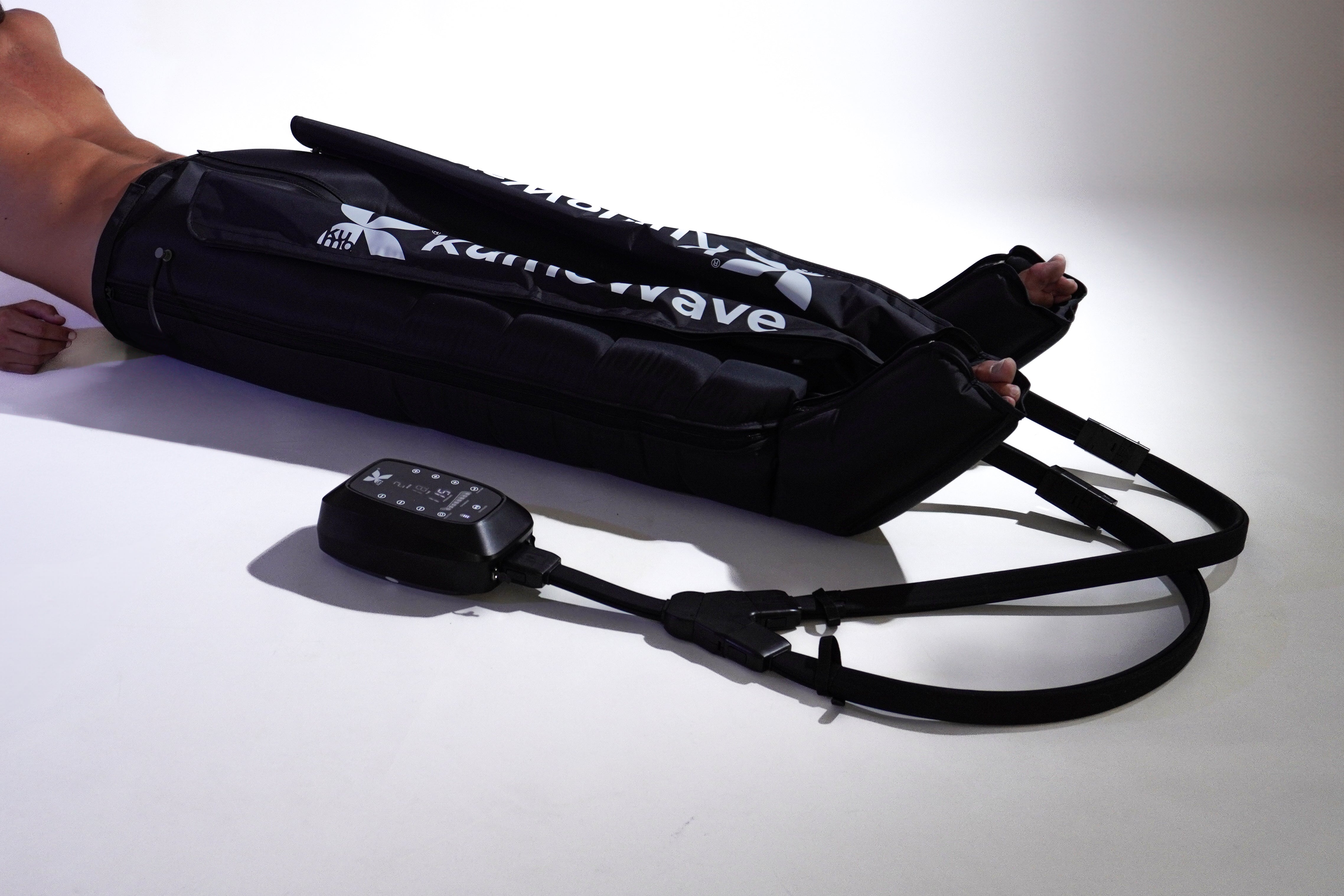
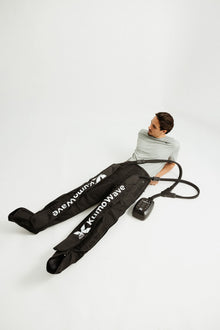
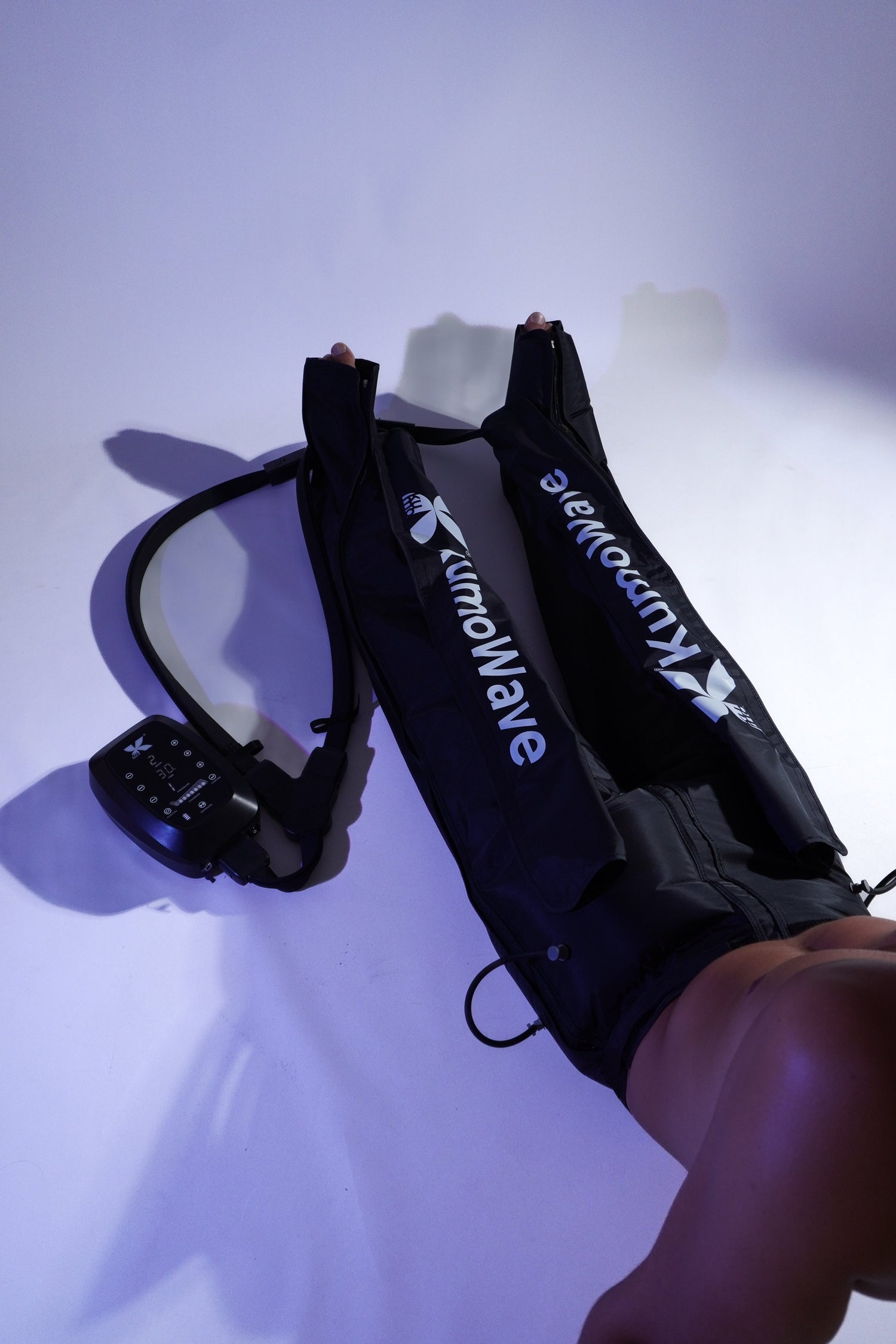
Pressotherapy is an intermittent pneumatic compression therapy : boots or sleeves are inflated and deflated sequentially, exerting controlled pressure on the legs (and sometimes the abdomen or arms). This helps to promote venous and lymphatic return, reduce edema, and relieve the feeling of tired legs . ( sanitas.es )
Home-use devices are inspired by clinical technology, but are designed to allow you to integrate recovery into your daily routine : after work, after training, or at the end of the day. The key is not just the device, but how you use it : intensity, duration, posture, and, above all, respecting any contraindications.
Personalized protocol · included with your purchase
Want us to tell you how to use it in your case?
With your purchase, our experts prepare a personalized usage protocol for your case: sport, circulation, fluid retention, pregnancy or lipedema.
Message us on WhatsAppOur experts reply · no obligation
If you're interested in incorporating this tool into your routine, you can discover the home compression boots within the KUMO recovery ecosystem.
Most common mistakes when using pressotherapy at home
1. Using pressotherapy without assessing your vascular or cardiac health
One of the most serious mistakes is starting on your own without reviewing your medical history . Compression therapy is safe for many people, but not for everyone. Medical compression guidelines recommend evaluating arterial and venous circulation before starting any compression therapy , especially if there is leg pain, a history of thrombosis, or arterial disease. ( pubmed.ncbi.nlm.nih.gov )
Before we begin:
on your first order when you join the newsletter
We send you the code instantly. No spam.
- Discuss the idea with your GP, angiologist, or physiotherapist .
- Please inform us if you have had thrombosis, heart failure, kidney problems, active cancer, or recent leg surgery . ( sanitas.es )
- Don't minimize symptoms like sudden swelling of a leg, intense localized pain, or difficulty breathing: they are reasons for urgent consultation , not for putting on your boots.
2. Ignoring contraindications and warning signs
Another common mistake is thinking that, because it's non-invasive, "pressotherapy is good for everything." However, there are situations in which it's not recommended or can only be used under close supervision :
- Deep vein thrombosis (DVT) or suspected blood clots
- Decompensated heart failure
- Moderate or severe peripheral arterial disease
- Active skin infections, unprotected open wounds
- Cancer under active treatment, oncological processes not yet assessed
- Pregnancy , especially if it is high-risk (always consult a doctor first). ( sanitas.es )
If during the session you notice sharp pain, intense tingling, paleness or bluish discoloration of the foot, dizziness or shortness of breath , stop the equipment immediately and consult a healthcare professional.
3. Choosing the wrong size or putting the boots on incorrectly.
Size and fit are critical. A very common mistake is using boots that are too small or too large , which creates creases, constricts certain areas, or leaves gaps without pressure.
This can be translated into:
- Deep marks or discomfort in the groin, knees, or ankles
- Uneven compression (overcompressed areas and others with no effect)
- Higher risk of irritation or even localized circulatory problems
To do it right:
- Measure the circumference of your ankle, calf, and thigh , and compare it to the manufacturer's size guide.
- Make sure the boots don't form significant creases when you close them.
- First close the foot and ankle area and then go up, without squeezing too tightly.
4. Thinking that “the more pressure and more time, the better”
This is perhaps the most common mistake people make at home. They tend to raise the pressure to the maximum and string together long sessions to "speed up results." However, evidence indicates that moderate and well-adjusted pressures are sufficient to improve venous and lymphatic return , while excessive pressure can cause discomfort, numbness, or even compromise circulation in sensitive individuals. ( pubmed.ncbi.nlm.nih.gov )
Be guided by these principles:
- Always start with low or medium pressures and gradually increase them if it is comfortable.
- Prioritize moderate-length , consistent sessions over time instead of sporadic marathons.
- If a pressure causes pain, burning, or numbness, it is too high for you.
In pressotherapy, more pressure does not mean better results , but rather more risk.
5. Using an inappropriate posture or environment
Doing pressotherapy at home isn't just about lying on the sofa any old way. Poor posture reduces the benefits and can make the experience uncomfortable.
- Sitting with your legs bent too far or crossed limits drainage.
- Putting only your heels on a hard surface can cause discomfort.
- Conducting sessions in very hot environments increases discomfort.
Basic recommendations:
- Lie down or semi-reclined , with your legs slightly elevated (for example, on a cushion).
- Make sure your lower back is supported and relaxed.
- Keep water and the equipment's controls handy so you can stop or adjust without getting up.
6. Using pressotherapy as a "shortcut" and neglecting movement
Another misconception: believing that pressotherapy replaces physical activity, proper hydration, and healthy habits . Pneumatic compression is a helpful tool, but it cannot compensate for a completely sedentary lifestyle.
To truly experience its benefits, combine it with:
- Daily walks or exercise adapted to your condition
- Gentle stretching, especially if you spend many hours sitting down
- Adequate hydration and, if your doctor approves, weight management strategies
Home pressotherapy is much more effective when integrated into a comprehensive approach to health and performance .
7. Neglecting the skin and hygiene of the equipment
Applying compression to damaged or poorly cared-for skin is another common mistake. Furthermore, intensive use without cleaning the equipment can cause irritation.
Pay attention to these points:
- Do not apply pressotherapy to unprotected open wounds, active eczema, or skin infections . ( sanitas.es )
- Check your skin before and after the session: if you see persistent redness, blisters or localized pain, stop and consult a doctor.
- Clean the inside of your boots following the manufacturer's instructions, especially if you use them after training and sweat more.
Table: Common mistakes with home pressotherapy and how to fix them
| Common mistake | Potential risk | How to do it right |
|---|---|---|
| Using pressotherapy without medical supervision | Worsening hidden venous, cardiac, or lymphatic problems | Consult a doctor/physiotherapist if there is a pre-existing condition or atypical symptoms. |
| Ignoring clear contraindications | Serious complications (DVT, decompensated heart failure, infections…) | Check if you fall into any risk group and follow the recommendations |
| Wrong size or poorly fitted boots | Discomfort, marks, uneven compression | Measure circumferences, choose the right size and avoid folds or "constrictions" |
| Very high pressures and excessive sessions | Pain, numbness, poor tolerance | Start with moderate pressure and reasonable times, increase only if it is comfortable |
| Poor posture during the session | Reduced efficiency, lower back or hip discomfort | Lying down or semi-reclined, legs slightly raised and well supported |
| Use it as a substitute for exercise and good habits. | Limited results, frustration | Combine with physical activity, hydration, and overall recovery routines |
| Do not check the skin or clean the equipment | Irritations, local infections | Inspect the leather before/after and regularly clean the boots and accessories |
How to use pressotherapy at home safely and effectively
Safety checklist before starting
Before your first at-home session, check:
-
Health approval
- Have you been diagnosed with venous, cardiac, renal, or oncological disease? Talk to your doctor first. ( sanitas.es ) -
Current symptoms
- Severe leg pain, sudden swelling, difficulty breathing? Don't start: see a professional. -
Skin condition
- Check that there are no open, uncovered wounds, infections, or active rashes in the area to be treated. -
Equipment and environment
- Read the manual, check that the hoses and zippers are properly connected.
- Make sure you have a quiet place where you can remain still and relaxed during the session.
How to structure a typical session at home
The exact parameters depend on the device and your situation, but as a general guide:
- Gentle warm-up : a short walk around the house or ankle movements before the session.
- Careful placement : insert legs all the way in, adjust zippers from the foot upwards.
- Program selection : Start with a basic/sequential program recommended by the manufacturer for general use. ( centroclinicoomt.es )
- Intensity : Set a moderate pressure; you should feel firm but not painful compression.
- Duration : Follow the recommendations in the manual; a moderate and regular duration is preferable to an occasional excessive session.
During the session, pay attention to your body: if something doesn't feel right, lower the pressure or stop the session.
After the session: what to do and what to avoid
A good "start-up phase" improves the experience:
- Stand up slowly, especially if you are prone to low blood pressure or dizziness when standing up .
- Drink some water, especially if you have exercised before.
- Observe your legs: a slight feeling of lightness or warmth is normal, but persistent pain or strange color changes are not .
Avoid:
- Very intense training immediately afterwards if you're not used to it.
- Falling asleep with your boots on or prolonging the session much longer "because you got comfortable".
- Sharing boots with other people without sanitizing them between uses.
Home pressotherapy and other recovery methods
Pressotherapy does not work in isolation: it is part of a recovery ecosystem that may include light, massage, and movement. For example:
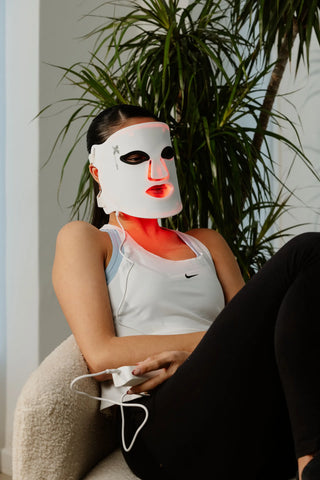
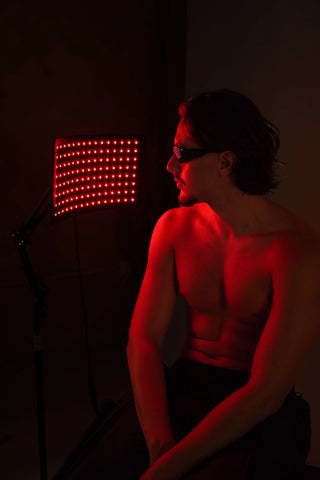
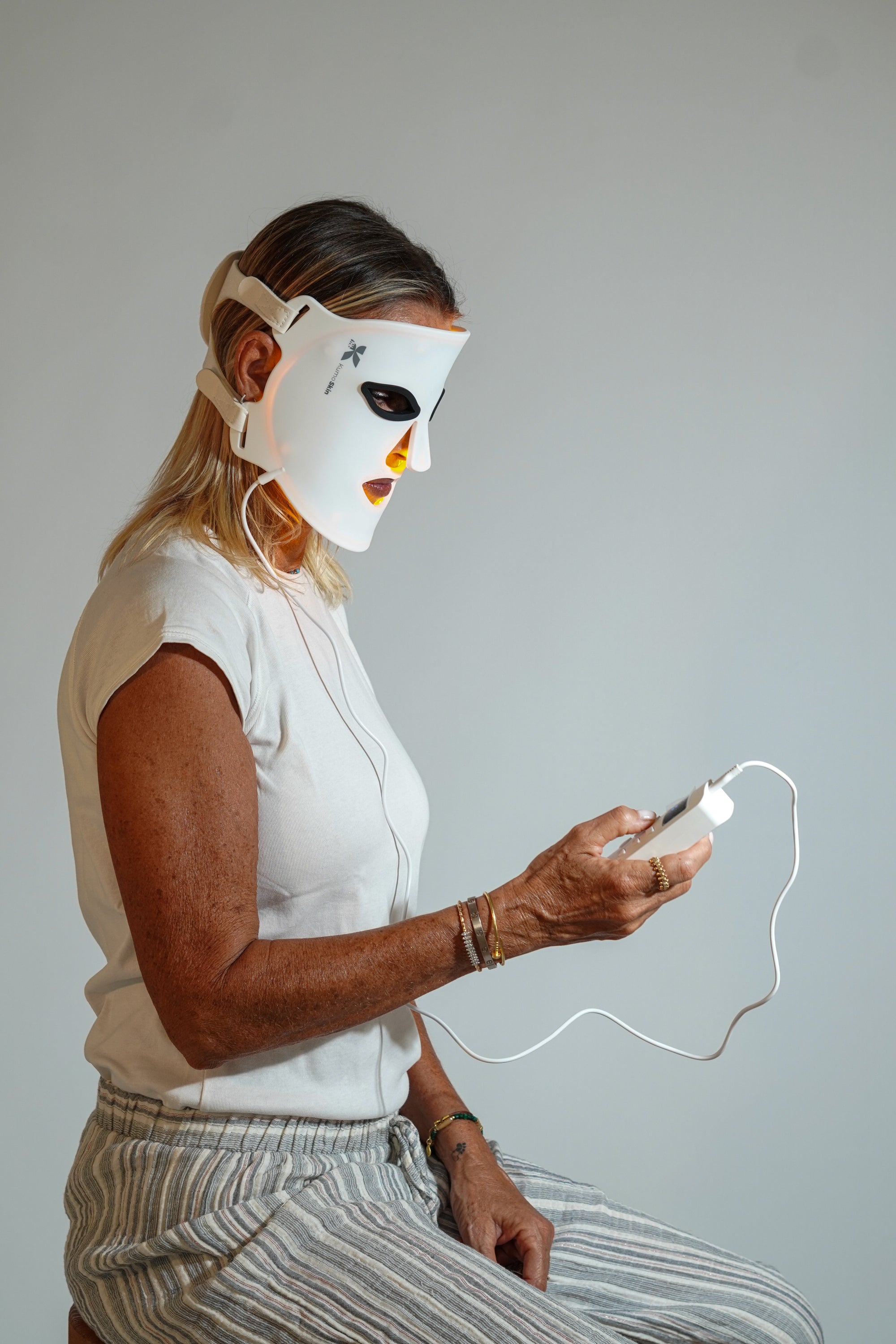
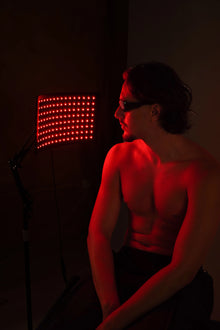
- Red and near-infrared LED light therapy is being studied for its potential to promote tissue regeneration and modulate inflammation, making it an interesting tool for muscle recovery and overall well-being. ( clinicasuarez.es ) You can explore it in the LED light therapy section.
- Massage guns help relax muscles, improve mobility, and reduce stiffness after training. Combine pneumatic compression with a device like the KUMOPULSE Air for a more complete recovery.
By combining compression, massage, light, and good rest habits , you turn recovery into a genuine performance routine, not just an occasional "extra."
Frequently asked questions about home pressotherapy
How many times a week can I do pressotherapy at home?
The ideal frequency depends on your goal, your health status, and individual tolerance. For healthy individuals seeking relief from tired legs or to aid recovery after exercise, several sessions per week are generally reasonable, always following the manufacturer's instructions and those of your healthcare professional. In cases of venous, lymphatic, or cardiac conditions, the regimen should be determined by a doctor or physiotherapist. If you notice that a particular frequency causes heaviness, pain, or unusual fatigue, reduce the number of sessions and consult your doctor.
Is it safe to use pressotherapy at home if I have varicose veins or poor circulation?
Varicose veins and mild venous insufficiency are common indications for pressotherapy in clinical settings, but not all situations are the same . With advanced varicose veins, a history of thrombosis, venous ulcers, or intense pain, a prior medical evaluation is essential to rule out contraindications and adjust parameters. ( sanitas.es ) If your specialist authorizes home use, adhere to the correct size and recommended pressure, and discontinue the session if you experience sharp pain, intense localized heat, or sudden swelling.
Can I use pressotherapy at home during pregnancy?
Pregnancy is a time when many women experience fluid retention and swollen legs , but pressotherapy is not a trivial decision. Some guidelines recommend caution, as circulation and the risk of thrombosis change during pregnancy. ( sanitas.es ) The wisest course of action is not to start pressotherapy on your own : discuss it first with your gynecologist and, if they approve, use gentle pressure , avoid the abdomen, and attend all scheduled appointments. If it is a high-risk pregnancy or you have a history of thrombosis, the recommendation is usually to avoid it unless very specifically indicated.
What does it feel like during a pressotherapy session at home?
You'll typically feel a progressive compression that moves from your foot up to your thigh, followed by phases of deflation and relaxation. Many people describe the experience as a "deep massage" or a firm, rhythmic hug for your legs . You shouldn't feel sharp pain, burning, or intense tingling; if you do, it's a sign that the pressure is too high or the size isn't right. After the session, it's common to feel lightness and a pleasant warmth in your legs. If you feel heaviness or discomfort, check the settings and your posture.
Is home pressotherapy effective for sports recovery?
Yes, compression therapy is increasingly used in sports to accelerate recovery between workouts , reduce fatigue, and promote the elimination of metabolites after exertion. Studies on intermittent compression indicate improvements in drainage and the subjective perception of recovery, especially when combined with hydration, adequate rest, and optimal nutrition. ( pubmed.ncbi.nlm.nih.gov ) At home, integrate it as another tool within your recovery plan: for example, after the most demanding sessions or on days with heavy leg work.
So what now?
If you want to safely incorporate pressotherapy into your home routine and make recovery a habit, the next step is choosing quality equipment and using it responsibly. At KUMO, you'll find a selection of pressotherapy boots , LED light therapy solutions, and tools like the KUMOPULSE Air to create your own wellness ritual. And if you have any questions about which option is best for you, you can contact us through our contact page for personalized guidance (this is not a substitute for medical advice).
KumoWave pressotherapy
Choose your at-home pressotherapy
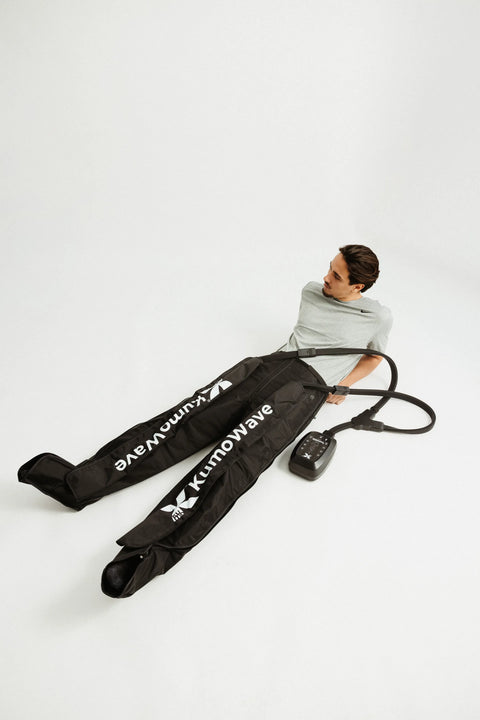
KumoWave Elite – Pressotherapy Pants
Full-coverage trousers. Ideal for lipedema, fluid retention and intensive use.
€799,00 €999,00
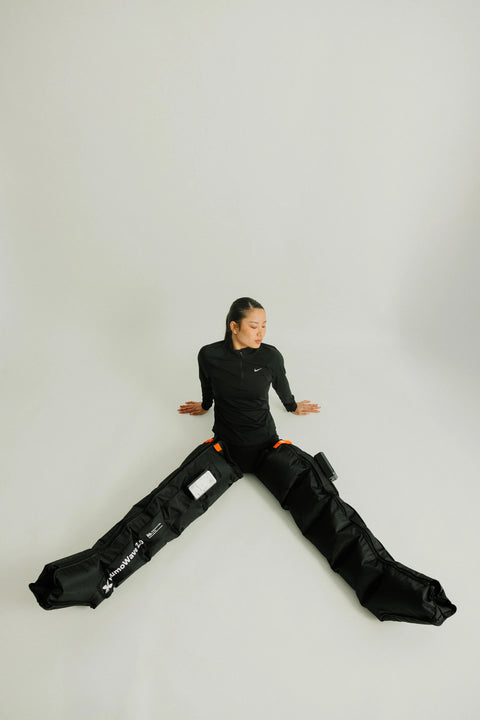
KumoWave 2.0 - Wireless Pressotherapy
Wireless, lightweight boots. Perfect for daily use and recovery.
€499,00 €599,00