
Pressotherapy at home can be a great ally, but it's not for everyone.
In this article you will discover contraindications, real risks and when you should NOT use it , in order to enjoy its benefits safely.
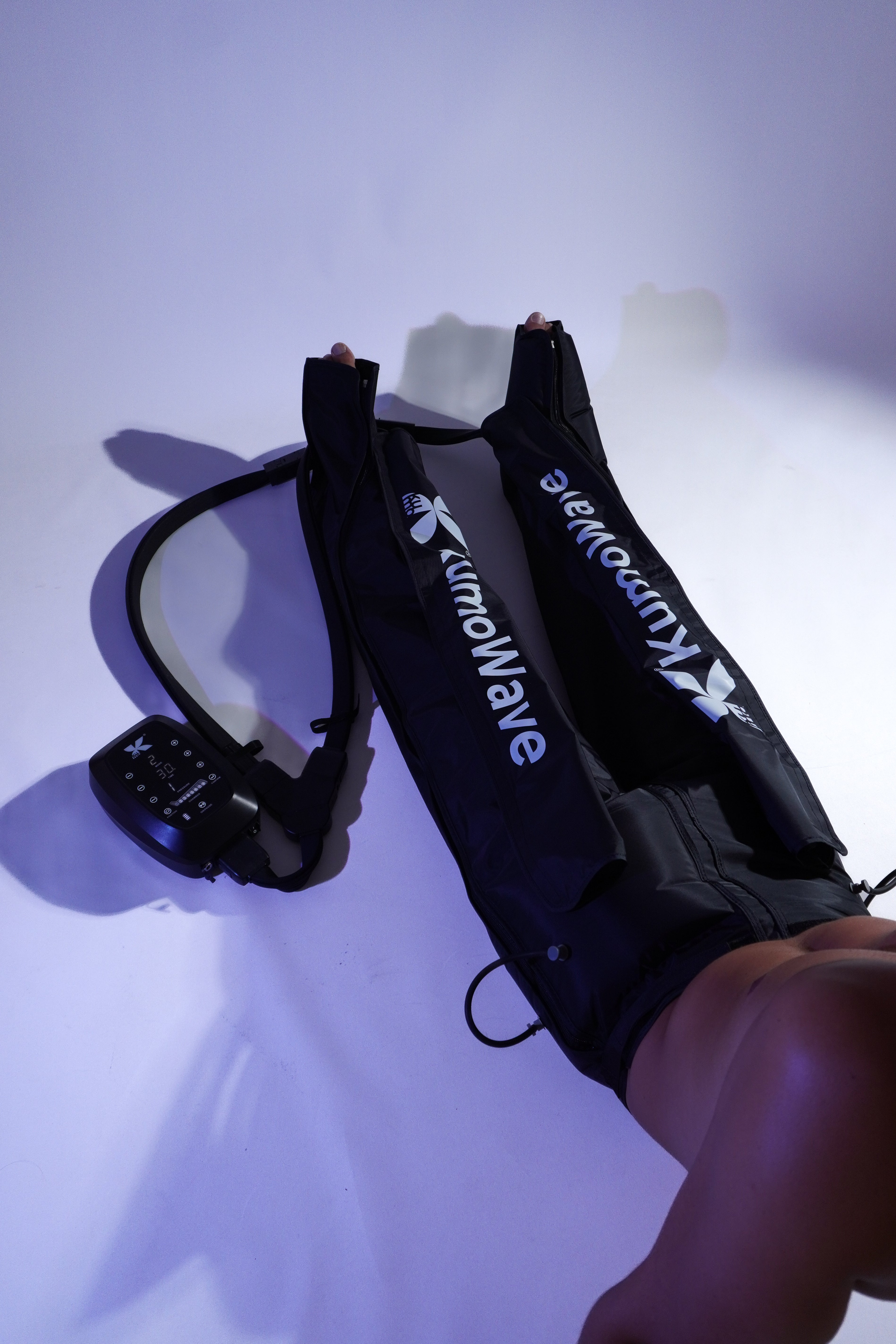
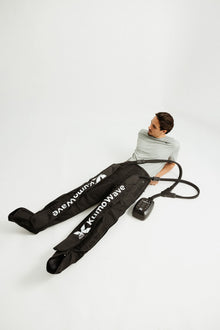
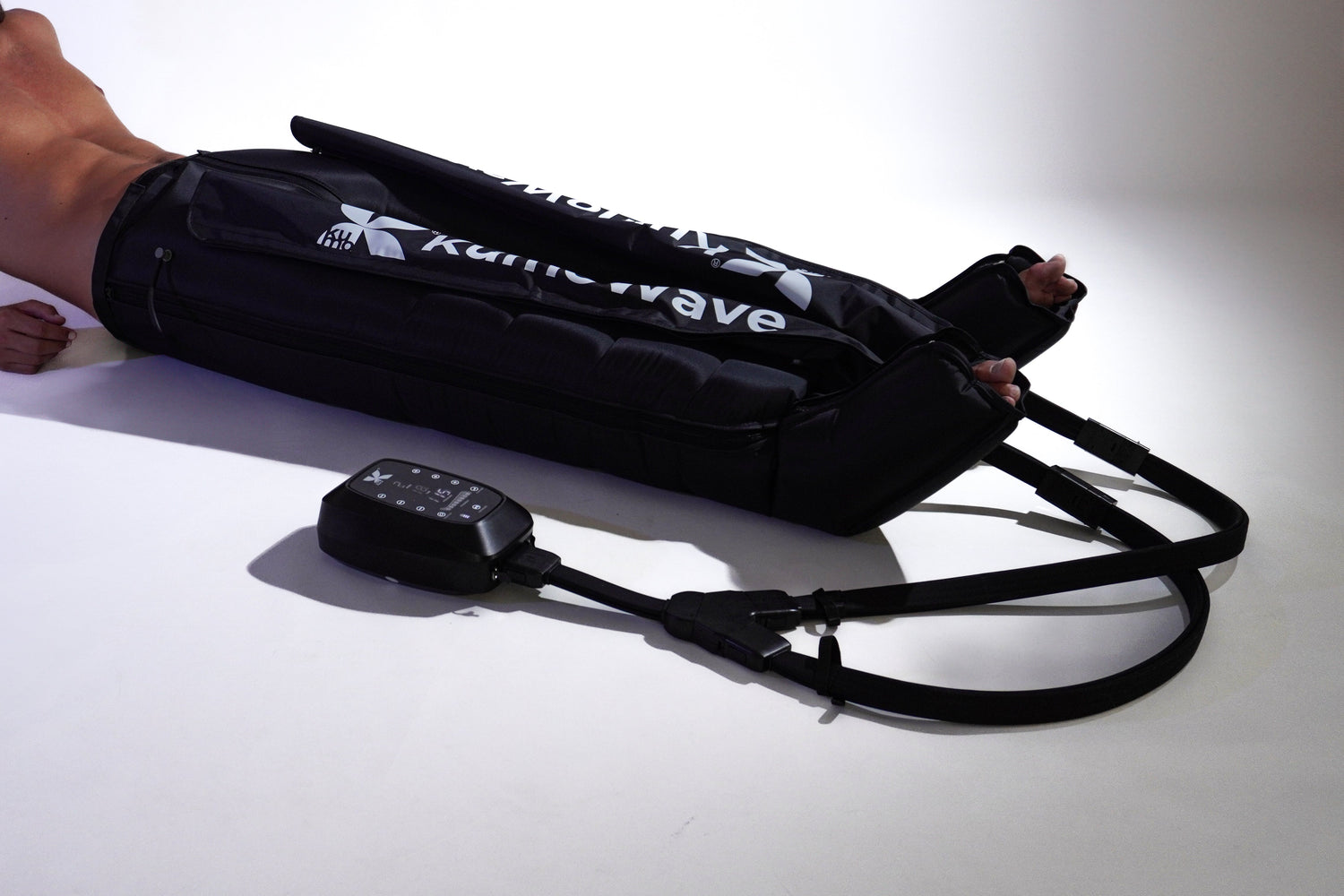
Pressotherapy is a pneumatic compression technique that stimulates venous and lymphatic return using boots or sleeves that inflate and deflate sequentially. Today, it's possible to use it at home thanks to quality domestic equipment, such as compression boots for legs . However, although it may seem like a harmless "massage," it does involve pressure on blood vessels and tissues, so it's essential to know who can use it and who should avoid it .
Pressotherapy at home
End the day with light legs
★★★★★ 4,8/5 · rated by verified customers
KumoWave pressotherapy boosts circulation and helps drain fluid with sequential compression, in 20-minute sessions at home.
- Boosts circulation and helps drain fluid
- Chamber-based compression, adjustable to you
- Sequential compression that mimics manual drainage
€799,00€999,00
−10% on your 1st order when you subscribe to the newsletter

What exactly is home pressotherapy?
Home compression therapy involves using an intermittent pneumatic compression device outside of a clinical setting, typically in the living room or after training. Its main objective is:
- Promote venous and lymphatic circulation .
- Reduce the feeling of tired and heavy legs .
- Contribute to muscle recovery after exertion.
- Helps reduce mild swelling associated with fluid retention.
Modern home massage devices allow users to adjust pressure, duration, and massage modes , bringing a technology popular in physiotherapy and sports medicine to personal use. However, transferring a clinical technique to the home requires added responsibility and medical knowledge .
Personalized protocol · included with your purchase
Want us to tell you how to use it in your case?
With your purchase, our experts prepare a personalized usage protocol for your case: sport, circulation, fluid retention, pregnancy or lipedema.
Message us on WhatsAppOur experts reply · no obligation
Potential benefits: why so many people use it
Before discussing the risks, it's important to understand why pressotherapy has become so popular.
Effects on circulation and heavy legs
Sequential compression helps to "push" venous blood and lymph from the extremities back to the trunk. This can:
- Relieve heaviness, mild edema and tingling in the legs.
- Improve the feeling of rest after many hours of standing or sitting.
- Complement measures such as elevating the legs, moving more, and wearing compression stockings when indicated by the doctor.
It does not replace medical treatment for varicose veins, venous insufficiency or other pathologies, but it can be a symptomatic support in people without contraindications, always under professional advice.
on your first order when you join the newsletter
We send you the code instantly. No spam.
Muscle recovery and athletic performance
In the field of sports and recovery, compression boots are used for:
- Accelerate the feeling of recovery after training .
- Reduce muscle stiffness after intense sessions.
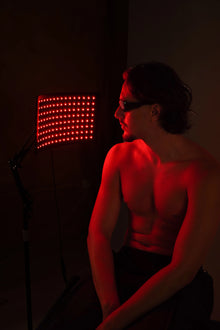
- Integrate with other recovery tools such as red light therapy or percussive massage guns .
If you're interested in a holistic approach to recovery, you can explore compression technology and other recovery devices in Kumo's compression therapy collection and LED light therapy .
Absolute contraindications: when you should NOT use pressotherapy at home
There are situations in which pressotherapy should not be used except under very specific medical indication and supervision. If you recognize yourself in any of these points, consult your doctor before considering any device.
1. Severe cardiovascular diseases
In general, pressotherapy is contraindicated in:
- Moderate or severe congestive heart failure .
- Decompensated heart disease or unstable coronary artery disease.
- Recent episodes of myocardial infarction or cardiac surgery without clear medical discharge.
In these individuals, a sudden increase in venous return can overload the heart with blood . Any technique that involves mobilizing large volumes of blood should be evaluated exclusively by a cardiologist.
2. Deep vein thrombosis (DVT) and pulmonary embolism
Deep vein thrombosis (blood clots in the deep veins of the legs) and pulmonary embolism are classic contraindications for unsupervised mechanical compression. If a thrombus is present and pressure is applied, there is a theoretical risk of dislodging the clot.
You should not use pressotherapy at home if:
- You have or have you recently had a DVT or pulmonary embolism.
- You have intense pain, redness, heat, and swelling in one leg without a diagnosis.
- Your doctor has warned you about a high risk of thrombosis without giving you the go-ahead for this type of device.
In these cases, the priority is a vascular diagnosis and the therapeutic plan indicated by your specialist.
3. Active infections and severe inflammatory processes
Applying pressure to an area with a skin or soft tissue infection (cellulitis, erysipelas, abscesses, deep wounds) can:
- Spread the infection to deeper layers.
- Worsen inflammation and pain.
- To interfere with the healing process.
It is also not recommended in acute phases of serious trauma (fractures, severe sprains, very painful bruises) without medical evaluation.
4. Active cancer in the treated area
In the presence of active tumors in the treated limb or region , mechanical compression should always be evaluated by the oncologist or medical team. Traditionally, caution has been exercised with any technique that could, in theory, promote lymphatic spread, although the evidence is complex and highly specific to each case.
If you are undergoing cancer treatment, do not use compression systems at home without first speaking to your oncologist or oncology physiotherapist.
5. Severe arterial insufficiency and ischemic ulcers
Pressotherapy is contraindicated in people with:
- Severe peripheral arterial disease (very narrowed arteries in legs/feet).
- Ischemic ulcers or wounds that do not heal due to poor arterial blood flow.
By increasing external pressure, you could further reduce the delivery of oxygenated blood to already compromised tissues.
Relative contraindications: cases that require medical supervision
There are other conditions in which pressotherapy may be considered, but only if a healthcare professional authorizes it and defines parameters .
Varicose veins and chronic venous disease
In many cases of mild or moderate venous insufficiency , the doctor may consider pneumatic compression as an adjunct, similar to the use of compression stockings. However:
- Not all types of varicose veins tolerate pressure well.
- Some complex venous malformations require specific protocols.
- Excessive or poorly adjusted pressure could cause discomfort or worsen symptoms.
Therefore, if you suffer from varicose veins, previous phlebitis, or post-thrombotic syndrome, always consult your vascular specialist before starting with a home device.
Lymphedema and lymphatic disorders
In lymphedema (primary or secondary, for example after cancer surgery), pressotherapy may be part of the treatment, but normally:
- It is used within the framework of complex decongestive therapy , along with bandages, exercise, and skin care.
- It requires very specific parameters (low-moderate pressure, limited times, specific sequences).
- It must be prescribed and supervised by a doctor and a specialized physiotherapist.
Using pressotherapy for lymphedema without evaluation or follow-up can be ineffective or even counterproductive.
Pregnancy and postpartum
During pregnancy, many women experience heavy legs and fluid retention. However, during this stage:
- The body undergoes significant circulatory changes.
- There is a higher risk of venous thrombosis.
- Certain pressure parameters may not be recommended.
Therefore:
- Pregnancy : Do not use pressotherapy at home without the express approval of your gynecologist.
- Postpartum : wait for your medical check-up (usually around 6 weeks) and ask if mechanical compression is appropriate in your case.
Real risks of home pressotherapy
When used in individuals without contraindications and with regulated equipment, pressotherapy is generally considered safe . However, potential risks exist if it is used improperly or in cases where it is not indicated.
1. Worsening of edema or appearance of new discomfort
Improperly adjusted pressure or excessive use can cause:
- Increased feeling of pressure or pain in the treated area.
- Worsening of edema in proximal regions (e.g., swelling in feet decreases, but appears in thighs or groin if drainage is not properly directed).
- Tingling or numbness due to compression of superficial nerves.
If after a session you notice increased pain, inflammation, or unusual symptoms, discontinue use and consult a professional.
2. Skin lesions and skin problems
Fragile, dehydrated, or previously injured skin is more vulnerable. Improper use can cause:
- Irritation, redness and chafing .
- Worsening of ulcers, wounds or eczema .
- Increased risk of infection if there are micro-fissures in the skin.
It is recommended:
- Do not use on open wounds or infected areas.
- Keep your skin clean and moisturized , but avoid overly oily creams just before the session (they can promote chafing).
- Adjust the boots or sleeves properly to avoid folds that exert pressure on specific areas.
3. Cardiovascular overload and general malaise
Although rare in healthy people, the following may appear in individuals with heart problems or poorly controlled blood pressure:
- Dizziness, shortness of breath, palpitations .
- Increased blood pressure or oppressive chest discomfort.
If you notice any of these symptoms:
- Stop the session immediately.
- If symptoms persist, seek urgent medical attention .
- Do not use the device again until you have a clear medical report.
4. False sense of security and delay in diagnosis
A less obvious risk is hiding or masking symptoms of an underlying illness. For example:
- Always use pressotherapy to relieve swelling without investigating whether there is venous, cardiac or renal insufficiency .
- Use it on calf pain without exploring the possibility of deep vein thrombosis .
Pressotherapy should be considered a wellness tool or a recovery support , not a solution to avoid going to the doctor.
How to safely use pressotherapy at home
If you have no contraindications and your doctor sees no problems, these tips will help you reduce risks.
Choose quality equipment with adjustable parameters
Choose devices:
- From reliable brands , with clear manuals and transparent technical data.
- That allow for regulation:
- Pressure (mmHg)
- Session duration
- Inflation modes (sequential, continuous, etc.)
- With ergonomic design and skin-safe materials.
Kumo's range of compression boots is designed precisely to optimize circulation and recovery, integrating advanced compression technology into a comfortable home format.
Adjust the pressure and duration judiciously
Some general guidelines (always adapted to the instructions of your doctor and the manufacturer):
- Start with low or moderate pressures and increase only if you feel comfortable.
- Usual duration: between 15 and 30 minutes , unless there is a different specific protocol.
- Avoid sessions that are too long or too frequent at first; observe how your body responds.
- Do not sleep with the device turned on or use it if you are drowsy.
Integrate pressotherapy into a complete recovery routine
Pneumatic compression is most effective when it is part of a holistic approach:
- Adequate hydration and a balanced diet.
- Take active breaks if you spend many hours sitting or standing.
- Physical exercise adapted to your level.
- Complementary techniques such as:
- Red light and LED for muscle recovery and skin care, available in the LED therapy collection .
- Percussive massage gun , such as KumoPulse Air , to relax specific tension points after training.
Warning signs: when to stop
Stop using and seek professional advice if:
- Intense or asymmetrical pain appears in one leg.
- You notice sudden swelling, heat, local redness .
- You suffer from dizziness, shortness of breath, chest pain , or palpitations.
- You notice new or worsening skin lesions .
When in doubt, it is best to pause and ask.
Summary table: main contraindications and precautions
Summary of contraindications and precautions for home pressotherapy
| Clinical situation | Pressotherapy at home? | Main recommendation |
|---|---|---|
| Moderate/severe heart failure | No | Avoid unless specifically indicated for cardiology |
| Deep vein thrombosis / previous embolism | Not without expert assessment | Prioritize vascular study and anticoagulation |
| Active skin infections | Not in the affected area | Treat the infection first. |
| Active cancer in the limb | Only if authorized by an oncologist | Customized protocols |
| Severe peripheral arterial disease | No | Risk of worsening ischemia |
| Varicose veins / chronic venous insufficiency | It depends on the case | Consult with angiology or vascular medicine |
| Lymphedema | Only under expert supervision | Part of structured decongestive therapy |
| Pregnancy | Only with the gynecologist's approval | Assess thrombotic and hemodynamic risks |
| fragile skin or wounds | Caution or avoid | Protect or not compress the affected area |
Home pressotherapy and combination with other recovery technologies
The future of personal care lies in integrated recovery ecosystems . Pressotherapy can be combined with:
- Red/near-infrared light to promote muscle regeneration and improve sleep quality.
- Percussive massage focused on specific muscle groups.
- Sleep hygiene habits and stress management.
Kumo specializes in combining aesthetics, technology, and performance in recovery devices, so that your skincare routine isn't an occasional luxury, but a sustainable habit in your daily life. You can discover this philosophy on the Kumo homepage .
Frequently asked questions about home pressotherapy
How many times a week is it recommended to use pressotherapy at home?
For healthy individuals with no contraindications, many home-use guides recommend starting with 2 to 3 sessions per week , always observing the body's response. As you become accustomed to it, some users progress to daily sessions, especially after intense workouts or days with heavy leg work. The key is to respect recovery times , not to excessively prolong each session (for example, 15–30 minutes), and to stop if you experience discomfort, dizziness, or increased swelling.
Can I use pressotherapy at home if I have varicose veins?
It depends on the type of varicose veins, their severity, and whether or not there is a history of thrombosis. In some cases of chronic venous insufficiency , a vascular specialist may recommend mechanical compression similar to compression stockings. However, not all varicose veins tolerate high pressures well, and certain malformations can worsen with improper use. Therefore, before using any device at home, it is very important to have an evaluation by an angiologist or vascular surgeon to determine if the technique is appropriate and under what parameters.
Is pressotherapy safe at home after intense exercise?
In the absence of medical contraindications, pressotherapy is frequently used as a post-workout recovery tool, helping to relieve the feeling of heaviness and muscle stiffness. Ideally, wait until your heart rate and body temperature have returned to normal after exercise, and begin with moderate pressure and controlled session times. Combining it with adequate hydration, gentle stretching, and, if desired, devices such as a percussive massage gun can enhance the overall feeling of recovery and well-being.
Can I use pressotherapy at home if I spend many hours sitting down for work?
Yes, many people who work sitting or standing for long periods find relief in pneumatic compression, as it helps combat mild swelling and heaviness in the legs . However, it's important not to see it as a substitute for basic measures: taking active breaks , moving around regularly, elevating your legs, and staying properly hydrated. If you have cardiovascular risk factors, a history of thrombosis, or significant varicose veins, consult your doctor before incorporating this technology into your routine.
What is the difference between pressotherapy at home and that performed in a clinic?
In a clinic, pressotherapy is usually integrated into a therapeutic or recovery plan supervised by physiotherapists or doctors, who adjust parameters based on your medical history and goals (lymphedema, sports recovery, venous disease, etc.). At home, although high-quality equipment can be very advanced, this direct supervision is lacking, so the responsibility falls on you to be aware of contraindications, adjust the pressure, and monitor symptoms . That's why it's crucial to invest in reliable devices, follow the manufacturer's instructions, and consult with healthcare professionals if you have any questions.
So what now?
If, after learning about contraindications and risks, you find that pressotherapy is right for you, the next step is to intelligently integrate it into your wellness and performance routine. At Kumo, you'll find pressotherapy boots , LED therapy devices, and tools like KumoPulse Air, designed for advanced recovery at home. And if you still have specific questions, you can contact the team through the contact page or discover the brand's full philosophy on the Kumo website .
KumoWave pressotherapy
Choose your at-home pressotherapy
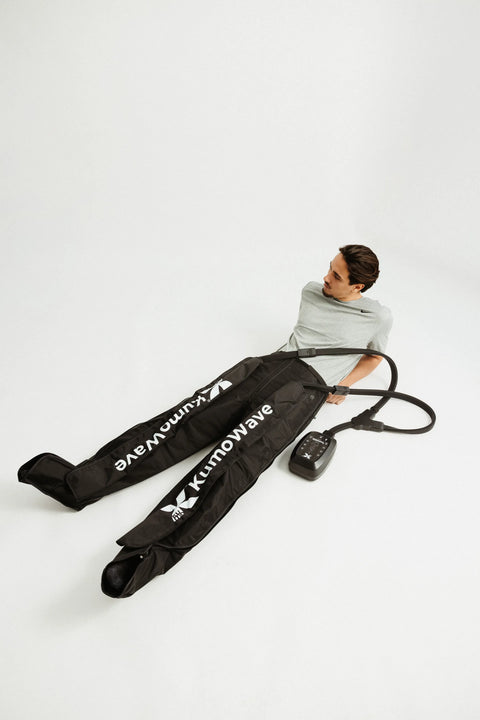
KumoWave Elite – Pressotherapy Pants
Full-coverage trousers. Ideal for lipedema, fluid retention and intensive use.
€799,00 €999,00
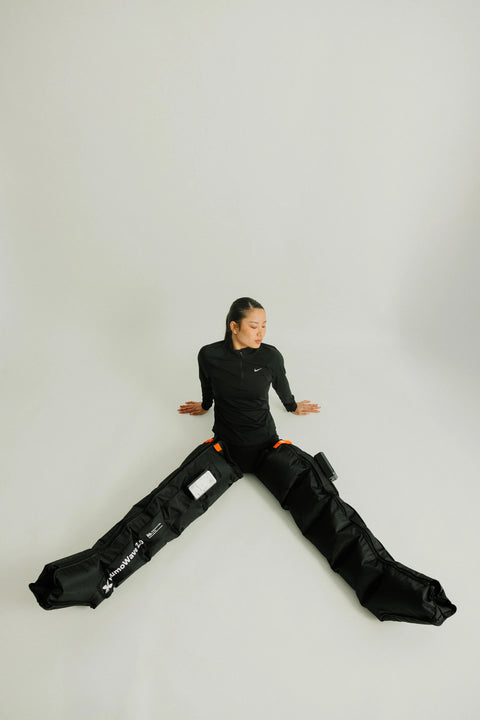
KumoWave 2.0 - Wireless Pressotherapy
Wireless, lightweight boots. Perfect for daily use and recovery.
€499,00 €599,00