Red light therapy is no longer science fiction.
Today, red light therapy is used in dermatology, physiotherapy, and wellness to improve skin, support muscle recovery, and modulate inflammation through controlled exposure to red and near-infrared LED light. This article will explain exactly what red light therapy is, how it works at a cellular level, the benefits supported by scientific evidence, how to use it safely at home, and what to look for when choosing a device.
Red & infrared light
Recover faster, at home
★★★★★ 4,8/5 · rated by verified customers
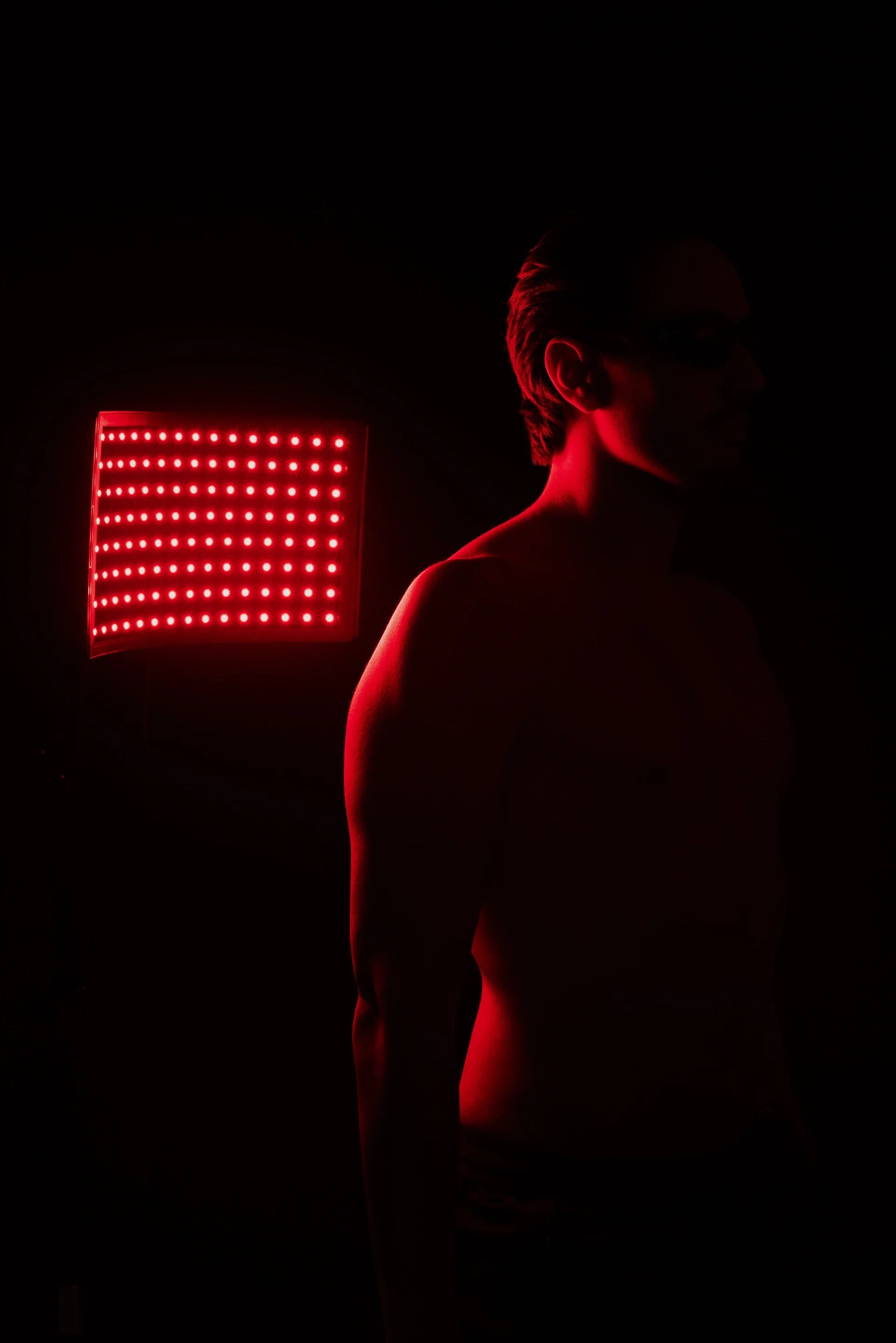
The KumoLux panel supports muscle recovery with full-body red and infrared light.
- 660 nm red + 850 nm infrared light
- Full-body muscle recovery
- Clinically validated biohacking protocols
€399,00€499,00
−10% on your 1st order when you subscribe to the newsletter

At KUMO we integrate this technology into recovery solutions designed to make daily care a habit, but let's start with the scientific basis.
What is red light therapy
Red light therapy (also called photobiomodulation or low-level light therapy) involves exposing areas of the body to specific wavelengths of red light (approximately 600–700 nm) and often near-infrared light (approximately 800–900 nm). These lights do not contain UV radiation, do not tan the skin, and are applied at low intensities, well below those used in ablative medical lasers. ( pubmed.ncbi.nlm.nih.gov )
Personalized protocol · included with your purchase
Want us to tell you how to use it in your case?
With your purchase, our experts set up your red and infrared light sessions for your sport and goal.
Message us on WhatsAppOur experts reply · no obligation
The goal is not to "burn" or destroy tissue, but to stimulate biological processes of repair, regeneration, and inflammatory modulation. That's why it's referred to as "non-thermal" or low-intensity therapy.
The most common devices are:
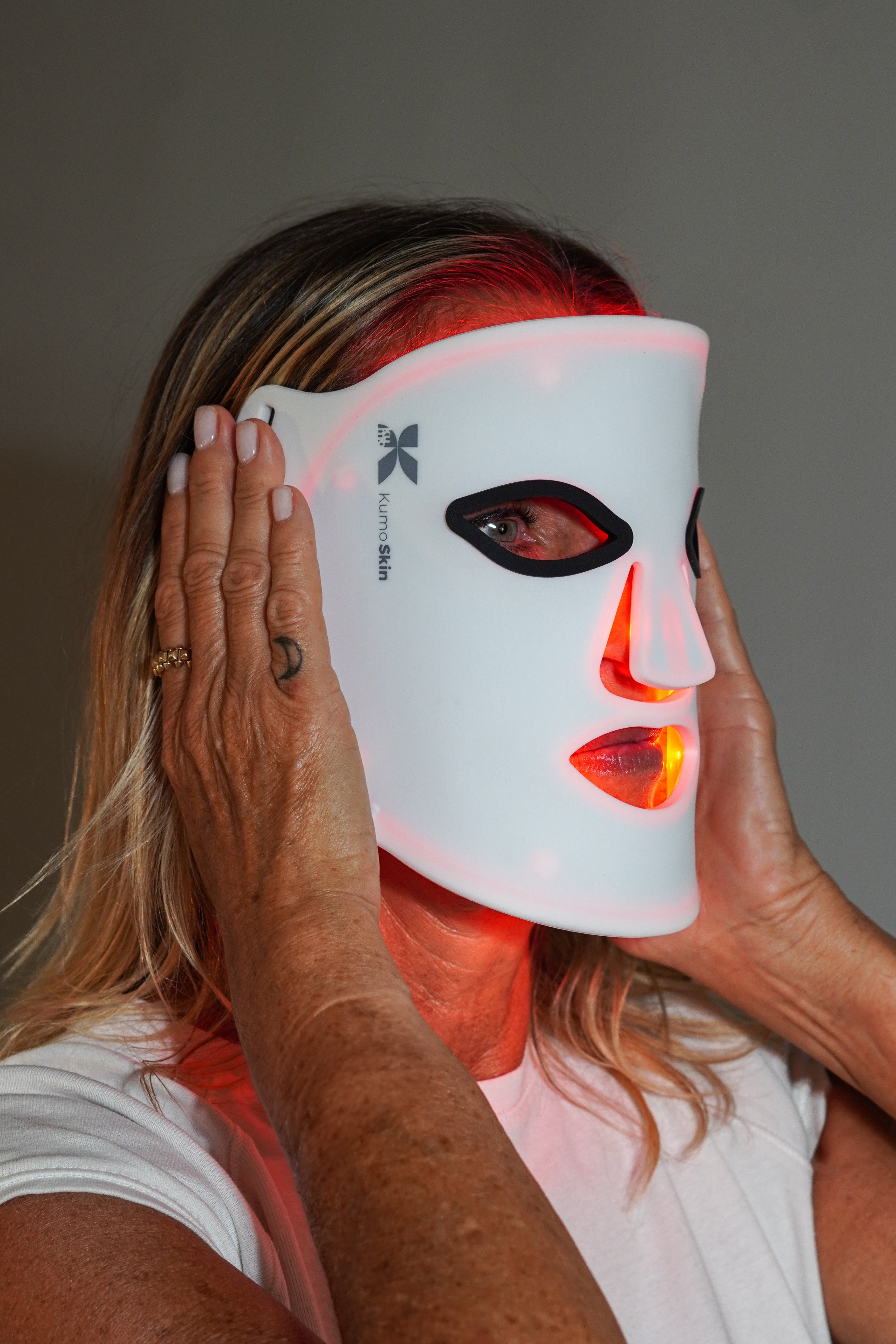
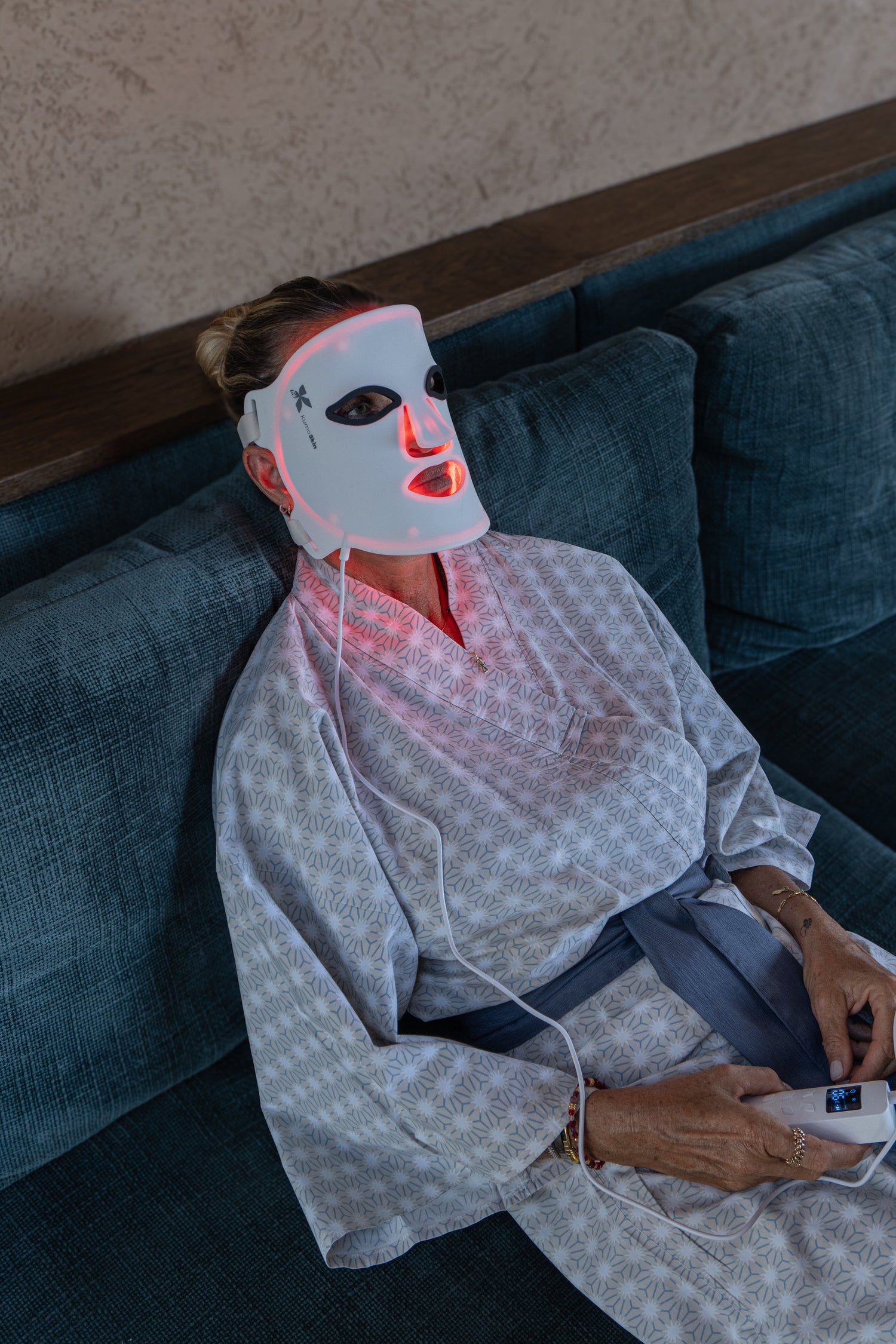
- LED facial masks for skin rejuvenation, texture and luminosity.
- Partial or full body panels or lamps for muscle recovery, pain relief, and energy. ( pubmed.ncbi.nlm.nih.gov )
- Professional equipment in clinics, with parameters adjusted by doctors or physiotherapists.
How red light therapy works at the cellular level
Wavelengths and tissue penetration
Skin and tissues absorb light differently depending on the wavelength:
on your first order when you join the newsletter
We send you the code instantly. No spam.
- Visible red (approx. 630–660 nm) : penetrates several millimeters, ideal for skin, superficial vessels, and subcutaneous tissue. ( pmc.ncbi.nlm.nih.gov )
- Near infrared (approx. 800–850 nm) : reaches deeper, into muscle, tendons, and possibly small joints. ( pmc.ncbi.nlm.nih.gov )
The red + near-infrared range (600–810 nm) is the most studied for photobiomodulation because it strikes a good balance between penetration and safety. ( pmc.ncbi.nlm.nih.gov )
Mitochondria, ATP and nitric oxide
The best-described mechanism involves the mitochondria , the cell's "powerhouses." Several reviews indicate that:
- Red light is absorbed by the enzyme cytochrome c oxidase (complex IV of the respiratory chain).
- This can displace nitric oxide (NO) which temporarily blocks the enzyme under cellular stress.
- When this blockage is released, the flow of electrons increases, the proton gradient is strengthened, and the production of ATP , the basic energy molecule, increases. ( pmc.ncbi.nlm.nih.gov )
More ATP means more energy available for processes such as tissue repair, collagen synthesis, inflammation control, and cell signaling.
Cascade of biological effects
In addition to ATP, photobiomodulation appears to:
- Modulating reactive oxygen species (ROS) in ranges that favor signaling without damaging the cell. ( pubmed.ncbi.nlm.nih.gov )
- Transiently increasing nitric oxide , which improves vasodilation and local blood flow. ( pubmed.ncbi.nlm.nih.gov )
- Activating transcription factors involved in cell proliferation, differentiation, and migration , thereby promoting tissue repair. ( pmc.ncbi.nlm.nih.gov )
The practical result is a combination of increased cellular energy and modulation of inflammation , which translates into measurable improvements in skin, muscle, and other tissues in certain protocols.
Potential benefits supported by evidence
Research on red light therapy is extensive but heterogeneous. Not all uses have the same level of evidence, and results depend heavily on parameters such as dose, frequency, and wavelength. Even so, there are areas where the literature is becoming increasingly robust.
1. Skin: wrinkles, firmness, texture and scarring
Several clinical studies show relevant effects on skin aging:
- A randomized clinical trial in 137 women (40–65 years) compared red light 660 nm and amber light 590 nm around the eye contour: after 10 sessions over 4 weeks, the volume of periorbital wrinkles decreased by about 30% with both protocols. ( pubmed.ncbi.nlm.nih.gov )
- Another study using 660 nm LEDs, applied sequentially and pulsed, found an ~31% increase in type I procollagen and an ~18% reduction in MMP-1 (a collagen-degrading enzyme) in a reconstructed human skin model; clinically, >90% of participants showed a reduction in wrinkle depth after 12 sessions. ( pubmed.ncbi.nlm.nih.gov )
- A 2023 study using a 630 nm red LED mask twice weekly for 3 months observed progressive improvements in firmness, elasticity, texture, pores, and sebum; the effects persisted for up to 1 month after treatment was discontinued, suggesting lasting structural changes. ( pubmed.ncbi.nlm.nih.gov )
Taken together, these data support the use of red light for:
- Reduce fine wrinkles and improve skin "glow".
- Promote collagen synthesis and the quality of dermal tissue.
- To accelerate repair in certain types of injuries and scars, always within a comprehensive medical approach. ( pubmed.ncbi.nlm.nih.gov )
2. Muscle recovery and physical performance
Photobiomodulation is used in sports and physiotherapy to reduce delayed onset muscle soreness (DOMS) and improve recovery between training sessions.
A 2024 systematic review of whole-body PBM identified 5 studies (105 physically active participants) that used full-body booths or panels before or after exercise. Overall, moderate improvements in performance, reduced perceived fatigue, and better recovery were observed in some protocols, although the number of trials is still small. ( pubmed.ncbi.nlm.nih.gov )
Previous reviews on local PBM with laser or LED also indicate:
- Reduction of post-exercise pain and inflammation.
- Faster recovery of strength and power after intense exertion. ( pubmed.ncbi.nlm.nih.gov )
Therefore, red light therapy can be an interesting tool for athletes and active people , especially when combined with other recovery strategies (sleep, nutrition, mobility, massage, etc.).
3. Pain and inflammation
Red light and near-infrared have been studied for years in the context of:
- Mild or moderate musculoskeletal pain.
- Sports injuries (tendinopathies, sprains).
- Recovery from burns and wounds.
For example, a recent preclinical study in a rat model of full-thickness burns showed that both 660 nm red light and 808 nm infrared light accelerated tissue repair and promoted collagen synthesis, with better results for 808 nm. ( pubmed.ncbi.nlm.nih.gov )
Although extrapolating from animal models to humans requires caution, these data support the idea that photobiomodulation can:
- Reduce edema and inflammatory markers. ( pubmed.ncbi.nlm.nih.gov )
- Promote more organized healing.
In clinical practice, it is used as supportive therapy , not as a substitute for established medical treatments.
4. Sleep, mood, and general well-being
The evidence here is more preliminary, but there are some interesting hypotheses:
- Near-infrared light appears to have a calming effect and has been used in protocols to improve mood and symptoms of seasonal affective disorder, possibly through the regulation of serotonin and circadian rhythms. ( psmd.co.uk )
- Some people report better sleep quality when applying red/infrared light in the late afternoon/evening, perhaps due to the combination of muscle relaxation and absence of blue light (which can delay melatonin).
These are areas where more robust trials are needed, but they fit well with a sleep hygiene routine that includes warm light and relaxation habits.
Table: Common uses of red light therapy and level of evidence
Summary of applications of red light therapy
| Area / objective | What are we looking for? | Current level of evidence* | Key comment |
|---|---|---|---|
| Wrinkles and facial aging | Fewer wrinkles, better texture and firmness | Controlled clinical trials in humans. ( pubmed.ncbi.nlm.nih.gov ) | Consistent results if the treatment is maintained for several weeks. |
| Muscle recovery and performance | Less fatigue and DOMS, better performance | Systematic review with few whole-body studies; more evidence in local PBM. ( pubmed.ncbi.nlm.nih.gov ) | Promising, but protocols are not yet standardized. |
| Musculoskeletal pain and inflammation | Reduce pain and edema | Moderate clinical evidence and preclinical data. ( pubmed.ncbi.nlm.nih.gov ) | It is often used as a complement to physiotherapy. |
| Wound and burn healing | Accelerate tissue repair | Strong preclinical basis; some clinical studies. ( pubmed.ncbi.nlm.nih.gov ) | Parameters should be adjusted with professional supervision. |
| Sleep, mood, well-being | Relaxation, improved mood, and rest | Preliminary and observational evidence. ( psmd.co.uk ) | Useful as part of a set of wellness habits. |
*The level of evidence is indicative and may vary as new studies are published.
Who can benefit from red light therapy?
While not a substitute for medical treatment, red light therapy may be beneficial for:
- People who want to care for and rejuvenate their skin : improve texture, luminosity, fine wrinkles or enlarged pores.
- Athletes and active people : support in recovery after intense training or competitions. ( pubmed.ncbi.nlm.nih.gov )
- Those who suffer from mild muscle or joint discomfort and are already following medical or physiotherapy recommendations.
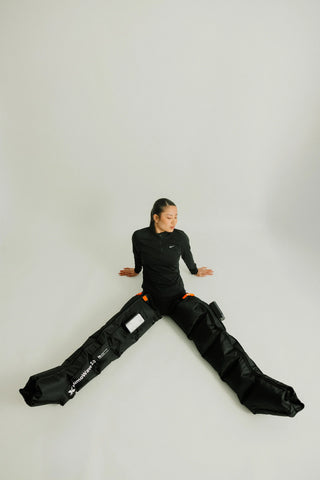
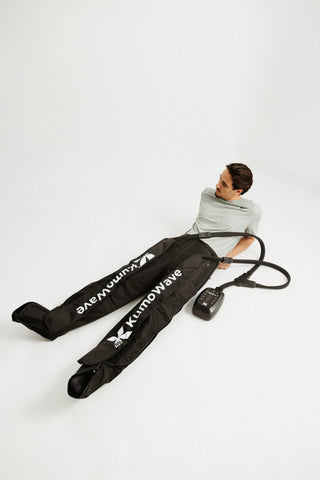
- People with tired legs, a feeling of heaviness, or fluid retention who want to implement a comprehensive recovery routine combining red light therapy with other techniques such as compression therapy and massage (provided there are no medical contraindications). ( my.clevelandclinic.org )
In these cases, red light becomes one more tool within a comprehensive approach that includes movement, rest, nutrition and, if necessary, specific health treatment.
How is a red light therapy session performed?
In the clinic vs. at home
In a clinic , the session is usually supervised by a dermatologist, physiotherapist, or other healthcare professional. They adjust:
- Wavelength(s).
- Dose (energy per cm²).
- Duration and number of sessions.
In these environments, more precise parameters and defined protocols are typically used for each indication.
At home , energy-consuming devices (masks, panels, lamps) generally operate at lower power levels and energy densities, and the user follows the manufacturer's instructions. This facilitates consistency, which is key to seeing results.
A recent medical article notes that most people who use red light therapy do so between 2 and 5 times per week, for 10–20 minutes per session , although there are no universal guidelines and it is always recommended to follow the specific instructions of the device and the referring professional. ( health.com )
Typical steps of a home session
-
Prepare the skin or area to be treated
- Clean, dry skin, without makeup or creams with chemical filters or photosensitizing agents. ( allure.com ) -
Place the device at the recommended distance
- Normally between a few and several tens of centimeters, depending on type and power. -
Protect your eyes when necessary
Especially when treating the face or using powerful panels, many experts recommend opaque glasses to reduce glare and potential risks. ( lighttherapyred.com ) -
Apply the session
- Five to twenty minutes per zone is common in home devices, without exceeding the manufacturer's instructions. ( health.com ) -
Be consistent
- Skin changes or recovery are usually observed after several weeks of continued use rather than after a single session. ( pubmed.ncbi.nlm.nih.gov )
At KUMO, LED light therapy devices are designed precisely to integrate easily into daily routines, with short and convenient sessions to maintain.
Safety, side effects and contraindications
General security profile
Low-intensity red light therapy is generally considered to be well tolerated when used within appropriate parameters.
- A 2024 systematic review of repeated red light exposure in children with myopia (more than 1,400 participants in treatment, up to 24 months of follow-up) found no permanent vision loss or irreversible structural damage ; the most frequent ocular adverse effect was a temporary afterimage that resolved within minutes. ( pubmed.ncbi.nlm.nih.gov )
- In cosmetic dermatology, experts describe LED therapy as safe for most skin types, with infrequent side effects such as redness, mild swelling, itching, or temporary dryness. ( allure.com )
Possible side effects
When they appear, they are usually mild and reversible:
- Temporary redness or a feeling of warmth in the area. ( drchristopherconnolly.com )
- Itching, dryness, or slight irritation on sensitive skin. ( allure.com )
- Headache or mild fatigue in some people at the beginning. ( erythroslight.com )
- Eye discomfort or afterimages if you look directly at the light source without protection. ( lighttherapyred.com )
In cases of improper use (excessive proximity, very prolonged times, overly powerful or uncertified devices), burns or hyperpigmentation have been described, especially in highly pigmented skin or skin with pre-existing conditions. ( health.com )
Common precautions and contraindications
Before starting, it is advisable to consult a healthcare professional if:
- Are you pregnant or breastfeeding ? ( my.clevelandclinic.org )
- Do you have a history of skin cancer or suspicious lesions? ( my.clevelandclinic.org )
- You suffer from diseases that increase photosensitivity (porphyrias, lupus, etc.). ( my.clevelandclinic.org )
- You are taking photosensitizing medication (some antibiotics, oral retinoids, certain antidepressants, etc.). ( allure.com )
- Do you suffer from migraines or neurological disorders triggered by intense light?
In all these cases, it is essential that the use of red light be part of an informed medical decision .
How to choose a quality red light therapy device
Without going into comparisons or prices, there are several basic criteria for evaluating a good photobiomodulation device:
-
Suitable wavelengths
- For skin and facial rejuvenation, the literature focuses mainly on ranges close to 630–660 nm , with positive results in wrinkles and skin quality. ( pubmed.ncbi.nlm.nih.gov )
- For deeper tissues, it is interesting that it also includes near-infrared around 800–850 nm. ( pmc.ncbi.nlm.nih.gov ) -
Clear information on dosage and potency
Ideally, the manufacturer should indicate power density (mW/cm²) and recommended dose (J/cm²) , with time/distance guidelines per area. ( pubmed.ncbi.nlm.nih.gov ) -
Coverage and ergonomic design
- Face masks that fit the contours well, panels that allow large areas to be treated without "dead" spots, etc. ( pubmed.ncbi.nlm.nih.gov ) -
Certifications and quality controls
- CE marking and/or corresponding registrations depending on the country, electrical and photobiological safety tests. ( en.wikipedia.org ) -
Support and warranty
- Detailed manual, after-sales service, clear warranty and replacement policy.
KUMO LED light therapy devices are designed with these criteria in mind, prioritizing safety, ease of use, and effectiveness in real skin care and recovery routines.
Integrate red light into a comprehensive recovery routine
Red light therapy gains power when integrated into a comprehensive wellness approach:
- Before or after training to support muscle recovery, along with mobility work, hydration, and sufficient sleep. ( pubmed.ncbi.nlm.nih.gov )
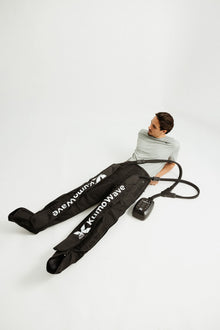
- In combination with tools that stimulate circulation and drainage, such as compression boots, which are very useful for people who spend many hours on their feet or who experience heavy legs. ( my.clevelandclinic.org )
- Adding deep mechanical stimulation, for example with massage guns , helps to release myofascial tension and improve the perception of recovery after intense exertion. ( pubmed.ncbi.nlm.nih.gov )
In a well-designed routine, red light is not "the magic solution," but an accelerator of regeneration processes that your body is already trying to initiate.
Frequently asked questions about red light therapy
How long does it take for red light therapy to show results on the skin?
It depends on the frequency of use, the specific problem, and your starting point. In clinical trials on periorbital wrinkles, significant improvements were observed after 4 weeks of treatment, with 2–3 sessions per week. ( pubmed.ncbi.nlm.nih.gov ) In studies with 630 nm LED masks, changes were progressive over 3 months and were maintained for at least 1 month after completion. ( pubmed.ncbi.nlm.nih.gov ) In practice, many people first notice an increase in radiance and a more youthful appearance. Changes in firmness, wrinkles, or pores require more consistent use and are usually assessed after 6–12 weeks.
Does red light therapy help with muscle recovery after training?
Current evidence indicates that photobiomodulation may help reduce delayed onset muscle soreness (DOMS) and improve strength recovery after intense exertion, especially when applied before or immediately after exercise. ( pubmed.ncbi.nlm.nih.gov ) A 2024 review of whole-body PBM found moderate improvements in performance and fatigue in some studies, although the number of trials is still limited. It is not a substitute for rest, nutrition, or training programming, but it can be a valuable complement for athletes seeking to optimize recovery time.
Can red light therapy be used every day?
Some sources indicate that low-intensity red light can be used daily , always respecting the dosage and time recommended by the manufacturer or a healthcare professional. ( health.com ) However, there is evidence that "more is not always better": excessively long or frequent exposures could reduce effectiveness or increase the risk of irritation. Therefore, many protocols recommend 2–5 sessions per week per area. If you notice persistent redness, discomfort, or worsening symptoms, it is advisable to space out the sessions and consult a specialist.
Is red light therapy better in a professional studio or with devices at home?
Professional treatment rooms and equipment allow for very precise control of parameters (dose, wavelength, treated area) and can reach power levels unavailable in home settings, which can be advantageous for specific medical indications. ( my.clevelandclinic.org ) Home devices, on the other hand, typically operate at lower intensities but offer something fundamental: consistency and convenience . For maintenance, skin care, and general well-being, a good home device used regularly can be very effective. Ideally, both approaches should be used together under professional guidance.
So what now?
If you want to integrate red light therapy into your wellness routine, the next step is to define your main goal: skincare, muscle recovery, relaxation, or a combination of several? At KUMO, in addition to photobiomodulation solutions, we offer recovery technologies such as pressotherapy and percussive massage designed to work synergistically. If you have any questions about which device is best for you or how to integrate it into your current routine, you can contact us through the contact form , and our team will guide you in designing a protocol tailored to your daily life.

Red & infrared light
KumoLux Panel – Red and Infrared LED Panel
★★★★★ 4,8/5 · rated by verified customers
- 660 nm red + 850 nm infrared light
- Full-body muscle recovery
- Clinically validated biohacking protocols
€399,00€499,00· pay in installments with seQura or Klarna