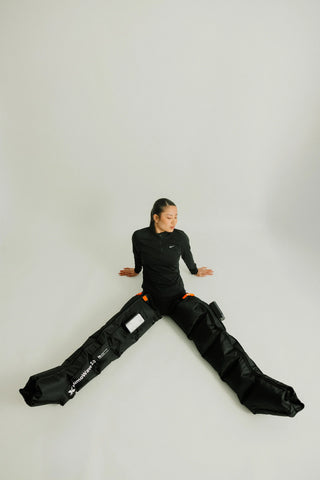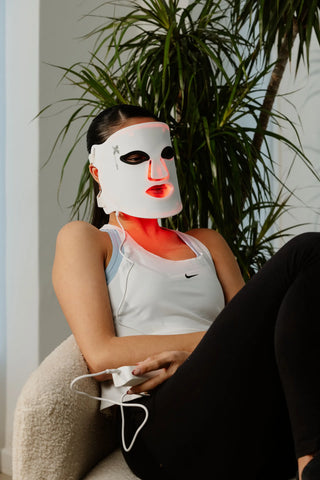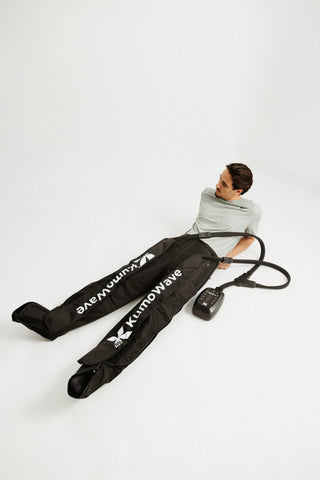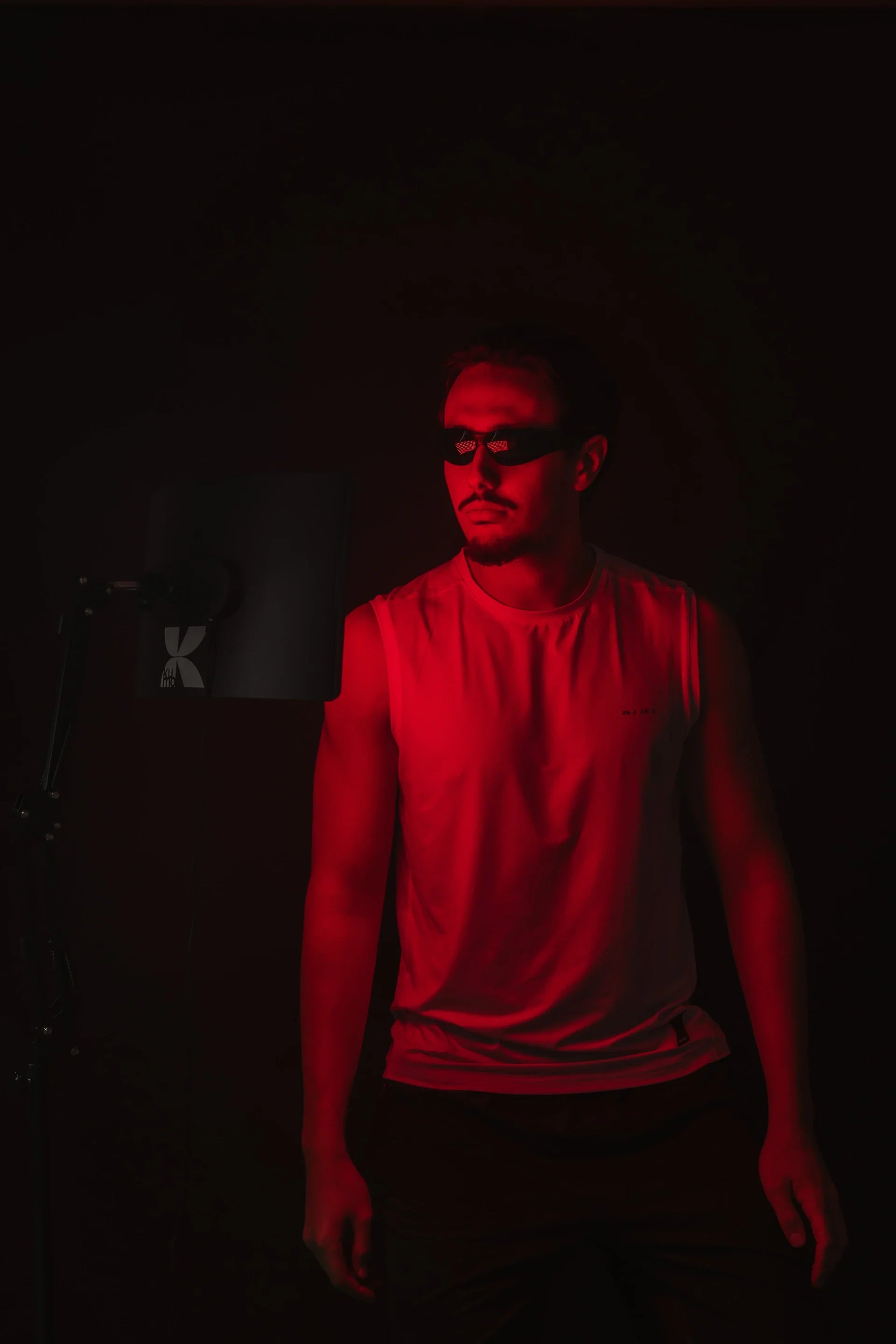
Recovery is also a skill that can be trained. In this article, you'll discover how red light therapy can become one of your best allies as a sportsman or athlete, accelerating muscle repair, improving sleep, and helping you perform better with less pain and fewer injuries.
Phototherapy with red and near-infrared light has become popular in high-performance sports because it acts at the cellular level, stimulating energy production (ATP), modulating inflammation, and promoting tissue regeneration. When used correctly, it easily integrates into daily training and recovery routines, both at home and in the locker room, and complements other tools such as pressotherapy or percussion massage.
Red & infrared light
Recover faster, at home
★★★★★ 4,8/5 · rated by verified customers
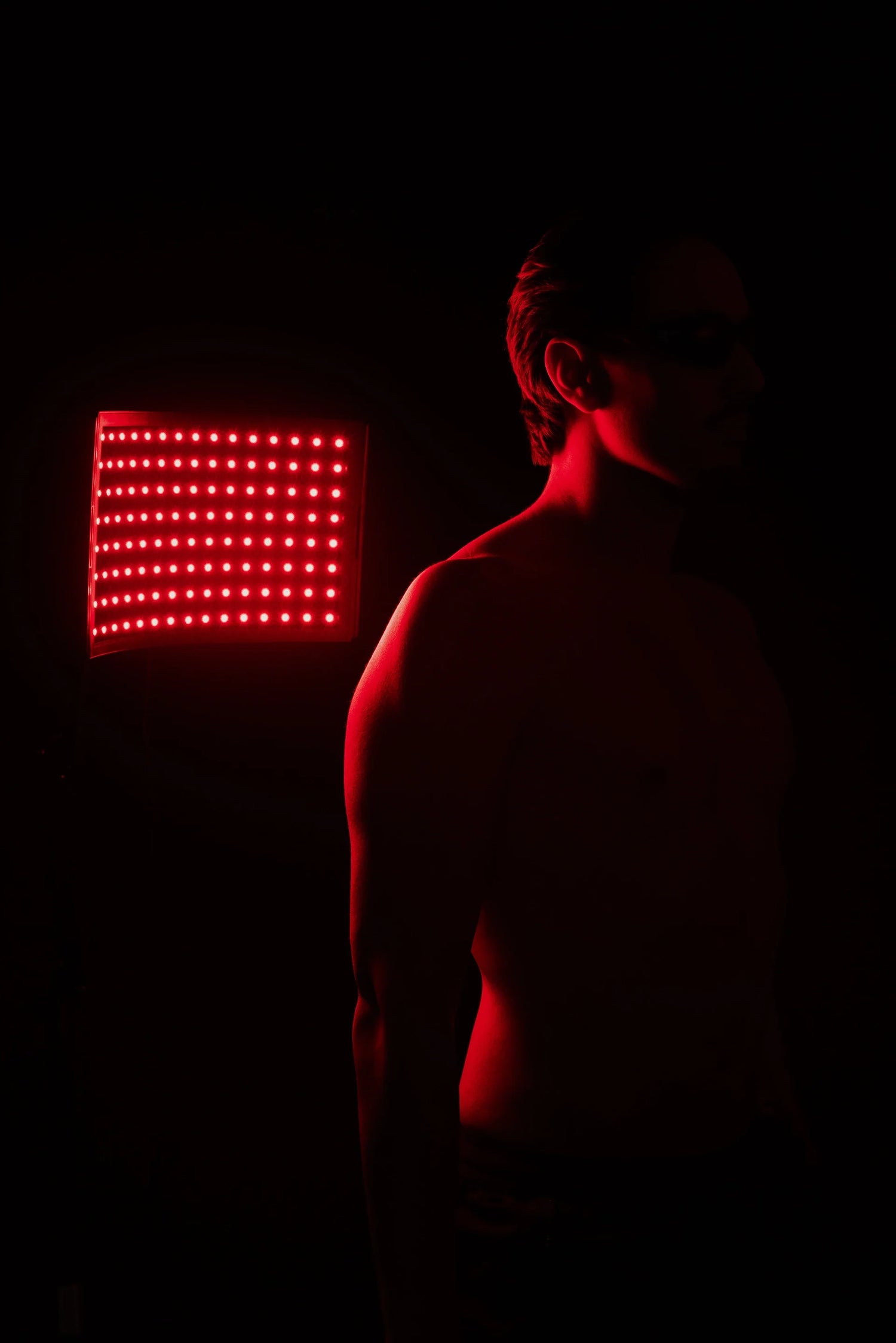
The KumoLux panel supports muscle recovery with full-body red and infrared light.
- 660 nm red + 850 nm infrared light
- Full-body muscle recovery
- Clinically validated biohacking protocols
€399,00€499,00
−10% on your 1st order when you subscribe to the newsletter

What is red light therapy?
Red light therapy (also called photobiomodulation or red light therapy ) uses specific wavelengths of red light and often near-infrared (NIR) light to stimulate the body's natural repair processes. It is not UV light, it does not tan, and it does not "burn" the skin: it works non-invasively at a deep level.
At a biological level, red light is absorbed by cellular structures such as cytochrome c oxidase in the mitochondria. This can increase ATP production, improve local blood flow, and modulate inflammatory mediators, which is particularly beneficial for muscles and joints under intense stress.
Personalized protocol · included with your purchase
Want us to tell you how to use it in your case?
With your purchase, our experts set up your red and infrared light sessions for your sport and goal.
Message us on WhatsAppOur experts reply · no obligation
Difference between red light and near-infrared light
Although they are often mentioned together, it is useful to distinguish:
- Red light (≈ 620–700 nm)
- It acts primarily on the skin and more superficial tissues.
- Ideal for skin regeneration, small muscle injuries close to the surface and healing.
- Near-infrared light (≈ 800–900+ nm)
- It penetrates deeper into muscle, tendons, and joints.
- Widely used for muscle recovery, joint pain and stiffness after intense training.
State-of-the-art LED therapy devices typically combine both types of light to cover both surface and depth, thus optimizing overall recovery.
Benefits of red light therapy for athletes
1. Faster muscle recovery
After an intense strength training session, set, or competition, micro-tears occur in the muscle fibers. Photobiomodulation can:
on your first order when you join the newsletter
We send you the code instantly. No spam.
- Promote the repair of muscle tissue.
- Reduce oxidative damage associated with exercise.
- Improve blood flow to the treated area.
This translates into less heaviness and stiffness the next day and a feeling of "lighter legs", especially when combined with other recovery tools such as compression boots .
2. Less muscle soreness and post-workout pain
Many athletes use red light immediately after training or competing to modulate inflammation and decrease delayed onset muscle soreness (DOMS).
When applied locally to stressed muscle groups (quadriceps, hamstrings, calves, shoulders), it can help to:
- Reduce the feeling of tightness.
- Decrease muscle sensitivity.
- Get back to work sooner without debilitating discomfort.
In sports with a busy schedule (tournaments, leagues, marathons) this can make the difference between arriving at the next effort "broken" or with acceptable sensations.
3. Support in injury prevention
Injury can never be 100% avoided, but workload and recovery can be better managed . Red light therapy integrates well into preventative programs because:
- It improves microcirculation in at-risk areas (Achilles tendon, knees, shoulders).
- It can relieve minor discomfort before it becomes a bigger problem.
- It helps to keep tissues better nourished and oxygenated.
Combined with targeted warm-up, strength and mobility work, and complementary tools such as a percussion massage gun , it can contribute to a more comprehensive approach to prevention.
4. Improved sleep and recovery quality
Recovery depends not only on what you do after training, but also on how you sleep . Exposure to bright blue or white light at night can disrupt your circadian rhythm, while red light:
- It interferes less with melatonin production.
- It can promote a smoother transition to the rest phase.
- It helps create a more consistent sleep routine.
A brief session of red light therapy before bedtime, along with good sleep hygiene habits, can improve the quality of rest and, consequently, the ability to adapt to training.
How does red light therapy work at the cellular level?
Photobiomodulation and mitochondria
The term photobiomodulation describes how certain wavelengths of light interact with cellular components. In the case of red light:
- Light is absorbed by the mitochondria , the "powerhouses" of the cell.
- It is possible to increase the production of ATP , the energy currency that powers all recovery processes.
- Reactive oxygen species and signaling pathways that influence inflammation and repair are modulated.
For the athlete, this translates into tissues that repair and adapt more efficiently to the stress of training.
Effects on inflammation, circulation and collagen
In addition to cellular energy, red light therapy influences:
- Inflammation : may help reduce local pro-inflammatory mediators.
- Blood circulation : promotes vasodilation and a better supply of oxygen and nutrients.
- Collagen synthesis : key in both skin and tendons and ligaments.
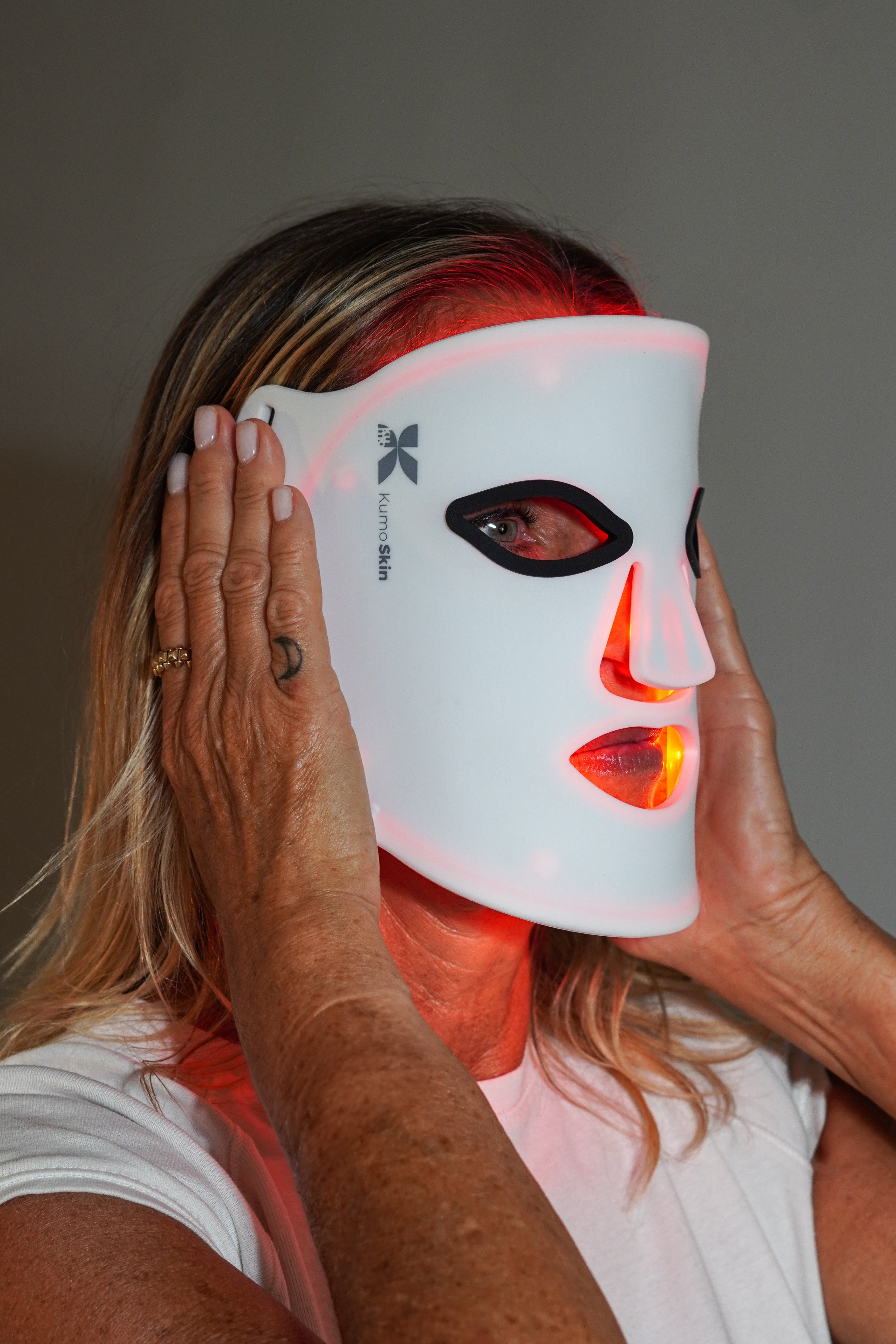
That's why it's used so much for muscle recovery , joint health , and skin regeneration , where solutions like LED facial masks focused on aesthetics and skin health also come into play.
Practical applications in different sports
Endurance sports (running, cycling, triathlon)
In endurance sports, the repeated stress on the legs and hips is enormous. The red light can be used:
- In quadriceps, glutes, hamstrings and calves after long runs or sets.
- Before important competitions to arrive with less accumulated fatigue.
- During intensive training blocks to sustain frequency and volume.
Integrated with strategies such as pressotherapy, massage and proper nutrition, it helps to maintain a greater state of muscle "freshness".
Strength and power sports (crossfit, weightlifting, sprinting)
These sports involve high mechanical stress on joints and connective tissue. Red light therapy sessions:
- They can be performed on shoulders, elbows, knees and lower back.
- They help relieve tension on days of maximum lifting or high-intensity training.
- They combine well with the use of massage guns to release trigger points.
The goal is not to replace a good warm-up or the correct technique, but to offer an extra layer of protection and recovery .
Contact sports and teams (football, basketball, martial arts)
The problem here is not only the exertion, but also the impacts, changes in direction, and potential bruising. Red light therapy can:
- Apply to minor bumps and inflamed areas (always following the instructions of the health professional).
- To aid recovery during busy schedules with several matches per week.
- Support rehabilitation after injuries, under medical supervision.
In professional locker rooms, it is already common to see photobiomodulation devices as part of the post-match protocol.
How to integrate red light therapy into your workout routine
When to use it: before, after and on rest days
One of the advantages of red light therapy is its flexibility :
- Before training : short sessions in key areas to prepare tissues, especially on high-load days.
- After training or competition : slightly longer sessions to support repair and relieve discomfort.
- Rest days : focus on areas with chronic discomfort or strained joints.
The important thing is to be consistent: just as you train several times a week, photobiomodulation unleashes its full potential when it becomes a habit .
Indicative duration and frequency
There is no single recipe that works for everyone, but many sports routines use:
- 5–15 minutes per area , depending on the power of the device and the depth of the tissue.
- 3-5 days per week during periods of high workload, and somewhat less during lighter phases.
- Cycles of several weeks, adjusting according to sensations and recommendations from a professional.
Quality home devices, such as those you can find in the LED light therapy section, usually provide user guides to help you structure your sessions.
Combination with other recovery tools
Red light therapy does not compete with, but rather complements, other recovery technologies:
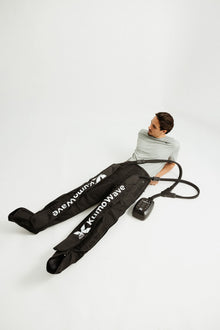
- Pressotherapy : first compression boots to drain and activate circulation, then localized red light on points with more stress.
- Massage gun : myofascial release followed by photobiomodulation to promote the repair of the treated tissue.
- Mobility and stretching : integrate small blocks of red light while performing gentle mobility routines.
The key is to design a “ritual” that you can maintain over time and that fits your training and competition schedule.
Safety, contraindications and good practices
Is red light therapy safe?
In general, red light therapy with certified devices is considered safe and non-invasive . It does not generate ionizing radiation, does not tan, and does not damage the skin when used according to the manufacturer's instructions.
Even so, it is advisable to follow some guidelines:
- Do not look directly at high-power LEDs without proper protection.
- Respect recommended usage times and distances.
- Do not apply to areas with active infections, deep open wounds, or severe burns without medical supervision.
Who should consult a healthcare professional first?
It is especially important to talk to your doctor or sports physiotherapist if:
- You have chronic illnesses, a history of cancer, or are undergoing cancer treatment.
- Are you pregnant or breastfeeding?
- You take photosensitive medication.
- You have had recent undiagnosed skin problems.
In rehabilitation contexts following injuries, ideally red light therapy should be part of a structured plan with the medical or physiotherapy team.
Example of a weekly recovery routine with red light
This example is for guidance only and should always be adapted to your level, sport, and professional recommendations.
Amateur runner (3–4 sessions/week):
- Monday (series)
- Post-training: 10 min per leg (calves and quadriceps) with red light + 15–20 min of pressotherapy.
- Wednesday (soft filming)
- Before: 5 min on knees and ankles.
- Night: 5–10 min of gentle red light therapy to promote sleep.
- Saturday (long run)
- Post-workout: 10–15 min per area of greatest load (hamstrings, glutes) + light work with massage gun.
- Sunday (active rest)
- 10 minutes on the lower back and hips if there is discomfort.
Comparison table: what the red light can contribute to your recovery plan
Summary of the benefits of red light therapy for athletes
| Athlete's objective | How the red light helps | When to use it primarily | Kumo tools that complement it |
|---|---|---|---|
| Recover muscle faster | Improves circulation and fiber repair | Right after training or competing | Pressotherapy boots , massage gun |
| Reduce pain and muscle soreness | Modulates inflammation and muscle sensitivity | Between 2–24 hours after exertion | Localized LED therapy, self-massage |
| Taking care of joints and tendons | It stimulates collagen and blood flow in load-bearing areas. | Days of strength, changes of direction | Joint mobility + photobiomodulation |
| Improve sleep quality | It interferes less with melatonin, promoting relaxation | 30–60 min before bed | Sleep hygiene routine + gentle red light therapy |
| Prevent recurring overloads | It keeps tissues better prepared for the load. | Throughout the week, consistently | Preventive program with strength, mobility and active recovery |
What does Kumo offer in the field of light and technology-based recovery?
Kumo focuses on high-end recovery technologies designed for easy integration into the daily lives of athletes and active individuals. Their catalog includes solutions such as:
- LED therapy devices for skin and muscles, geared towards both aesthetic well-being and recovery.
- Pressotherapy boots to activate circulation and relieve tired legs after workouts or long days on your feet.
- A massage gun for deep muscle treatment with controlled percussion.
The goal is clear: to make recovery a new part of your life , as important as training itself. You can explore all the solutions on the Kumo homepage .
If you have specific questions or need guidance for your case, you can also contact us directly through the contact page .
Frequently asked questions about red light therapy for athletes
How many times a week is it recommended to use red light therapy if I train hard?
The ideal frequency depends on your training load, the equipment you use, and your injury history. As a general guideline, many athletes achieve good results with 3–5 sessions per week , focusing on their heaviest training days and the areas that accumulate the most fatigue (legs, shoulders, lower back). During competition weeks, you can slightly increase the frequency and reduce the duration of each session. If you are undergoing rehabilitation, it is best to adjust the training regimen in consultation with your physiotherapist or sports medicine doctor.
Is it better to use red light therapy before or after training?
Both approaches offer benefits, but the focus differs. Before training, short sessions can be used to prepare muscles and joints , improving mobility and activation. After training or competition, slightly longer sessions help modulate inflammation, reduce muscle soreness, and accelerate tissue repair . Many athletes combine both options depending on the day: pre-training during key strength or speed sessions, and post-training after the most demanding efforts.
Does red light therapy replace physiotherapy or sports massage?
No. Red light therapy is a complementary tool , not a substitute for physiotherapy, sports massage, or a good strength and mobility program. In case of injury, medical diagnosis, or persistent pain, the priority should always be an assessment by a qualified healthcare professional. Once a treatment plan is established, photobiomodulation can be incorporated to support and improve the quality of recovery between physiotherapy sessions, reduce discomfort, and help the tissue respond better to the therapeutic work.
Can I combine pressotherapy with red light therapy on the same day?
Yes, it's a very common combination among athletes. A frequent sequence involves first applying compression therapy to promote venous return and drainage, and then performing a localized red light therapy session on muscles or joints with the greatest strain or discomfort. This strategy allows you to take advantage of the circulatory activation provided by the compression boots and then concentrate the photobiomodulation on the areas that need it most. Always adjust the total duration so that your recovery routine remains realistic and sustainable in your daily life.
Is red light therapy also helpful if I'm not a professional athlete?
Absolutely. Red light therapy can help elite athletes, recreational athletes, and active people who suffer from tired legs, recurring muscle pain, or difficulty sleeping well after late workouts. If you work long hours sitting down, run occasionally, go to the gym, or simply want to take care of your joints in the long term, incorporating regular red light therapy sessions can improve your overall well-being. The key is to adapt the intensity and frequency to your level and consistency, without trying to replicate the workloads of a professional.
So what now?
If you want your recovery to match your effort, the next step is to integrate technology into your daily routine . At Kumo, you'll find LED light therapy , compression therapy , and percussion massage solutions designed for athletes and active individuals seeking tangible results. Explore the options on the homepage , and if you need personalized guidance on which tool best suits your sport and lifestyle, don't hesitate to contact us through the contact form . Your recovery can begin today.

Red & infrared light
KumoLux Panel – Red and Infrared LED Panel
★★★★★ 4,8/5 · rated by verified customers
- 660 nm red + 850 nm infrared light
- Full-body muscle recovery
- Clinically validated biohacking protocols
€399,00€499,00· pay in installments with seQura or Klarna