
Red light therapy also has risks.
If you're drawn to its benefits for skin, muscles, or sleep, it's crucial to fully understand its contraindications and side effects before incorporating it into your recovery routine.
In general, red light therapy (also called photobiomodulation or low-level light therapy ) is considered safe in the short term when applied with quality devices and following the manufacturer's instructions. Recent clinical studies in dermatology and ophthalmology have not shown serious permanent damage when the appropriate parameters are respected. However, it is not a harmless or universally applicable technique: there are risk groups, potential adverse effects, and many "gray areas" due to a lack of long-term data .
Red & infrared light
Recover faster, at home
★★★★★ 4,8/5 · rated by verified customers
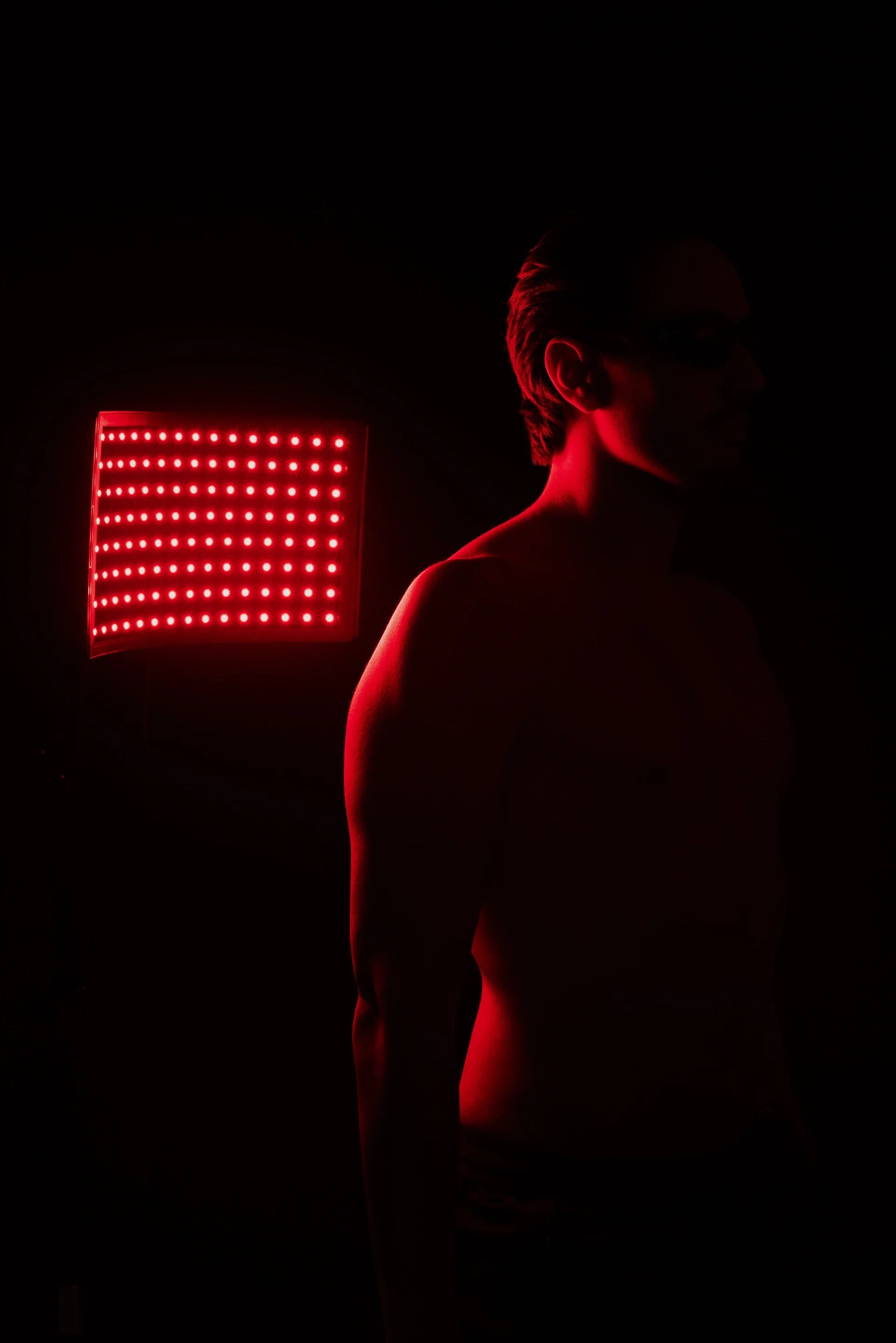
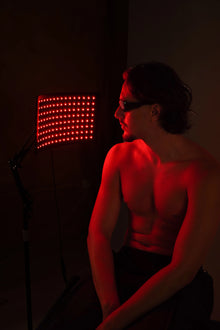
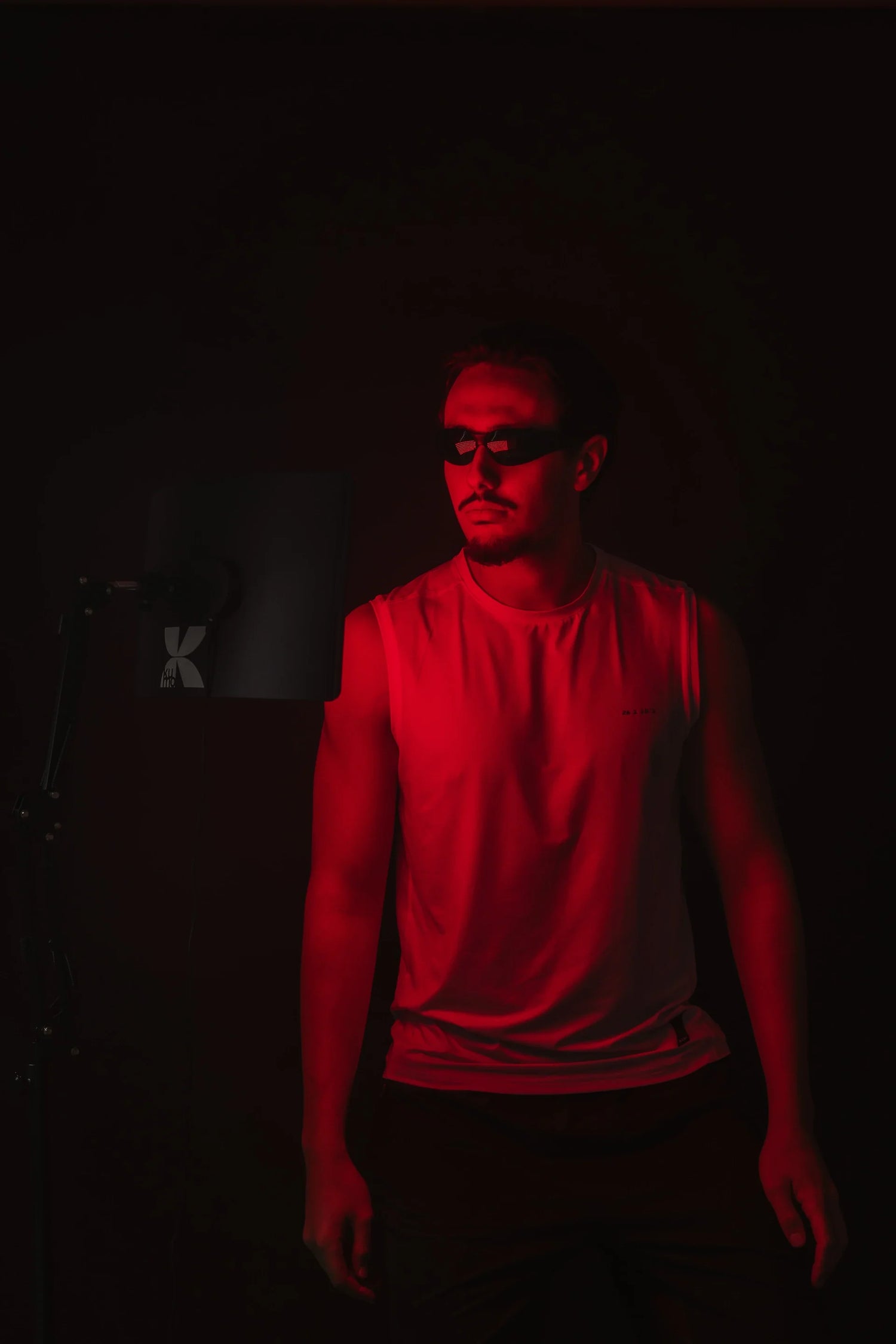
The KumoLux panel supports muscle recovery with full-body red and infrared light.
- 660 nm red + 850 nm infrared light
- Full-body muscle recovery
- Clinically validated biohacking protocols
€399,00€499,00
−10% on your 1st order when you subscribe to the newsletter

In this article you will find out what risks exist, who should avoid it or take extra precautions, how to reduce the likelihood of side effects , and when to talk to a healthcare professional before using red light devices at home.
Is red light therapy really safe?
Red light therapy uses visible (red) and often near-infrared wavelengths , which are non-ionizing and do not include ultraviolet (UV) radiation. Therefore, unlike tanning beds or UV therapies, it has not been shown to increase the risk of skin cancer, according to dermatological organizations such as the American Academy of Dermatology .
Personalized protocol · included with your purchase
Want us to tell you how to use it in your case?
With your purchase, our experts set up your red and infrared light sessions for your sport and goal.
Message us on WhatsAppOur experts reply · no obligation
Systematic reviews published between 2020 and 2025 on photobiomodulation in various pathologies (musculoskeletal pain, ulcers, alopecia, myopia, etc.) indicate that, in most trials, the reported adverse effects are mild and transient (redness, a sensation of heat, temporary eye discomfort). Even so, the authors themselves emphasize that:
- The quality of evidence on efficacy and safety is usually low to moderate.
- There is a lack of very long-term follow-up data (years or decades).
- There are highly variable parameters for dose, power, and frequency between studies.
In summary: red light therapy can be a useful tool for skin regeneration, muscle recovery, or pain modulation, but it should be used as a carefully dosed complement, not as a miracle cure or without any criteria .
Potential risks of red light therapy
Common and usually mild side effects
When used under normal conditions, the most common adverse effects are:
on your first order when you join the newsletter
We send you the code instantly. No spam.
- Temporary reddening or flushing of the skin.
- Sensation of heat or slight burning during or just after the session.
- Slight dryness or tightness of the skin.
- Eye discomfort if proper protection is not used.
- Headache or eye strain , especially in people sensitive to bright light.
These symptoms usually disappear within minutes or hours after the session ends. If they persist for several days, worsen, or are accompanied by severe pain, it is advisable to discontinue use and consult a dermatologist or other healthcare professional .
Warning signs: severe pain, blisters, marked swelling, sudden changes in vision, or the appearance of new or rapidly growing dark spots after starting red light therapy.
Skin risks: irritation, burns and stains
Skin risk increases when several factors are combined: excessive exposure times, very short distances to the device, high power or already irritated skin (for example, from peels, retinoids or recent procedures).
Possible effects:
- Irritation or dermatitis : persistent redness, itching, flaking.
- Superficial burns : infrequent, but possible with very powerful devices used incorrectly.
- Hyperpigmentation ( dark spots ): especially in people with medium to dark skin tones or a tendency towards melasma. The combination of heat and inflammation can activate melanocytes and darken certain areas.
Dermatologists have warned that some LED masks can worsen melasma or trigger dark spots due to the thermal component or overly intense exposure. If you have a history of melasma, stubborn dark spots, or skin that is very reactive to the sun, it is advisable to:
- Start with shorter, more spaced-out sessions .
- Avoid combining red light with strong acids or retinoids from the start.
- Use daily sun protection and watch for the appearance of new spots.
Eye risks and the need for protection
Although many red light applications target the skin, intense and direct exposure of the eyes to high-power LEDs can pose a risk:
- Discomforts such as glare, afterimages, transient blurred vision .
- Potential retinal stress if unsuitable devices are used or the use of protective eyewear is ignored.
In recent studies of repeated red light therapy for myopia control in children, most ocular side effects have been transient and reversible , with no permanent vision loss reported in the short term. Even so, the following is recommended:
- Always use the eye protection recommended by the manufacturer (opaque or specific goggles).
- Never look directly at sources of intense light at close range.
- Stop use and consult an ophthalmologist if persistent glare, eye pain, or changes in visual acuity occur.
Contraindications: who should avoid red light therapy or take extra precautions
Photosensitive diseases or diseases aggravated by light
If you suffer from a condition in which visible light or UV radiation aggravates symptoms, it is essential to speak with your specialist before using red light:
- Lupus erythematosus or other autoimmune photodermatoses.
- Porphyrias or other photosensitive metabolic disorders.
- Melasma and frequent hyperpigmentation induced by sun, heat or visible light.
- Chronic dermatoses that worsen with light (some forms of rosacea or seborrheic dermatosis).
Although red light is not UV, photosensitive skin can react even to visible light if other factors are combined (drugs, heat, previous inflammation).
Medications and products that increase sensitivity to light
Many drugs are photosensitizing , meaning they increase the skin's reaction to light exposure. Among the most common are:
- Antibiotics : tetracyclines (doxycycline, minocycline), fluoroquinolones (ciprofloxacin, levofloxacin), sulfonamides.
- Diuretics and cardiovascular drugs : hydrochlorothiazide, furosemide, amiodarone, some calcium channel blockers.
- Non-steroidal anti-inflammatory drugs (NSAIDs) : ibuprofen, naproxen, piroxicam, diclofenac.
- Oral retinoids : isotretinoin, acitretin.
- Some antifungals, antidepressants, antipsychotics, and immunosuppressants .
Most of the literature on photosensitivity focuses on UV radiation, but if your skin already reacts excessively to sunlight due to these medications, additional exposure to intense light (even red light) can worsen irritation or spots .
Recommendation: If you are taking chronic or recently started medication, consult your doctor or pharmacist before introducing red light therapy, and specifically advise them that you plan to use photobiomodulation devices.
Pregnancy, breastfeeding and children
During pregnancy and breastfeeding, the priority is to minimize unnecessary exposure. Although there is no solid evidence that red light, used within standard parameters, causes harm to the fetus or infant , there are also no robust trials to support its cosmetic use during these stages.
- For aesthetic purposes (wrinkles, spots) , it is best to postpone treatments if you are pregnant, unless expressly indicated by your doctor.
- In children and adolescents , some studies have used red light with strict control (for example, in myopia), but always in a medical context and under ophthalmological supervision .
For home use, it is recommended to reserve red light therapy for healthy adults , unless explicitly recommended by a specialist.
Active cancer or a history of cancer
The relationship between photobiomodulation and cancer is complex. Systematic reviews in oncology indicate that, when used correctly, red light therapy does not appear to stimulate tumor growth and may help prevent or treat complications of radiotherapy and chemotherapy (e.g., oral mucositis).
However:
- Some in vitro studies have found variable effects depending on the type of tumor cell and the dose.
- There is no absolute consensus on the safety of applying red light directly to active tumors or areas with recent cancer .
Out of caution:
- If you have active cancer, a recent history of cancer, or suspicious lesions , do not apply red light to that area without the approval of your oncologist or dermatologist.
- Avoid using household devices on nodules, moles that change, ulcerated or rapidly evolving lesions .
Neurological disorders and photosensitive epilepsy
Continuous red light (without visible flickering) is not usually considered a typical trigger for epileptic seizures, unlike strobe lights or flashing visual patterns. Even so, as a precaution:
- People with photosensitive epilepsy , migraine with aura, or light-sensitive neurological disorders should consult their neurologist before using bright devices near their eyes.
- Avoid any high-frequency flashing or "pulsing" modes if the device offers them, unless advised by a professional.
Factors that increase risk: dosage, device quality, and usage habits
Light parameters: wavelength, power, and time
Most red light therapy devices operate between approximately 600–700 nm (red) and 800–900 nm (near-infrared) . In general terms:
- These wavelengths are well tolerated by the skin and tissues, provided that the energy density (fluence) and exposure time are kept within safe ranges.
- There is a phenomenon described as a biphasic dose response : low to moderate doses can stimulate repair processes, while excessive doses can inhibit them or generate cellular stress .
This translates into a very simple practical principle: more time or more power does not equal better results , and can increase the risk of irritation, minor burns, or worsening of stains.
Differences between professional environments and home devices
- In medical or physiotherapy settings, defined parameters and protocols adapted to the pathology, skin type and patient history are used.
- Home-use devices usually have lower power , but can still cause side effects if misused (sessions that are too long, daily use without adaptation, direct contact with sensitive skin, etc.).
- It is important to choose devices that clearly indicate wavelength, power, recommended time and that have recognized certifications (for example, CE marking in Europe or FDA authorization/clearance in the USA).
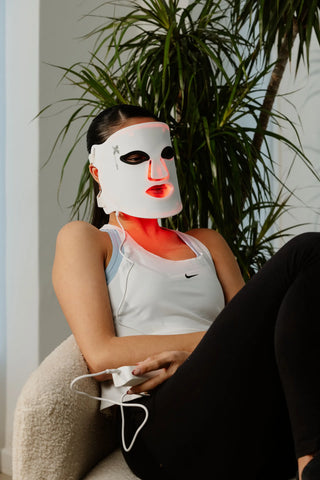
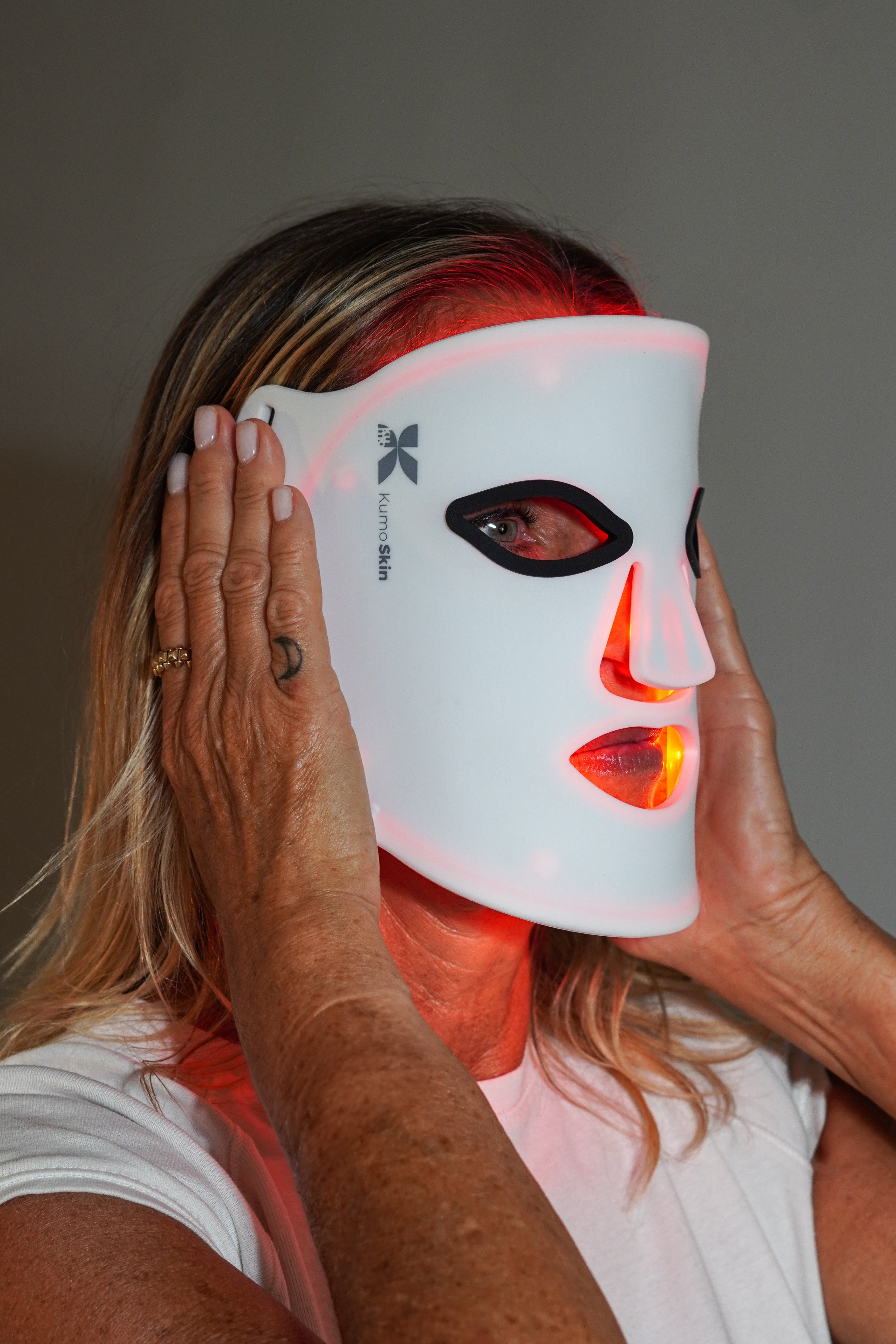
When choosing at-home recovery technology solutions, such as LED masks, light panels, or muscle accessories , prioritize brands that combine design, safety, and scientific evidence . At KUMO, you'll find recovery technologies designed with precisely this approach.
How to use red light therapy responsibly at home
Some general guidelines for reducing risks:
- Read the manual carefully and respect the recommended times, distance and frequency of use.
- Start with less : shorter and less frequent sessions during the first few weeks, observing how your skin responds.
- Use appropriate eye protection , even if the device is aimed at the face and not directly at the eyes.
- Avoid combining red light with highly irritating products (strong acids, aggressive mechanical exfoliants) in the same session; introduce combinations gradually.
- Do not apply red light to sunburned skin, open wounds, active infections , or recent tattoos.
- If you are taking photosensitizing medications or have chronic illnesses, consult your doctor first .
- If you experience any unexpected reaction (severe pain, blisters, visual disturbances), discontinue use and seek professional evaluation .
Reference table: key contraindications and precautions
Table: Main risk situations in red light therapy
| Situation / condition | Potential risk | Main recommendation |
|---|---|---|
| Lupus or other autoimmune photodermatoses | Skin outbreaks upon exposure to visible light | Use only if authorized and supervised by a specialist. |
| Melasma or tendency to hyperpigmentation | Worsening of heat spots and inflammation | Start with low doses, strict photoprotection, or avoid it altogether. |
| Photosensitizing medication (e.g., tetracyclines, diuretics, NSAIDs, retinoids) | Exaggerated reaction to light, burns, spots | Consult a doctor; consider alternatives or reduce light exposure |
| Pregnancy and breastfeeding | Lack of robust data on cosmetic use | Avoid non-essential cosmetic uses unless medically indicated. |
| Active or recent cancer in the area to be treated | Uncertainty about local effect in some tumors | Do not apply to the tumor unless directed by an oncologist |
| Photosensitive epilepsy or severe migraine | Possible crisis triggered by bright lights or flashing | Consult a neurologist, avoid pulsed modes |
| Children and adolescents | Lack of standardized protocols for domestic use | Reserve use for specific medical contexts |
| Previous eye disease (retinopathy, glaucoma, etc.) | Discomfort or theoretical risk of retinal stress | Prior ophthalmological examination and strict eye protection |
How red light therapy fits into a safe recovery routine
Red light is often combined with other recovery tools that do not involve a risk of photosensitivity , such as:
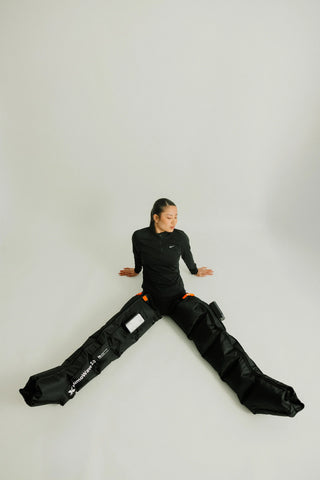
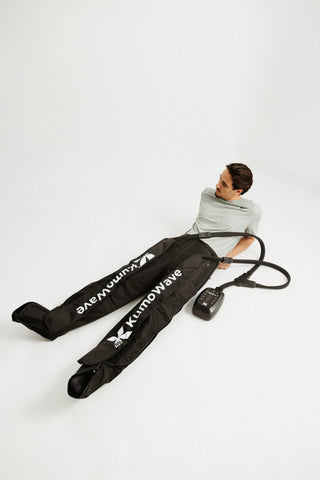
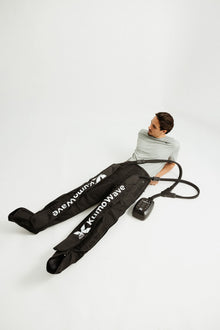
- Pressotherapy to improve circulation, relieve heavy legs, and promote lymphatic drainage. You can learn more about our pressotherapy boots .
- Massage guns to release tension points, improve range of motion and speed up recovery after intense workouts, such as the KUMOPULSE Air massage gun .
Integrating red light therapy into a comprehensive recovery strategy involves customizing the combination of techniques according to your activity level, your goals (aesthetic, sporting or wellness) and your medical conditions.
If you decide to incorporate LED devices, at Kumo we focus on LED light therapy masks and panels designed for daily regeneration and comfort. You can explore our selection of LED light therapy devices and always use them responsibly.
Frequently asked questions about red light therapy: risks and contraindications
Can red light therapy cause skin cancer?
To date, there is no evidence that red light, used within standard parameters, causes skin cancer . Unlike ultraviolet radiation (UVA/UVB), red light is non-ionizing, and studies in human fibroblasts have shown no DNA damage at the doses used in cosmetic and medical applications. This does not mean it is “100% harmless”: very long-term research is ongoing. What is clear, however, is that it cannot replace sun protection nor does it justify prolonged sun exposure without protection.
What is the difference between red light therapy and tanning beds?
Tanning beds primarily emit UVA rays and, to a lesser extent, UVB rays , which do damage DNA and have been proven to increase the risk of skin cancer and photoaging. Red light therapy uses visible and infrared wavelengths , without significant UV radiation. Therefore, the risk profile is different and, in general, much lower . However, improperly dosed red light can cause irritation, minor burns, or spots, and some people with photosensitive conditions or taking specific medications may react adversely. In short: they are not comparable in terms of cancer risk, but both require responsible use .
Can I use red light if I have melasma or dark spots on my face?
If you have melasma or a marked tendency towards hyperpigmentation , it's important to be extra cautious. Although red light isn't UV, the heat and local inflammation can activate melanin production and worsen existing spots. Some dermatologists advise avoiding intense LED masks in these cases or using them only under supervision, with specific protocols and daily broad-spectrum sun protection. If you still want to try it, start with short sessions , a low weekly frequency, and discontinue use if you notice your spots darkening or spreading.
Is red light therapy safe for the eyes?
Most devices are designed not to shine directly into the eyes , but the intense light can be bothersome and even cause afterimages or eye strain if you look at the light source head-on. Studies of red light therapy for myopia in children have not shown permanent eye damage in the short term, but they are always conducted with strict protocols and medical supervision . At home, always wear opaque protective glasses when the manual indicates, avoid looking directly at the LEDs, and consult an ophthalmologist if you experience pain, persistent blurred vision, or continued glare after sessions.
How often is it safe to have red light therapy sessions?
There is no single frequency that works for everyone, as it depends on the device's power, the intended use (skin, muscles, joints), skin type, and your medical history . Many cosmetic and performance protocols recommend 2–5 sessions per week with moderate durations, but this is only a guideline. It's best to follow the manufacturer's recommendations, start with fewer sessions (both in duration and frequency), and assess your tolerance over several weeks . If you have a chronic illness, take photosensitizing medication, or have had previous reactions to light, it's advisable to establish the treatment plan in consultation with your dermatologist or trusted physician.
So what now?
Red light therapy can be a powerful ally for your skin, muscle recovery, and overall well-being , provided you are fully aware of its risks and use it judiciously. If you'd like to integrate photobiomodulation into a broader recovery routine—along with pressotherapy, percussion massage, or guided rest —we invite you to explore Kumo's technological solutions on our LED light therapy page and the rest of the range at KUMO .
If you have specific questions about personal contraindications, you can contact our team through the contact form for guidance on which type of devices best suit your situation, always complementing—not replacing—the advice of your doctor or dermatologist.

Red & infrared light
KumoLux Panel – Red and Infrared LED Panel
★★★★★ 4,8/5 · rated by verified customers
- 660 nm red + 850 nm infrared light
- Full-body muscle recovery
- Clinically validated biohacking protocols
€399,00€499,00· pay in installments with seQura or Klarna