Choosing a good LED facial mask can transform your skin.
In 2025, LED light technology has established itself as one of the most interesting tools for improving skin quality from home, but not all masks are the same or suitable for everyone .
In this article, you'll learn, in a practical way, how an LED facial mask works, what real benefits it can provide, and what technical details to consider when choosing the right device for your skin and lifestyle . No price comparisons or rankings: just clear and actionable criteria, based on available evidence and a holistic view of well-being and recovery.
Red & infrared light
Recover faster, at home
★★★★★ 4,8/5 · rated by verified customers
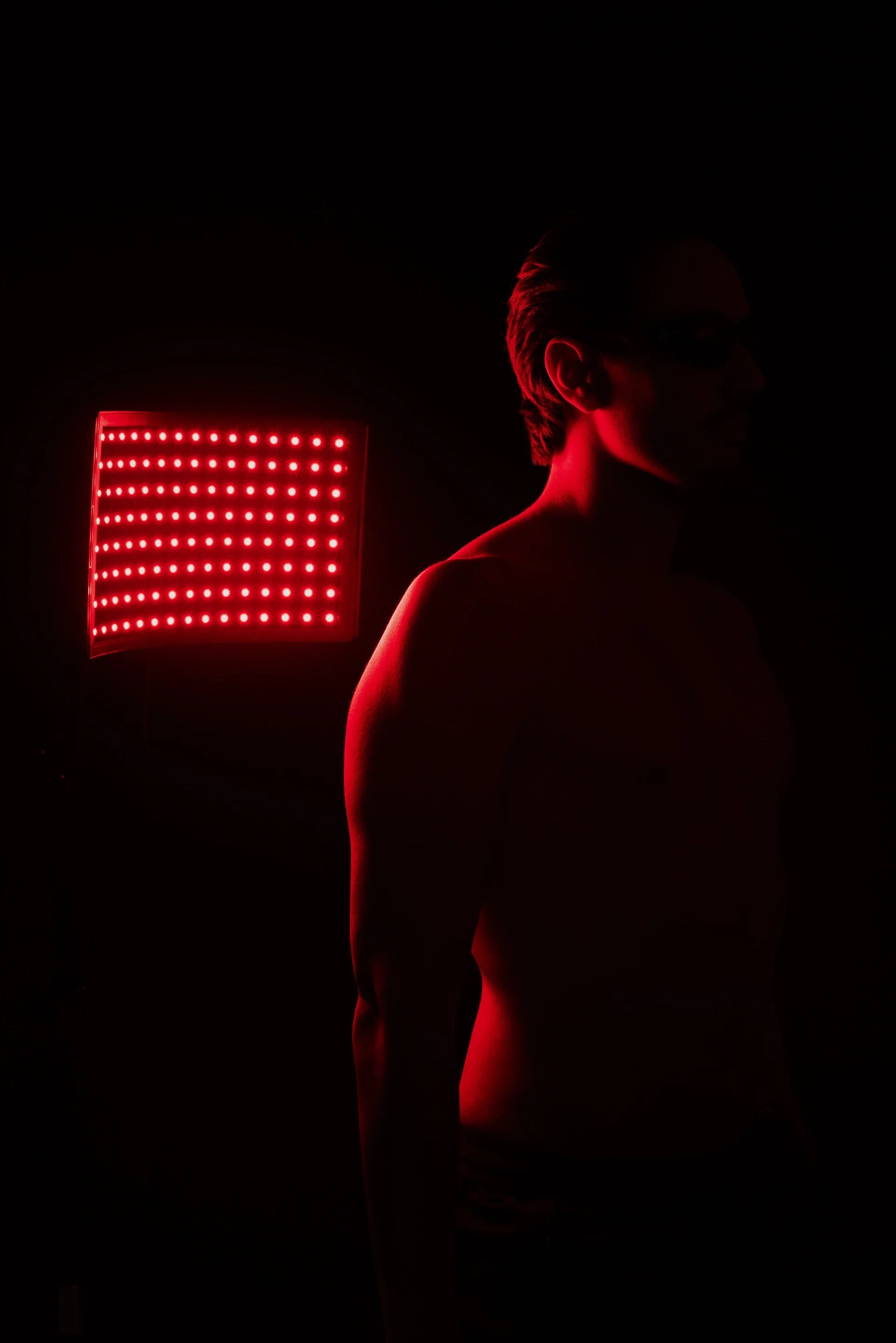
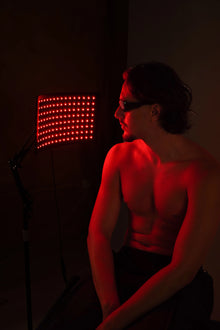
The KumoLux panel supports muscle recovery with full-body red and infrared light.
- 660 nm red + 850 nm infrared light
- Full-body muscle recovery
- Clinically validated biohacking protocols
€399,00€499,00
−10% on your 1st order when you subscribe to the newsletter

What is an LED face mask and how does it work?
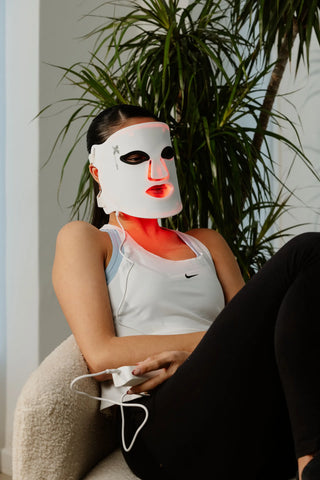
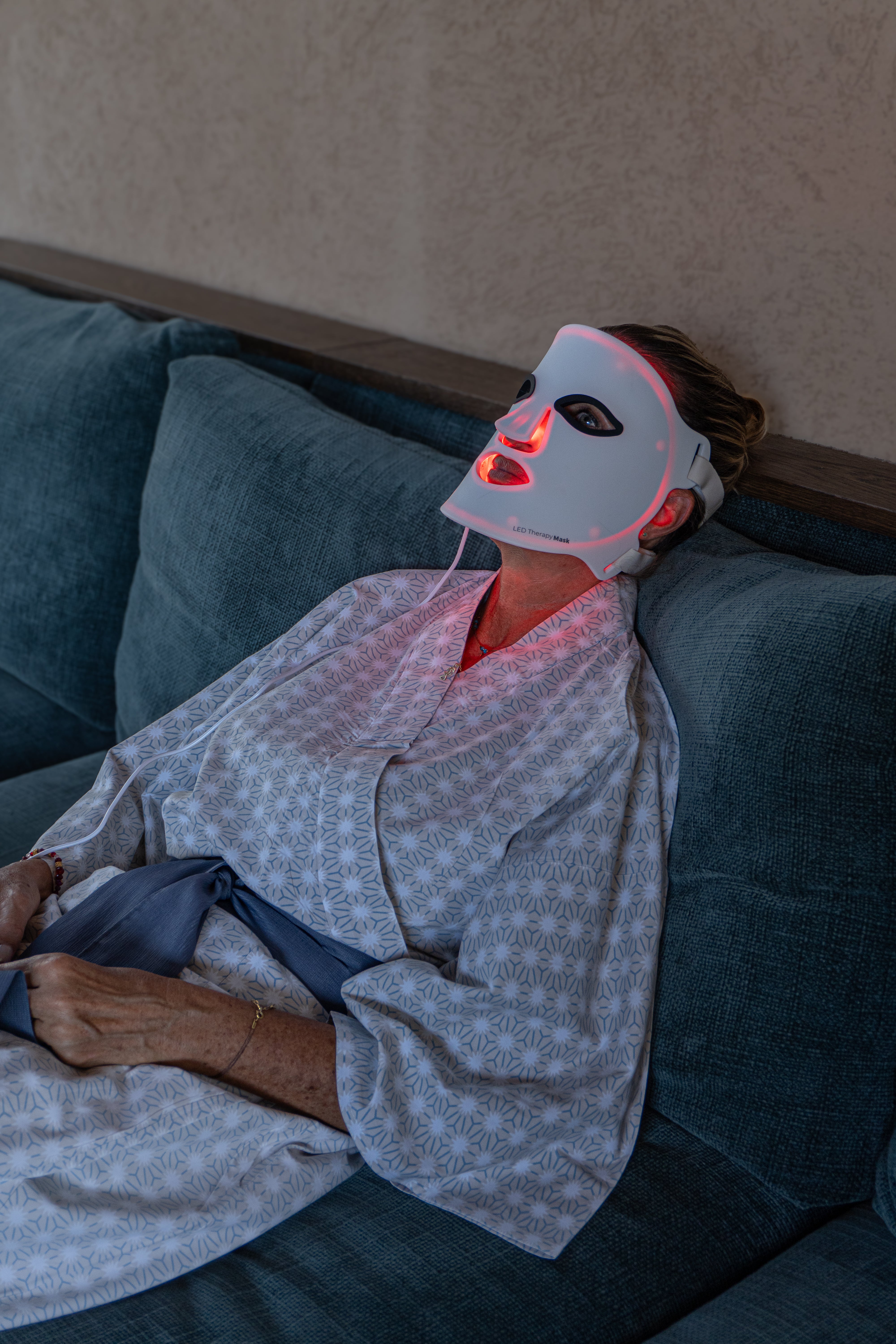
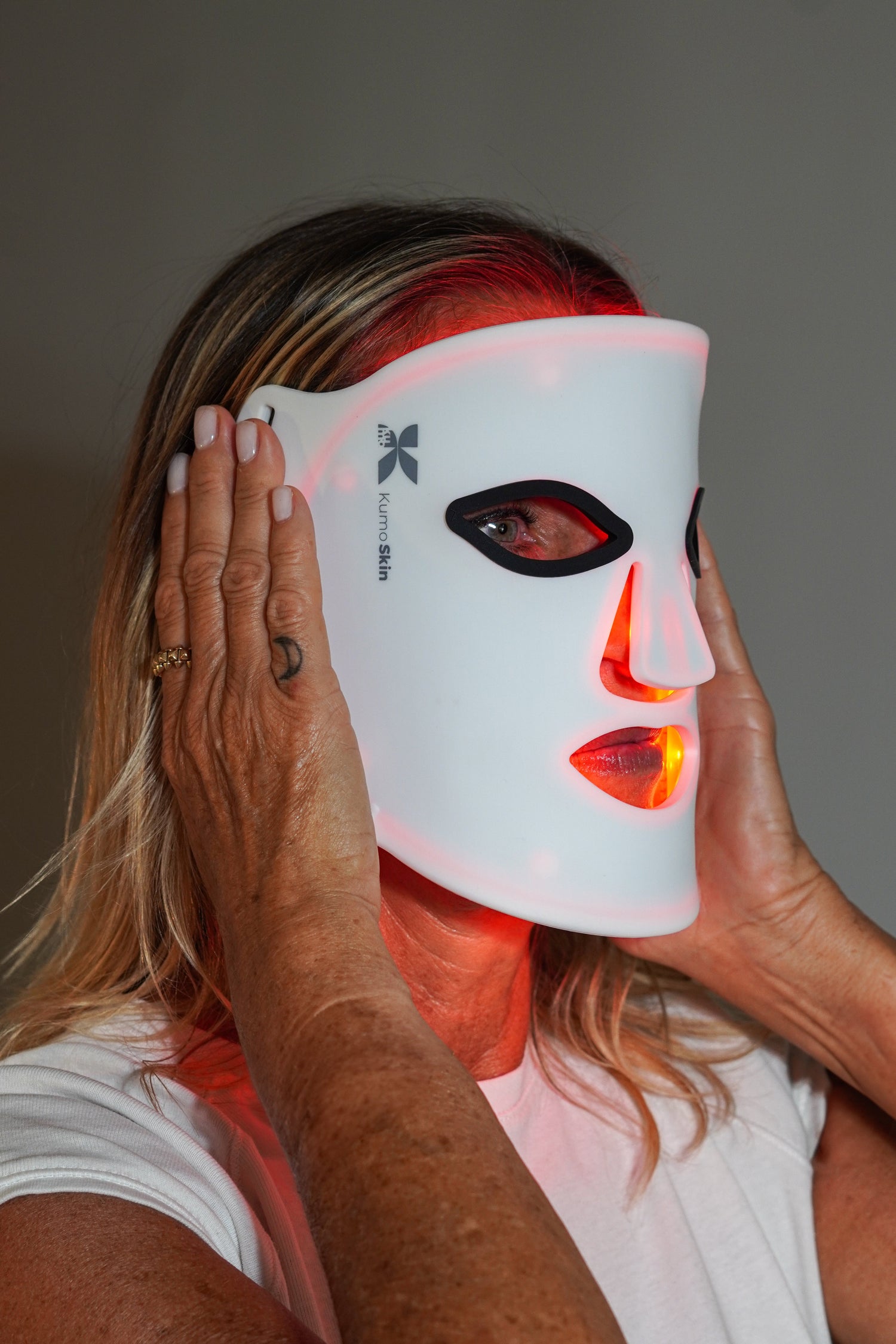
A facial LED mask (or LED light mask) is a device that is placed on the face and emits light of different wavelengths (colors) at low intensity. This light acts on skin cells through a process called photobiomodulation , modulating inflammation, collagen production, or the activity of certain bacteria, depending on the color used. ( pubmed.ncbi.nlm.nih.gov )
Unlike medical lasers, home LED masks are neither ablative nor high-intensity thermal : they do not burn or peel the skin. Therefore, they are generally considered safe when used according to the manufacturer's instructions and a dermatologist's recommendations for those with problem skin. ( aad.org )
Personalized protocol · included with your purchase
Want us to tell you how to use it in your case?
With your purchase, our experts set up your red and infrared light sessions for your sport and goal.
Message us on WhatsAppOur experts reply · no obligation
Most common colors and wavelengths
Each color of light penetrates to a different depth and has different effects:
- Red light (≈ 620–660 nm)
- It stimulates fibroblasts and collagen synthesis.
- It helps with rejuvenation , texture, and fine wrinkles. ( pubmed.ncbi.nlm.nih.gov )
- Near-infrared light (≈ 800–900+ nm)
- It penetrates deeper, useful for inflammation and tissue repair. ( pubmed.ncbi.nlm.nih.gov )
- Blue light (≈ 400–470 nm)
- It has an effect on the bacteria associated with acne (Cutibacterium acnes).
- Primarily indicated for mild to moderate acne . ( pubmed.ncbi.nlm.nih.gov )
- Amber/yellow light (≈ 570–590 nm)
- It is used for mild redness, mild photoaging, and dullness. ( pubmed.ncbi.nlm.nih.gov )
A good LED face mask doesn't need to include all the colors of the rainbow, but rather the wavelengths that have actually been studied for your purposes .
Benefits and limitations of LED light therapy in 2025
What can an LED light mask offer?
Recent scientific literature supports several interesting uses of LED light in dermatology:
on your first order when you join the newsletter
We send you the code instantly. No spam.
-
Mild to moderate acne
Reviews and meta-analyses from 2025 show that red and/or blue light devices for home use can significantly reduce acne lesions within a few weeks, with good tolerability. ( powershealth.org ) -
Rejuvenation and fine wrinkles
Clinical trials using red and amber light have observed reductions of nearly 30% in the volume of periorbital wrinkles after several sessions, along with subjective improvement in texture and overall appearance. ( pubmed.ncbi.nlm.nih.gov ) -
Skin tone and texture
Systematic reviews on photodynamic therapy and LED show improvements in photoaging, small scars, and certain dyschromias, although the quality of the studies is variable and more robust trials are still needed. ( pubmed.ncbi.nlm.nih.gov )
Key takeaway : A well-chosen LED face mask is a solid complement to skincare (and, in the context of KUMO, overall recovery), not a substitute for a good routine, sunscreen, or a dermatologist.
What the LED mask won't do for you
It's important to adjust expectations:
- It will not replace complex medical treatments or in-clinic procedures.
- It does not "erase" deep stains, severe scars, or marked sagging.
- The results are not immediate : most studies show noticeable improvements after 4–12 weeks of consistent use . ( aad.org )
Furthermore, not all skin types respond the same way ; some treatments work better when LED light is combined with other approaches (cosmetic or medical).
Essential criteria for choosing a good LED face mask
When choosing your LED face mask, focus less on marketing and more on these technical and safety criteria.
Security and certifications
Safety is non-negotiable, especially in devices that are applied so close to the eyes.
Seeks:
- Recognized certifications (e.g., CE marking in Europe or FDA approval/registration or equivalent, depending on the country). ( aad.org )
- Eye protection :
- Design that leaves the eyes free or includes specific shielding.
- Eye protection if indicated by the manufacturer.
- Hypoallergenic materials and easy-to-disinfect surfaces .
- Automatic shut-off systems and temperature control to prevent excessive heat.
If you have a history of melasma, photosensitive diseases, are taking photosensitizing medications, are pregnant, or have complex skin conditions , the golden rule is to talk to your dermatologist first, as heat or certain wavelengths have been reported to worsen melasma. ( harpersbazaar.com )
Wavelengths and colors useful for your goal
It's not about having more colors, but about having the right colors, properly documented, for your needs:
- For signs of aging, skin texture and recovery :
- Red light and, in some cases, near-infrared light. ( pubmed.ncbi.nlm.nih.gov )
- For mild to moderate acne :
- Blue light alone or combined with red. ( aad.org )
- For mild redness and dull skin :
- Yellow/amber can be an interesting complement. ( journals.lww.com )
Be wary of masks that do not clearly indicate wavelengths (in nm) or that make overly general promises (“it works for everything”) without providing clinical support.
Power, energy density, and session times
Effectiveness depends not only on the color, but also on the dose of light the skin receives:
- Most studies use moderate irradiance values (mW/cm²) and defined exposure times (e.g., 10–20 minute sessions, several times per week). ( pubmed.ncbi.nlm.nih.gov )
- More power doesn't always mean better results: it can generate more heat and increase the risk of irritation, especially on sensitive skin.
If the manufacturer of the LED face mask specifies:
- Wavelengths + approximate irradiance,
- Recommended session duration,
- Number of weekly sessions,
You will find it easier to compare with studied protocols and follow a reasonable scheme.
Design, comfort and materials
A face LED mask should be ergonomic , stable, and comfortable:
- Moderate weight, adjustable bands and uniform contact with the skin (without putting pressure on specific areas).
- Sufficient flexibility to adapt to the contours of the face, but with a stable structure.
- Durable exterior and interior surfaces that are easy to clean and disinfect.
At KUMO, a special focus is placed on the combination of aesthetics and functionality : devices that integrate naturally into your daily recovery routine, without looking like "heavy medical equipment".
Programs, modes and ease of use
Rate:
- Pre-configured programs (e.g., "anti-aging", "acne", "recovery") with automatic times.
- Clear and simple interface; ideally, with visual or audible indicators for session start and end.
- Possibility to pause or adjust the intensity for sensitive skin.
A good mask shouldn't require a complex manual: turn it on, select a program, and relax .
Adaptation to your skin type and possible contraindications
Before buying your LED face mask, ask yourself:
- Do I have very sensitive skin, rosacea, melasma, active dermatitis, or severe inflammatory acne ?
- In these situations, dermatological judgment is especially important. ( aad.org )
- Am I taking photosensitizing drugs (some antibiotics, oral retinoids, etc.)?
- Am I willing to use it with the necessary consistency (several times a week for months)?
Consistency and compatibility with your lifestyle are just as important as the technical specifications.
Table – Key criteria for choosing a quality LED face mask
| Criterion | What you should check | Why it matters | Question you should ask yourself |
|---|---|---|---|
| Security and certifications | CE/FDA marked, eye protection, auto shut-off, heat control | Reduces the risk of irritation, burns, and eye damage | Is this device certified and does it protect my eyes? |
| Wavelengths | Specific nm (red, blue, NIR, etc.) clearly indicated | Ensure the light is adjusted to your objective (acne, wrinkles…) | Does the manufacturer specify the nm rating and what is it used for? |
| Power and light dose | Irradiance and recommended time per session | Define effectiveness and risk of excessive heat | How long and how many times per week should I use it? |
| Design and comfort | Weight, flexibility, fit to the face, ease of cleaning | It facilitates constant use and reduces pressure points. | Can I wear it for 10–20 minutes without discomfort? |
| Programs and modes | Specific modes, timer, intensity levels | It helps you use it properly without complications. | Do you have clear and automated programs for my goal? |
| Suitable for your skin | Recommendations for sensitive skin, contraindications indicated | It prevents outbreaks, irritation, or worsening of pathologies. | Is it suitable for my skin type and my current treatments? |
How to integrate the LED light mask into your wellness routine
Thinking of an LED face mask solely as a beauty gadget is a mistake. Used intelligently, it can be part of a comprehensive recovery ritual , in line with what KUMO proposes with its recovery technologies.
Practical order within the facial care routine
A general guideline (always adapted to the device's instructions and your dermatologist's recommendations) could be:
- Gentle cleansing of the face and drying without friction.
- Use the LED facial mask on clean skin , without products that may interfere with the light (makeup, dense mineral filters, etc.).
- Subsequent application of moisturizer and non-photosensitizing active ingredients (e.g., niacinamide, peptides, ceramides, etc.).
- In the morning, always finish with broad-spectrum sunscreen .
Tip: Start with shorter sessions and less frequency; if your skin tolerates it well, gradually increase until you reach the recommended protocol.
Synchronize it with your physical recovery
If you train with some intensity or spend many hours on your feet, it makes sense to coordinate your facial routine with other body recovery tools:
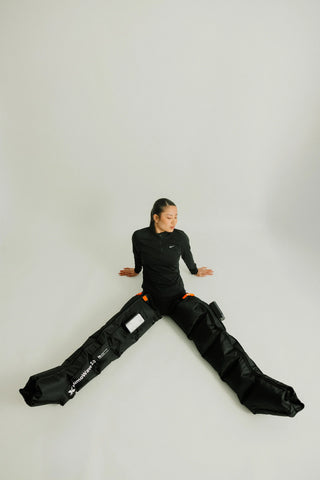
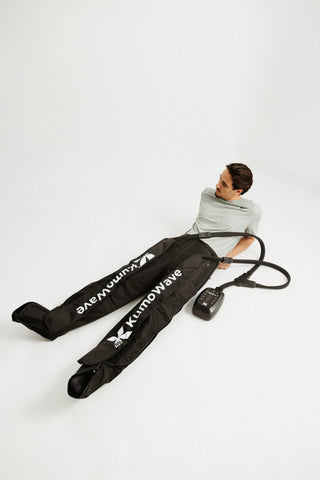
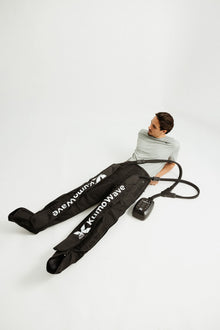
- While using your KUMO LED light mask (or equivalent) you can support the recovery of tired legs with compression boots .
- On days with more intense muscle strain, you can combine your facial session with the use of a massage gun on key muscle groups to enhance the feeling of release and relaxation.
In this way, you turn 15–20 minutes of light into a true global “reset” ritual : skin, muscles and circulatory system working in the same direction.
Common mistakes when using an LED face mask
Even with a good LED face mask, there are mistakes that can sabotage the results.
1. Expect results in a few days
Tissues need time to respond to photobiomodulation. Many studies show clear improvements after 4–8 weeks of consistent use. ( powershealth.org )
Think of the LED mask as a workout for your skin: what counts is regularity, not a single intense session.
2. Do not use it on irritated or overtreated skin
Combine on the same night:
- powerful exfoliants,
- strong retinoids,
- aggressive chemical peels,
Furthermore, an LED light session can overload the skin barrier, especially if the skin is already red or burning.
3. Ignoring medical contraindications
People with:
- photosensitive pathologies,
- history of melasma that is triggered by heat or visible light,
- treatments that increase sensitivity to light,
They should only use a facial LED mask with the approval of their dermatologist , as worsening of blemishes has been reported in inappropriate contexts of use. ( harpersbazaar.com )
4. Choosing solely based on aesthetics or a trend
Eye-catching designs on social media do not guarantee:
- good dosimetry,
- effective wavelengths,
- serious clinical studies.
Before getting carried away by the design, check if the brand provides clear technical data and clinical references .
Frequently asked questions about the LED face mask
How long does it take to see an improvement with an LED facial mask?
Most studies on LED light therapy for acne or skin rejuvenation use intervals of 4 to 12 weeks to observe visible improvements, always with several sessions per week. ( powershealth.org )
In mild acne, significant reductions in lesions have been reported after one to three months of consistent use. For skin rejuvenation and fine lines, the skin typically shows progressive changes in texture and radiance starting from the second month. Keep in mind that results vary considerably from person to person, and that consistency and a good routine (cleansing, moisturizing, sun protection) make all the difference.
Is the LED facial mask safe for sensitive skin or skin with rosacea?
Low-intensity LED light is generally considered a gentle technology, but sensitive skin or skin with rosacea is more reactive and requires caution. Some patients report improvement in redness with certain protocols, while others may experience flare-ups if there is too much heat or excessive exposure . ( pubmed.ncbi.nlm.nih.gov )
Ideally, consult your dermatologist before starting, begin with very short periods of use, use gentle programs (if available), and observe your skin's reaction over the next 24–48 hours. If you experience burning, intense itching, or persistent redness, discontinue use.
Can I use an LED face mask every day?
It depends on the device and your skin. Many clinical trial protocols use several weekly sessions , not necessarily daily, with defined exposure times. ( pubmed.ncbi.nlm.nih.gov )
Some manufacturers recommend daily use in limited cycles; others, three to five times a week. The most sensible approach is to follow the device's instructions and, if your skin is sensitive, start less frequently and increase only if you tolerate it well. More sessions than recommended do not guarantee better results and may increase the risk of irritation or breakouts.
Does the LED facial mask replace other skincare treatments?
No. An LED facial mask is a complement to a comprehensive approach to skin care and wellness. For acne, for example, dermatological guidelines still consider topical treatments, and in certain cases oral medications, to be the first line of treatment; LED light therapy can add an extra benefit, especially for mild acne or for people who don't tolerate certain medications well. ( aad.org )
For rejuvenation, the LED mask enhances the daily work of moisturizers, targeted active ingredients, and sun protection. It should not be used to abruptly discontinue prescribed treatments without medical supervision.
What type of LED facial mask is best for mild acne?
The strongest evidence for mild to moderate acne focuses on devices that combine blue and red light , capable of acting on both the bacteria involved in acne and the inflammation. ( powershealth.org )
Look for a mask that clearly specifies the wavelengths (approximately 400–470 nm for blue and 620–660 nm for red), recommends a realistic usage protocol, and, if possible, has clinical studies or endorsement from a medical institution. Even so, if your acne is moderate or severe, it's advisable to incorporate the mask into a treatment plan designed by your dermatologist.
So what now?
If you want to take the next step and make light part of your wellness and recovery routine , you can explore KUMO's range of light therapy and recovery devices, designed to integrate aesthetics, technology and performance into everyday life:
- Discover the KUMO universe and its global approach to well-being on the homepage .
- Explore the LED light therapy collection to integrate a facial LED mask into your routine.
- Complete your body recovery with the KUMOPULSE Air compression boots and massage gun .
- If you have any questions about which technology is best for you, you can contact the team through the contact page .
Choose wisely, integrate your LED facial mask into a consistent routine and let the light work, little by little, in favor of your skin and your daily recovery.

Red & infrared light
KumoLux Panel – Red and Infrared LED Panel
★★★★★ 4,8/5 · rated by verified customers
- 660 nm red + 850 nm infrared light
- Full-body muscle recovery
- Clinically validated biohacking protocols
€399,00€499,00· pay in installments with seQura or Klarna