Golf loads the back and hips more than it seems. The swing sequence is asymmetrical, and biomechanical reviews note that a hip with limited rotation can make the lower back compensate more; across the studies reviewed, golf-related low back pain appears in a wide range, from 12.4% to 26.9% in recreational golfers. (pmc.ncbi.nlm.nih.gov)
The good news is that a short, specific, dynamic warm-up helps you arrive at the first shot in better shape, and an easy cool-down makes it simpler to come out of the effort without so much stiffness. A review of golf preparation programs, along with recommendations from the AOSSM and the AHA, points in exactly that direction.
Pressotherapy at home
End the day with light legs
★★★★★ 4,8/5 · rated by verified customers
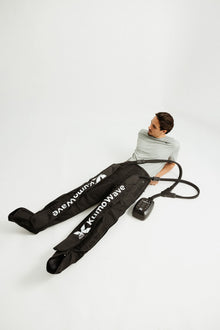
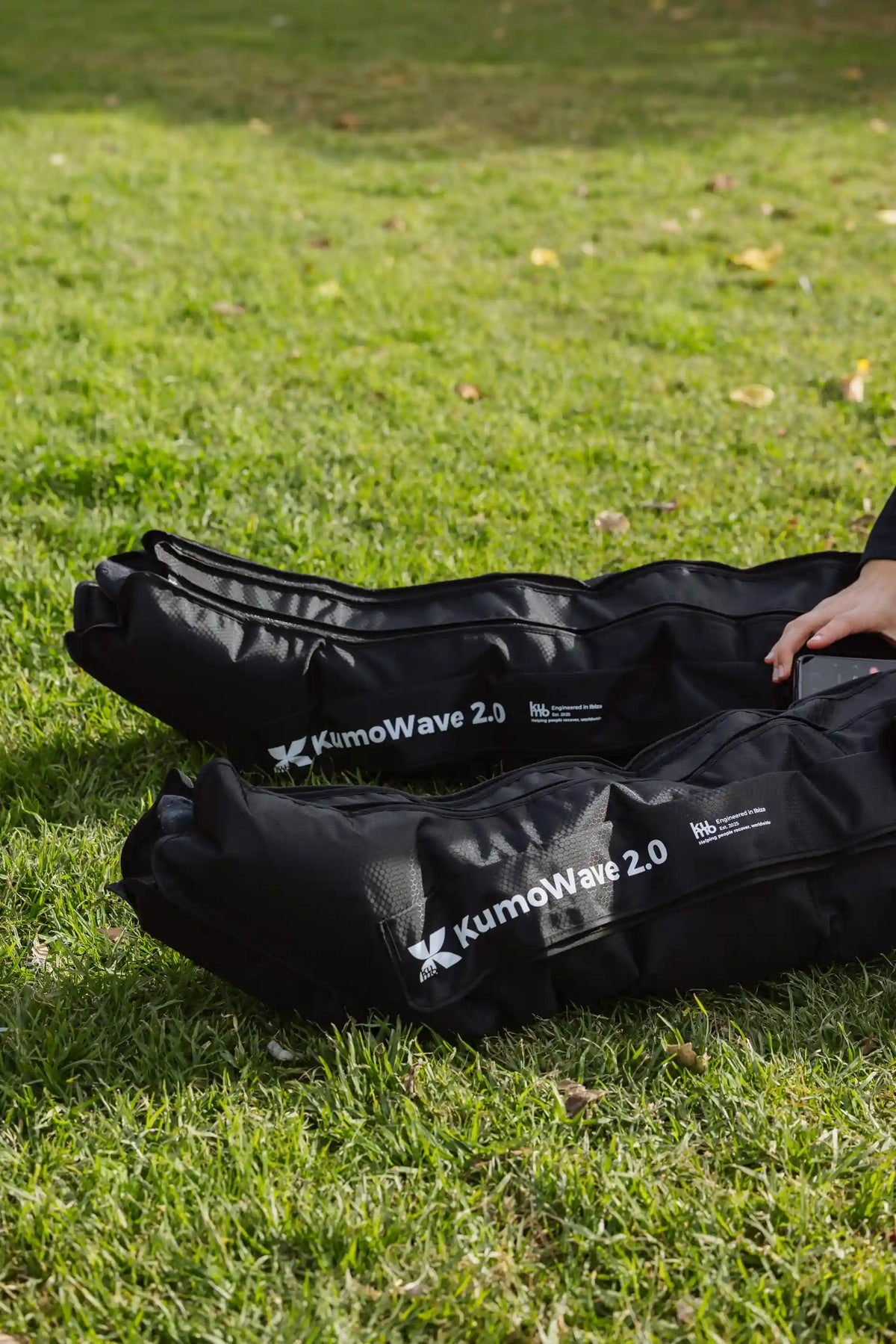
KumoWave pressotherapy boosts circulation and helps drain fluid with sequential compression, in 20-minute sessions at home.
- Boosts circulation and helps drain fluid
- Chamber-based compression, adjustable to you
- Sequential compression that mimics manual drainage
€799,00€999,00
−10% on your 1st order when you subscribe to the newsletter

Why the back and hips are decisive in golf
The swing demands rotation, control and force transfer. When the hip does not follow along well, the body looks for mobility wherever it can, and the lower back ends up taking on more load. The ACSM also points out that it is worth keeping an eye on the gluteus maximus, the abdominals, the hip flexors and the spinal erectors, because they influence stability and the feeling of fluidity during play.
That does not mean you should play afraid, but with a strategy. If you start cold, the trunk usually moves worse and the body compensates. That is why it makes sense to prepare the lumbopelvic chain before heading to the tee, instead of leaving the warm-up for the first hole. In a trial with adolescent golfers, a specific hip and trunk mobility program reduced episodes of low back pain over 12 weeks, although that result should be interpreted carefully because it involves a young population.
Personalized protocol · included with your purchase
Want us to tell you how to use it in your case?
With your purchase, our experts prepare a personalized usage protocol for your case: sport, circulation, fluid retention, pregnancy or lipedema.
Message us on WhatsAppOur experts reply · no obligation
If you often feel your hip locked up, it can help to pair this section with hip stiffness with percussion massage and opening exercises. (pmc.ncbi.nlm.nih.gov)
Before you play: activate the body without tiring yourself out
A useful reference is to spend at least 10 minutes on a warm-up with movement and stretching. The AOSSM golf injury prevention guide recommends a thorough warm-up, the ACSM insists on a dynamic approach to protect the lower back, and the American Heart Association points out that warming up gradually raises heart rate, breathing and muscle temperature.
Before heading out to play, it is better to prioritize dynamic mobility over long static stretches. A review of golf preparation programs showed improvements in trunk, shoulder and hip flexibility, and recommended trunk rotations and walking knee-to-chest as part of the warm-up. (pmc.ncbi.nlm.nih.gov)
on your first order when you join the newsletter
We send you the code instantly. No spam.
If what you mostly notice is overload in the lower back, this read on muscle knots in the back can help you make better sense of your sensations and the habits worth reviewing.
This sequence is a practical proposal, not a rigid recipe. It combines the idea of a warm-up of at least 10 minutes, dynamic work and golf-specific movements so you reach the first shot feeling better.
Example of a 10-minute warm-up
| Block | What you do | Time or repetitions | Goal |
|---|---|---|---|
| General activation | Walk briskly, climb stairs or pedal gently. | 3 minutes | Raise your heart rate without fatigue. |
| Trunk mobility | Gentle rotations with the club, without forcing the range. | 6 to 8 repetitions per side | Wake up torso rotation. |
| Hips | Reverse lunge with a controlled trunk turn. | 5 to 6 repetitions per side | Connect hip, core and back. |
| Posterior chain | Gentle hip hinge, open the chest and activate the glutes. | 6 to 8 repetitions | Improve the feeling of stability. |
| Specific movements | Take progressive swings, from smaller to larger amplitude. | 8 to 10 swings | Get into rhythm before the first shot. |
The idea is to finish feeling loose, not tired. If a movement pinches, pulls or forces you to compensate, reduce the range or swap it for gentler mobility work.
After you play: bring your heart rate down and release the stiffness
The cool-down helps you come out of the effort gradually. The AHA and the American Society for Preventive Cardiology include a short cool-down within the exercise session, with gentle movement before stopping completely. Walking for a few minutes, breathing slowly and moving hips and trunk without bouncing fits very well after a round. (heart.org)
If you feel like organizing that final part, you can combine it with stretching and pressotherapy to recover better and with a pressotherapy routine at home after training. The key is for recovery to stay simple, consistent and easy to repeat.
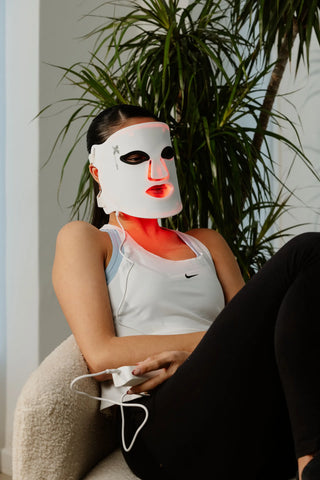
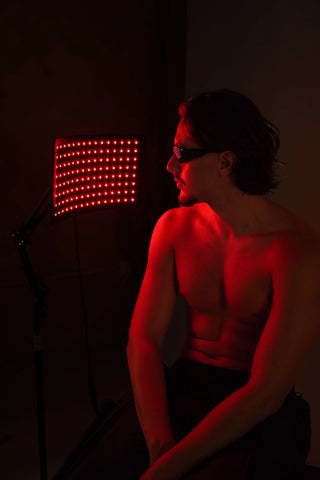
Some people also add photobiomodulation or red light therapy to their wellness routine. Scientific reviews study it as possible support for post-exercise recovery, but the evidence is still fine-tuning doses and protocols; that is why it is better to see it as a complement, not a magic solution. If you want to explore that approach further, there is red light therapy for post-workout recovery.
A massage gun can accompany a gentle session on the glutes, quadriceps or upper back, but it should not be used on a recent injury with significant pain or swelling. The HSS guide to percussive massage and a systematic review on massage guns recommend clear precautions: wounds, bruises, recent fractures, areas with reduced sensitivity or delicate regions such as the spine are not good places to press on.
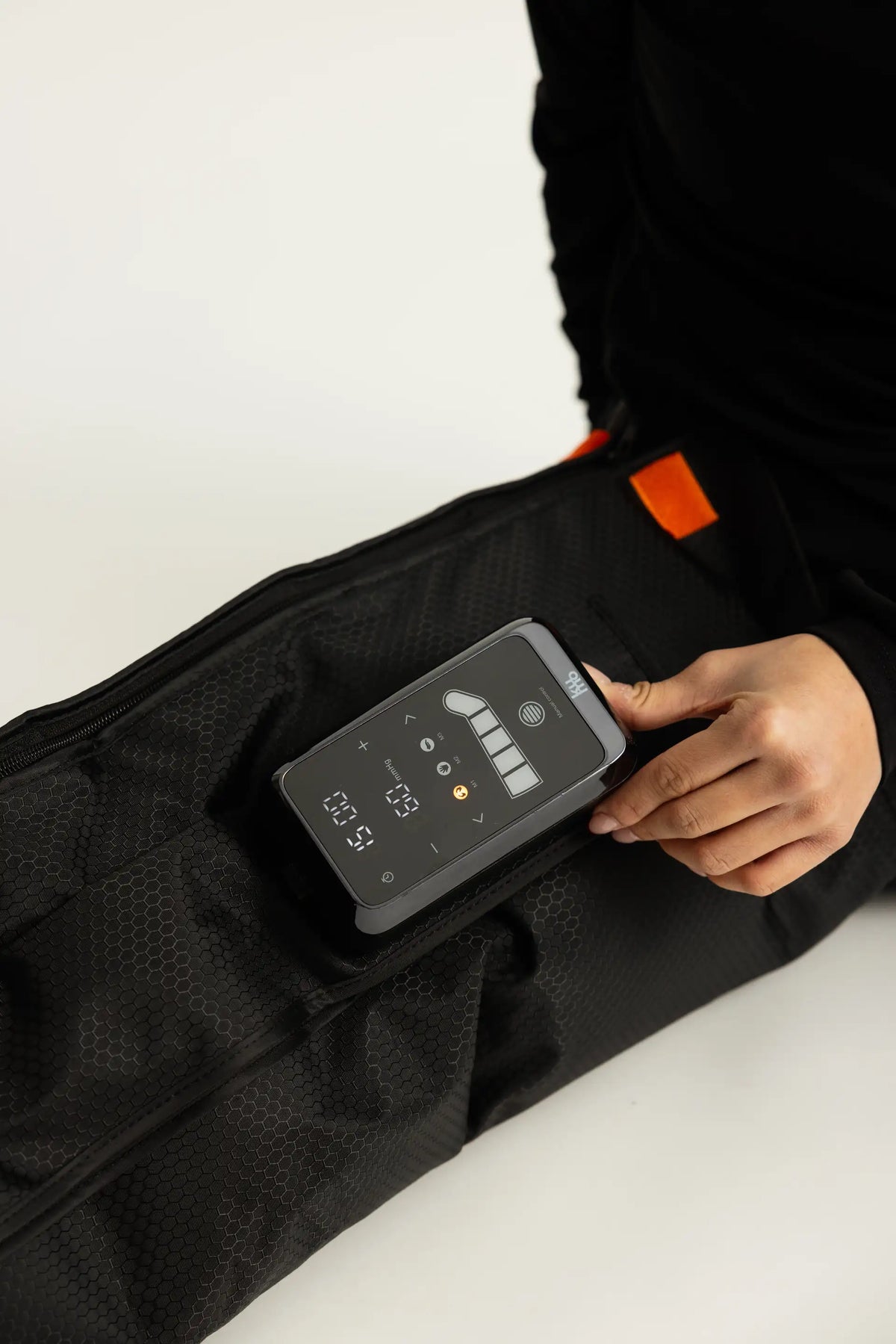
With pressotherapy, the logic is similar: it accompanies the feeling of heavy legs, it does not replace a medical assessment, and it should not be used if you have been advised against compression or if you have a known contraindication. The international consensus on compression therapy insists on reviewing contraindications thoroughly and adjusting the device, especially in severe peripheral arterial disease, severe heart failure, material allergy and severe diabetic neuropathy.
When to see a professional
If the discomfort does not look like simple stiffness, do not push through it. MedlinePlus on acute low back pain and the NHS guide on back pain recommend seeking an assessment when pain appears after a fall or a blow, gets worse at night, does not improve within a few days, or comes with fever, weakness, tingling, loss of strength or changes in the bladder or bowel.
- Pain after a fall or a hard blow.
- Pain that wakes you at night or clearly worsens at rest.
- Tingling, weakness or numbness in the legs or pelvis.
- Difficulty walking, loss of balance or changes in the bladder and bowel.
- Pain lasting more than four weeks or that is different from other times.
Wellness tools do not replace a medical assessment. Do not use the massage gun if the area is inflamed, with acute pain, wounds or loss of sensitivity, and avoid pressotherapy if you have a known medical contraindication to compression.
Frequently asked questions
How long should I warm up before playing golf?
A reasonable approach is to set aside 8 to 12 minutes, with at least 10 when you are not feeling your best. The idea is not to break a heavy sweat, but to gradually raise muscle temperature, heart rate and the mobility of the trunk and hips. The AOSSM and the AHA agree on this logic of progressive warm-up, and in golf a short block of dynamic mobility usually works better than a long static stretching session before the first swing.
Which exercises help the back and hips most?
The most useful ones tend to combine rotation and control: trunk turns, lunges with rotation, hip hinges, gentle openings and progressive swings. The reason is simple, because golf requires hips and trunk to work together. Biomechanical reviews and golf-specific programs emphasize this mobility of the lumbopelvic chain, and the trial with adolescents showed that targeted hip and trunk work can reduce episodes of low back pain.
Is static stretching or dynamic mobility better before heading out?
Before playing, dynamic mobility is better. Long static stretching can leave you feeling more "soft" than prepared, while progressive movement does a better job of waking up the nervous system and coordination. That is why many golf guides and reviews recommend walking, rotating, doing lunges and practicing easy swings before moving on to full shots. Static stretching makes more sense afterward, once you have finished the round and the body is warm.
Can I use a massage gun or pressotherapy after a round?
Yes, if you use them as wellness tools and with good judgment. The massage gun should go over relaxed tissue, never over a recent injury, a bruise or an area with reduced sensitivity. Pressotherapy, for its part, requires respecting the contraindications of compression and not using it if a professional has advised you against that type of pressure. In both cases, the key is comfort, caution and consistency, not forcing sensations.
What now?
Turn this routine into a simple habit: warm up with movement, play, and spend a few minutes winding down at the end. If you want to keep refining your approach, bookmark how to create a recovery protocol at home with pressotherapy, red light therapy and a massage gun and come back to the Kumo Balance home page whenever you want to keep building a more organized routine.
KumoWave pressotherapy
Choose your at-home pressotherapy
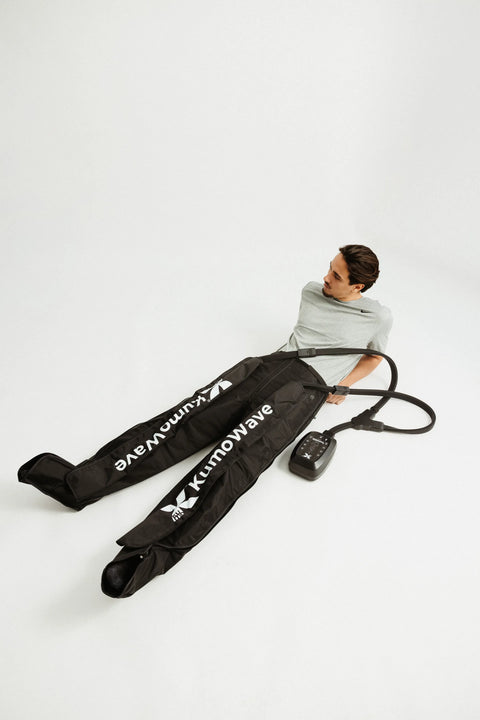
KumoWave Elite – Pressotherapy Pants
Full-coverage trousers. Ideal for lipedema, fluid retention and intensive use.
€799,00 €999,00
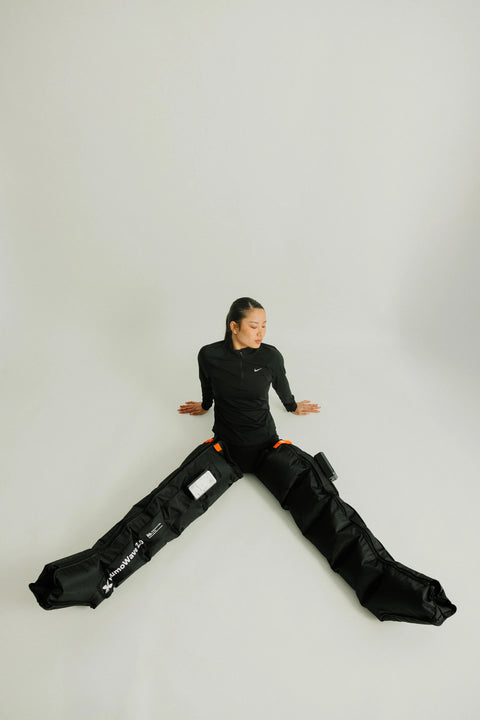
KumoWave 2.0 - Wireless Pressotherapy
Wireless, lightweight boots. Perfect for daily use and recovery.
€499,00 €599,00